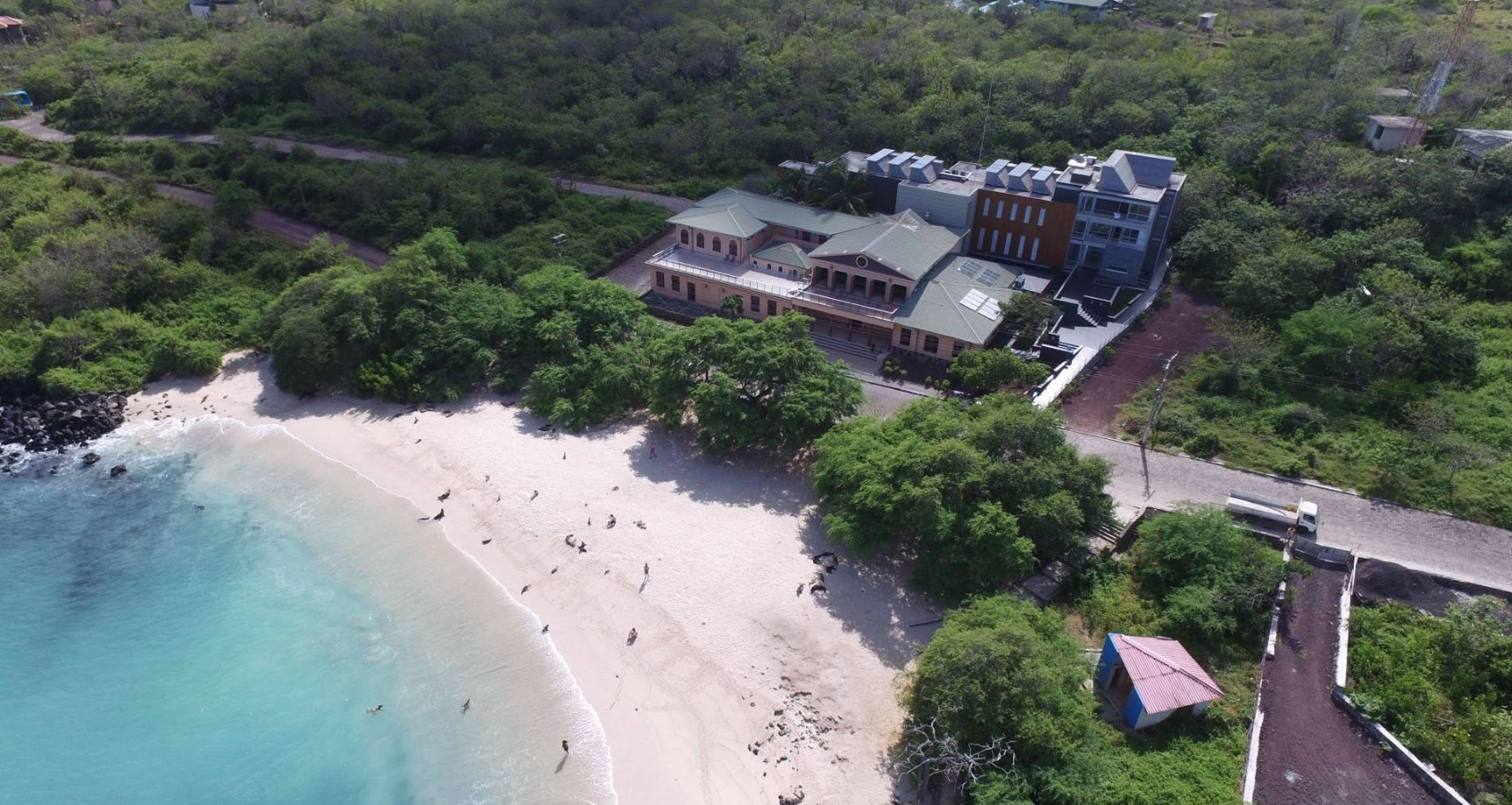
Exploring the genetic diversity and population structure of Mobula birostris in two key aggregation zones in the Eastern Tropical Pacific
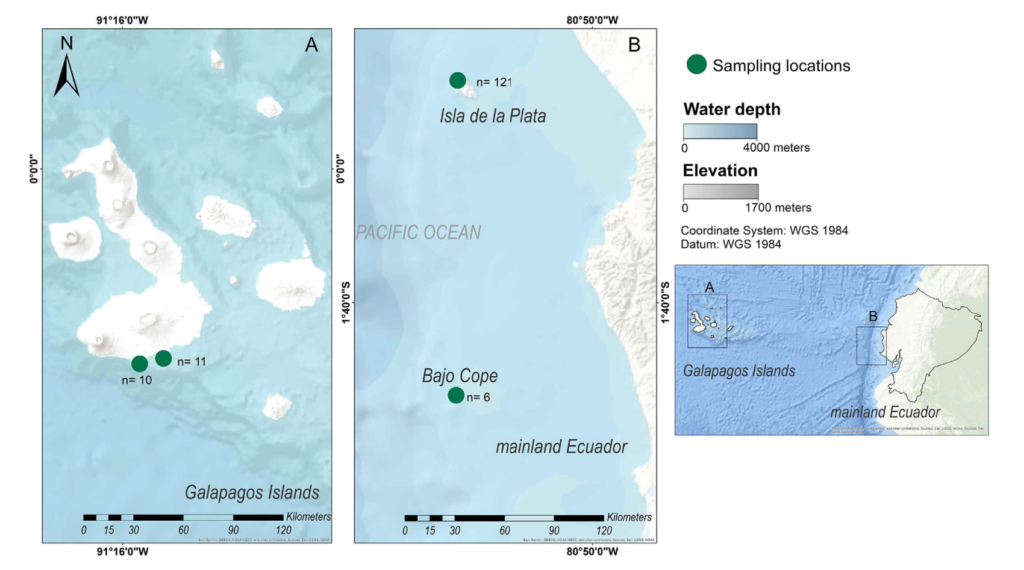
The giant manta ray Mobula birostris is the largest ray species in the world. Little is known about its genetic composition.
Ecuador contributes to the NASA SHADOZ network with 36 probes per year through the USFQ Atmospheric Measurement Station
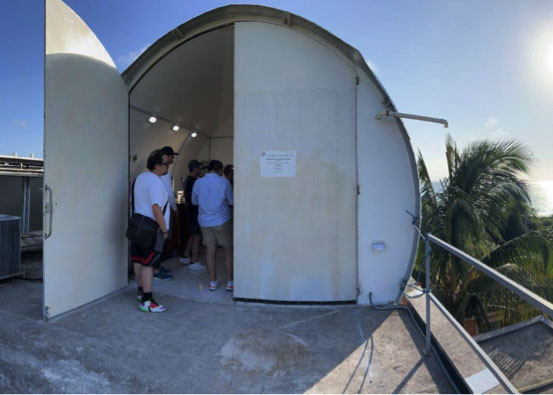
The Universidad San Francisco de Quito (USFQ) has the Atmospheric Research Institute (IIA), which conducts surveys of the ozone layer from its Atmospheric Measurement Station (EMA).
The GSC biobank will form one of seven bio centers that will guard the genetic resources of the existing biodiversity in Ecuador
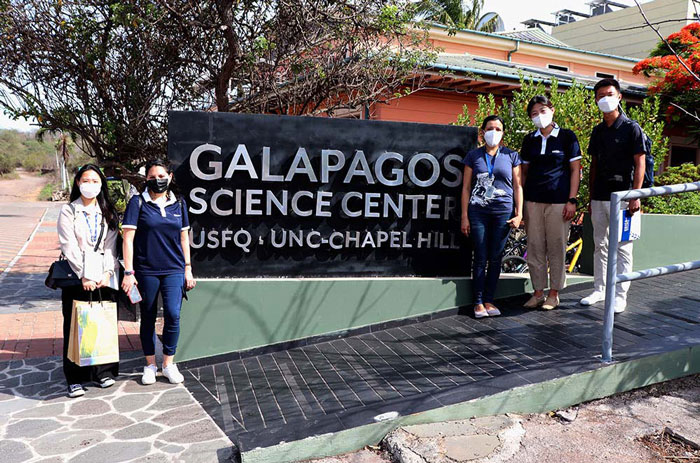
On January 26th, the Galapagos Science Center (GSC) welcomed representatives of the Korea International Cooperation Agency (KOICA) including Hyeyoung Lee, Moondo Kim, and Daniela Chávez.