Whale shark reveals the route: an adult female migrates from western Galápagos to El Salvador
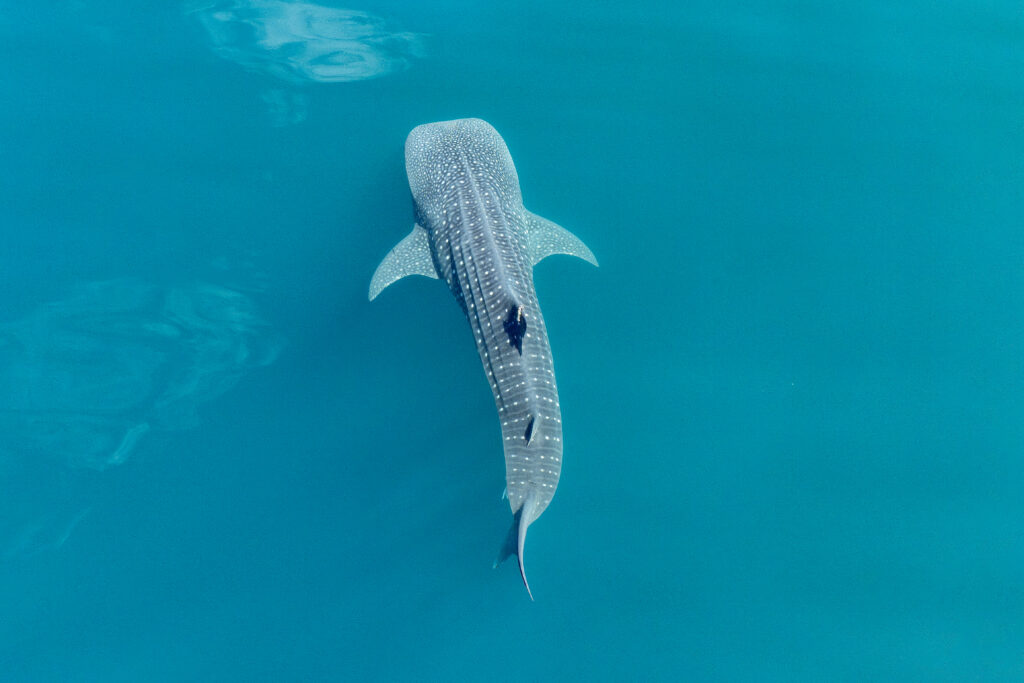
In March 2026, a scientific expedition in the Galápagos Marine Reserve sought to better understand the migratory route of the whale shark, an endangered species, and determine whether individuals observed in different areas of the archipelago are connected to one another.
USFQ Drives Development in Galápagos Through Education, Health and Community Impact
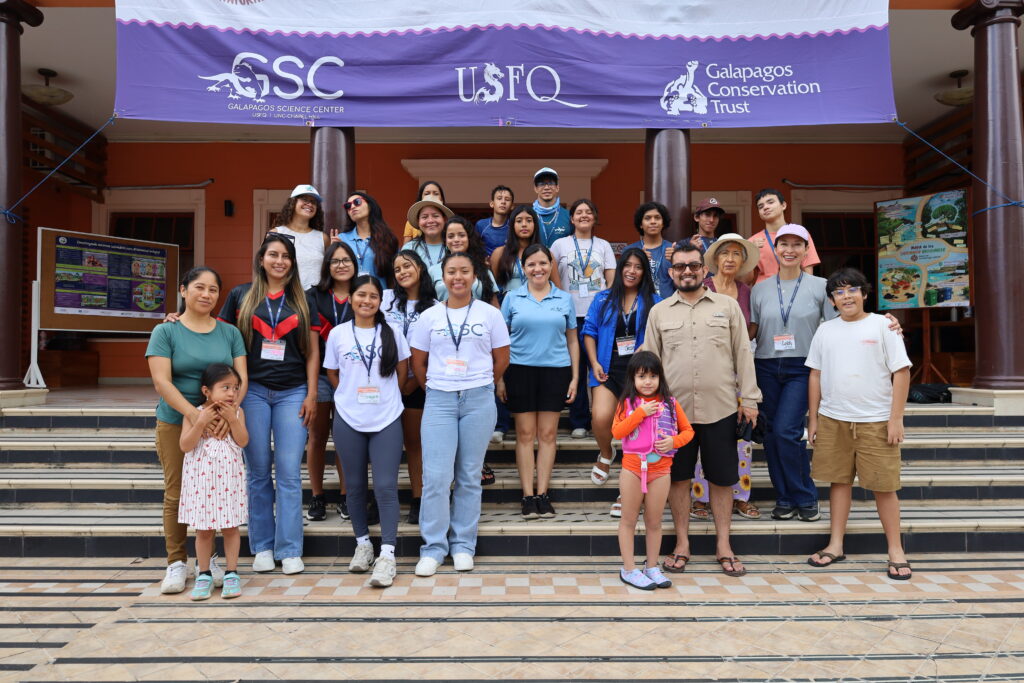
One of USFQ’s main contributions in Galápagos lies in its commitment to holistic education through transformative experiences. In this context, the Host Family Program stands out as an international cultural immersion initiative that allows foreign students to integrate into the daily life of the local community.
Digital Reconstruction of the U.S. Base in Baltra, Galápagos Islands: A Forgotten Chapter of WWII in South America
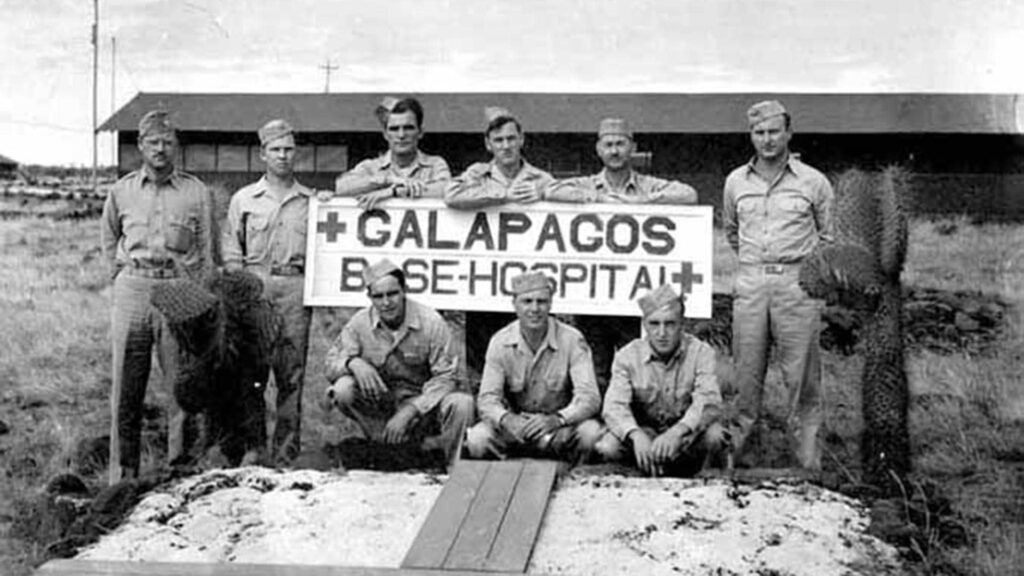
During World War II, Baltra Island hosted a U.S. military base that significantly transformed its landscape and ecosystems. This research reconstructed that infrastructure in 3D using historical photographs, satellite imagery, and drone surveys, identifying more than 600 structures.
2025 Christmas Newsletter and Annual Impact Report
During this special season, we would like to wish you a Merry Christmas and a prosperous New Year. We invite you to explore the news, insights, and achievements that reflect our collective efforts to strengthen conservation and promote sustainable development in the Galápagos Archipelago, a Natural World Heritage Site.
Heterogeneous preferences for cleaner maritime transportation in the tourism sector: A choice experiment from the Galápagos Islands

Maritime transport is essential for tourism in the Galápagos Islands, but it also represents a significant source of pollution.This study explores tourists’ willingness to pay for cleaner propulsion technologies, electric and hybrid, as alternatives to internal combustion engines, aiming to promote more sustainable tourism in this fragile ecosystem.
Mapping Important Shark and Ray Areas (ISRAs) in the Central and South American Pacific: Existing knowledge and data needs
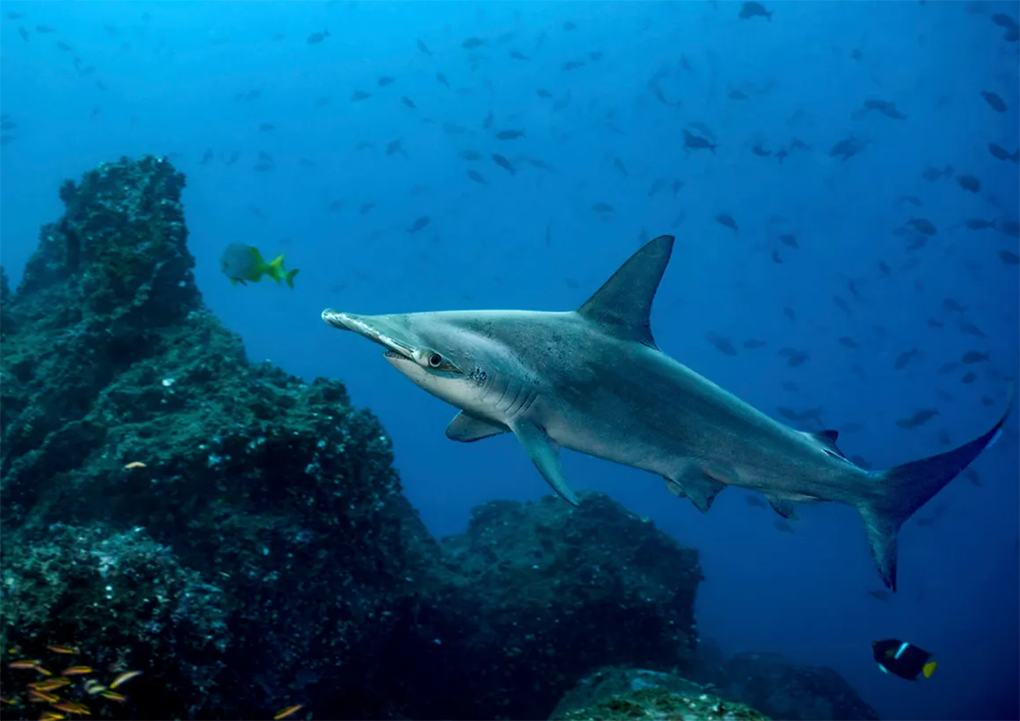
Chondrichthyans, a class of aquatic vertebrates (sharks, rays, and chimaeras), are facing a global extinction crisis driven by overfishing, habitat degradation, climate change, and pollution. Of the approximately 1,250 species studied, more than one third (37%) are at risk of extinction according to the International Union for Conservation of Nature Red List, making this group the second most threatened among vertebrates.
Connecting the Community with Nature: A Galápagos conservation program celebrates the successful completion of its sixth phase
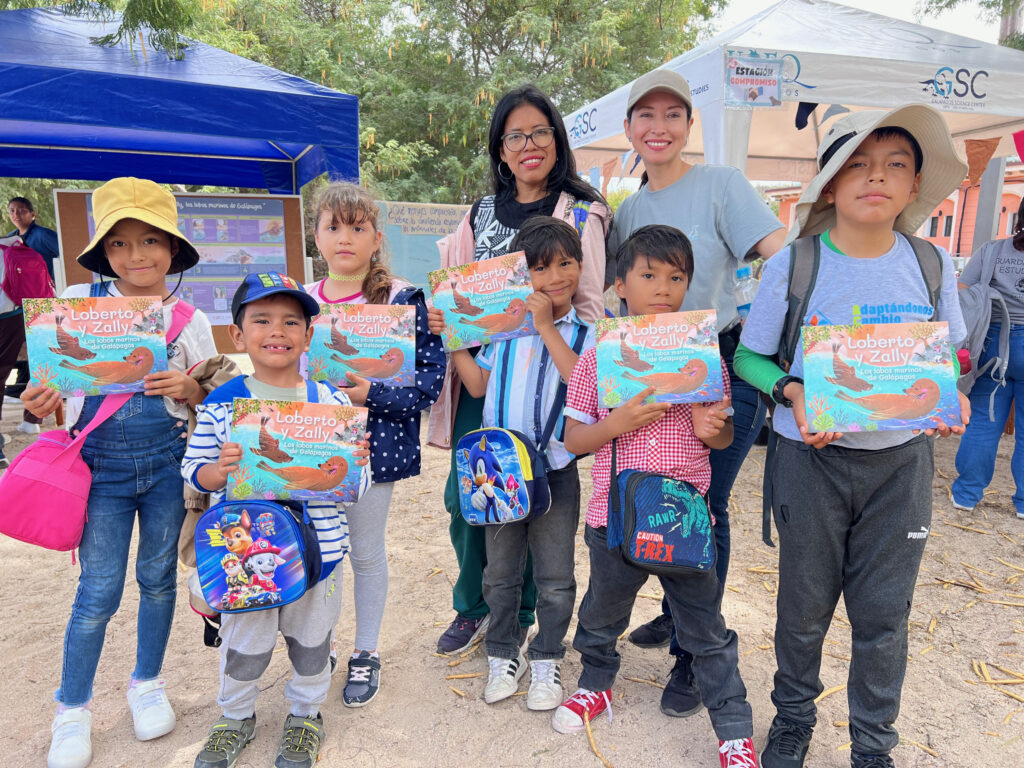
With the goal of raising environmental awareness and promoting the conservation of the archipelago’s natural resources, the Galapagos Science Center (GSC) and the Galapagos Conservation Trust have been running the “Connecting with Nature Program” (CWNP) since 2019. This initiative has reached over 9,100 community members on San Cristóbal Island, through recreational and educational activities tailored to children, youth, and adults.
Canine vector-borne parasites in the Galapágos

Endemic species of the Galápagos Islands are vulnerable to newly introduced pathogens, often transmitted through invasive hosts. One example is invasive parasitic arthropods, whose evolutionary success is linked to their association with domestic animals present in the archipelago. This interaction poses a significant risk, as these parasites can switch hosts and facilitate pathogen transmission between domestic and wild species.
2024 Christmas Newsletter and Annual Impact Report
This year, we celebrate 13 years of impactful work in conservation, research, and sustainable development in the Galápagos Islands. In our newsletter and annual impact report, we invite you to explore how we have contributed to preserving this natural heritage through scientific expeditions, innovative digital tools, and health and education programs. Explore the latest advancements, scientific findings, and inspiring stories from 2024 Don’t miss out—join us on our journey toward a more sustainable Galápagos!
Galapagos Day: Inspiring Research and Engagement
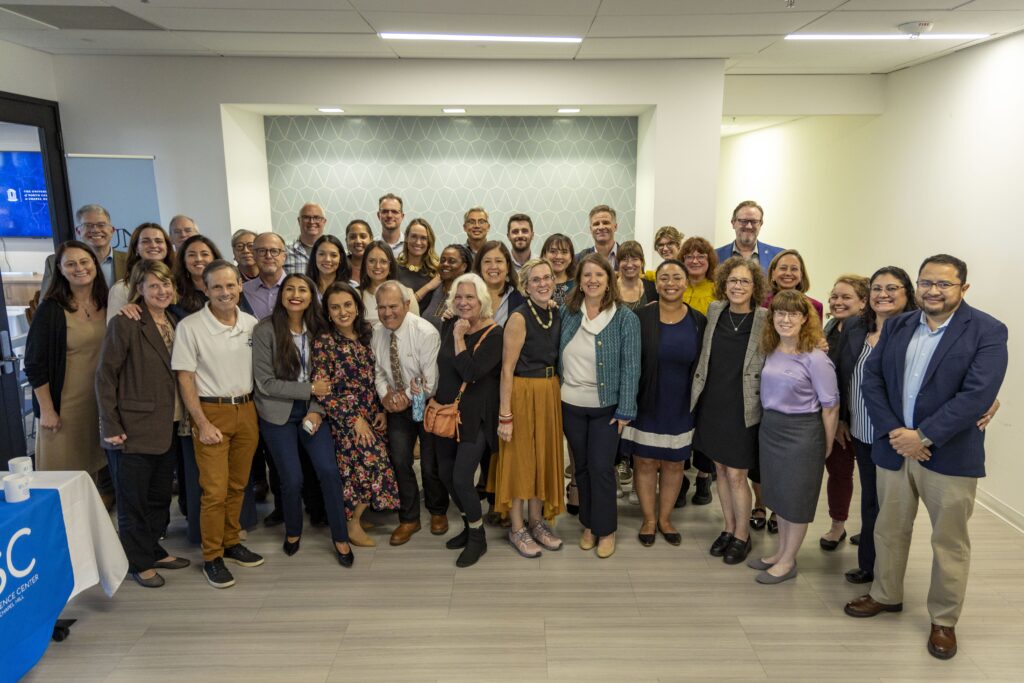
UNC Center for Galapagos Studies and the Galapagos Science Center recently hosted its first Galapagos Day on UNC-Chapel Hill’s campus titled Galapagos Day: Building Healthy Ecosystems on a Changing Planet. This event successfully brought together global researchers, students, and staff from UNC-Chapel Hill (UNC), the Universidad San Francisco de Quito (USFQ), NC State University, and the Galapagos Science Center to share about their impactful work in Galapagos and relevant opportunities for collaboration, training, outreach, and student engagement moving forward.