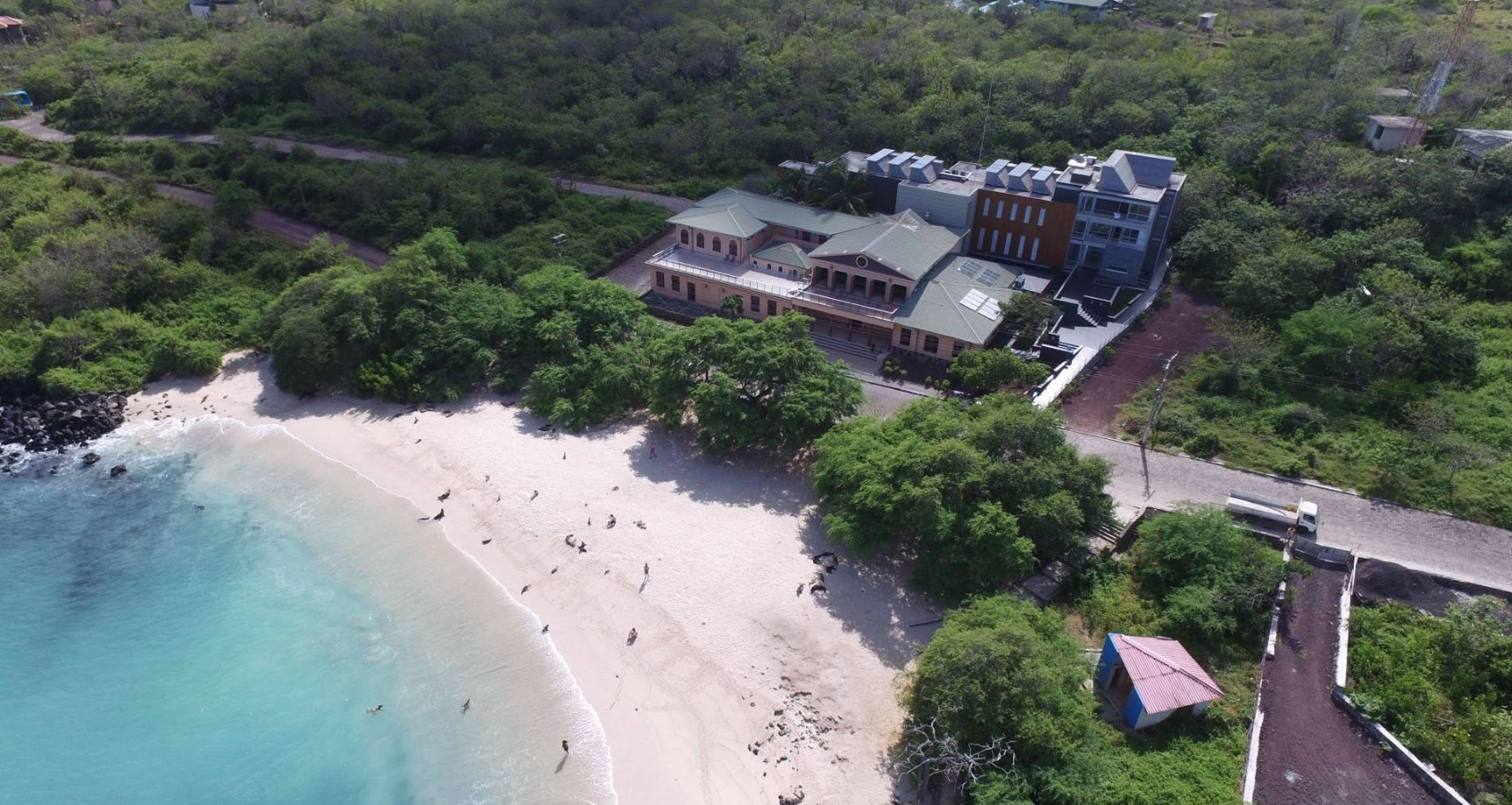
New Gecko Species in Galapagos
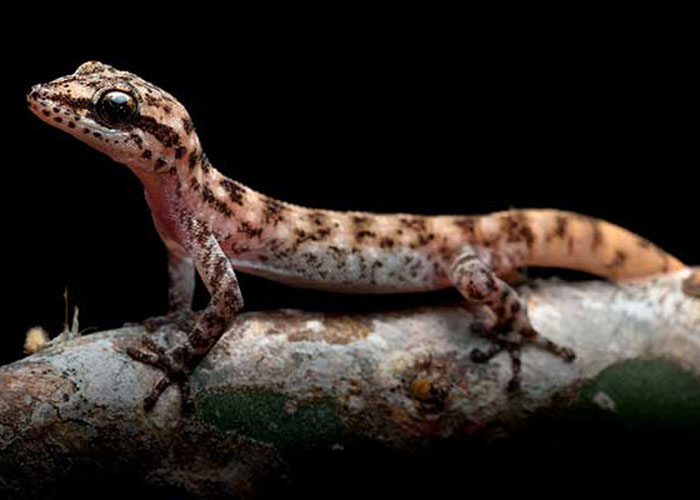
Meet three new endemic Galapagos gecko species!
Thanks to research by Tropical Herping and Galapagos Science Center under Galapagos National Park Directorate permit PC-54-18, Galápagos has two new gecko species and a third elevated from sub-species to species status!
Previously, scientists thought the third new gecko species was a subspecies.
First Ever Maps of AgroEcosystems in Galapagos by UNC and USFQ Researchers
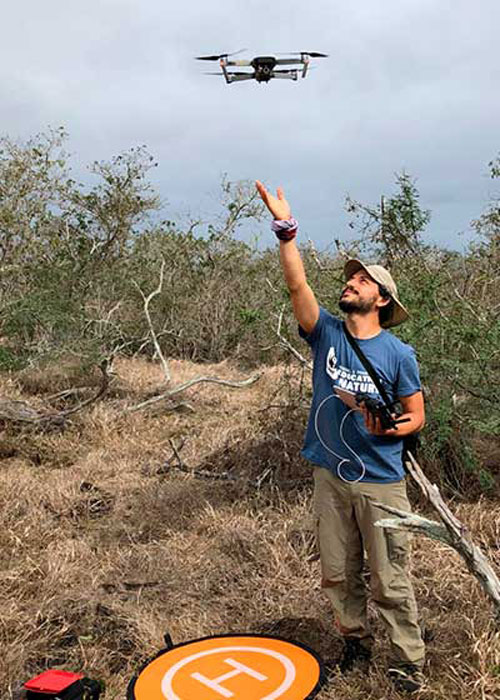
What percentage of land cover is dominated by invasive plants in the highlands of the four inhabited Galapagos Islands? It´s 28.5% according to new maps generated by an international research team based between the UNC at Chapel Hill, USFQ in Quito and GSC.
Summary of PI Amanda Thompson’s study on immune development and gut microbiome in Galapagos
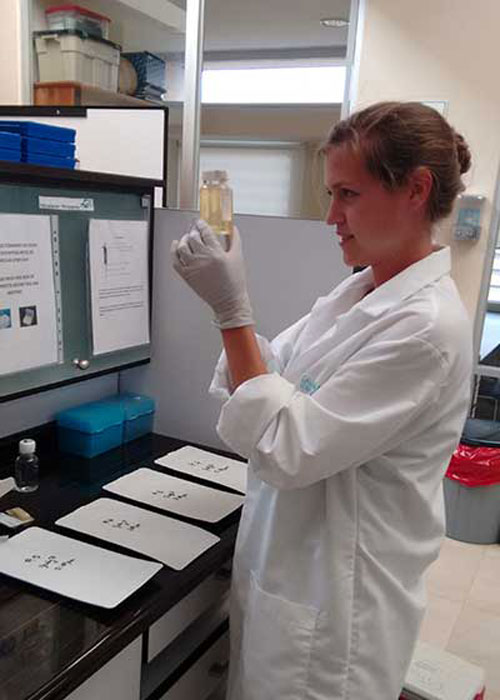
GSC Researcher Amanda Thompson, based at the University of North Carolina at Chapel Hill, along with three other collaborators, published an article about human health in Galapagos in the American Journal of Human Biology.
GSC plays an integral role in the Galapagos Inter-Institutional Commission for Responsible Plastics Use

Beginning in 2012, the plenary of the Galapagos Governing Council (CGREG), the highest government instance in Galapagos, voted to implement the recommendations from a study conducted by a consultant from the Galapagos National Park Directorate (GNPD) on the use of disposable plastics in Galapagos.
Healthy Families Study
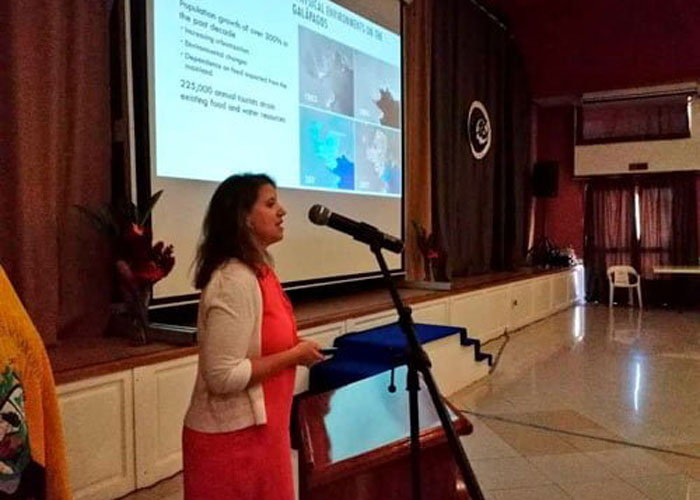
Over the past two years, we have been conducting the Healthy Families Study in San Cristobal in collaboration with USFQ and funded by the National Institutes of health. In this project, we examine how the water and food environments of the Galapagos impact human health.
Grass Genomes X Environments: A hypothesis/discovery-based approach connecting genome with the phenome of plant habit and behavior in natural settings
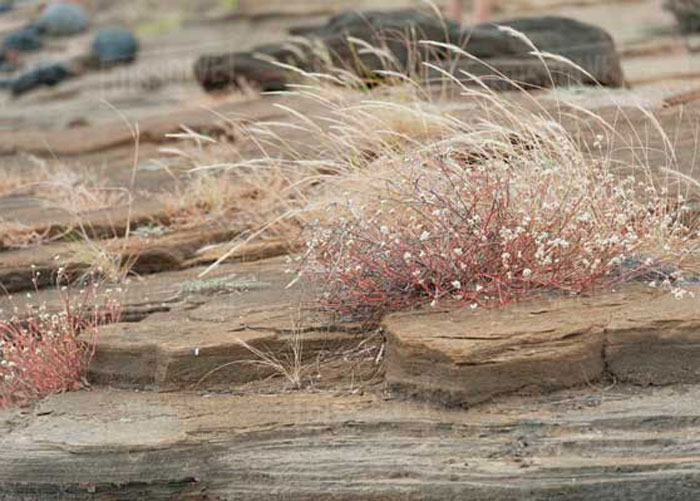
We characterize the genomes of a phenotypically diverse, yet monophyletic, set of grasses from Ecuador.