
Photo: @Andrew Russell
Our story began with a shared vision: to bring world-class science to one of the most extraordinary places on Earth.
Our Story
Our Story
What began as an effort to generate high-quality scientific knowledge has transformed into an innovative research model that recognizes the deep interconnections between human, animal, and environmental well-being, and is firmly rooted in education and community engagement. Throughout the past 15 years, the Galapagos Science Center (GSC) has led more than 170 projects, trained hundreds of students, and promoted inter-institutional collaborations that connect local realities with global challenges.
We invite you to take a brief journey through the Center’s key historical milestones:
On February 12, 2010, the Universidad San Francisco de Quito and the University of North Carolina at Chapel Hill signed the agreement to establish and operate the GSC, initiating a strategic alliance aimed at driving world-class scientific research in Galapagos.
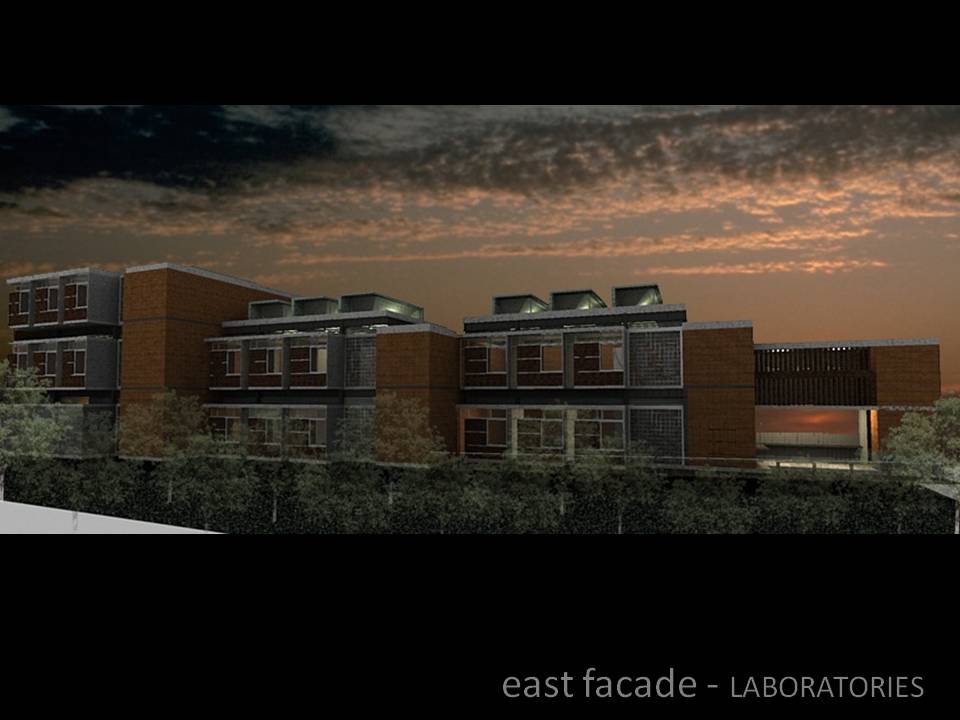
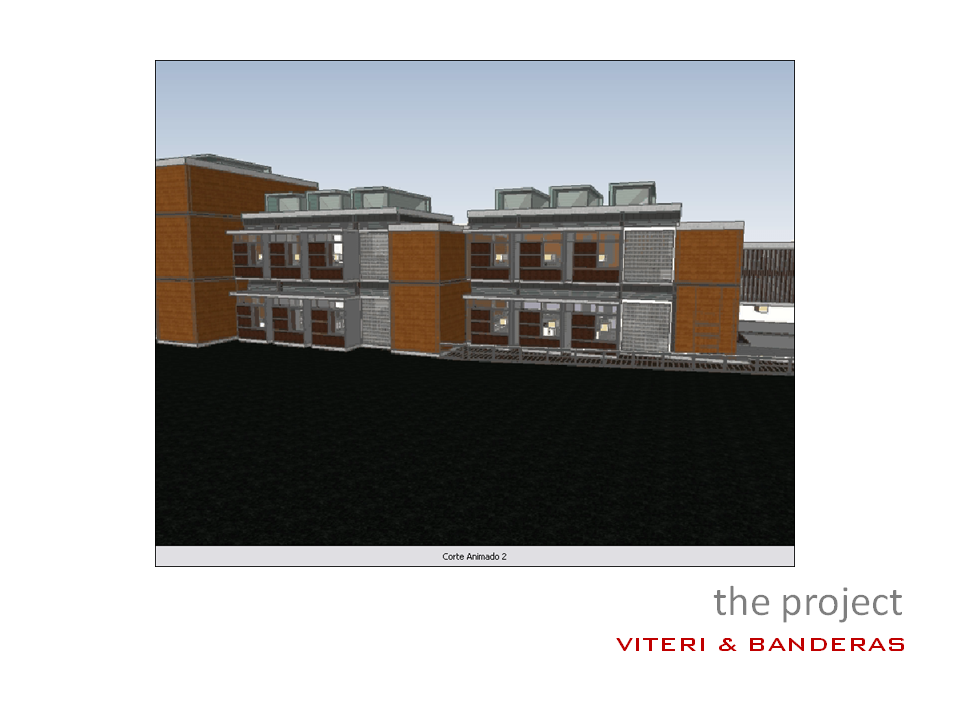
One year later, on May 16, 2011, the 20,000 sq ft GSC building was officially dedicated in San Cristóbal, establishing a scientific platform with a commitment to global research and the local community.
The GSC's first books were published by Springer: Science and Conservation in the Galápagos and Evolution from the Galápagos, which featured over 20 scientific articles about the archipelago.
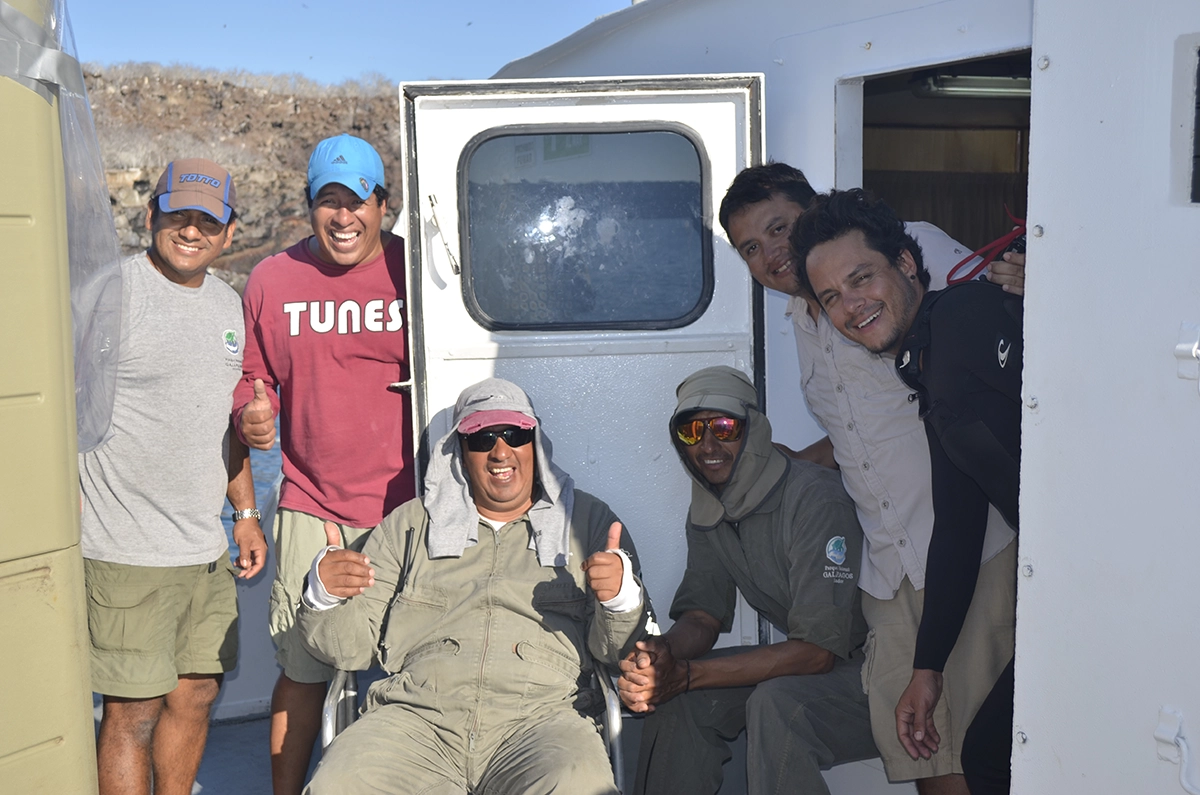
Launch of the Comprehensive Scientific Cruises and Long-Term Monitoring Program in the Galapagos Marine Reserve. The GSC, in collaboration with the Galapagos National Park Directorate, USFQ, and UNC-Chapel Hill, launched an annual scientific cruise program to assess the health and population status of iconic species and to monitor physical, chemical, and biological ocean processes. The cruises produce crucial information regarding the effects of events like El Niño and climate change to support conservation and management efforts.
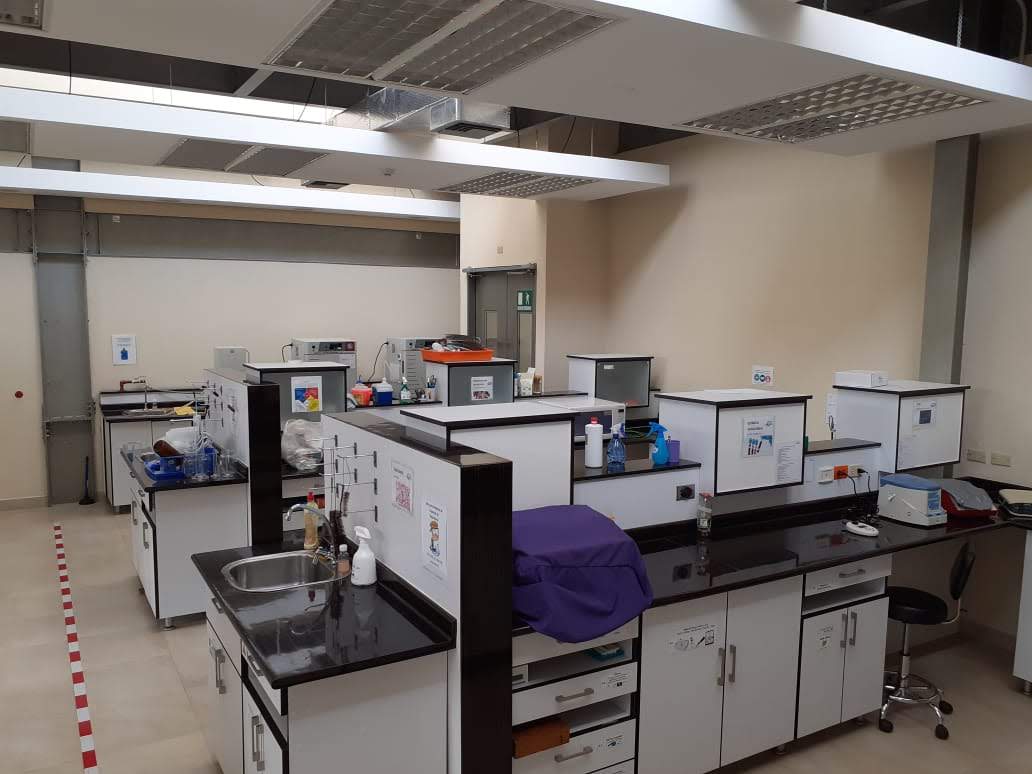
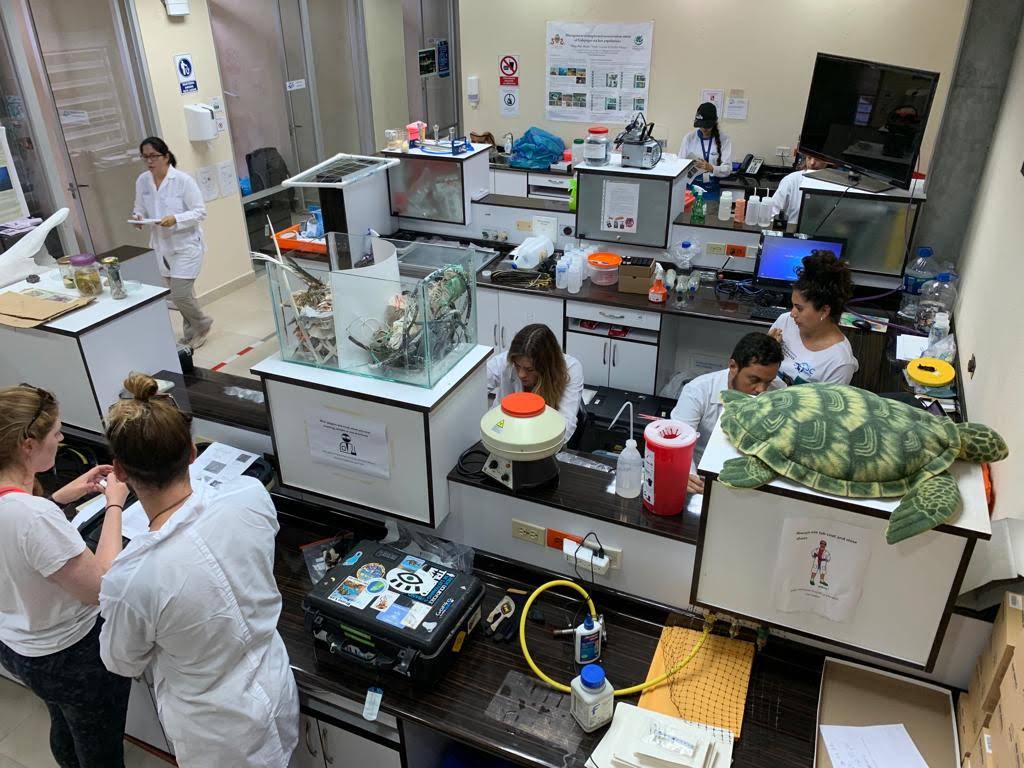
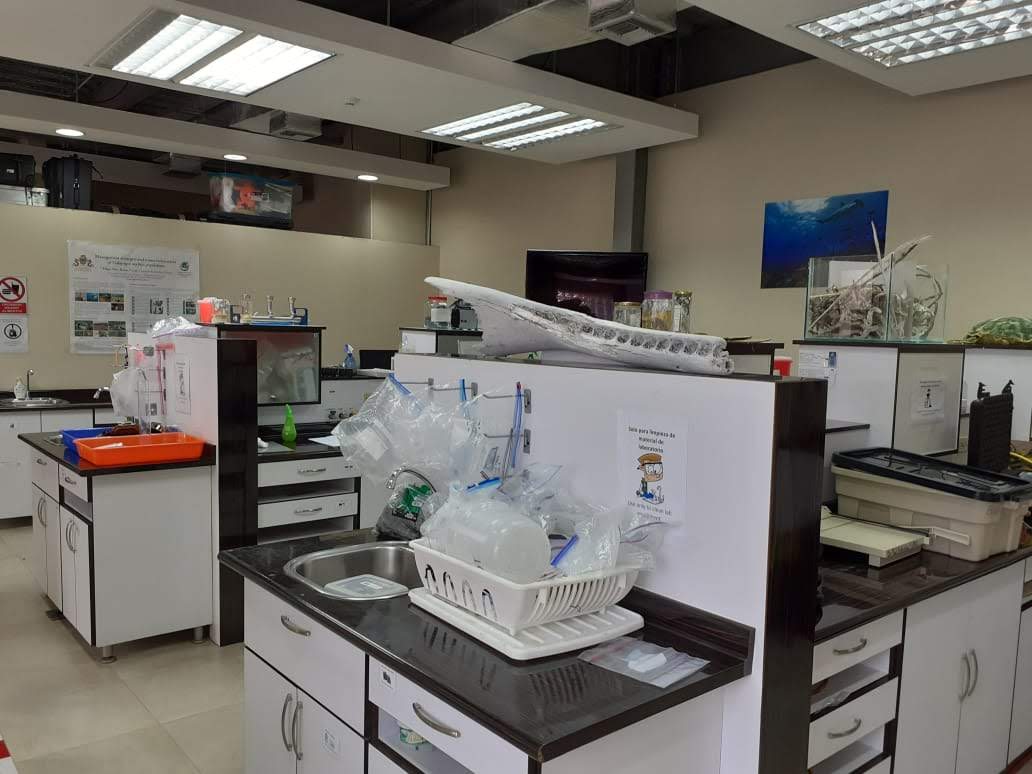
The capacity of the GSC's four laboratories was expanded, strengthening the Center’s infrastructure for research in the Galapagos.
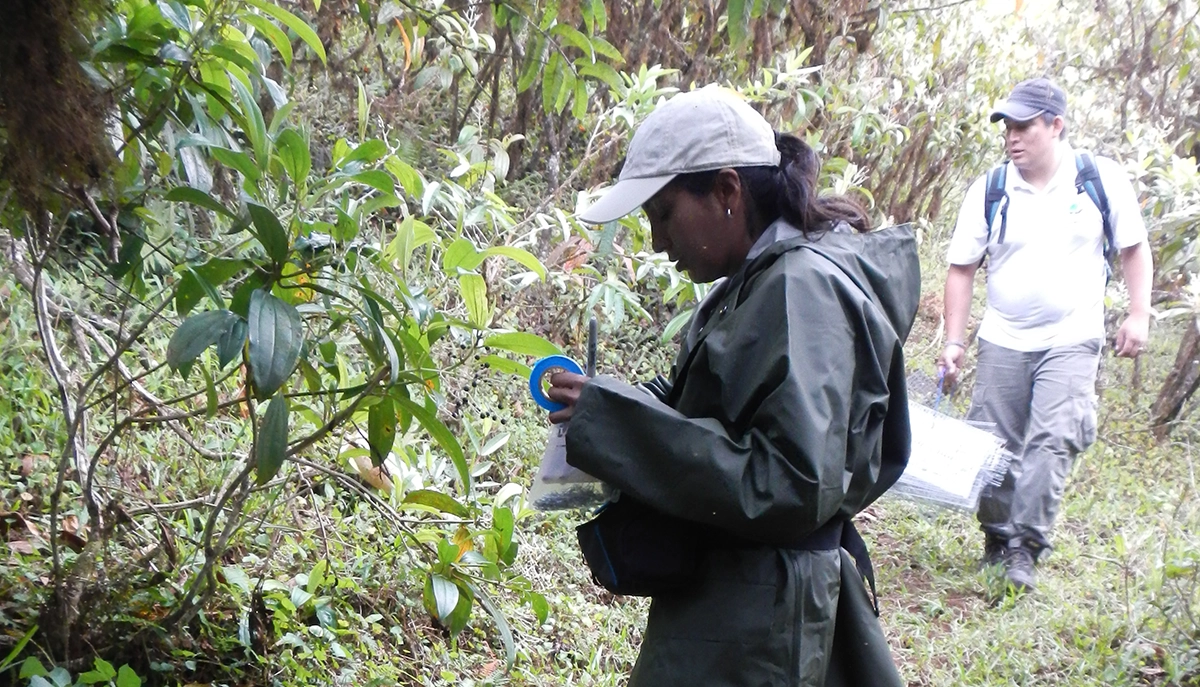
Launch of ISLAVET, one of the first experiential education projects in Galapagos. The program provided opportunities for veterinary students and professionals, in partnership with national and international institutions, to investigate the health and conservation of the archipelago's wildlife through fieldwork and laboratory analysis.
Implementation of the Long-Term Water Monitoring Program in Galapagos. The GSC established a comprehensive program to evaluate water quality throughout the islands, from water sources, through the distribution system, and to wastewater treatment. It identified advancements in water purification, but also limitations such as the presence of Escherichia coli and deficiencies in water distribution, storage, and disinfection. These findings laid the groundwork for subsequent research, such as a 2023 pilot project on plumbing, pathogens, and urinary tract infections, aimed at improving water quality and preventing associated diseases, particularly among women.
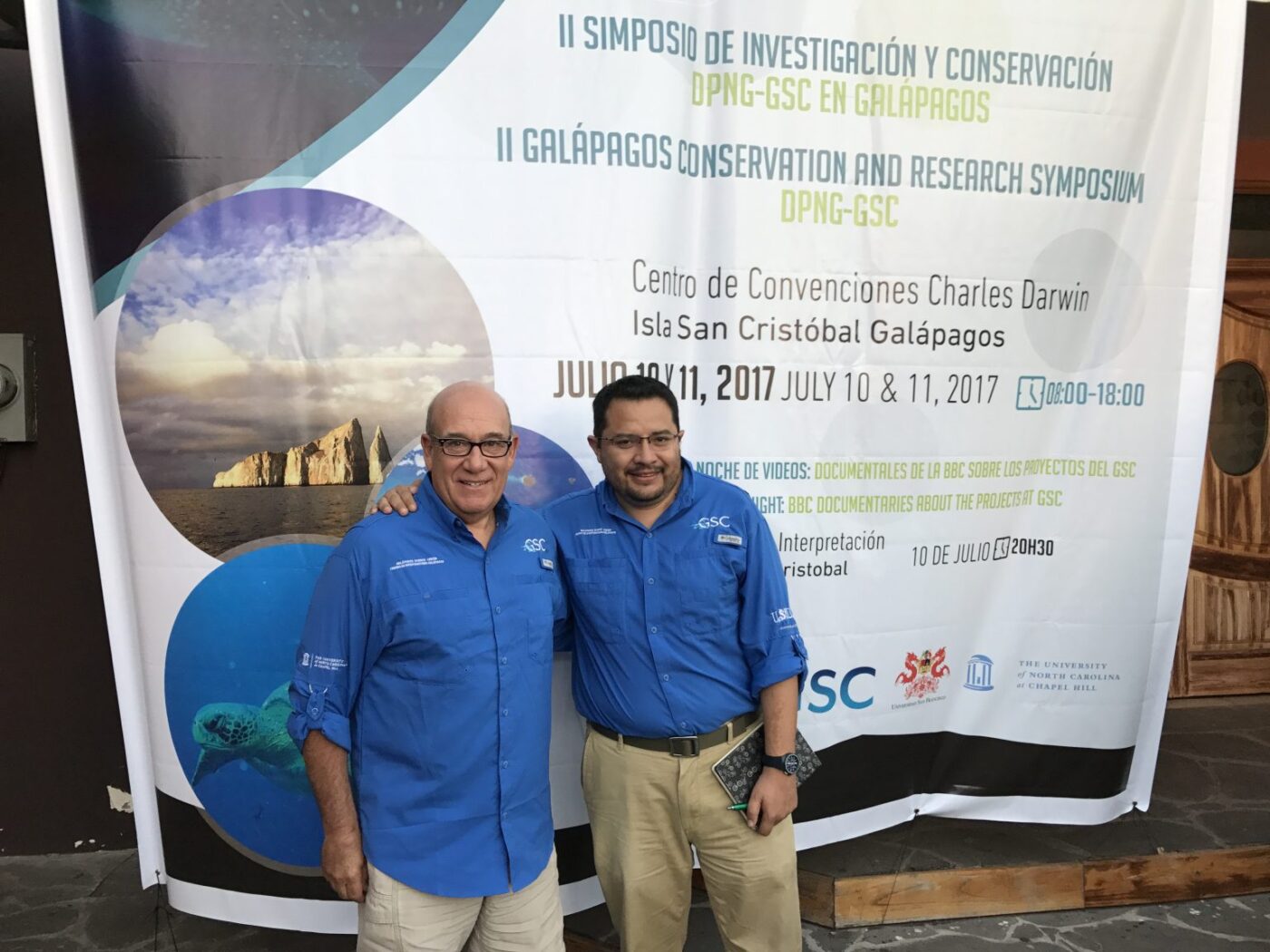
First Galapagos Research and Conservation Symposium. The GSC hosted the inaugural Galapagos Research and Conservation Symposium, which became an annual forum to share findings among academia, the National Park, and the local community. To date, seven symposiums have been held.
Launch of the Human Health Cooperation Project in San Cristóbal. The GSC, through USFQ Galapagos and Sistemas Médicos USFQ, established a strategic partnership with the Oskar Jandl Hospital to improve public health on the island through research, training, and specialized medical brigades. This supported the Ministry of Public Health, expanded access to quality healthcare services, and drove key interventions such as the Vaccination Plan, which successfully immunized 90% of the islands' population in 2021. The partnership also addressed emerging challenges like nutritional deficiencies and metabolic diseases. To date, several brigades in dentistry, cardiology, endocrinology, ophthalmology, and dermatology have been implemented.
Launch of the Healthy Families Study: Water, Food, and Human Health in Galapagos. The GSC, alongside UNC-Chapel Hill and USFQ, developed an interdisciplinary study in San Cristóbal to analyze how water quality and diet influence the physical and mental health of the population. The study revealed that limited access to healthy food and clean water are associated with a triple burden of infectious diseases, obesity, and cardiometabolic conditions, as well as higher levels of stress, anxiety, and depression. This highlights the need for interventions that improve food and water access in order to enhance the well-being of the local population.
The Biobank Initiative was born. The GSC initiated the Biobank project, aimed at preserving and managing genetic samples of Ecuadorian biodiversity. This effort would become one of the center's most important areas of focus and would lay the foundation for future national and international partnerships in conservation and science.
Launch of the "Connecting with Nature" Community Development Program. The GSC, in partnership with the Galapagos Conservation Trust, launched the "Connecting with Nature" program to promote citizen participation in recreational and educational activities. These activities demonstrated the value of the islands' natural resources and encouraged social responsibility toward their conservation, applying the Theory of Change framework to foster pro-conservation attitudes and behaviors in children, youth, and adults.
The first edition of the magazine ConCiencia was published, sharing the Center's scientific findings with the local community and the wider public. To date, 5 editions have been published.
Launch of the "Barcode Galapagos" Citizen Science Project during the COVID-19 Pandemic. In response to health restrictions, the GSC initiated this ambitious project with the goal of involving the local community in recording and cataloging the archipelago's biodiversity from their homes. Using genetic identification tools, the project kept scientific research active and promoted education and citizen engagement during a period of isolation. This project utilized modern DNA barcoding techniques and the active participation of the local community to create a genetic catalog of Galapagos species, strengthening knowledge of biodiversity and supporting conservation and sustainable development.
In response to the COVID-19 pandemic, the GSC actively supported Galapagos health authorities through research, logistics, and institutional cooperation that contributed to the successful vaccination process of the island population.
Celebration of the World Summit on Island Sustainability. The GSC organized the World Summit on Island Sustainability, bringing together global experts to discuss the future of island ecosystems and formally celebrate its first decade of success.
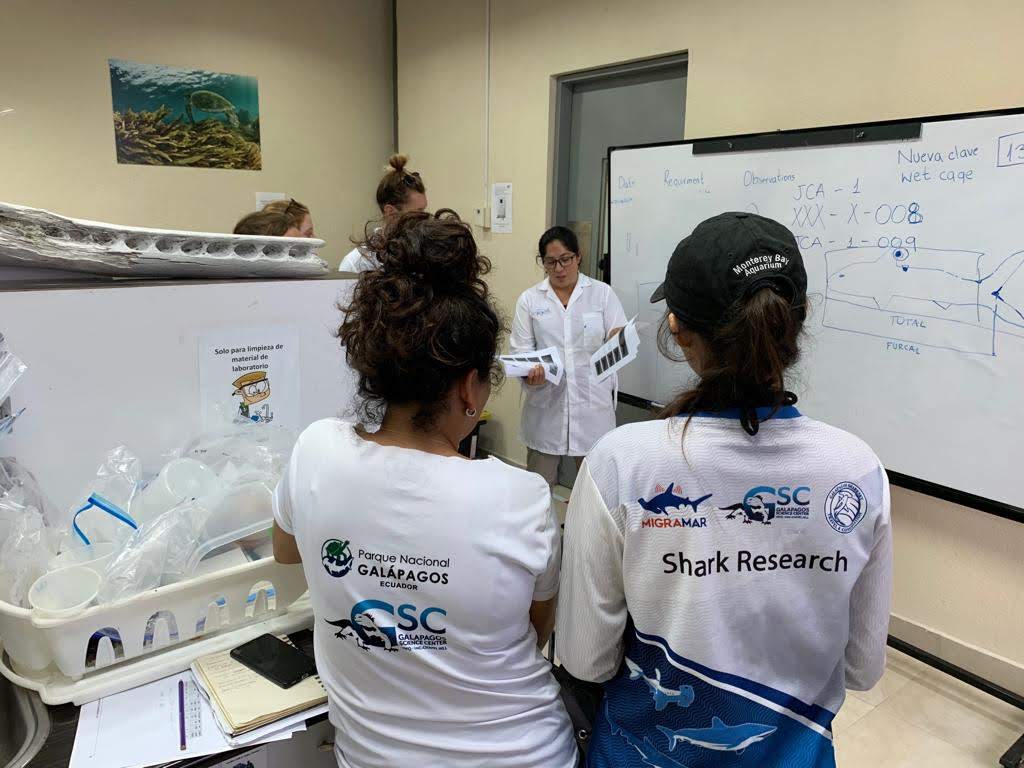
Creation of the Hermandad Marine Reserve. The GSC and USFQ played a central role in the creation of the Hermandad Marine Reserve, which added 60,000 km² of ocean protection to the archipelago. Through satellite telemetry research led by Dr. Alex Hearn and his team, the center provided critical evidence demonstrating the existence of the "Migravía" (swimway) between the Galapagos and Cocos Island. Evidence from the project led to the delineation of the new marine corridor for threatened migratory species, such as sharks and sea turtles, and contributed to one of the region's greatest marine conservation achievements.
Creation and Strengthening of the Biobank. Following the start of the Biobank initiative in 2018, the GSC advanced one of its most key projects through the “Establishment of the Korea-Ecuador National Genetic Resources Data Bank for the Conservation and Sustainable Use of Biodiversity,” driven by KOICA and INABIO. As a result, in 2023, the GSC became a founding member of the National Network of Biobanks of Ecuador, strengthening national and international scientific cooperation for the conservation, research, and sustainable management of the country's genetic resources.
Launch of the Galapagos Data Hub. On May 9, 2024, the GSC achieved a milestone in the democratization of scientific information with the official launch of the Galapagos Data Hub. Developed in collaboration with the Institute of Geography at USFQ and UNC-Chapel Hill, this interactive platform centralized decades of geographic, biological, and socioeconomic data from the archipelago. By allowing open access to complex visualizations and geospatial analyses, the Data Hub could be a strategic tool for evidence-based decision-making.
Launch of the Scientific Article Search Engine. To centralize and facilitate access to the vast academic knowledge produced in the archipelago, the Galapagos Science Center officially launched its Scientific Publications Database. This specialized search engine allows scientists, students, and decision-makers to navigate an exhaustive repository of peer-reviewed articles, book chapters, and technical reports derived from the center's projects. The search engine not only enhances the visibility of GSC researchers’ work, but also guarantees that scientific knowledge is accessible to the public and drives effective conservation in Galapagos.
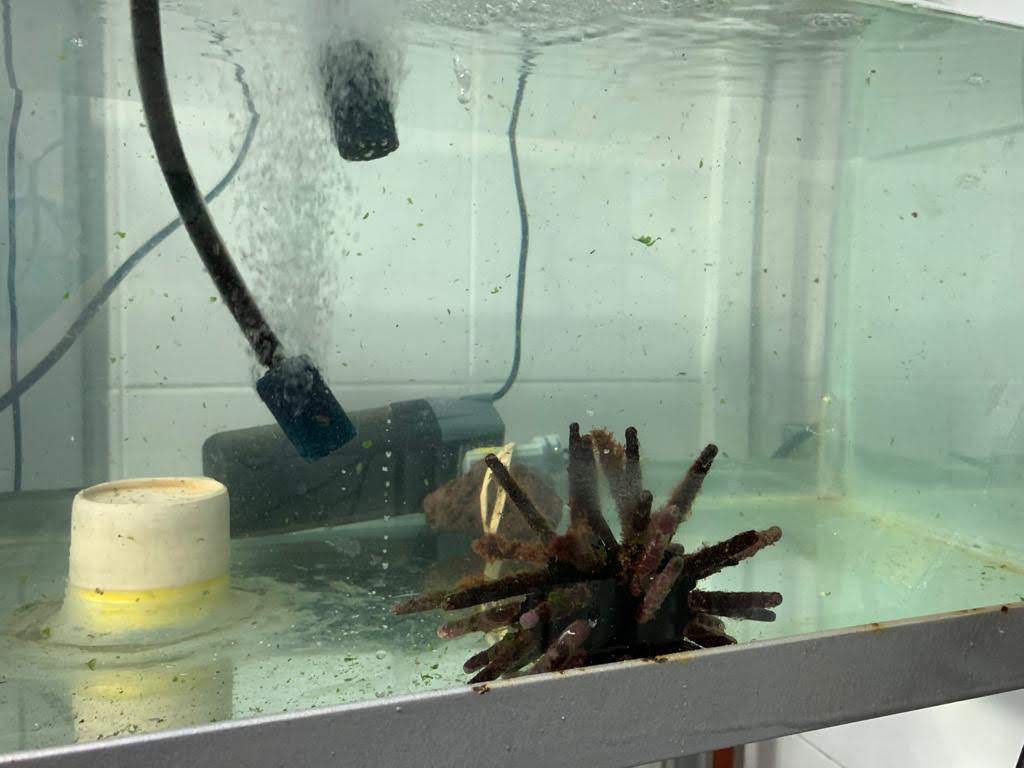
Scientific Strengthening and Conservation Leadership: Biobank, Animal Health, and Sea Lion Management Plan. The GSC reached an unprecedented phase of expansion by expanding its infrastructure and strategic leadership in the archipelago. This year was marked by four fundamental achievements: the expansion of the Biobank's capacity, establishing it as the most important genetic repository in the region; the launch of the Animal Health Laboratory, a specialized space for diagnosing and monitoring key species within the One Health framework; the implementation of the Long-Term Ecological Research project in Naufragio Bay (LTER Wreck Bay); and the creation and publication of the Sea Lion Management Plan, which is key for the conservation of one of the most iconic species in Galapagos.
GSC Story
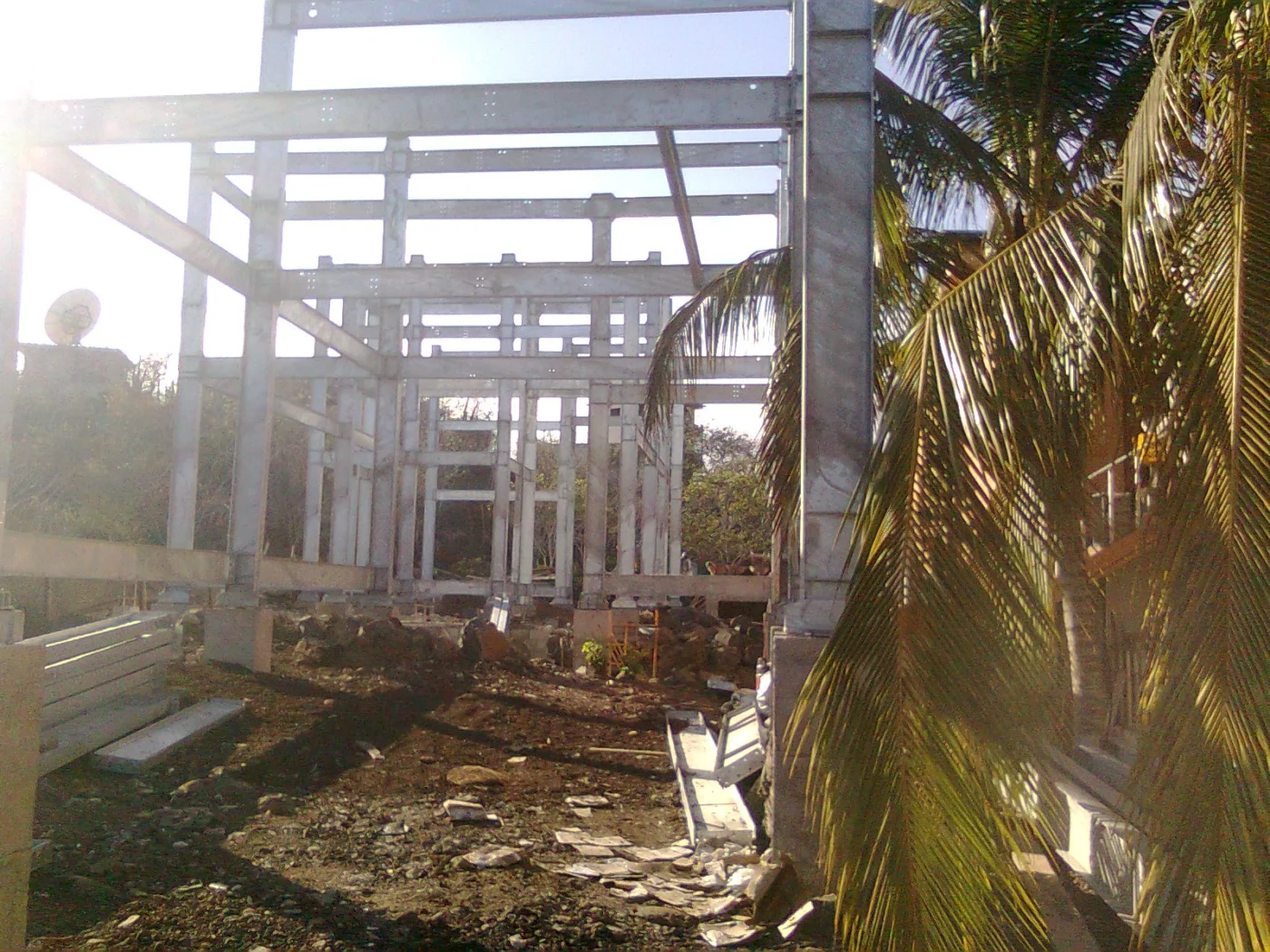
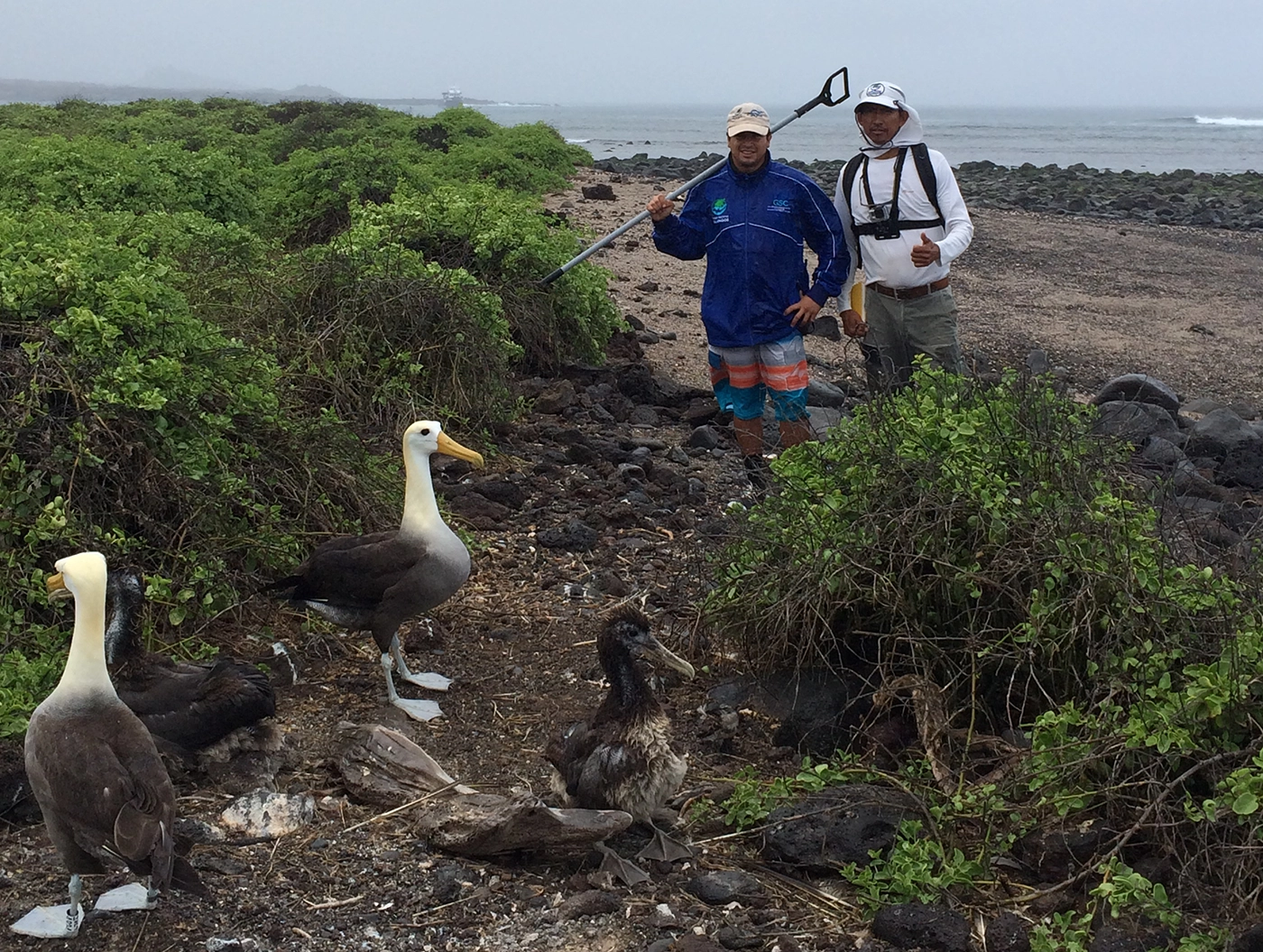
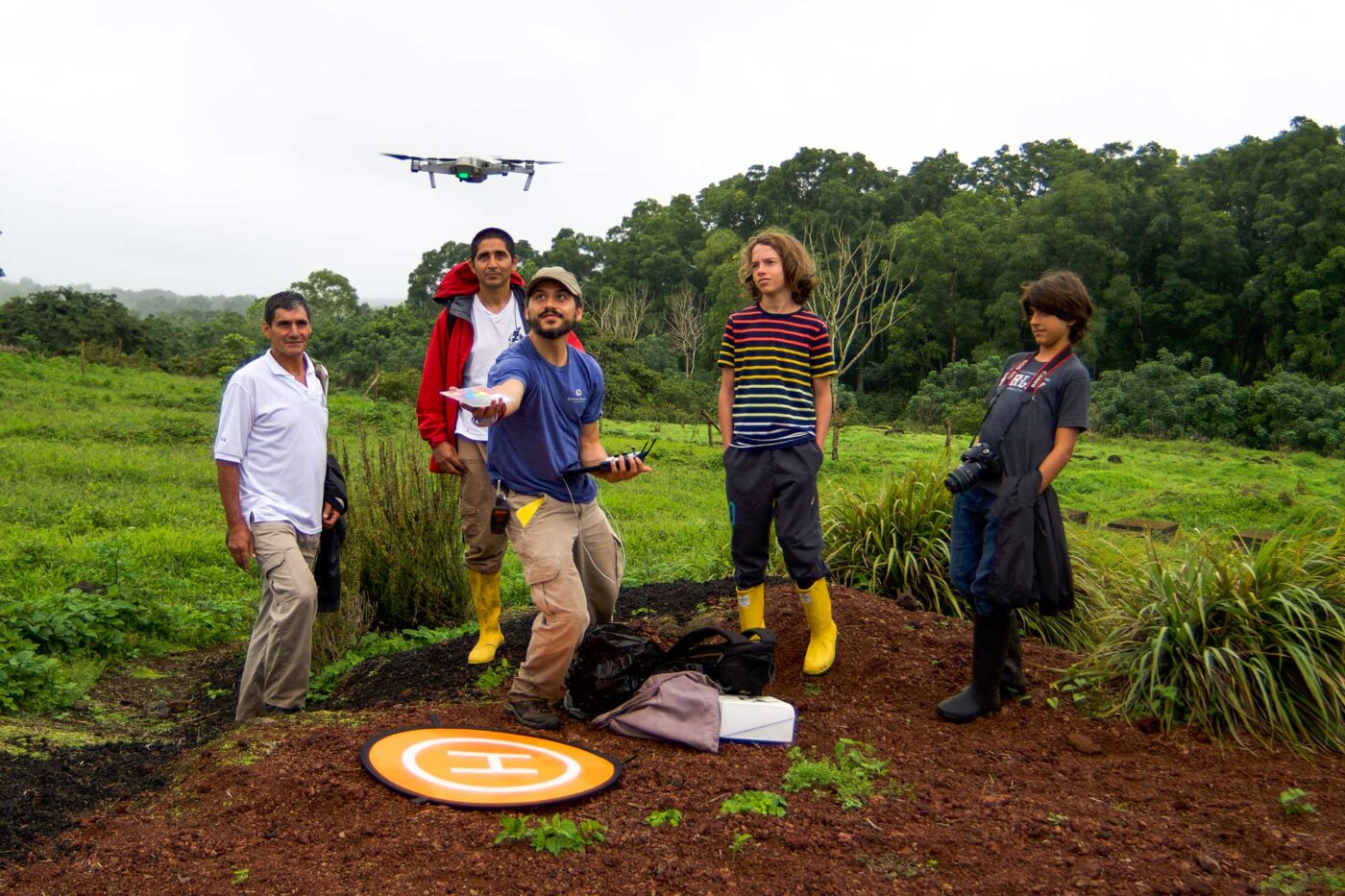
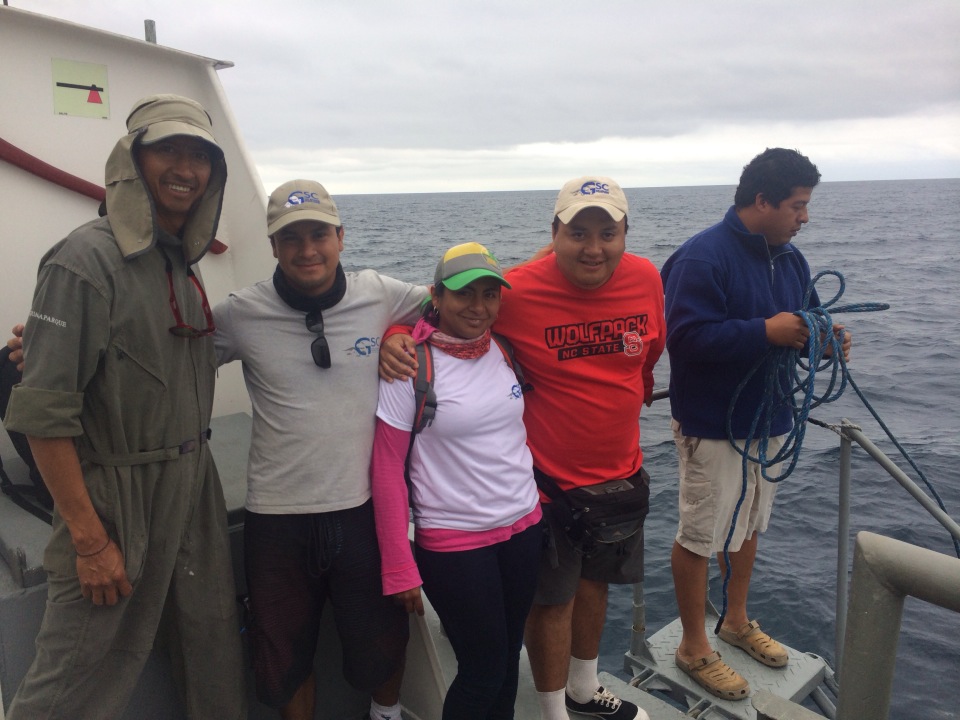
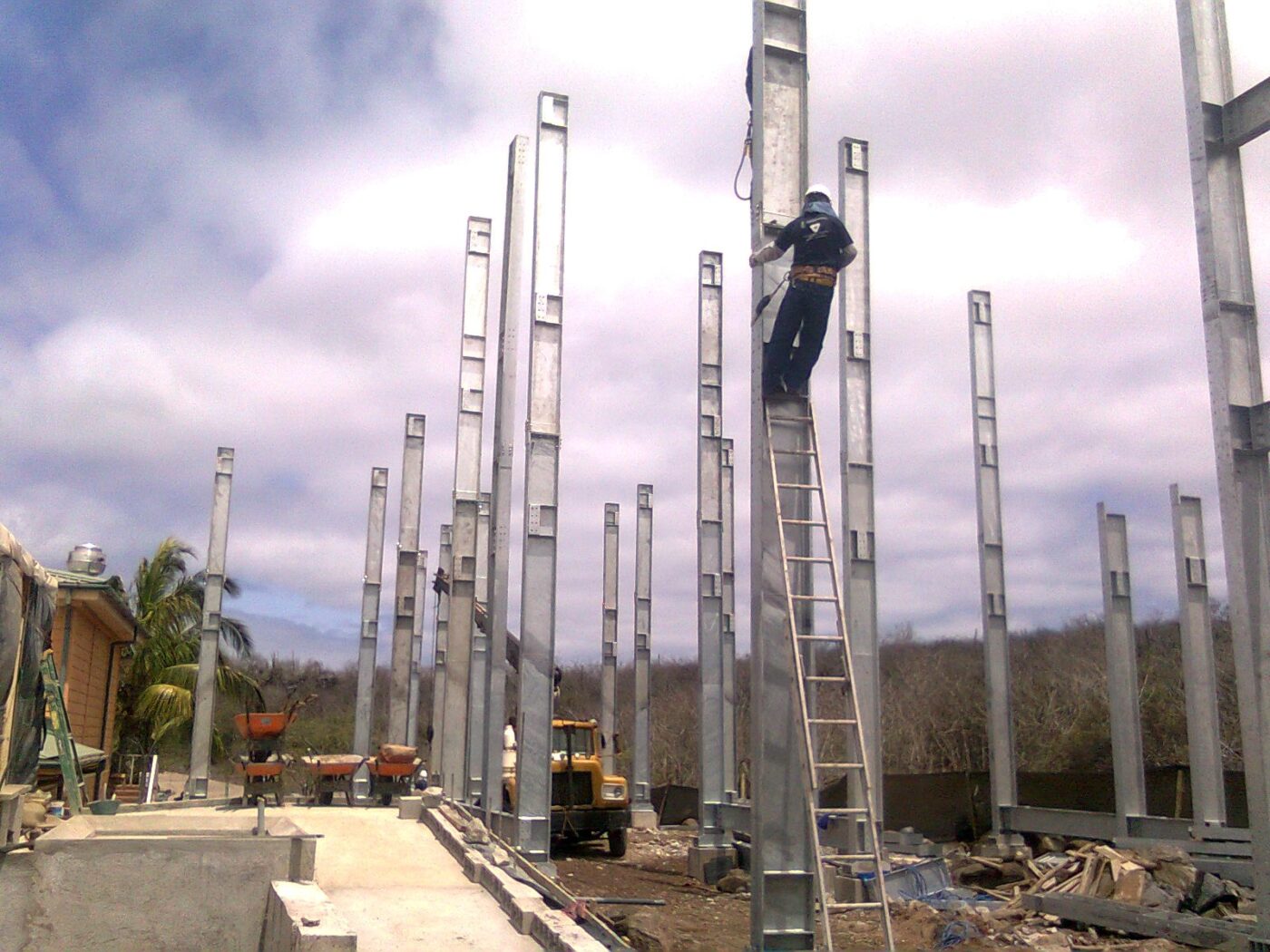
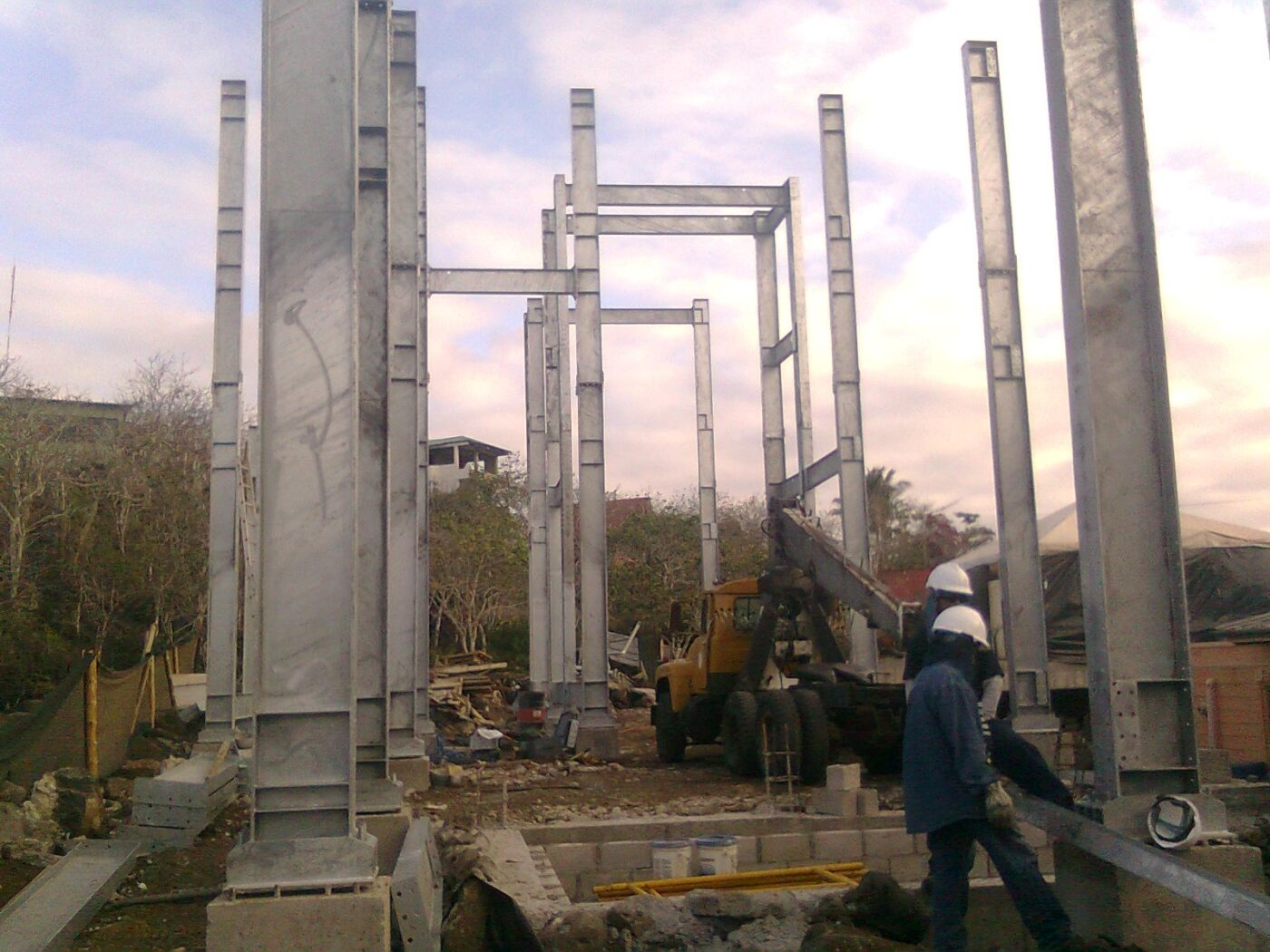
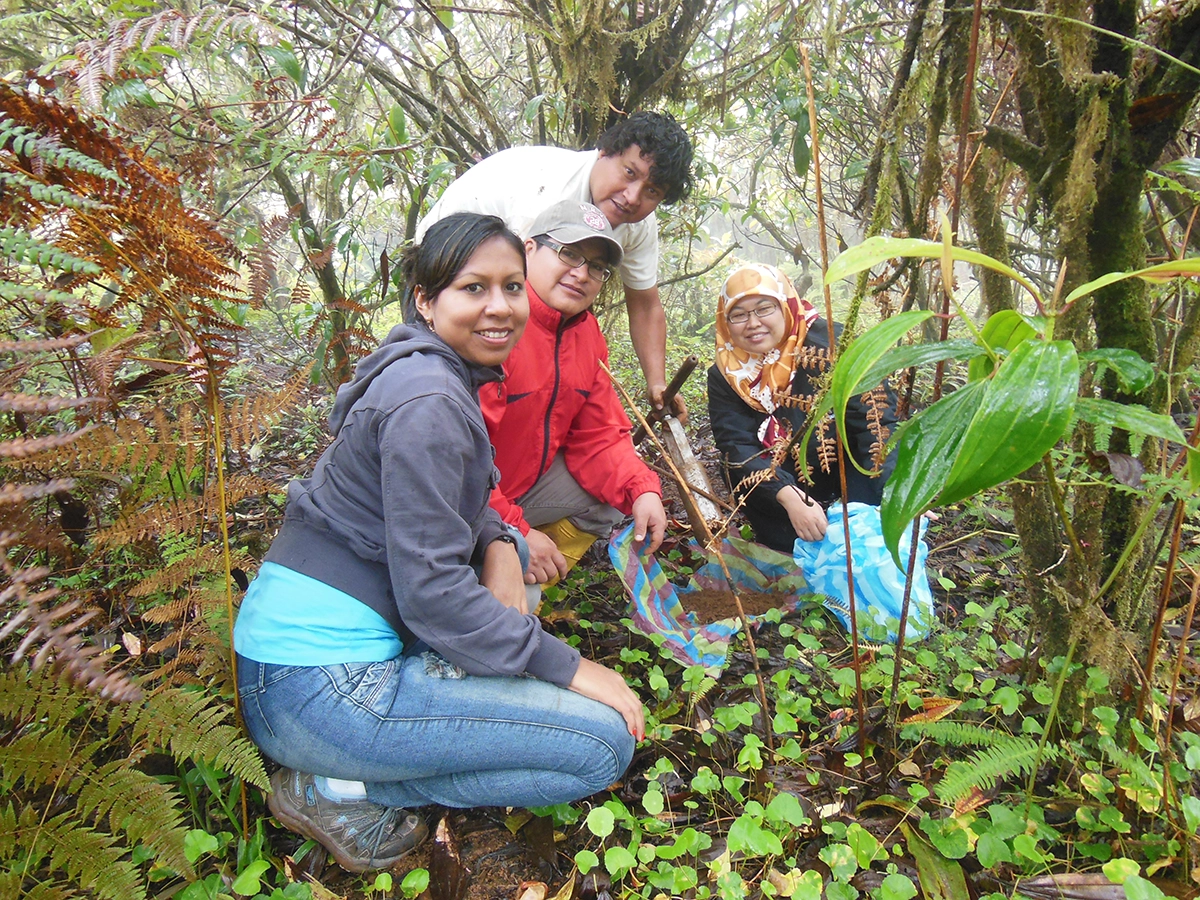
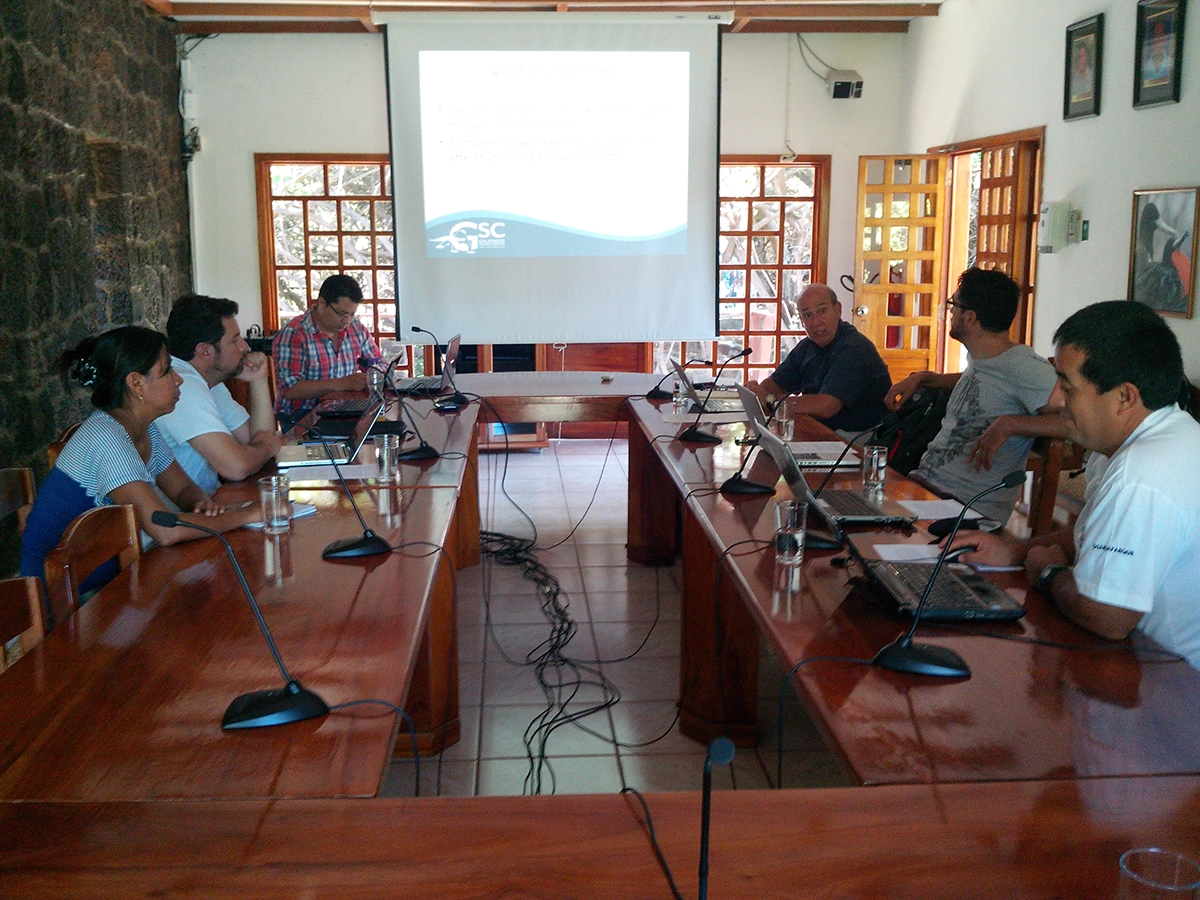
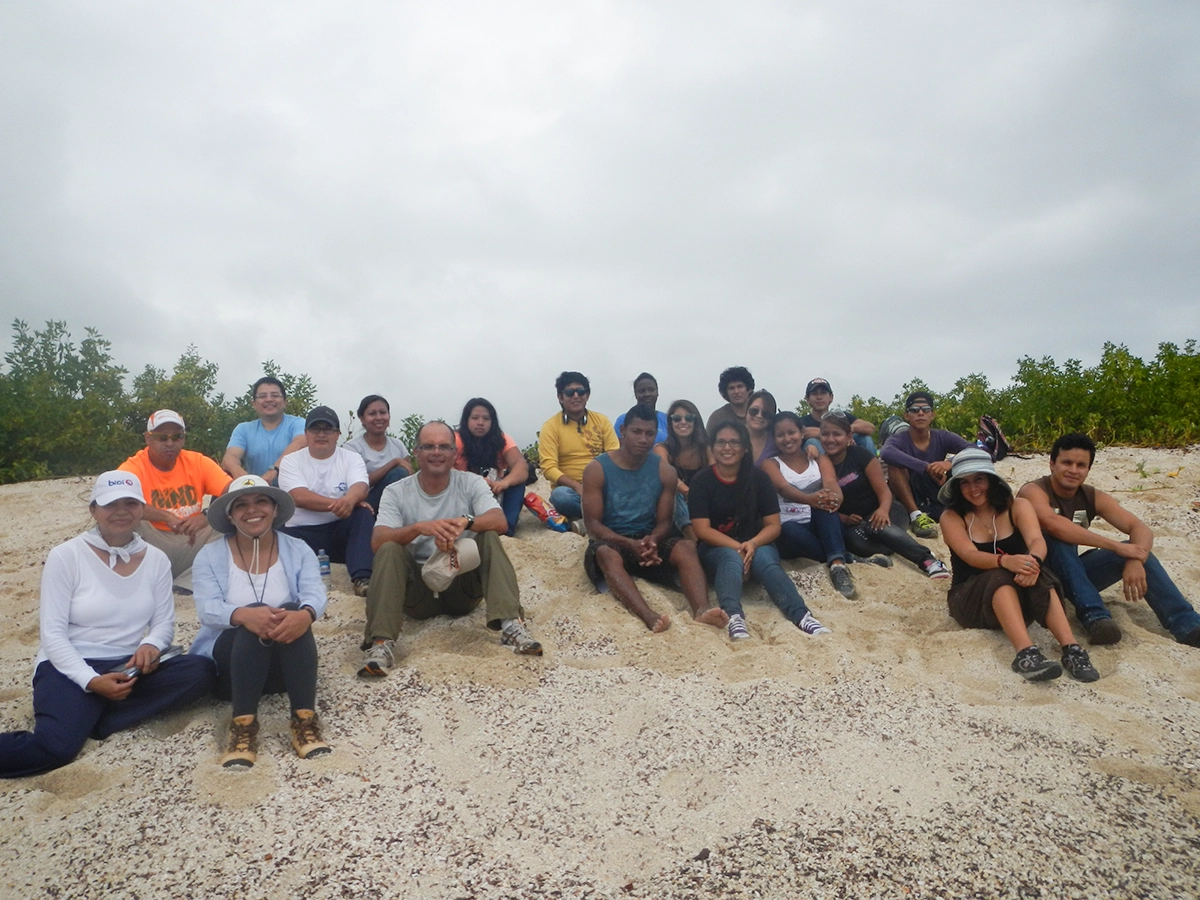
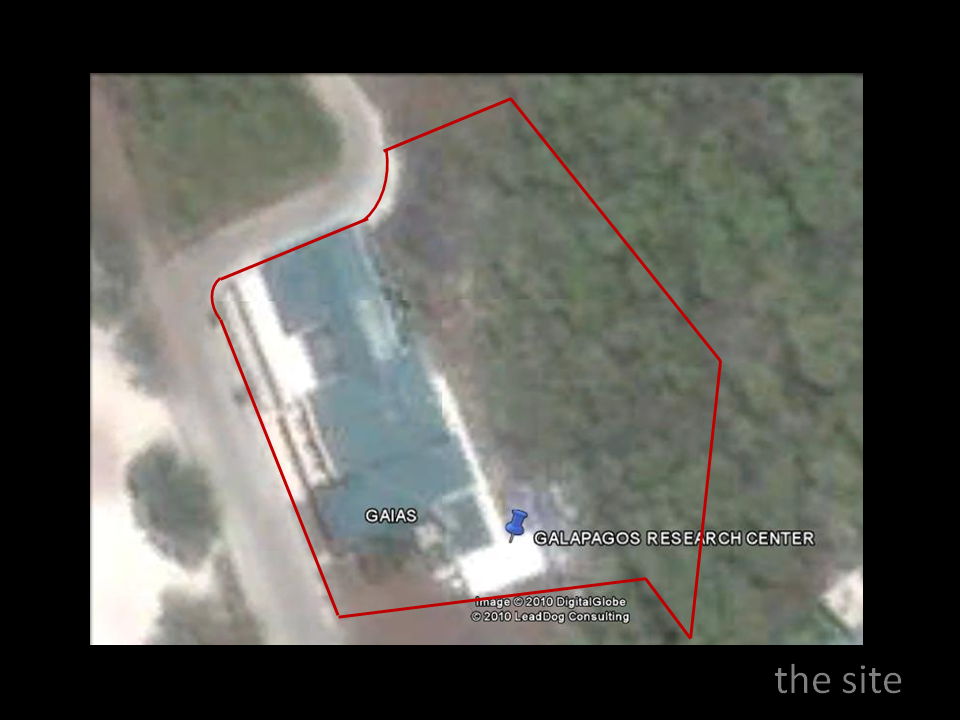

The Galapagos Science Center is founded, marking the beginning of a unique partnership between UNC and USFQ.

Launch of the first interdisciplinary research projects on community health and environmental change.

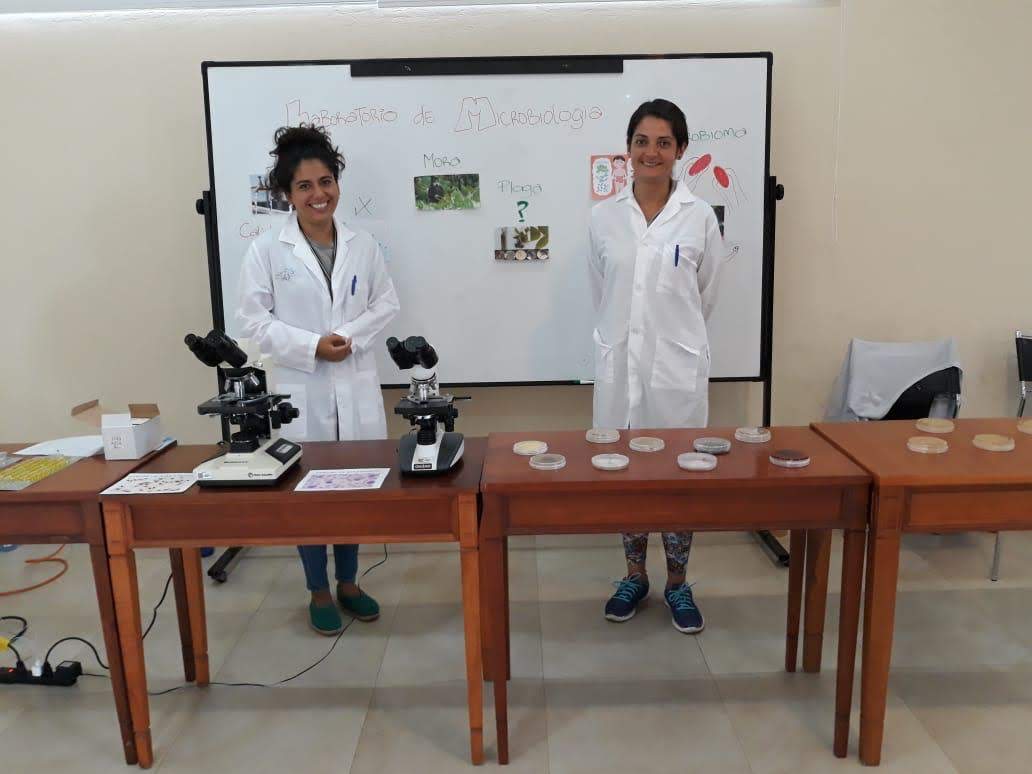
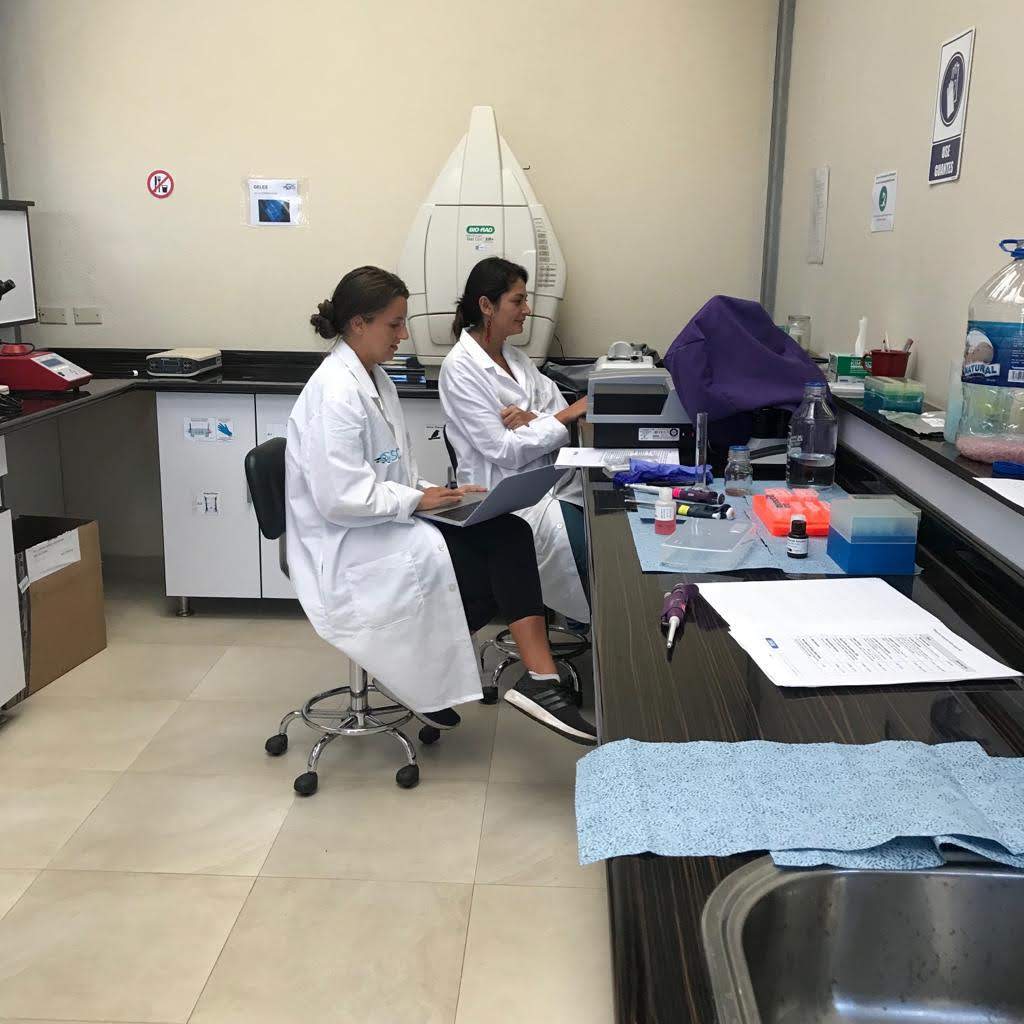
GSC expands its laboratories and begins hosting students from both universities year-round.

GSC supports community health initiatives during the global pandemic.

Continuing to lead research that integrates science, education, and conservation.
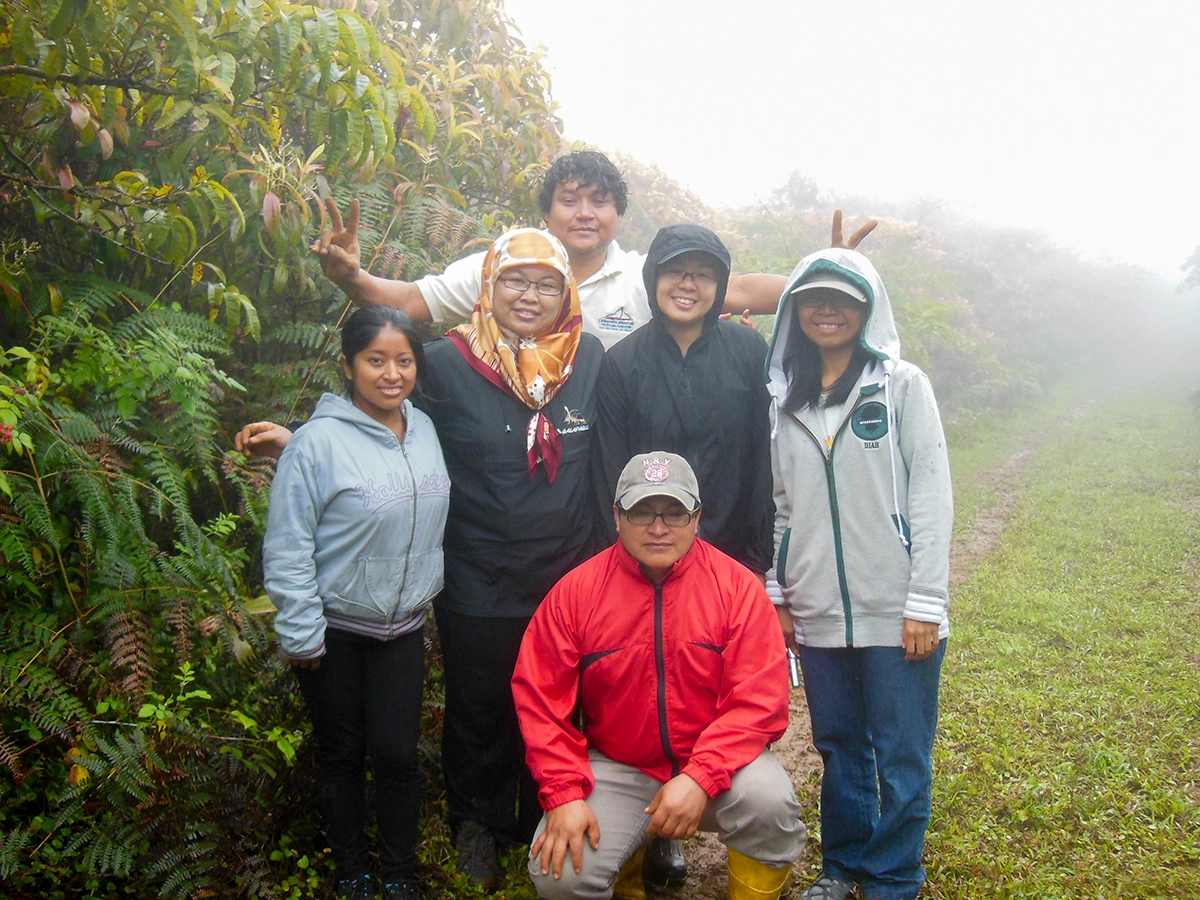
Our binational collaboration unites the strengths of two leading universities — UNC’s global research excellence and USFQ’s local expertise and environmental stewardship.
Together, we empower scientists and communities to co-create solutions for the future of the Galápagos.
Photo: David Liberio
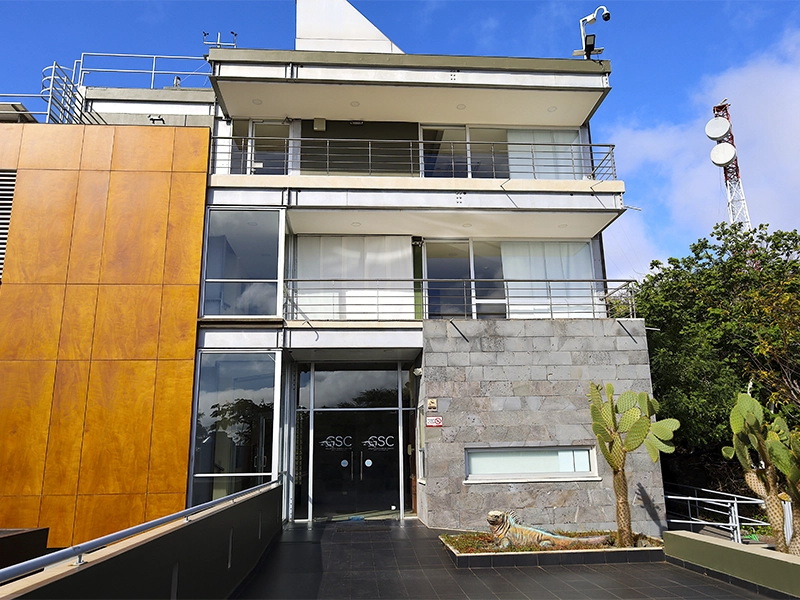
Photo:©CameronPerry
173+
Across biodiversity, ocean health, and community wellbeing.
852+
Students engaged in bachelor, master, and PhD programs
Our research informs policies and inspires conservation worldwide.
Photo:
Be part of it.
| Cookie | Duration | Description |
|---|---|---|
| cookielawinfo-checkbox-analytics | 11 months | This cookie is set by GDPR Cookie Consent plugin. The cookie is used to store the user consent for the cookies in the category "Analytics". |
| cookielawinfo-checkbox-functional | 11 months | The cookie is set by GDPR cookie consent to record the user consent for the cookies in the category "Functional". |
| cookielawinfo-checkbox-necessary | 11 months | This cookie is set by GDPR Cookie Consent plugin. The cookies is used to store the user consent for the cookies in the category "Necessary". |
| cookielawinfo-checkbox-others | 11 months | This cookie is set by GDPR Cookie Consent plugin. The cookie is used to store the user consent for the cookies in the category "Other. |
| cookielawinfo-checkbox-performance | 11 months | This cookie is set by GDPR Cookie Consent plugin. The cookie is used to store the user consent for the cookies in the category "Performance". |
| viewed_cookie_policy | 11 months | The cookie is set by the GDPR Cookie Consent plugin and is used to store whether or not user has consented to the use of cookies. It does not store any personal data. |
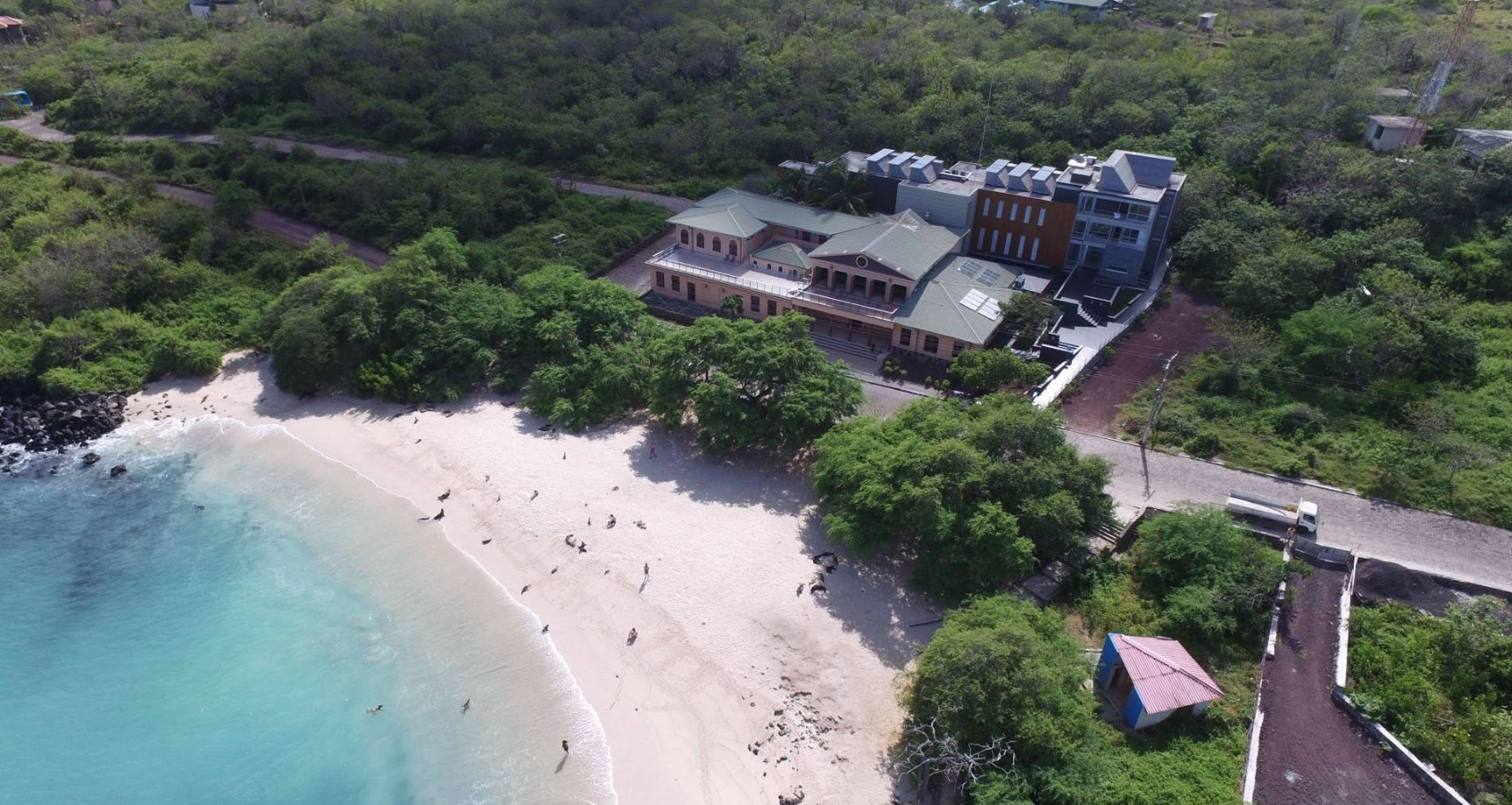
In 2022, the Galapagos Science Center (GSC) and the broader UNC & USFQ Galapagos Initiative will celebrate its 10th Anniversary. We are proud to announce the World Summit on Island Sustainability scheduled to be held on June 26–30, 2022 at the Galapagos Science Center and the Community Convention Center on San Cristobal Island.
The content of the World Summit will be distributed globally through social media and results documented through papers published in a book written as part of the Galapagos Book Series by Springer Nature and edited by Steve Walsh (UNC) & Carlos Mena (USFQ) as well as Jill Stewart (UNC) and Juan Pablo Muñoz (GSC/USC). The book will be inclusive and accessible by the broader island community including scientists, managers, residents, tourists, and government and non-government organizations.
While the most obvious goal of organizing the World Summit on Island Sustainability is to celebrate the 10th Anniversary of the GSC and the UNC-USFQ Galapagos Initiative, other goals will be addressed through special opportunities created as part of our operational planning of the World Summit.
For instance, we seek to elevate and highlight the Galapagos in the island conservation discourse, seeking to interact with other island networks in more obvious and conspicuous ways to benefit the Galapagos Islands, the UNC-USFQ Galapagos Initiative, and the world. We will seize the opportunity to further develop the I2N2 – International Islands Network-of-Networks. Further, we wish to highlight and emphasize multiple visions of a sustainable future for the Galapagos Islands and we cannot do this alone. Therefore, engaging the Ecuadorian Ministry of Environment, the Ministry of Tourism, the Government Council of Galapagos, the Galapagos National Park, and local Galapagos authorities, including government and non-government organizations and local citizen groups, is imperative.
Borrowing from Hawaii’s and Guam’s Green Growth Program and the Global Island Partnership, we wish to examine existing global programs that emphasize island sustainability and their incorporation into life, policies, and circumstances in the Galapagos Islands. We will also seek to enhance our connections with the institutional members of our International Galapagos Science Consortium and expand the Consortium through the recruitment of other member institutions. We will also work to benefit islands and their local communities by working with citizen groups as well as important NGOs who seek to improve the natural conditions in the Galapagos and diminish the impact of the human dimension on the future of Galapagos’ ecosystems.
Lastly, we will use the World Summit to benefit UNC & USFQ and our constituencies through a strong and vibrant communication plan about the World Summit, creating corporate relationships as sponsors, identifying funding goals through donors, and benefiting our study abroad program for student engagement in the Galapagos Islands. We plan to develop and issue a Galapagos Sustainability Communique after the World Summit that includes the vision and insights of all its participants for a sustainable Galapagos with applicability to global island settings.
We are eager to hear your perspective and have you join us at the World Summit on Island Sustainability!