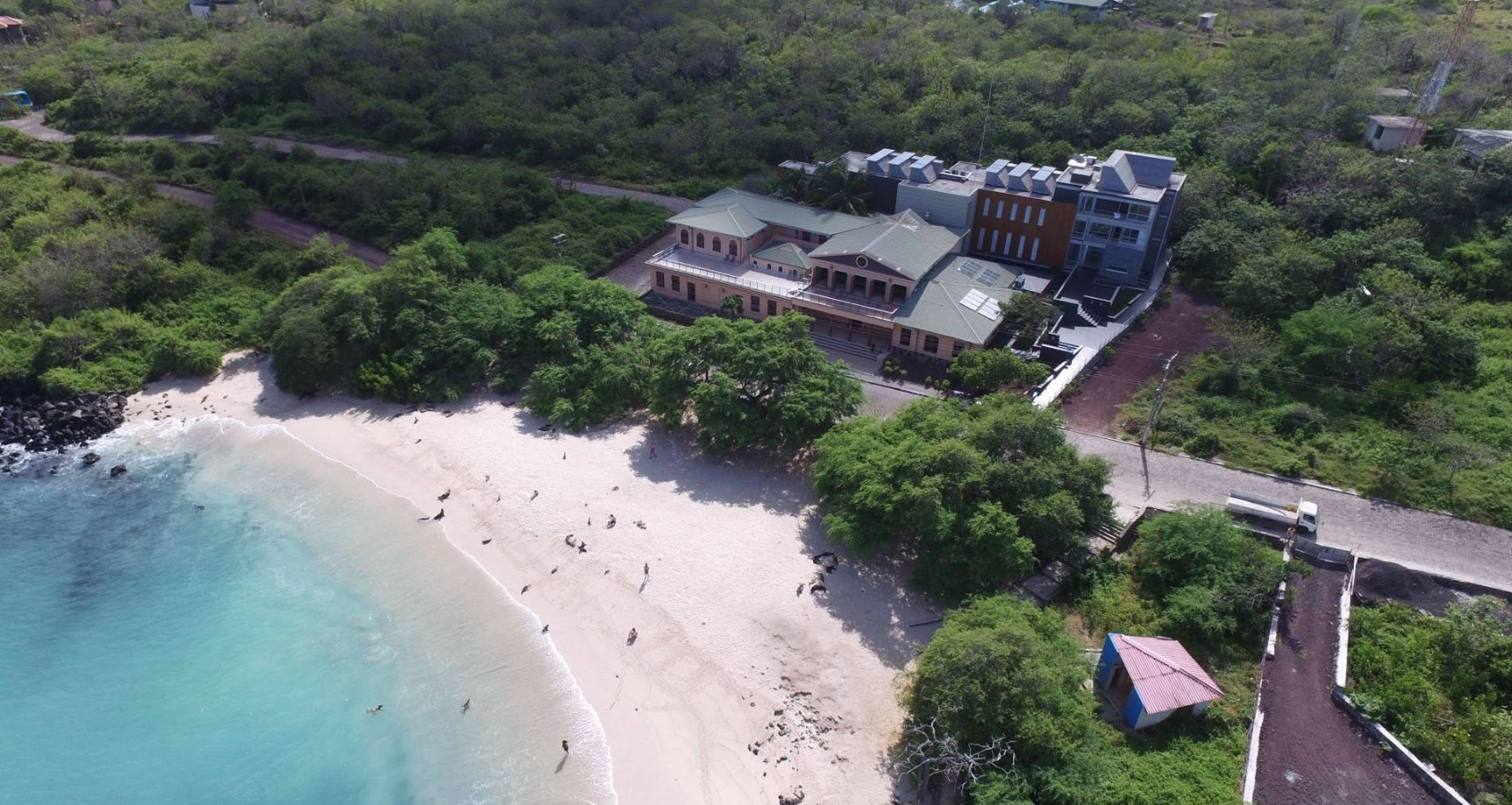
Galapagos Genetic Code (Barcode)
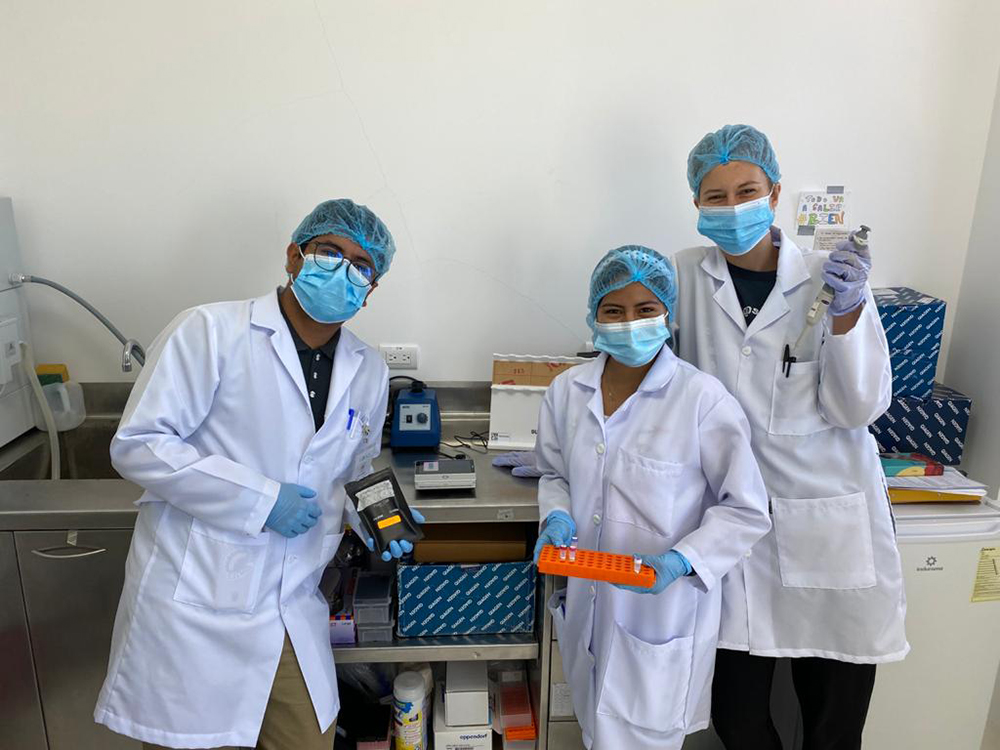
The Galapagos Genetic Code project was created through collaboration between the Galapagos Science Center, the Universidad San Francisco de Quito, the University of Exeter in the UK, the Agency for Regulation and Control of Biosafety and Quarantine for Galapagos, and the Galapagos Conservation Trust. Project aims to catalog the biodiversity of the Galapagos Islands.
Genomic evidence for homoploid hybrid speciation in a marine mammal apex predator
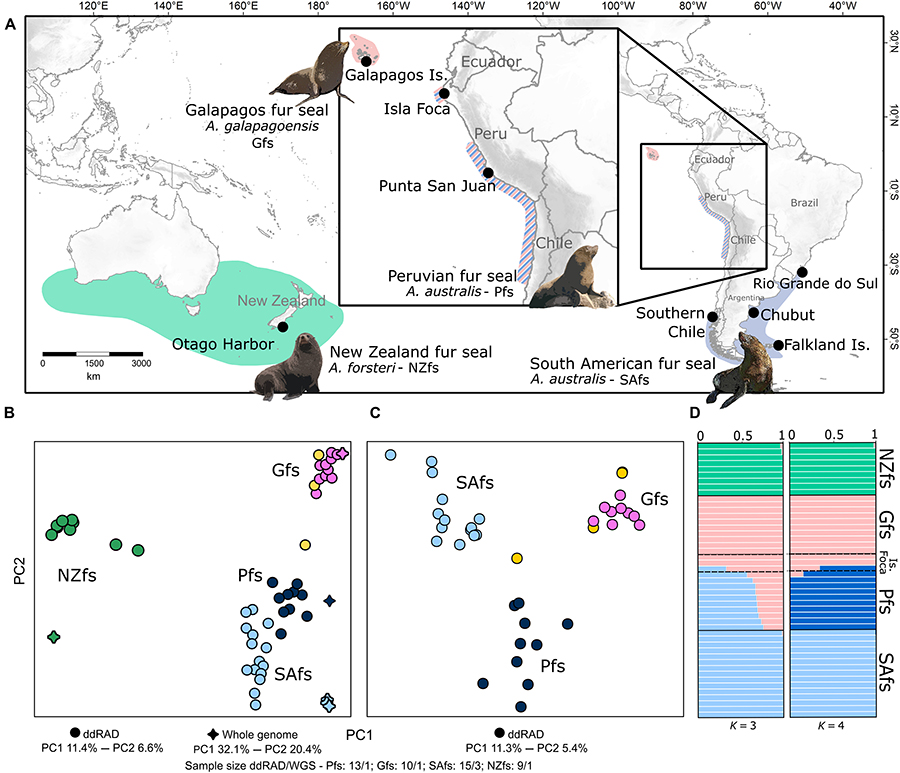
Hybridization is widespread and constitutes an important source of genetic variability and evolution. In animals, its role in generating novel and independent lineages (hybrid speciation) has been strongly debated, with only a few cases supported by genomic data.
Anthropogenic emission inventory and spatial analysis of greenhouse gases and primary pollutants for the Galapagos Islands
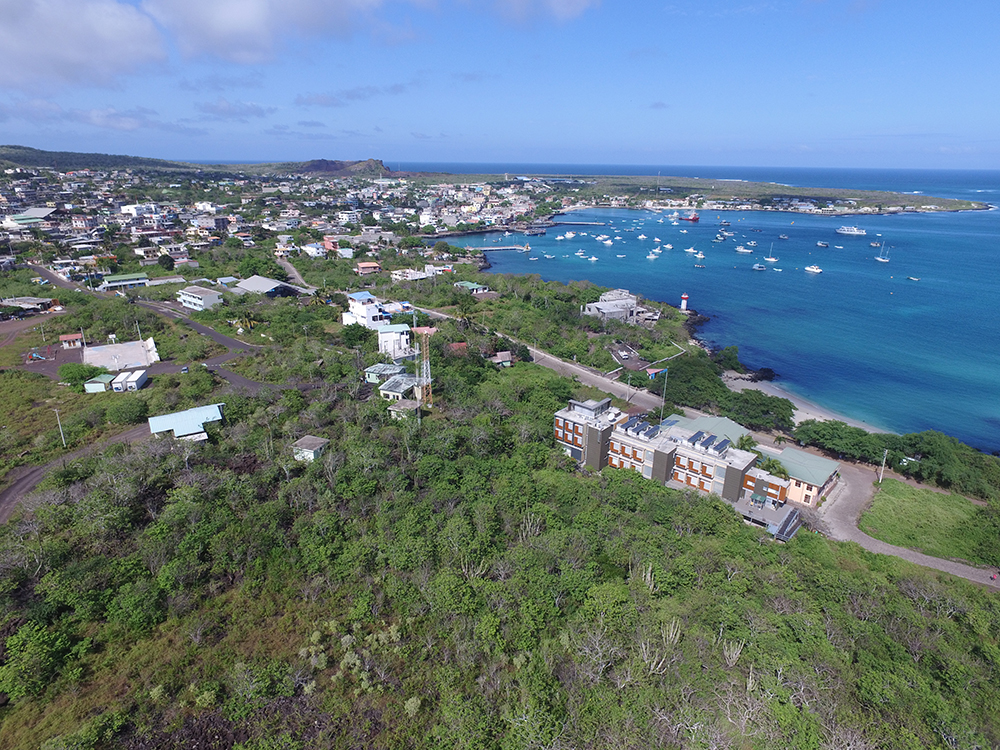
We present an anthropogenic emissions inventory for Santa Cruz, San Cristobal, and Isabela Islands in which emissions were spatially mapped for greenhouse gasses and primary pollutants.
The Scalesia microbiome: uncovering the microbial world that Darwin could not see
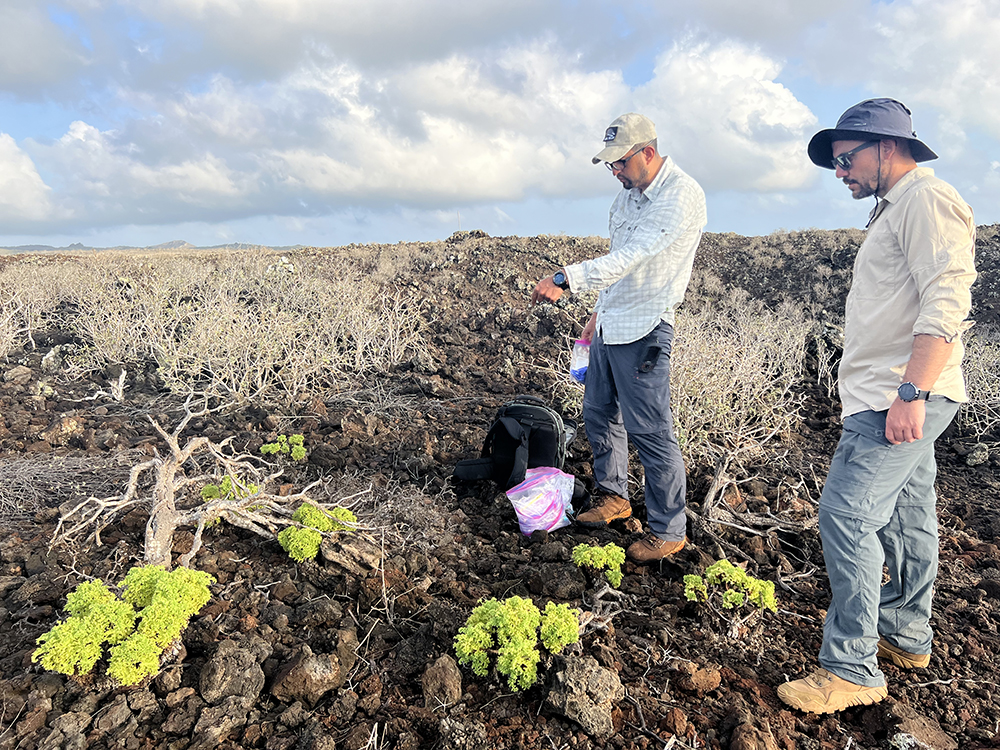
Galápagos keeps inspiring scientists to study the evolution of animal species.The ‘Scalesia Microbiome’ project is pioneering in studying the taxonomic and functional diversity of the microbial communities associated with the Scalesia genus on the Galapagos Islands.