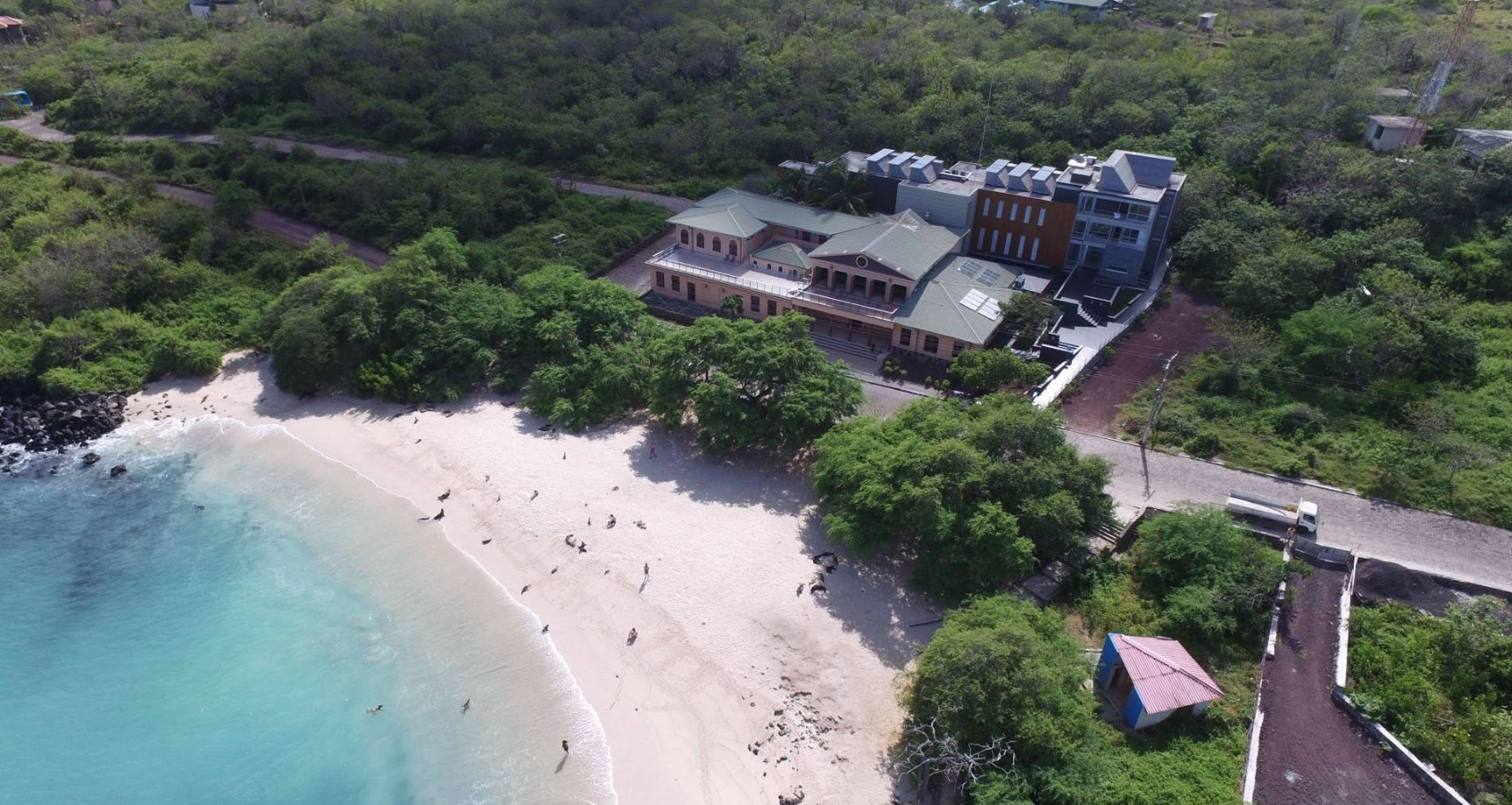
Nutrient enrichment can increase the thermal performance of Galápagos seaweeds
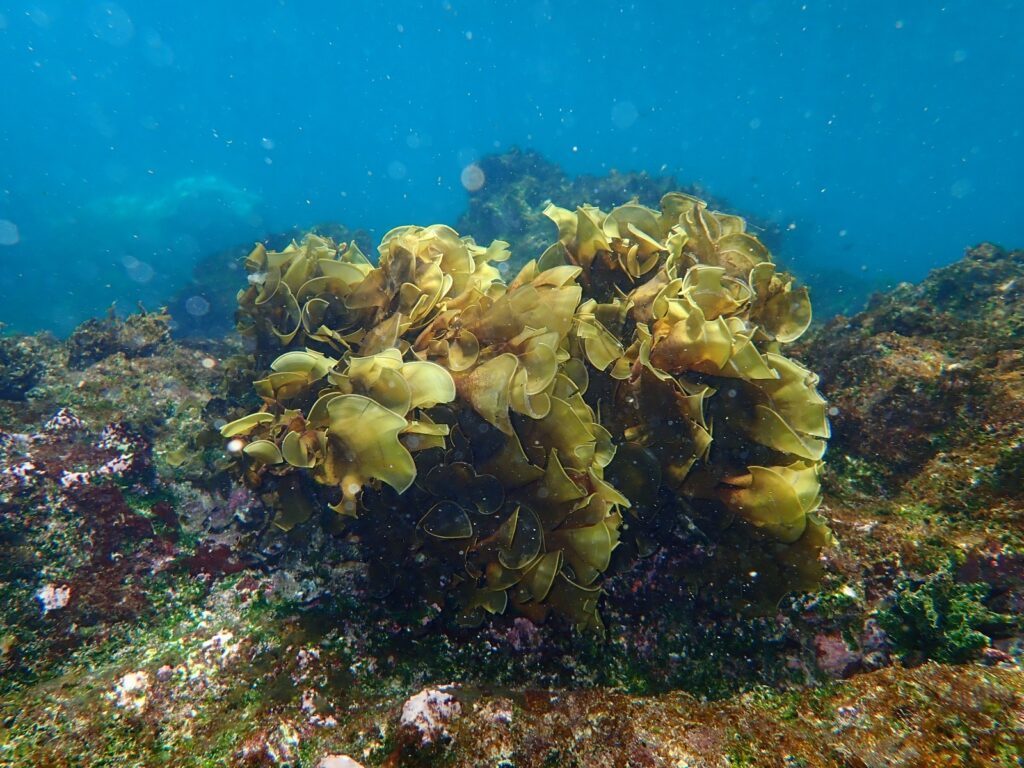
This study, published in Marine Ecology Progress Series, examines how nutrient availability can help marine macroalgae in the Galápagos Islands better adapt to higher temperatures—a challenge they face due to climate change. Macroalgae are essential aquatic plants for marine ecosystems as they provide food and shelter for many species. However, their ability to survive and thrive largely depends on environmental conditions, such as the amount of nutrients in the water.
Ladybird Beetle Diversity in Natural and Human-Modified Habitats in the San Cristóbal Island, Galápagos, Ecuador
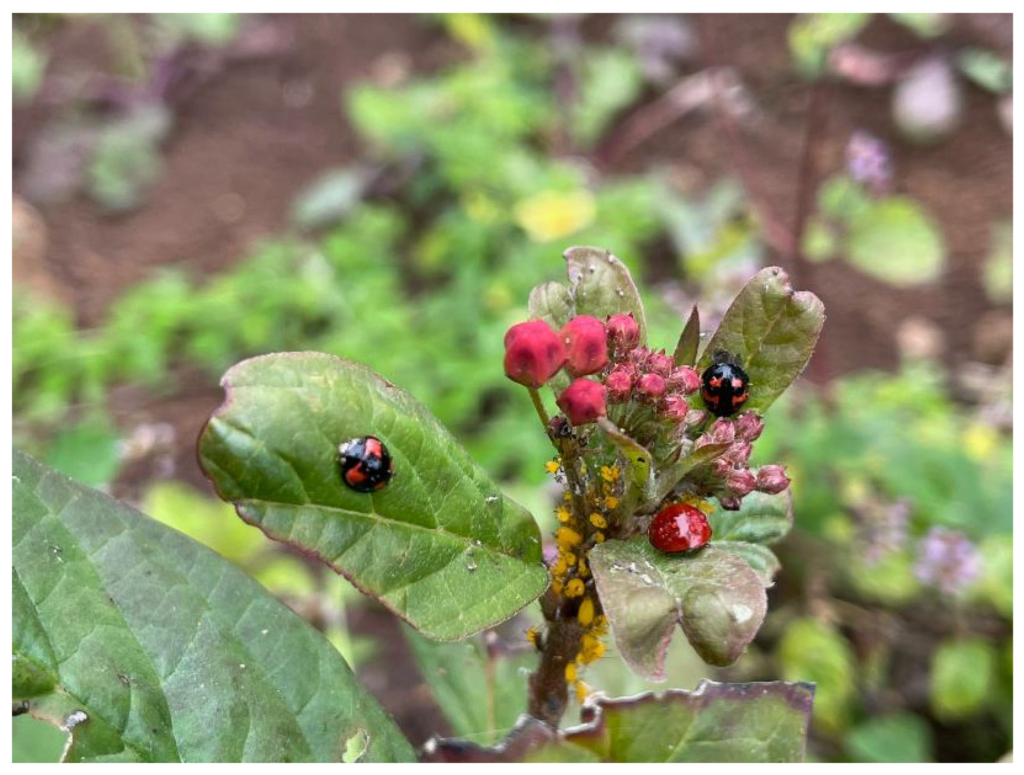
This study investigates the diversity of ladybird beetles (Coccinellidae) on San Cristóbal Island in the Galápagos Archipelago. Researchers recorded 19 species, including four previously documented (two endemic and two native) and nine potentially native species reported for the first time. Endemic species, such as Psyllobora bisigma and Scymnobius scalesius, were rare and confined to native forests, while native species like Cycloneda sanguinea showed adaptability to various habitats, including urban and agricultural areas.
Assessing the chemical landscape of the Galápagos Marine Reserve
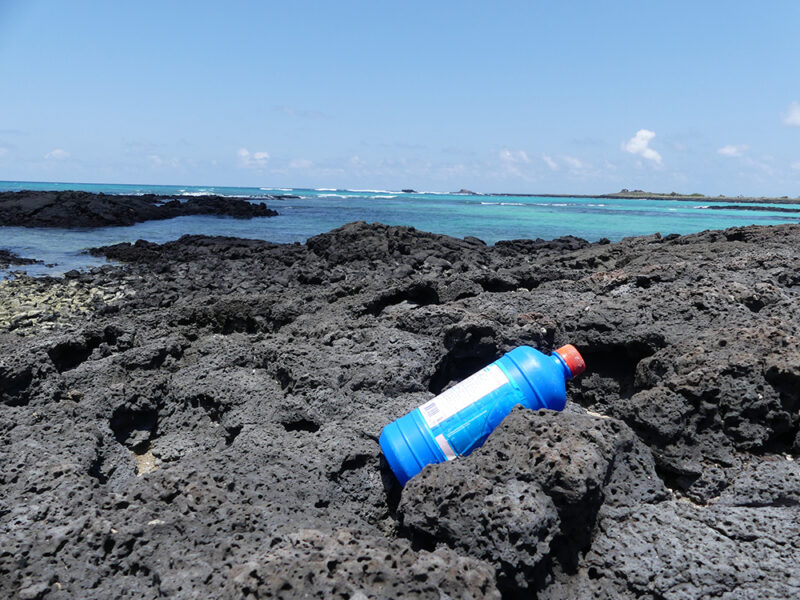
The Galápagos Marine Reserve (GMR), famous for its incredible biodiversity, faces growing threats from chemical pollution like plastics, oils, pesticides, and heavy metals. The unique location of the Galápagos, where major ocean currents meet under intense sunlight, allows pollutants to flow in and spread.