Scientists Study the Impact of Ocean Processes on Marine Biodiversity in the Galápagos
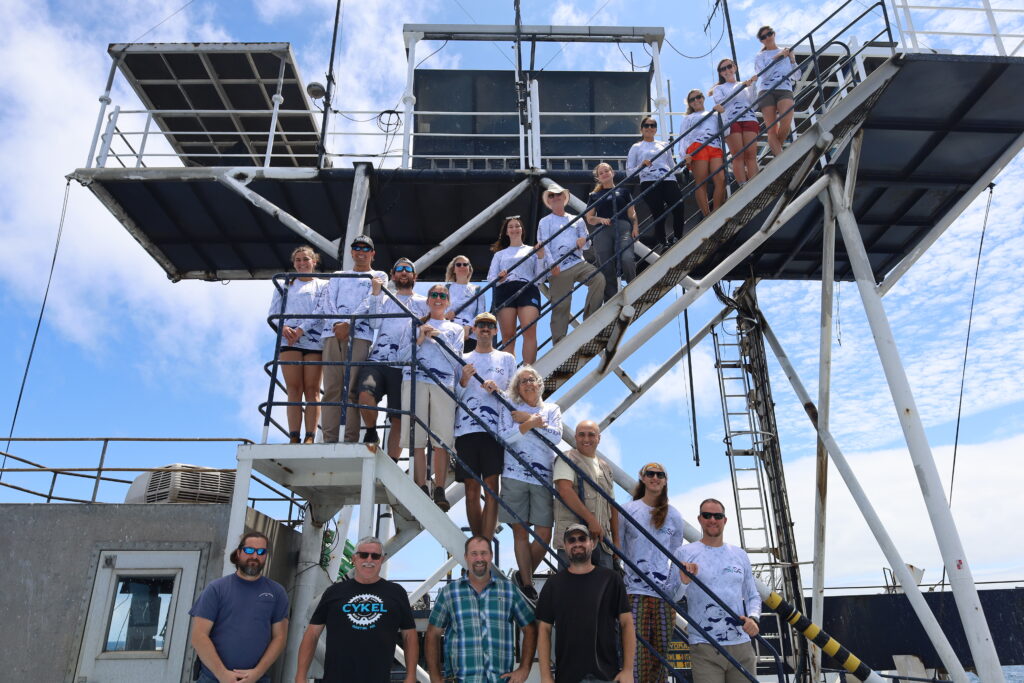
From July 30 to August 21, a scientific expedition was carried out aboard the research vessel R/V Marcus Langseth in the Galápagos Marine Reserve (GMR), led by researchers Adrian Marchetti and Harvey Seim of UNC and the GSC.
First Report of Anaplasma phagocytophilum in Galapagos: High Prevalence in Dogs and Circumstantial Evidence for the Role of Rhipicephalus linnaei as Vector
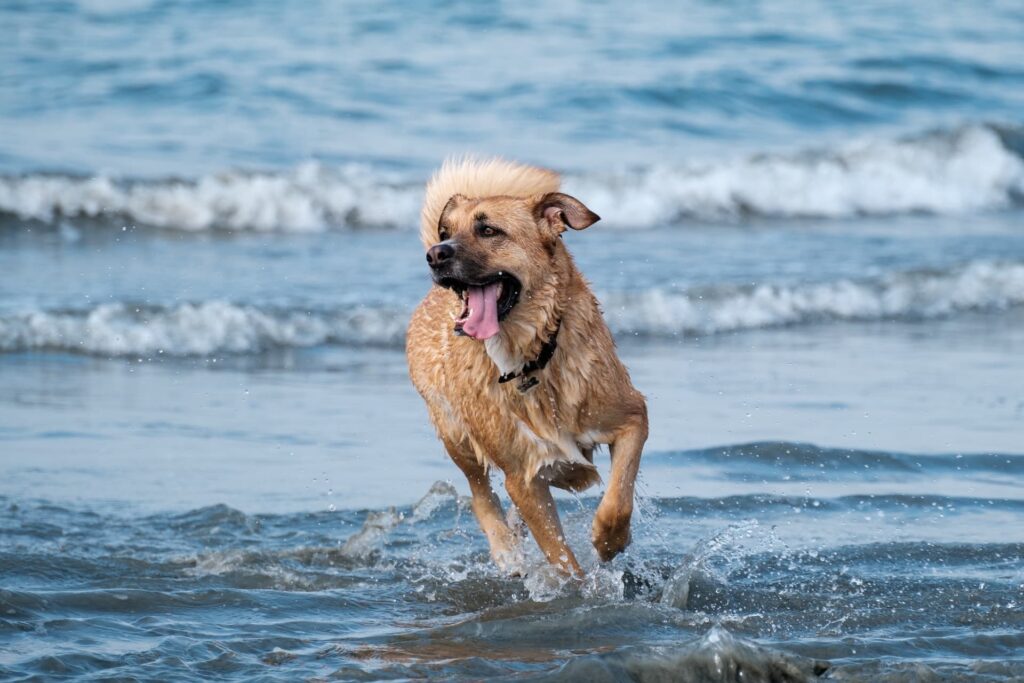
The Galápagos Islands host a unique biodiversity but face increasing threats from emerging diseases. Among them, tick-borne pathogens such as Anaplasma spp. are of concern due to their potential impact on both domestic animals and wildlife. Understanding their presence and transmission dynamics is essential for conservation and public health.
Drivers of Marine Phytoplankton Diversity and Connectivity in the Galápagos Archipelago Spanning an ENSO Cycle
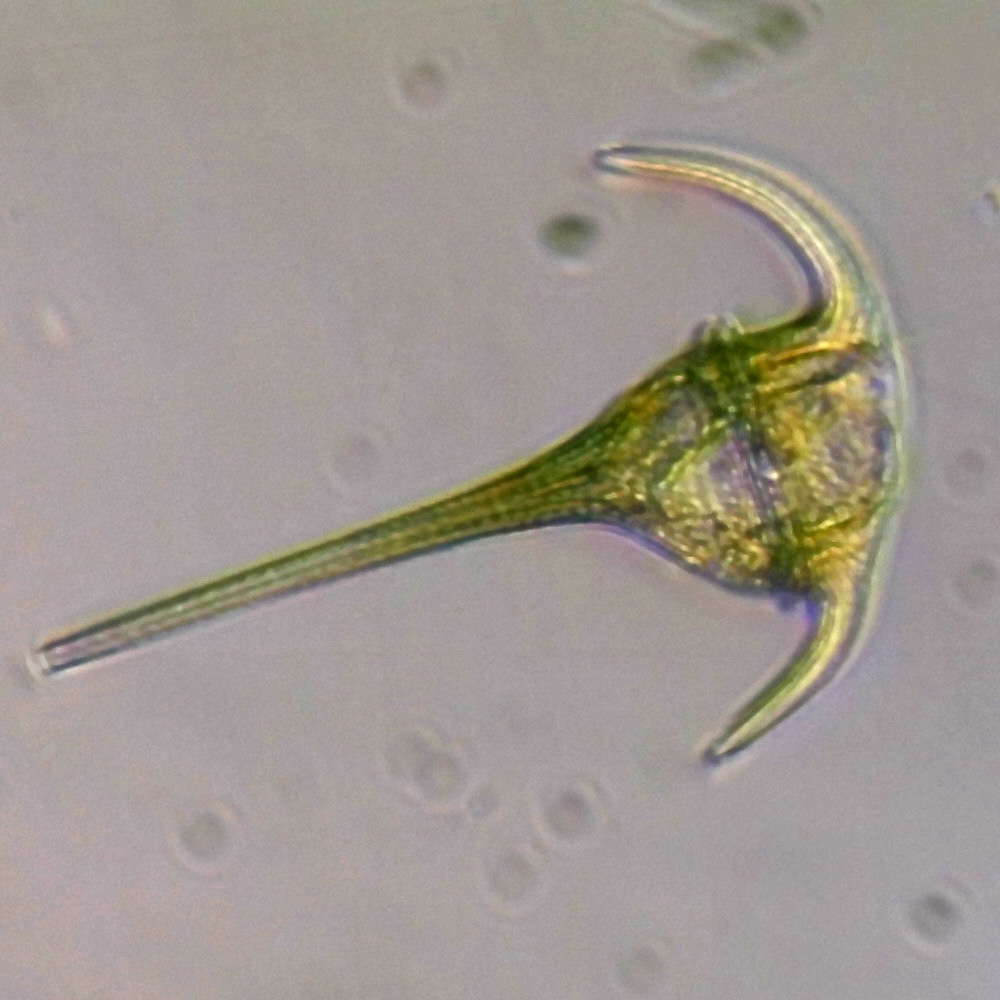
Phytoplankton form the foundation of marine food webs, and their diversity strongly influences ocean ecosystem health. In the Galápagos Islands, ocean currents and climate variability linked to the El Niño-Southern Oscillation (ENSO) shape these communities, driving changes in productivity and connectivity.