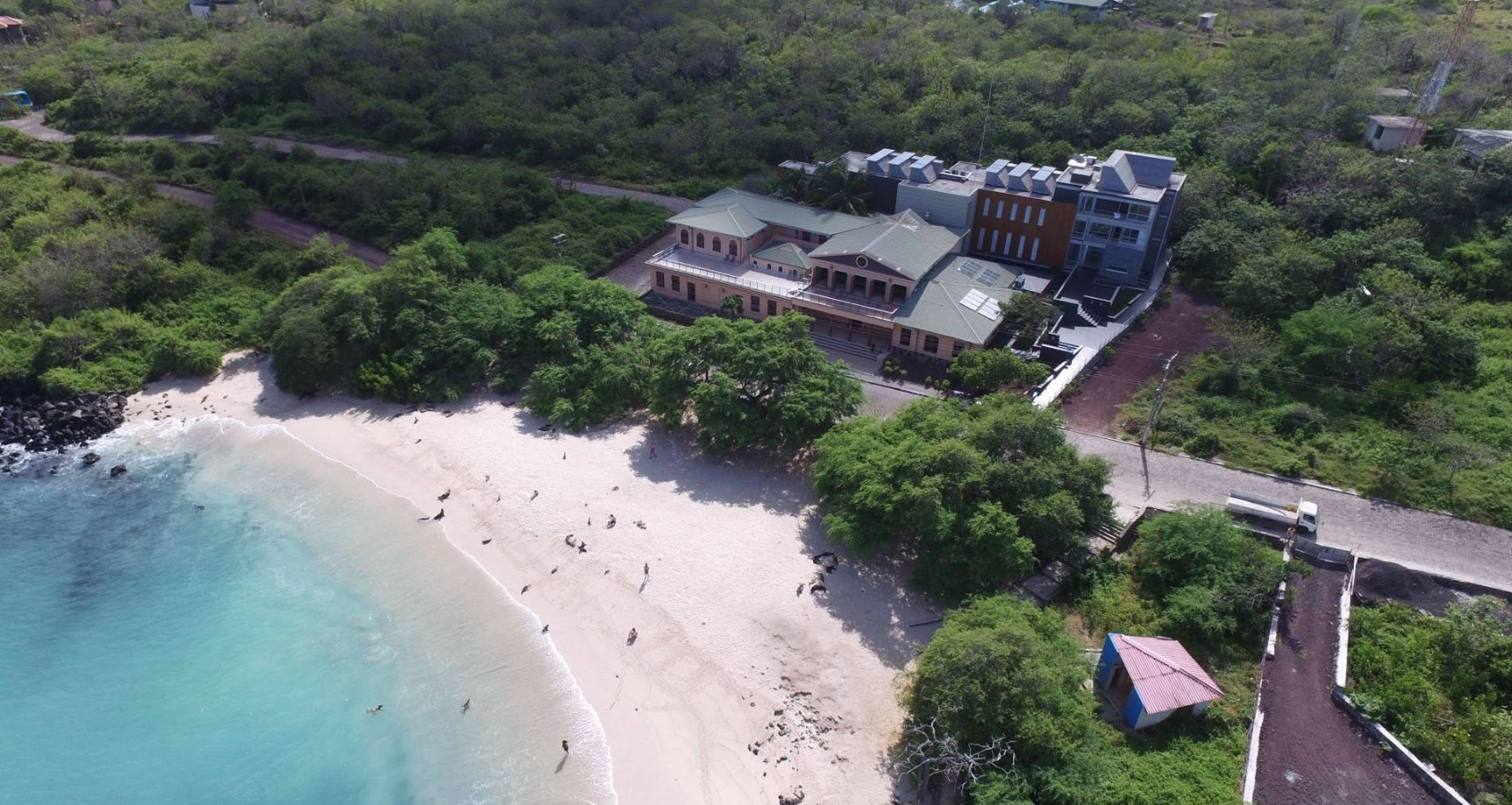
The Universidad San Francisco de Quito (USFQ), through its Galápagos campus, continues to strengthen its role as a key driver of sustainable development in the archipelago. By enhancing education, advancing scientific research, and implementing community engagement projects, the university is generating a direct and lasting impact on the quality of life of local residents.
International Cultural Immersion in Galápagos
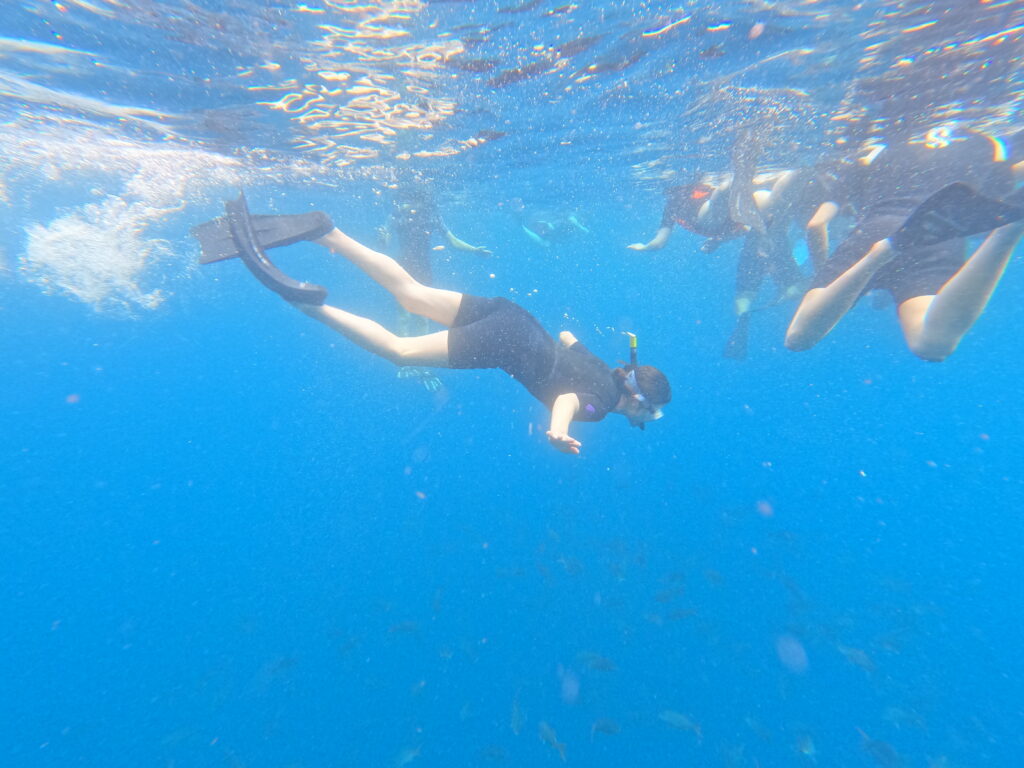
One of USFQ’s main contributions in Galápagos lies in its commitment to holistic education through transformative experiences. In this context, the Host Family Program stands out as an international cultural immersion initiative that allows foreign students to integrate into the daily life of the local community.
Each year, USFQ welcomes more than 1,000 international students, approximately 80% of whom visit Galápagos as part of their academic programs. Within this experience, a group of students participates in the Host Family Program, living with local families and engaging in meaningful cultural exchange. The program is exclusively designed for international students, reinforcing its intercultural nature.
Key figures:
- More than 86 active host families
- More than 250 students hosted in 2025
- Ongoing training for host families on topics such as gender and violence prevention
This initiative strengthens ties between the university and the community, fostering intercultural understanding, respect for diversity, and meaningful human connections beyond the academic sphere.
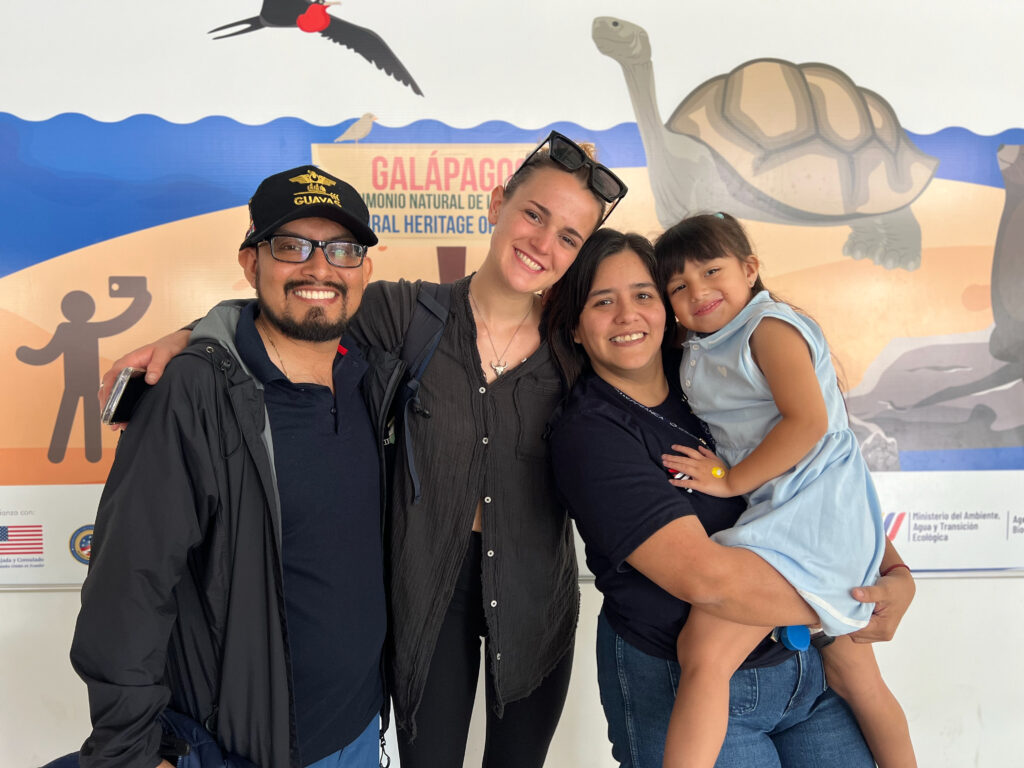
“For me, it is a source of pride to be part of the Host Family Program. This experience has provided us with income and great joy through sharing with students. We have learned English, discovered new cultures, and built family-like bonds. They enjoy the food I prepare, we exchange recipes, and I have also learned to eat more healthily. It has been a truly enriching experience, with very special connections,” said Rosa Sánchez.
Health and Well-being: Over a Decade of Medical Cooperation
For more than a decade, USFQ has maintained a strategic partnership with Oskar Jandl Hospital, contributing to improved access to healthcare on San Cristóbal Island.
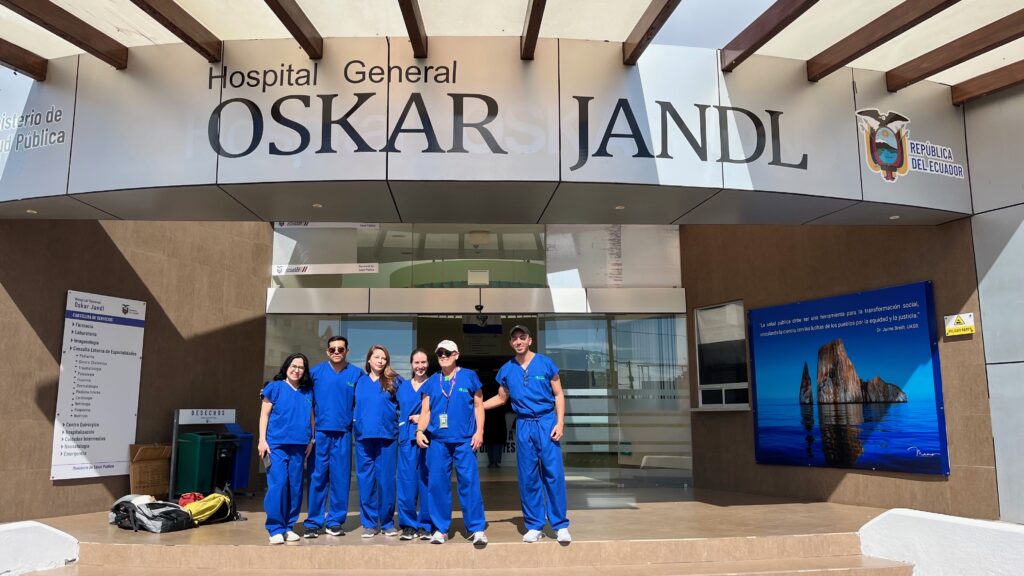
Through a comprehensive model based on research, training, and medical assistance, multidisciplinary teams from USFQ—led by Dr. Jaime Ocampo, Director of SIME—have significantly enhanced the quality of healthcare services on the island.
Key results:
- 90% of the population was immunized during the COVID-19 vaccination campaign
- Seven ongoing medical brigades were deployed in specialties with limited local coverage, such as ophthalmology, nutrition, and cardiology
- Priority health issues identified include metabolic diseases and nutritional deficiencies linked to obesity, diabetes, dyslipidemia, and hypertension
- Two training sessions were conducted, where SIME physicians trained healthcare professionals across the province in anesthesiology and emergency ultrasound use
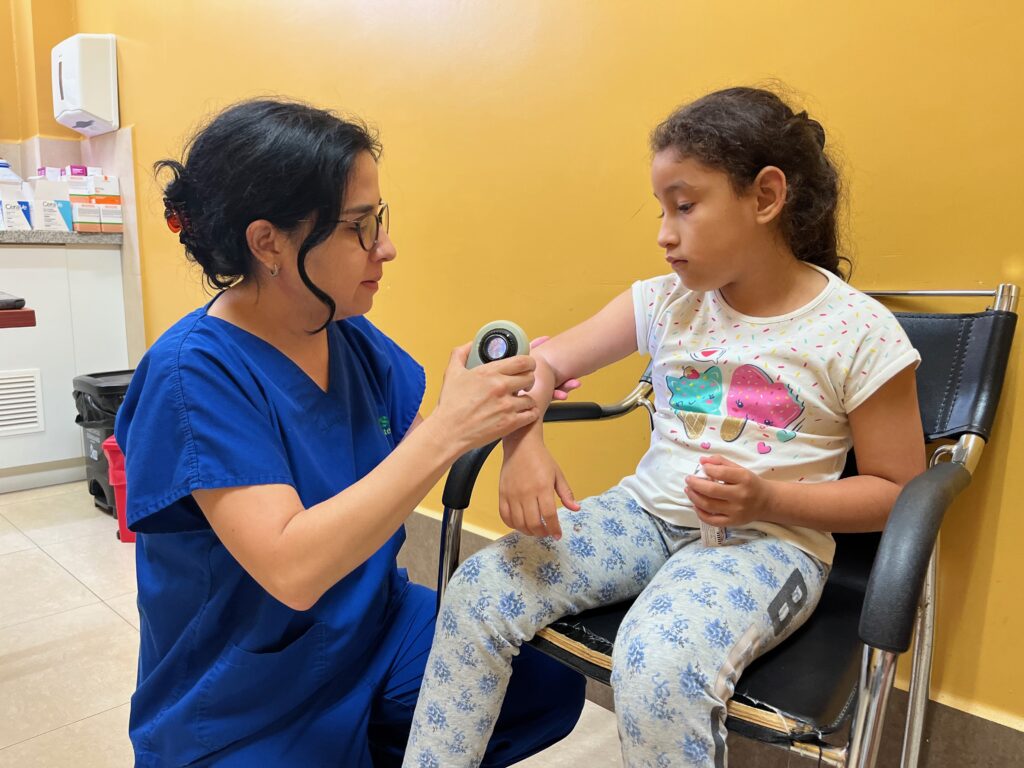
In 2025, medical brigades treated 226 patients in dermatology and endocrinology, addressing conditions such as sun-related skin damage, hormonal disorders, and metabolic syndrome. Additionally, the ophthalmology brigade performed 20 specialized surgeries, directly improving patients’ quality of life.
“Receiving care through the dermatology brigade was a very positive experience. As a tour guide, I am constantly exposed to the sun, and the dermatologist gave me valuable recommendations for protecting my skin. Having access to these specialists in our province is uncommon, so this initiative represents an important opportunity for our community,” said Isis Lara, a naturalist guide.
Community Development and Sustainability
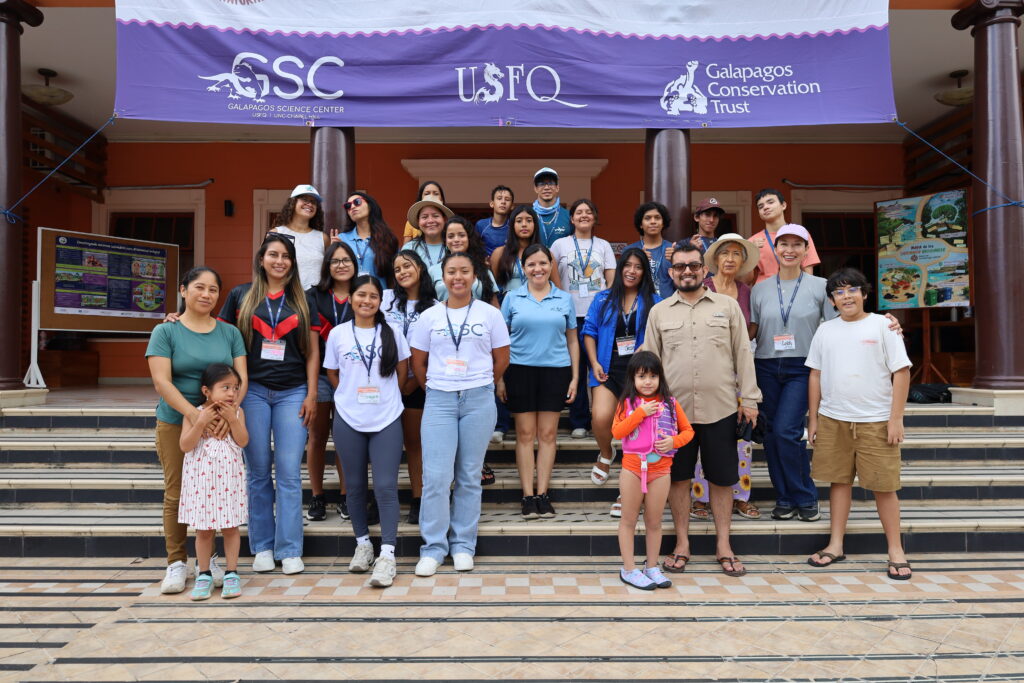
In 2026, USFQ continues to lead 21 active community outreach projects focused on strengthening social well-being, environmental education, and citizen participation. Among them, the “Connecting with Nature” program by the Galapagos Science Center stands out as a key initiative aimed at bringing science closer to society through educational and recreational activities.
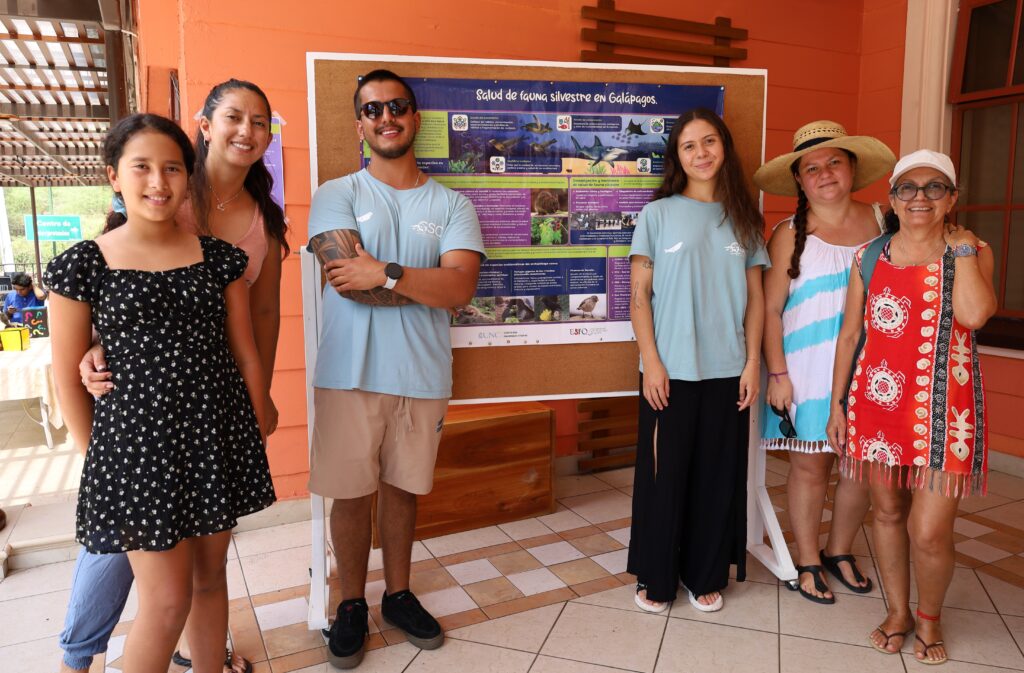
Despite the challenges of living in the archipelago, the community of San Cristóbal has found in this program an opportunity to strengthen its relationship with the environment and promote more conscious and responsible behaviors.
The participation of children, youth, and adults in social and conservation activities has fostered greater environmental awareness and encouraged actions to protect natural resources, reinforcing a strong sense of belonging and stewardship. Furthermore, the quality of educational resources and applied methodologies has transformed how the community perceives its environment, inspiring both appreciation and action.
One of the program’s most significant activities is the Science in Family events.
“We love these events because they allow us to reflect on different topics in a simple and accessible way. Today’s session, Crecer en bienestar, was an opportunity to attend with my six-year-old daughter and learn together about the importance of incorporating healthy habits into our daily lives, such as good nutrition, exercise, and recycling. Over time, these practices help us achieve overall well-being and health,” said Pablo Flores, a CGREG official.
The Connecting with Nature program continues to promote spaces for dialogue and learning by integrating health, environment, and society. Over seven years (2019–2025), it has reached more than 10,000 participants.
A Sustainable Development Model for Galápagos
USFQ’s presence in Galápagos demonstrates how academia can serve as a catalyst for territorial transformation. Through strategic partnerships, applied research, and social commitment, the university generates tangible impact in:
- Access to quality education
- Strengthening of the healthcare system
- Environmental awareness and sustainability
- Active community engagement
In a unique and fragile territory such as Galápagos, this comprehensive model contributes to building a more equitable, healthy, and sustainable future for its inhabitants.