
Whale shark reveals the route: an adult female migrates from western Galápagos to El Salvador

Photo: Martín Narváez

In March 2026, a scientific expedition was carried out in the western region of the Galápagos Marine Reserve, involving scientists from the Galápagos National Park Directorate, the Galapagos Whale Shark Project, and Universidad San Francisco de Quito, with support from Galapagos Shark Diving, the Adventure Travel Conservation Fund, Metropolitan Touring, and Finch Bay Hotels.
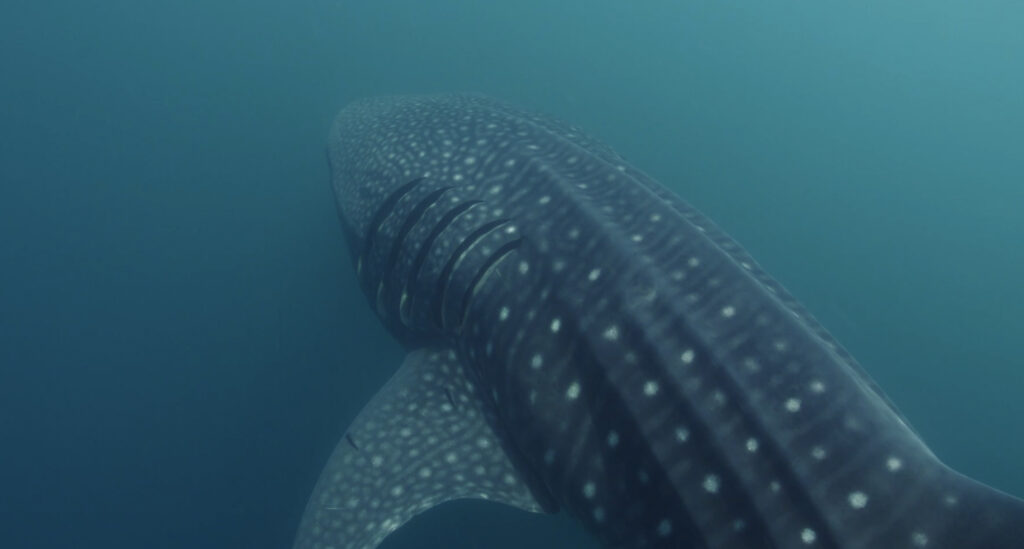
Photo: Martín Narváez

The goal of the expedition was to find and tag whale sharks, an endangered species, in order to better understand and complete knowledge of their migratory route. In Galápagos, whale sharks are commonly observed around Darwin Island between July and November, making it a world-renowned destination for dive tourism, as it is the only known location where mostly adult females are regularly seen. However, sightings have also been reported during the first months of the year around the southern and western islands of the archipelago, and researchers have spent several years trying to determine whether these individuals are connected to those observed near Darwin Island.
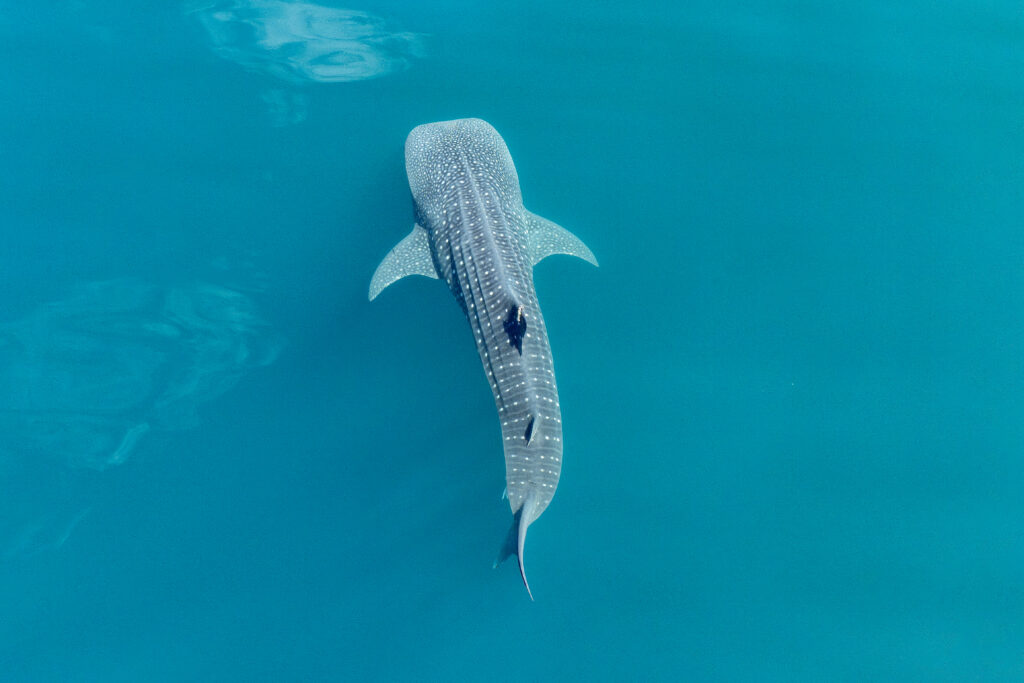
Photo: Martín Narváez

During the expedition, researchers successfully attached a satellite tag to a whale shark for the first time in the western region of the marine reserve, between Fernandina and Isabela islands. The female, approximately 6 meters long, was feeding near the surface when the tagging took place. After being tagged, she continued exhibiting the same behavior, remaining near the boat for over an hour. Over the following three weeks, the shark moved throughout the Bolívar Channel, transmitting daily signals that indicated it was spending time near the surface. On March 24, transmissions stopped, but four days later the shark reappeared 24 miles from Wolf Island, neighboring Darwin Island. This provided the first evidence that whale sharks observed in the north during July could be the same individuals using southern waters earlier in the year.
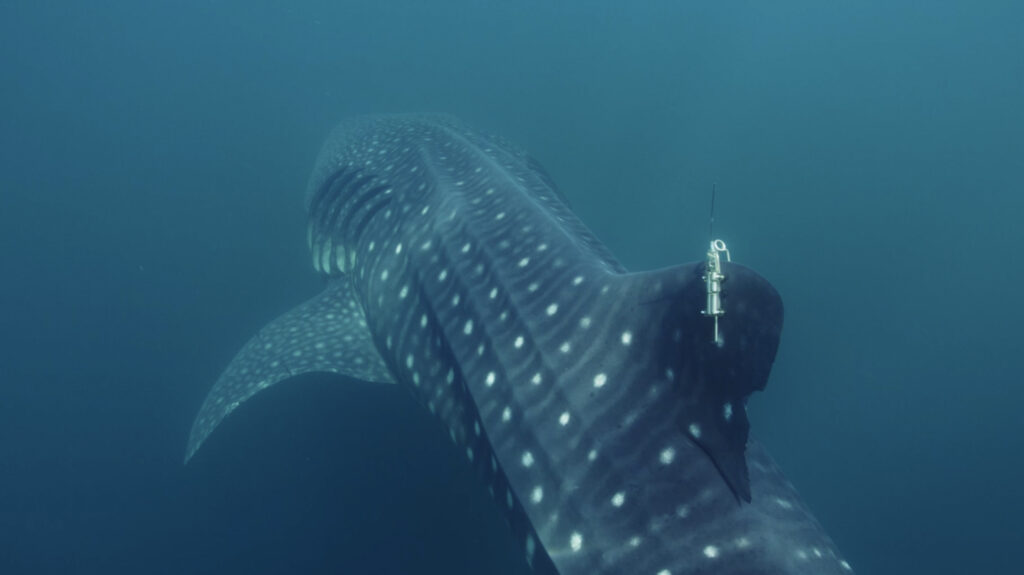
Photo: Martín Narváez

However, the shark did not stop traveling. It continued northward, leaving the Galápagos Marine Reserve, entering international waters, and eventually reaching the Exclusive Economic Zone of the Republic of El Salvador — a journey of 1,200 km in just three weeks. The shark remained in deep waters there for two weeks before beginning its return toward Ecuadorian waters. It is currently crossing the Hermandad Marine Reserve, a marine corridor created specifically to protect migratory species such as sharks.

Whale sharks are threatened by collisions with cargo vessels and incidental fishing, making it essential to understand their movements and identify high-risk areas for their conservation. This finding represents another important piece in understanding the migratory cycle of this iconic species.
Recent Posts

In 2022, the Galapagos Science Center (GSC) and the broader UNC & USFQ Galapagos Initiative will celebrate its 10th Anniversary. We are proud to announce the World Summit on Island Sustainability scheduled to be held on June 26–30, 2022 at the Galapagos Science Center and the Community Convention Center on San Cristobal Island.

The content of the World Summit will be distributed globally through social media and results documented through papers published in a book written as part of the Galapagos Book Series by Springer Nature and edited by Steve Walsh (UNC) & Carlos Mena (USFQ) as well as Jill Stewart (UNC) and Juan Pablo Muñoz (GSC/USC). The book will be inclusive and accessible by the broader island community including scientists, managers, residents, tourists, and government and non-government organizations.

While the most obvious goal of organizing the World Summit on Island Sustainability is to celebrate the 10th Anniversary of the GSC and the UNC-USFQ Galapagos Initiative, other goals will be addressed through special opportunities created as part of our operational planning of the World Summit.

For instance, we seek to elevate and highlight the Galapagos in the island conservation discourse, seeking to interact with other island networks in more obvious and conspicuous ways to benefit the Galapagos Islands, the UNC-USFQ Galapagos Initiative, and the world. We will seize the opportunity to further develop the I2N2 – International Islands Network-of-Networks. Further, we wish to highlight and emphasize multiple visions of a sustainable future for the Galapagos Islands and we cannot do this alone. Therefore, engaging the Ecuadorian Ministry of Environment, the Ministry of Tourism, the Government Council of Galapagos, the Galapagos National Park, and local Galapagos authorities, including government and non-government organizations and local citizen groups, is imperative.

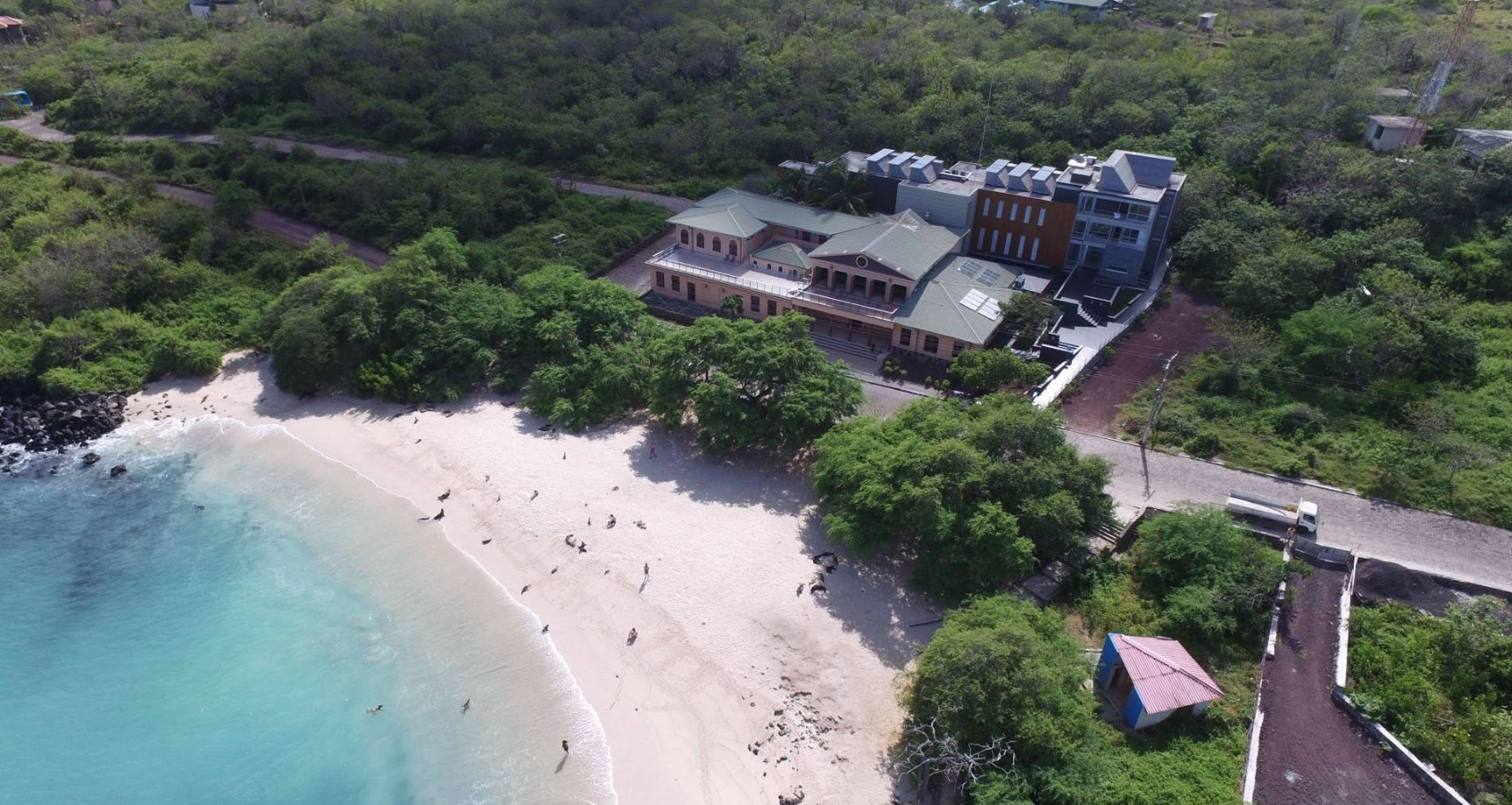
The Galapagos Science Center on San Cristobal Island, Galapagos

Borrowing from Hawaii’s and Guam’s Green Growth Program and the Global Island Partnership, we wish to examine existing global programs that emphasize island sustainability and their incorporation into life, policies, and circumstances in the Galapagos Islands. We will also seek to enhance our connections with the institutional members of our International Galapagos Science Consortium and expand the Consortium through the recruitment of other member institutions. We will also work to benefit islands and their local communities by working with citizen groups as well as important NGOs who seek to improve the natural conditions in the Galapagos and diminish the impact of the human dimension on the future of Galapagos’ ecosystems.

Lastly, we will use the World Summit to benefit UNC & USFQ and our constituencies through a strong and vibrant communication plan about the World Summit, creating corporate relationships as sponsors, identifying funding goals through donors, and benefiting our study abroad program for student engagement in the Galapagos Islands. We plan to develop and issue a Galapagos Sustainability Communique after the World Summit that includes the vision and insights of all its participants for a sustainable Galapagos with applicability to global island settings.

We are eager to hear your perspective and have you join us at the World Summit on Island Sustainability!