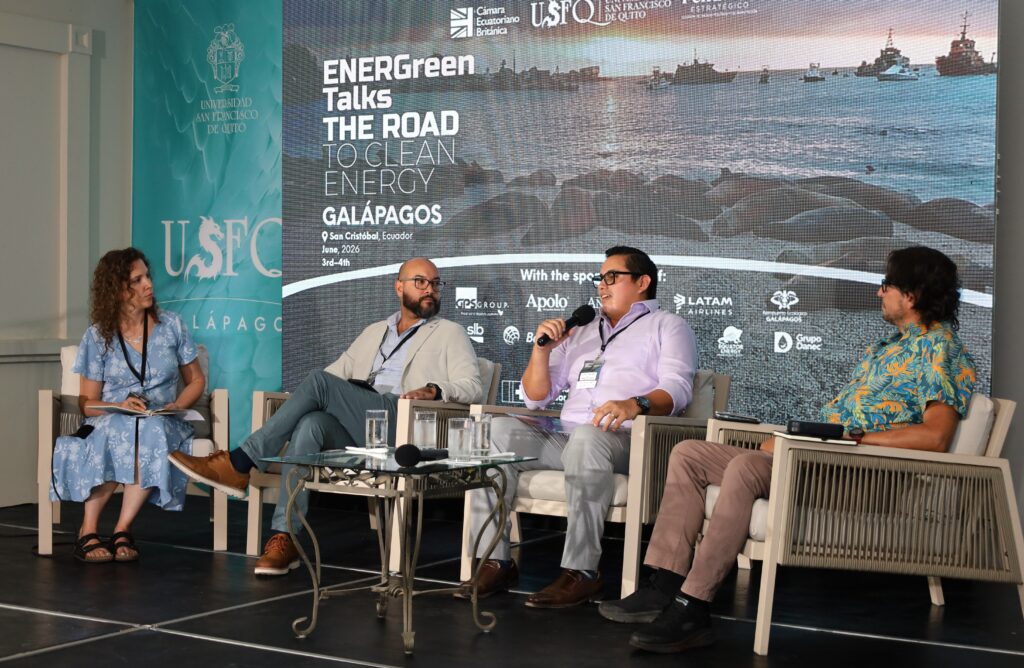
San Cristóbal, Galápagos. The Universidad San Francisco de Quito (USFQ) participated in the third edition of ENERGreen Talks 2026, an international C-level event organized by Péndulo Estratégico, the Ecuadorian-British Chamber of Commerce (BritCham Ecuador), and Galápagos Living Lab, an initiative led by USFQ and the University of Edinburgh, United Kingdom.
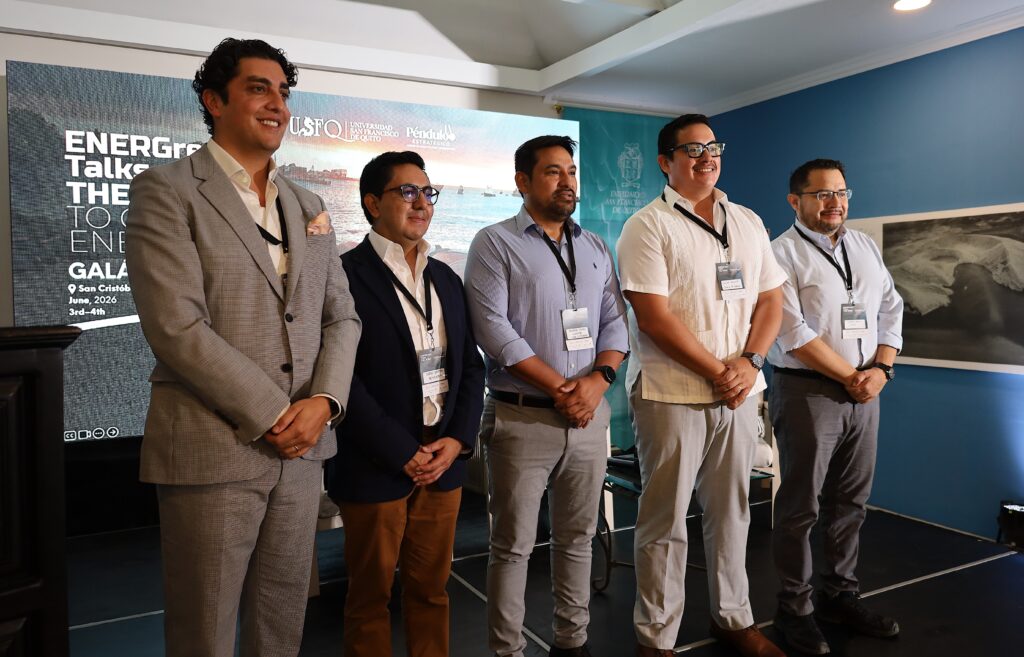
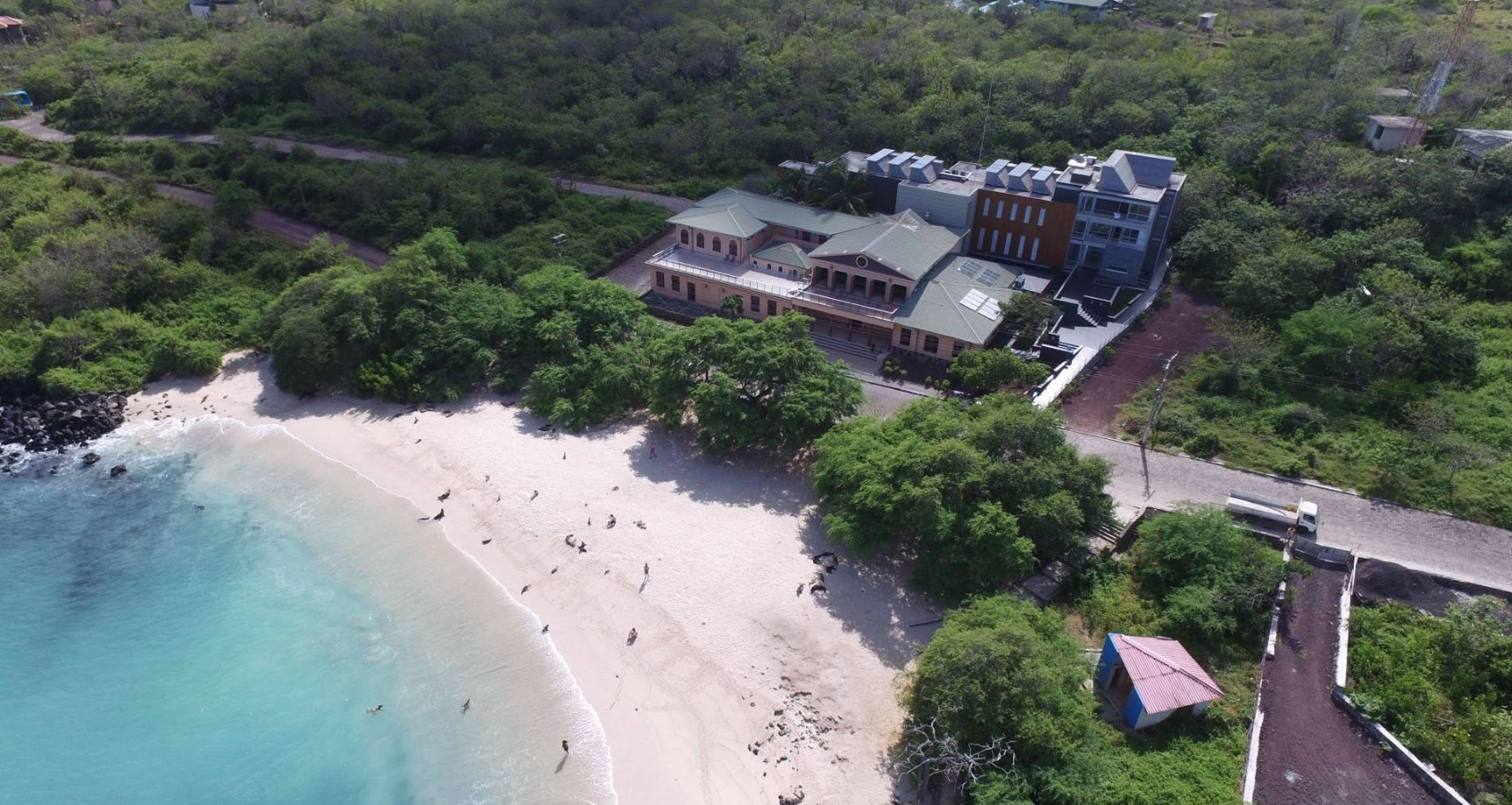
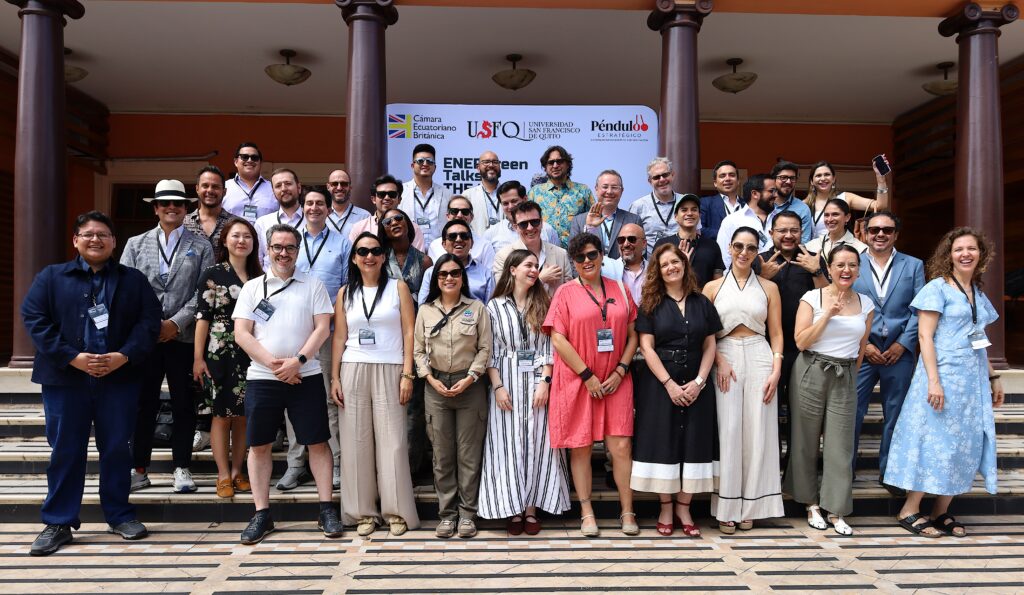
Held on June 3 and 4 at the USFQ Galápagos Campus in San Cristóbal, the event welcomed more than 30 representatives from initiatives across Ecuador and around the world. The gathering transformed Galápagos into a hub for knowledge exchange and collaborative discussions aimed at advancing sustainable energy solutions for the future.
Hosting this event in the archipelago reflects the growing international interest in promoting development models centered on environmental conservation. Due to its unique characteristics and the sustainability challenges it faces, Galápagos provides an ideal setting for exploring innovative approaches to climate action and energy transformation.
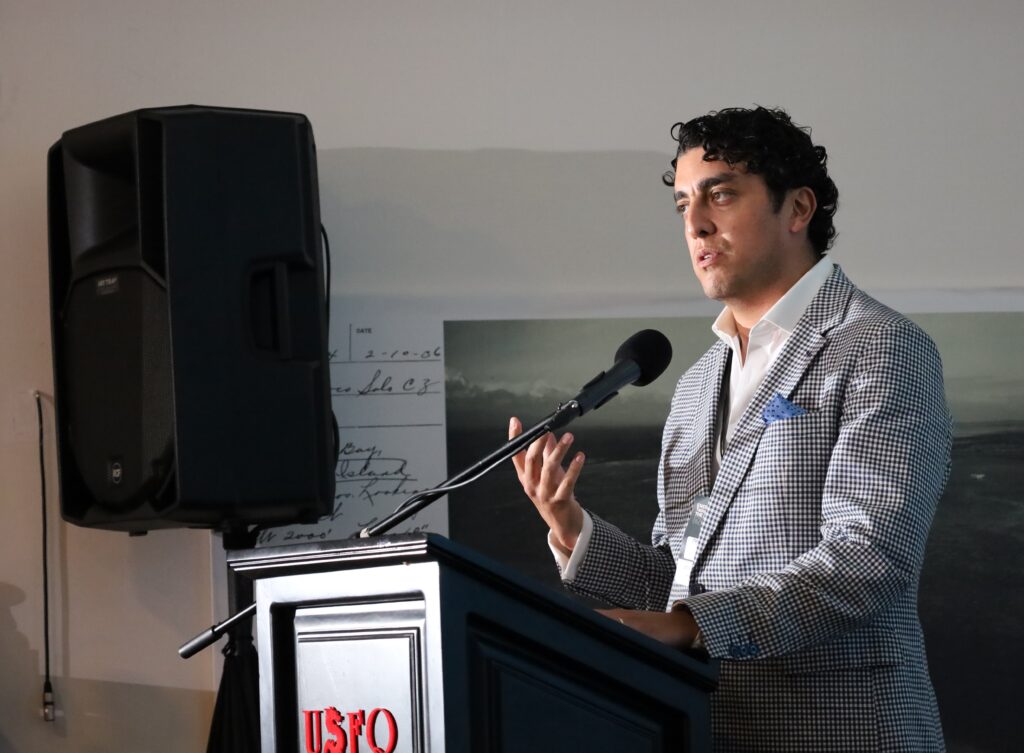
“The inclusion of local communities is essential because the pressures resulting from technological development and increasing energy demand often fall on stakeholders who remain largely invisible in these conversations. That is why we seek to integrate their perspectives into the discussion. Moreover, the event addresses these issues through a broader lens that goes beyond energy alone, incorporating topics related to climate change as well. In this context, we are working to organize ideas around key issues such as regulation, financing, project bankability, and ultimately, integrity,” said Pablo Morales, Co-Founder of Péndulo Estratégico.
In this context, USFQ’s participation is part of a collaborative effort among the organizations involved, aimed at promoting applied research, innovation, and the development of sustainable solutions with both local and global impact.
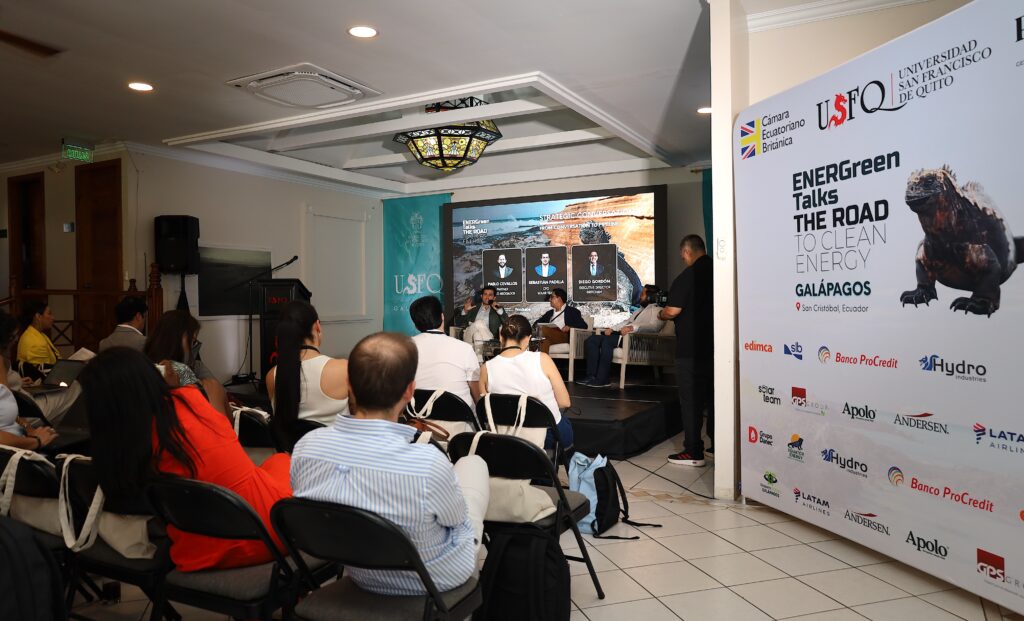
Throughout the event, specialists from various countries shared experiences, studies, and perspectives on the role of clean energy in building more resilient communities, fostering dialogue among local stakeholders involved in environmental and energy decision-making.
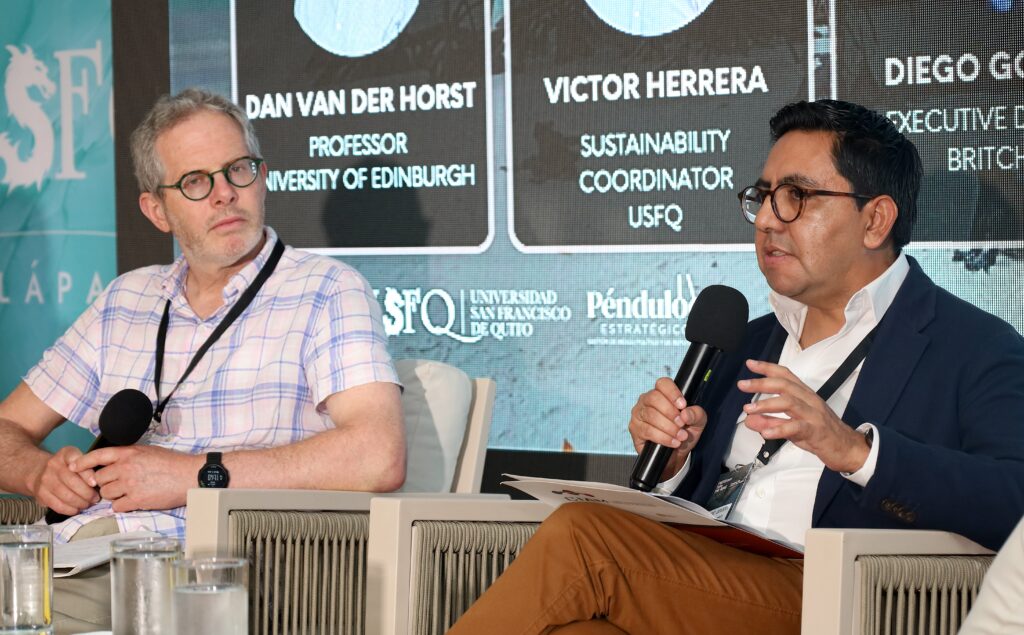
“We firmly believe in building partnerships—not only with organizations already advancing renewable energy, but also with those still involved in energy generation based on fossil fuels, natural gas, or other conventional sources. While these activities may generate environmental impacts, it is also true that every form of energy production and management carries some level of impact. What matters is working together to identify best practices, promote innovation, and strengthen research that can help reduce these impacts and accelerate the transition toward cleaner, more environmentally friendly energy sources,” emphasized Diego Gordon, Executive Director of BritCham Ecuador.
Since its launch in May 2025, ENERGreen Talks has established itself as a platform for strengthening partnerships and fostering strategic conversations around sustainability and energy. Following its previous editions in Quito and Madrid, the event arrived in Galápagos, further positioning the archipelago as an international reference point for research, innovation, and initiatives aimed at addressing the challenges of climate change.
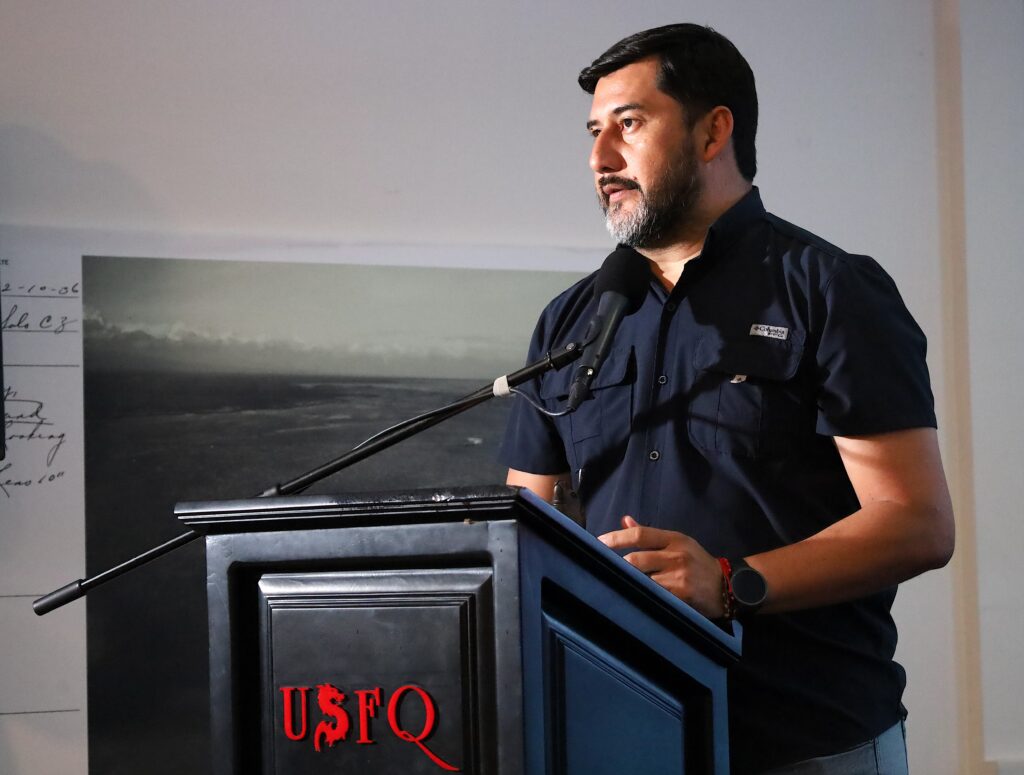
“What we seek is an understanding that Galápagos needs to develop a genuine sustainable mobility plan. This plan must not only address the type of vehicles required in the archipelago, but also define how far mobility can grow, recognizing that our territory—both urban and rural—is limited. The discussion is not solely about fossil fuel consumption or clean energy alternatives; it is also about the capacity of each island to accommodate vehicle traffic from an urban planning perspective,” stated Carlos Ortega, President of the Governing Council of the Special Regime of Galápagos.
Through its participation in this event, the Universidad San Francisco de Quito reaffirms its commitment to knowledge generation, international cooperation, and the pursuit of solutions that contribute to a more sustainable future for the Galápagos Islands, Ecuador, and the world.