
Photo: Hammerheads Darwin Jonathan
This laboratory is equipped to process a broad range of biological samples for genetic studies using advanced tools to understand genetic processes. It also focuses on the study of genetic diversity of micro- and macroorganisms, and potential applications in areas such as health, biotechnology, and conservation.
Unraveling the Molecular Mysteries of the Galápagos
Photo: Joshua Vela
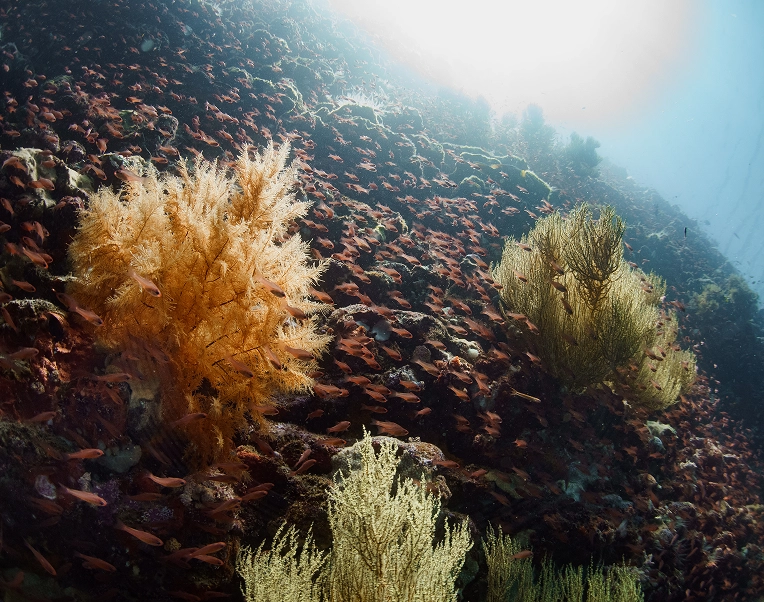
Metagenomics: Identification of organisms based on their DNA to determine the composition of communities, microbial abundance, diversity analyses, and identification of metabolic and ecological functions. Samples may include environmental DNA (eDNA), swabs, or tissues to detect unknown pathogens for diagnostic purposes.
Population Genetics: Determines population structure across geographic areas, population sizes, connectivity, and gene flow.
Genome Assembly: Assembly of nuclear and organelle genomes, including structural and functional annotation.
Phylogenetics: Determination of evolutionary relationships among organisms.
This laboratory also houses the biobank, consisting of ultra-freezers that ensure the long-term preservation of genetic samples under a traceability system that guarantees compliance with ethical and regulatory standards.
Science at the Molecular Level, Impact at the Ecosystem Scale
Photo: @alamcoss – @alamiztac
Lead this project Dr. Greg Lewbart (NC State University), Juan Pablo Muñoz and Diego Páez Rosas (USFQ Proffesors). This team collaborates with the La Galapaguera, which is the Galapagos National Park (GNP) tortoise breeding center in San Cristobal Island. Each year La Galapaguera has to release tortoises between 8 to 10 years old to the wild with the objective to increase the number of giant tortoises on the island. The GSC has been helping the GNP with this important activity each year since 2016. During the health assessments, they take baseline measurements and blood samples to know if tortoises are healthy so they are prepared to survive in the wild.
Photo: Jack Dumbacher
Dr. Todd Vision (UNC) is leading this project and, the main objective is to study five genders (Psidium, Lantana, Passiflora, Gossypium, and Pennisetum) of invasive and endemic plant populations that live together in the same area to demonstrate hybridization. This project uses genetics and molecular biologic techniques to show how native species came to the island, become endemic, and how they can hybrid with native species affecting their evolution and with it changing the flora and environment of the island.
Photo: JackDumbacher
Dr. Jaime Chavez conducts this project that explores evolution patterns in less studied species in the Galapagos Islands using molecular biology techniques. There is not much information about many species on the island such as worms, which are part of the food chain and are important to maintaining environment stability.
Dr. Antonio León (USFQ) is leading this project. Blackberry (Rubus niveus) is one of the most aggressive and invasive species in the Galapagos Islands. Using microbiology and molecular biology techniques, researchers isolate pathogenic fungal from blackberry plants to characterize them. They then test if they can kill the blackberry plants while protecting the endemic plants, using them as a biological control strategy for the future.
Photo:
The current capacity of this laboratory is supported by the following equipment:
Photo: Greenpeace
Join Our Mission
| Cookie | Duration | Description |
|---|---|---|
| cookielawinfo-checkbox-analytics | 11 months | This cookie is set by GDPR Cookie Consent plugin. The cookie is used to store the user consent for the cookies in the category "Analytics". |
| cookielawinfo-checkbox-functional | 11 months | The cookie is set by GDPR cookie consent to record the user consent for the cookies in the category "Functional". |
| cookielawinfo-checkbox-necessary | 11 months | This cookie is set by GDPR Cookie Consent plugin. The cookies is used to store the user consent for the cookies in the category "Necessary". |
| cookielawinfo-checkbox-others | 11 months | This cookie is set by GDPR Cookie Consent plugin. The cookie is used to store the user consent for the cookies in the category "Other. |
| cookielawinfo-checkbox-performance | 11 months | This cookie is set by GDPR Cookie Consent plugin. The cookie is used to store the user consent for the cookies in the category "Performance". |
| viewed_cookie_policy | 11 months | The cookie is set by the GDPR Cookie Consent plugin and is used to store whether or not user has consented to the use of cookies. It does not store any personal data. |
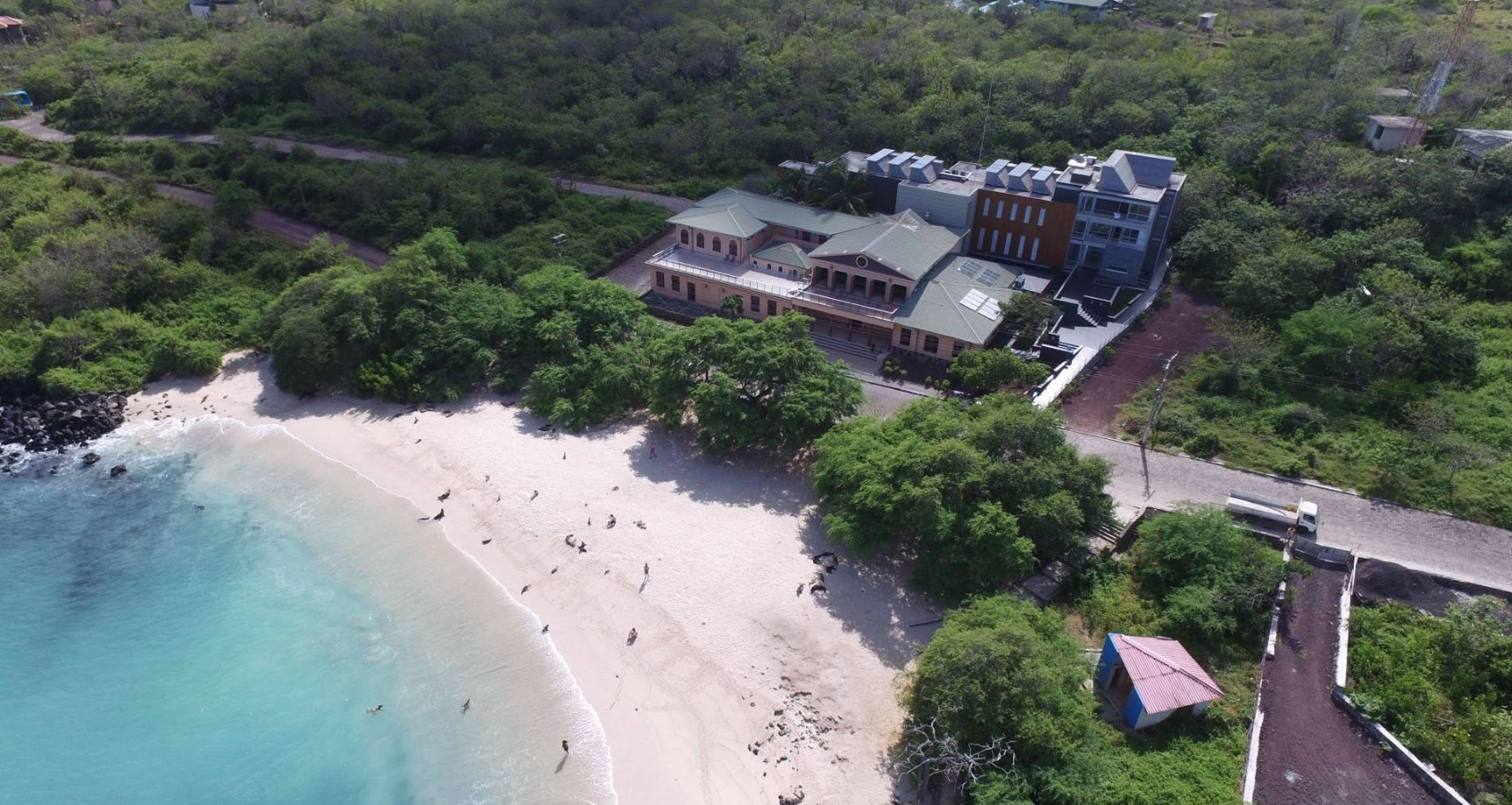
In 2022, the Galapagos Science Center (GSC) and the broader UNC & USFQ Galapagos Initiative will celebrate its 10th Anniversary. We are proud to announce the World Summit on Island Sustainability scheduled to be held on June 26–30, 2022 at the Galapagos Science Center and the Community Convention Center on San Cristobal Island.
The content of the World Summit will be distributed globally through social media and results documented through papers published in a book written as part of the Galapagos Book Series by Springer Nature and edited by Steve Walsh (UNC) & Carlos Mena (USFQ) as well as Jill Stewart (UNC) and Juan Pablo Muñoz (GSC/USC). The book will be inclusive and accessible by the broader island community including scientists, managers, residents, tourists, and government and non-government organizations.
While the most obvious goal of organizing the World Summit on Island Sustainability is to celebrate the 10th Anniversary of the GSC and the UNC-USFQ Galapagos Initiative, other goals will be addressed through special opportunities created as part of our operational planning of the World Summit.
For instance, we seek to elevate and highlight the Galapagos in the island conservation discourse, seeking to interact with other island networks in more obvious and conspicuous ways to benefit the Galapagos Islands, the UNC-USFQ Galapagos Initiative, and the world. We will seize the opportunity to further develop the I2N2 – International Islands Network-of-Networks. Further, we wish to highlight and emphasize multiple visions of a sustainable future for the Galapagos Islands and we cannot do this alone. Therefore, engaging the Ecuadorian Ministry of Environment, the Ministry of Tourism, the Government Council of Galapagos, the Galapagos National Park, and local Galapagos authorities, including government and non-government organizations and local citizen groups, is imperative.
Borrowing from Hawaii’s and Guam’s Green Growth Program and the Global Island Partnership, we wish to examine existing global programs that emphasize island sustainability and their incorporation into life, policies, and circumstances in the Galapagos Islands. We will also seek to enhance our connections with the institutional members of our International Galapagos Science Consortium and expand the Consortium through the recruitment of other member institutions. We will also work to benefit islands and their local communities by working with citizen groups as well as important NGOs who seek to improve the natural conditions in the Galapagos and diminish the impact of the human dimension on the future of Galapagos’ ecosystems.
Lastly, we will use the World Summit to benefit UNC & USFQ and our constituencies through a strong and vibrant communication plan about the World Summit, creating corporate relationships as sponsors, identifying funding goals through donors, and benefiting our study abroad program for student engagement in the Galapagos Islands. We plan to develop and issue a Galapagos Sustainability Communique after the World Summit that includes the vision and insights of all its participants for a sustainable Galapagos with applicability to global island settings.
We are eager to hear your perspective and have you join us at the World Summit on Island Sustainability!