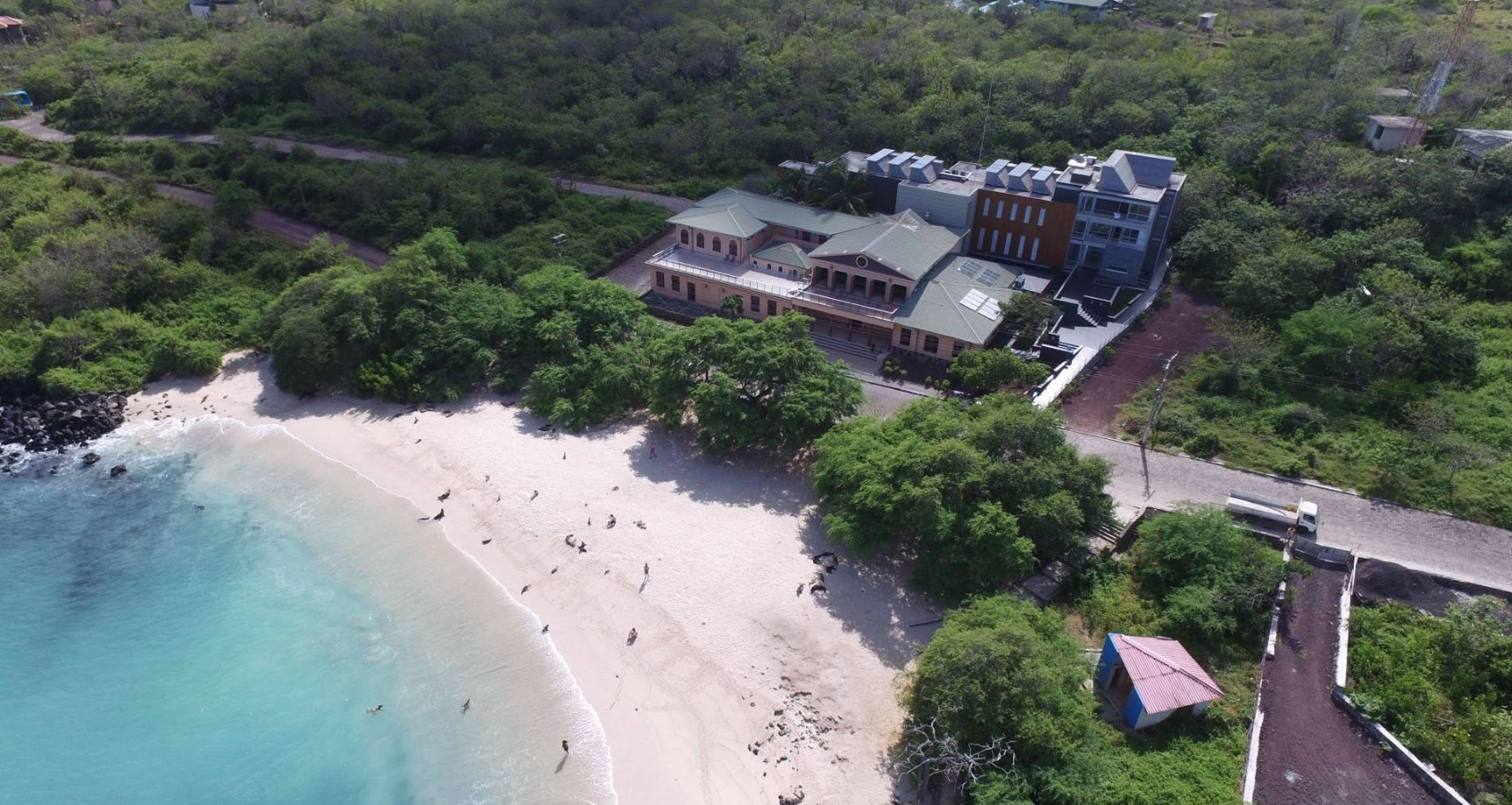
USFQ and INSPI sign an agreement to strengthen scientific research and academic training
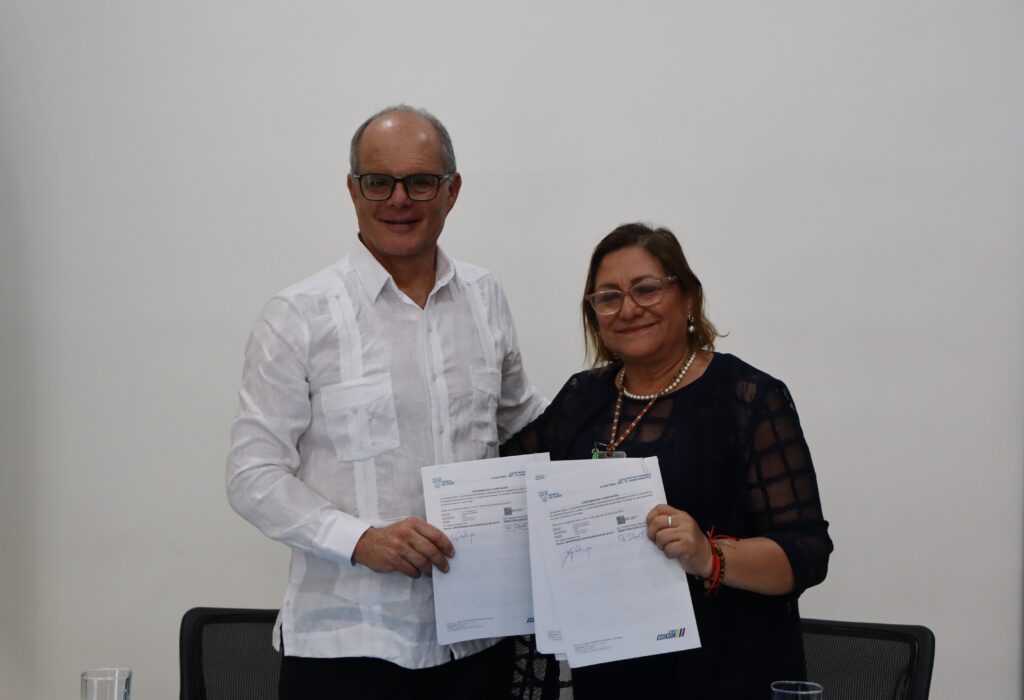
Universidad San Francisco de Quito (USFQ) and the National Institute of Public Health Research (INSPI) ‘Dr. Leopoldo Izquieta Pérez,’ an institution under the Ministry of Public Health (MSP), have signed an inter-institutional cooperation agreement to strengthen scientific research and academic training in public health and wildlife conservation in Ecuador.
Amanda Thompson named permanent director of the Center for Galapagos Studies

The human biologist has been interim director of the center since 2023 and is also co-director of the Galapagos Science Center.
Research Expedition to Paramount: the forgotten seamount
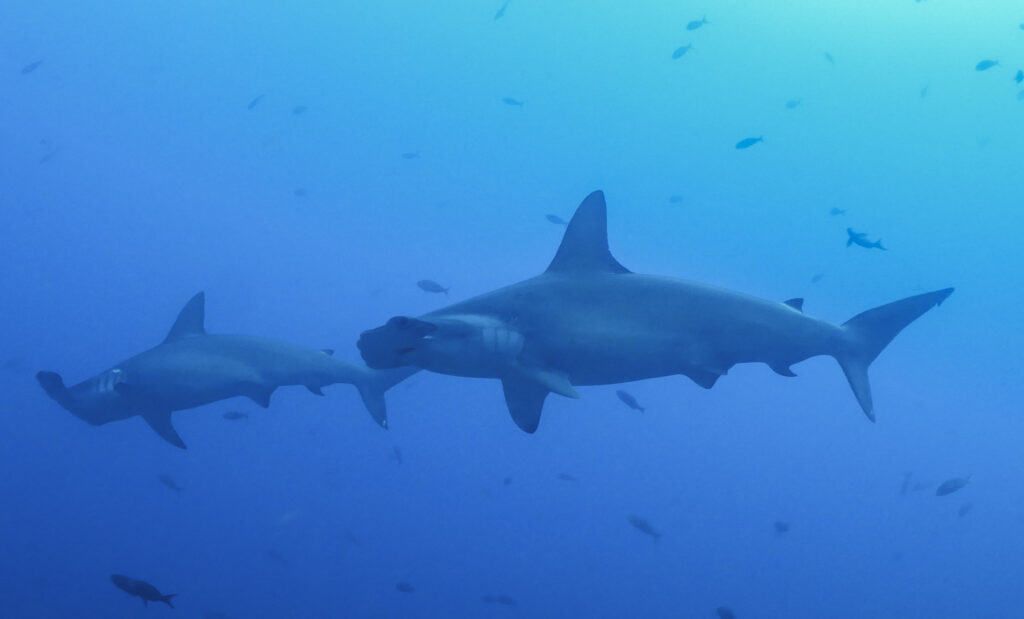
In January 2025, a team of scientists from Universidad San Francisco de Quito (USFQ), the Galápagos Science Center (GSC) and the Galápagos National Park Directorate (GNPD) carried out a two-week expedition to Paramount: a shallow-water seamount rising from a depth of over 1500 m to only 180 m below the surface, located 100 nautical miles northeast of the Galápagos Marine Reserve. The objective of the expedition was to characterize the fish community around the seamount and explore its connections with Galápagos. The work was supported by the organizations Mission Blue, Galápagos Conservation Trust, MigraMar and Bezos Earth Fund.
Health status and morphometrics of Galápagos magnificent frigatebirds (Fregata magnificens magnificens) determined by hematology, biochemistry, blood gas, and physical examination
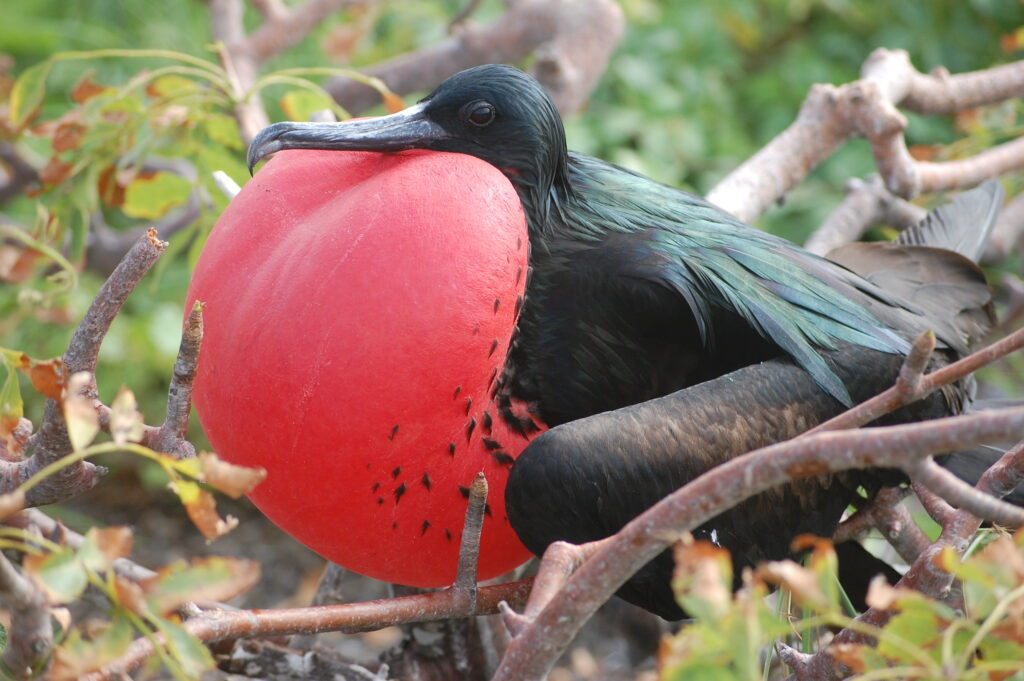
The magnificent frigatebird (Fregata magnificens; MFB) is a seabird found in the Atlantic and Pacific Oceans. In the Galápagos Islands, the endemic subspecies Fregata magnificens magnificens inhabits the archipelago. This study presents, for the first time, the hematological and blood biochemical values of this population in the region.
USFQ, through the Galapagos Science Center, promotes a comprehensive wildlife health model in the archipelago
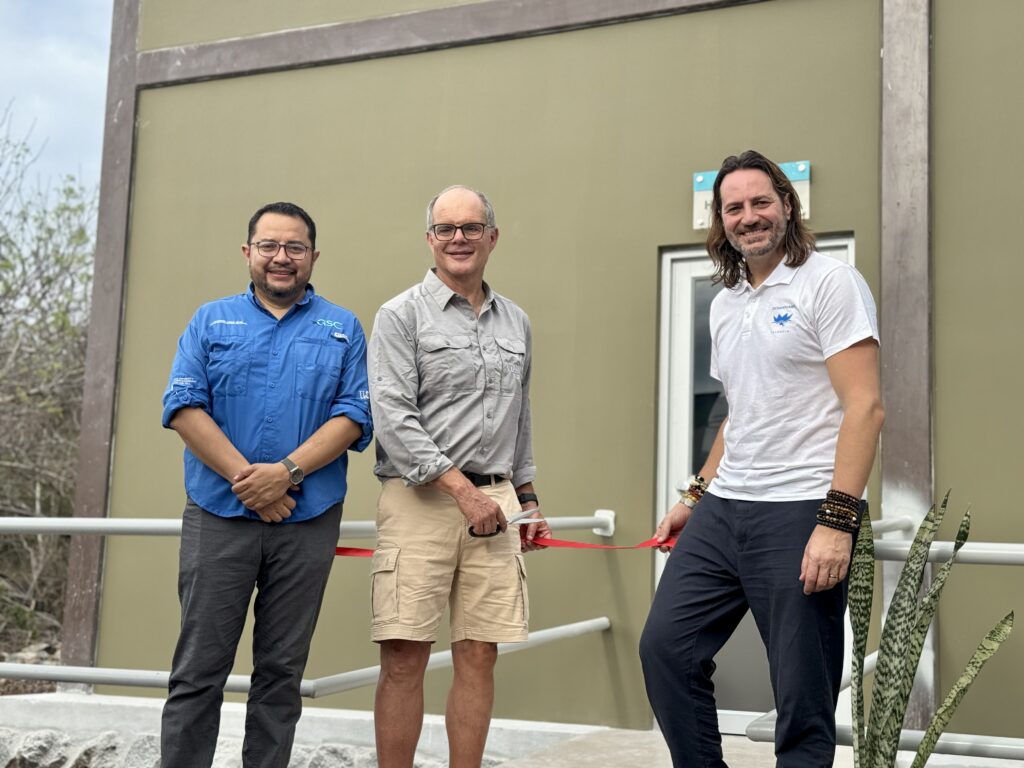
At Universidad San Francisco de Quito (USFQ), through the Galapagos Science Center (GSC), we are committed to biodiversity conservation and the well-being of island ecosystems. As part of this effort, we are leading the strategic planning for the implementation of a Comprehensive Wildlife Health System in the Galapagos Islands, an innovative model based on the One Health approach, which recognizes the connection between animal, environmental, and human health.
Canine vector-borne parasites in the Galapágos

Endemic species of the Galápagos Islands are vulnerable to newly introduced pathogens, often transmitted through invasive hosts. One example is invasive parasitic arthropods, whose evolutionary success is linked to their association with domestic animals present in the archipelago. This interaction poses a significant risk, as these parasites can switch hosts and facilitate pathogen transmission between domestic and wild species.
USFQ, Metropolitan Touring, and Finch Bay Hotel sign an agreement to protect whale sharks in the Galápagos
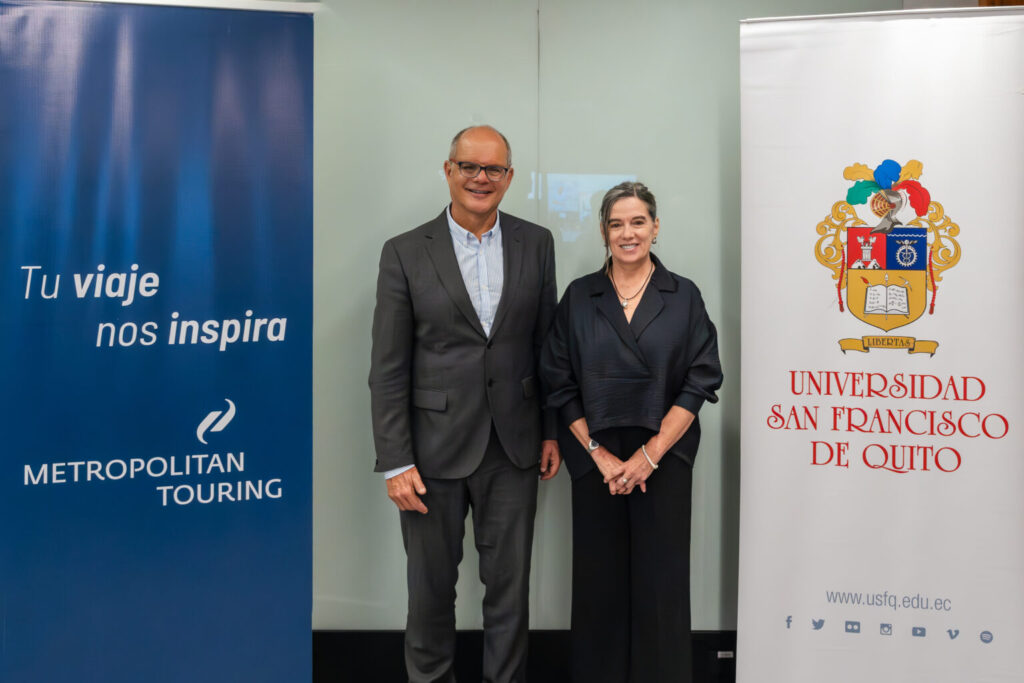
Universidad San Francisco de Quito (USFQ) and Metropolitan Touring have signed a collaboration agreement for the conservation of the whale shark, the world’s largest fish. This partnership reaffirms the commitment of both institutions to sustainability and the protection of the biodiversity of the Galápagos Islands. The initiative is being carried out in coordination with the Galápagos National Park Directorate (GNPD), the authority responsible for protecting the archipelago’s unique ecosystems.
USFQ, Metropolitan Touring y Finch Bay Hotel firman convenio de conservación del tiburón ballena en Galápagos
Metropolitan Touring y la Universidad San Francisco de Quito (USFQ) firmaron un convenio de colaboración para la conservación del tiburón ballena, el pez más grande del mundo, en un acto que reafirma el compromiso de ambas instituciones con la sostenibilidad y protección de la biodiversidad de las Islas Galápagos.
REACCT Project Relaunches in Galápagos: Supporting Local Businesses and Sustainable Development
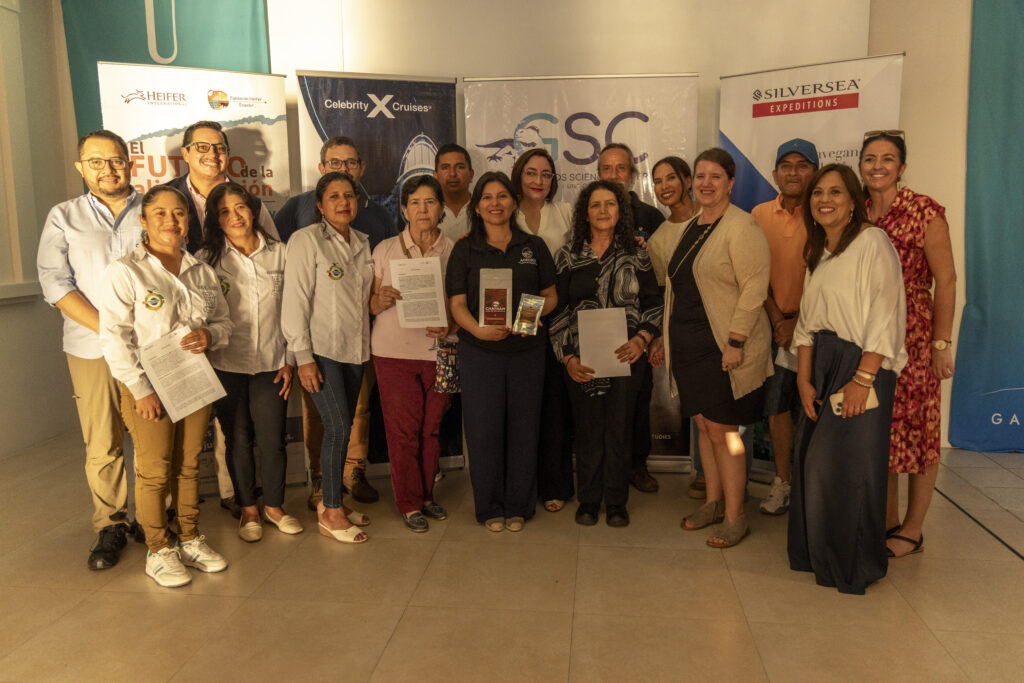
Six agro-based businesses adding value to local raw materials have been selected for the REACCT (Reactivating the Economy through Science, Community, and Work) project in San Cristóbal, Galápagos. These businesses: Galafruit, El Trapiche, Asecris/Chatham, Green Island, Lácteos San Cristóbal, and Galápagos Natural Harmony, were chosen based on criteria such as impact, market access, and innovation. All of them have previously participated in the Rural Business Schools initiative led by Heifer Ecuador Foundation in San Cristóbal.
Ontogenetic feeding shifts in two thresher shark species in the Galapagos Marine
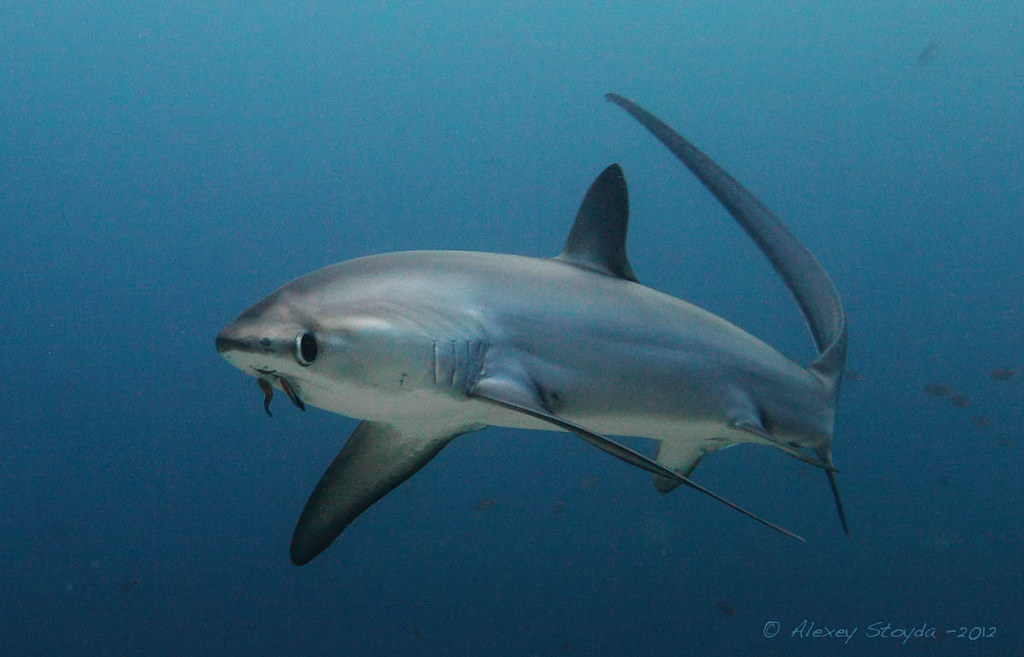
Thresher sharks are key predators in the marine ecosystems of the Tropical Pacific Ocean, playing a fundamental role in maintaining ecological balance. They primarily feed on squid and small fish. This study aims to assess possible ontogenetic changes in the feeding habits and habitat use of two thresher shark species (Alopias pelagicus) and (Alopias superciliosus) inhabiting the Galápagos Marine Reserve (GMR), aspects that remain poorly understood in the region.