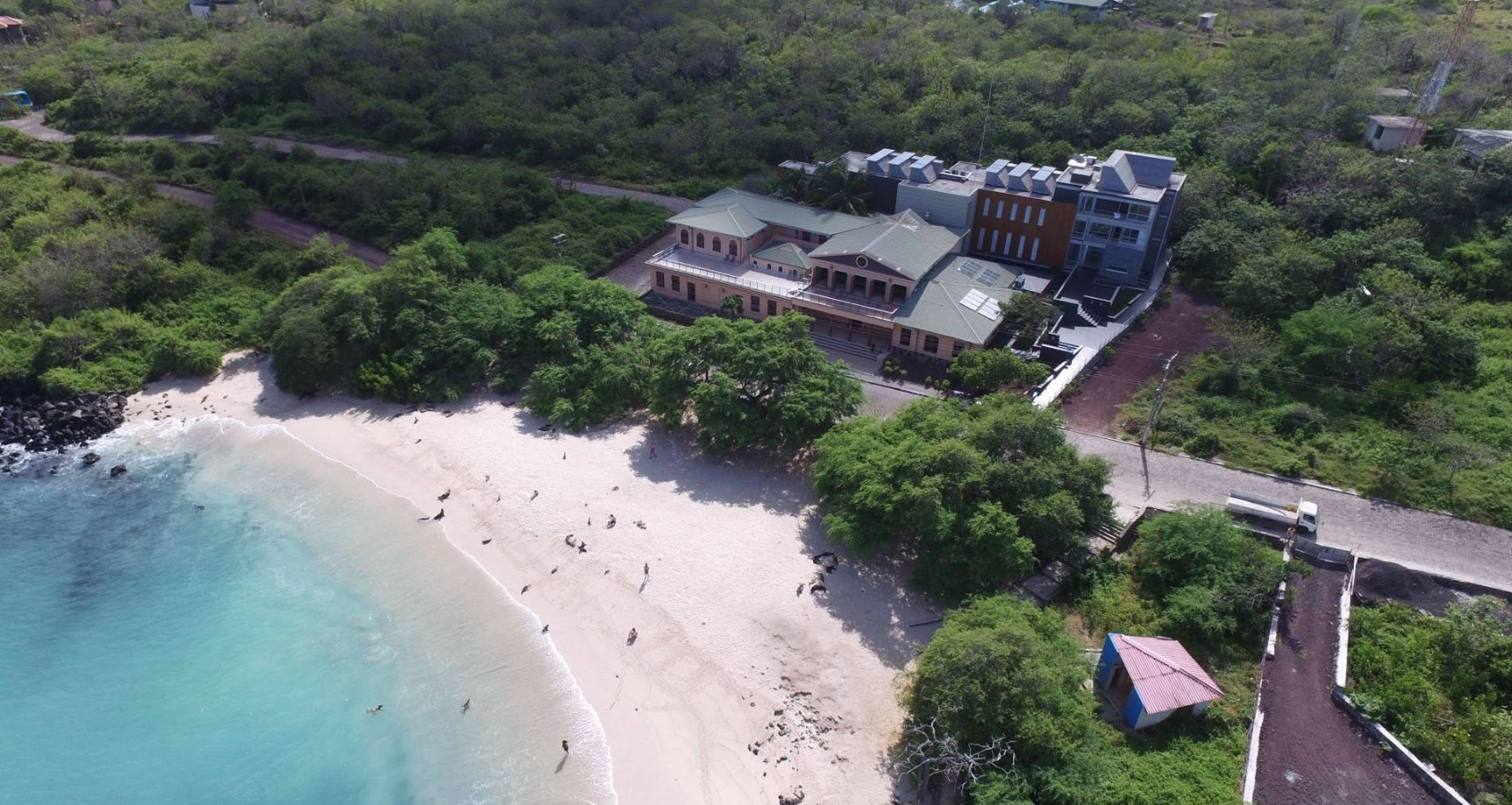
New collaborations and citizen science to better understand cetaceans in the Galapagos
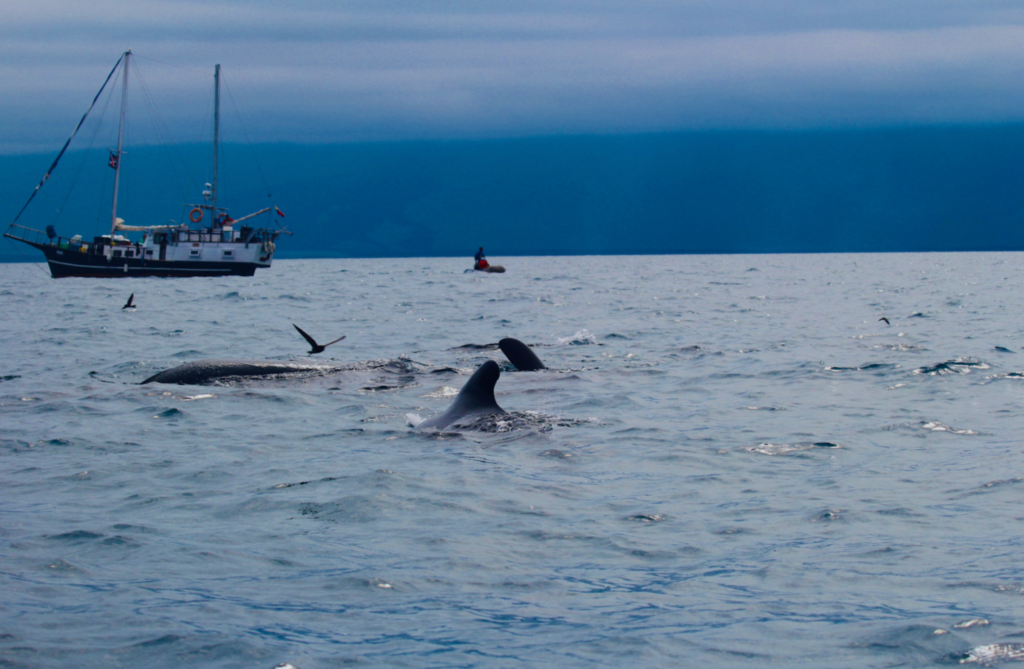
In the fall of 2021, Dani Alarcón, a researcher from the Galapagos Science Center, and Hector Guzman, senior scientist from the Smithsonian Tropical Research Institute, first set out to tag blue whales off the coast of the Galapagos Islands.
The Presence of Dirofilaria immitis in Domestic Dogs on San Cristobal Island, Galapagos
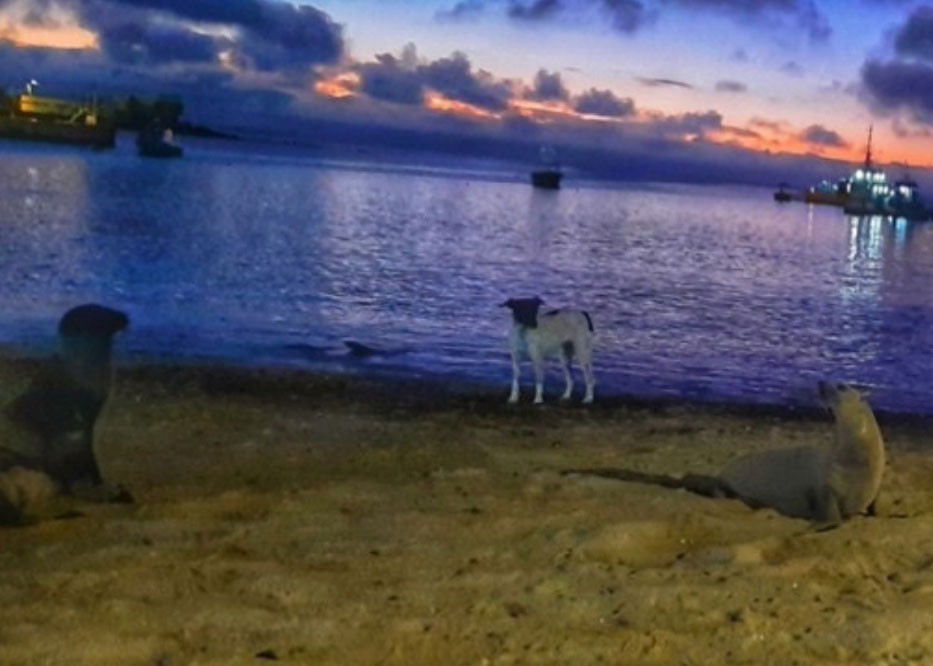
This study’s concept was outlined around the principle of conservation medicine in a biodiversity hotspot from the Neotropical realm: the Galapagos Islands.
Exploring the genetic diversity and population structure of Mobula birostris in two key aggregation zones in the Eastern Tropical Pacific
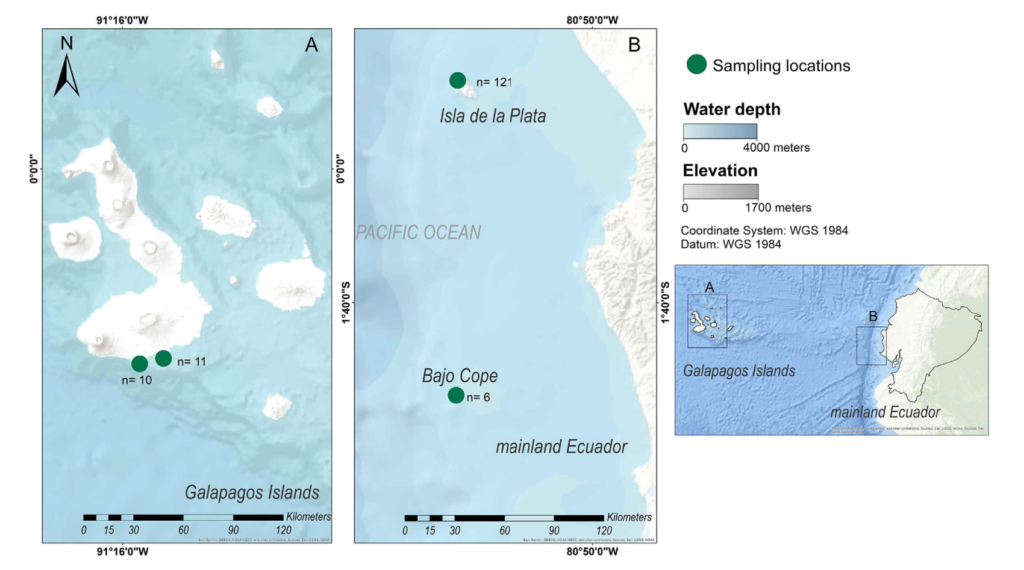
The giant manta ray Mobula birostris is the largest ray species in the world. Little is known about its genetic composition.
Intraocular pressure using rebound tonometry in the San Cristobal Galapagos tortoise (Chelonoidis chathamensis)
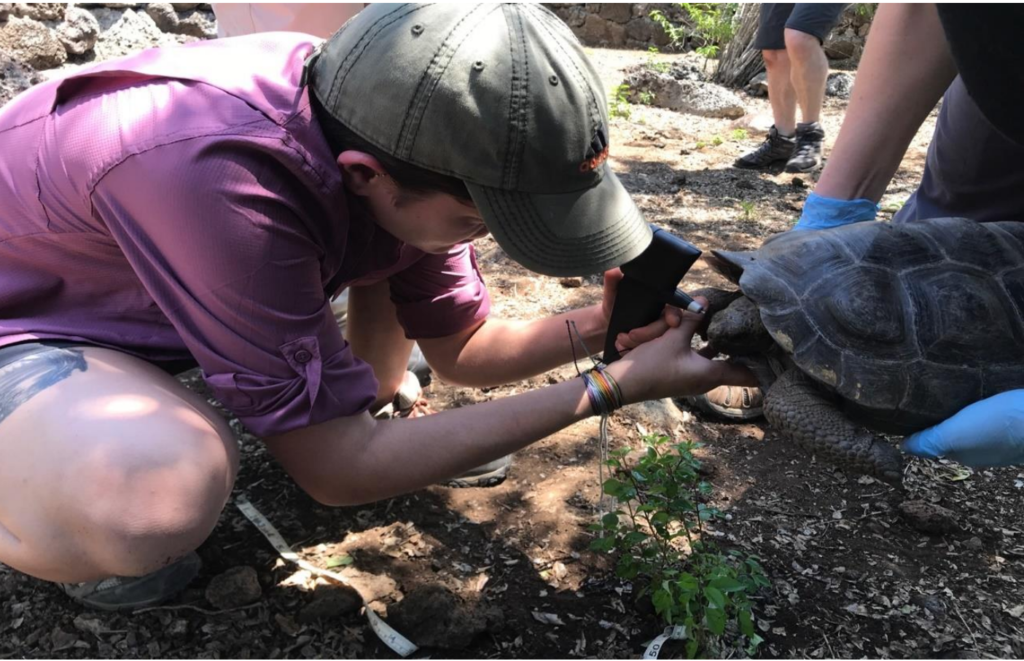
The goal of this study was to determine if intraocular pressure could be accurately assessed and to create a baseline measurement for intraocular pressure in Galápagos tortoises.
Ecuador contributes to the NASA SHADOZ network with 36 probes per year through the USFQ Atmospheric Measurement Station
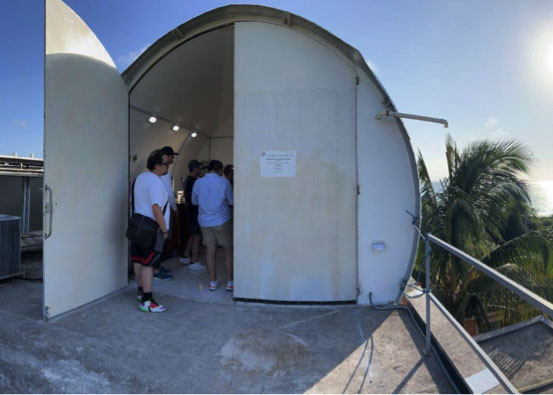
The Universidad San Francisco de Quito (USFQ) has the Atmospheric Research Institute (IIA), which conducts surveys of the ozone layer from its Atmospheric Measurement Station (EMA).
Southern Elephant Seals (Mirounga leonina) in the Galapagos Islands and the Eastern Tropical Pacific Amid Ocean Environmental Changes: Towards a Habitat Suitability Index
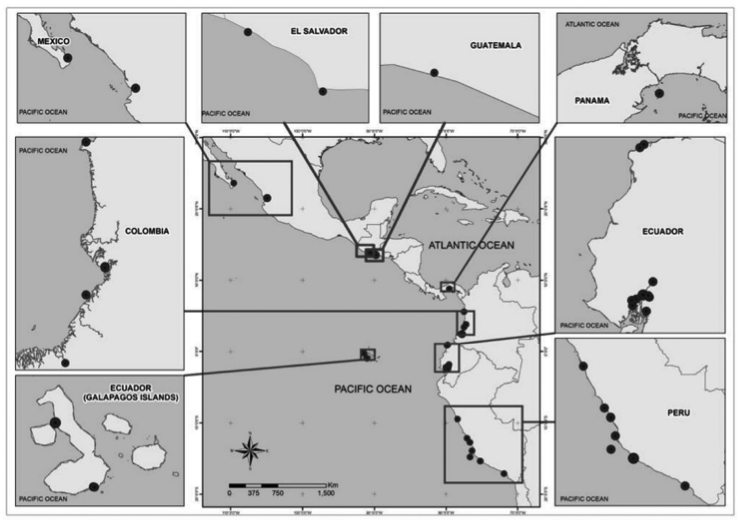
he southern elephant seal (SES; Mirounga leonina) is the largest, sexually dimorphic pinniped species in the global ocean.
Microplastic distribution and composition on two Galápagos island beaches, Ecuador: Verifying the use of citizen science derived data in long-term monitoring
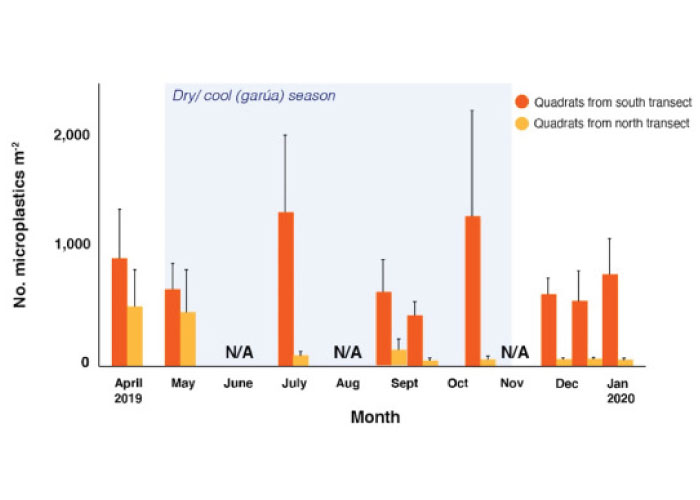
Monitoring beach plastic contamination across space and time is necessary for understanding its sources and ecological effects.
Diving into the vertical dimension of elasmobranch movement ecology
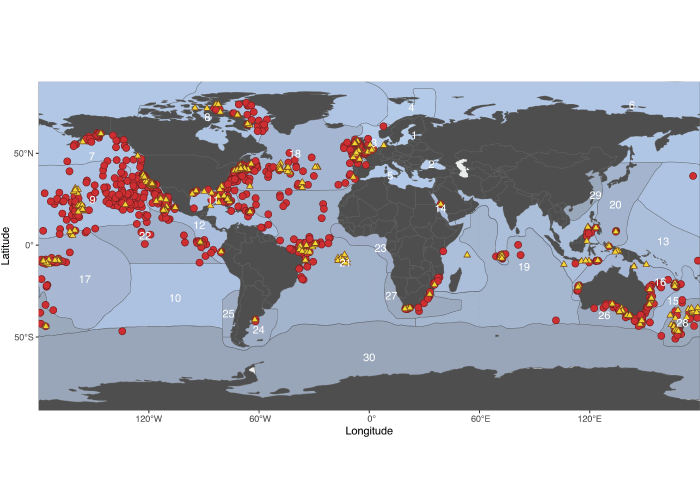
Knowledge of the three-dimensional movement patterns of elasmobranchs is vital to understand their ecological roles and exposure to anthropogenic pressures. To date, comparative studies among species at global scales have mostly focused on horizontal movements.
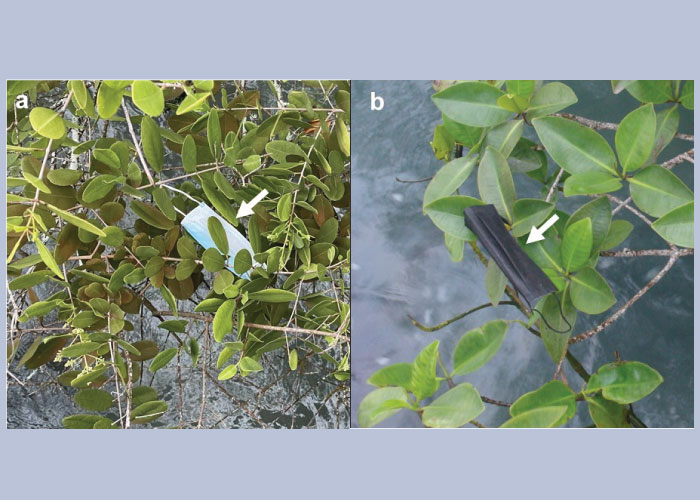
Multiple Anthropogenic Stressors in the Galápagos Islands’ Complex Social-Ecological System: Interactions of marine pollution, fishing pressure and climate change with management recommendations
Published in Pub Med | July 27, 2022
Research Expedition in the Galápagos Marine Reserve Focuses on Overlooked Species and Habitats
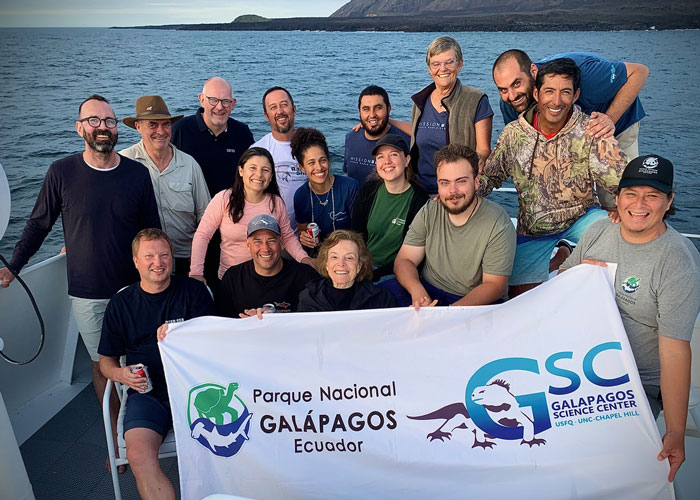
A multi-institutional team of scientists led by legendary oceanographer and National Geographic Explorer, Dr. Sylvia Earle (Mission Blue) carried out a two-week expedition in the Galapagos Marine Reserve.