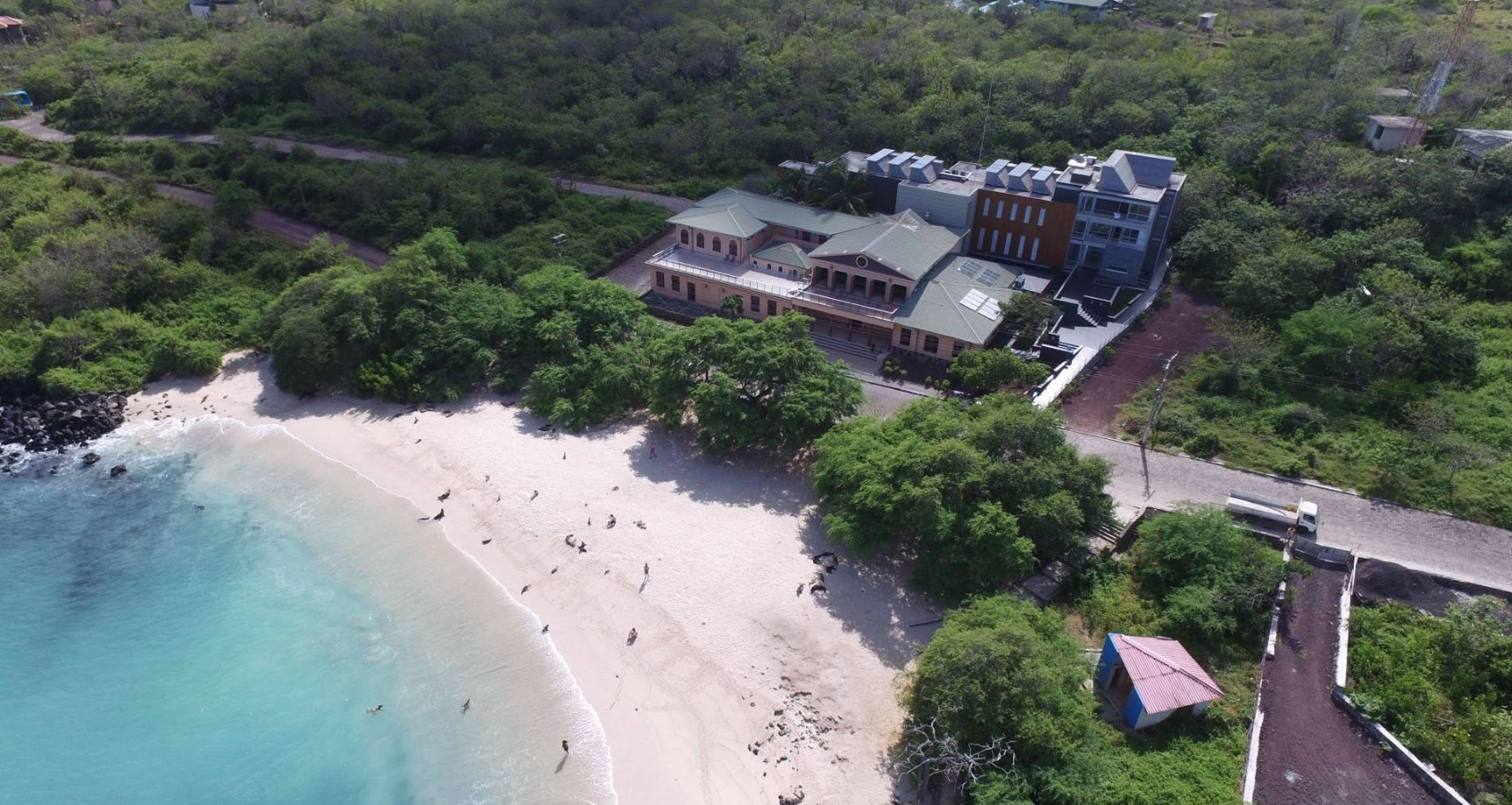
Galapagos Science Center and the Galápagos National Park Strengthen Science for the Future of the Archipelago at the VIII Galápagos Research and Conservation Symposium
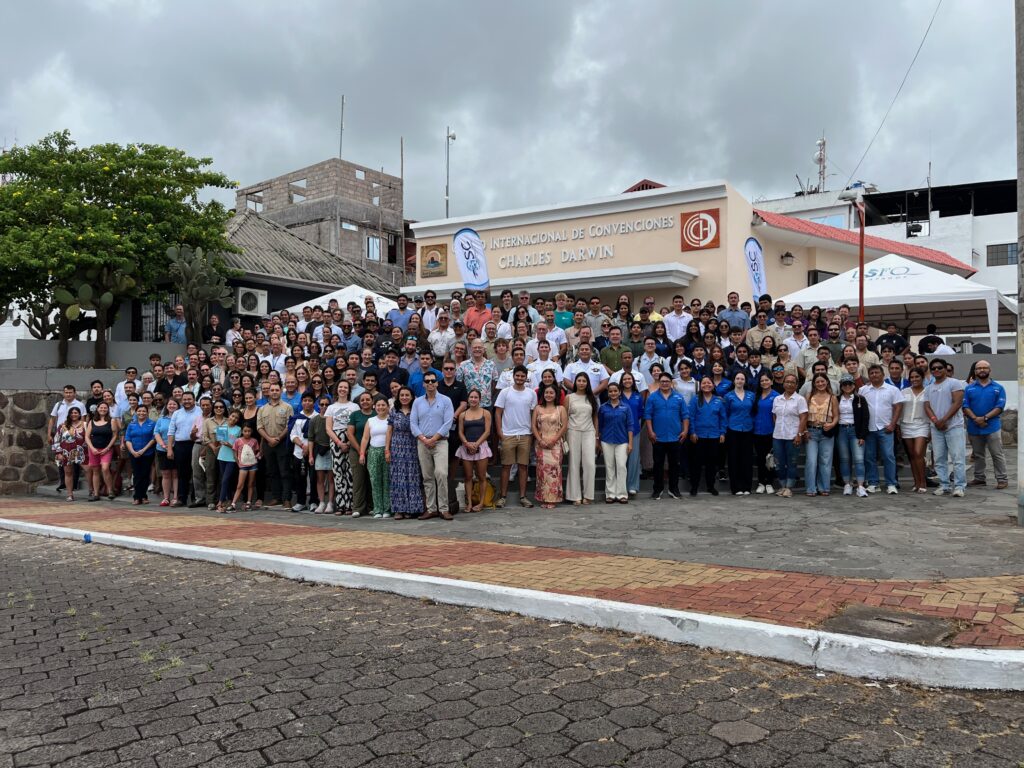
Galápagos once again became the setting for the archipelago’s premier scientific gathering. The VIII Galápagos Research and Conservation Symposium brought together more than 470 participants to showcase research on biodiversity, oceans, health, conservation, and sustainable development, fostering knowledge exchange and collaboration among academia, institutions, and the local community.
Local Seafood to Drive a New Child Nutrition Model in the Galápagos
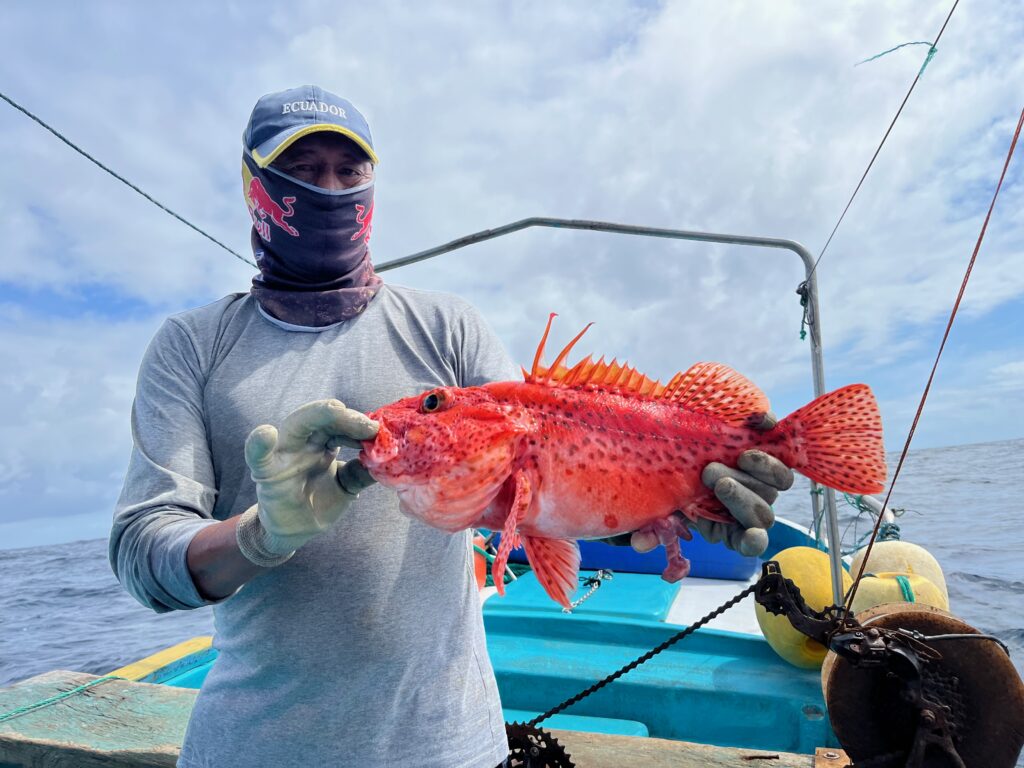
Learn about the new project led by the University of San Francisco de Quito (USFQ) and the Galapagos Science Center, an initiative that aims to improve the nutrition of nearly 500 students through locally sourced seafood and agricultural products, while advancing scientific research and promoting healthier, more sustainable food systems. Read the full press release to learn more about this initiative.
ENERGreen Talks 2026 Brought Together Experts and Organizations Committed to the Energy Transition in Galápagos
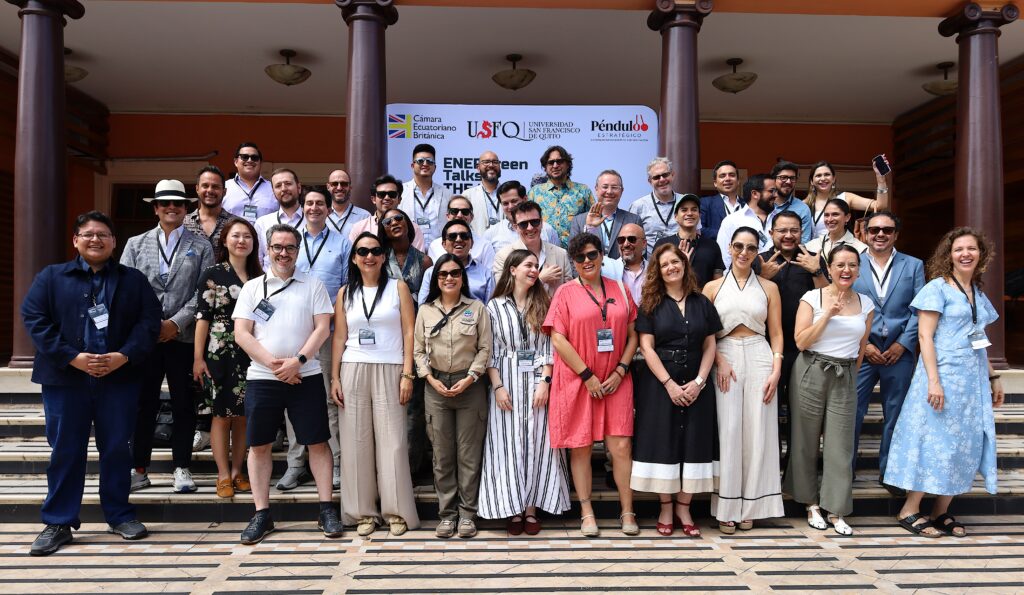
The Universidad San Francisco de Quito (USFQ) participated in ENERGreen Talks 2026, an international forum that brought together leaders from the energy sector, academia, businesses, and international organizations to discuss innovation, sustainability, and the transition toward clean energy solutions.
Whale shark reveals the route: an adult female migrates from western Galápagos to El Salvador
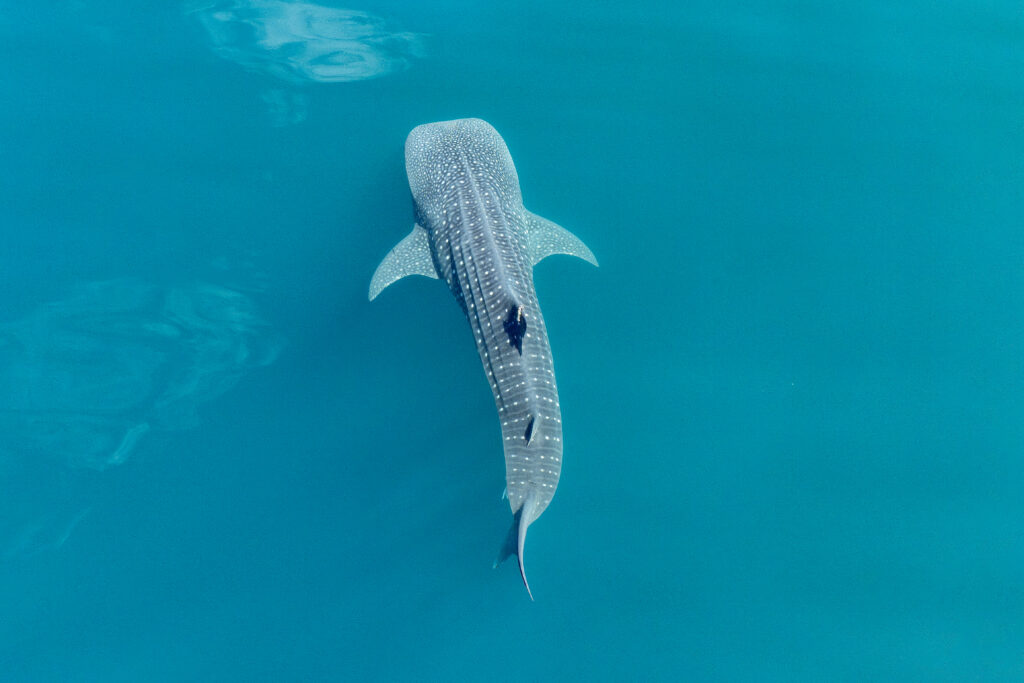
In March 2026, a scientific expedition in the Galápagos Marine Reserve sought to better understand the migratory route of the whale shark, an endangered species, and determine whether individuals observed in different areas of the archipelago are connected to one another.
USFQ Drives Development in Galápagos Through Education, Health and Community Impact
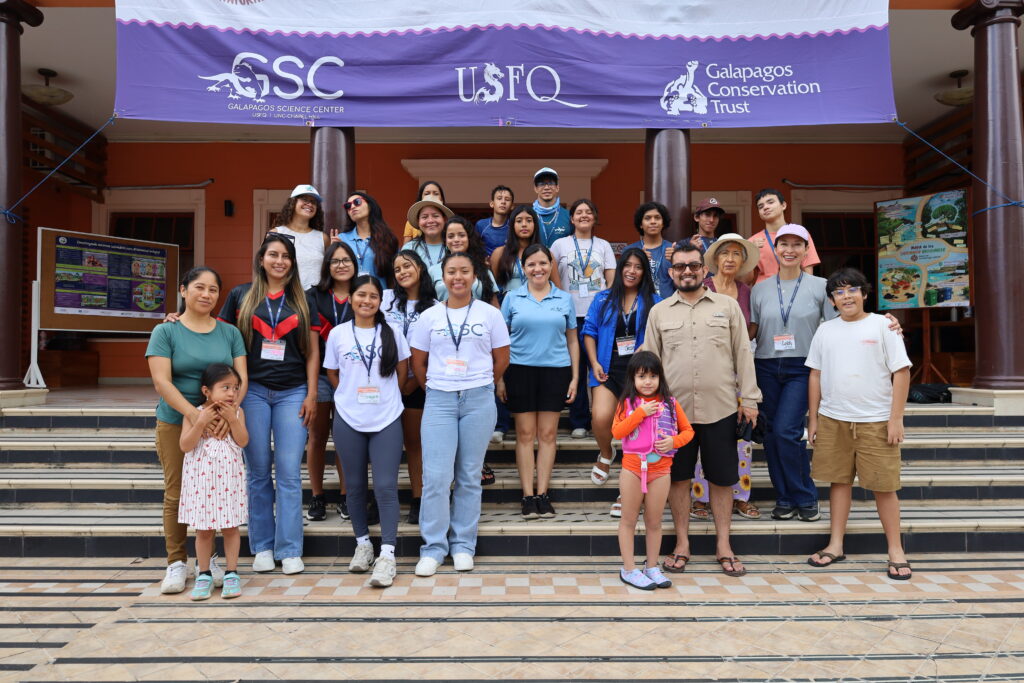
One of USFQ’s main contributions in Galápagos lies in its commitment to holistic education through transformative experiences. In this context, the Host Family Program stands out as an international cultural immersion initiative that allows foreign students to integrate into the daily life of the local community.
REACCT+ Drives Local Business Development in the Galápagos
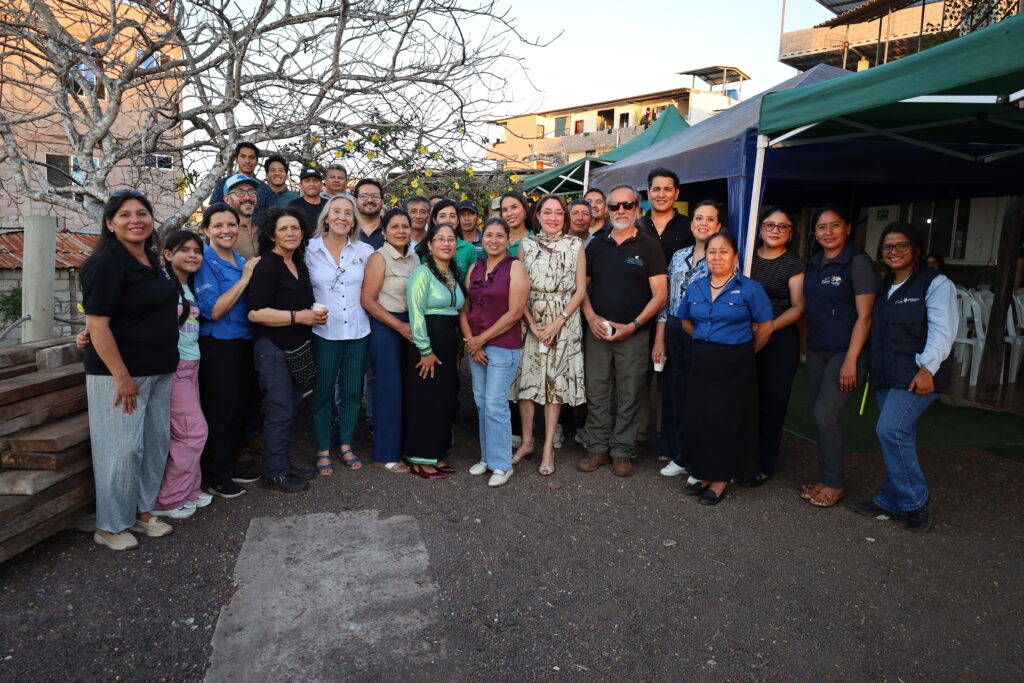
Through financial support of universities and the private sector, the REACCT+ project is strengthening six local businesses on San Cristóbal Island.
2025 Christmas Newsletter and Annual Impact Report
During this special season, we would like to wish you a Merry Christmas and a prosperous New Year. We invite you to explore the news, insights, and achievements that reflect our collective efforts to strengthen conservation and promote sustainable development in the Galápagos Archipelago, a Natural World Heritage Site.
Galápagos strengthens sea lion protection with an updated management plan on San Cristóbal Island
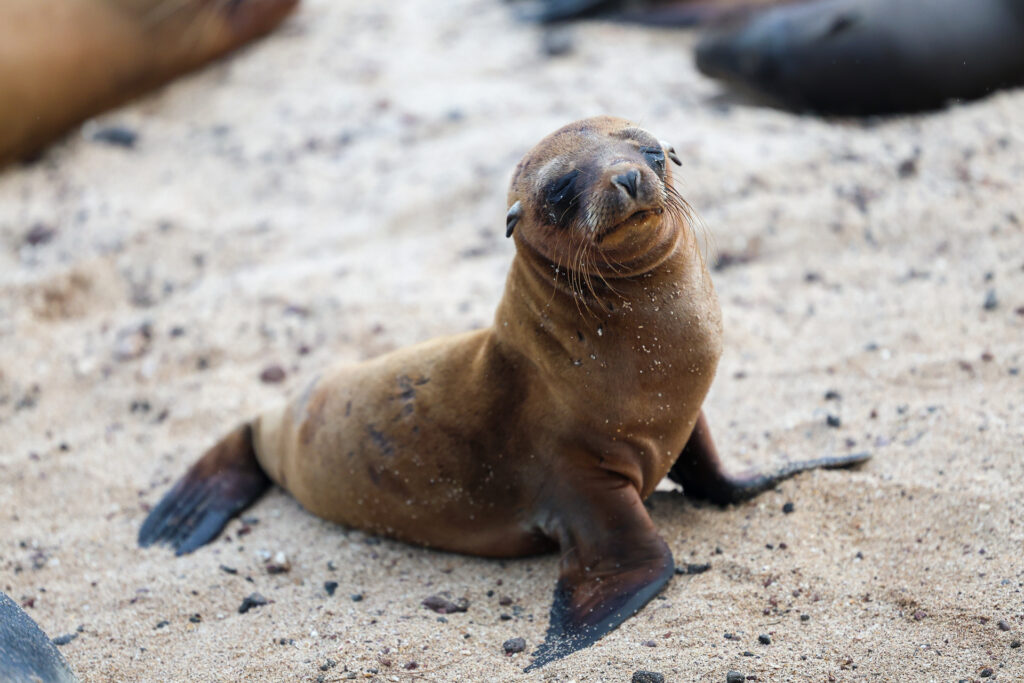
The Galapagos National Park Directorate (GNPD), with the support of the Universidad San Francisco de Quito (USFQ), officially launched the “Management Plan for the Conservation and Sustainable Use of the Galápagos Sea Lion in San Cristóbal Island 2025–2030.”
COAST-SCAPES: Rethinking Coastal Landscapes Towards Climate Resilience
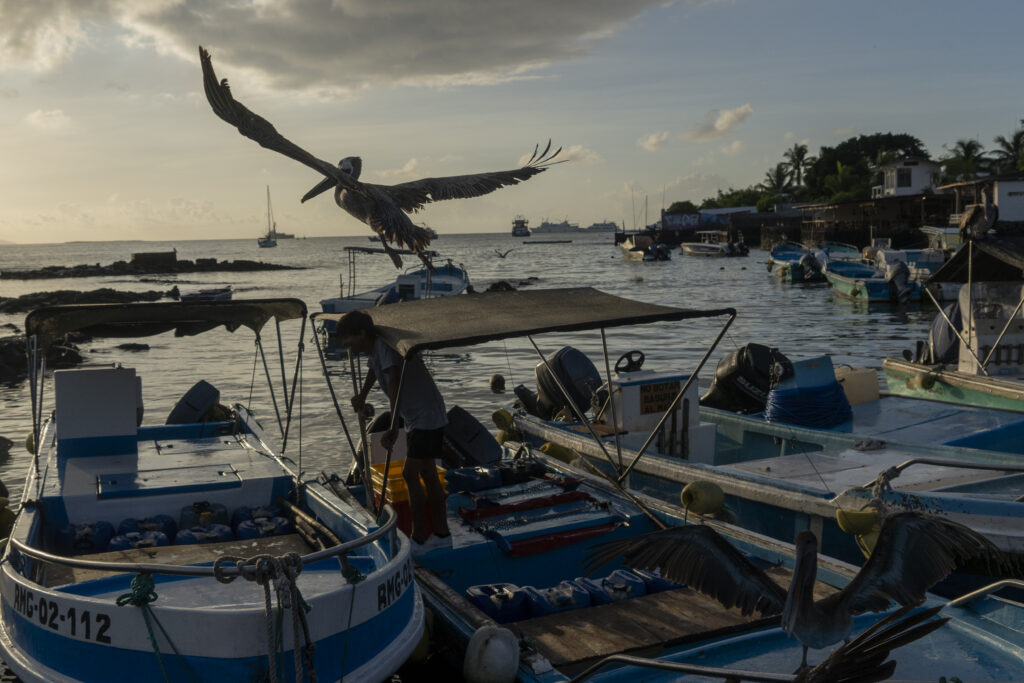
COAST-SCAPES is a new project to be developed at the Galapagos Science Center (GSC), titled “Rethinking coastal landscapes with climate-resilient interventions: systemic solutions from land to sea.” Coordinated by the Polytechnic University of Catalonia (Spain), it brings together a consortium of 31 international partners who will work collaboratively to develop innovative strategies that strengthen coastal resilience in Europe, with selected sites in Latin America, Asia, and Oceania.
Scientists Study the Impact of Ocean Processes on Marine Biodiversity in the Galápagos
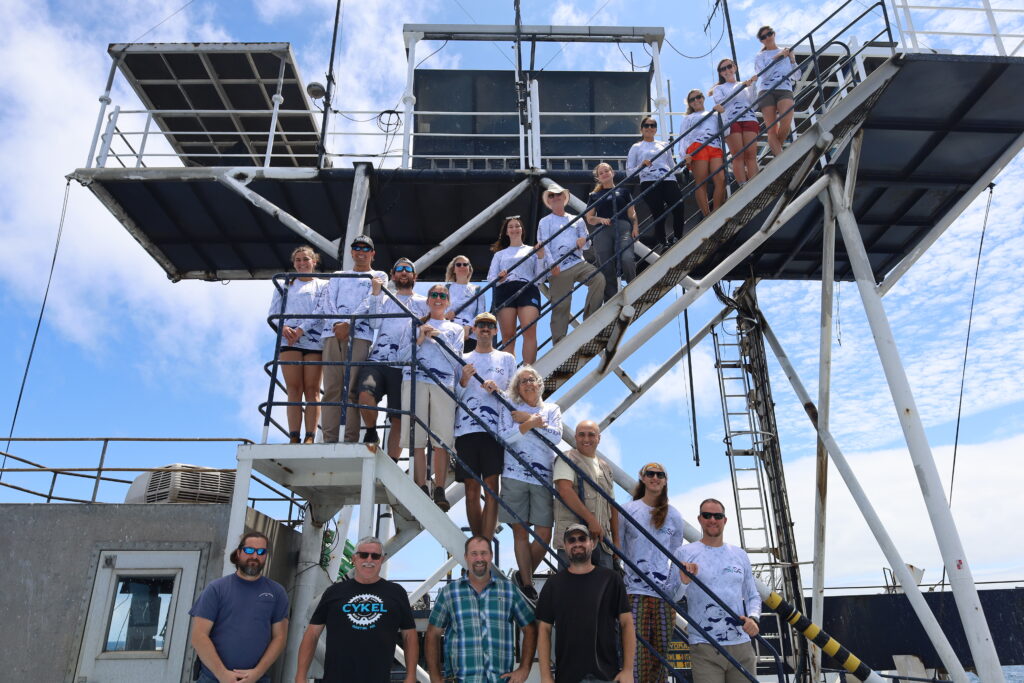
From July 30 to August 21, a scientific expedition was carried out aboard the research vessel R/V Marcus Langseth in the Galápagos Marine Reserve (GMR), led by researchers Adrian Marchetti and Harvey Seim of UNC and the GSC.