Two new publications in Herpetological Review, about Galápagos lizards
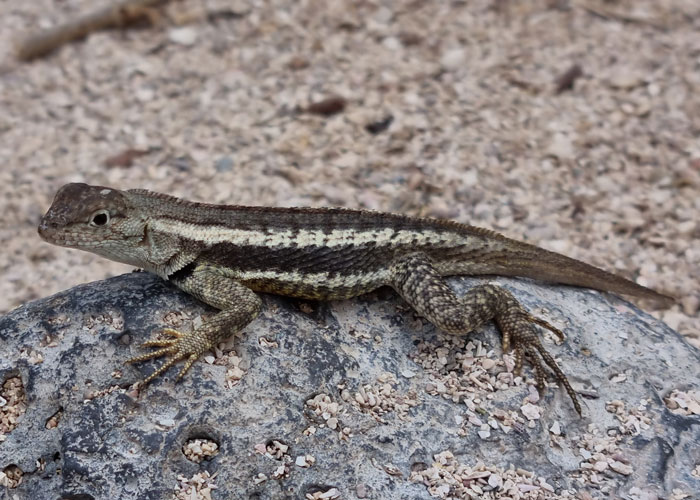
Congratulations to Carlos A. Valle, Professor and Researcher of the Universidad San Francisco de Quito & Juan Pablo Muñoz, Administrator and Researcher of the Galapagos Science Center for the two new publications about Microlophus bivittatus (San Cristóbal Lava Lizard) diet and about Microlophus indefatigabilis (Lava Lizard) diet.
Galapagos Science Center researchers are co-authors of a new paper about the critically endangered populations of Hawksbill turtles.
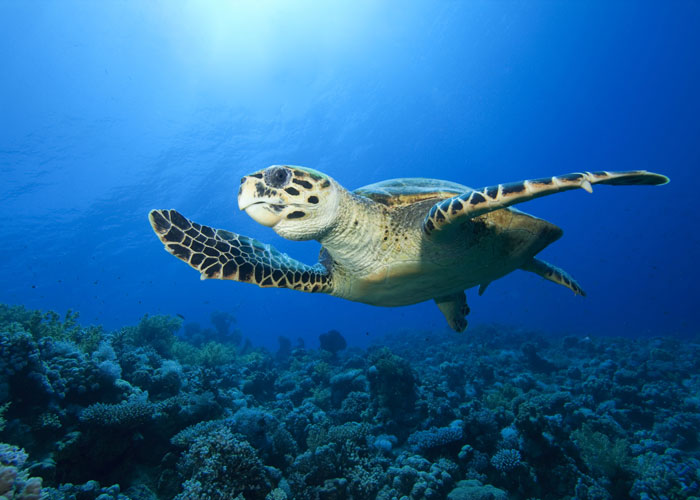
The article is a new contribution to knowledge for the conservation of the critically endangered populations of this species in the eastern Pacific Ocean. Published by the Marine Ecology Progress Series.
Community Outreach
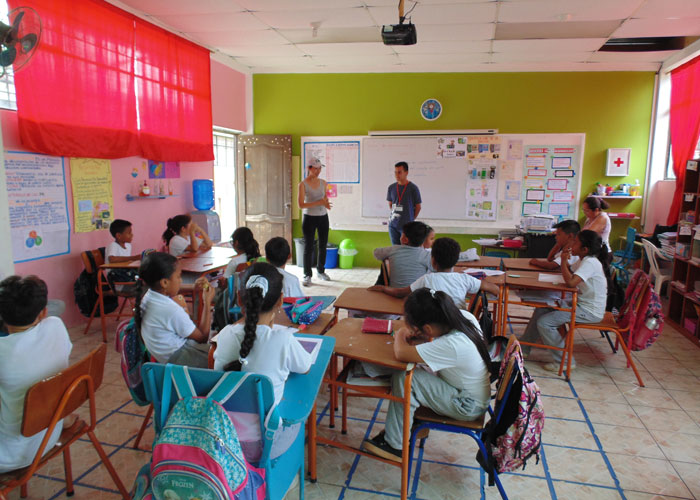
One of the fundamental pillars of the Galapagos Science Center (GSC) is the engagement with the community of San Cristobal and Galapagos in general. The problem is focused on that, traditionally, investigation in Galapagos has been done in a way where the community is separated from the research process; and in most cases, serving only as administrative support or for logistics.
Water flow and the soil below
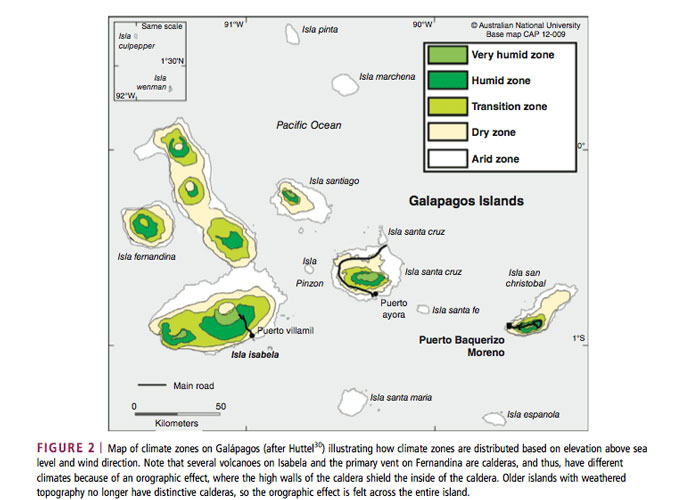
By. Diana Ochoa
You will probably hear me say this a lot in the future, but the Galápagos Islands are an excellent model ecosystem. It is a relatively new archipelago, located in the middle of the tropics and mostly undisturbed by humans. Geologically they are also very interesting.
The Galapagos Bullhead Shark Project
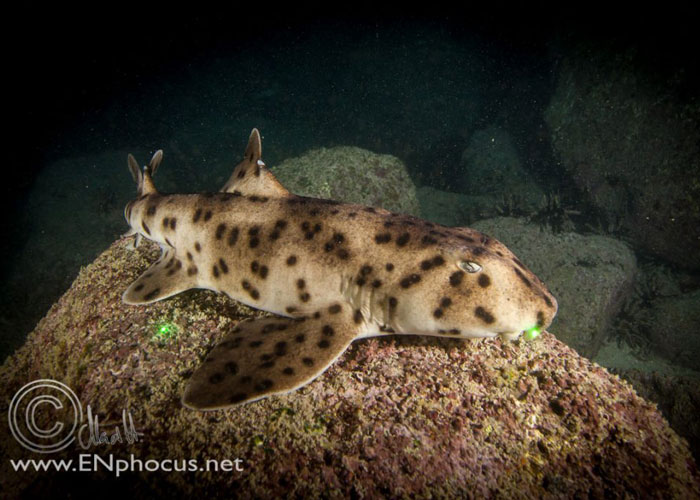
The Galapagos Bullhead shark is found across the Galápagos archipelago and in the northern coast of Peru but very little is known about this species. We know that they live in shallow tropical waters around continental and insular shelves. They carry out their life as bottom dwellers, where they blend in well with their habitat
Evolution in motion…the on-going case of Darwin’s Finches
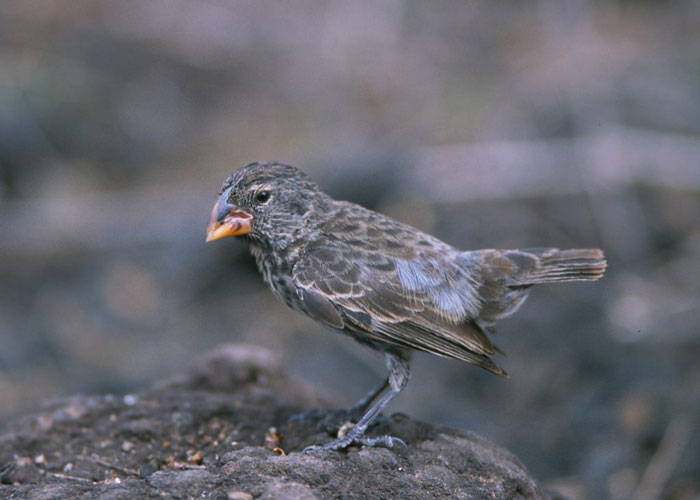
Darwin’s finches are some of the best-known species from the Galápagos Islands. They have helped us understand adaptive radiation, the process by which many species can arise from one original ancestor.
Just another day in the life of the Galapagos Sea Lion
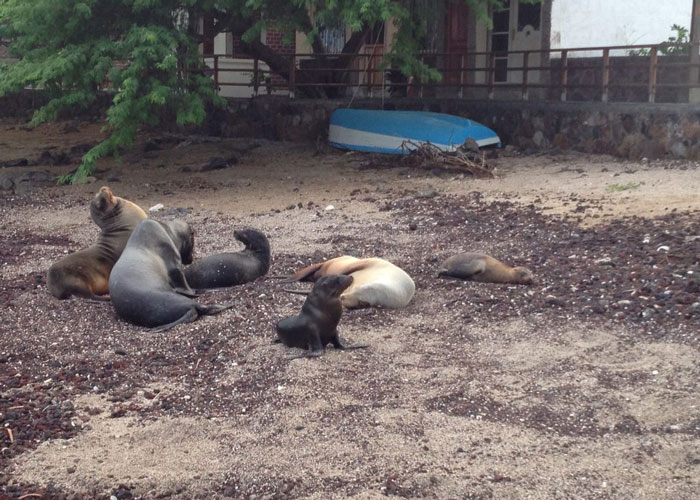
The Galápagos Sea Lion, in spite of it’s many charms, it remains a wild and endangered species. They suffered a 50% population slump due to two particularly strong “El Niño“ events and population numbers across the archipelago have not recovered.