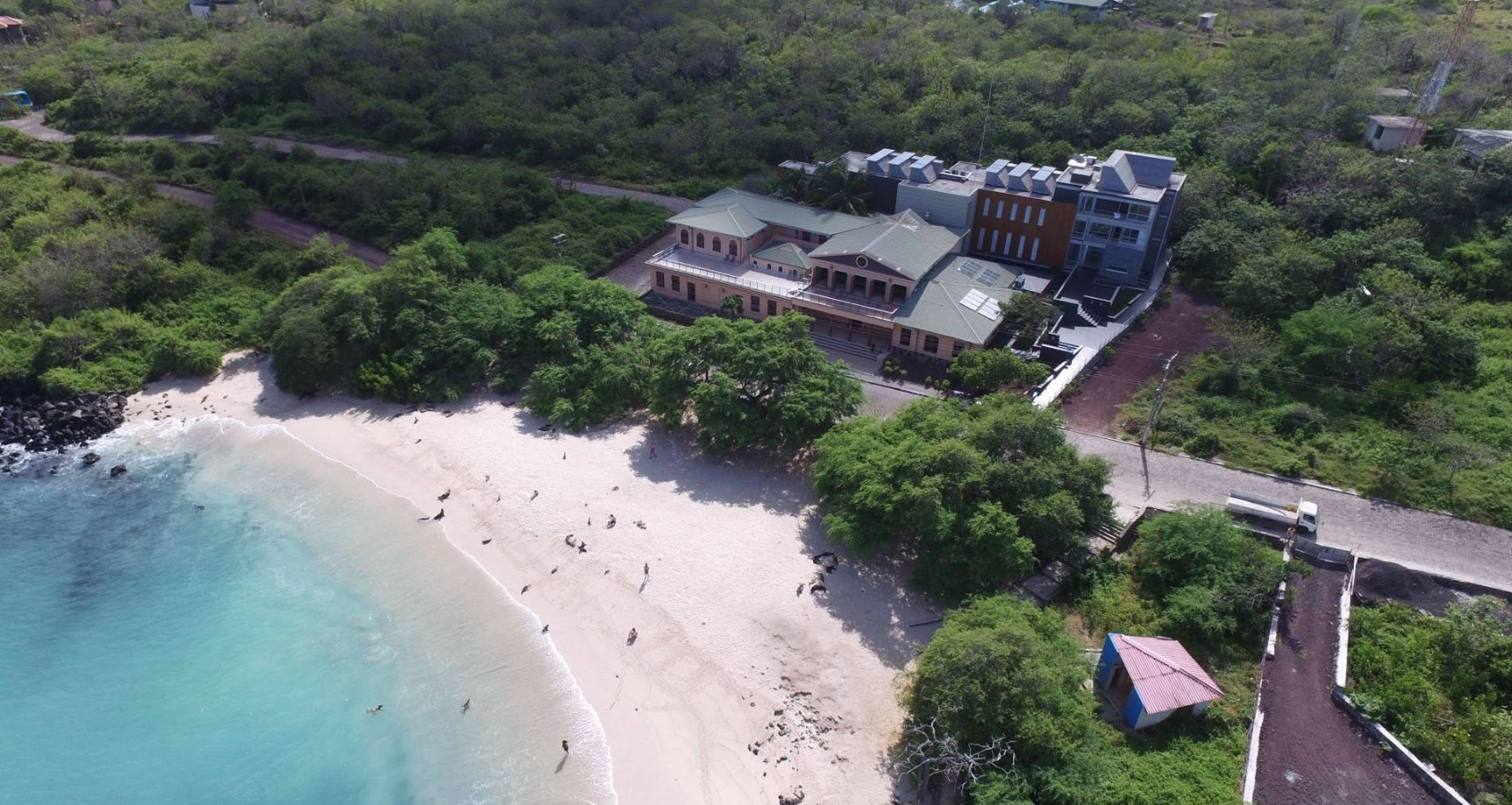
Heterogeneous preferences for cleaner maritime transportation in the tourism sector: A choice experiment from the Galápagos Islands

Maritime transport is essential for tourism in the Galápagos Islands, but it also represents a significant source of pollution.This study explores tourists’ willingness to pay for cleaner propulsion technologies, electric and hybrid, as alternatives to internal combustion engines, aiming to promote more sustainable tourism in this fragile ecosystem.
Exploring the trophic strategies of two large pelagic species inhabiting the Galapagos Marine Reserve

A new study conducted in the Galápagos Marine Reserve analyzed the diets of two pelagic species: the swordfish (Xiphias gladius) and the dolphinfish (Coryphaena hippurus). The aim was to understand how these populations, which share the same ecosystem, manage to coexist without directly competing for food.
Global tracking of marine megafauna space use reveals how to achieve conservation targets

An international team of over 400 scientists, including Alex Hearn, professor at Universidad San Francisco de Quito and researcher at the Galapagos Science Center, tracked more than 12,000 marine animals via satellite. The goal of this global effort was to accurately identify migratory routes and key areas used by different species for feeding, breeding, or movement, in order to generate essential information for their conservation.
First epidemiological survey of Toxoplasma Gondii in Galapagos sea lions (Zalophus wollebaeki)
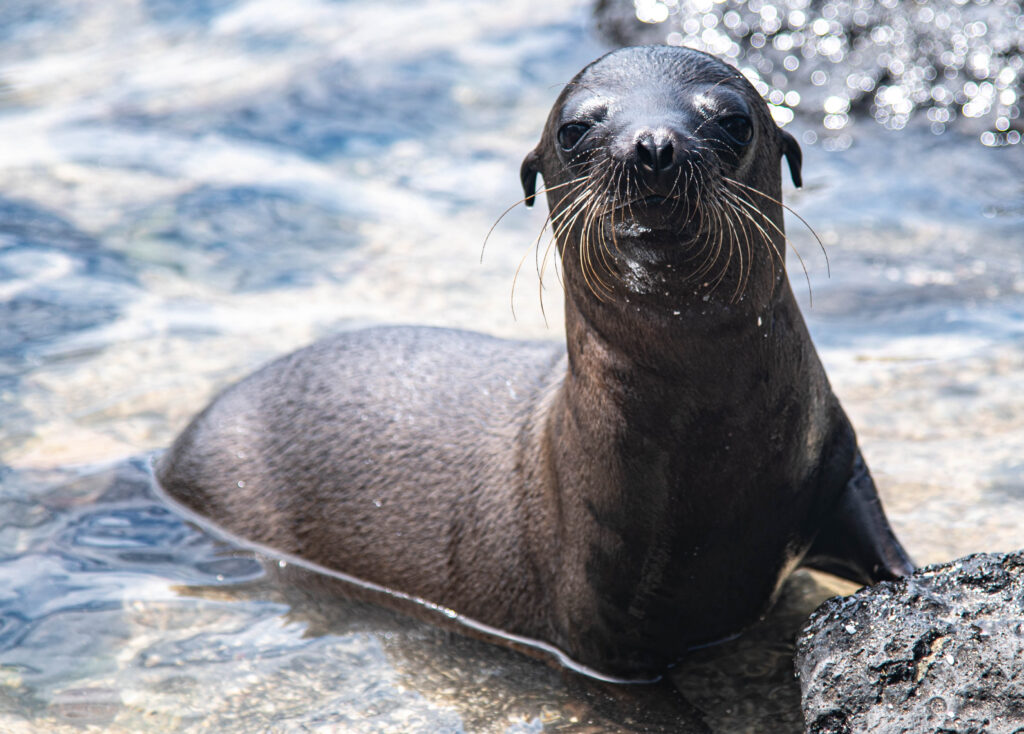
In this study, the exposure to the parasite Toxoplasma gondii was evaluated for the first time in Galápagos sea lions (Zalophus wollebaeki), a vulnerable and endemic species. Through serological, molecular, and histopathological analyses of samples from both live animals and carcasses, a high seroprevalence was identified in juveniles (79%), along with the presence of parasitic DNA in lung tissues.
Characterizing juvenile blacktip shark (Carcharhinus limbatus) nursery areas in the Galapagos: new methods and understandings

A recent study conducted on San Cristóbal Island, Galápagos, successfully identified nursery areas of the blacktip shark (Carcharhinus limbatus) using drones as the primary tool. This research compared the use of unmanned aerial vehicles (UAVs) with traditional methods such as gillnets, revealing that drones allow for significantly higher and non-invasive detection of juvenile sharks in coastal areas.
Mapping Important Shark and Ray Areas (ISRAs) in the Central and South American Pacific: Existing knowledge and data needs
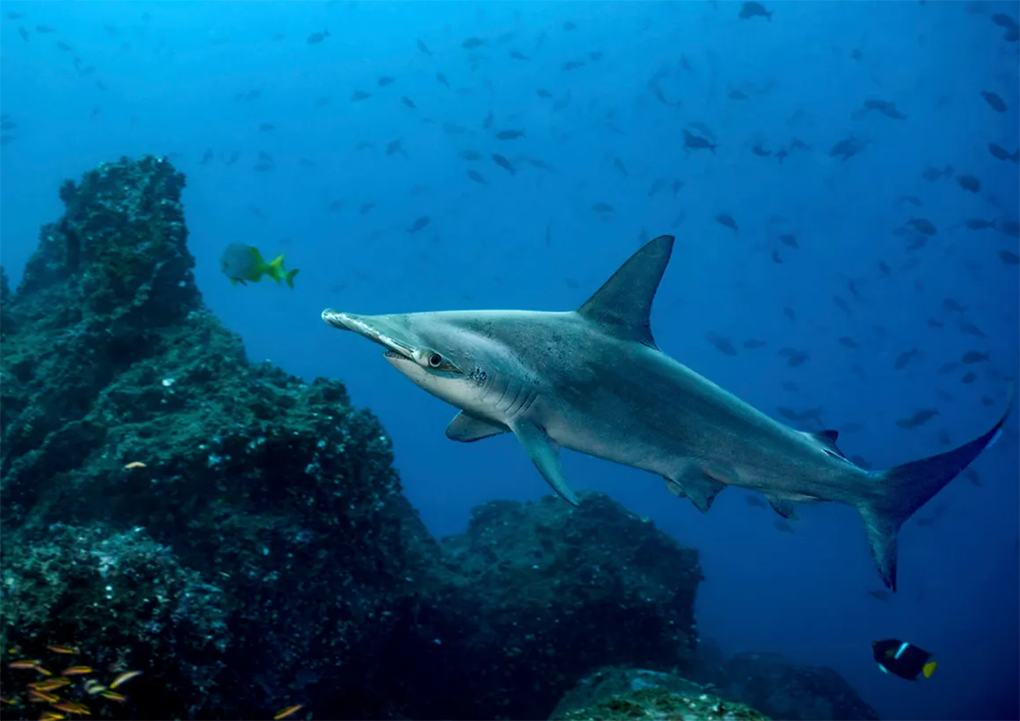
Chondrichthyans, a class of aquatic vertebrates (sharks, rays, and chimaeras), are facing a global extinction crisis driven by overfishing, habitat degradation, climate change, and pollution. Of the approximately 1,250 species studied, more than one third (37%) are at risk of extinction according to the International Union for Conservation of Nature Red List, making this group the second most threatened among vertebrates.
Assessment of feeding patterns of the mottled scorpionfish (Pontinus clemensi) in the Galápagos Marine Reserve
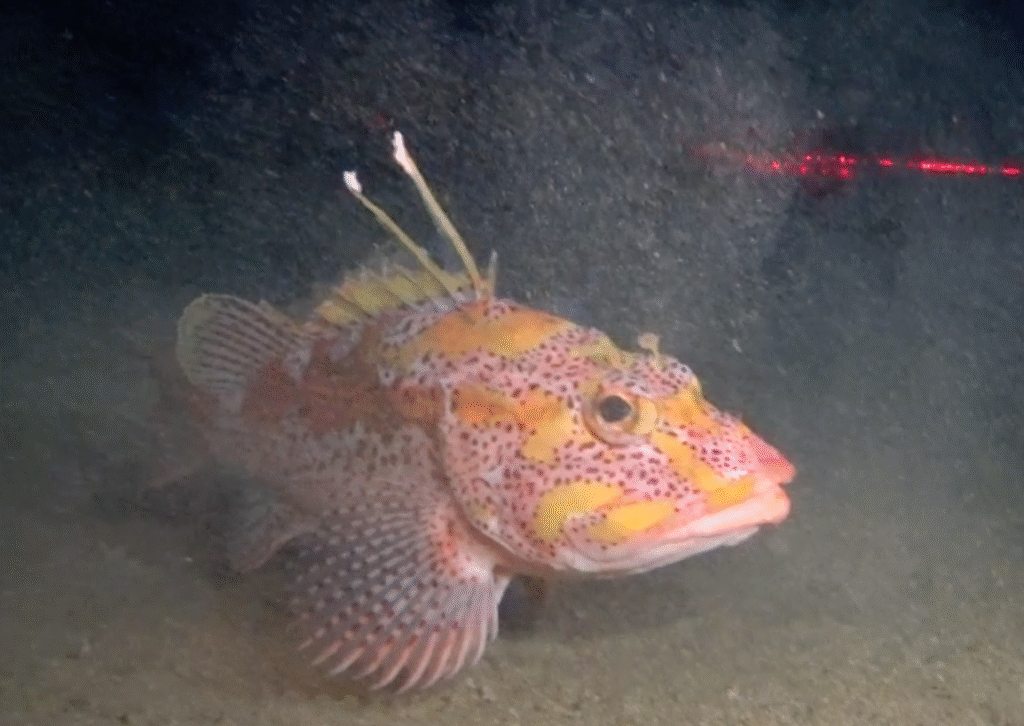
The Spotted Scorpionfish (Pontinus clemensi) is a species of high economic, ecological, and cultural value in the Galápagos Islands. In recent years, it has gained relevance in the artisanal fisheries of the Galápagos Marine Reserve (GMR) due to the overexploitation of traditional species such as bacalao (Mycteroperca olfax) and camotillo (Paralabrax albomaculatus). As a result, its presence in local markets and its consumption within the community have increased.
Exploring stress and morphology in two songbird species across urban, agricultural, and natural habitats on San Cristóbal Island, Galápagos
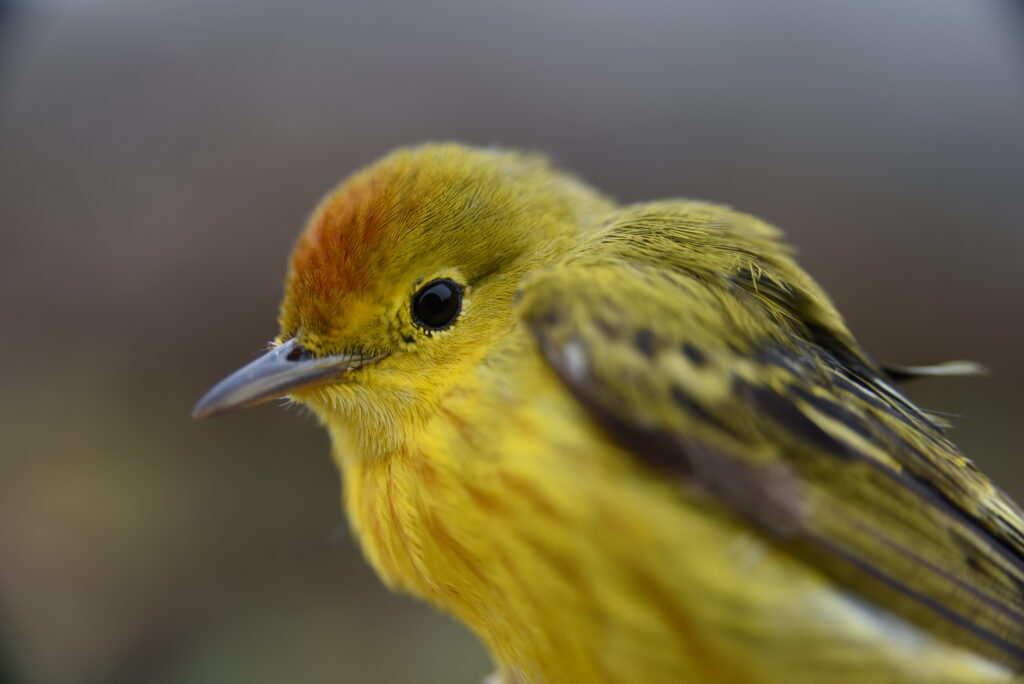
This study analyzed how land use changes affect two bird species in the Galápagos: the small ground finch (Geospiza fuliginosa) and the yellow warbler (Setophaga petechia aureola). The goal was to understand whether habitat alterations, caused by urbanization and agriculture on human-populated islands, affect their size, weight, and levels of the hormone corticosterone, which is linked to stress.
Health assessment of blue-footed boobies (Sula nebouxii excisa) determined by hematology, biochemistry, blood gases, and physical examination in the galápagos islands
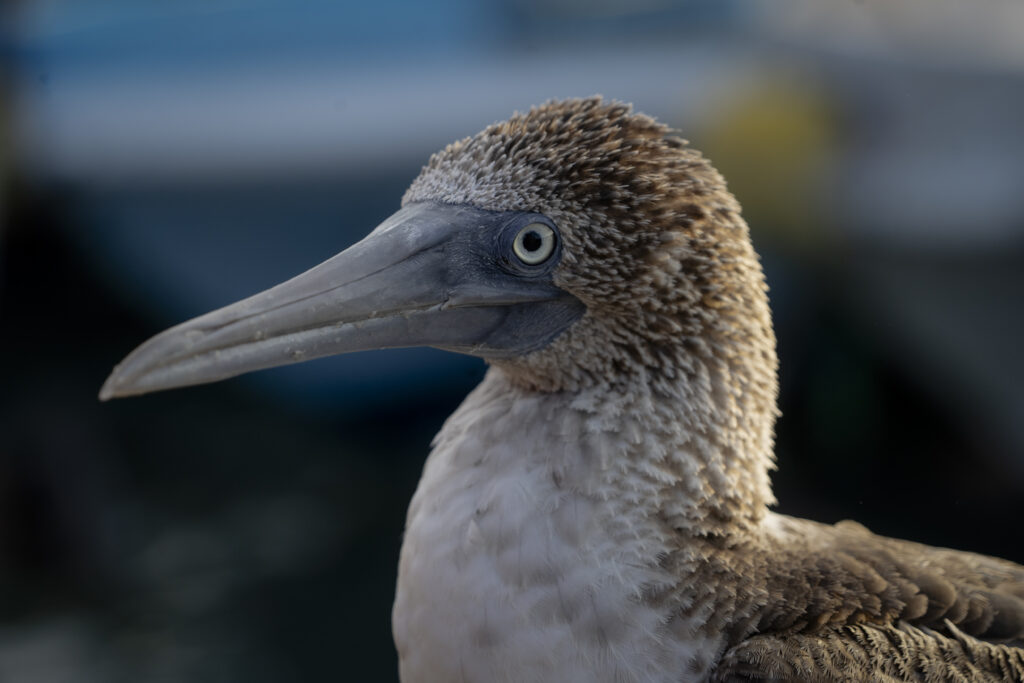
The blue-footed booby (Sula nebouxii excisa) is an iconic and endemic species of the Galápagos Islands. While its behavior and reproductive biology have been widely studied, little is known about its health in the wild. This type of information is essential to understand how environmental factors may impact its well-being, especially in the context of climate change and declining prey availability. The recent study aims to provide baseline health data that can support conservation strategies.
Changes in marine iguana (Amblyrhynchus cristatus) heart rates suggest reduced metabolism during El Niño events
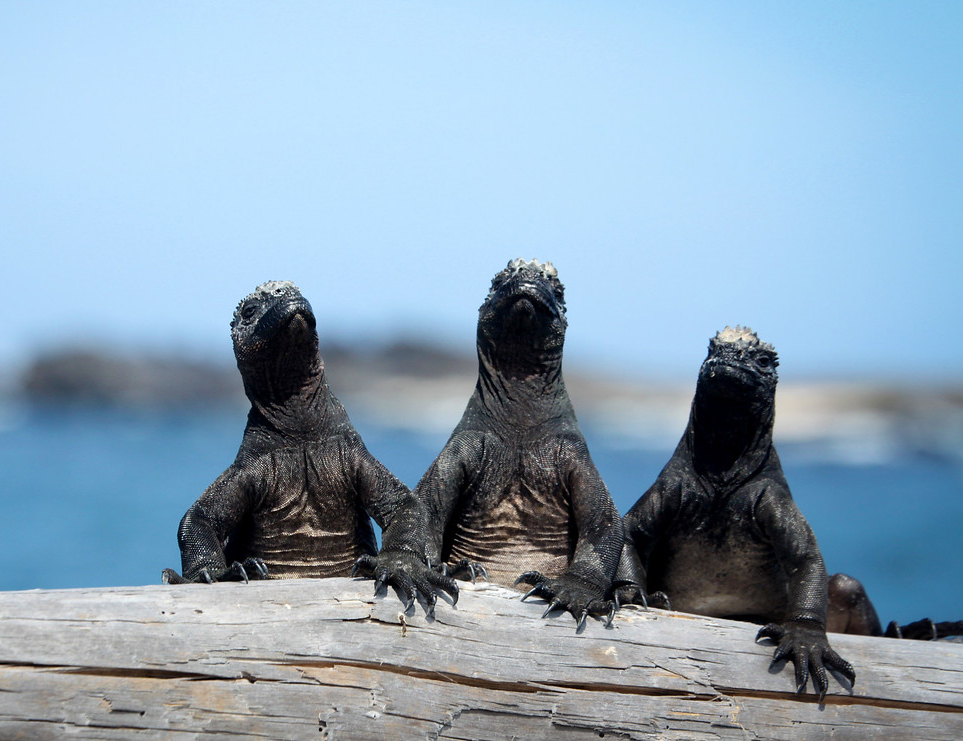
The marine iguanas of Galápagos (Amblyrhynchus cristatus) have the ability to lower their heart rate to conserve energy—an adaptation developed to cope with El Niño events. During these periods, warmer ocean temperatures reduce algae, their main food source, threatening the survival of the world’s only marine lizard.