Ladybird Beetle Diversity in Natural and Human-Modified Habitats in the San Cristóbal Island, Galápagos, Ecuador
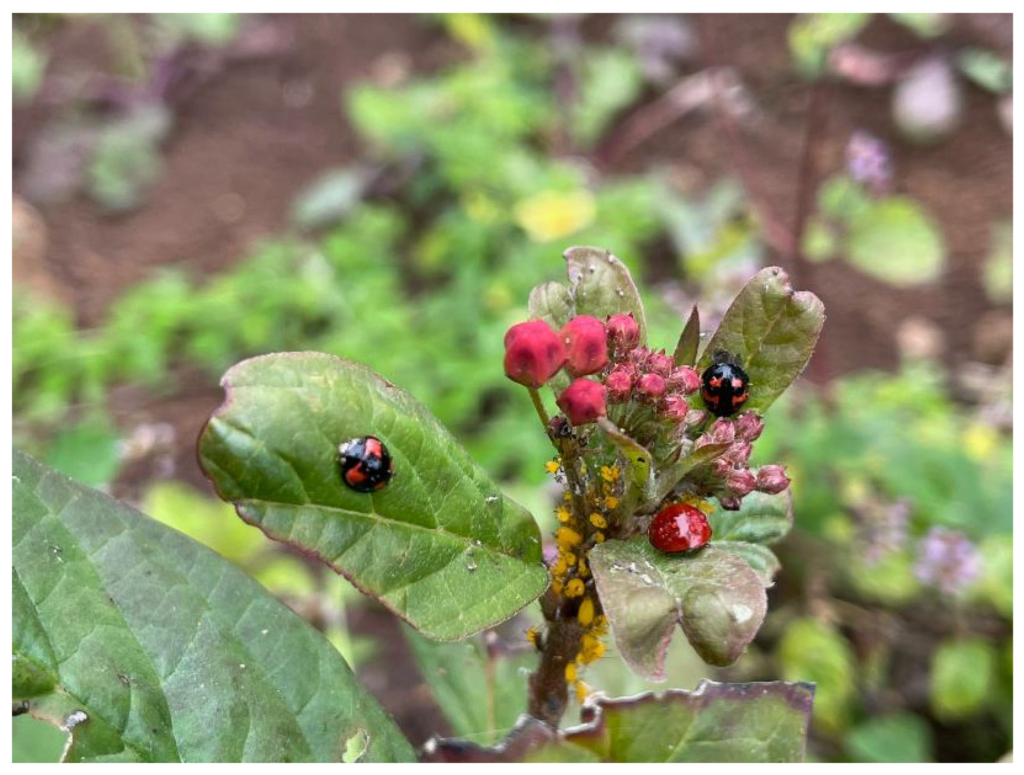
This study investigates the diversity of ladybird beetles (Coccinellidae) on San Cristóbal Island in the Galápagos Archipelago. Researchers recorded 19 species, including four previously documented (two endemic and two native) and nine potentially native species reported for the first time. Endemic species, such as Psyllobora bisigma and Scymnobius scalesius, were rare and confined to native forests, while native species like Cycloneda sanguinea showed adaptability to various habitats, including urban and agricultural areas.
Assessing the chemical landscape of the Galápagos Marine Reserve
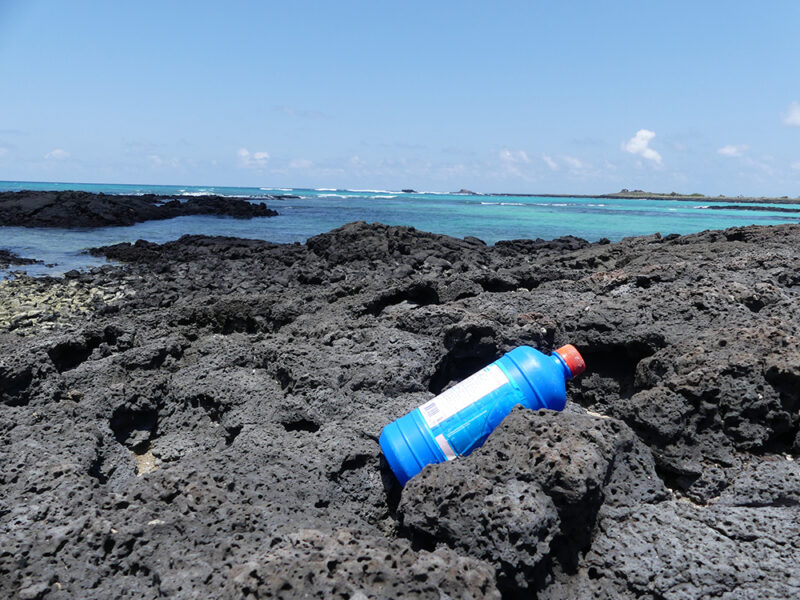
The Galápagos Marine Reserve (GMR), famous for its incredible biodiversity, faces growing threats from chemical pollution like plastics, oils, pesticides, and heavy metals. The unique location of the Galápagos, where major ocean currents meet under intense sunlight, allows pollutants to flow in and spread.
From Prison Islands to Island Paradises: Are Violent Histories Being Overwritten with Nature-Based Tourism Imaginaries?
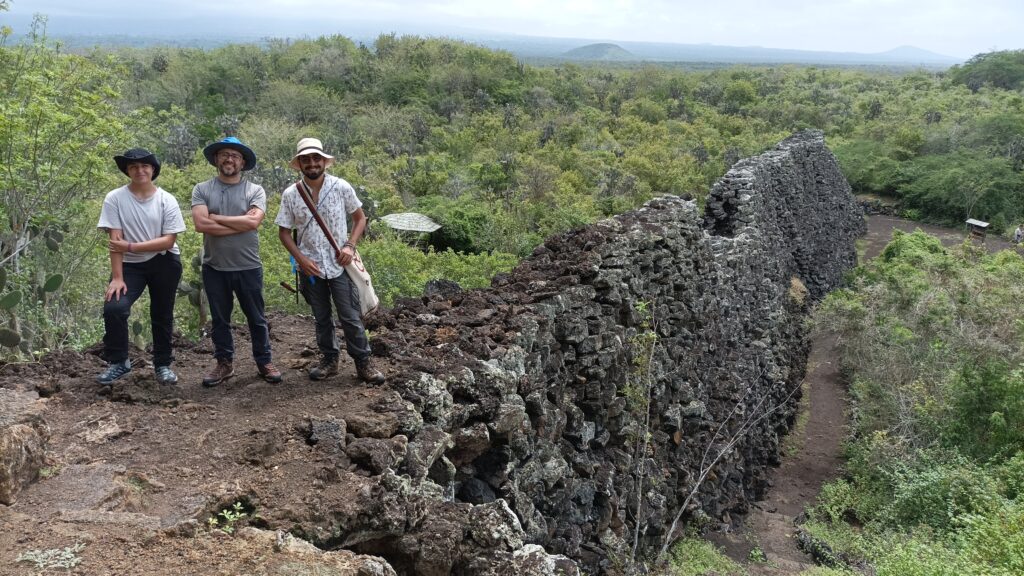
This article explores the transformation of former prison islands in Latin America—specifically Isabela (Galápagos), Coiba (Panama), and Gorgona (Colombia)—into nature-based ecotourism destinations. Originally used for exiling criminals, political prisoners, and other marginalized individuals, these isolated islands were chosen for their remote locations and difficult conditions, which made them suitable sites for confinement. However, as these prisons closed, new conservation and ecotourism initiatives developed, focusing on the islands’ natural beauty and biodiversity.
Small Business, Big Impact: The Role of SMEs in Galápagos Conservation

This article explores the fundamental role that small and medium-sized enterprises (SMEs) play in environmental conservation in the Galapagos Islands, a UNESCO World Heritage site.
Multidecadal underwater surveys reveal declines in marine turtles in the eastern tropical pacific
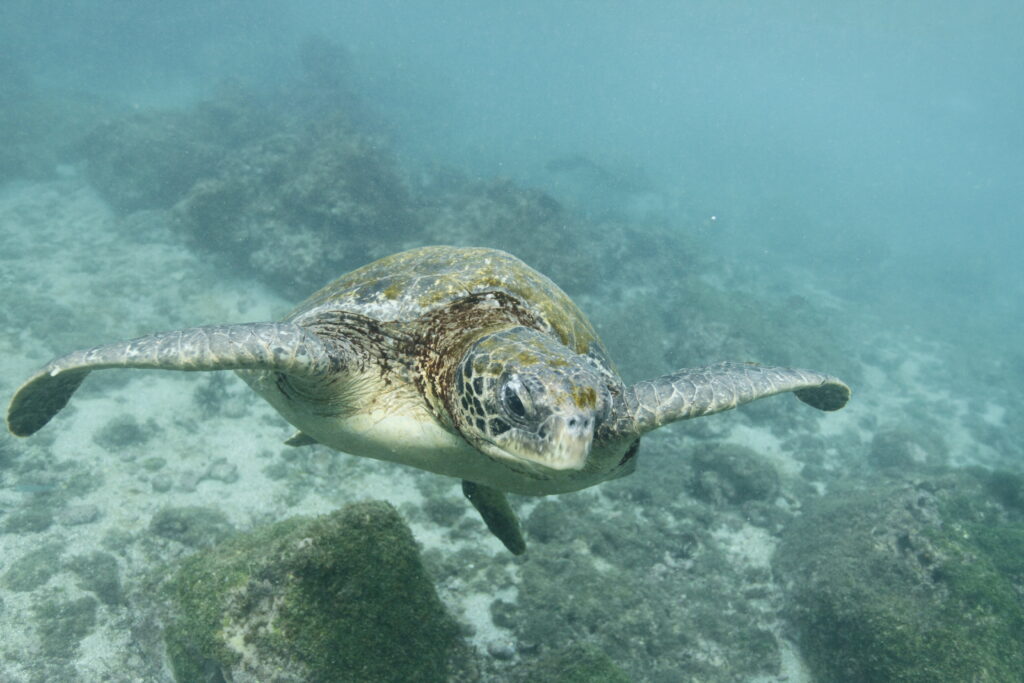
A recent study has revealed an alarming decline in marine turtle populations in the Eastern Tropical Pacific. This research, based on over 35,000 dives conducted at Cocos Island, Costa Rica, over a period of 26 years, provides deep insights into the vulnerability of turtles to environmental pressures and predators.
Plastic Pollution and Animal Health in Juvenile Green Turtles in Ecuador
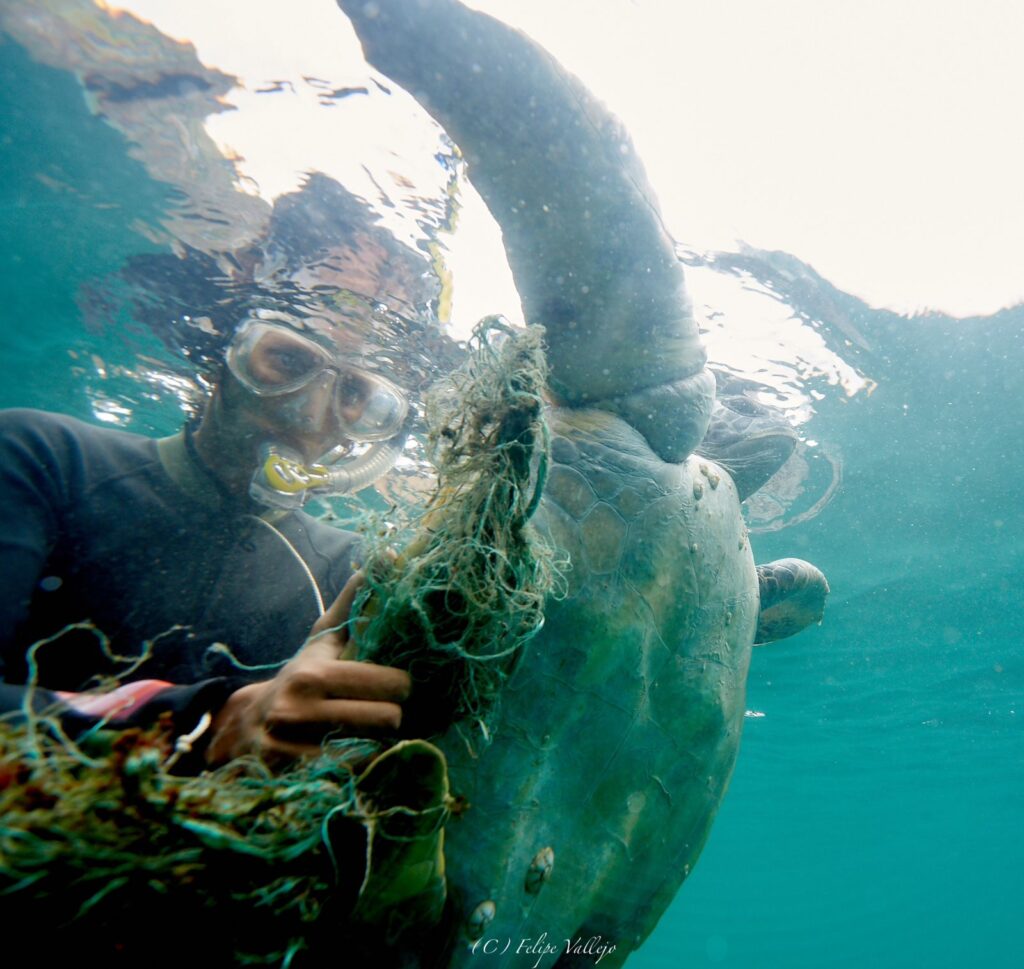
Marine vertebrates, particularly green sea turtles, are especially vulnerable to plastic pollution through ingestion or entanglement. This study investigated wild juvenile green sea turtles (Chelonia mydas) from two Ecuadorian national parks (Galápagos and Machalilla) to assess the prevalence of plastic pollution in their feces and its potential impact on various health metrics.
First Records of Hawksbill Sea Turtle (Eretmochelys imbricata) Connectivity Between the Galápagos Islands and Continental Ecuador
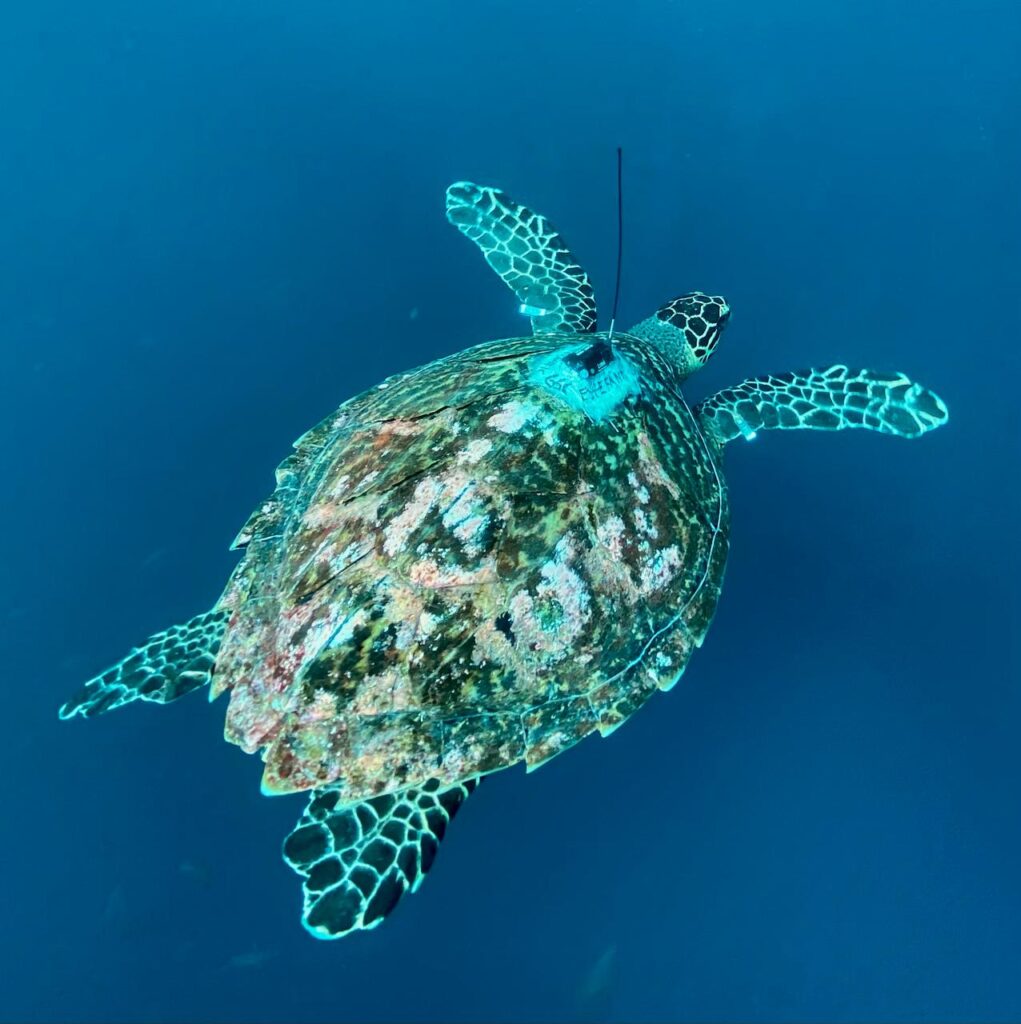
This study presents the first records of connectivity between hawksbill sea turtles (Eretmochelys imbricata) in the Galápagos Islands and mainland Ecuador.
Darwin’s expedition revisited to reveal the evolution of plant–microbe interactions on Galapagos
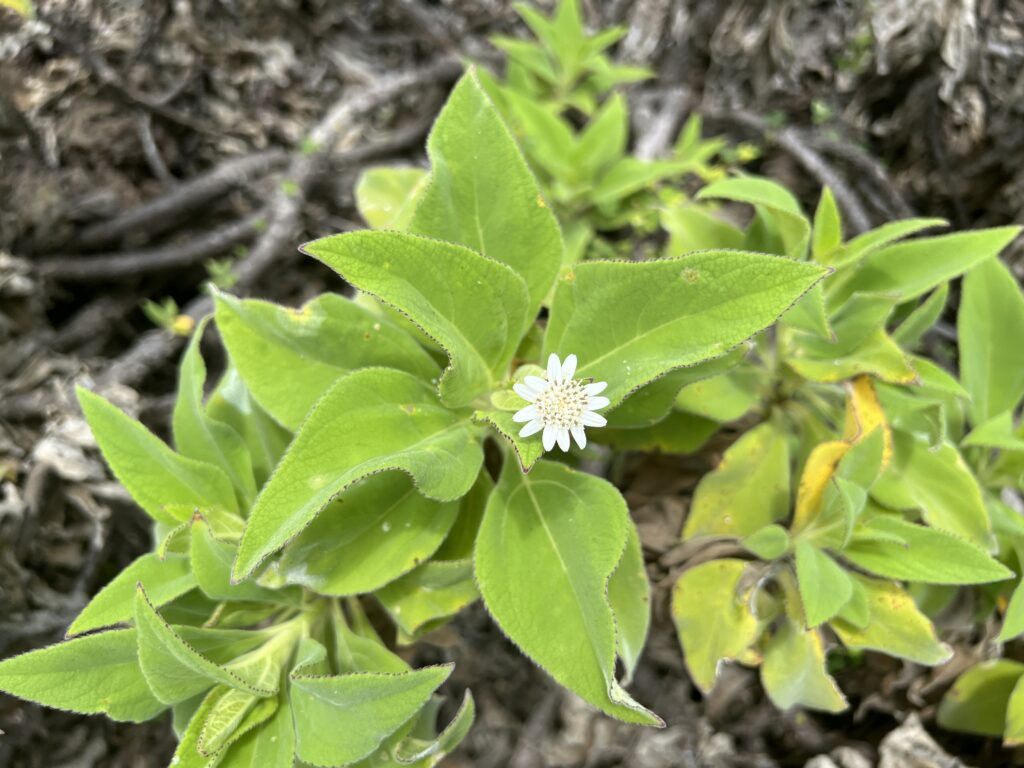
The future of Scalesia is under threat due to invasive species introduced by human activities. The Scalesia Microbiome Project (SMP), established under the Galapagos Barcode initiative, aims to characterize the microbiome associated with Scalesia species to inform restoration efforts.
Fishing effort dynamics around the Galápagos Marine Reserves as depicted by AIS data
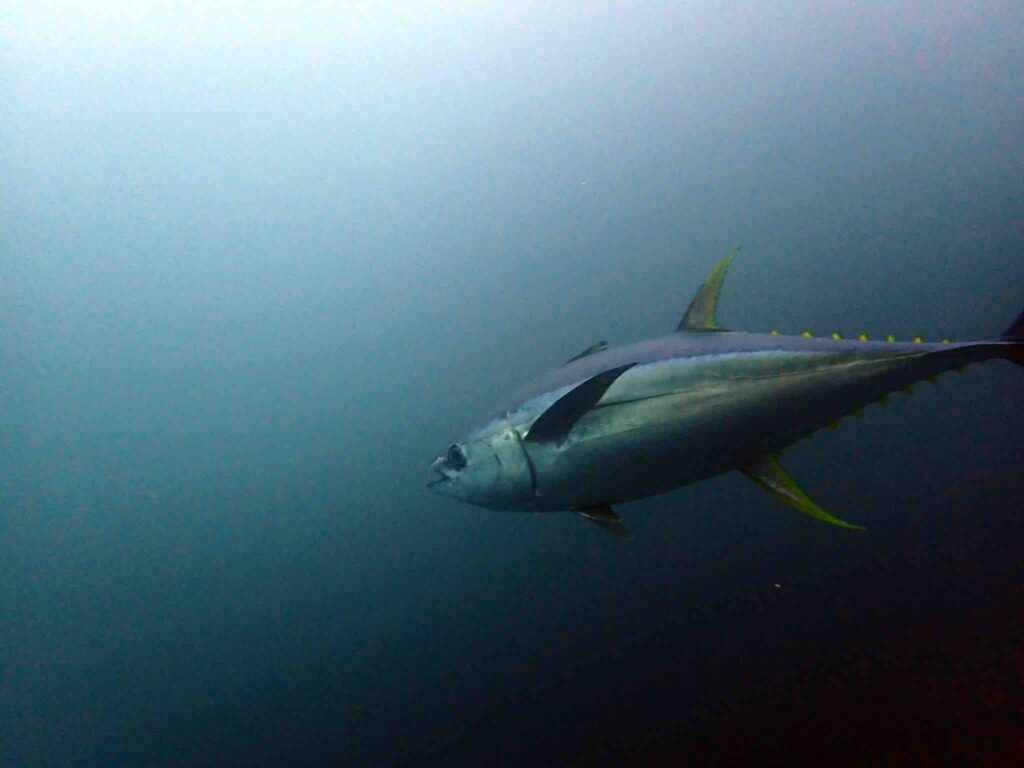
This study was conducted as part of the Shark Research in Galapagos Project (led by CP), and which received an initial support from Iris and Michael Smith. The funders had no role in study design, data collection and analysis, decision to publish, or preparation of the manuscript.
Feeding strategies of the ocean white fish (Caulolatilus princeps) and white spotted sand bass (Paralabrax albomaculatus) inside the Galapagos Marine Reserve
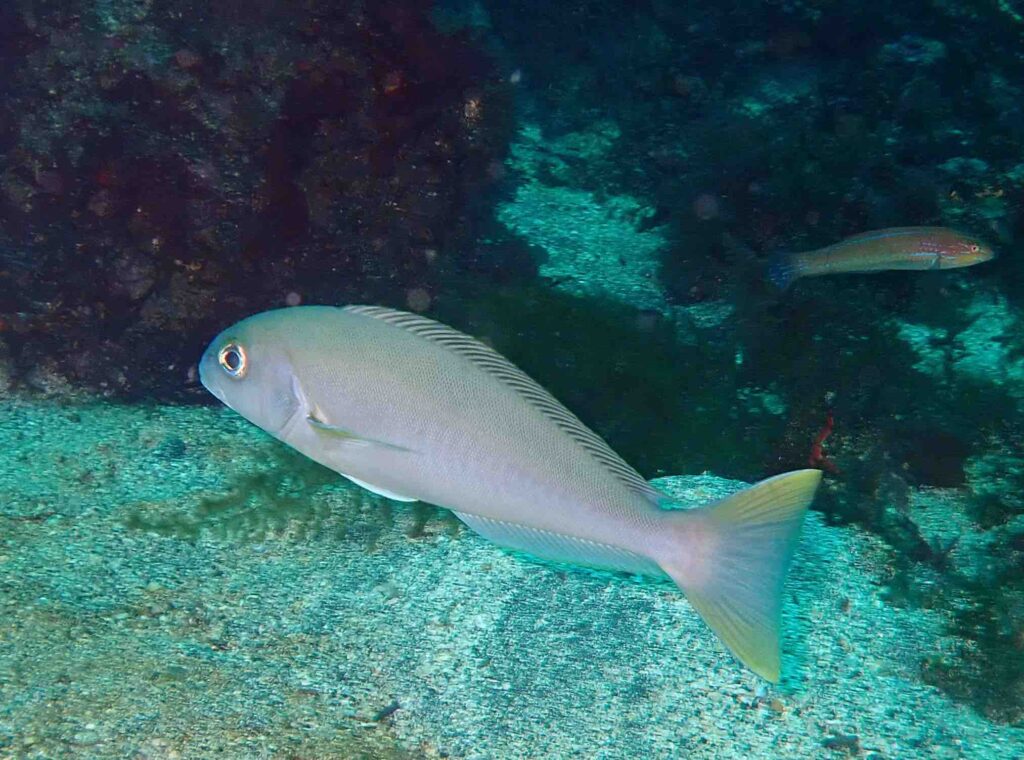
This work highlights the value of trophic studies to generate useful information for ecosystem-based fisheries management.