Species associated with whale sharks in the Galapagos Archipelago
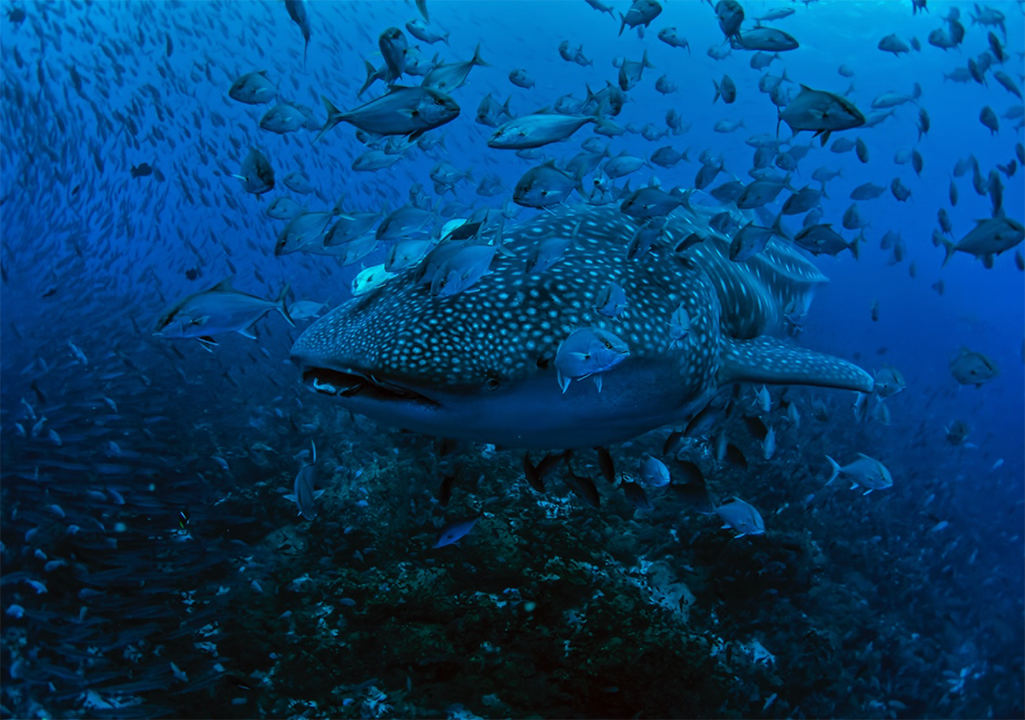
Whale sharks Rhincodon typus frequently appear to interact or associate with other species, which vary depending on the community structure and the demographic of the whale sharks at each location globally. we present the species sighted frequently around whale sharks in the Galapagos Archipelago
A pilot study to estimate the population size of endangered Galápagos marine iguanas using drones
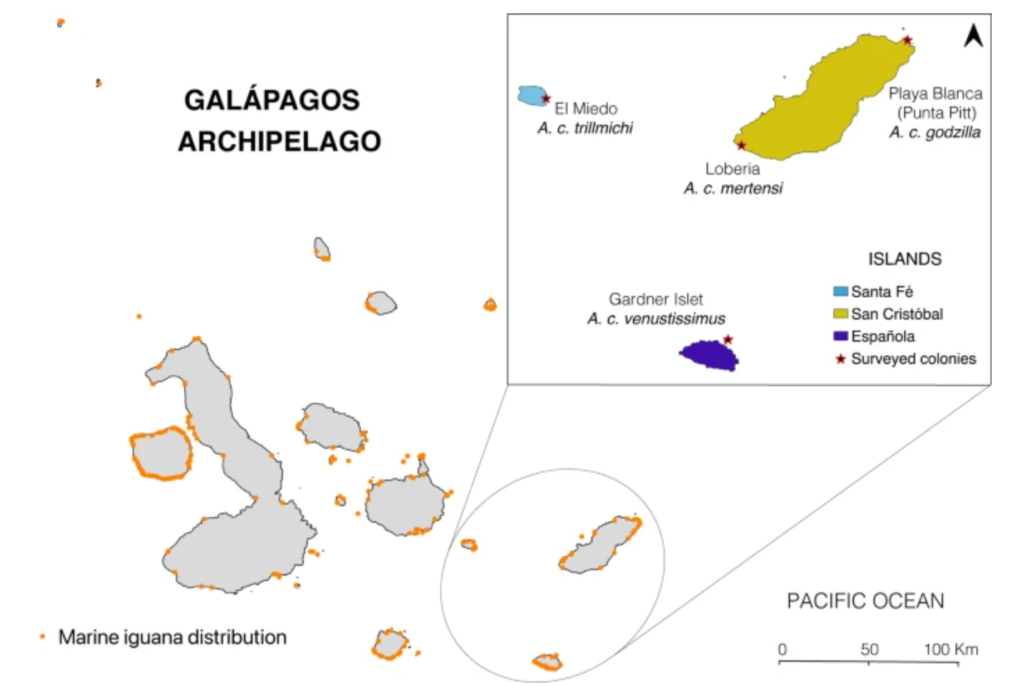
Large-scale species monitoring remains a significant conservation challenge. Given the ongoing biodiversity crisis, the need for reliable and efficient methods has never been greater.
Galapagos and the plastic problem
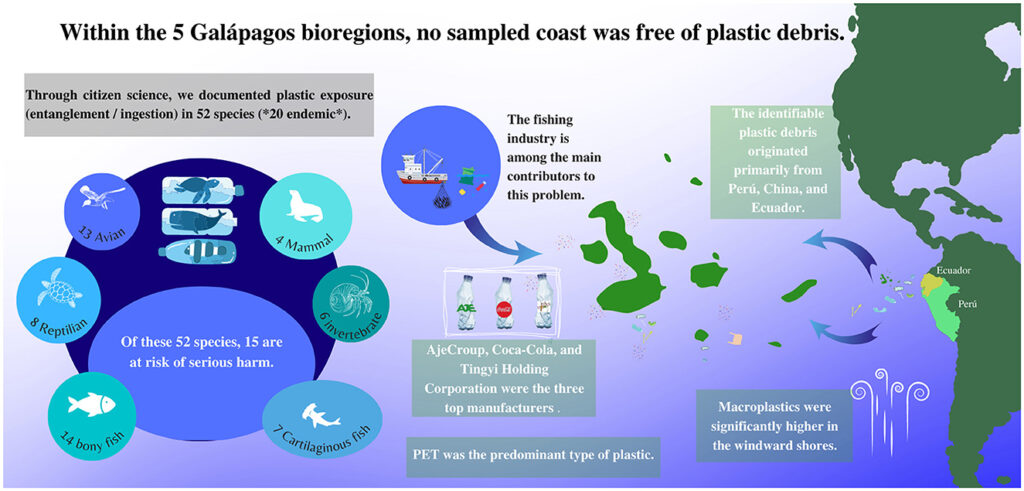
Plastic pollution (PP) is an ongoing, pervasive global problem that represents a risk to the Galápagos archipelago, despite it being one of the world’s most pristine and well-protected regions. By working closely with citizen scientists, we aimed to quantify and map the magnitude and biological effects of PP.
Intraocular pressure using rebound tonometry in the Galápagos marine iguana (Amblyrhynchus cristatus)
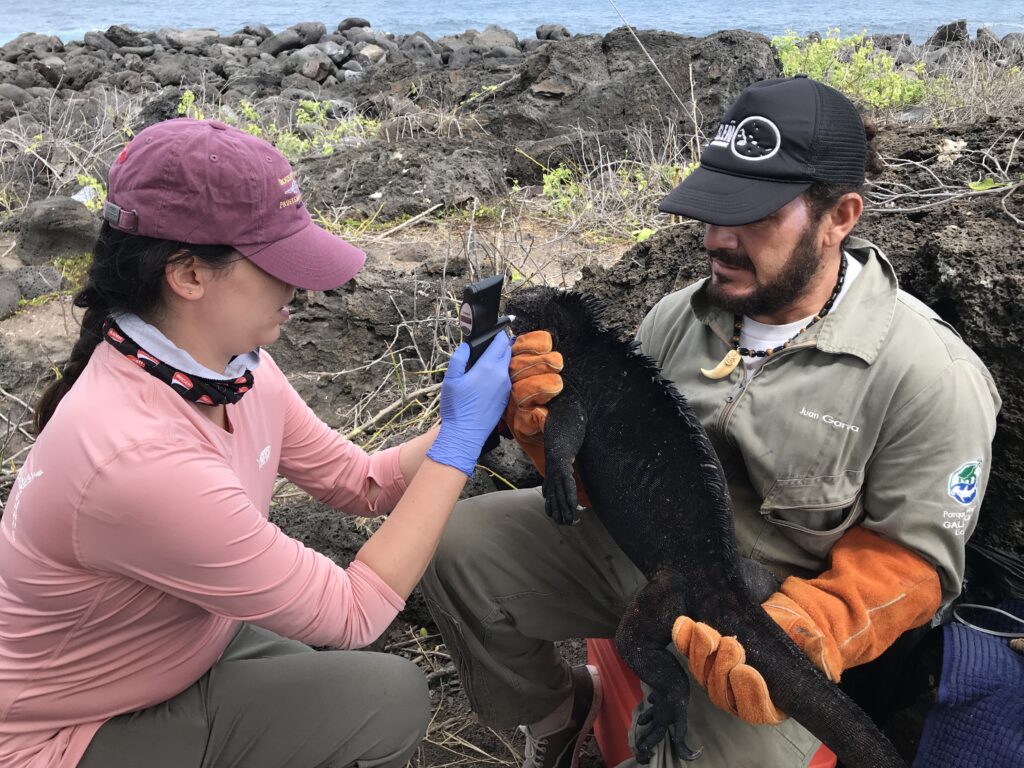
The Galápagos marine iguana (Amblyrhynchus cristatus) is the world’s only marine lizard and is capable of swimming and diving to depths of several meters to forage for food.
The Presence of Dirofilaria immitis in Domestic Dogs on San Cristobal Island, Galapagos
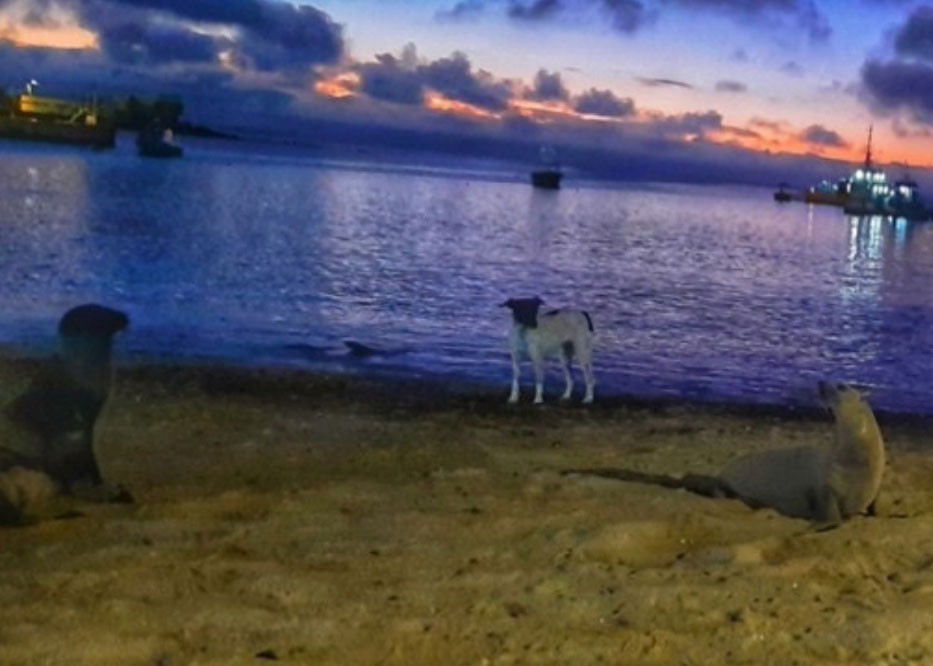
This study’s concept was outlined around the principle of conservation medicine in a biodiversity hotspot from the Neotropical realm: the Galapagos Islands.
Exploring the genetic diversity and population structure of Mobula birostris in two key aggregation zones in the Eastern Tropical Pacific
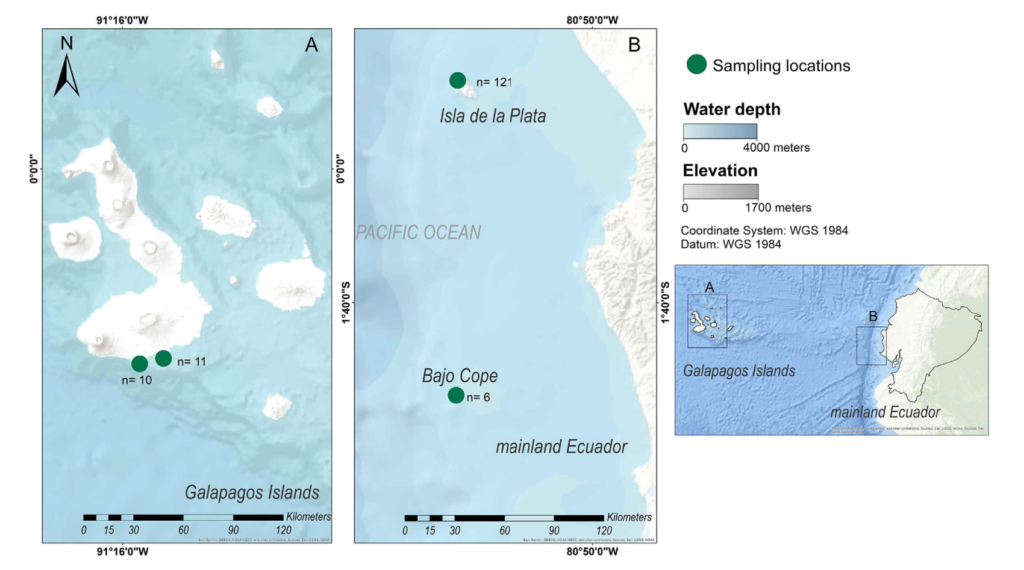
The giant manta ray Mobula birostris is the largest ray species in the world. Little is known about its genetic composition.
Intraocular pressure using rebound tonometry in the San Cristobal Galapagos tortoise (Chelonoidis chathamensis)
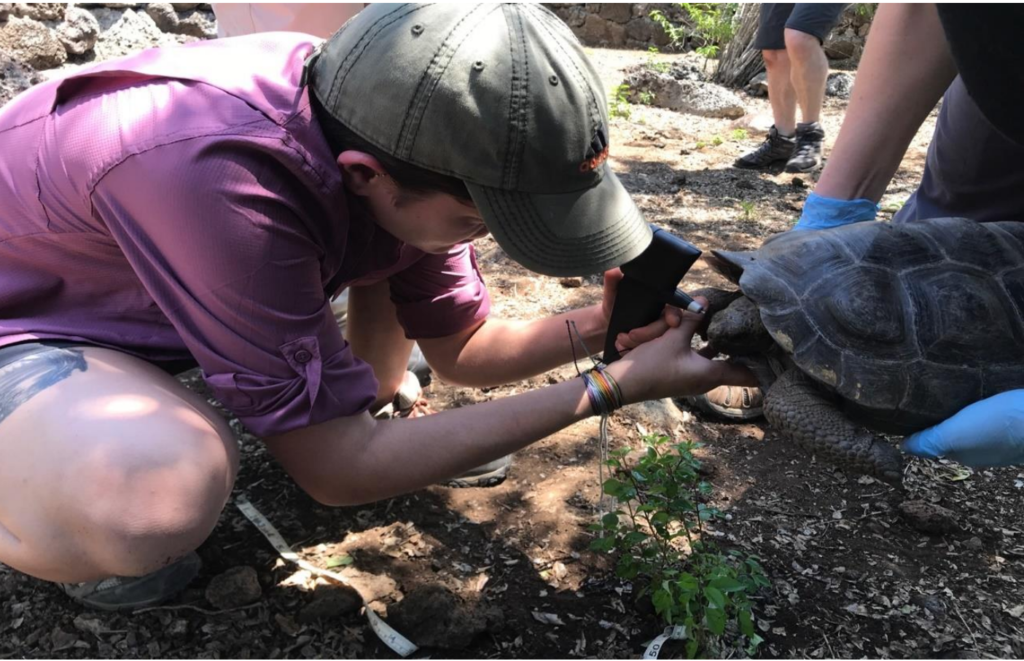
The goal of this study was to determine if intraocular pressure could be accurately assessed and to create a baseline measurement for intraocular pressure in Galápagos tortoises.
Southern Elephant Seals (Mirounga leonina) in the Galapagos Islands and the Eastern Tropical Pacific Amid Ocean Environmental Changes: Towards a Habitat Suitability Index
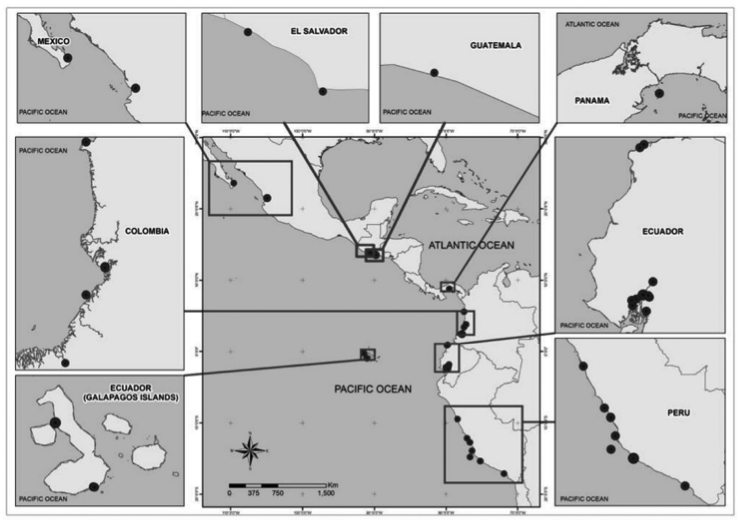
he southern elephant seal (SES; Mirounga leonina) is the largest, sexually dimorphic pinniped species in the global ocean.
Microplastic distribution and composition on two Galápagos island beaches, Ecuador: Verifying the use of citizen science derived data in long-term monitoring
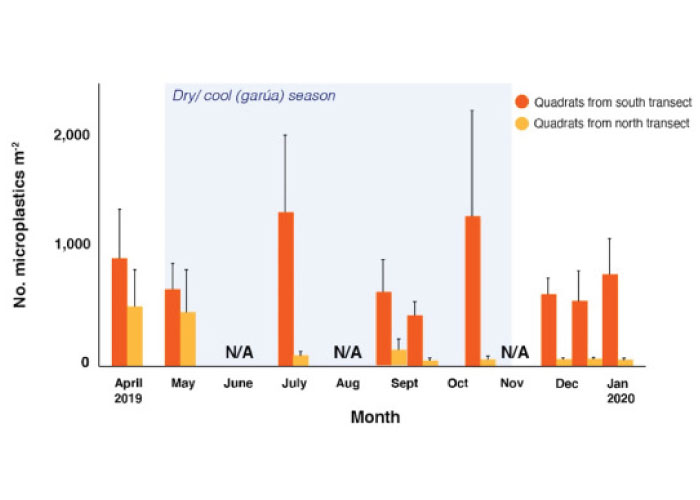
Monitoring beach plastic contamination across space and time is necessary for understanding its sources and ecological effects.
Diving into the vertical dimension of elasmobranch movement ecology
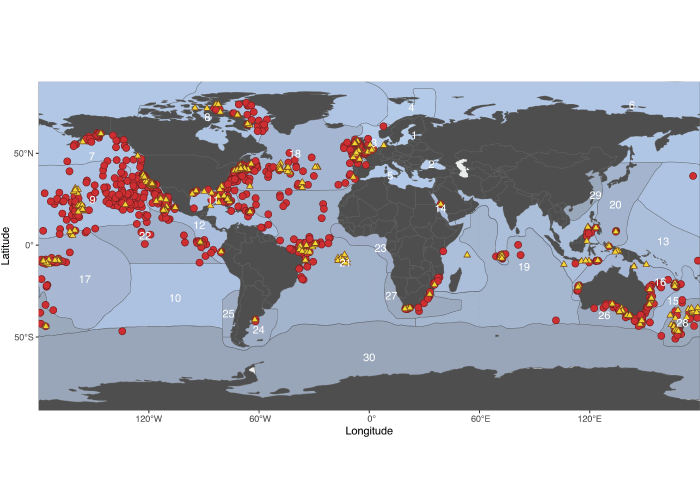
Knowledge of the three-dimensional movement patterns of elasmobranchs is vital to understand their ecological roles and exposure to anthropogenic pressures. To date, comparative studies among species at global scales have mostly focused on horizontal movements.