Los patrones genómicos y biogeográficos de los geckos endémicos de las Islas Galápagos revelan la estructura poblacional y la delimitación de especies en islas habitadas

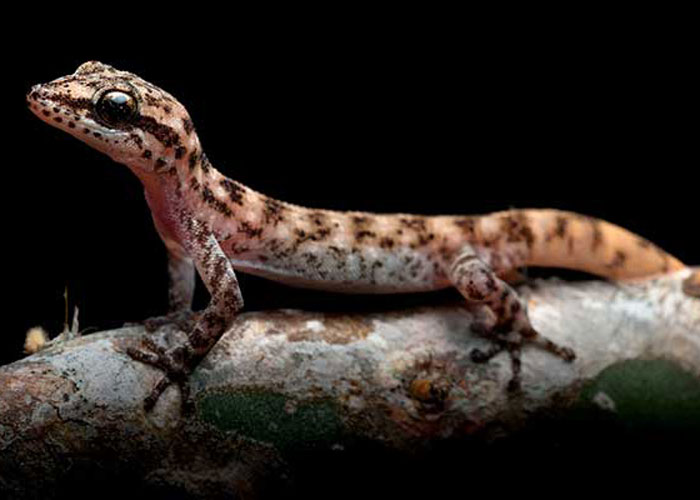
Las islas oceánicas, como Galápagos, son escenarios privilegiados para estudiar cómo se originan y diferencian las especies. En este contexto, los gecos endémicos del género Phyllodactylus cumplen un rol ecológico importante y, al mismo tiempo, son poco conocidos desde el punto de vista genético. Además, enfrentan amenazas asociadas a la pérdida de hábitat y a la presencia de especies introducidas. Frente a esta realidad, este estudio tuvo como objetivo analizar la diversidad genética y la estructura poblacional de seis especies de gecos endémicos presentes en cuatro islas habitadas del archipiélago, así como delimitar sus fronteras como especies para aportar insumos concretos a su conservación.
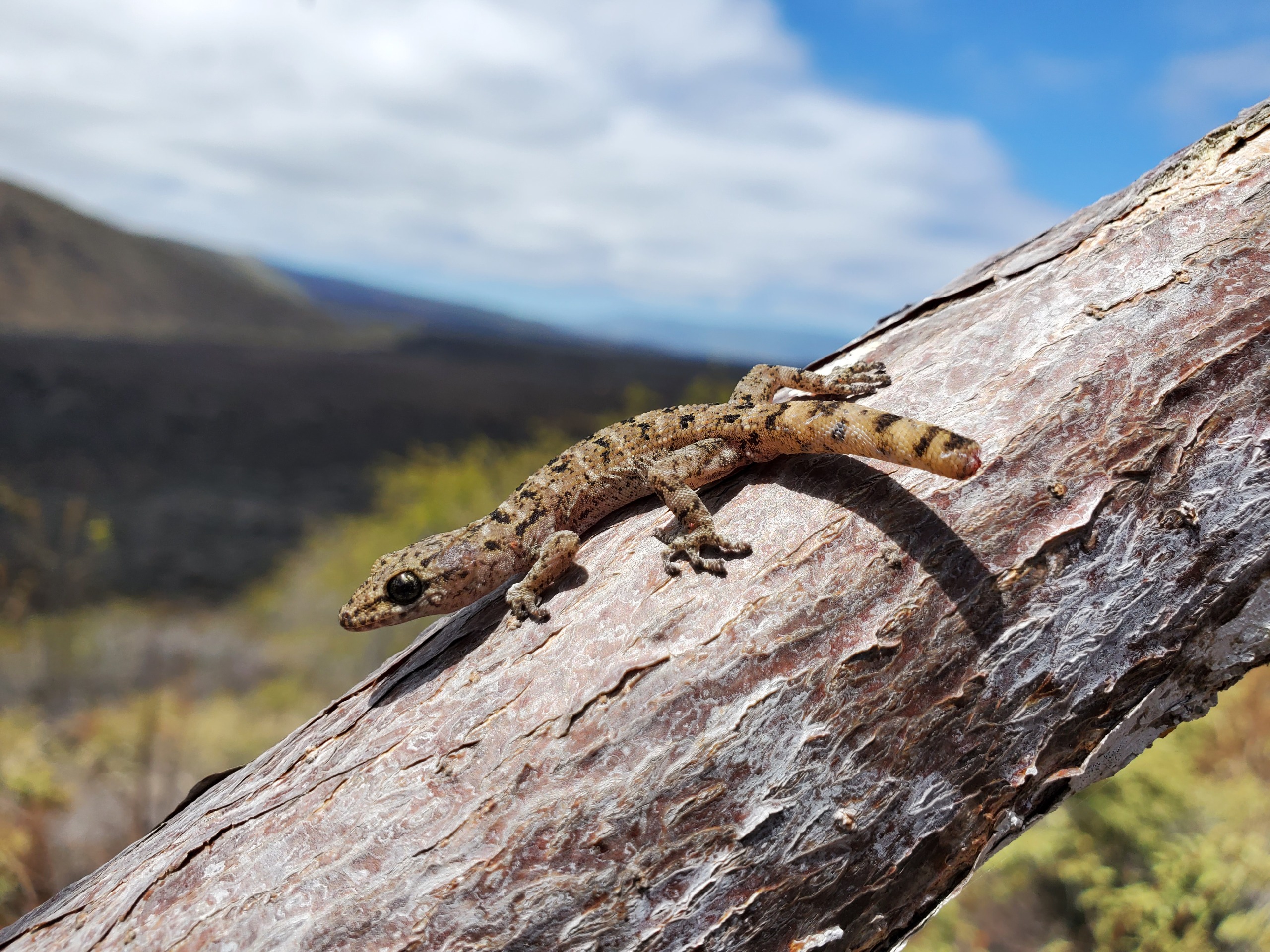
Se realizaron muestreos de campo entre mayo y agosto de 2023 en las islas Santa Cruz, Isabela, Floreana, San Cristóbal y Fernandina, abarcando 27 localidades en ambientes urbanos y naturales. Los investigadores capturaron manualmente individuos adultos de las distintas especies de Phyllodactylus y obtuvieron pequeñas muestras de tejido de la cola para análisis genéticos, siguiendo permisos y protocolos éticos establecidos por las autoridades ambientales. Con este material se aplicó una técnica genómica conocida como RAD-Seq, que permite analizar miles de fragmentos de ADN a la vez y obtener un panorama de alta resolución sobre la diversidad genética, las relaciones evolutivas y los patrones de intercambio genético entre poblaciones y especies.
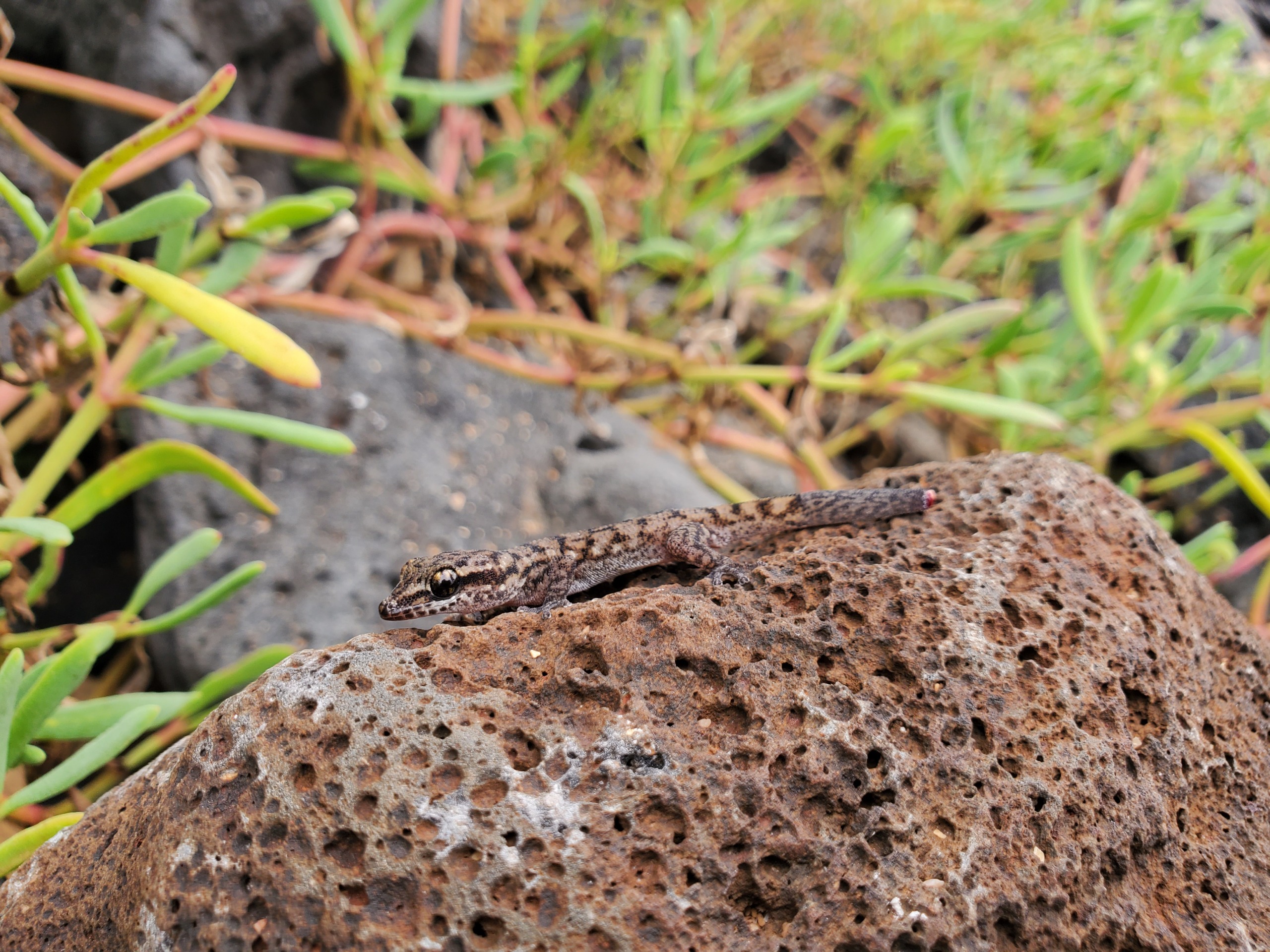
Los resultados mostraron cinco grupos genéticos bien definidos que corresponden a P. darwini, P. leei, P. baurii, P. galapagensis y un grupo combinado de P. simpsoni y P. andysabini, lo que llevó a proponer la sinonimia de P. andysabini bajo P. simpsoni debido a su mínima diferenciación genética. Se detectó una alta diferenciación entre especies, pero una diversidad genética generalmente baja, especialmente en P. darwini y P. baurii, lo que podría aumentar su vulnerabilidad ante cambios ambientales.
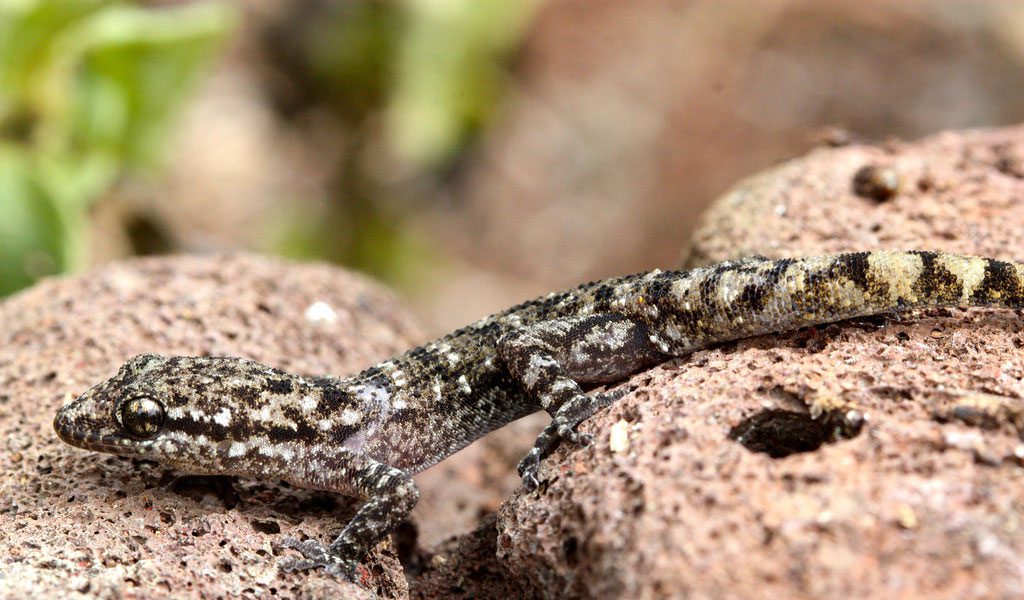
La estructura poblacional se asoció principalmente a barreras geográficas y restricciones en el flujo génico, y no a la presencia humana, ya que no se observaron señales fuertes de mezcla entre poblaciones en islas habitadas.
Este trabajo demuestra el valor de las herramientas genómicas para comprender la historia evolutiva de los gecos de Galápagos, afinar su delimitación como especies y definir unidades de manejo que contribuyan a su conservación en un archipiélago sometido a crecientes presiones antrópicas.

 Lee el estudio completo aquí:
https://doi.org/10.1038/s41598-025-24790-2
Recent Posts

Sorry, we couldn't find any posts. Please try a different search.

In 2022, the Galapagos Science Center (GSC) and the broader UNC & USFQ Galapagos Initiative will celebrate its 10th Anniversary. We are proud to announce the World Summit on Island Sustainability scheduled to be held on June 26–30, 2022 at the Galapagos Science Center and the Community Convention Center on San Cristobal Island.

The content of the World Summit will be distributed globally through social media and results documented through papers published in a book written as part of the Galapagos Book Series by Springer Nature and edited by Steve Walsh (UNC) & Carlos Mena (USFQ) as well as Jill Stewart (UNC) and Juan Pablo Muñoz (GSC/USC). The book will be inclusive and accessible by the broader island community including scientists, managers, residents, tourists, and government and non-government organizations.

While the most obvious goal of organizing the World Summit on Island Sustainability is to celebrate the 10th Anniversary of the GSC and the UNC-USFQ Galapagos Initiative, other goals will be addressed through special opportunities created as part of our operational planning of the World Summit.

For instance, we seek to elevate and highlight the Galapagos in the island conservation discourse, seeking to interact with other island networks in more obvious and conspicuous ways to benefit the Galapagos Islands, the UNC-USFQ Galapagos Initiative, and the world. We will seize the opportunity to further develop the I2N2 – International Islands Network-of-Networks. Further, we wish to highlight and emphasize multiple visions of a sustainable future for the Galapagos Islands and we cannot do this alone. Therefore, engaging the Ecuadorian Ministry of Environment, the Ministry of Tourism, the Government Council of Galapagos, the Galapagos National Park, and local Galapagos authorities, including government and non-government organizations and local citizen groups, is imperative.

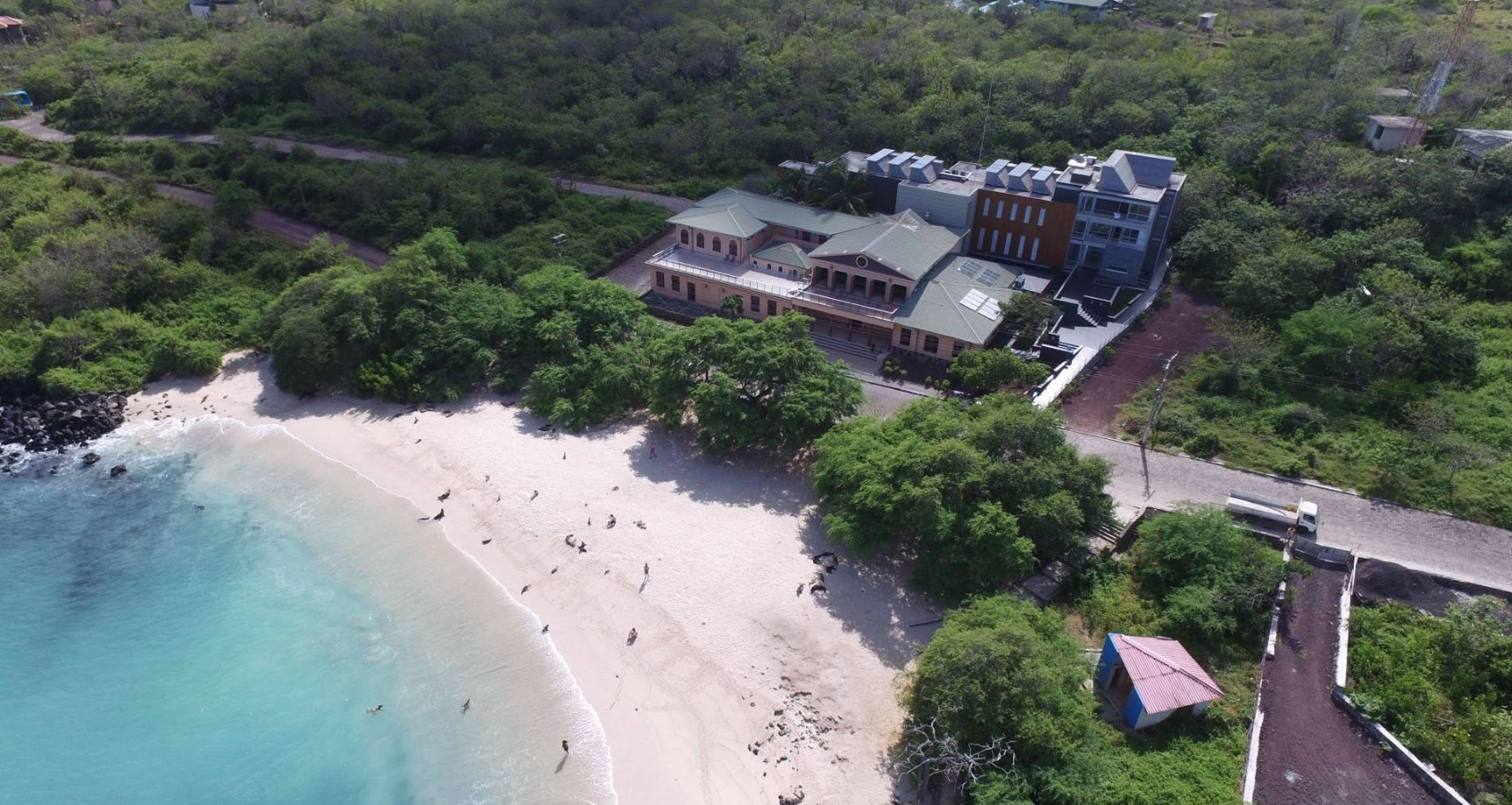
The Galapagos Science Center on San Cristobal Island, Galapagos

Borrowing from Hawaii’s and Guam’s Green Growth Program and the Global Island Partnership, we wish to examine existing global programs that emphasize island sustainability and their incorporation into life, policies, and circumstances in the Galapagos Islands. We will also seek to enhance our connections with the institutional members of our International Galapagos Science Consortium and expand the Consortium through the recruitment of other member institutions. We will also work to benefit islands and their local communities by working with citizen groups as well as important NGOs who seek to improve the natural conditions in the Galapagos and diminish the impact of the human dimension on the future of Galapagos’ ecosystems.

Lastly, we will use the World Summit to benefit UNC & USFQ and our constituencies through a strong and vibrant communication plan about the World Summit, creating corporate relationships as sponsors, identifying funding goals through donors, and benefiting our study abroad program for student engagement in the Galapagos Islands. We plan to develop and issue a Galapagos Sustainability Communique after the World Summit that includes the vision and insights of all its participants for a sustainable Galapagos with applicability to global island settings.

We are eager to hear your perspective and have you join us at the World Summit on Island Sustainability!