Una historia real de Galápagos que inspira aprendizaje, curiosidad y conservación ambiental.
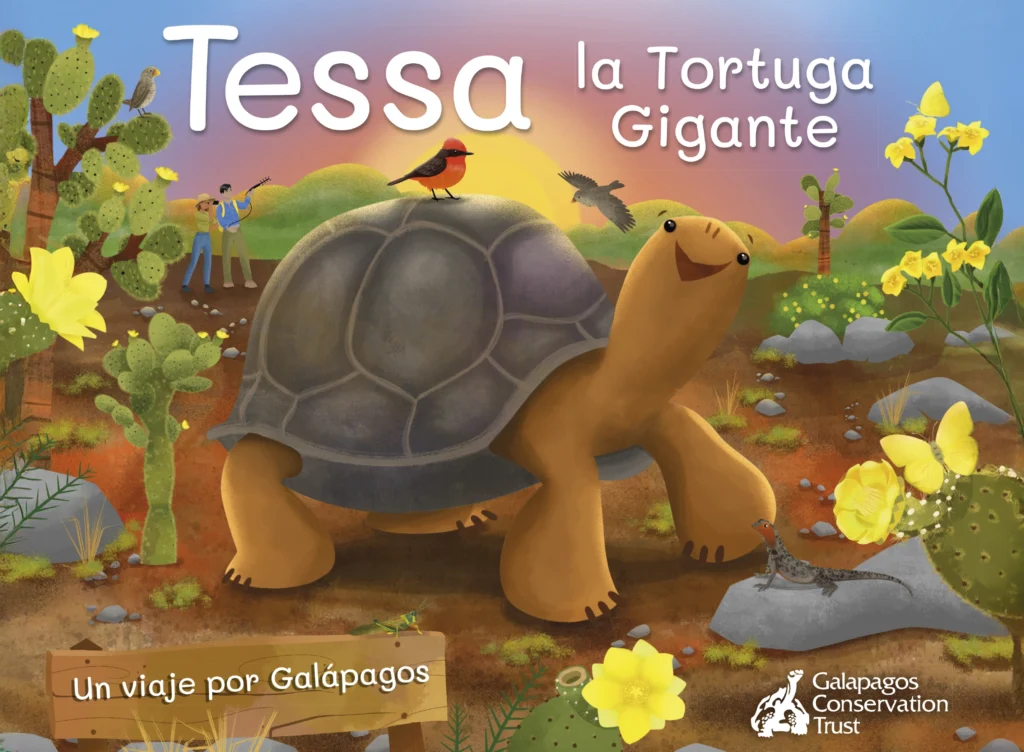
Tessa, la Tortuga Gigante forma parte del Aula Virtual del GSC, una iniciativa educativa que utiliza el cuento y la ilustración para conectar ciencia, historia ecológica y conciencia ambiental.
A través de la migración anual de Tessa, los niños aprenden sobre el comportamiento de las tortugas gigantes, los ecosistemas terrestres de Galápagos y la importancia de proteger a las especies nativas y sus hábitats, fomentando la empatía y el respeto por la naturaleza.
La historia está diseñada para el aprendizaje tanto en el aula como en casa — combinando lectura, observación, curiosidad científica y valores de conservación.
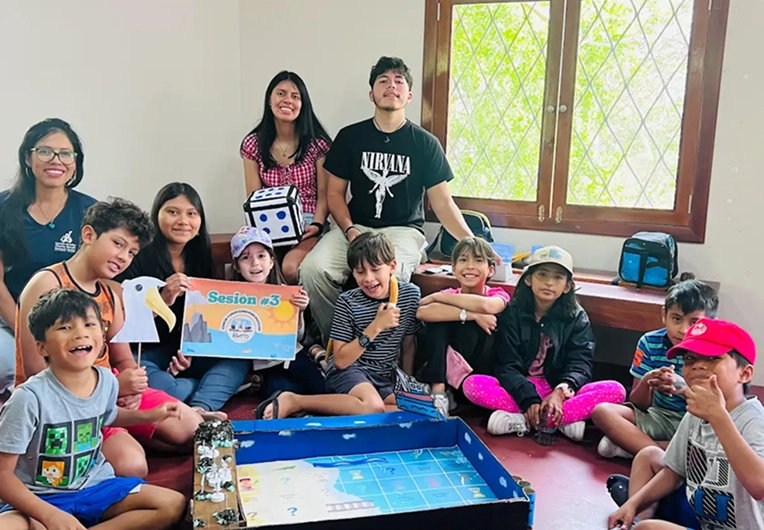
Esta actividad cuenta con el apoyo del Distrito Educativo 20D01 y ha evolucionado con los años para adaptarse a las necesidades de la comunidad. Se ha desarrollado de forma presencial (2019), virtual (2020–2021) y mediante réplicas implementadas por docentes locales (2022). Hoy se presenta íntegramente en formato digital a través de esta plataforma, permitiendo llegar a más estudiantes y educadores, y ofreciendo la posibilidad de obtener un certificado de participación al completar el programa.
¿Quién puede participar?
Niños (entre 7 y 11 años) de las Islas Galápagos, Ecuador continental y otros países que desean aprender sobre naturaleza, migración animal y conservación ambiental.
Docentes y educadores que quieran llevar ciencia, lectura y exploración del mundo natural a sus aulas de manera divertida e interactiva.
Familias y padres que deseen compartir experiencias de aprendizaje significativas en casa a través de la lectura y el descubrimiento.
Lo que los niños aprenderán
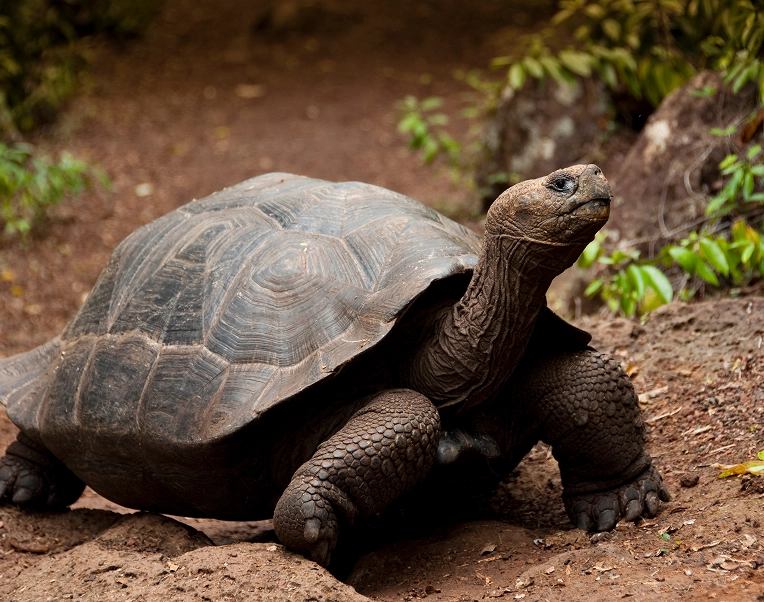
A comprender el papel ecológico de las tortugas gigantes en Galápagos y cómo interactúan con su ecosistema.
A desarrollar empatía y respeto por los animales terrestres y su hábitat natural.
A mejorar la comprensión lectora, la observación y el pensamiento crítico.
Comienza a aprender con Tessa
¡Lleva la magia de Galápagos a tu aula o a tu hogar! Descarga el material y comienza un recorrido educativo sobre migración, ecosistemas terrestres y conservación.
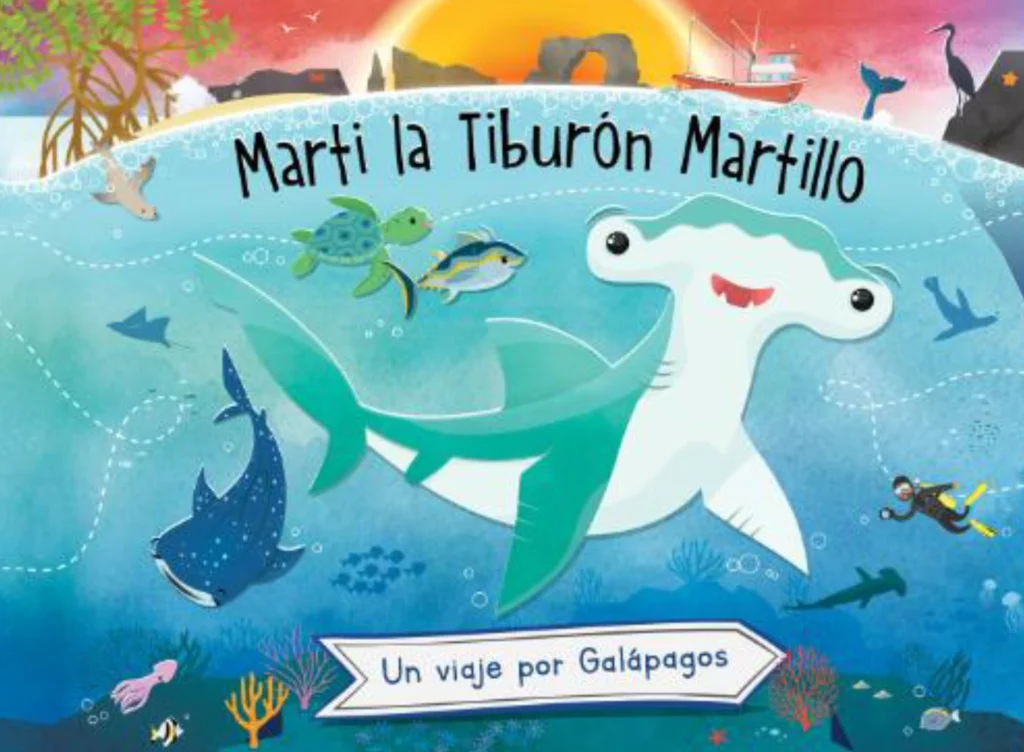
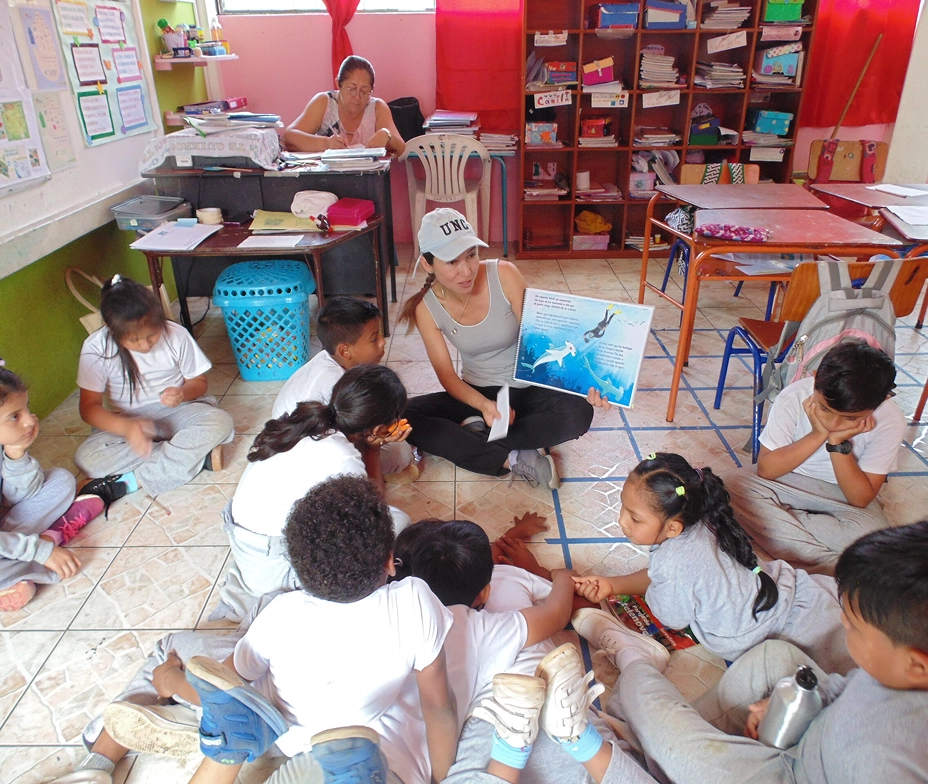
Es una historia basada en ciencia y nos presenta a Martí, una joven tiburón martillo, en su primer viaje a lo largo de una ruta de migración marina, conociendo especies migratorias, las amenazas que enfrentan en el océano y cómo la labor de los científicos contribuye a su protección.
We use cookies on our website to give you the most relevant experience by remembering your preferences and repeat visits. By clicking “Accept”, you consent to the use of ALL the cookies.
This website uses cookies to improve your experience while you navigate through the website. Out of these, the cookies that are categorized as necessary are stored on your browser as they are essential for the working of basic functionalities of the website. We also use third-party cookies that help us analyze and understand how you use this website. These cookies will be stored in your browser only with your consent. You also have the option to opt-out of these cookies. But opting out of some of these cookies may affect your browsing experience.
In 2022, the Galapagos Science Center (GSC) and the broader UNC & USFQ Galapagos Initiative will celebrate its 10th Anniversary. We are proud to announce the World Summit on Island Sustainability scheduled to be held on June 26–30, 2022 at the Galapagos Science Center and the Community Convention Center on San Cristobal Island.
The content of the World Summit will be distributed globally through social media and results documented through papers published in a book written as part of the Galapagos Book Series by Springer Nature and edited by Steve Walsh (UNC) & Carlos Mena (USFQ) as well as Jill Stewart (UNC) and Juan Pablo Muñoz (GSC/USC). The book will be inclusive and accessible by the broader island community including scientists, managers, residents, tourists, and government and non-government organizations.
While the most obvious goal of organizing the World Summit on Island Sustainability is to celebrate the 10th Anniversary of the GSC and the UNC-USFQ Galapagos Initiative, other goals will be addressed through special opportunities created as part of our operational planning of the World Summit.
For instance, we seek to elevate and highlight the Galapagos in the island conservation discourse, seeking to interact with other island networks in more obvious and conspicuous ways to benefit the Galapagos Islands, the UNC-USFQ Galapagos Initiative, and the world. We will seize the opportunity to further develop the I2N2 – International Islands Network-of-Networks. Further, we wish to highlight and emphasize multiple visions of a sustainable future for the Galapagos Islands and we cannot do this alone. Therefore, engaging the Ecuadorian Ministry of Environment, the Ministry of Tourism, the Government Council of Galapagos, the Galapagos National Park, and local Galapagos authorities, including government and non-government organizations and local citizen groups, is imperative.
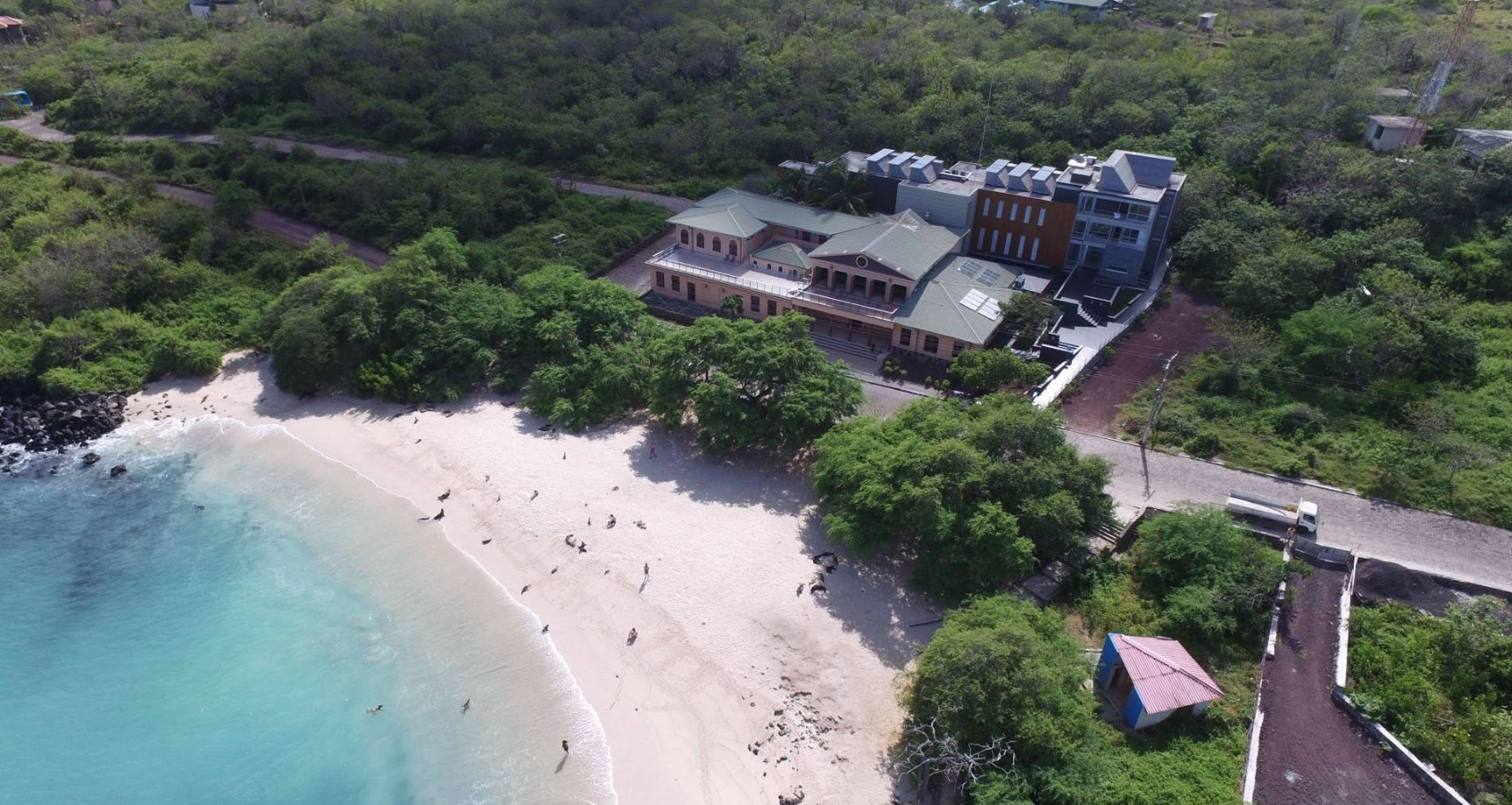
The Galapagos Science Center on San Cristobal Island, Galapagos
Borrowing from Hawaii’s and Guam’s Green Growth Program and the Global Island Partnership, we wish to examine existing global programs that emphasize island sustainability and their incorporation into life, policies, and circumstances in the Galapagos Islands. We will also seek to enhance our connections with the institutional members of our International Galapagos Science Consortiumand expand the Consortium through the recruitment of other member institutions. We will also work to benefit islands and their local communities by working with citizen groups as well as important NGOs who seek to improve the natural conditions in the Galapagos and diminish the impact of the human dimension on the future of Galapagos’ ecosystems.
Lastly, we will use the World Summit to benefit UNC & USFQ and our constituencies through a strong and vibrant communication plan about the World Summit, creating corporate relationships as sponsors, identifying funding goals through donors, and benefiting our study abroad program for student engagement in the Galapagos Islands. We plan to develop and issue a Galapagos Sustainability Communique after the World Summit that includes the vision and insights of all its participants for a sustainable Galapagos with applicability to global island settings.
We are eager to hear your perspective and have you join us at the World Summit on Island Sustainability!