News

Photo: Joshua Vela

Latest News

2024 Christmas Newsletter and Annual Impact Report

This year, we celebrate 13 years of impactful work in conservation, research, and sustainable development in the Galápagos Islands. In our newsletter and annual impact report, we invite you to explore how we have contributed to preserving this natural heritage through scientific expeditions, innovative digital tools, and health and education programs. Explore the latest advancements, scientific findings, and inspiring stories from 2024 Don’t miss out—join us on our journey toward a more sustainable Galápagos!

Read More »

Galapagos Day: Inspiring Research and Engagement

UNC Center for Galapagos Studies and the Galapagos Science Center recently hosted its first Galapagos Day on UNC-Chapel Hill’s campus titled Galapagos Day: Building Healthy Ecosystems on a Changing Planet. This event successfully brought together global researchers, students, and staff from UNC-Chapel Hill (UNC), the Universidad San Francisco de Quito (USFQ), NC State University, and the Galapagos Science Center to share about their impactful work in Galapagos and relevant opportunities for collaboration, training, outreach, and student engagement moving forward.

Read More »

UNC Center for Galapagos Studies receives support from Royal Caribbean Group to enhance local programs and student experiences 

The UNC Center for Galapagos Studies has received a $600,000 contribution from Royal Caribbean Group to support research and learning initiatives, enabling the expansion of research projects, community outreach programs and student engagement. The UNC Center for Galapagos Studies partners with the Universidad San Francisco de Quito (USFQ) to operate the Galapagos Science Center, located on San Cristobal Island. It is the only university science facility of its kind in the archipelago. 

Read More »

SCIENTIFIC ARTICLES

Darwin returns to the Galápagos

A round-the-world endeavor to sustain the legacy of Charles Darwin brings his great-great-granddaughter to the archipelago to visit with Galapagos Science Center researchers. One of the goals of the DARWIN200 project is to connect young, global conservationists to inspiring research projects where they can study a threatened habitat or an animal or plant that Charles Darwin studied during his famous voyage.

Read More »

Scientific Articles

Exploring stress and morphology in two songbird species across urban, agricultural, and natural habitats on San Cristóbal Island, Galápagos

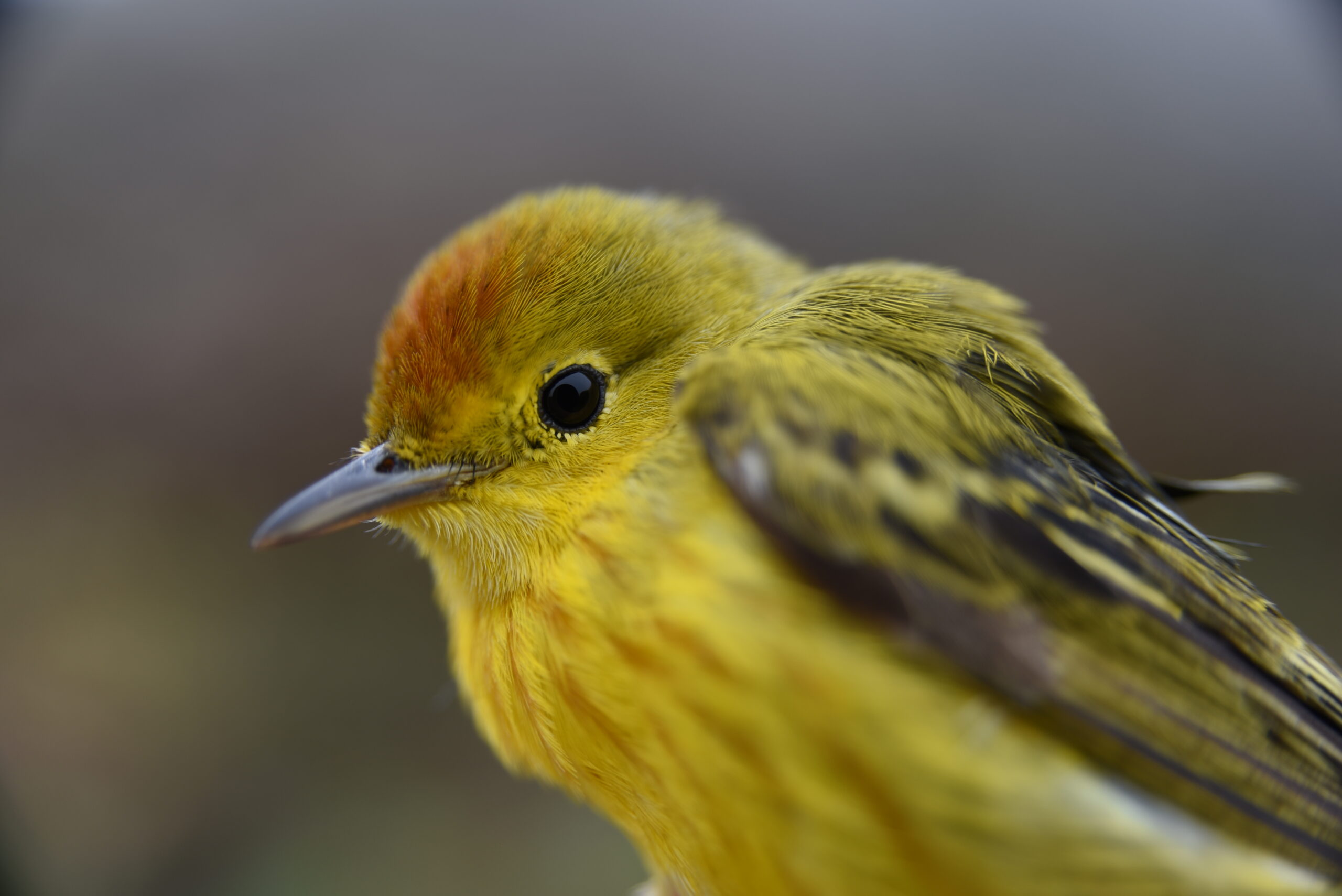
This study analyzed how land use changes affect two bird species in the Galápagos: the small ground finch (Geospiza fuliginosa) and the yellow warbler (Setophaga petechia aureola). The goal was to understand whether habitat alterations, caused by urbanization and agriculture on human-populated islands, affect their size, weight, and levels of the hormone corticosterone, which is linked to stress.

Read More »

Health assessment of blue-footed boobies (Sula nebouxii excisa) determined by hematology, biochemistry, blood gases, and physical examination in the galápagos islands

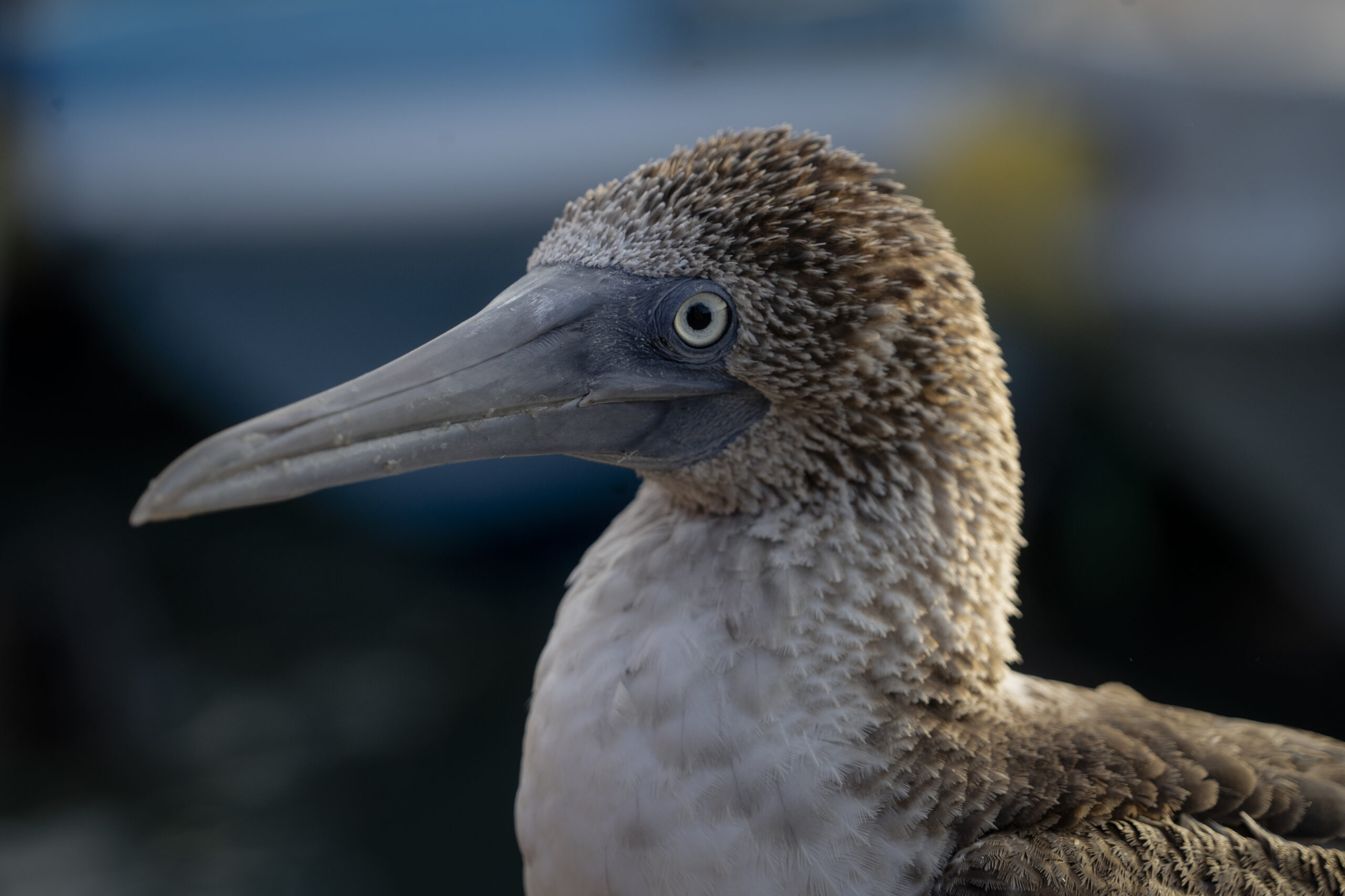
The blue-footed booby (Sula nebouxii excisa) is an iconic and endemic species of the Galápagos Islands. While its behavior and reproductive biology have been widely studied, little is known about its health in the wild. This type of information is essential to understand how environmental factors may impact its well-being, especially in the context of climate change and declining prey availability. The recent study aims to provide baseline health data that can support conservation strategies.

Read More »

Canine vector-borne parasites in the Galapágos

Endemic species of the Galápagos Islands are vulnerable to newly introduced pathogens, often transmitted through invasive hosts. One example is invasive parasitic arthropods, whose evolutionary success is linked to their association with domestic animals present in the archipelago. This interaction poses a significant risk, as these parasites can switch hosts and facilitate pathogen transmission between domestic and wild species.

Read More »

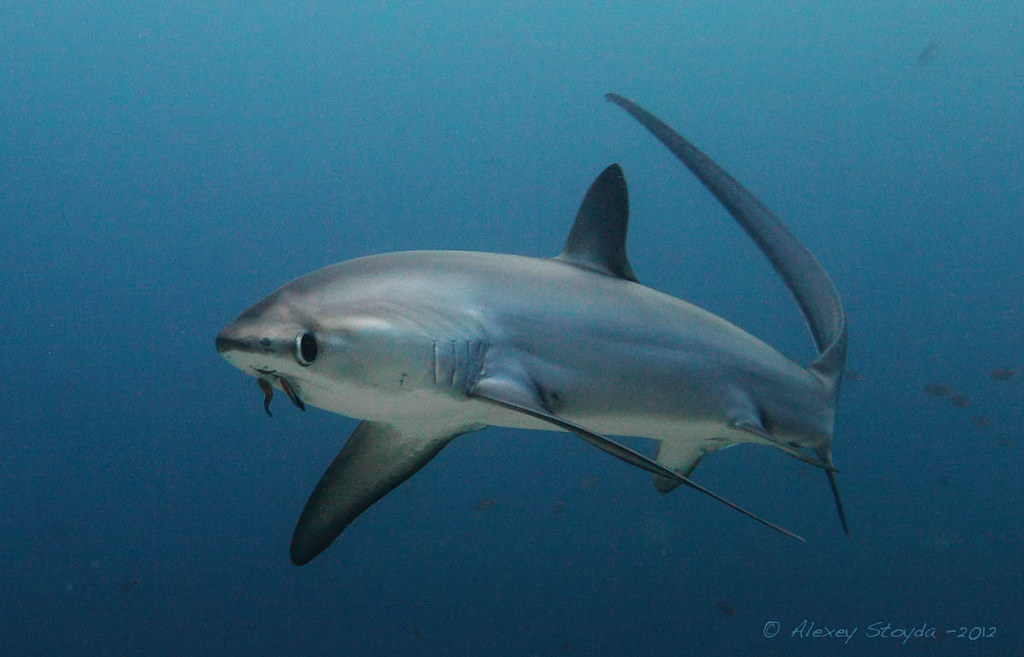
Ontogenetic feeding shifts in two thresher shark species in the Galapagos Marine

Thresher sharks are key predators in the marine ecosystems of the Tropical Pacific Ocean, playing a fundamental role in maintaining ecological balance. They primarily feed on squid and small fish. This study aims to assess possible ontogenetic changes in the feeding habits and habitat use of two thresher shark species (Alopias pelagicus) and (Alopias superciliosus) inhabiting the Galápagos Marine Reserve (GMR), aspects that remain poorly understood in the region.

Read More »

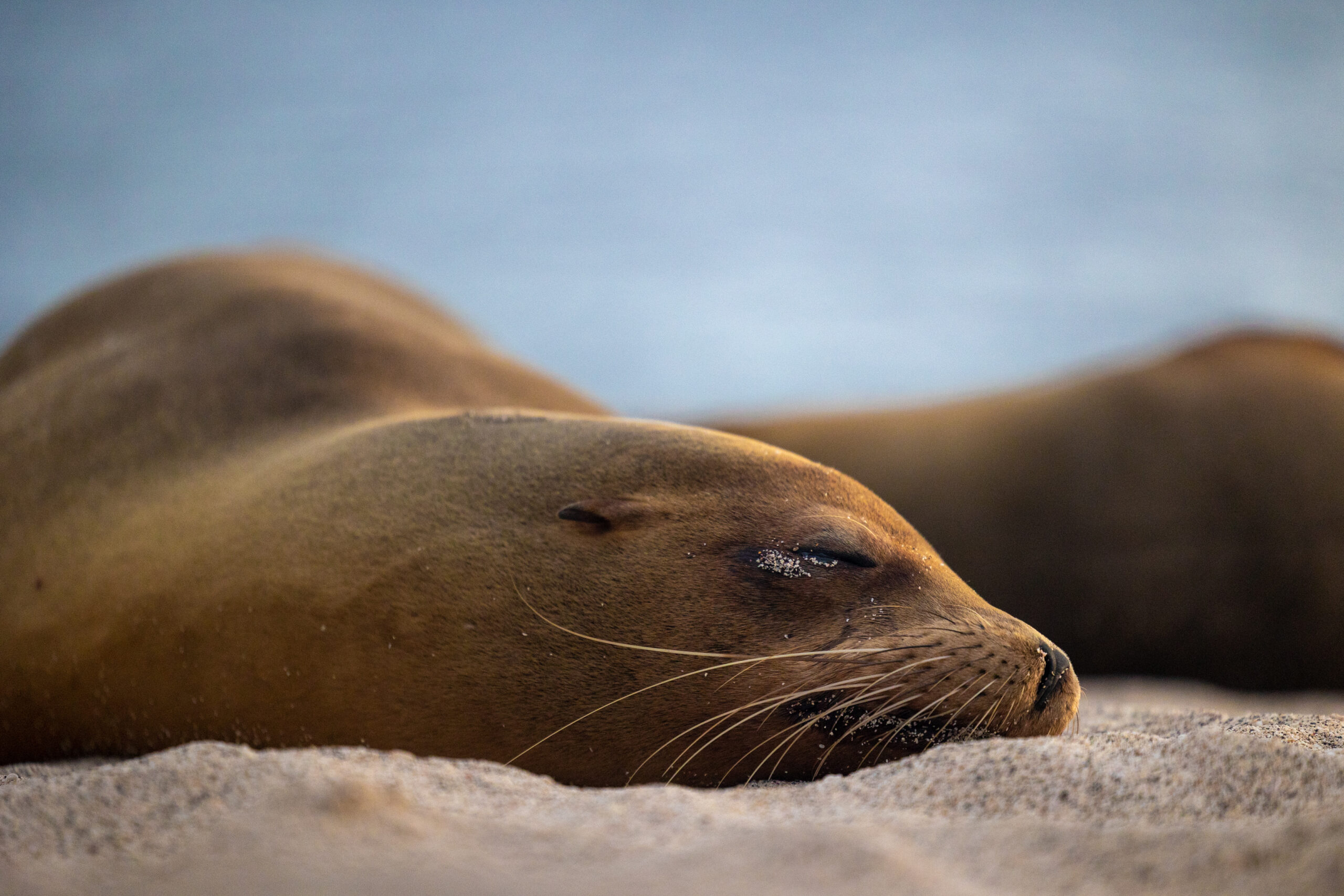
Molecular Discovery of Filarial Nematode DNA in an Endangered Wild Pinniped (Galapagos Sea Lion, Zalophus wollebaeki)

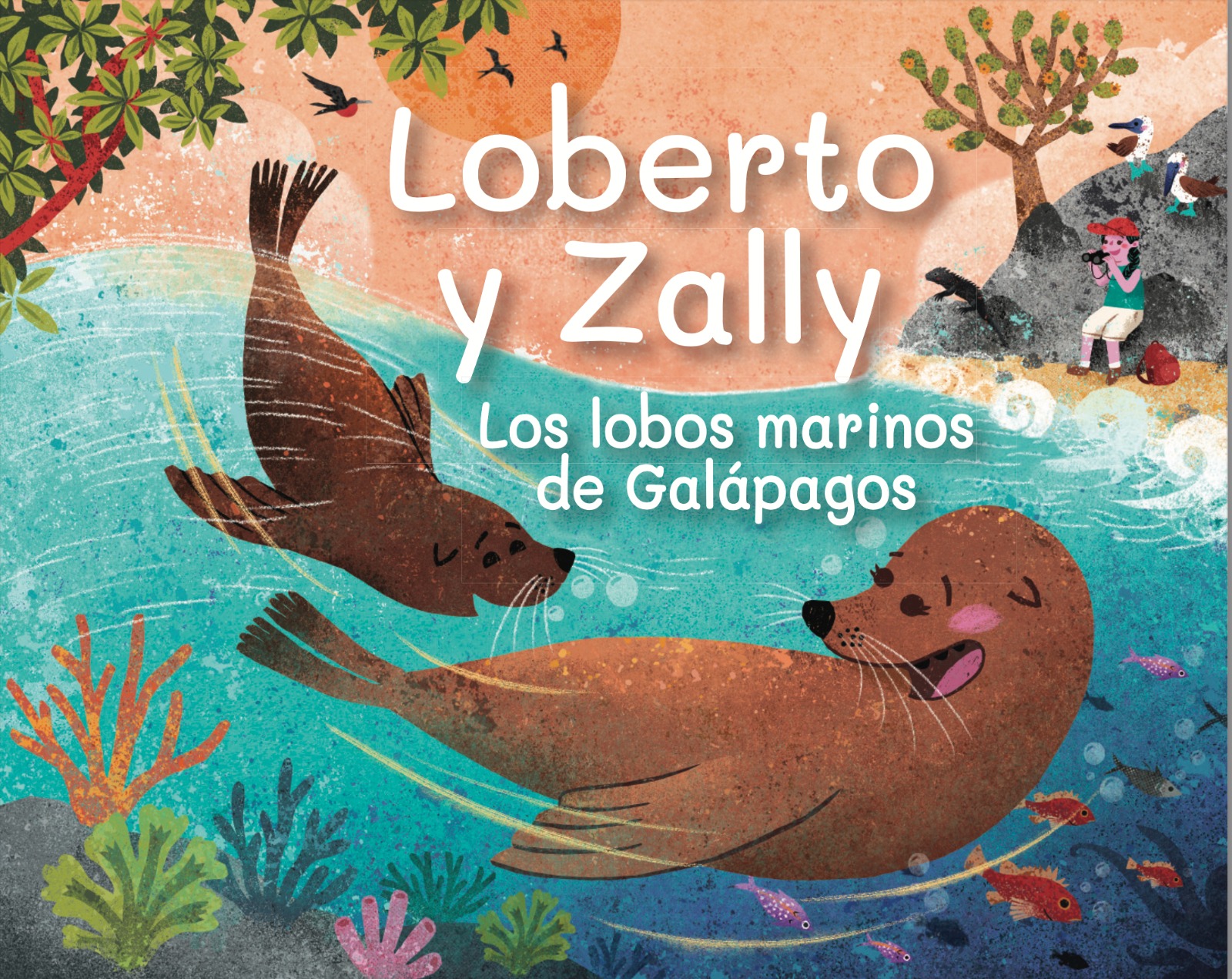
Environmental changes contribute to the arrival of non-native species and their pathogens in sensitive ecosystems such as the Galápagos Islands. This poses a significant risk to the archipelago’s unique species, including the Galápagos sea lion (Zalophus wollebaeki), an endemic and endangered animal that faces the threat of contracting diseases from introduced domestic animals.

Read More »

Commentary: “Addressing illegal longlining and ghost fishing in the Galapagos marine reserve: an overview of challenges and potential solutions”

The commentary on the article “Addressing illegal longlining and ghost fishing in the Galapagos marine reserve: an overview of challenges and potential solutions” by Alex Hearn and Santiago Bucaram questions the proposal to develop an open water tuna fishery, warning about the risks of legalizing harmful fishing practices for the marine ecosystem. Additionally, they analyze the challenges faced by the Galapagos due to the use of illegal longlines.

Read More »

Events

7TH GALAPAGOS RESEARCH AND CONSERVATION SYMPOSIUM

Puerto Baquerizo Moreno, on San Cristóbal Island, will host the 7th Symposium on Research and Conservation in Galápagos. This important multidisciplinary event, which will take place on Monday, July 14 and Tuesday, July 15, 2025, at the Charles Darwin Convention Center, will be organized by the Galapagos Science Center, thanks to the sponsorship of the University of North Carolina at Chapel Hill and the Universidad San Francisco de Quito, and with the support of the Galápagos National Park.

6TH GALAPAGOS RESEARCH AND CONSERVATION SYMPOSIUM

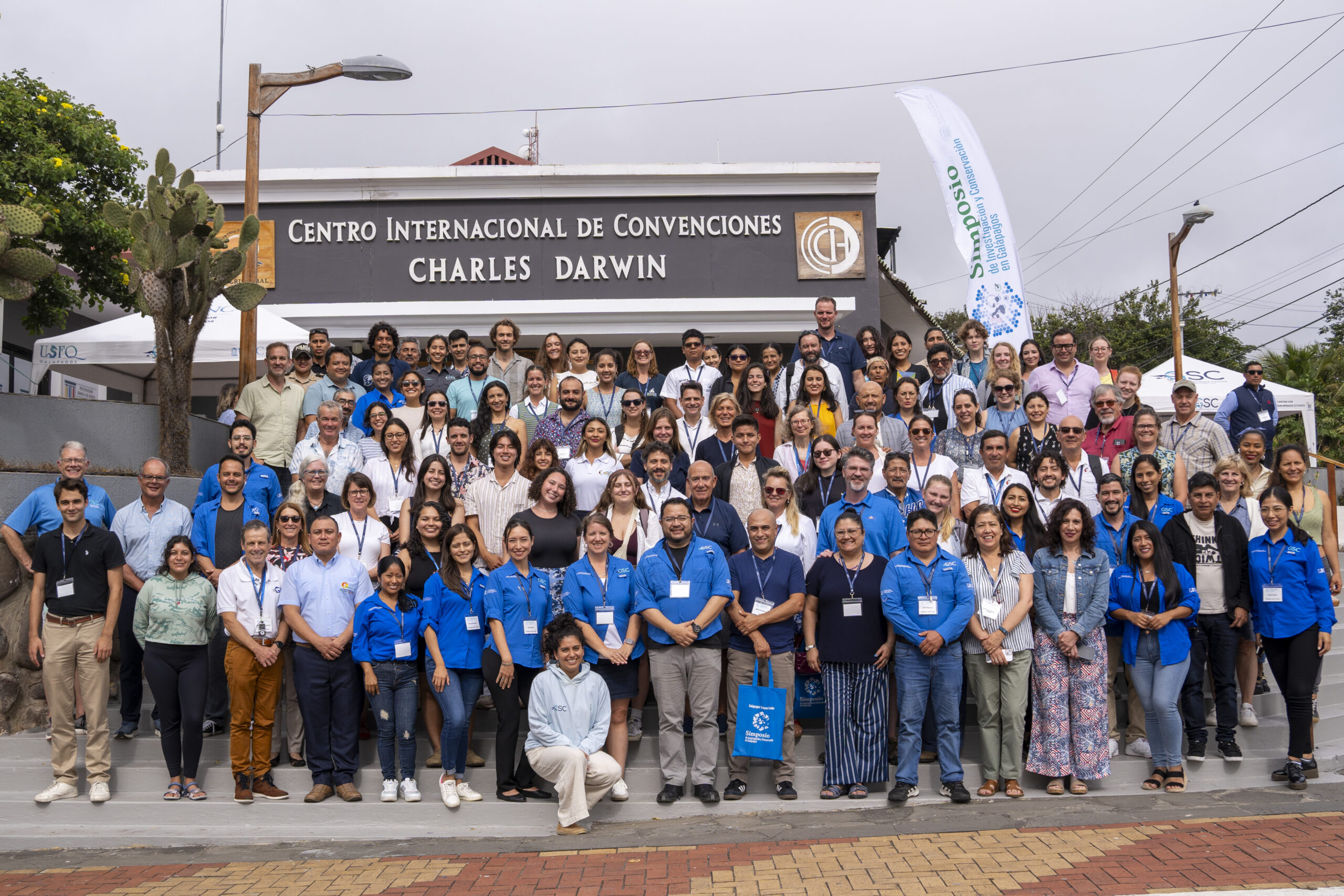
The 6th Galápagos Research and Conservation Symposium  took place on Monday, July 15 and Tuesday, July 16, 2024 at the Charles Darwin Convention Center on San Cristóbal, Galápagos. This important multidisciplinary event was organized by the Galapagos Science Center, with the sponsorship of the University of North Carolina at Chapel Hill and the Universidad San Francisco de Quito with the endorsement of the Galapagos National Park.

5TH GALAPAGOS RESEARCH AND CONSERVATION SYMPOSIUM

Puerto Baquerizo Moreno, on San Cristóbal Island, will host the 5th Galapagos Research and Conservation Symposium. This significant multidisciplinary event  will feature scientific presentations and community-focused talks, showcasing research and initiatives related to conservation, environmental change, biodiversity and oceans, health, and community initiatives.

World Summit on Island Sustainability

In 2022, the Galapagos Science Center (GSC) and the broader UNC & USFQ Galapagos Initiative celebrated its 10th Anniversary. The GSC hosted the World Summit on Island Sustainability on June 26–30, 2022 at the Galapagos Science Center and the Community Convention Center on San Cristobal Island.

7TH GALAPAGOS RESEARCH AND CONSERVATION SYMPOSIUM

Puerto Baquerizo Moreno, on San Cristóbal Island, will host the 7th Symposium on Research and Conservation in Galápagos. This important multidisciplinary event, which will take place on Monday, July 14 and Tuesday, July 15, 2025, at the Charles Darwin Convention Center, will be organized by the Galapagos Science Center, thanks to the sponsorship of the University of North Carolina at Chapel Hill and the Universidad San Francisco de Quito, and with the support of the Galápagos National Park.

6TH GALAPAGOS RESEARCH AND CONSERVATION SYMPOSIUM

The 6th Galápagos Research and Conservation Symposium  took place on Monday, July 15 and Tuesday, July 16, 2024 at the Charles Darwin Convention Center on San Cristóbal, Galápagos. This important multidisciplinary event was organized by the Galapagos Science Center, with the sponsorship of the University of North Carolina at Chapel Hill and the Universidad San Francisco de Quito with the endorsement of the Galapagos National Park.

5TH GALAPAGOS RESEARCH AND CONSERVATION SYMPOSIUM

Puerto Baquerizo Moreno, on San Cristóbal Island, will host the 5th Galapagos Research and Conservation Symposium. This significant multidisciplinary event  will feature scientific presentations and community-focused talks, showcasing research and initiatives related to conservation, environmental change, biodiversity and oceans, health, and community initiatives.

World Summit on Island Sustainability

In 2022, the Galapagos Science Center (GSC) and the broader UNC & USFQ Galapagos Initiative celebrated its 10th Anniversary. The GSC hosted the World Summit on Island Sustainability on June 26–30, 2022 at the Galapagos Science Center and the Community Convention Center on San Cristobal Island.

In 2022, the Galapagos Science Center (GSC) and the broader UNC & USFQ Galapagos Initiative will celebrate its 10th Anniversary. We are proud to announce the World Summit on Island Sustainability scheduled to be held on June 26–30, 2022 at the Galapagos Science Center and the Community Convention Center on San Cristobal Island.

The content of the World Summit will be distributed globally through social media and results documented through papers published in a book written as part of the Galapagos Book Series by Springer Nature and edited by Steve Walsh (UNC) & Carlos Mena (USFQ) as well as Jill Stewart (UNC) and Juan Pablo Muñoz (GSC/USC). The book will be inclusive and accessible by the broader island community including scientists, managers, residents, tourists, and government and non-government organizations.

While the most obvious goal of organizing the World Summit on Island Sustainability is to celebrate the 10th Anniversary of the GSC and the UNC-USFQ Galapagos Initiative, other goals will be addressed through special opportunities created as part of our operational planning of the World Summit.

For instance, we seek to elevate and highlight the Galapagos in the island conservation discourse, seeking to interact with other island networks in more obvious and conspicuous ways to benefit the Galapagos Islands, the UNC-USFQ Galapagos Initiative, and the world. We will seize the opportunity to further develop the I2N2 – International Islands Network-of-Networks. Further, we wish to highlight and emphasize multiple visions of a sustainable future for the Galapagos Islands and we cannot do this alone. Therefore, engaging the Ecuadorian Ministry of Environment, the Ministry of Tourism, the Government Council of Galapagos, the Galapagos National Park, and local Galapagos authorities, including government and non-government organizations and local citizen groups, is imperative.

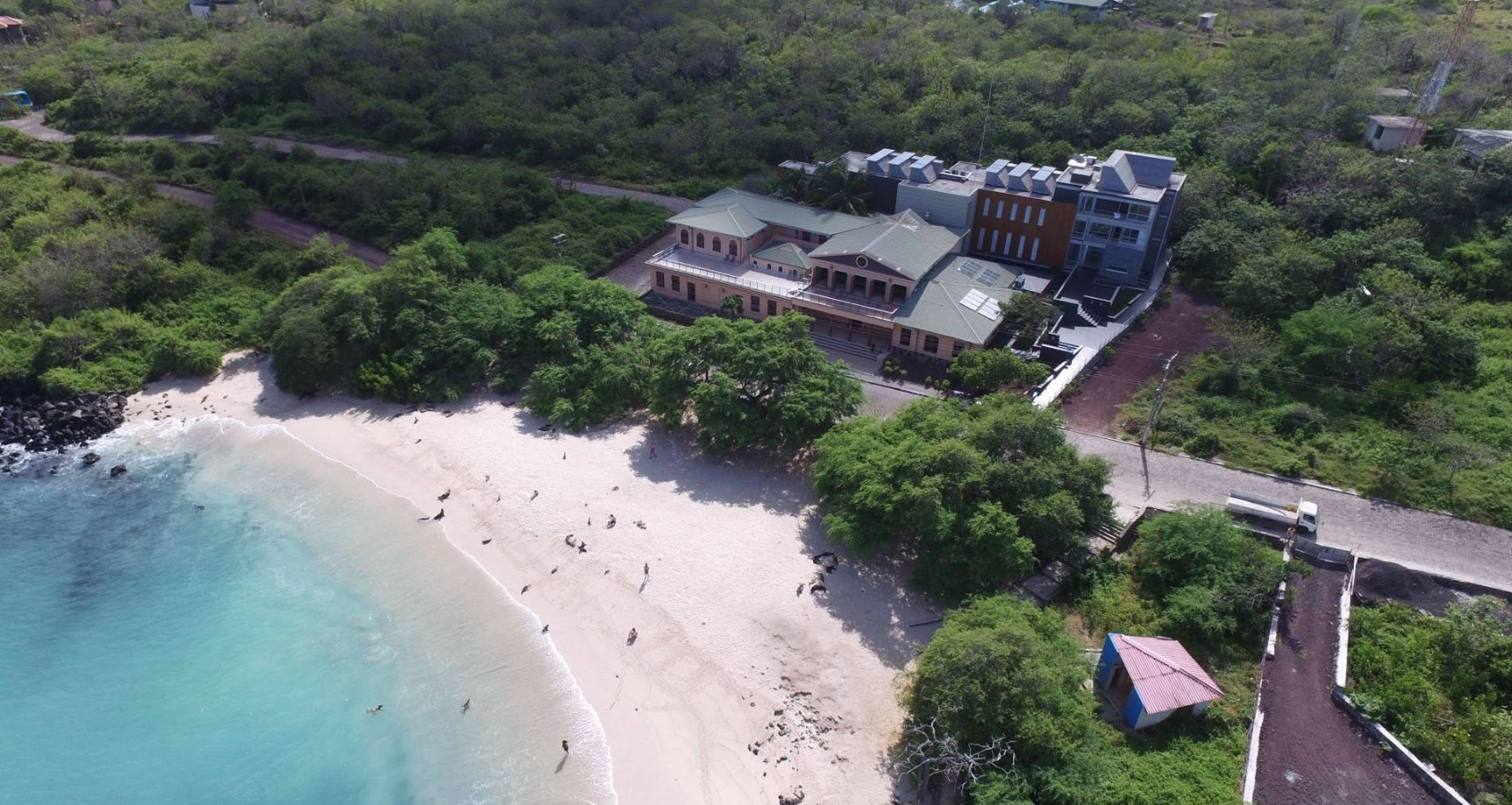
The Galapagos Science Center on San Cristobal Island, Galapagos

Borrowing from Hawaii’s and Guam’s Green Growth Program and the Global Island Partnership, we wish to examine existing global programs that emphasize island sustainability and their incorporation into life, policies, and circumstances in the Galapagos Islands. We will also seek to enhance our connections with the institutional members of our International Galapagos Science Consortium and expand the Consortium through the recruitment of other member institutions. We will also work to benefit islands and their local communities by working with citizen groups as well as important NGOs who seek to improve the natural conditions in the Galapagos and diminish the impact of the human dimension on the future of Galapagos’ ecosystems.

Lastly, we will use the World Summit to benefit UNC & USFQ and our constituencies through a strong and vibrant communication plan about the World Summit, creating corporate relationships as sponsors, identifying funding goals through donors, and benefiting our study abroad program for student engagement in the Galapagos Islands. We plan to develop and issue a Galapagos Sustainability Communique after the World Summit that includes the vision and insights of all its participants for a sustainable Galapagos with applicability to global island settings.

We are eager to hear your perspective and have you join us at the World Summit on Island Sustainability!