Through financial support of universities and the private sector, the REACCT+ project is strengthening six local businesses on San Cristóbal Island.
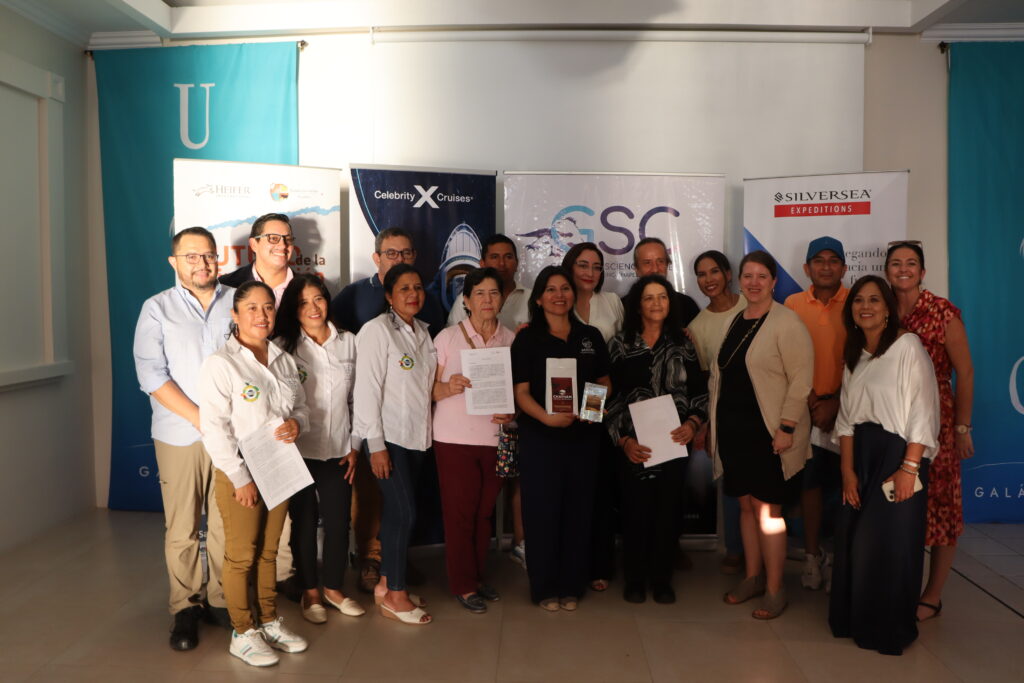
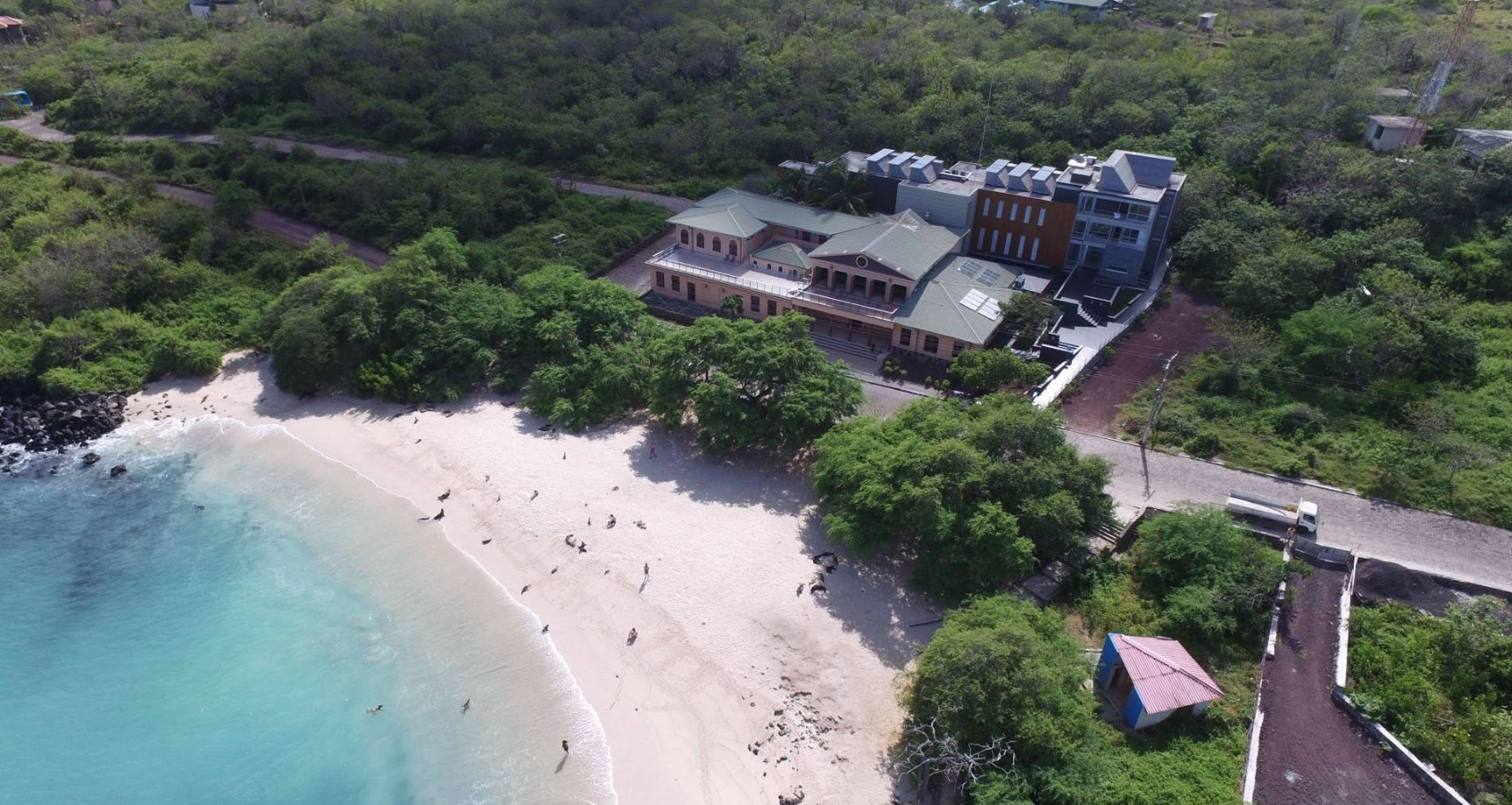
Galapagos, January 2026.– The Galapagos Science Center, the Universidad San Francisco de Quito and the University of North Carolina at Chapel Hill community outreach program, Reactivating the Economy through Science, Community, and Work (REACCT+), shared recent progress of sponsored businesses with local authorities, academic institutions, government representatives, and key industry players during technical visits to three local businesses, further reaffirming the commitment to economic development, community impact, and environmental preservation.
REACCT originated in 2020 with the aim of promoting conservation and sustainability in the Galápagos Islands while supporting the local community during the economic crisis caused by the COVID-19 pandemic. In its current phase, the program focuses on strengthening the local entrepreneurship ecosystem on San Cristóbal Island by promoting the sustainable growth of local businesses. This is achieved through funding aimed at improving installed capacity, advancing legal formalization, and supporting the scaling of operations.
“We have designated 2025 as the Year of Food Security. During this period, we have focused on developing projects related to fishing, agriculture, and local entrepreneurship, with the goal of strengthening local production and encouraging the supply of certain products directly from within the territory,” said Carolina Sampedro, member of the Galapagos Science Center and the Institute of Geography at USFQ.
The past year of REACCT+ implementation to local entrepreneurs is thanks to a total contribution of USD 600,000 from Royal Caribbean Group, through its brands Celebrity Cruises and Silversea, to the Center for Galapagos Studies at the University of North Carolina at Chapel Hill. Royal Caribbean Group’s partnership with these academic institutions has produced a range of research initiatives, community development programs, and student engagement opportunities.
As part of this contribution, the second edition of the REACCT+ program was implemented with an investment of USD 120,000, reaffirming the company’s commitment to sustainable development and to improving the living conditions of the communities where it operates.
“A year ago, we began this process with great enthusiasm and the expectation of seeing how these projects would evolve. Today, having the opportunity to visit some of them and see how they are already incorporating technology into their operations, we feel very proud to have contributed and to be part of this journey,” said Gabriela Naranjo, managing director, Royal Caribbean Ecuador.
Six Local Businesses Driving a Sustainable Economy on San Cristóbal
During 2025, REACCT+ worked with six local businesses:
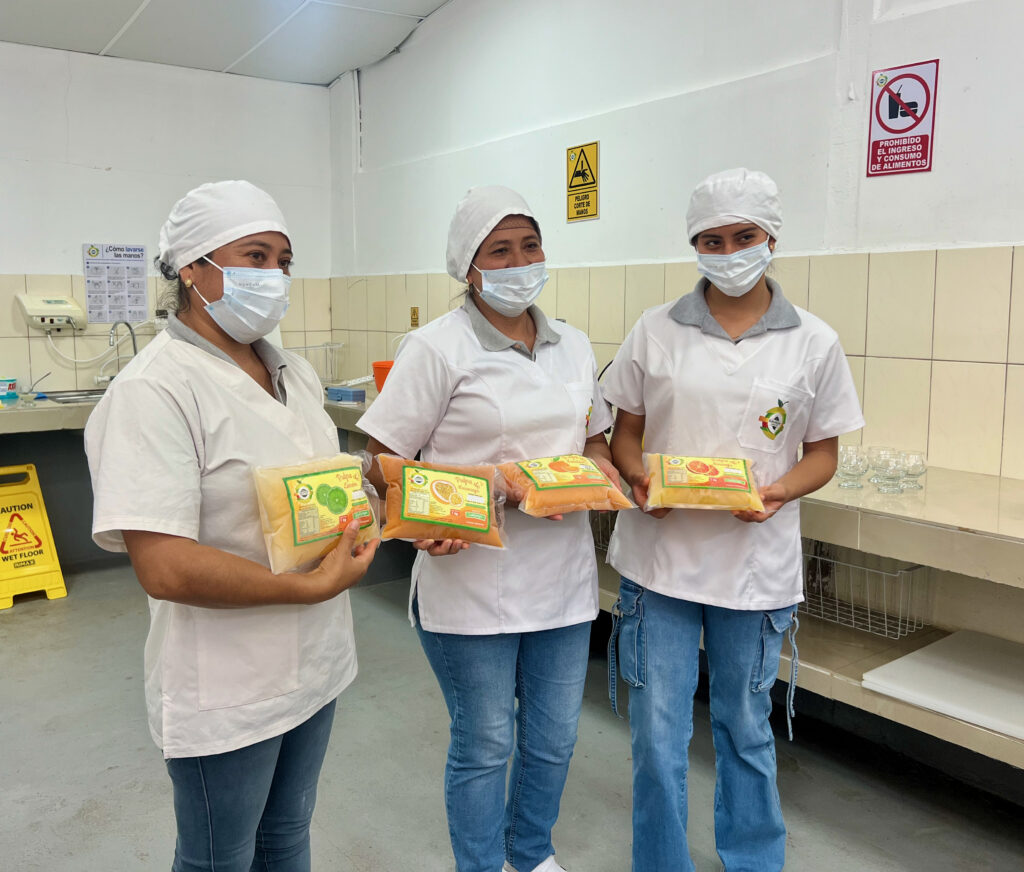
· Galafruit S.A., focused on the production of seasonal fruit pulps.
· El Trapiche, dedicated to the sustainable processing of sugarcane.
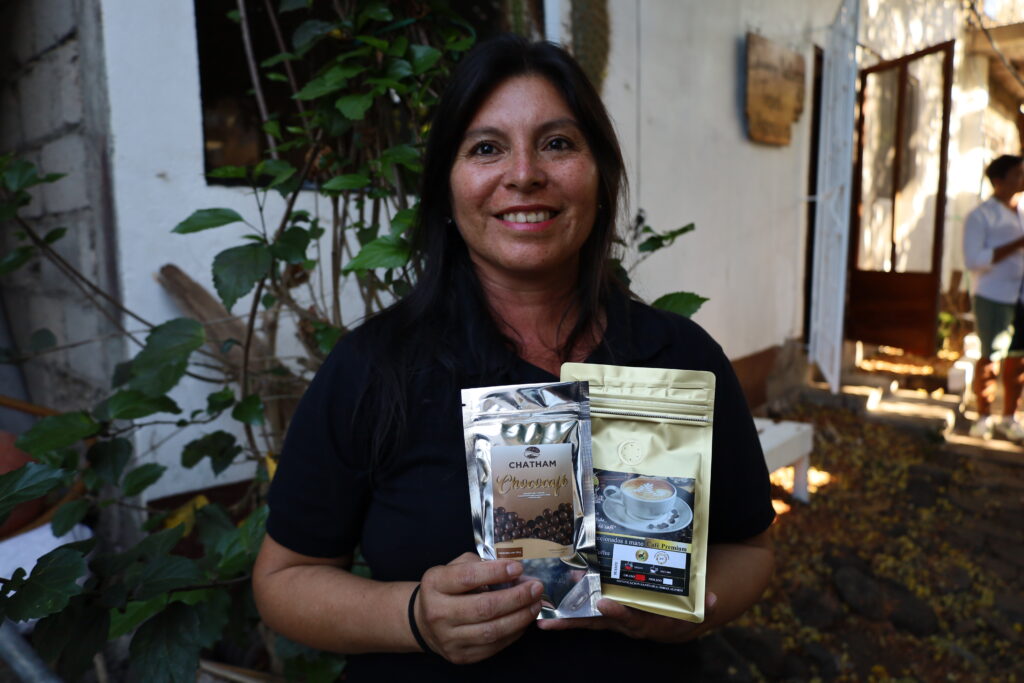
· ACECRIS / Chatham, linked to the Association of Specialty Coffee Growers of San Cristóbal, specializing in technified chocolate- and coffee-coated products.
· Green Island, focused on artisanal chimichurri production and local catering services.
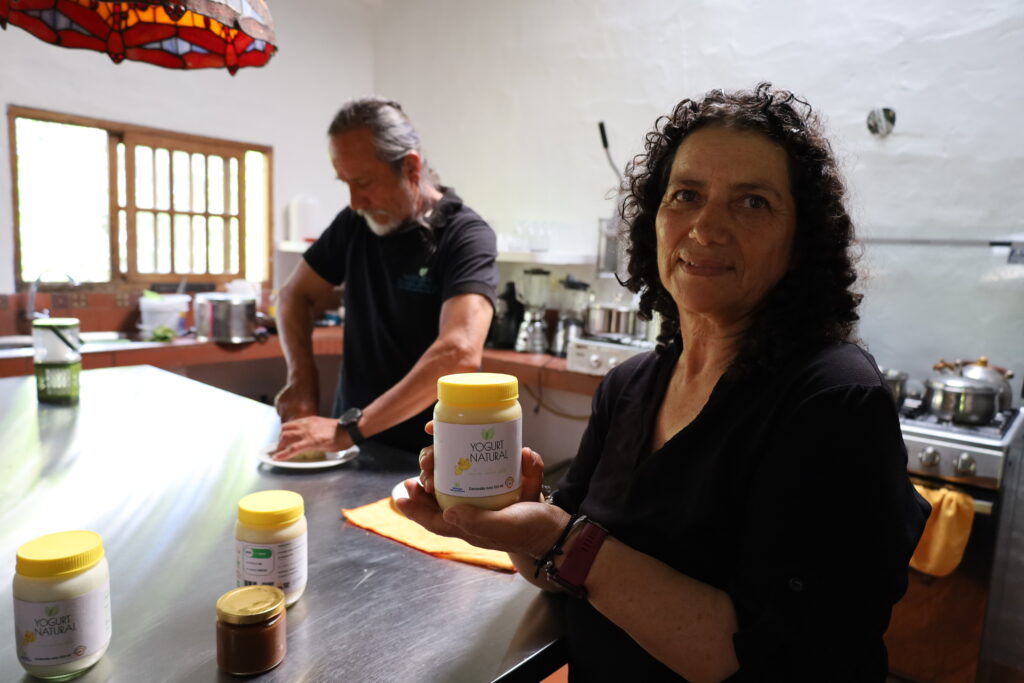
· Lácteos San Cristóbal, dedicated to dairy production with an emphasis on quality and sanitary formalization.
· Galápagos Natural Harmony, focused on artisanal dairy and cocoa production under responsible practices.
These businesses were selected from participants in the Rural Business School developed by Fundación Heifer Ecuador, as part of the Future of Food project. Selection criteria included social, environmental, and economic triple impact, access to raw materials and markets, and the strength of their business models.
“When we talk about these six entrepreneurs, we are referring to processes in which multiple institutions join forces to ensure business sustainability through equipment provision, training, and follow-up. This enables these projects to make a real qualitative leap and is a clear example of how collaborative efforts can drive the local economy,” said Rosa Rodríguez, National Director of Fundación Heifer Ecuador.
Capacity Building through Infrastructure and Technical Support
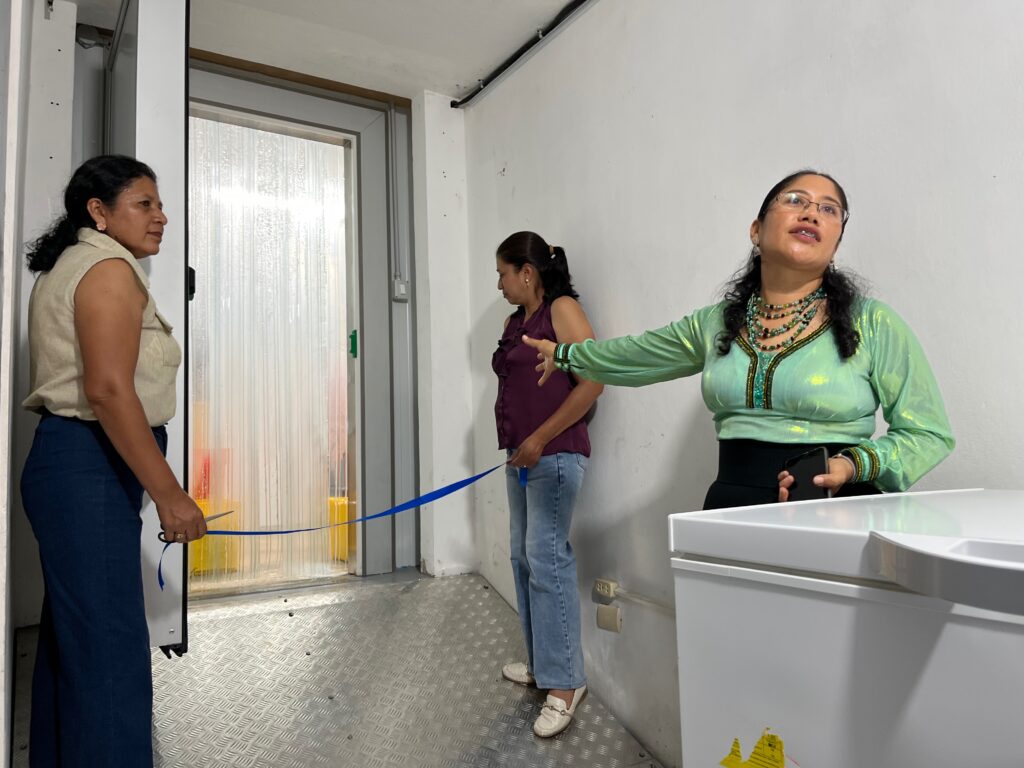
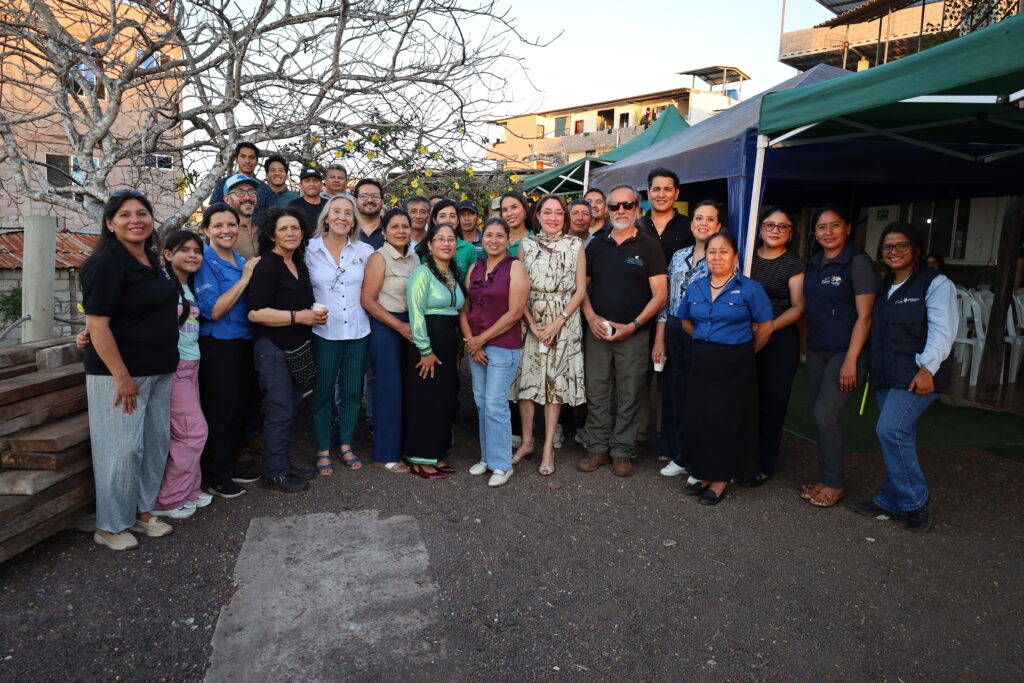
On January 19, in the presence of local authorities and representatives from academia, international cooperation, and the private sector, technical visits were conducted to Galápagos Natural Harmony, ACECRIS / Chatham, and Galafruit S.A. to assess the progress achieved during the past year of REACCT+ implementation.
During the visits, the impact of the equipment provided through the project was evident. This support included productive infrastructure, specialized machinery, quality control inputs, brand design, labeling, and logistics costs. These investments have strengthened operational capacity and commercial projection, while also delivering concrete improvements in production processes, such as responsible free-grazing production practices, technification for coated product manufacturing, and expanded storage capacity for fruit pulps.
“Thanks to the REACCT+ project, we began producing milk caramel. We received machinery for processing, as well as equipment for refining cocoa. We also received support for label design and for strengthening our marketing techniques,” said Pablo Jaramillo of Galápagos Natural Harmony.
2026 Outlook: Next Steps
In 2026, REACCT+ will continue supporting participating businesses through a comprehensive process focused on ensuring the effective use of the equipment provided, strengthening productive capacity and quality control, and consolidating administrative and financial management.
This support will also include business development and access to new markets, regulatory compliance and formalization processes, as well as continuous monitoring and evaluation to plan short- and medium-term growth. Through these actions, REACCT+ aims to ensure the long-term economic sustainability of participating in businesses, improve product quality and consistency, and strengthen their positioning in the local market.