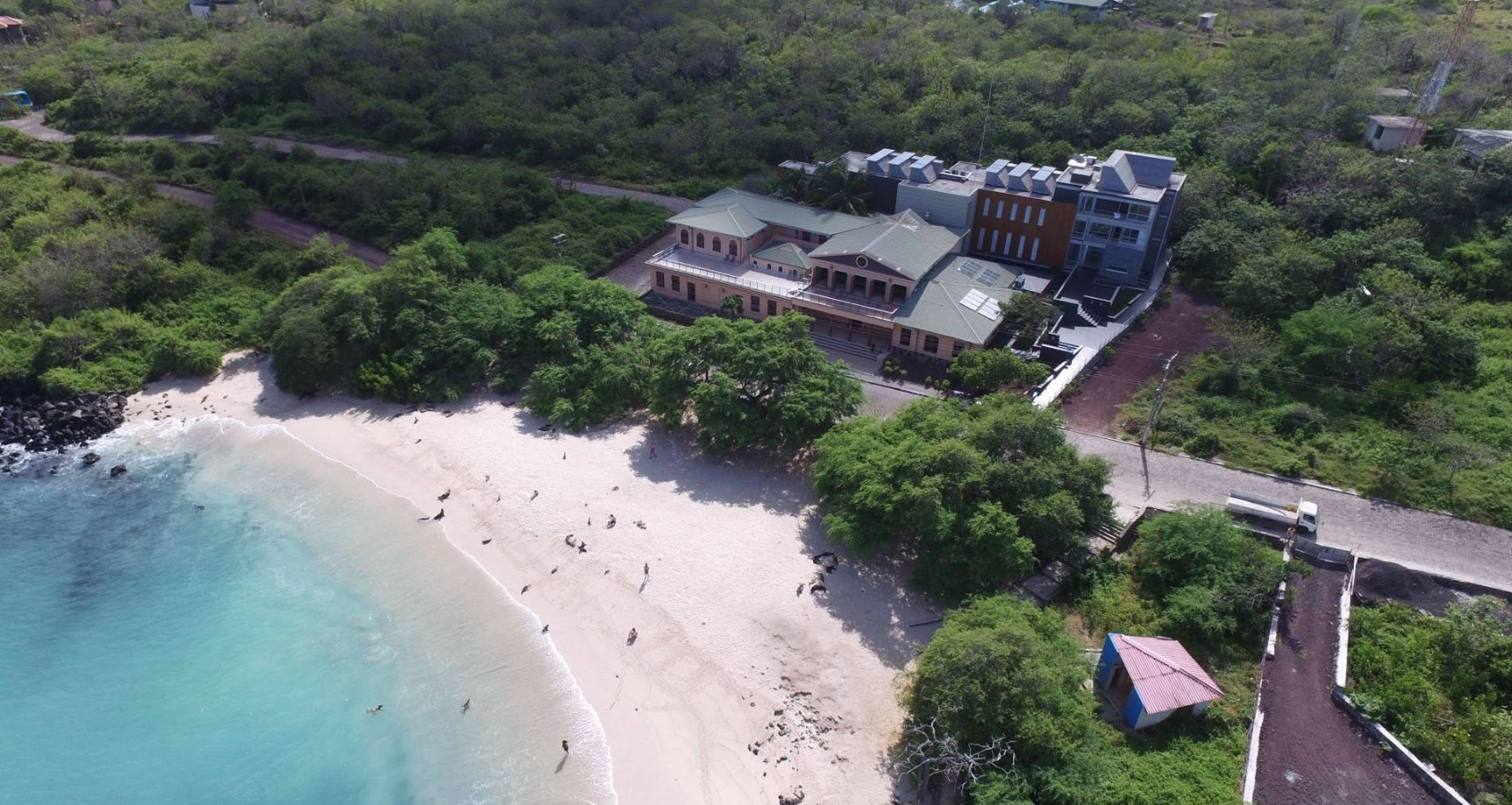
VI Galapagos Research and Conservation Symposium: Science and Community Collaboration
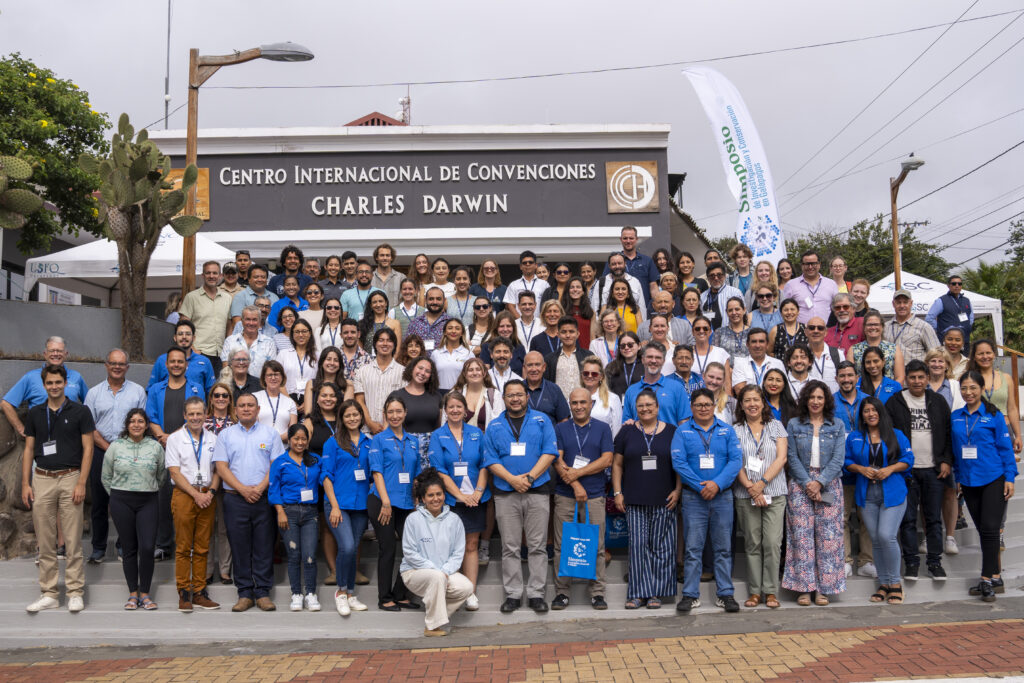
The VI Symposium on Research and Conservation of Galapagos, a multidisciplinary event that brings together experts and the community, concluded successfully after presenting the most relevant scientific research conducted in the archipelago.
Darwin returns to the Galápagos
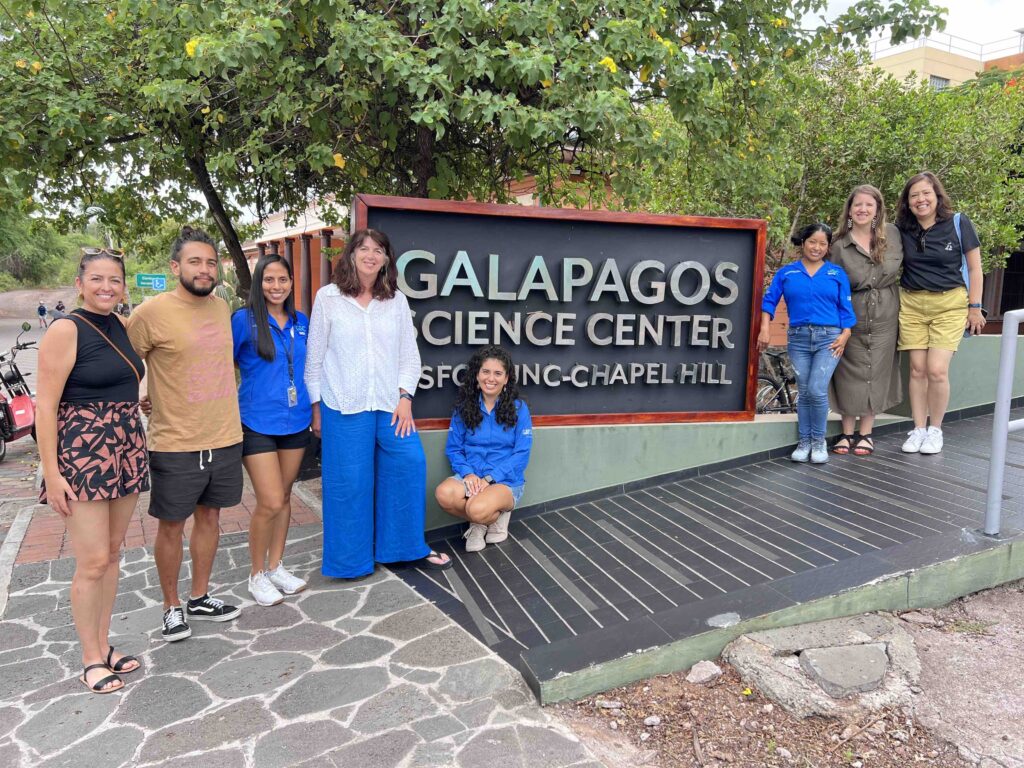
A round-the-world endeavor to sustain the legacy of Charles Darwin brings his great-great-granddaughter to the archipelago to visit with Galapagos Science Center researchers. One of the goals of the DARWIN200 project is to connect young, global conservationists to inspiring research projects where they can study a threatened habitat or an animal or plant that Charles Darwin studied during his famous voyage.
Scientific research cruise: “Assessment of the health and population status of Galápagos´emblematic fauna in the face of climate change conditions in the archipelago”
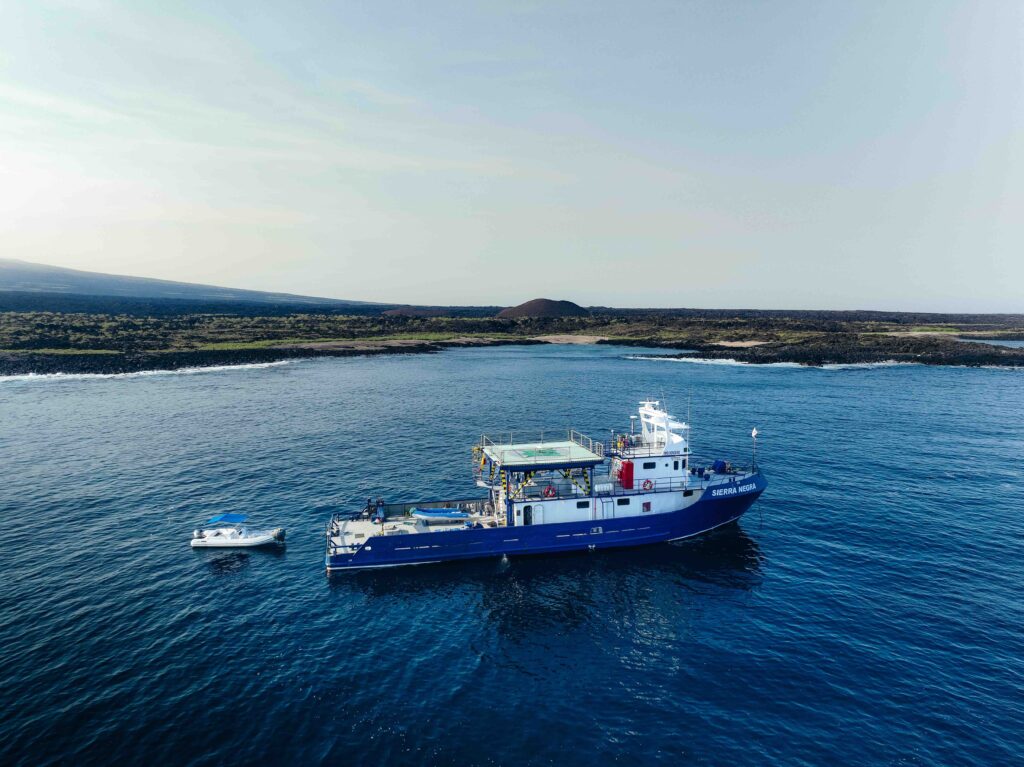
During March and April 2024, monitoring and scientific research activities.
Félix, F., Palacios, D. M., Salazar, S. K., et al. (2020). The 2005 Galápagos humpback whale expedition: a first attempt to assess and characterise the population in the Archipelago. The Journal of Cetacean Research and Management, 291-299.
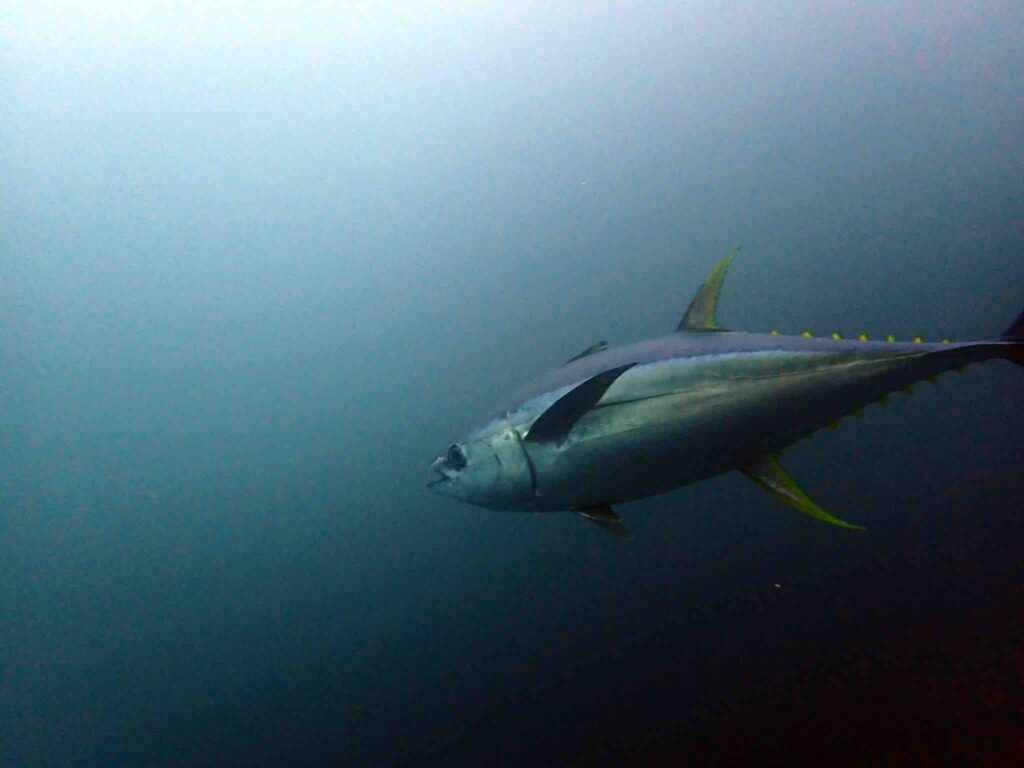
Fishing effort dynamics around the Galápagos Marine Reserves as depicted by AIS data
This study was conducted as part of the Shark Research in Galapagos Project (led by CP), and which received an initial support from Iris and Michael Smith. The funders had no role in study design, data collection and analysis, decision to publish, or preparation of the manuscript.
Galapagos Data Hub Launch: Technological breakthrough for environmental conservation in Galápagos
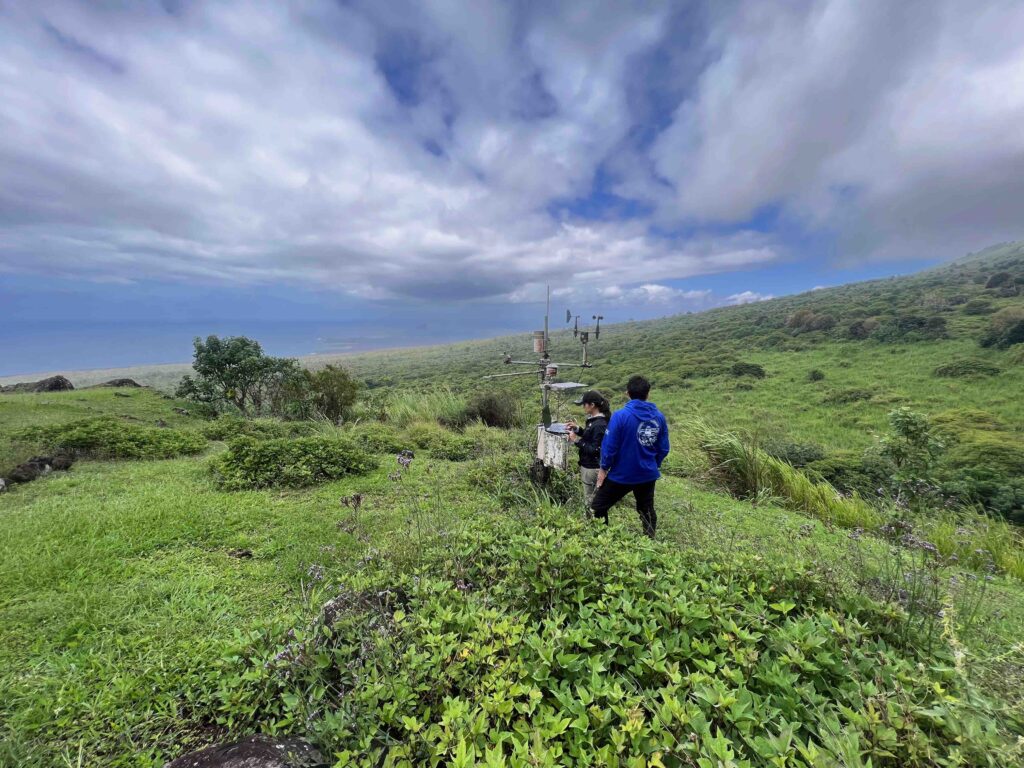
Want to be part of the revolution in environmental conservation? Then the Galápagos Data Hub is your new digital destination! Discover a unique tool that gathers, analyzes, and shares crucial geospatial information for the sustainable management.
Feeding strategies of the ocean white fish (Caulolatilus princeps) and white spotted sand bass (Paralabrax albomaculatus) inside the Galapagos Marine Reserve
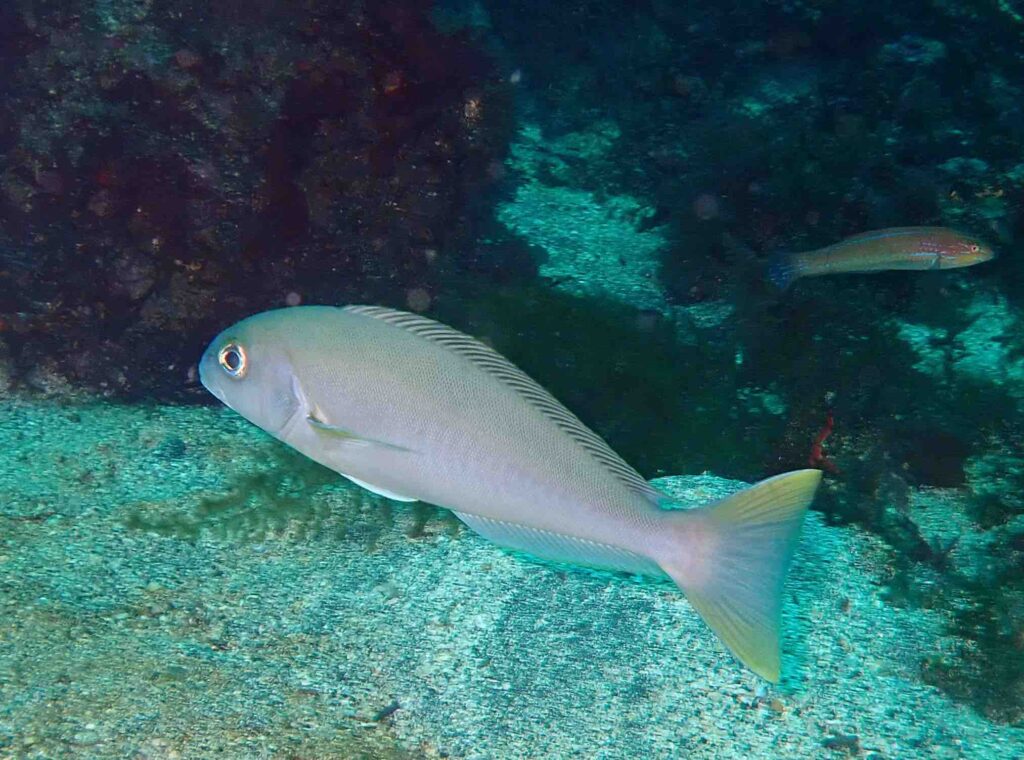
This work highlights the value of trophic studies to generate useful information for ecosystem-based fisheries management.
USFQ and the Galapagos Science Center participates in the Darwin200 expedition in the Galápagos: research and conservation

Darwin200 and the Galapagos Science Center will closely collaborate from May 14th to 17th to expand on Darwin’s observations and address environmental challenges through joint research and conservation actions.
Genetic identification of three CITES-listed sharks using a paper-based Lab-on-a-Chip (LOC)
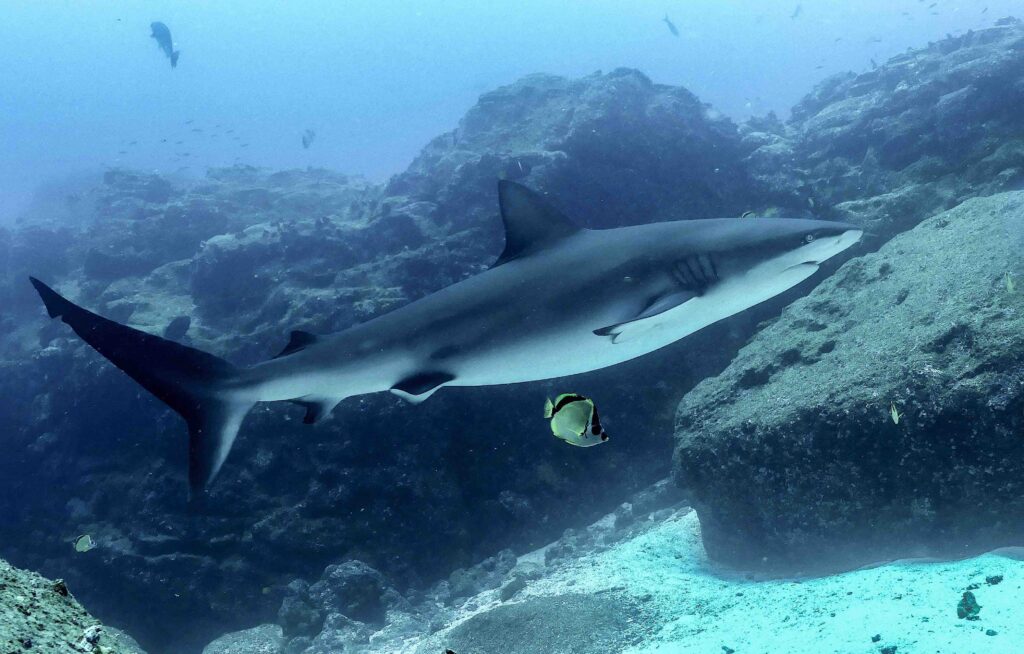
Threatened shark species are caught in large numbers by artisanal and commercial fisheries and traded globally. Monitoring both which shark species are caught and sold in fisheries, and the export of CITES-restricted products, are essential in reducing illegal fishing.
Plastic pollution transcends marine protected area boundaries in the eastern tropical and south-eastern Pacific
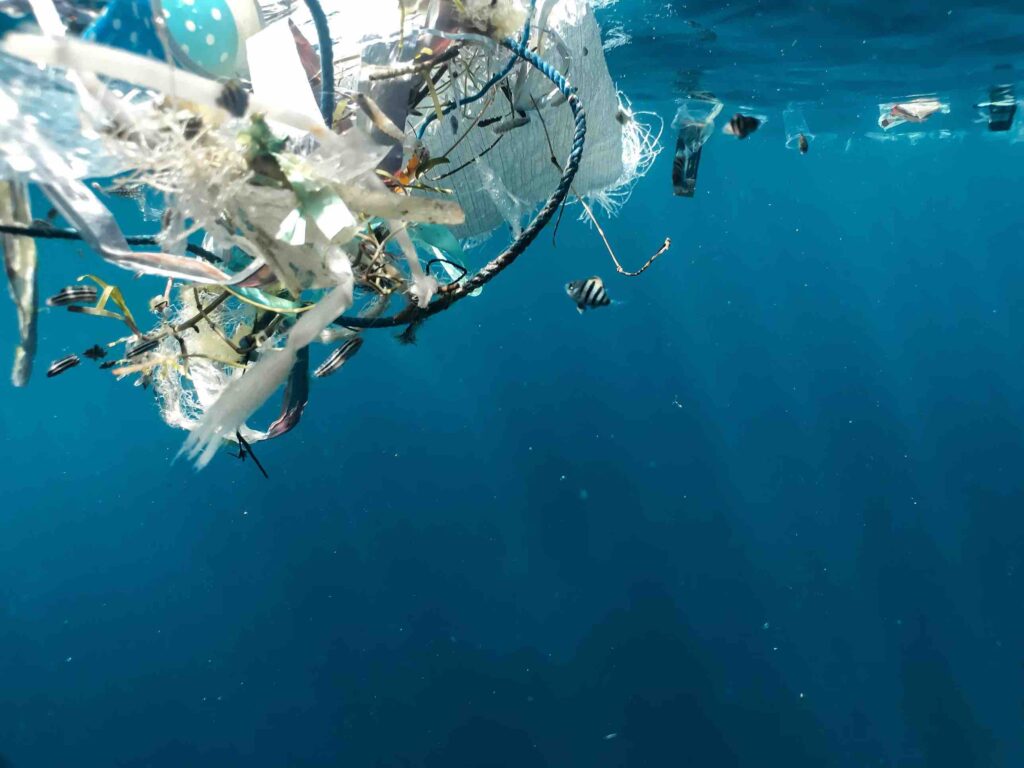
Analysis of 430 sites to assess plastic pollution in ET/SE Pacific. No significant difference in plastic levels inside / outside of Marine Protected Areas.