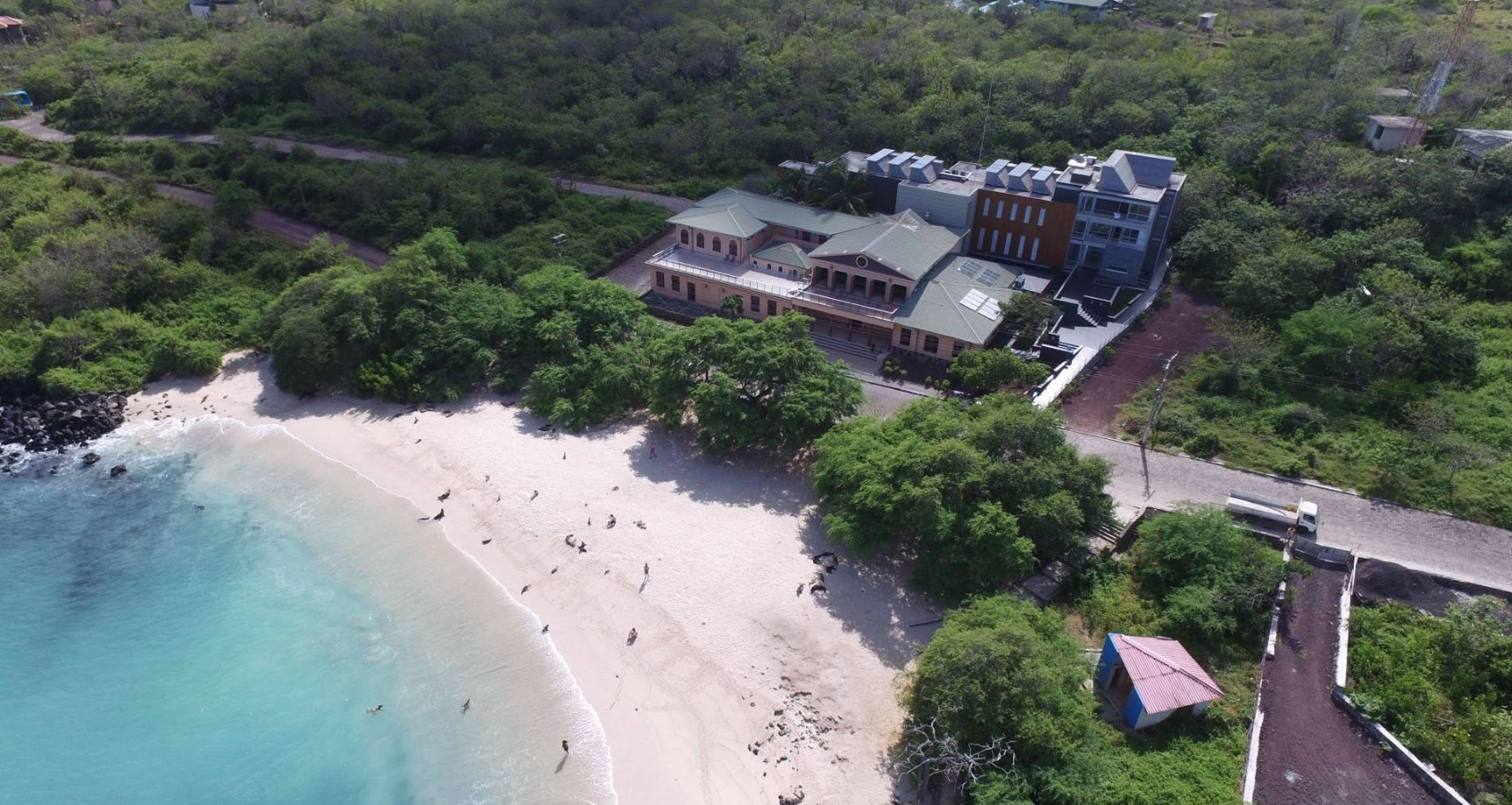
Whole-genome analysis reveals the diversification of Galapagos rail (Aves: Rallidae) and confirms the success of goat eradication programs
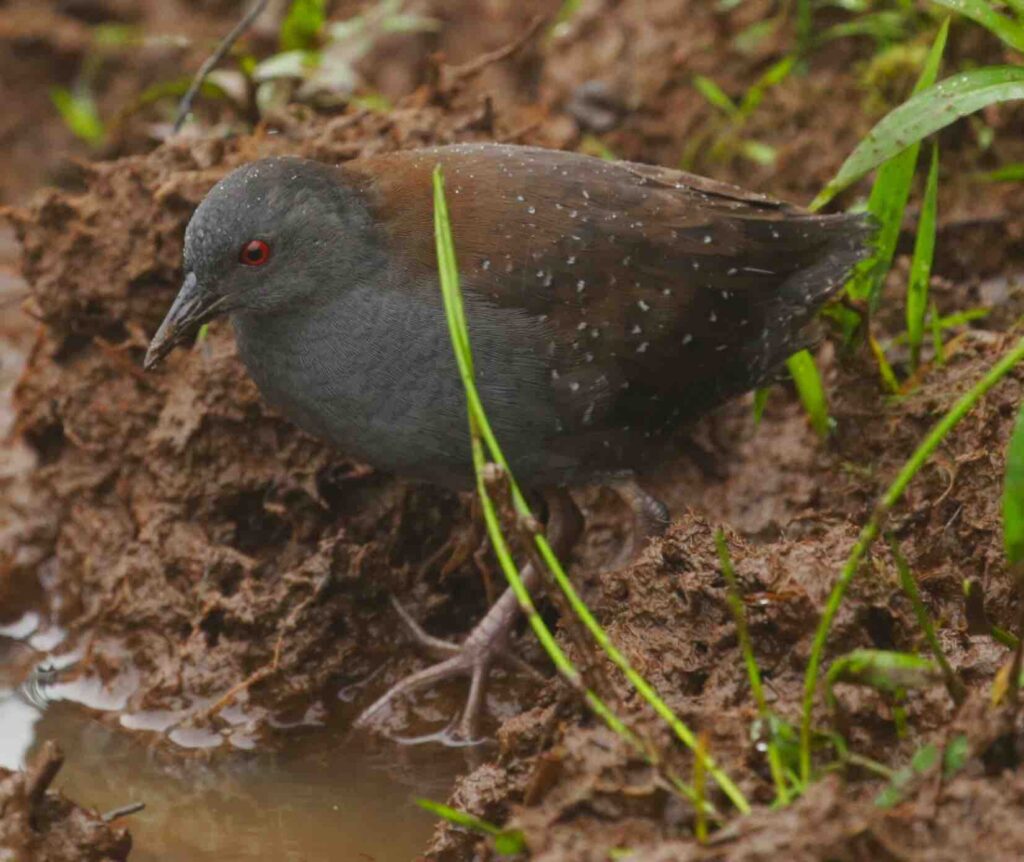
Despite their short evolutionary history, rails have colonized seven different islands spanning the entire width of the archipelago.
Sea surface microplastics in the Galapagos: Grab samples reveal high concentrations of particles <200 μm in size

Grabs reveal four-orders of magnitude greater microplastic abundances than tows. 44 % of microplastic particles in seawater grabs were <200 μm. Plankton tows (mesh size 200 μm) underestimate seawater microplastic concentrations.
Divergent responses of pelagic and benthic fish body-size structure to remoteness and protection from humans
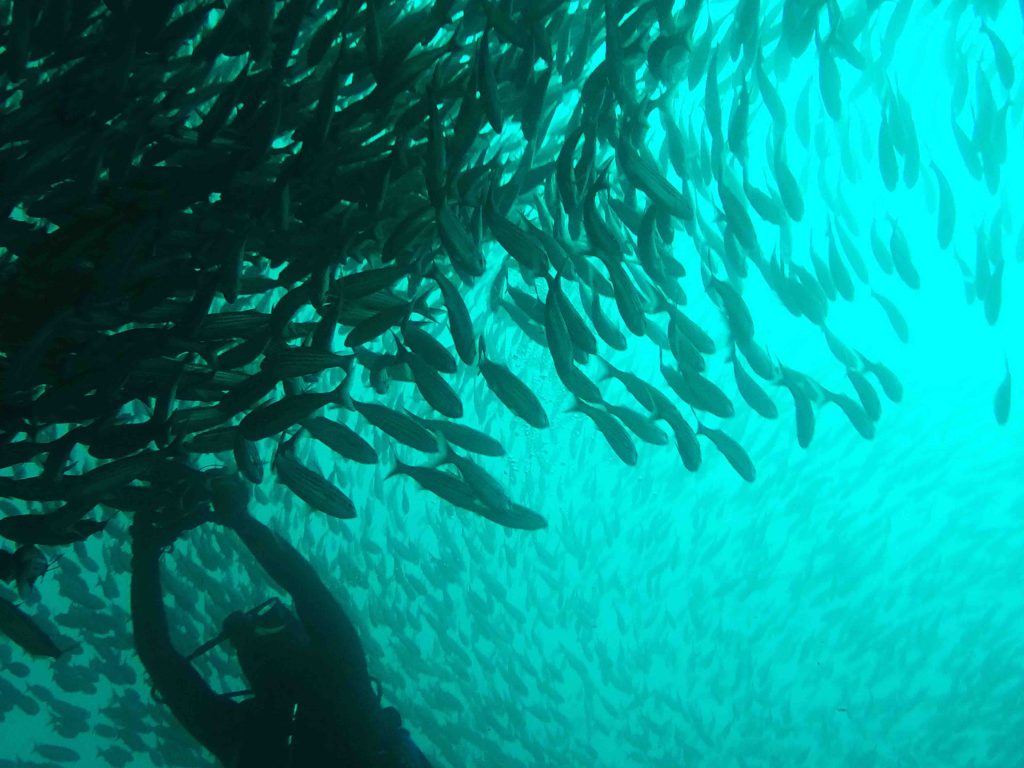
Marine megafauna are increasingly threatened and are difficult to protect. Understanding the influence of humans on body size in fishes is also challenging given that data on marine species often come from fishery-based activities.
Greenpeace´s Arctic Sunrise ship arrives in the Galápagos for research expedition
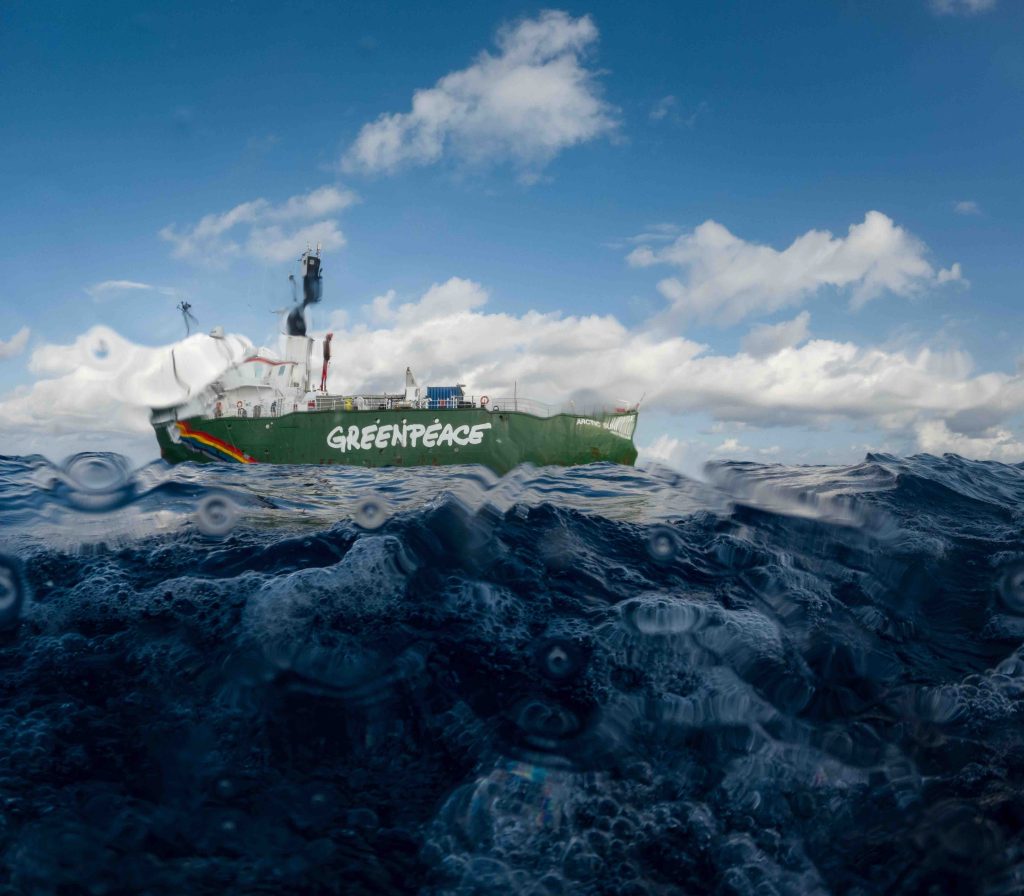
The Greenpeace ship Arctic Sunrise has embarked on a six-week expedition around the Galápagos Islands to showcase the amazing benefits of strong marine protection for one of the world’s most celebrated natural treasures and its iconic local species, and to support the urgent ratification of last year’s historic UN Ocean Treaty.
International Women´s Day: Celebrating the women behind the Galapagos Science Center
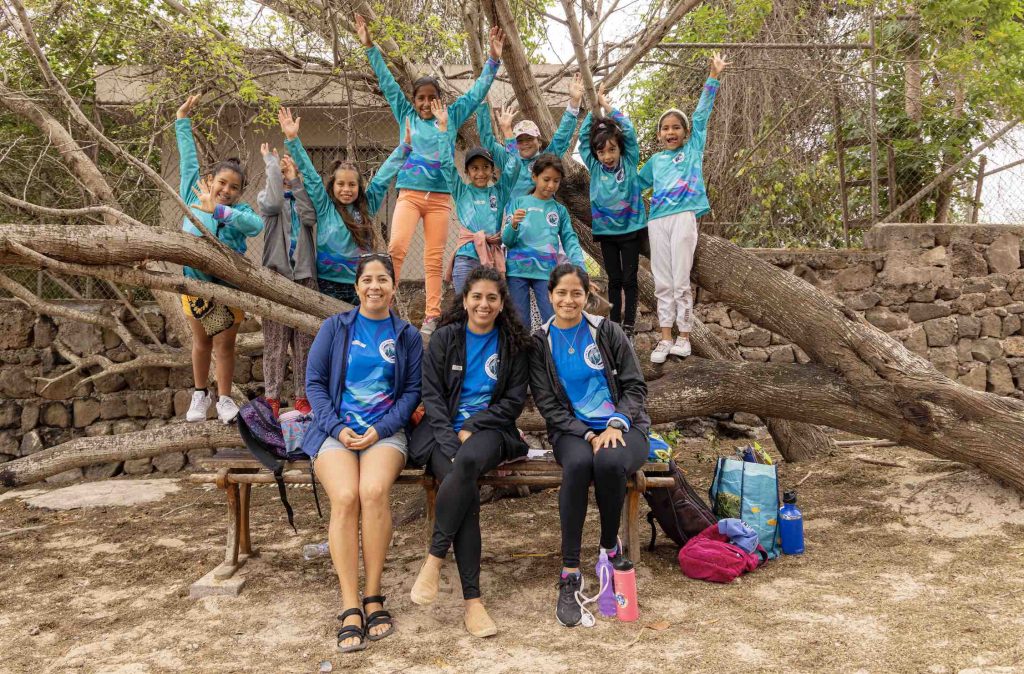
March 8 is International Women’s Day, a global day to celebrate the achievements of women everywhere, raise awareness about continued discrimination based on gender, and take action to promote gender parity. Since the GSC was founded in 2011, over 50 women have led research across more than 74 research projects.
DNA-metabarcoding supports trophic flexibility and reveals new prey species for the Galapagos sea lion
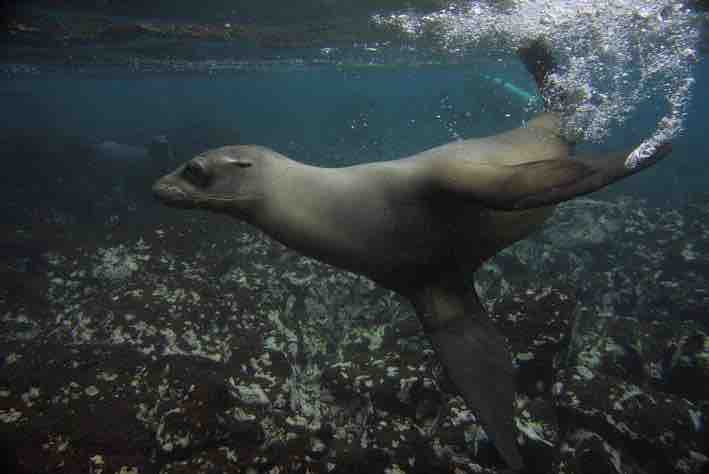
These findings provide evidence of Galapagos sea lion adopting a trophic flexibility to tune their diets to different ecological contexts. Tropical ecosystems are challenging for pinnipeds due to fluctuating food availability.
Novel herpesvirus in the critically endangered Galapagos pink land iguana
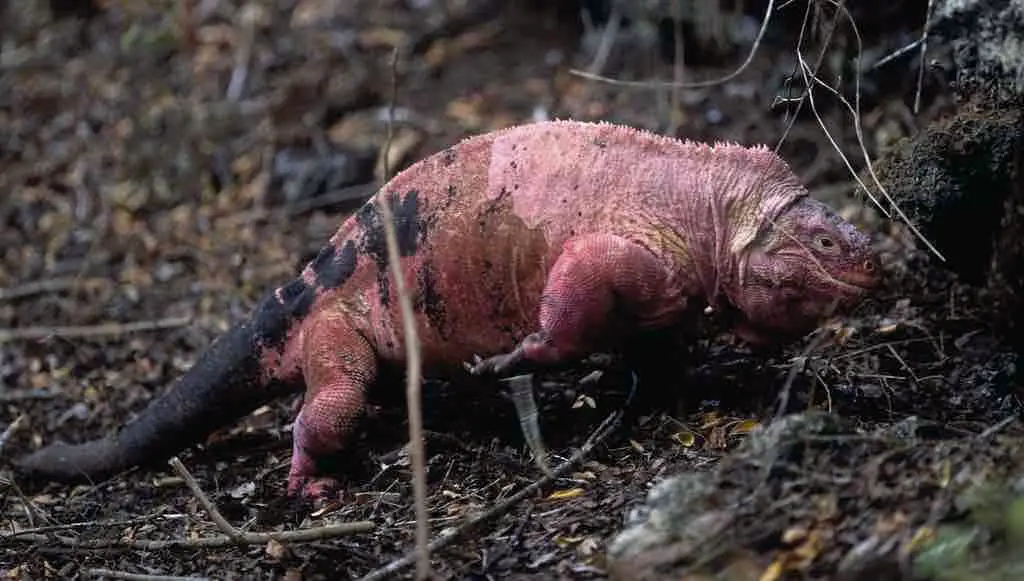
Virus surveillance in wildlife is important to understanding ecosystem health, taxonomy, and evolution. Nevertheless, viruses in reptiles, and specifically in squamates, continue to be understudied. We conducted a health assessment on the critically endangered pink land iguana.
Natural History and Conservation of the Galapagos Snake Rediation
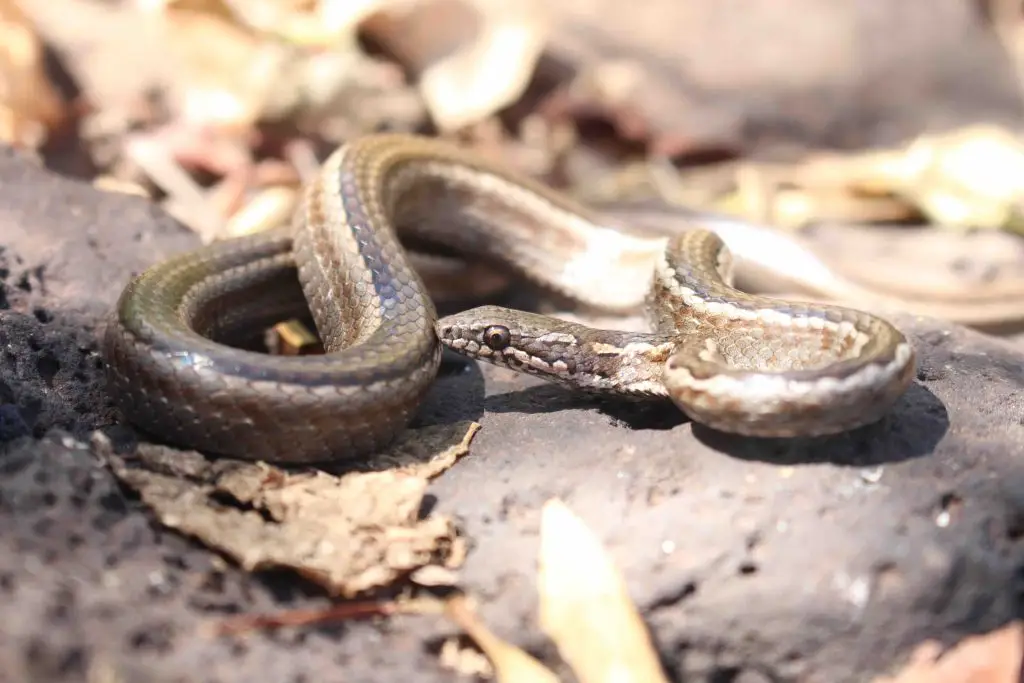
The Galapagos Archipelago has been world-famous since Darwin’s visit and is recognized for its species radiation and high levels of endemism. However, Galapagos snakes of the genus Pseudalsophis remained poorly known until recently.
Concentrations of lead in pinniped bones confirm Galapagos as a relatively unpolluted environment
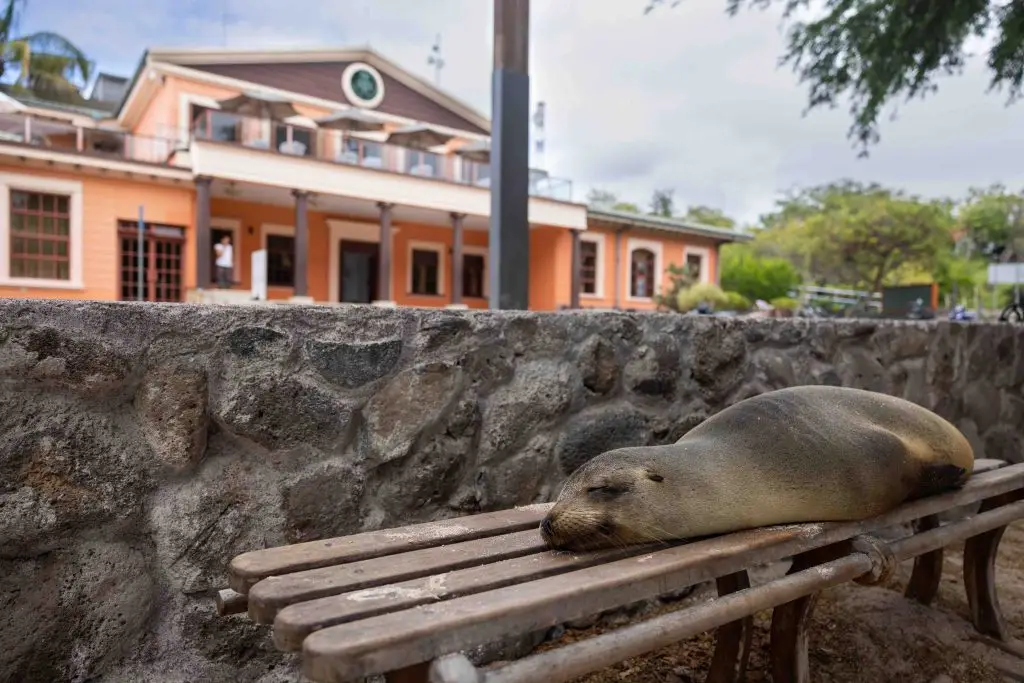
Lead (Pb) is a trace element that is naturally present in arid regions but it is also released to the marine environment by anthropogenic industrial emissions. Here, we assessed Pb concentrations in bone samples of four pinniped species.
Seroconversion in Galapagos Sea Lions (Zalophus wollebaeki) Confirms the Presence of Canine Distemper Virus in Rookeries of San Cristobal Island
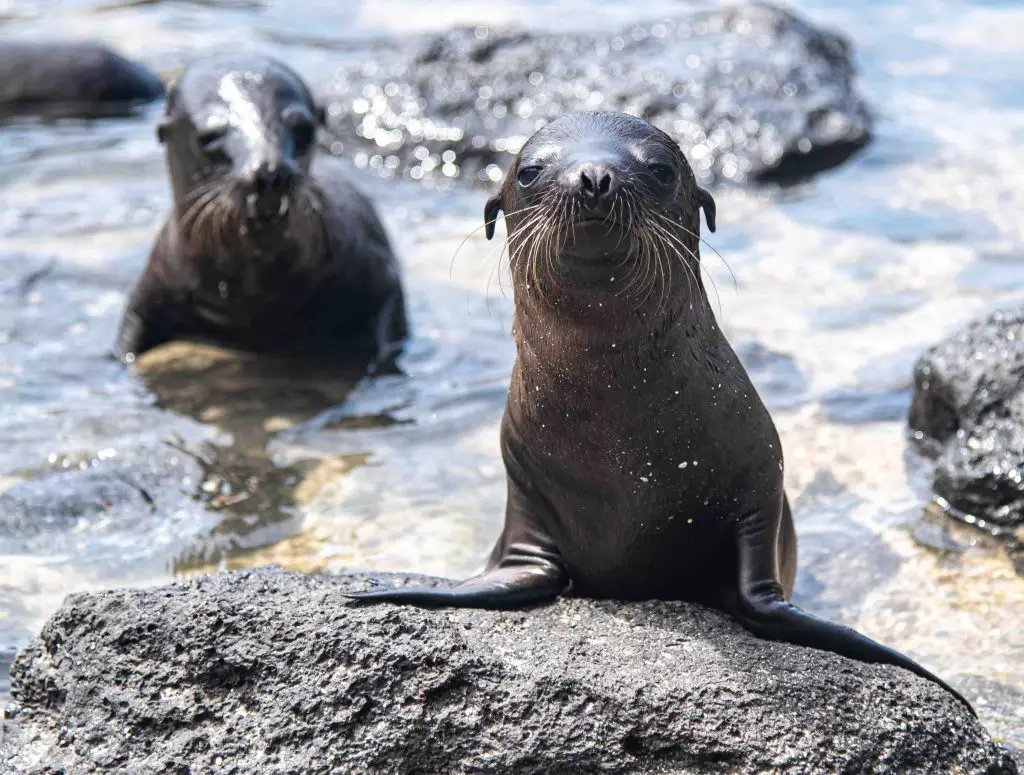
JThe emblematic Galapagos sea lion (GSL—Zalophus wollebaeki) has faced an important population decline over the last four decades.