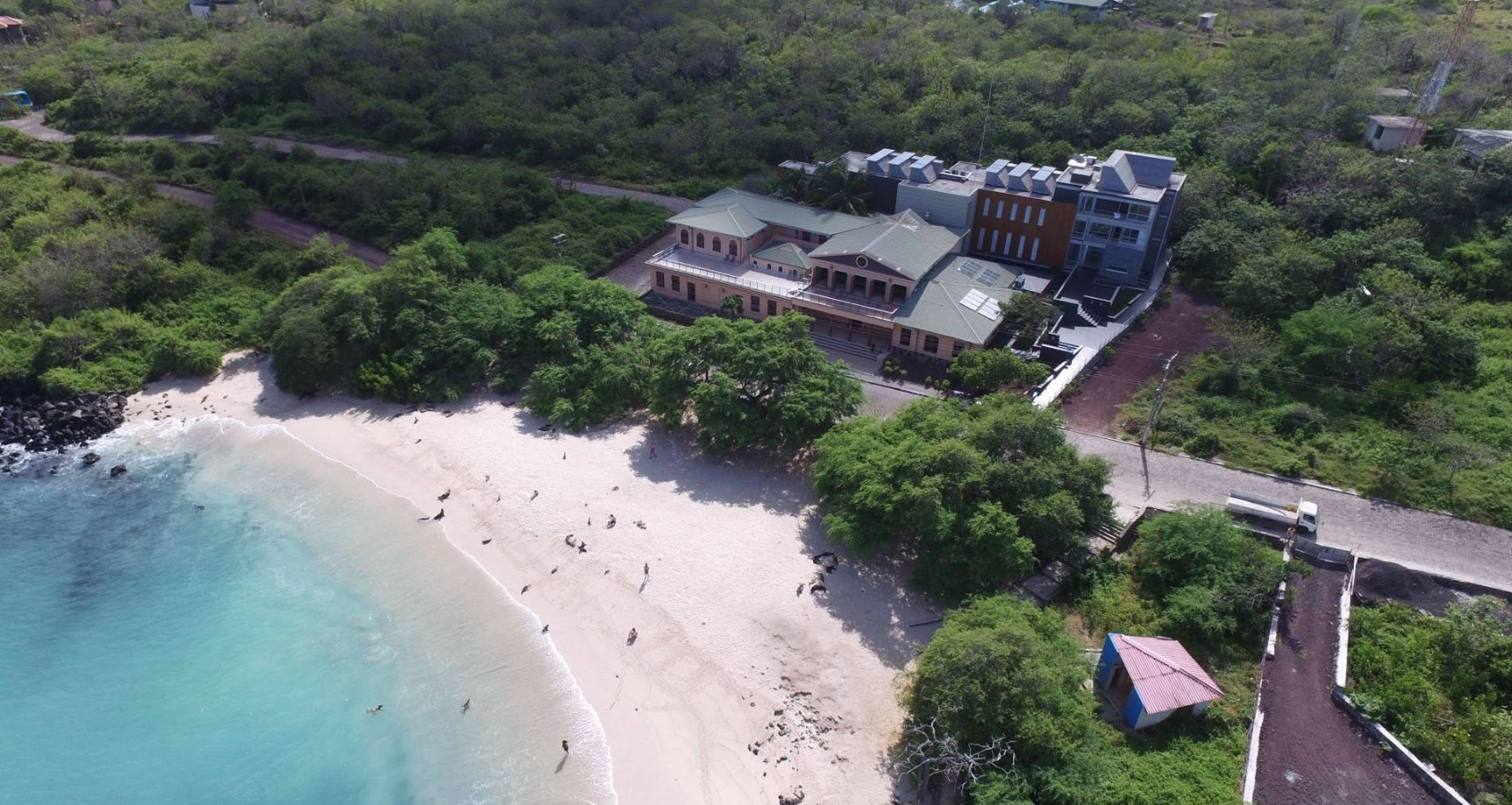
Detection and quantification of microplastic pollution in the endangered Galapagos sea lion
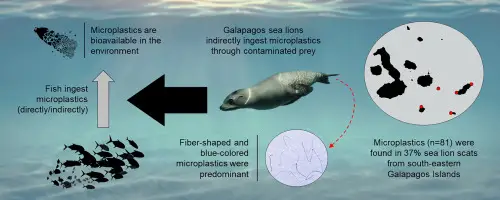
Marine debris pollution poses a significant global threat to biodiversity, with plastics being the primary debris type found in oceans due to their low-cost production and high demand worldwide.
Underwater kleptoparasitims on a human diver by a Galapagos Flightless Cormorant Nannopterum harrisi
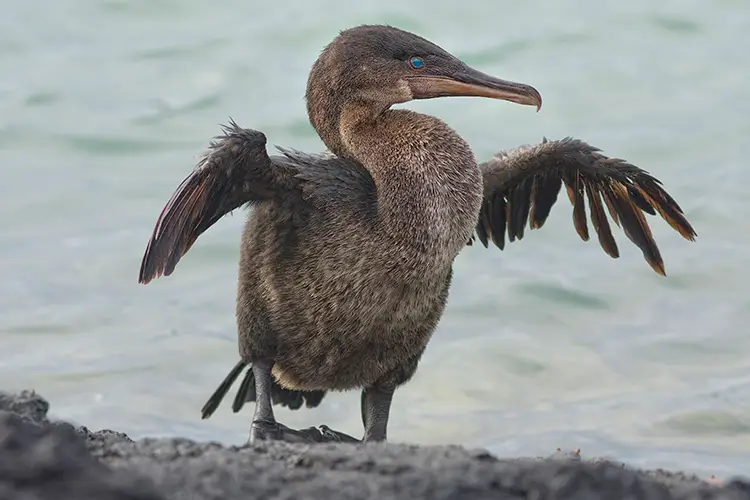
We describe underwater kleptoparasitism on a human diver by a Galapagos Flightless Cormorant Nannopterum harrisi, a behavior that has not been previously described for this species.
Water security and agricultural systems in the Galapagos Islands: vulnerabilities under uncertain future climate and land use pathways
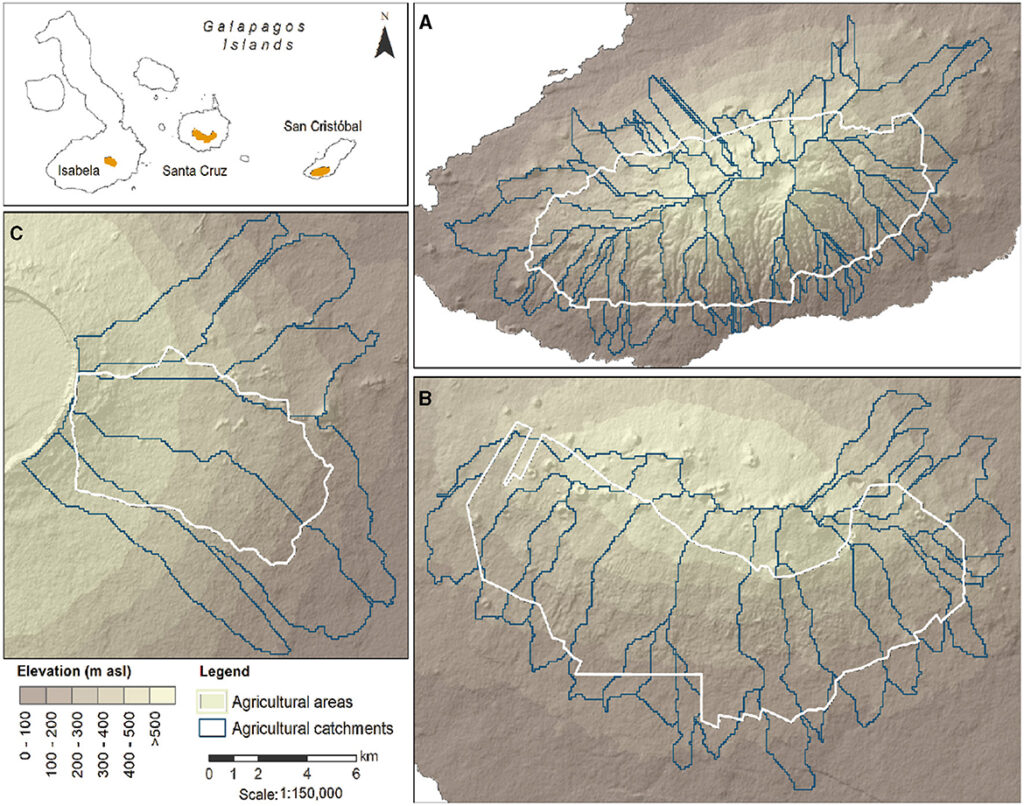
The Galapagos Islands, a hotspot of ecological richness, face challenging climatic and development conditions which undermine regional water security.
Health status of the red-billed tropicbird (Phaethon aethereus) determined by hematology, biochemistry, blood gases, and physical examination

The baseline data, and reference intervals reported in this paper are essential to detecting changes in the health of this seabird in the future.
Movement and vertical habitat use of yellowfin tuna Thunnus albacares in a vertical compressed habitat: the Galápagos Marine Reserve
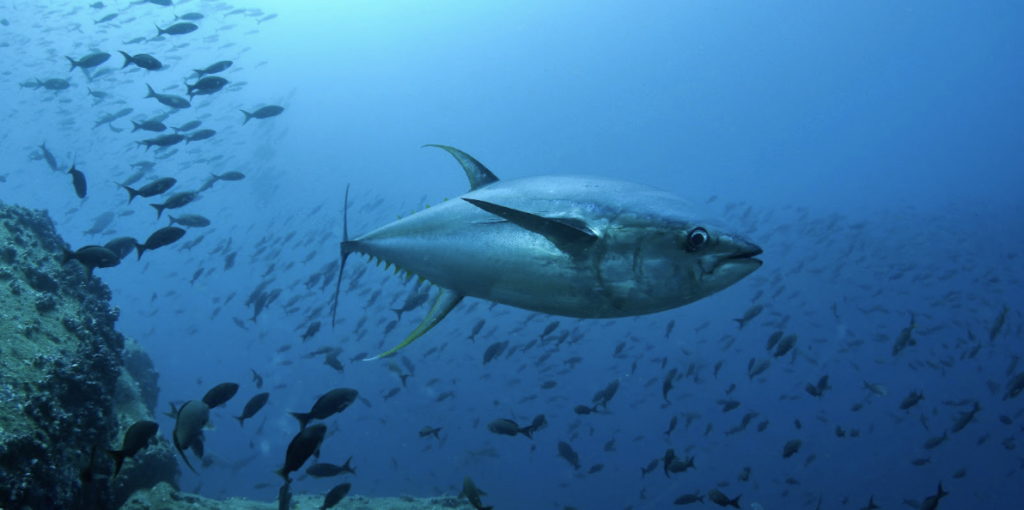
Tropical pelagic predators are exploited by fisheries and their movements are influenced by factors including prey availability, temperature, and dissolved oxygen levels.
Shark Day: 10 years celebrating the importance of protecting sharks and their habitat
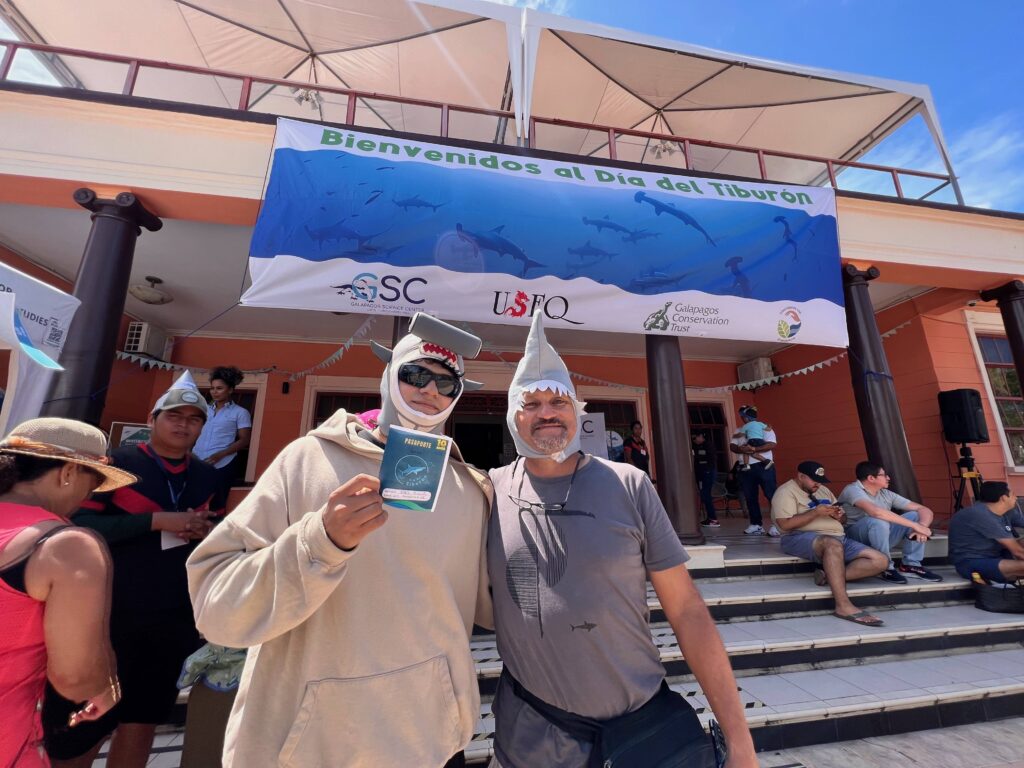
San Cristóbal community celebrates Shark Day. On Saturday, July 15th, over 520 people dressed in blue to celebrate Shark Day on San Cristóbal Island, an annual event dedicated to educating the local community about the importance of protecting for these marine animals.
What Darwin could not see: island formation and historical sea levels shape genetic divergence and island biogeography in a coastal marine species
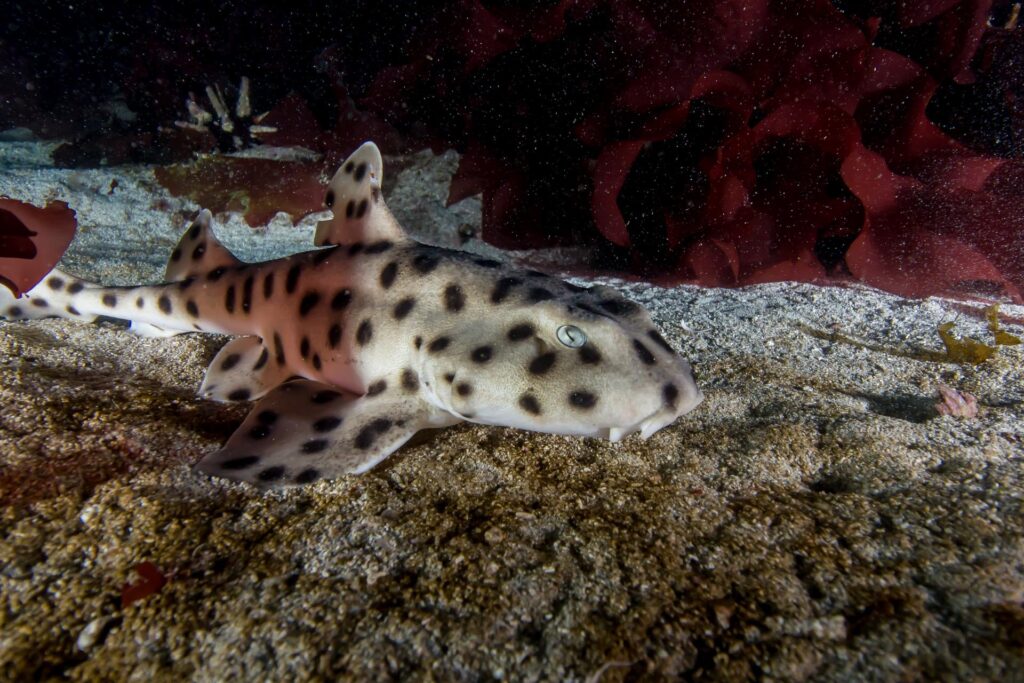
Oceanic islands play a central role in the study of evolution and island biogeography.
5th Galapagos Research and Conservation Symposium: Igniting solutions for the future of ecosystems and communities
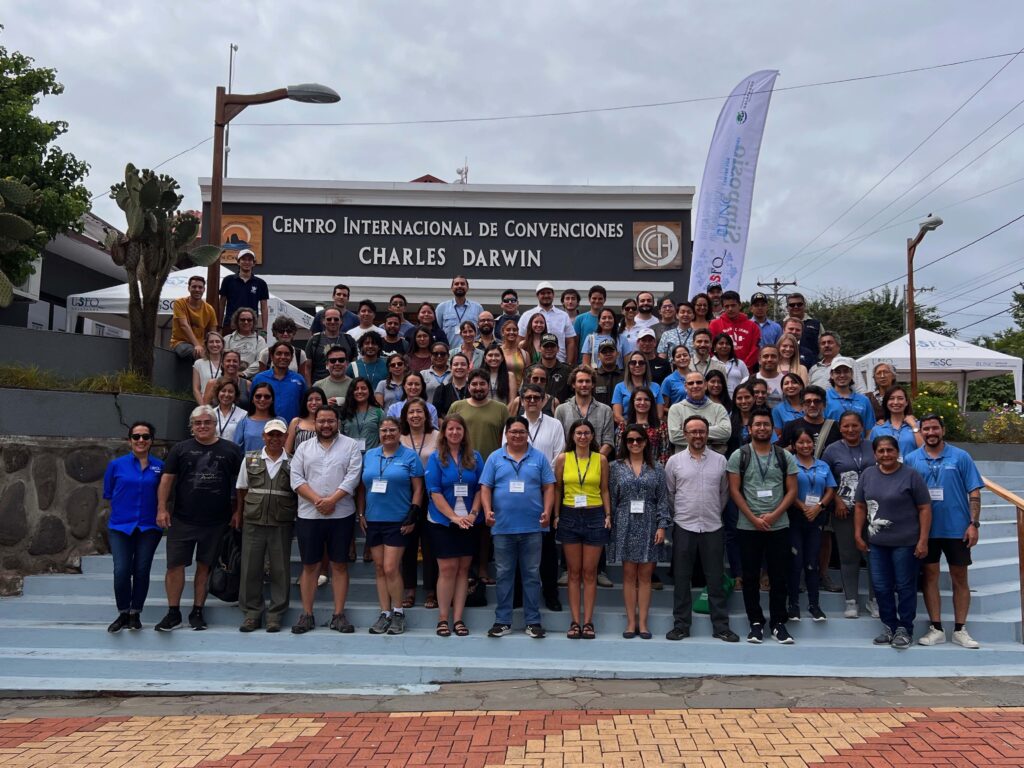
This multidisciplinary event was attended by 253 participants and showcased the most significant scientific research findings conducted in the region.
Galapagos Genetic Code (Barcode)
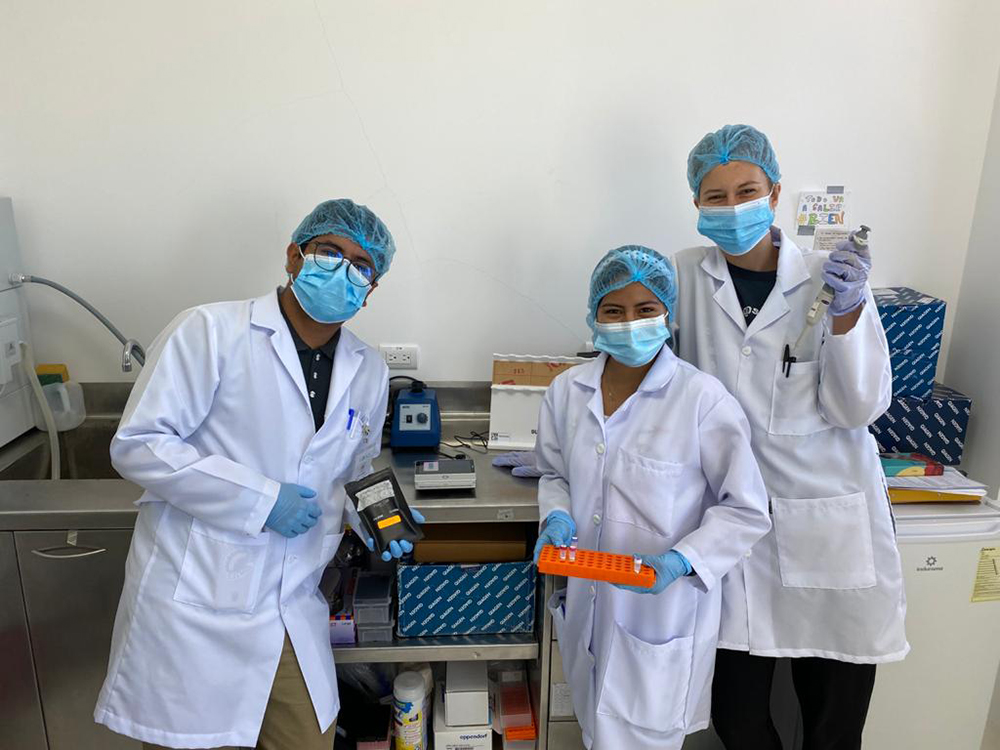
The Galapagos Genetic Code project was created through collaboration between the Galapagos Science Center, the Universidad San Francisco de Quito, the University of Exeter in the UK, the Agency for Regulation and Control of Biosafety and Quarantine for Galapagos, and the Galapagos Conservation Trust. Project aims to catalog the biodiversity of the Galapagos Islands.
Genomic evidence for homoploid hybrid speciation in a marine mammal apex predator
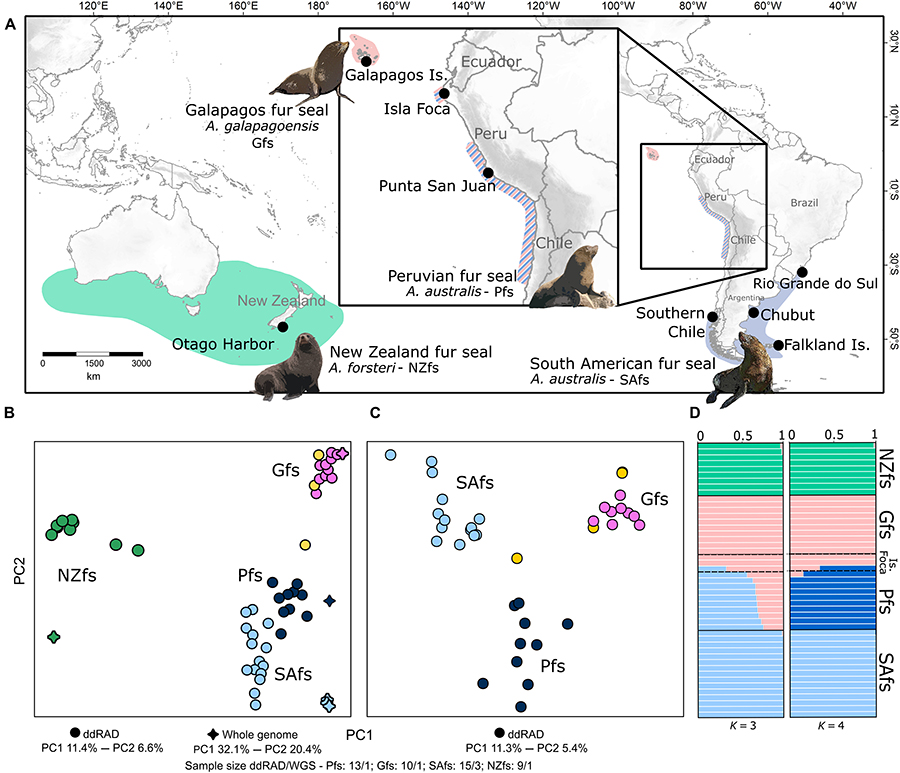
Hybridization is widespread and constitutes an important source of genetic variability and evolution. In animals, its role in generating novel and independent lineages (hybrid speciation) has been strongly debated, with only a few cases supported by genomic data.