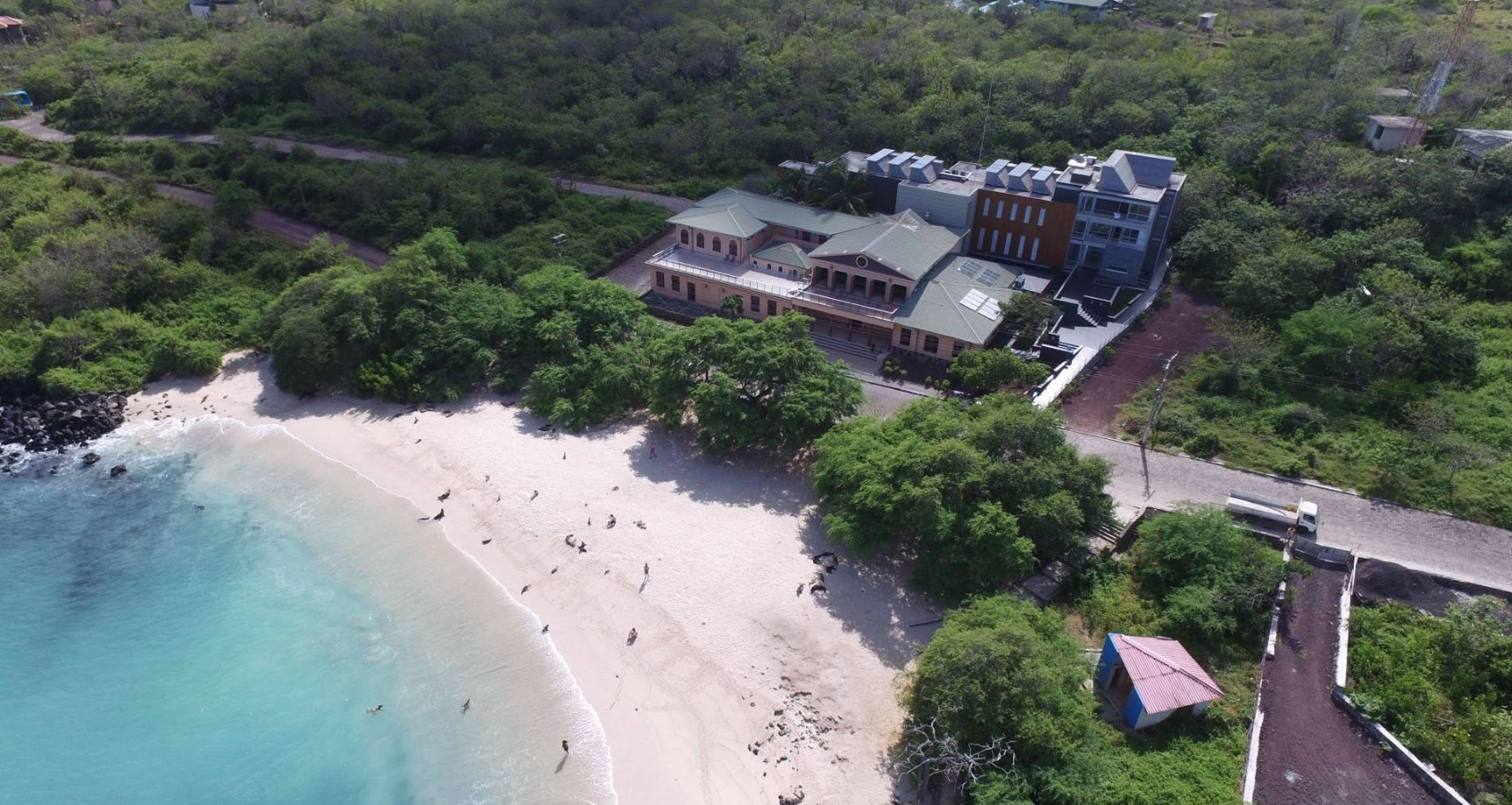
A team of student journalists from UNC Hussman School of Journalism will develop stories about the community of Puerto Baquerizo Moreno in the Galapagos
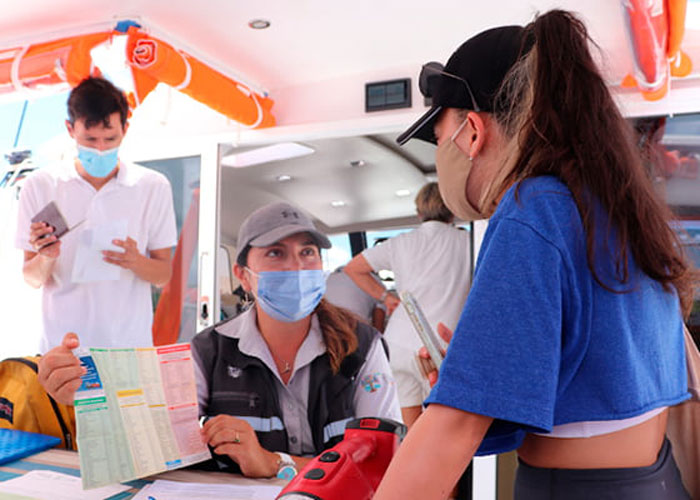
Journalist and professor Patrick Davison led a group of students to visit San Cristobal Island, Galapagos as part of the UNC Global Storytelling program.
The GSC biobank will form one of seven bio centers that will guard the genetic resources of the existing biodiversity in Ecuador
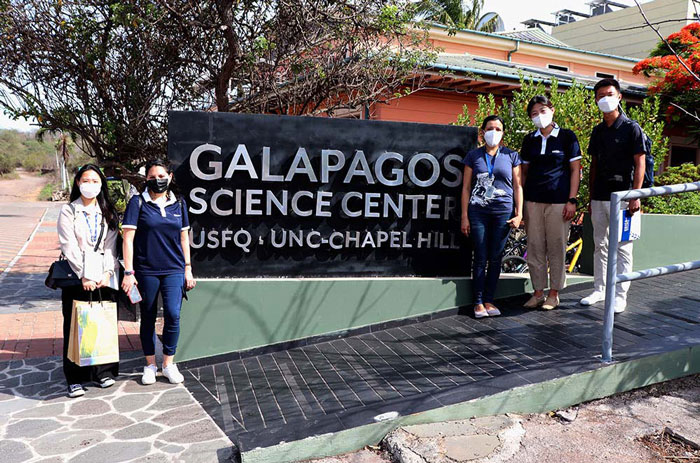
On January 26th, the Galapagos Science Center (GSC) welcomed representatives of the Korea International Cooperation Agency (KOICA) including Hyeyoung Lee, Moondo Kim, and Daniela Chávez.
GSC Researcher Alex Hearn contributes to the creation of the Hermandad Marine Reserve in Galapagos
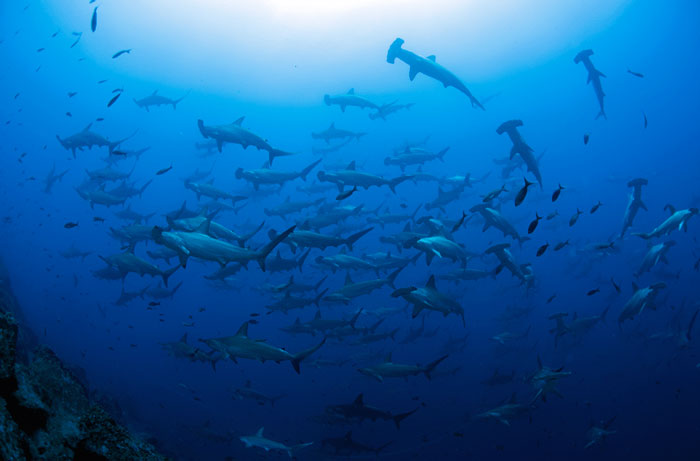
Dr. Alex Hearn, professor of Biology at Universidad San Francisco de Quito (USFQ) and scientist at the Galapagos Science Center (GSC), has studied the migratory patterns of threatened species located in the Eastern Pacific Ocean.
Alex Hearn y sus aportes en la creación de la reserva marina Hermandad en Galápagos
El 14 de enero del presente año, el presidente de Ecuador Guillermo Lasso, firmó el Decreto Ejecutivo No. 319 que oficializó la suscripción de los 60.000 km2 que se suman a la actual Reserva Marina de Galápagos (RMG), reconocida como santuario de vida marina por la gran biodiversidad que alberga.
“Let’s Stop Inva-Zor” inspires and teaches many Cristobaleños about how to combat invasive species that put Galapagos at risk
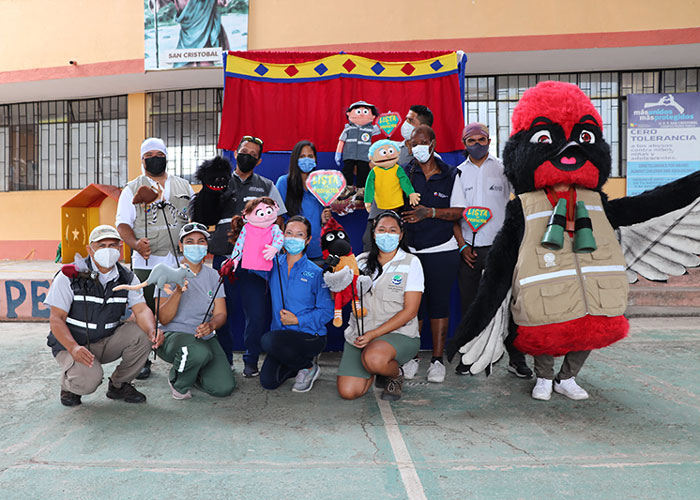
In the first week of February 2022 the fabulous puppet show titled “Let’s Stop Inva-Zor” was performed to an audience that included all the educational institutions of San Cristobal.
The Drone, an effective and minimally invasive research tool, helps to map invasive plant species in Galapagos
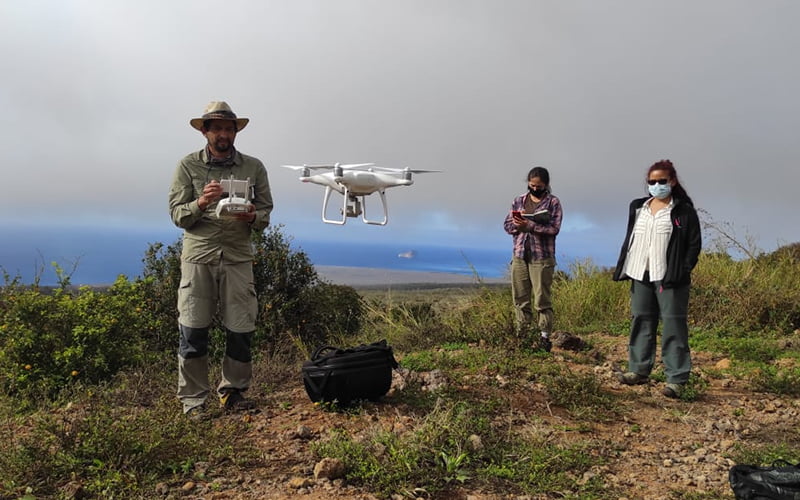
Although the main objective of this research is to map the presence and absence of Leucaena leucocephala before it is considered a pest, also seeks to know the perception and use that people have of this species.
Marine barriers regulate the genetic exchange of sharks and rays
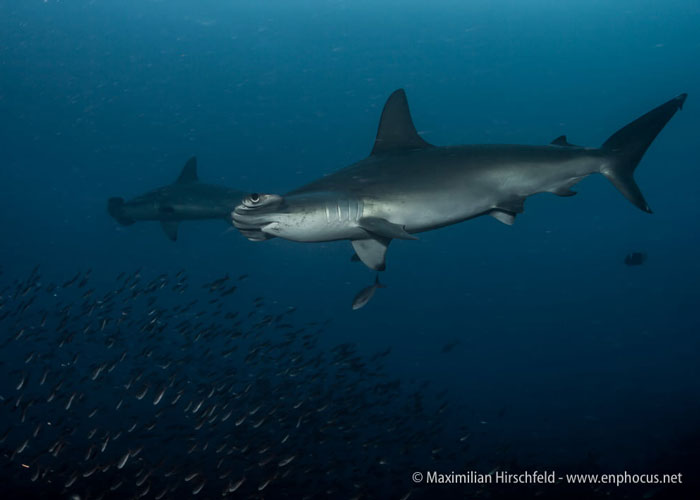
Have you ever heard of elasmobranchs? Well, they are sharks and rays that are found distributed in the seas around the world. Elasmobranchs live in different habitats, from tropical reefs to deep polar waters, which makes them very interesting species for scientific research.
How Coffee Brought Together Agriculture, Conservation and Economic Recovery in Galapagos
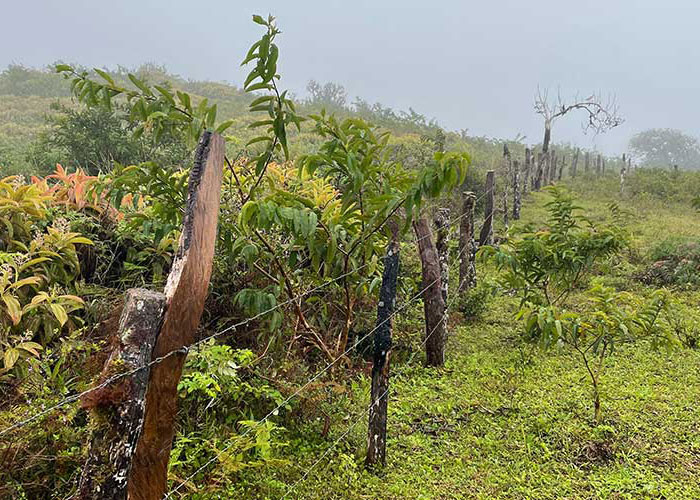
Last year, UNC Center for Galapagos Studies, Universidad San Francisco de Quito and the Galapagos Science Center created REACCT which funded 7 local proposals. Nicolas’ project, titled “Reforesting My Island,” was one of the funded projects.
Researchers continue vital work at Galapagos Science Center
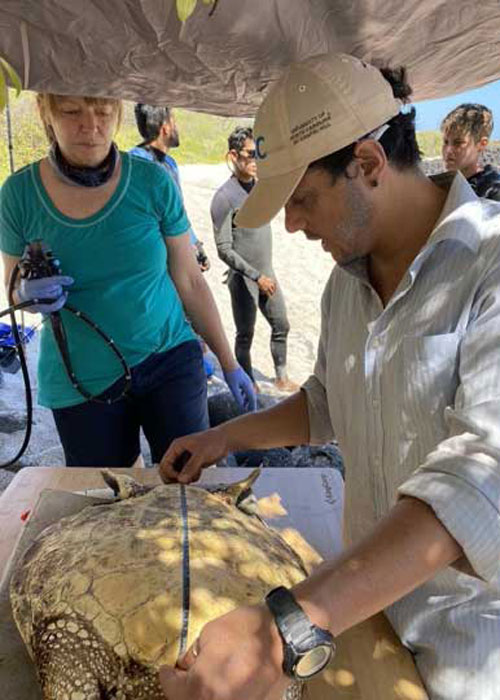
Lewbart has conducted research at the Galapagos Science Center since its inception almost 10 years ago and has made 21 trips to the Galapagos over the years. Many of these were as part of an international team of researchers that helped to establish baseline health parameters for various wild species in the archipelago.
The time is now to tackle climate change
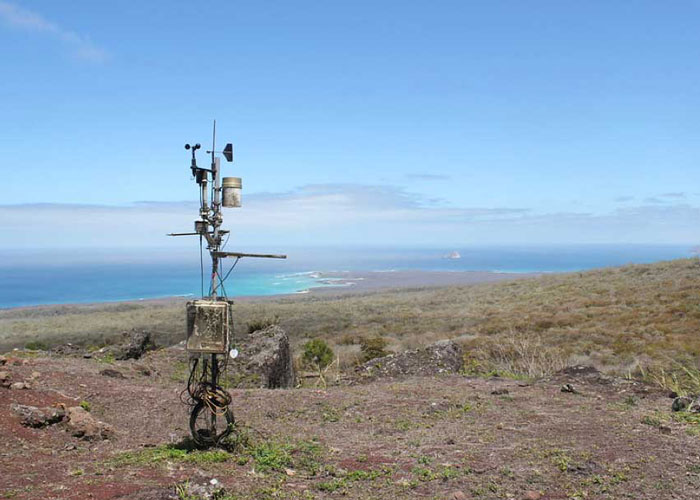
Historically, the Galapagos Islands have been used for studies in a variety offields. However, when we talk about climate change and its repercussions on ecosystems, population, and infrastructure of the islands, little is known. This research confirms that knowing the different trends of climate change is of utmost importance.