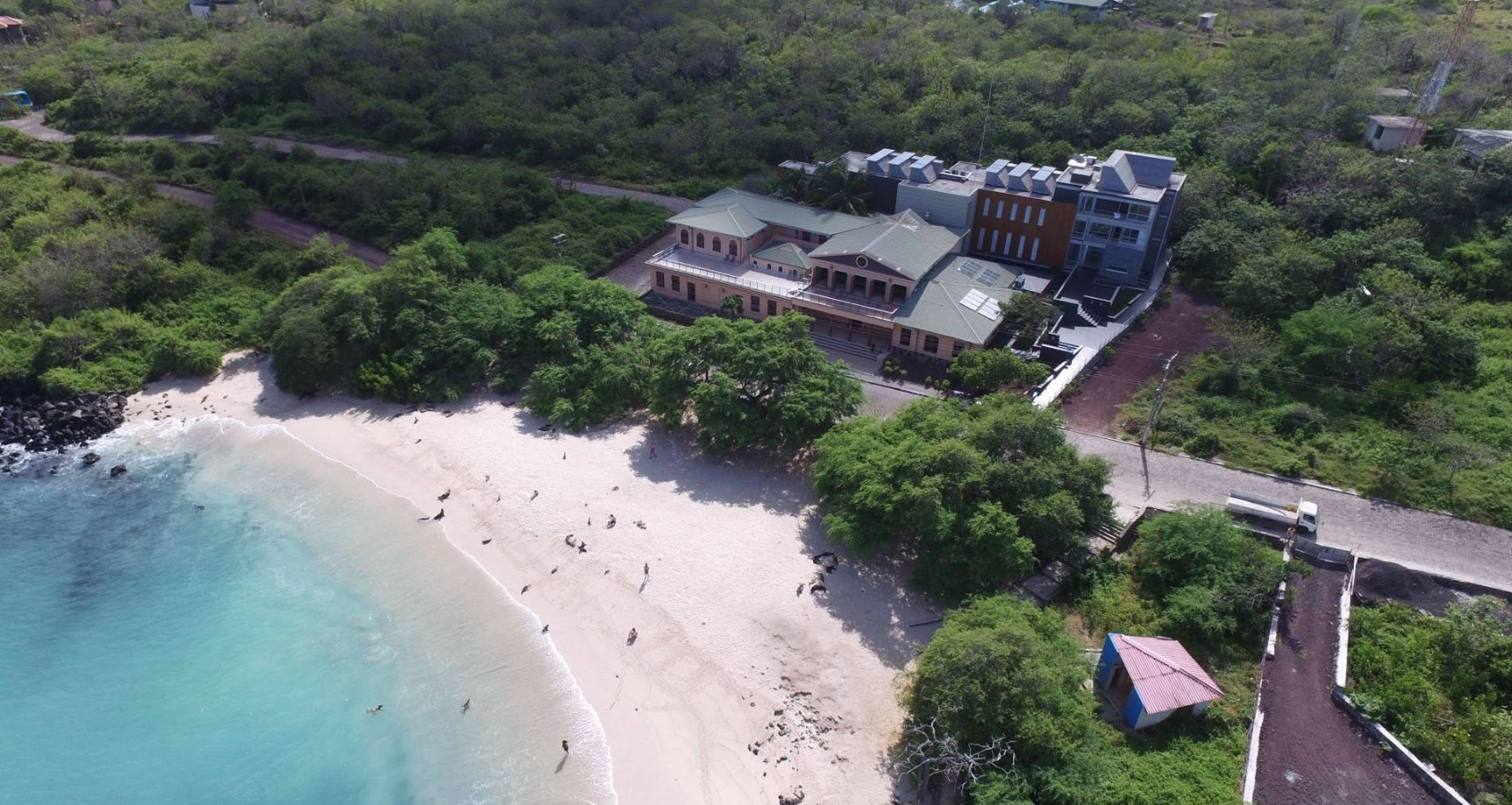
Exploring prenatal stress and its influence on maternal placental physiology and infant development in Galapagos

This paper looked at 24 mothers and infants in Galapagos and highlights how prenatal stress influences maternal placental physiology and infant development. To our knowledge, this is one of the first studies of this kind.
Darwin and Wolf, The home of the Vampire Finches
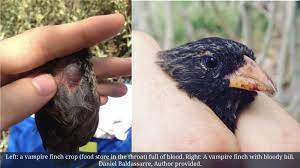
Jaime Chaves, professor at the Universidad San Francisco de Quito and a researcher at the Galapagos Science Center (GSC), has been studying finches in the Galapagos Islands for several years. A few days ago, along with Kiyoko Gotanda and Daniel Baldassarre, he published the article titled, “Vampire finches: how Galapagos birds evolved to drink blood” in the digital magazine, The Conversation.
Darwin y Wolf, el hogar de los Pinzones Vampiro
Jaime Chaves, profesor de la Universidad San Francisco de Quito e investigador del GSC, lleva varios años estudiando pinzones en las islas Galápagos y hace pocos días, él en compañía de Kiyoko Gotanda y Daniel Baldassarre, publicaron el artículo titulado, “Pinzones vampiros: como los pajaritos de Galápagos evolucionaron para beber sangre” en la revista digital, The Conversation.
Scalloped hammerhead shark (Sphyrna lewini) travels more than 1,200 km from Golfo Dulce, Costa Rica’s South Pacific, to the iconic Darwin Arch in the Galapagos Islands, Ecuador.
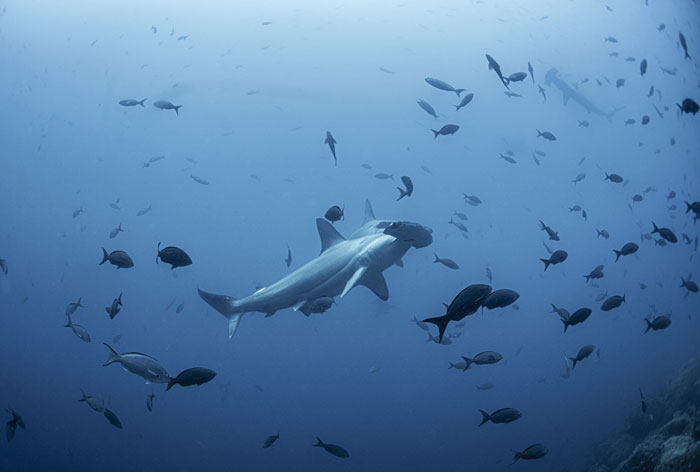
The shark named “Banco” was tagged with an internal acoustic transmitter on the night of August 21.
Analysis of the iconic plant radiation of the Galapagos Endemic Genus Scalesia
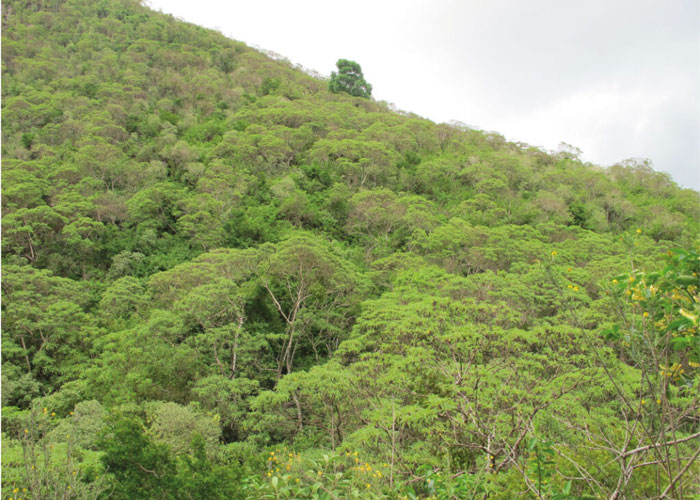
Island radiations can provide key insights for understanding rapid speciation (formation of new, distinct species), including evolutionary patterns and the processes behind them.
Scientists analyze the health of the Galapagos shallow-tailed gull
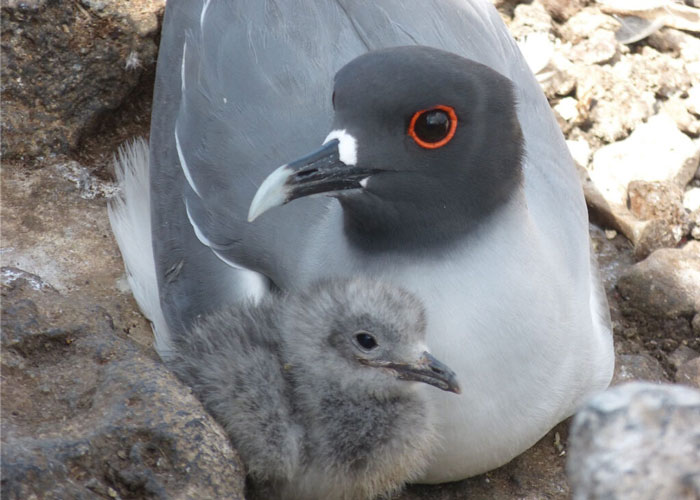
“Baseline hematology, biochemistry, blood gas values and health status of the Galápagos shallow-tailed gull (Creagrus furcatus)”, a research based on the study of a seabird, endemic to the Galapagos archipelago. Historically, health, blood chemistry, and hematology parameters have not been published for this species.
The Galapagos Science Center performs health evaluations on 36 turtles as support to The Galapagos National Park prior to their release
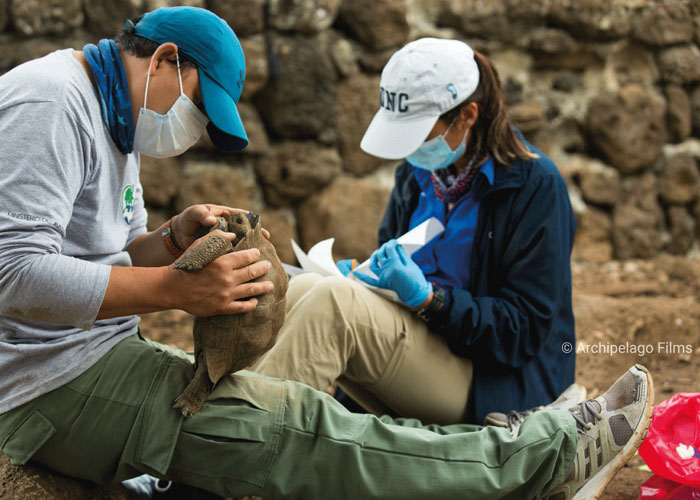
The objective of this activity was to evaluate the health status of the specimens so that the Galapagos National Park Direction could carry out the reintroduction to their natural habitat, ensuring their survival.
New Gecko Species in Galapagos
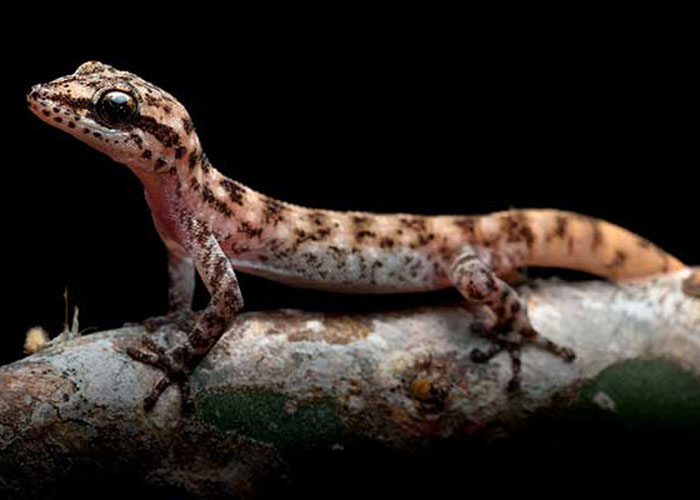
Meet three new endemic Galapagos gecko species!
Thanks to research by Tropical Herping and Galapagos Science Center under Galapagos National Park Directorate permit PC-54-18, Galápagos has two new gecko species and a third elevated from sub-species to species status!
Previously, scientists thought the third new gecko species was a subspecies.
First Ever Maps of AgroEcosystems in Galapagos by UNC and USFQ Researchers
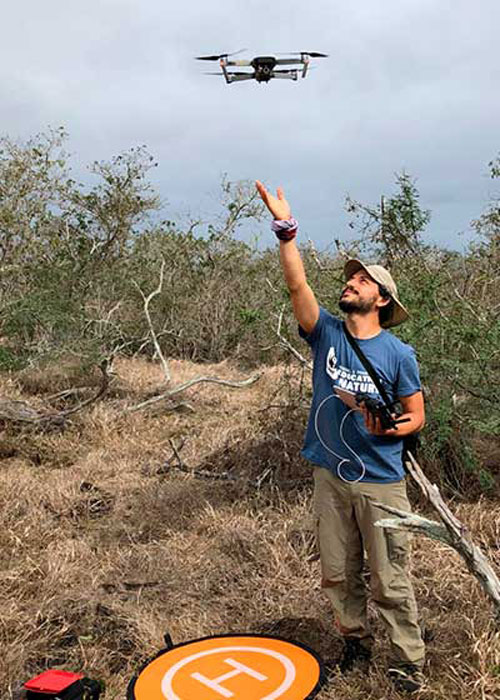
What percentage of land cover is dominated by invasive plants in the highlands of the four inhabited Galapagos Islands? It´s 28.5% according to new maps generated by an international research team based between the UNC at Chapel Hill, USFQ in Quito and GSC.
Summary of PI Amanda Thompson’s study on immune development and gut microbiome in Galapagos
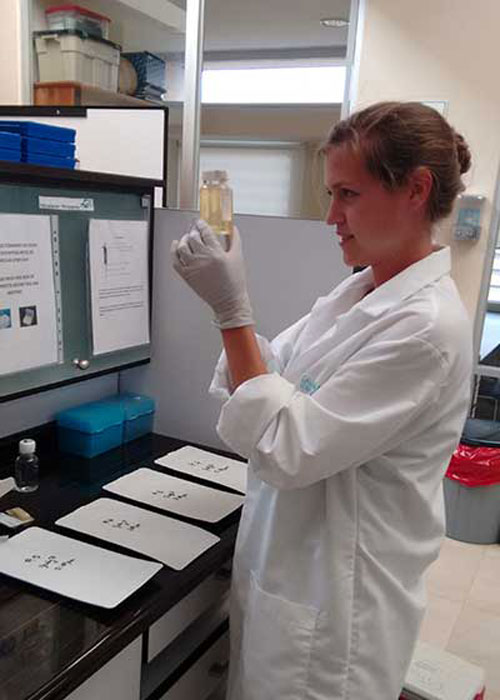
GSC Researcher Amanda Thompson, based at the University of North Carolina at Chapel Hill, along with three other collaborators, published an article about human health in Galapagos in the American Journal of Human Biology.