New nursery for vulnerable hammerhead shark discovered in Galápagos

Scientists on a Greenpeace expedition in the Galápagos Marine Reserve believe they have found what could be the first known smooth hammerhead shark nursery in the region after observing several young pups. The team was also able to track a subadult smooth hammerhead.
Kenan Galapagos Fellows Program Launches Fall 2024
William R. Kenan, Jr. Charitable Trust awards UNC Center for Galapagos Studies to launch fellowship program. This grant not only equips the next generation of students and researchers with the experiences and ability to play a significant role; it encourages others to consider supporting our center to create even broader impact.
Tourists´ willingness to fund local investments in renewable energy: A contingent valuation study from the Galápagos Islands
Developing areas need alternative sources to fund renewable energy projects. Contingent valuation is applied to elicit tourists’ willingness to donate.
Scientists and NGOs call for Ecuador, Panama, Costa Rica and Colombia to ratify the UN High Seas Treaty to deliver 30×30 in the High Seas
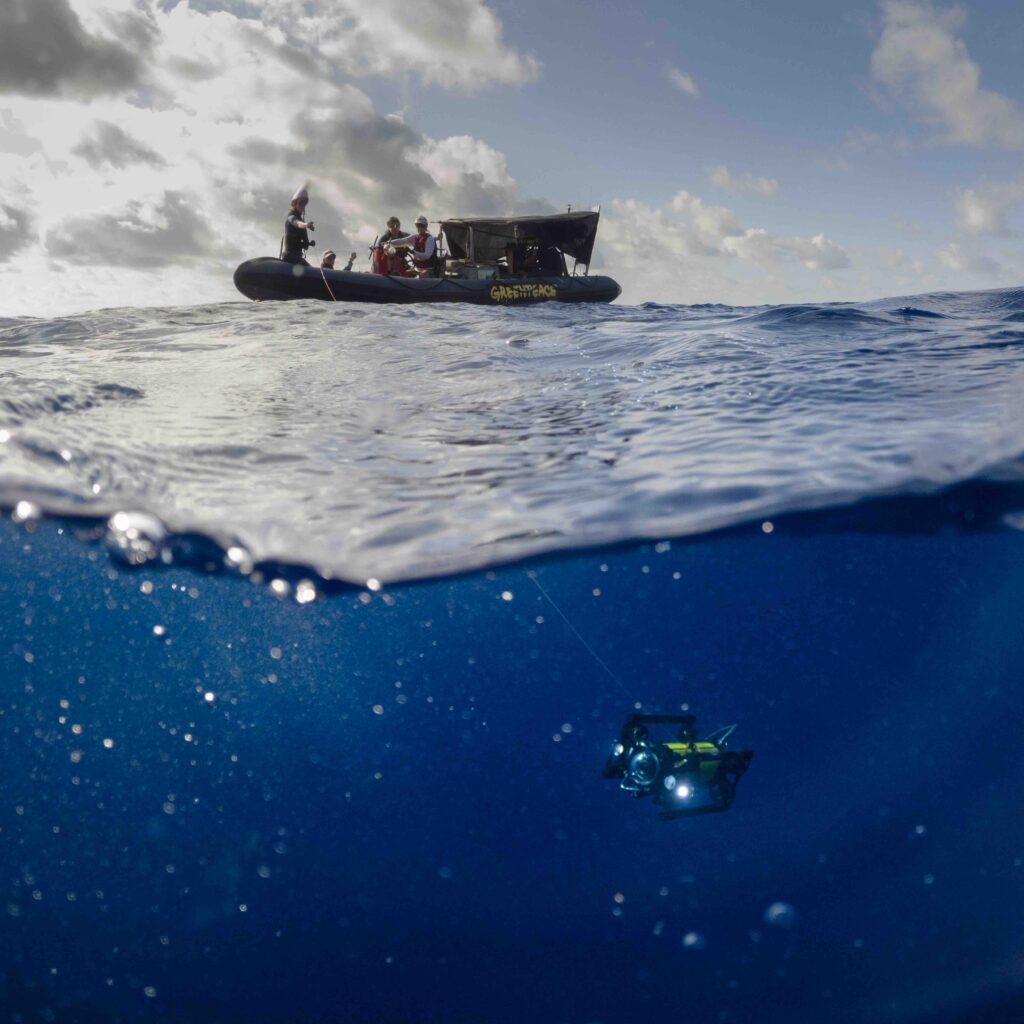
The Galapagos Marine Reserve is one of the best examples of marine protection. Ratify the UN High Seas Treaty as a matter of urgency, and commitment to leveraging it in order to protect the high seas in areas of common interest.
Plastic pollution transcends marine protected area boundaries in the eastern tropical and south-eastern Pacific
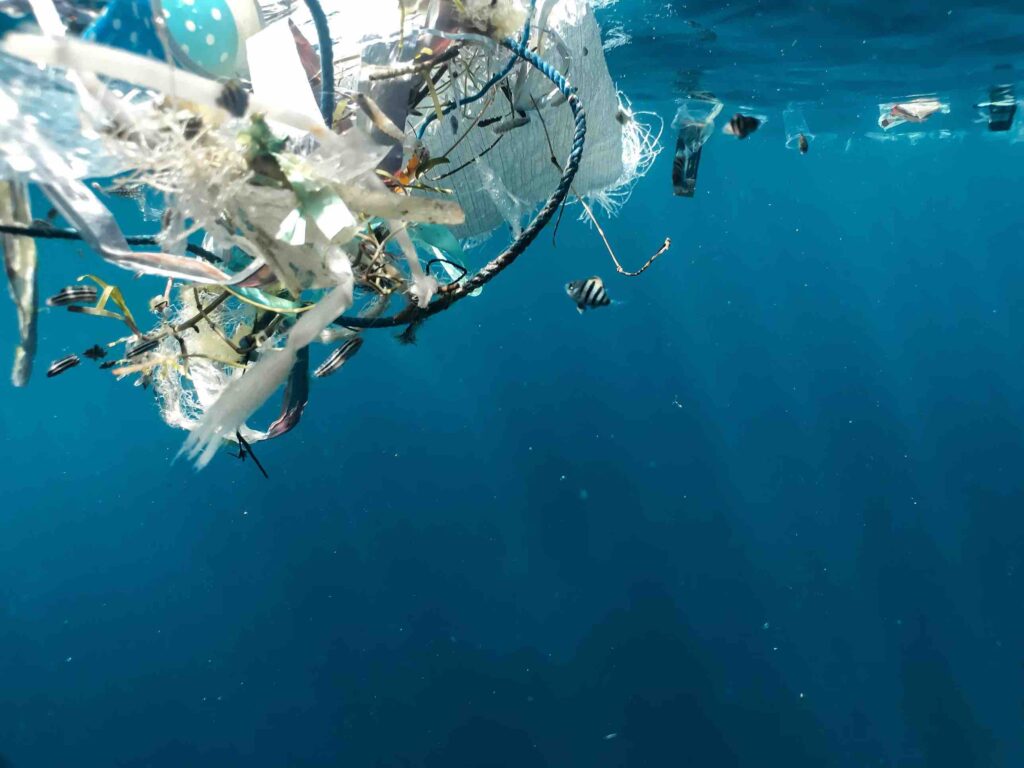
Analysis of 430 sites to assess plastic pollution in ET/SE Pacific. No significant difference in plastic levels inside / outside of Marine Protected Areas.
Connecting with Nature Program (CWNP): Five years bridging science and community
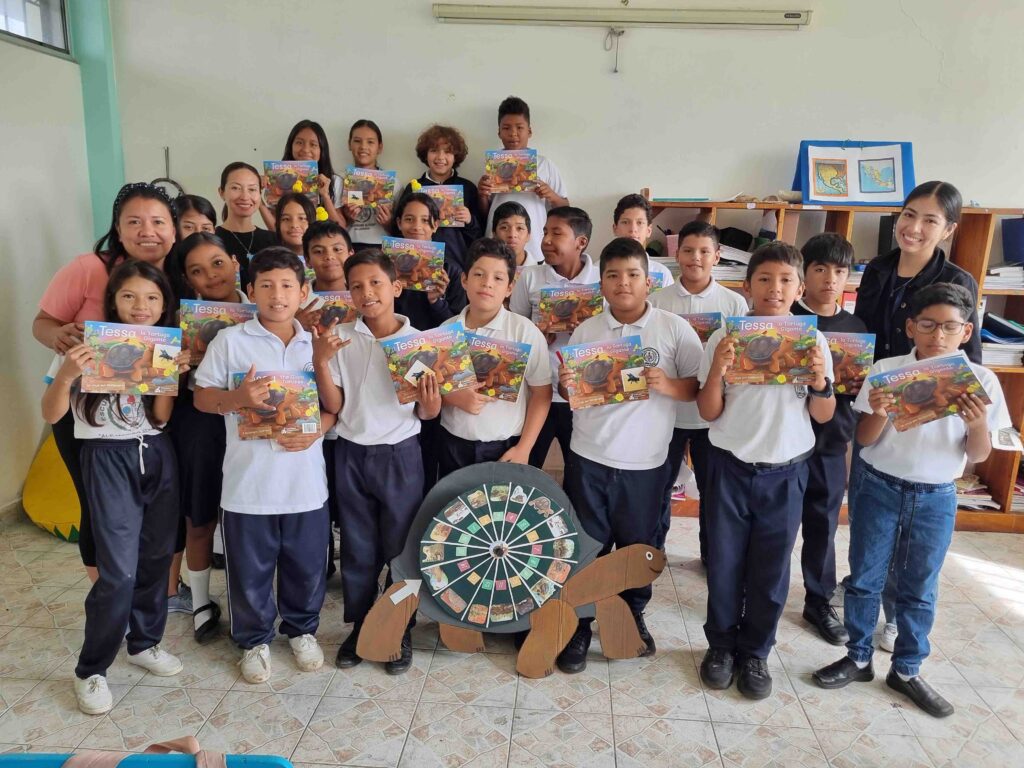
Did you know that more than 8,000 local people have participated in community engagement activities created by the Galapagos Science Center? In 2019 as a joint initiative of the Galapagos Science Center (GSC) and the Galapagos Conservation Trust (GCT).
Whole-genome analysis reveals the diversification of Galapagos rail (Aves: Rallidae) and confirms the success of goat eradication programs
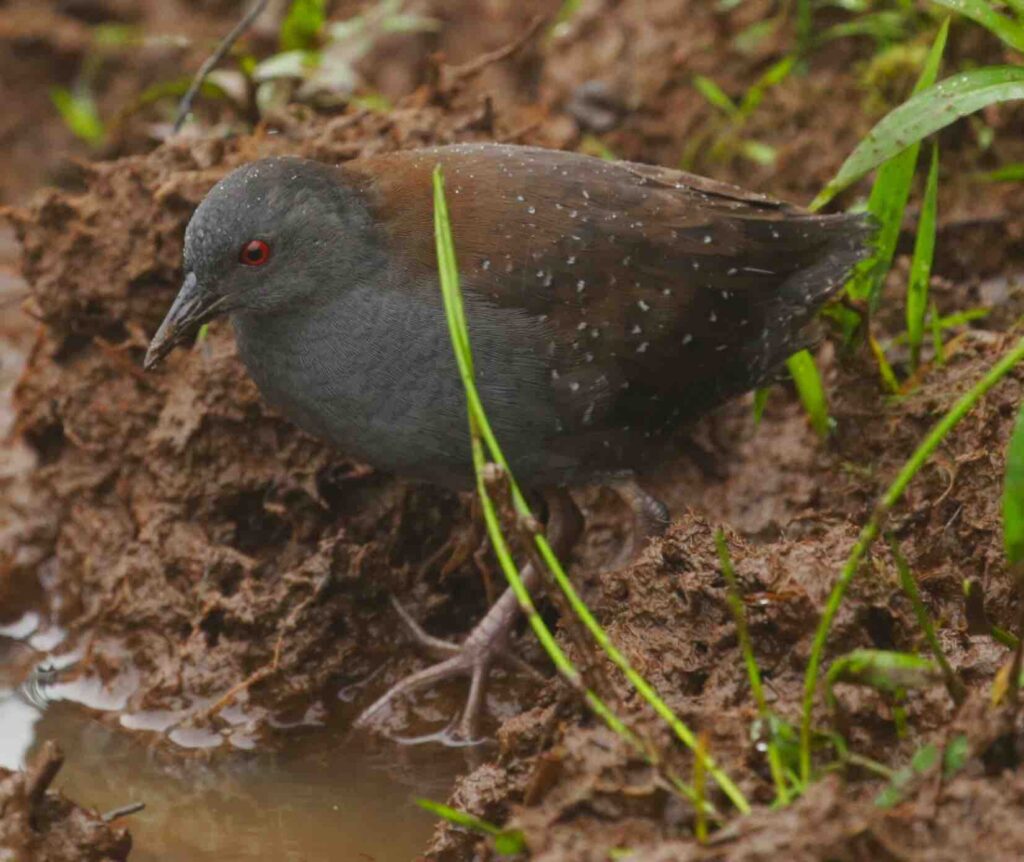
Despite their short evolutionary history, rails have colonized seven different islands spanning the entire width of the archipelago.
Sea surface microplastics in the Galapagos: Grab samples reveal high concentrations of particles <200 μm in size
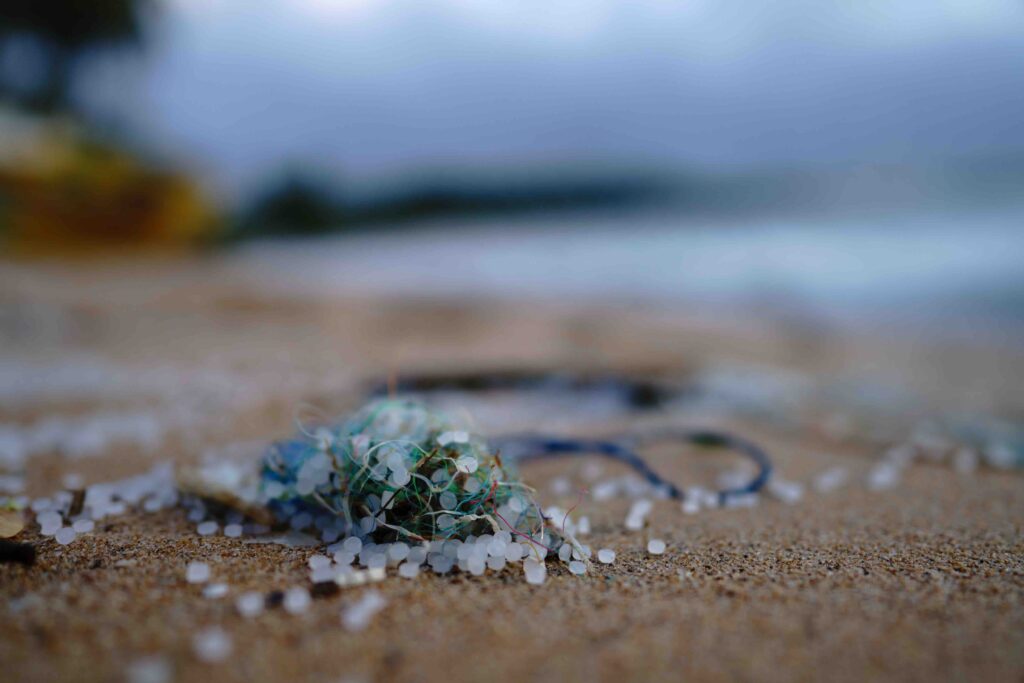
Grabs reveal four-orders of magnitude greater microplastic abundances than tows. 44 % of microplastic particles in seawater grabs were <200 μm. Plankton tows (mesh size 200 μm) underestimate seawater microplastic concentrations.
Divergent responses of pelagic and benthic fish body-size structure to remoteness and protection from humans
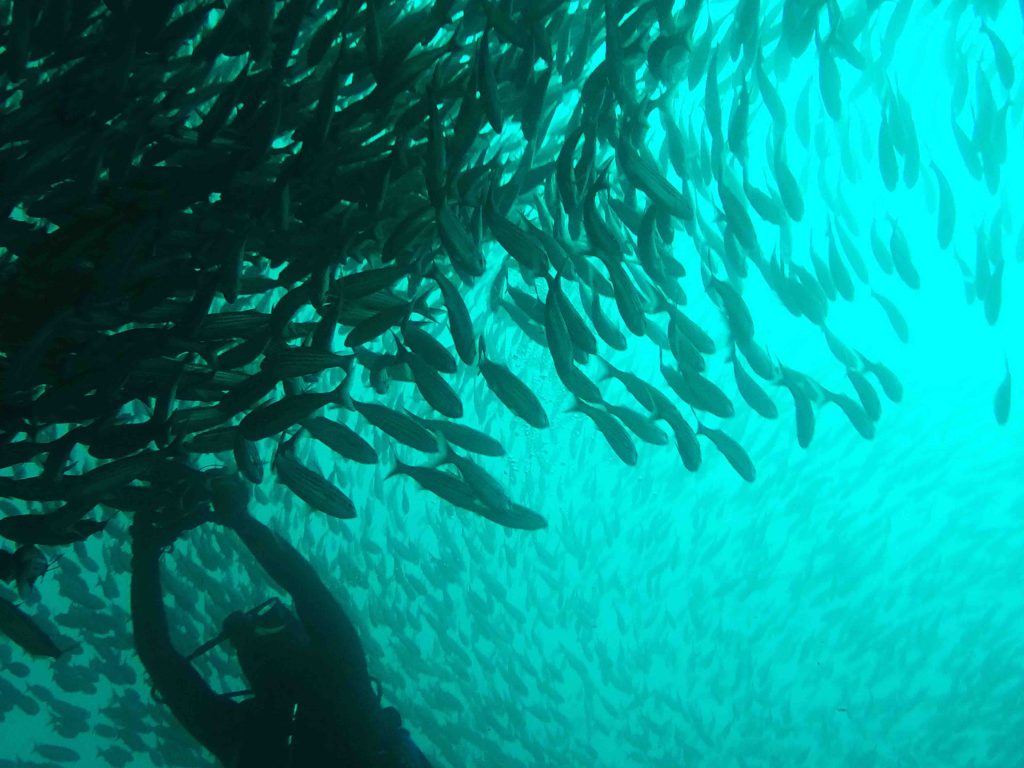
Marine megafauna are increasingly threatened and are difficult to protect. Understanding the influence of humans on body size in fishes is also challenging given that data on marine species often come from fishery-based activities.
Greenpeace´s Arctic Sunrise ship arrives in the Galápagos for research expedition
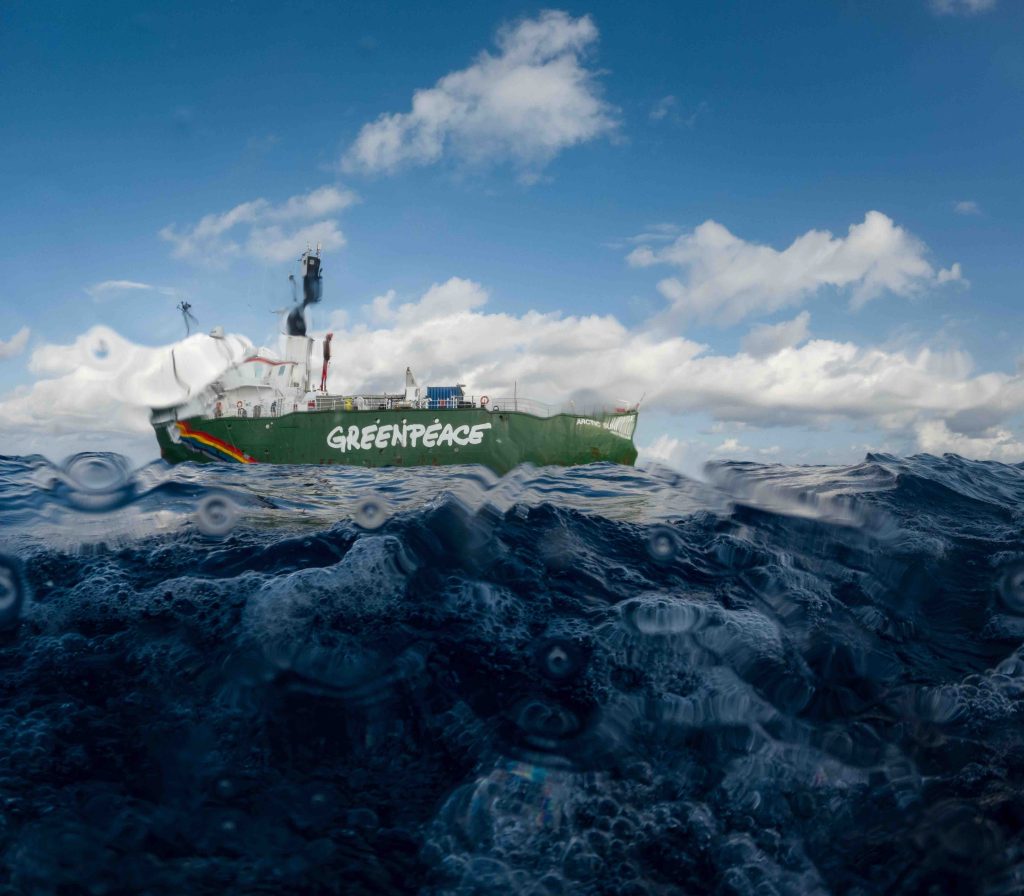
The Greenpeace ship Arctic Sunrise has embarked on a six-week expedition around the Galápagos Islands to showcase the amazing benefits of strong marine protection for one of the world’s most celebrated natural treasures and its iconic local species, and to support the urgent ratification of last year’s historic UN Ocean Treaty.