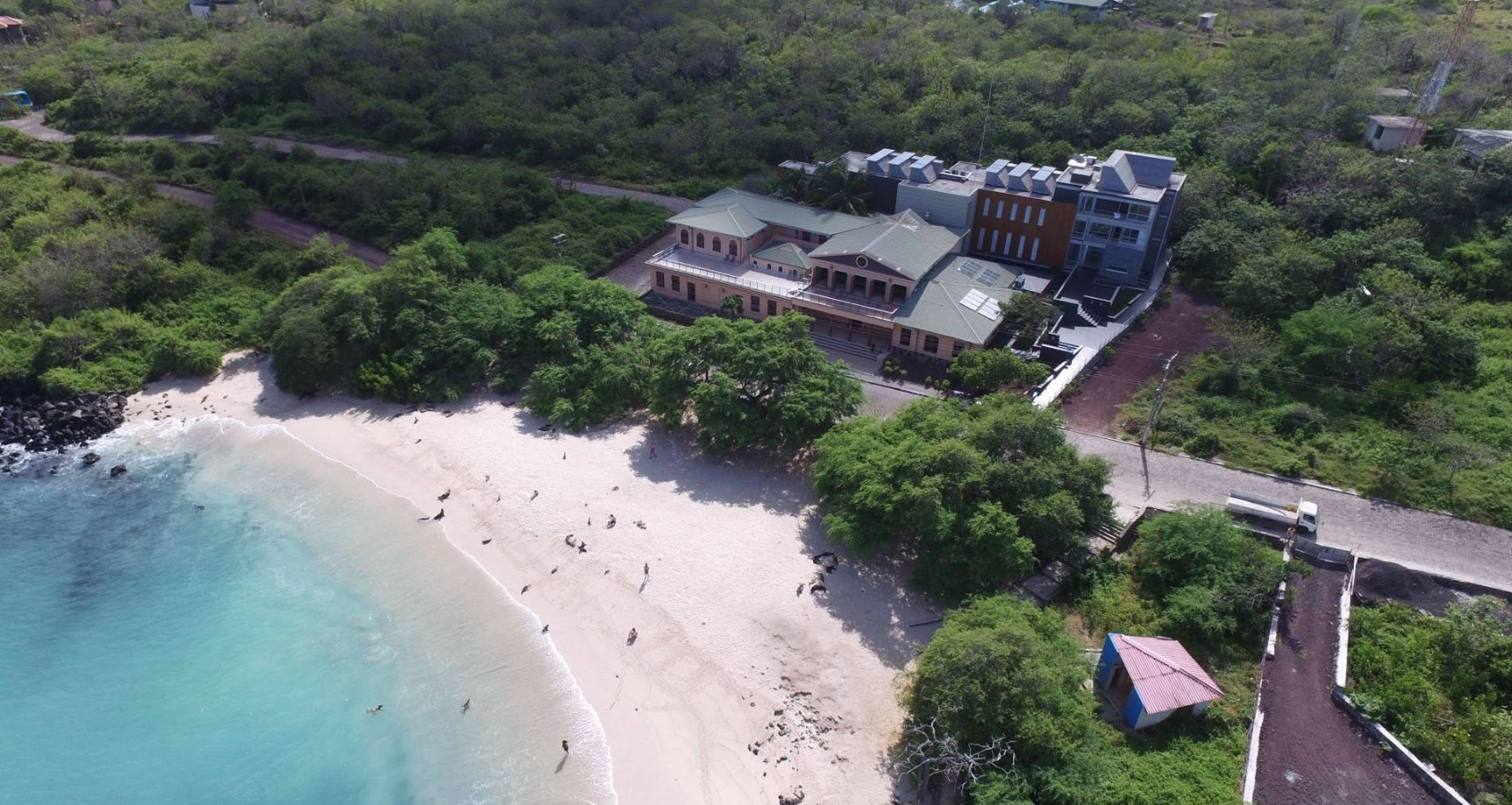
Research Expedition to Paramount: the forgotten seamount
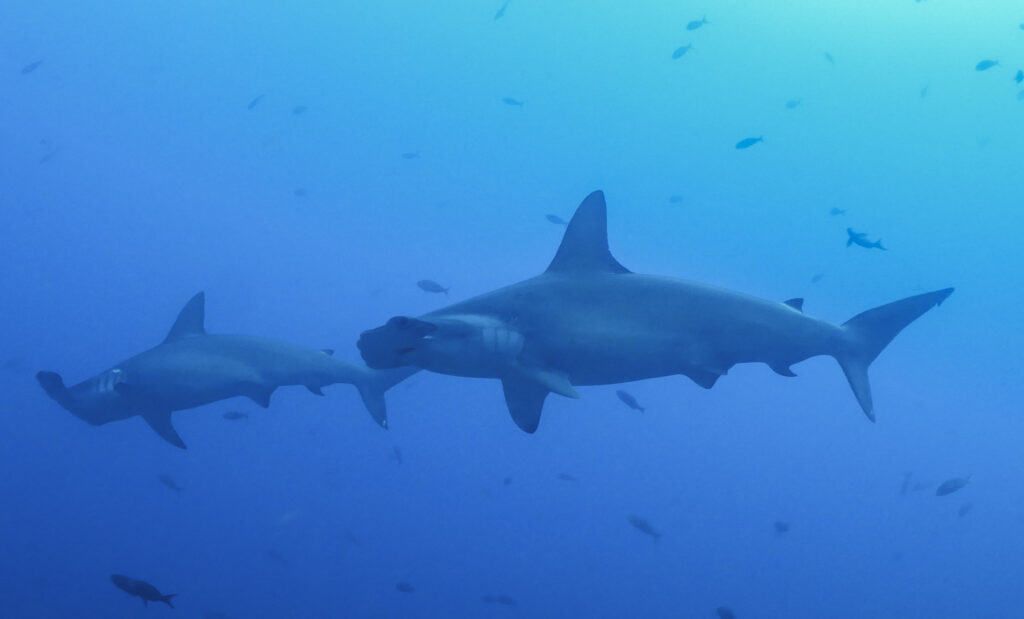
In January 2025, a team of scientists from Universidad San Francisco de Quito (USFQ), the Galápagos Science Center (GSC) and the Galápagos National Park Directorate (GNPD) carried out a two-week expedition to Paramount: a shallow-water seamount rising from a depth of over 1500 m to only 180 m below the surface, located 100 nautical miles northeast of the Galápagos Marine Reserve. The objective of the expedition was to characterize the fish community around the seamount and explore its connections with Galápagos. The work was supported by the organizations Mission Blue, Galápagos Conservation Trust, MigraMar and Bezos Earth Fund.
Genetic identification of three CITES-listed sharks using a paper-based Lab-on-a-Chip (LOC)
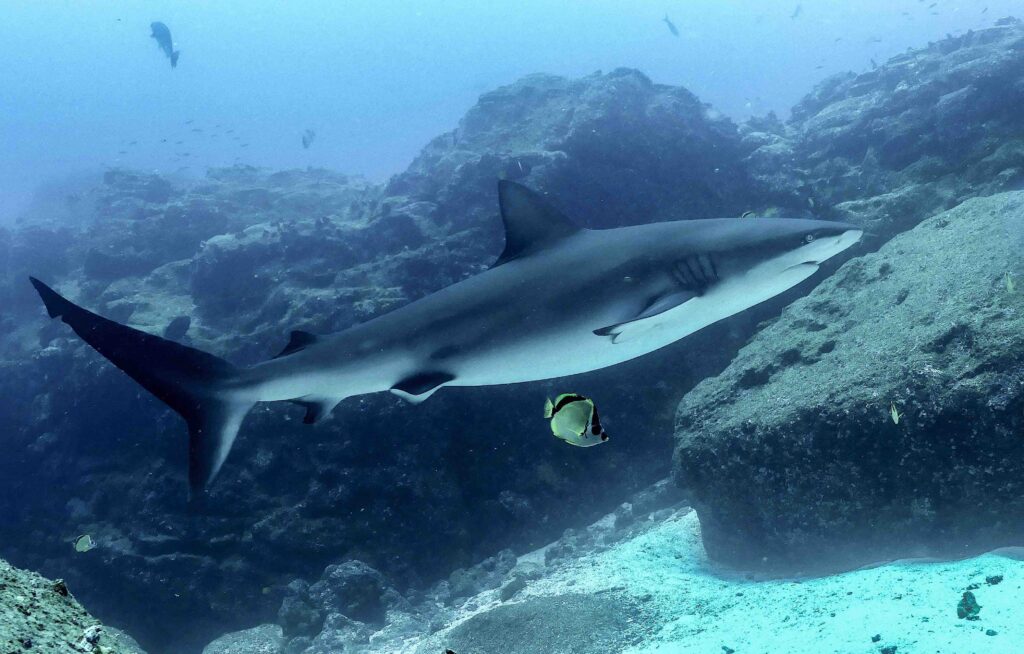
Threatened shark species are caught in large numbers by artisanal and commercial fisheries and traded globally. Monitoring both which shark species are caught and sold in fisheries, and the export of CITES-restricted products, are essential in reducing illegal fishing.
Scientists Use ultra-light aircraft to tag and track whale sharks of the southern Galapagos Islands for the first time
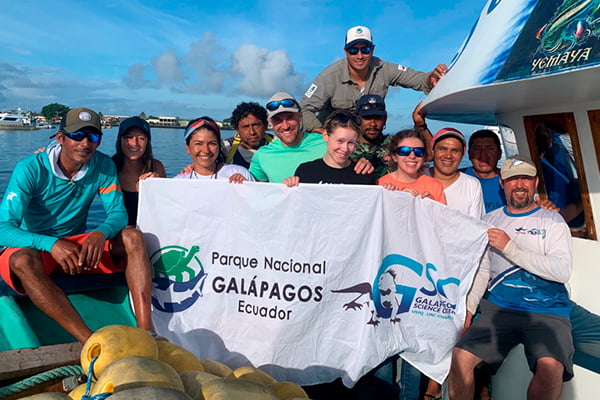
The expedition was supported by the Galapagos Conservation Trust, Rufford Foundation, PADI Foundation and the Royal Society. The expedition is the first step in a wider project with Universidad San Francisco de Quito and partners to monitor and track marine megafauna.
Marine barriers regulate the genetic exchange of sharks and rays
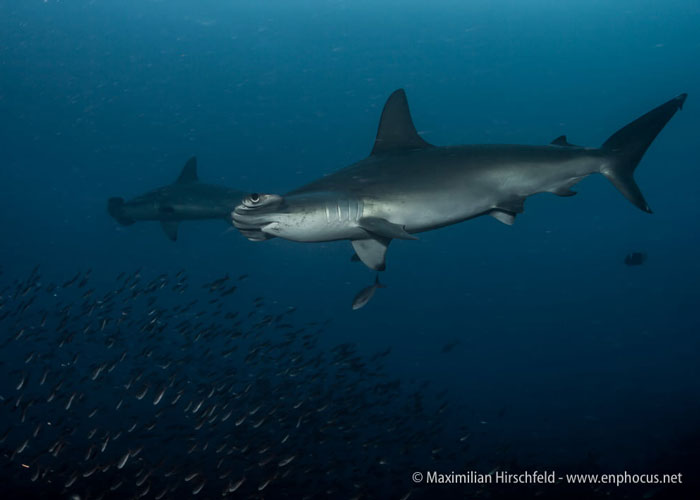
Have you ever heard of elasmobranchs? Well, they are sharks and rays that are found distributed in the seas around the world. Elasmobranchs live in different habitats, from tropical reefs to deep polar waters, which makes them very interesting species for scientific research.