Microplastic distribution and composition on two Galápagos island beaches, Ecuador: Verifying the use of citizen science derived data in long-term monitoring
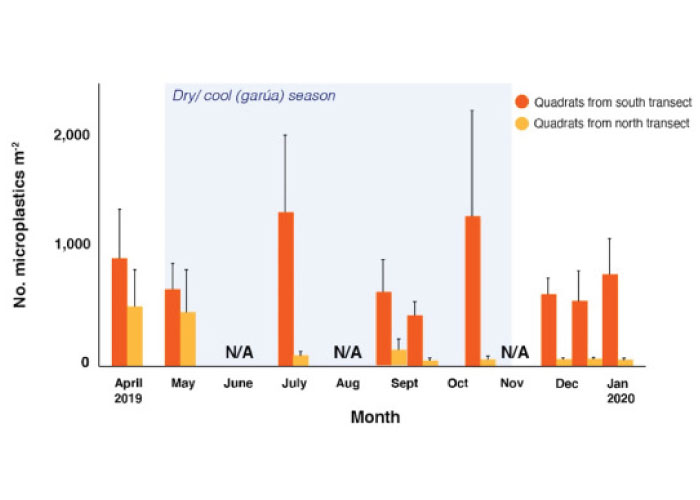
Monitoring beach plastic contamination across space and time is necessary for understanding its sources and ecological effects.
Diving into the vertical dimension of elasmobranch movement ecology
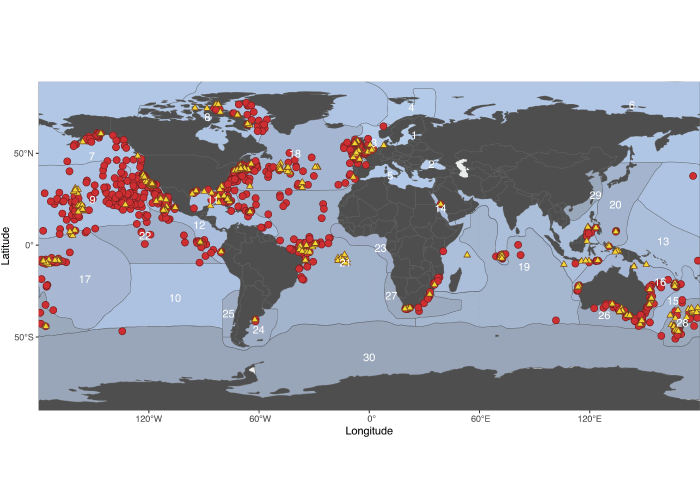
Knowledge of the three-dimensional movement patterns of elasmobranchs is vital to understand their ecological roles and exposure to anthropogenic pressures. To date, comparative studies among species at global scales have mostly focused on horizontal movements.
Multiple Anthropogenic Stressors in the Galápagos Islands’ Complex Social-Ecological System: Interactions of marine pollution, fishing pressure and climate change with management recommendations
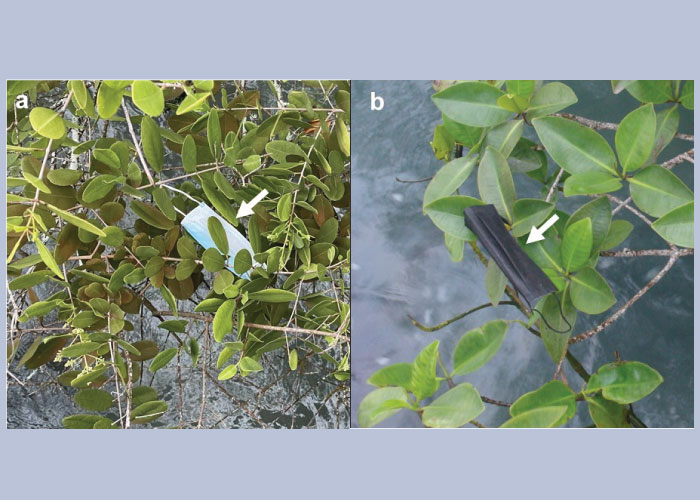
Published in Pub Med | July 27, 2022
Research Expedition in the Galápagos Marine Reserve Focuses on Overlooked Species and Habitats
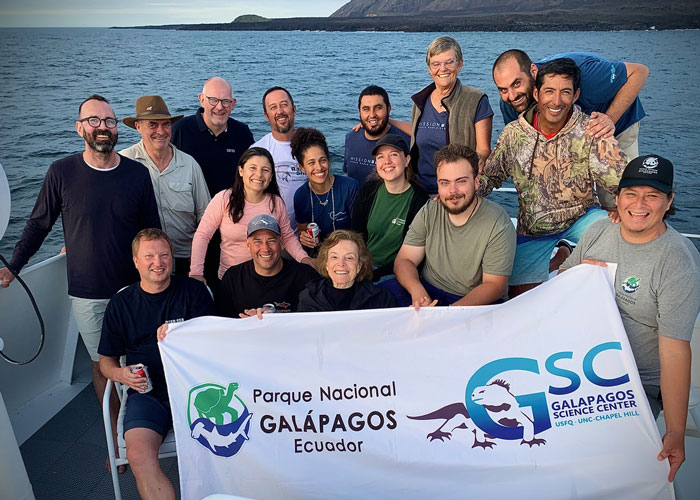
A multi-institutional team of scientists led by legendary oceanographer and National Geographic Explorer, Dr. Sylvia Earle (Mission Blue) carried out a two-week expedition in the Galapagos Marine Reserve.
The Galapagos Science Center hosts the World Summit on Island Sustainability to ensure healthy island ecosystems for future generations
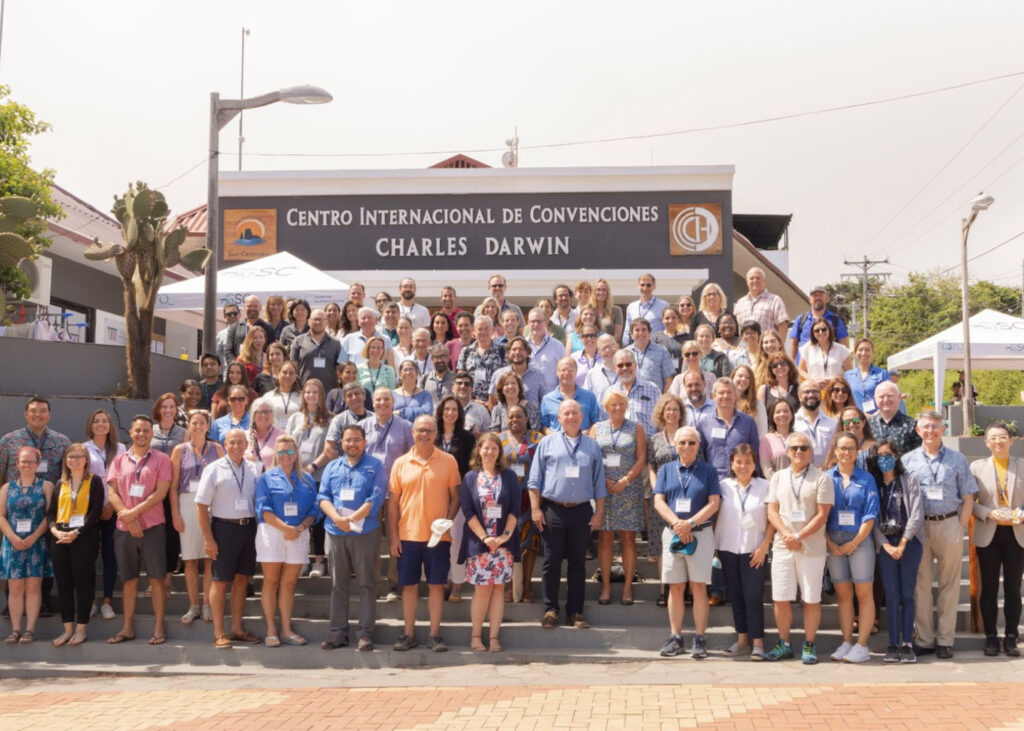
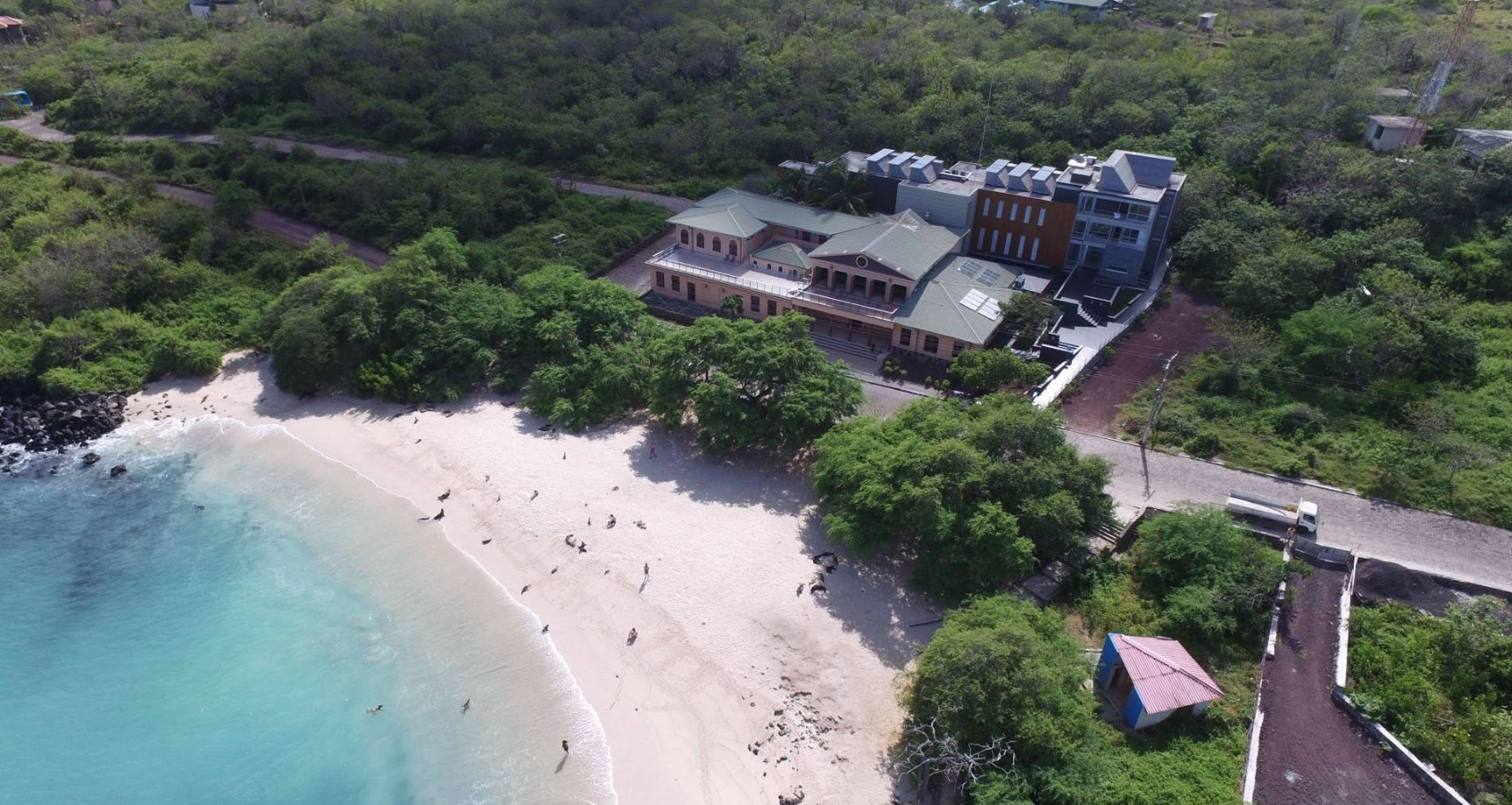
The World Summit on Island Sustainability was held to celebrate the 10th anniversary of the Galapagos Science Center (GSC).