Movement and vertical habitat use of yellowfin tuna Thunnus albacares in a vertical compressed habitat: the Galápagos Marine Reserve
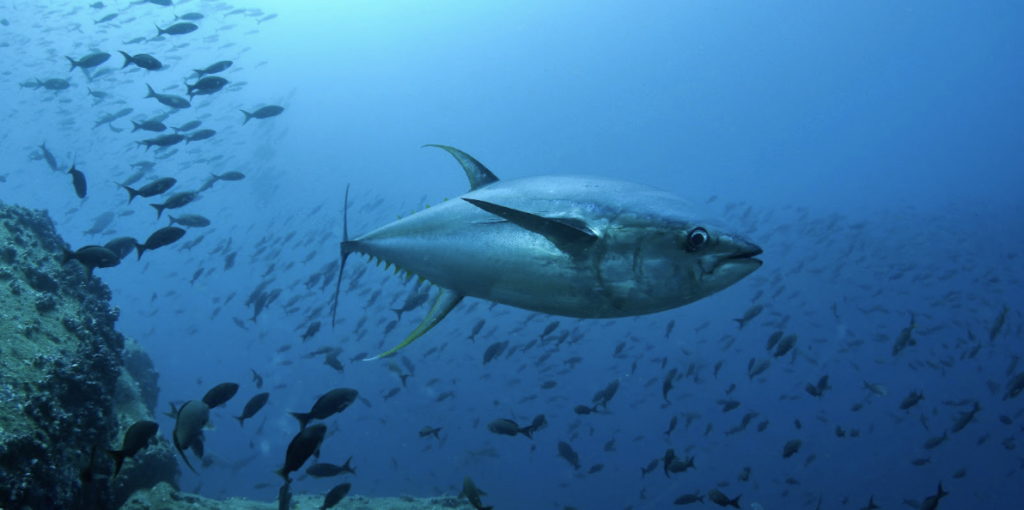
Tropical pelagic predators are exploited by fisheries and their movements are influenced by factors including prey availability, temperature, and dissolved oxygen levels.
When the Archaeologists Leave
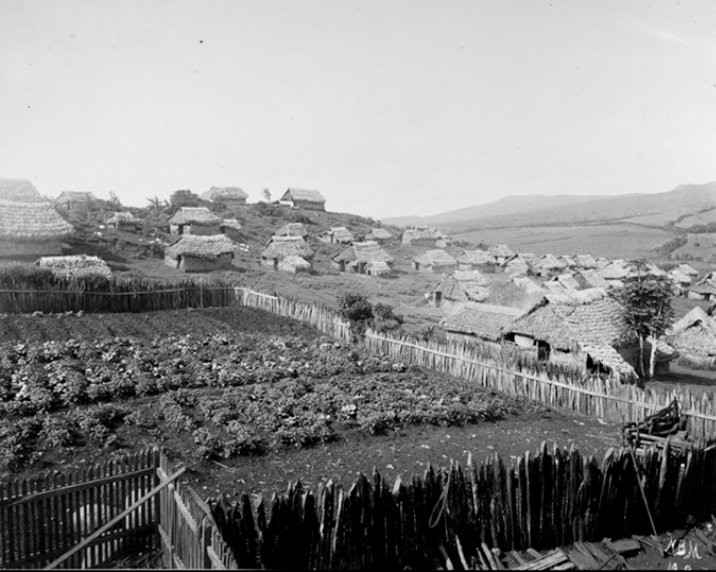
The Hacienda El Progreso functioned as an agro-industrial enterprise in the late nineteenth century. Operating out of San Cristóbal Island in the Galápagos archipelago, the plantation exported refined sugar, coffee, cattle products, and other goods to national and international markets. The plantation established the first permanent human settlement on the island.
Evaluation of the Rapid Phytolith Extraction Protocol to Identify the Fuel-mix Used at the Nineteenth-century Sugar Mill of El Progreso Plantation, Galápagos
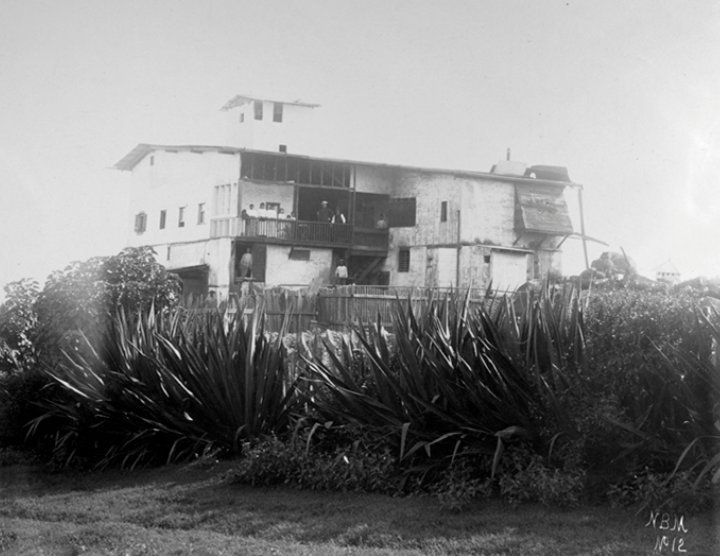
Phytoliths analysis was applied to identify the fuel compound used at the sugar mill of El Progreso plantation.
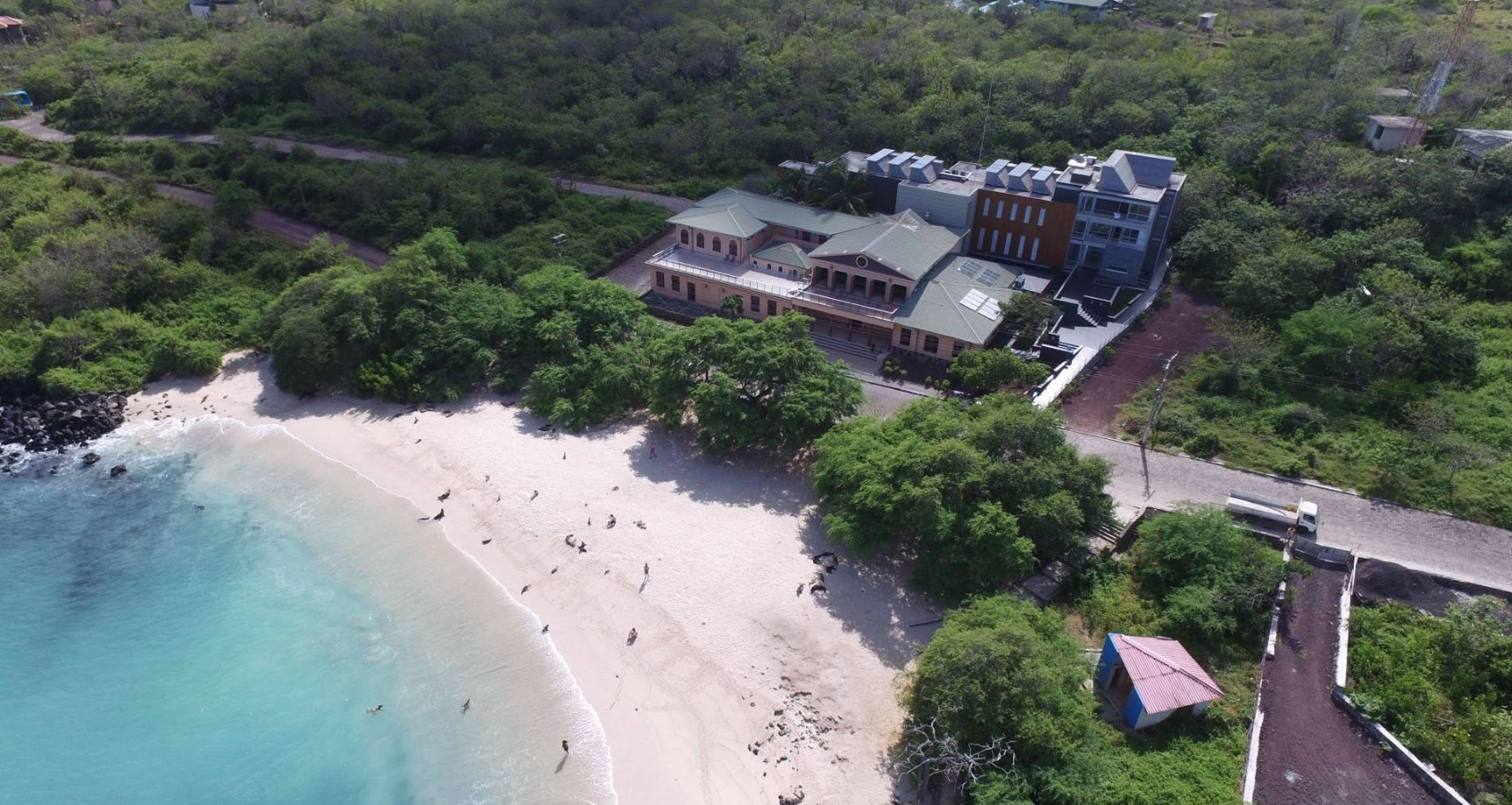
UNC School of Social Work and USFQ launch social work certificate program in Galapagos

The UNC-Chapel Hill School of Social Work and the Universidad San Francisco de Quito (USFQ) have launched an exciting new collaboration: a 12-week program for Galapagos locals to earn a certificate in community development and social work.