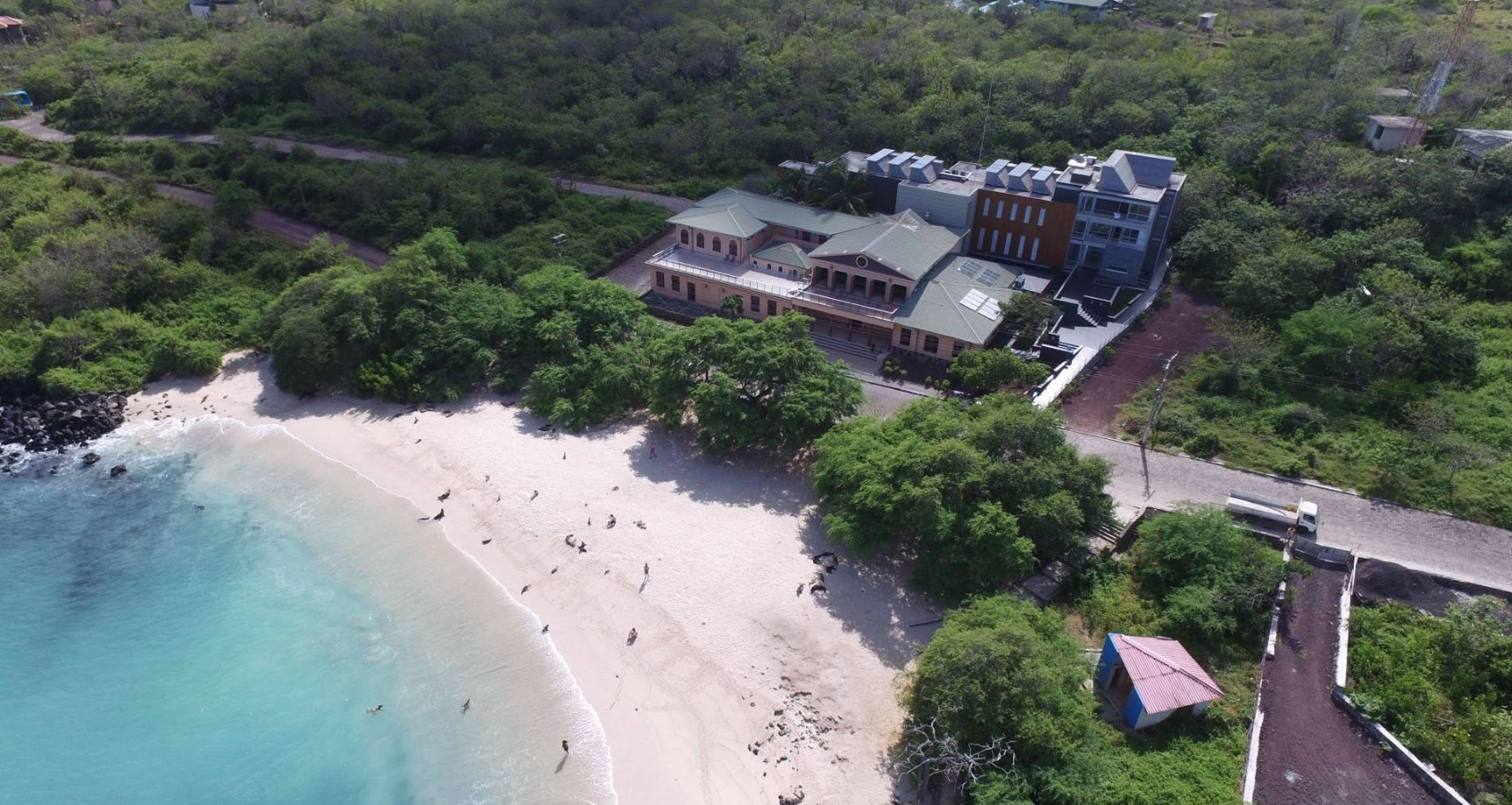
Concentrations of lead in pinniped bones confirm Galapagos as a relatively unpolluted environment
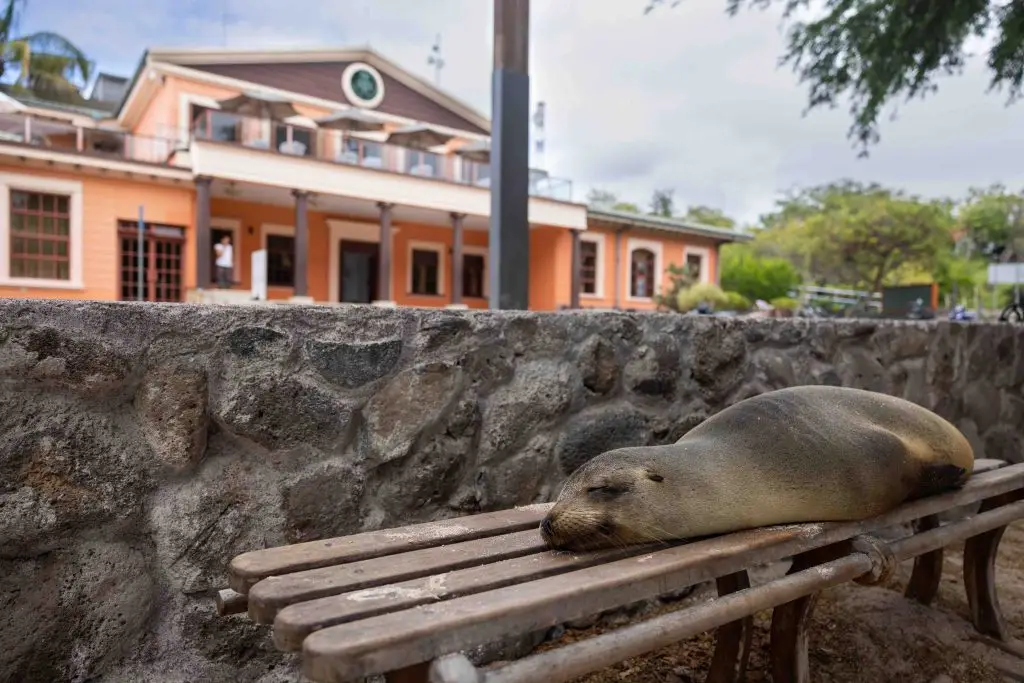
Lead (Pb) is a trace element that is naturally present in arid regions but it is also released to the marine environment by anthropogenic industrial emissions. Here, we assessed Pb concentrations in bone samples of four pinniped species.
Seroconversion in Galapagos Sea Lions (Zalophus wollebaeki) Confirms the Presence of Canine Distemper Virus in Rookeries of San Cristobal Island
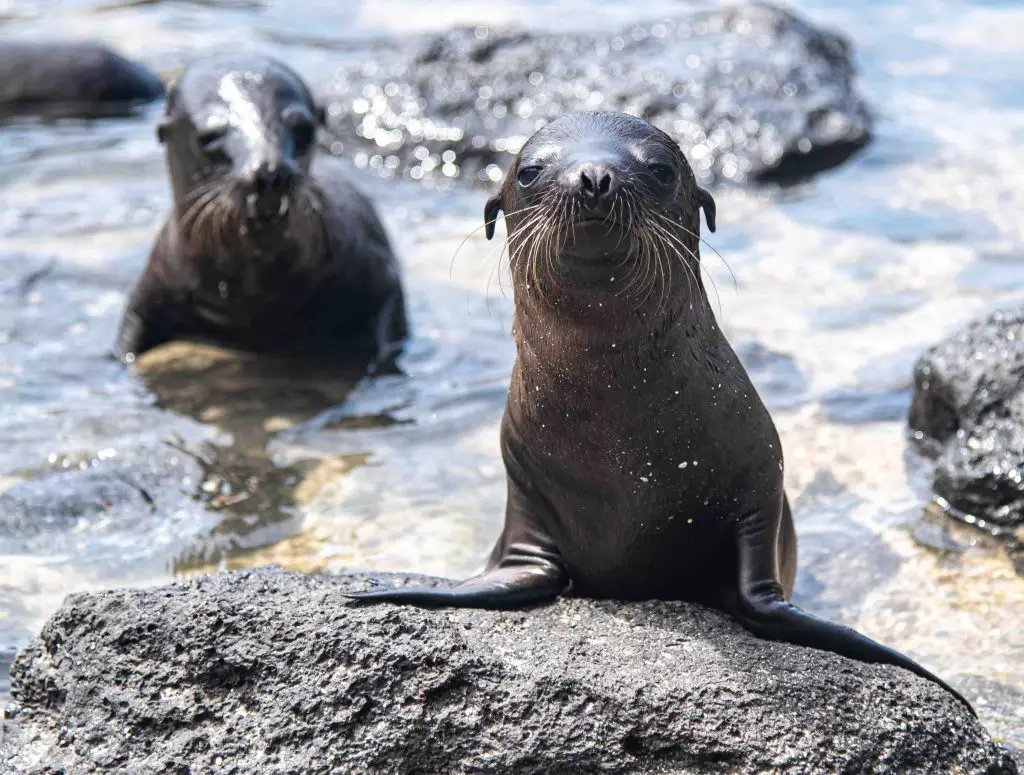
JThe emblematic Galapagos sea lion (GSL—Zalophus wollebaeki) has faced an important population decline over the last four decades.
Assessment of nursery areas for the scalloped hammerhead shark (Sphyrna lewini) across the Eastern Tropical Pacific using a stable isotopes approach
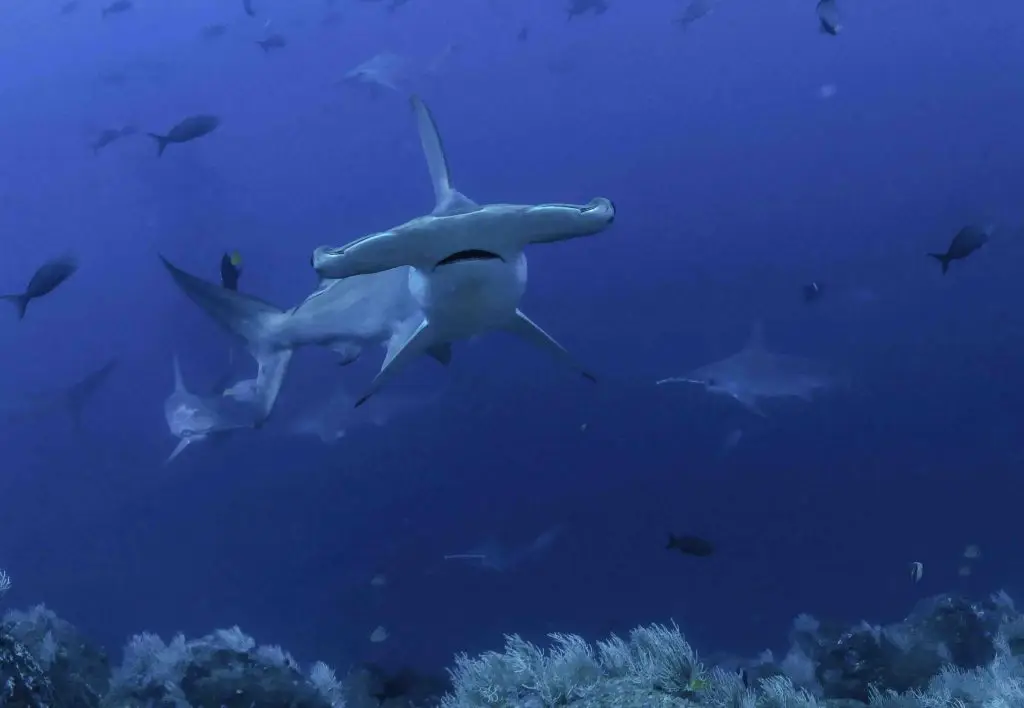
The scalloped hammerhead shark is one of the most iconic marine species across the Eastern Tropical Pacific (ETP), yet little is still known about its reproductive biology.
Understanding invasive species in the Galapagos Islands
Author: de Lourdes Torres, MaríaMena, Carlos F Year: 2018 Book name: Understanding Invasive Species in the Galapagos Islands: From the Molecular to the Landscape Read Publication: https://doi.org/10.1007/978-3-319-67177-2
Third Ophthalmology Brigade: A continuous commitment to health in the Galápagos Archipelago
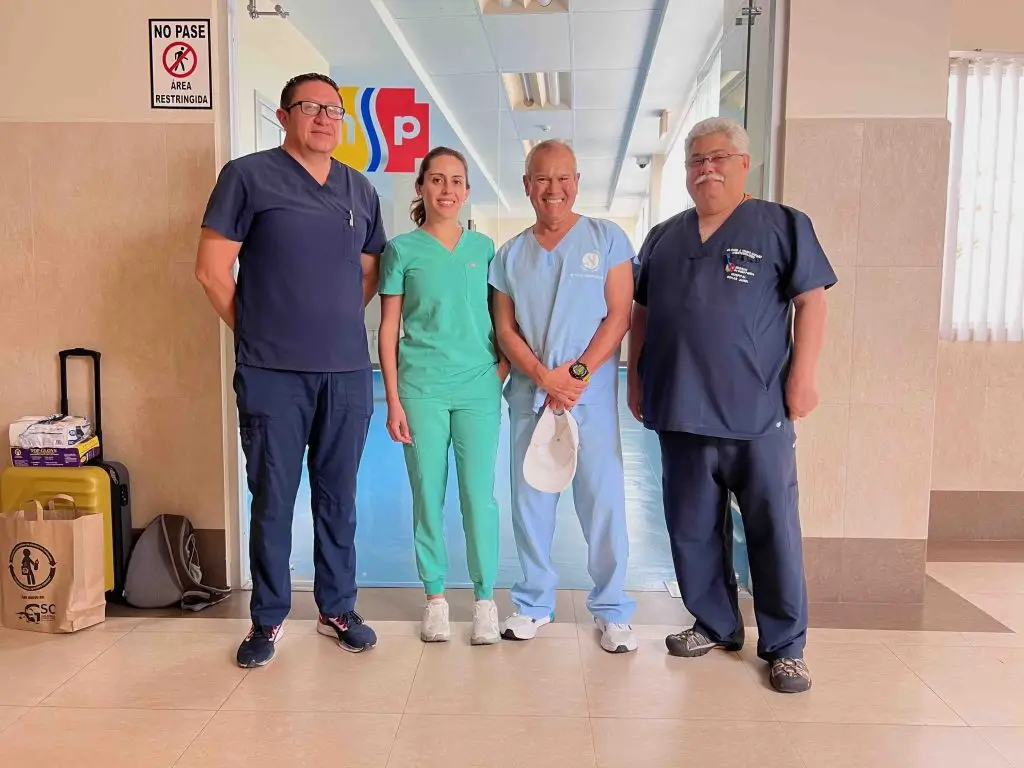
The collaboration between the Universidad San Francisco de Quito (USFQ) and the Oskar Jandl Hospital (HOJ) has played a key role transforming healthcare in the Galápagos Islands, specifically on San Cristóbal Island.
Galapagos Pinnipeds, Challenges to Their Survival
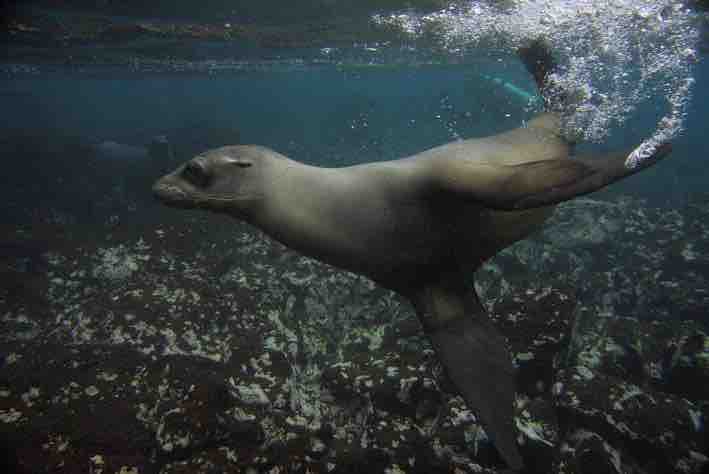
Pinnipeds endemic to the Galapagos archipelago are in endangered conservation status. The Galapagos sea lion, Zalophus wollebaeki, and Galapagos fur seal, Arctocephalus galapagoensis, have adapted to an ecosystem with high environmental variability and unpredictable marine productivity to survive.