During this special season, we would like to wish you a Merry Christmas and a prosperous New Year. We encourage you to explore the news, data, and achievements that reflect the collective effort to strengthen conservation and promote sustainable development in the Galápagos Archipelago, a Natural World Heritage Site.
14 Years of Impact at the Galapagos Science Center: Advancing Research, Education, and Sustainable Community Development in the Galápagos Islands
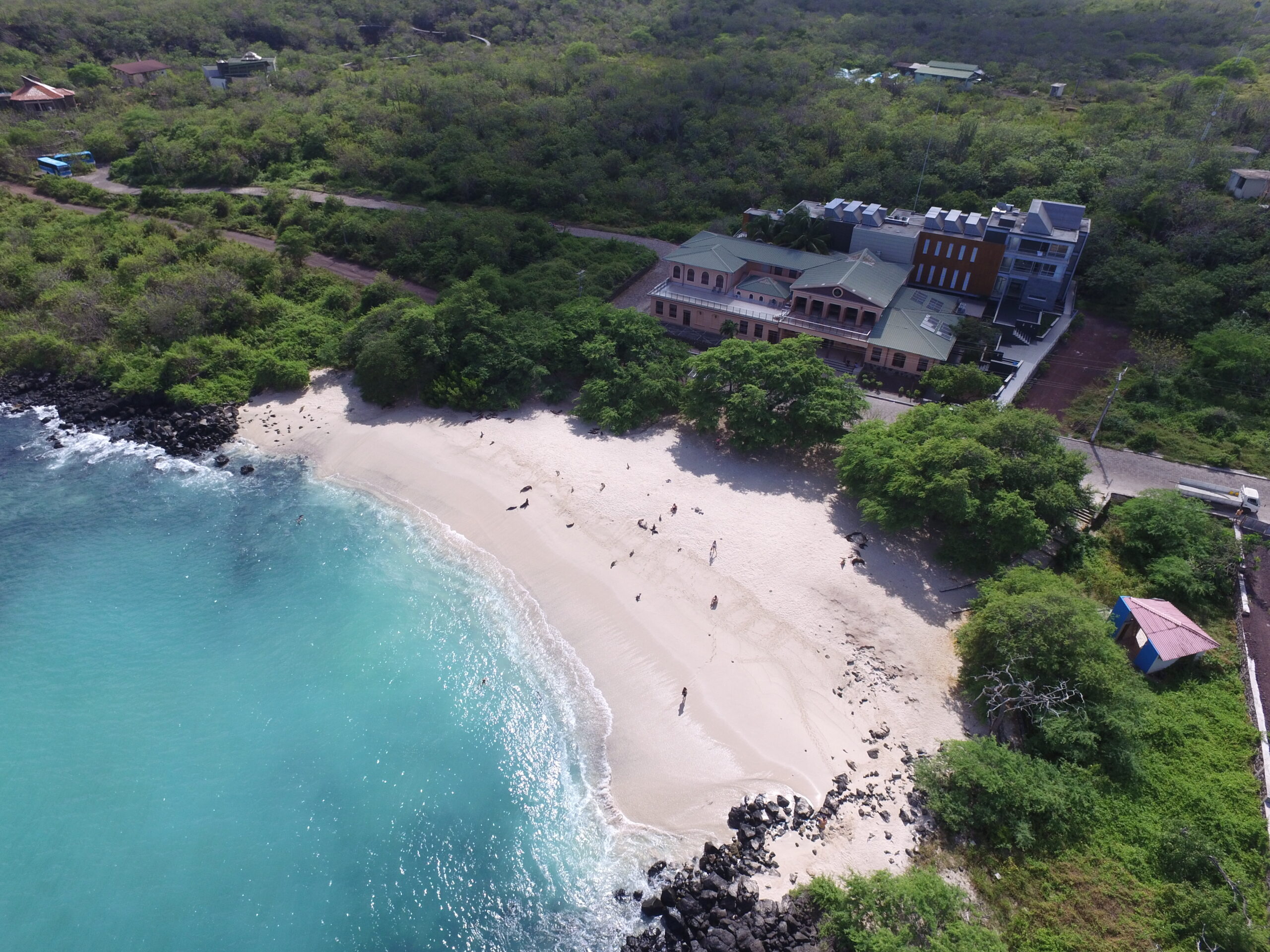
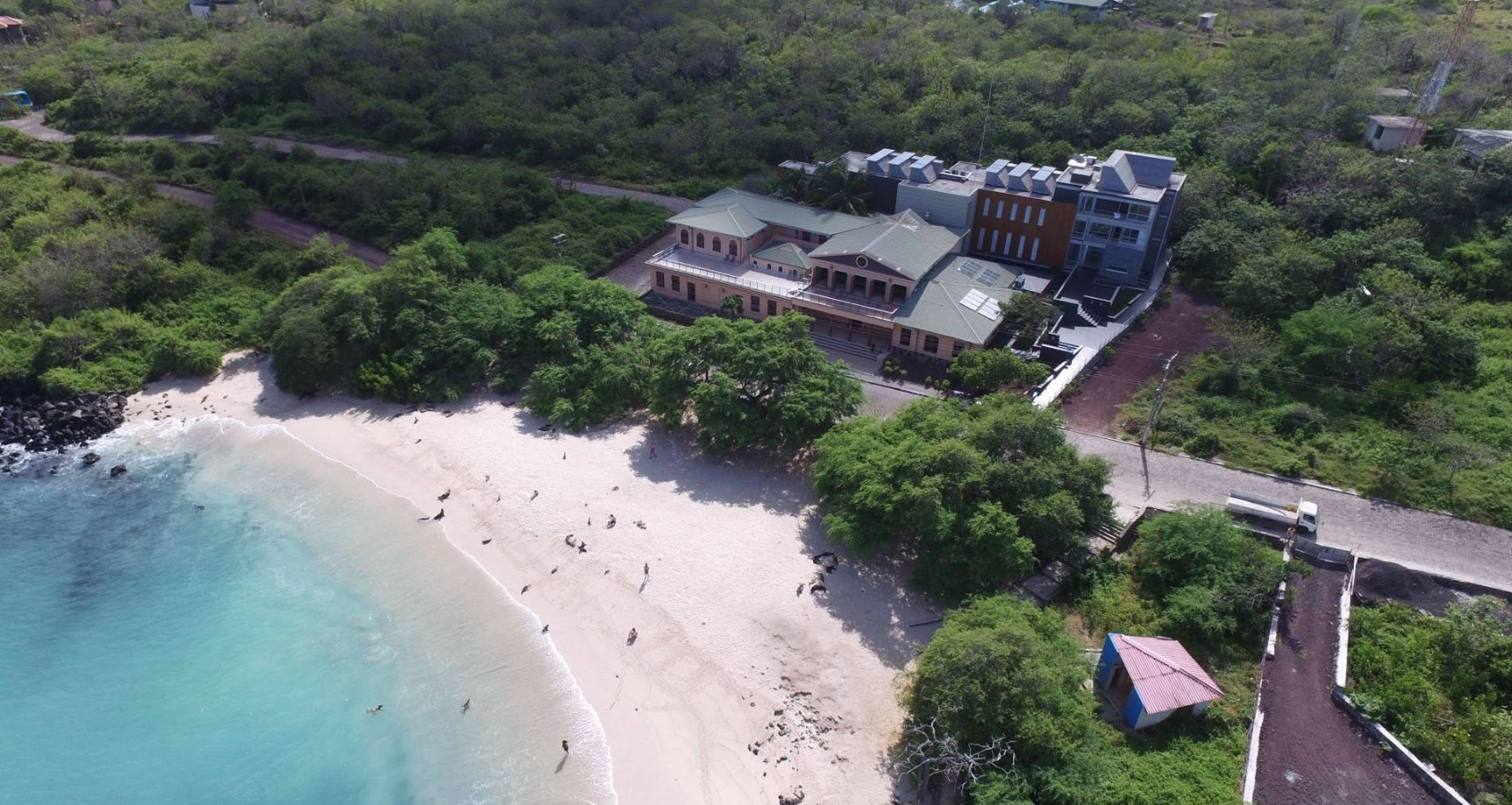
Since its founding in 2011, the Galapagos Science Center (GSC)—a partnership between Universidad San Francisco de Quito (USFQ) and the University of North Carolina at Chapel Hill (UNC)—has worked with the mission of advancing interdisciplinary research, strengthening experiential education, and fostering sustainable community development across the islands.
The GSC addresses the challenges of the archipelago through integrated research projects organized around five core areas: environmental change, community and human health, conservation, oceans, and biodiversity.
We invite you to explore the impact achieved over these fourteen years and discover how the GSC is contributing to a sustainable future for the Galápagos.

Puerto Baquerizo Moreno Joins South America’s Leading Ecological Research Network

Photography by Alexander Custer
The Galápagos Islands are launching a new international initiative to study their ecosystems: the Long-Term Ecological Research at Wreck Bay (LTER-WB), led by the Galapagos Science Center (GSC). This pioneering program in Ecuador seeks to understand how the archipelago’s ecological and socio-environmental systems change and interact over time by integrating interdisciplinary research, experiential science education, and community engagement.
With its implementation, Naufragio Bay in Puerto Baquerizo Moreno on San Cristóbal Island becomes the third active long-term ecological research site in South America, joining initiatives in Chile and Brazil. The project generates continuous data that help identify ecological patterns, strengthen academic training, and provide critical evidence to inform conservation decision-making.
Through the Undergraduate Research Opportunities program, national and international students participate directly in scientific projects, combining theory and practice in one of the planet’s most iconic and fragile environments. The modules include short-term activities and immersive experiences that integrate virtual induction, fieldwork, and laboratory work.
Working alongside scientists from Universidad San Francisco de Quito and the University of North Carolina at Chapel Hill, students conduct research in GSC laboratories, developing skills in ecological monitoring, data analysis, and scientific communication.
The outcomes of LTER-WB provide essential information for the sustainability of Naufragio Bay’s coastal ecosystem while training a new generation of change agents committed to research, environmental resilience, and the conservation of the Galápagos Archipelago.
Learn more here.
Discover Galápagos from a New Perspective with the Galápagos Data Hub
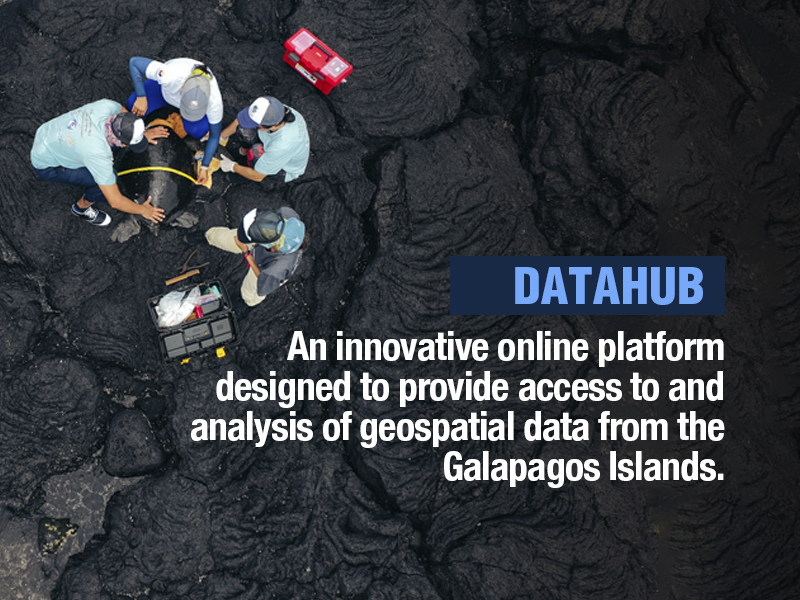
The Galápagos Data Hub is a state-of-the-art digital platform that transforms how scientists, educators, environmental managers, and tourism stakeholders access and use information about the Enchanted Islands. Developed by the Geography Institute of Universidad San Francisco de Quito and the Galapagos Science Center, this platform integrates geospatial, meteorological, and environmental data to strengthen research, planning, and decision-making in one of the most unique ecosystems on the planet.
Through innovative tools such as the 3D Viewer, which allows users to explore the Galápagos through immersive visualizations; the Weather Dashboard, featuring continuous meteorological records since 2015; and the Geovisualizer, which includes maps on invasive species, migratory routes, and other key indicators, users can easily and dynamically explore relevant information. In addition, its Dataverse repository provides access to orthophotos, satellite imagery, and downloadable datasets that enrich academic, environmental, and sustainable management projects.
Access the Data Hub.
Health Brigades and Specialized Training Enhance Medical Care in Galápagos
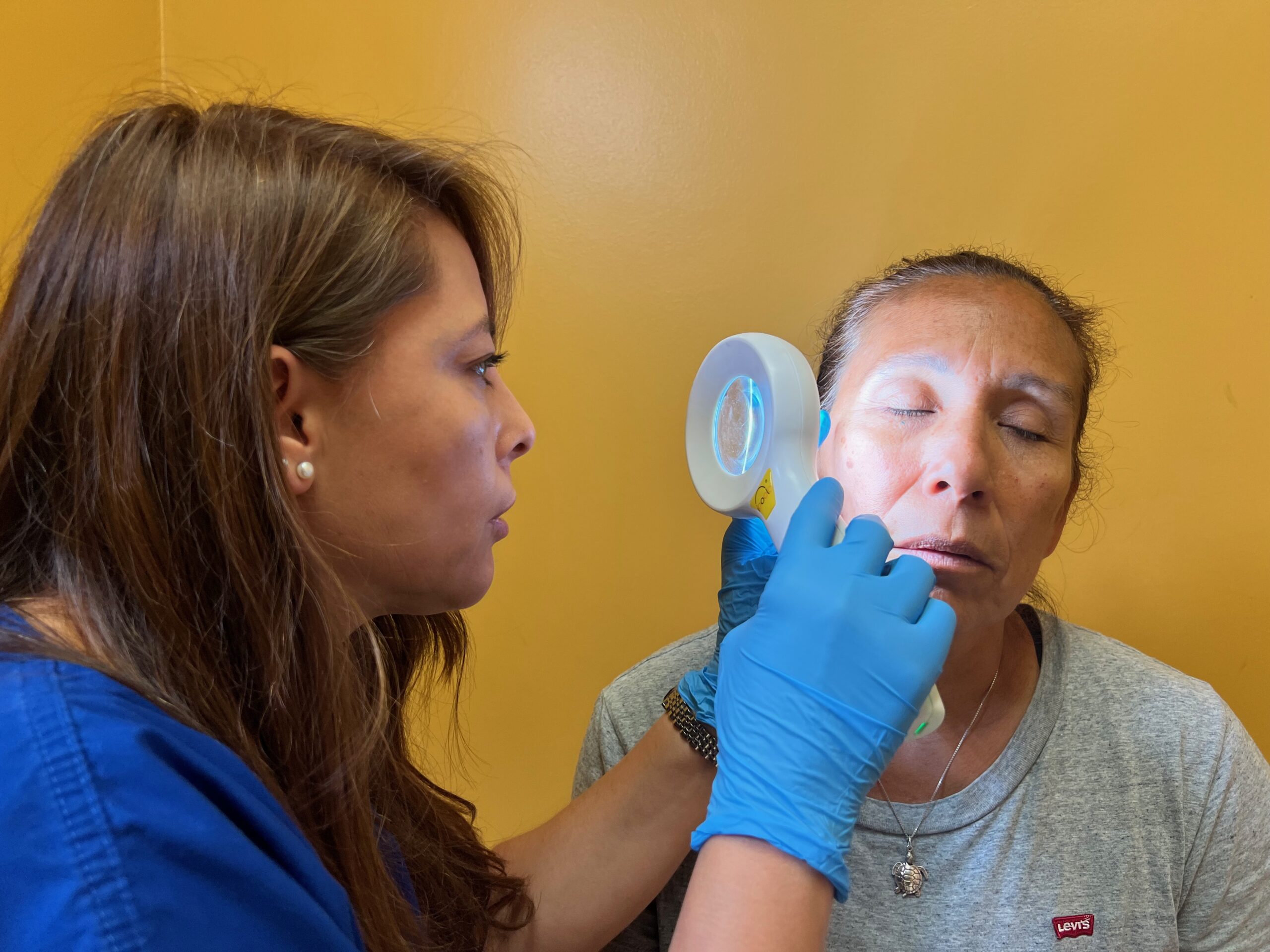
Throughout 2025, Universidad San Francisco de Quito (USFQ), the Galapagos Science Center (GSC), and USFQ Medical Systems strengthened their collaborative work with the Oskar Jandl General Hospital in San Cristóbal, within the framework of the cooperation agreement in effect since 2015. Built on three core pillars—research, professional training, and medical assistance—this long-standing alliance aims to improve health outcomes for the Galápagos population, under the leadership of Dr. Jaime Ocampo and with the active participation of multidisciplinary healthcare professionals.
One of the year’s key milestones was the implementation of the Health Brigades, carried out on December 3, 4, and 5. During these outreach activities, 226 residents of the San Cristóbal community received free specialized medical care in Dermatology and Endocrinology. Dermatological services primarily addressed conditions related to chronic sun exposure, fungal infections, and minor surgical procedures, including excisions performed with electrocautery. Endocrinology consultations focused on the diagnosis and management of metabolic syndrome, thyroid disorders, and other hormonal conditions requiring ongoing clinical follow-up.
In addition, in February 2025, USFQ, in coordination with the Ministry of Public Health, organized specialized training in ultrasound-guided regional anesthesia. Dr. Jaime Ocampo and Dr. Diana Paz led the training for anesthesiologists from San Cristóbal and Santa Cruz, contributing to enhanced clinical quality, patient safety, and postoperative recovery across the Galápagos Islands.
Collaborative Science to Protect Galápagos Sea Lions
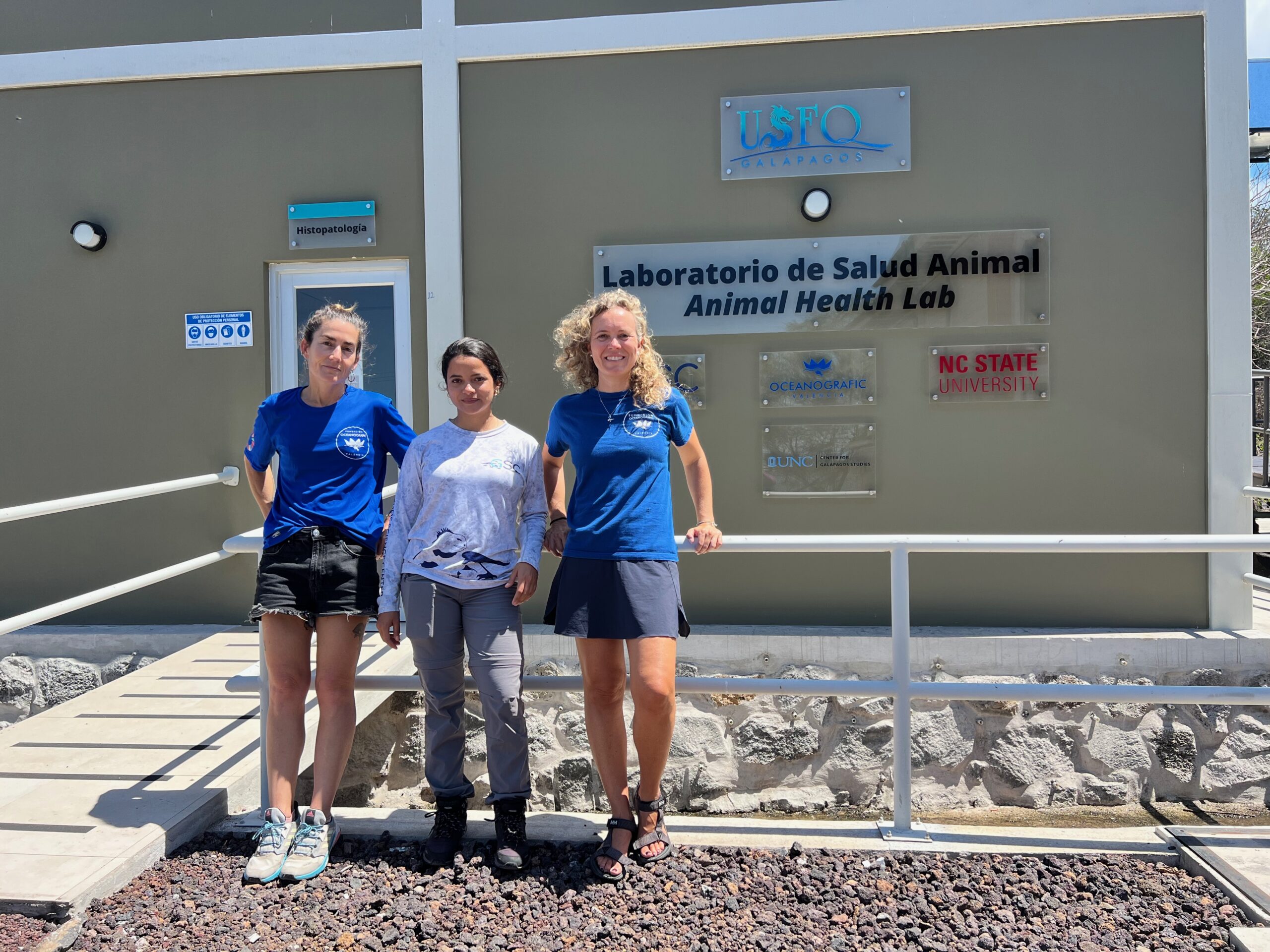
The USFQ–GSC Pinniped Ecology Project works in close collaboration with the Galápagos National Park Directorate, Fundación Oceanogràfic, and Galápagos Conservancy to strengthen research and conservation efforts for these iconic species.
Through this partnership, it has been possible to assess the population status and reproductive success of Galápagos pinnipeds, while also maintaining continuous health surveillance.
As part of the monitoring program, researchers conduct regular surveys on urban beaches in San Cristóbal and carry out fieldwork on beaches of uninhabited islands to observe colony activity. Any unusual findings or behaviors are immediately reported to the Galápagos National Park Directorate, activating the Rapid Response Network protocol for prompt action.
These efforts enhance our understanding of emerging health threats and generate critical information to support the effective management and conservation of pinnipeds throughout the archipelago.
Expanding the Capacity of the GSC Biocenter
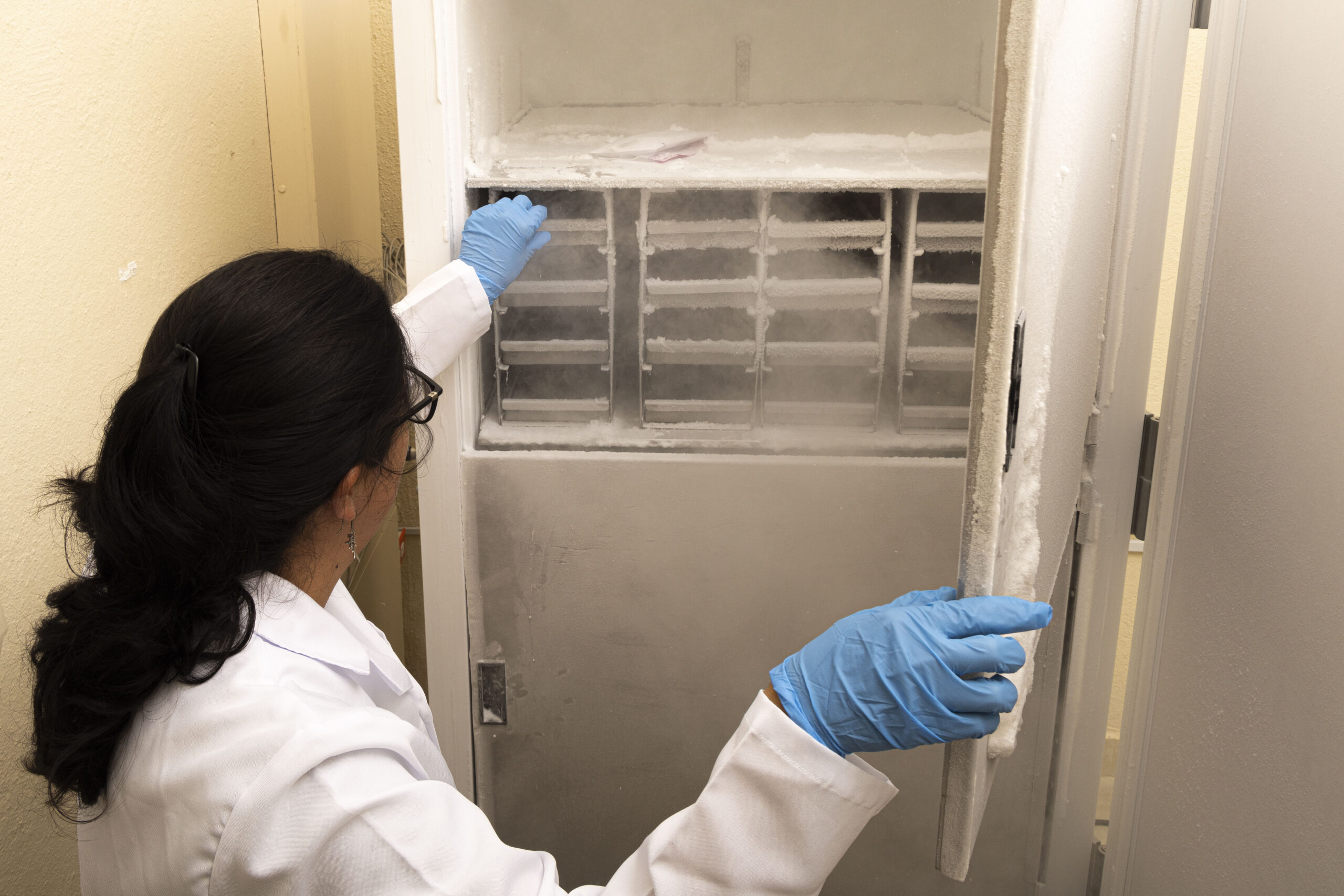
The Galapagos Science Center (GSC) has received new state-of-the-art equipment thanks to the support of KOICA, INABIO, the National Institute of Biological Resources of Korea (NIBR), and Universidad San Francisco de Quito (USFQ). This contribution is part of a binational project to establish the Korea–Ecuador National Genetic Resources Data Bank.
The GSC Biocenter, which is part of Ecuador’s National Biocenters Network, currently safeguards more than 1,460 biological samples from species such as sharks, guava, and guayabillo. The addition of this new equipment significantly strengthens its capacity to preserve, process, and analyze genetic material critical for scientific research.
This facility plays a key role in generating scientific knowledge, advancing biotechnological applications, and promoting the sustainable use of the islands’ unique biodiversity.
The project has now entered its second phase, focused on expanding sample storage and analytical capacity. This collaboration between Ecuadorian and Korean institutions advances applied science and contributes to the long-term conservation of the Galápagos Archipelago.
Watch the video to learn more about this milestone.
Baltra’s Beta Base Brought Back to Life in 3D: Scientists Reconstruct the Former World War II Military Installation in the Galápagos
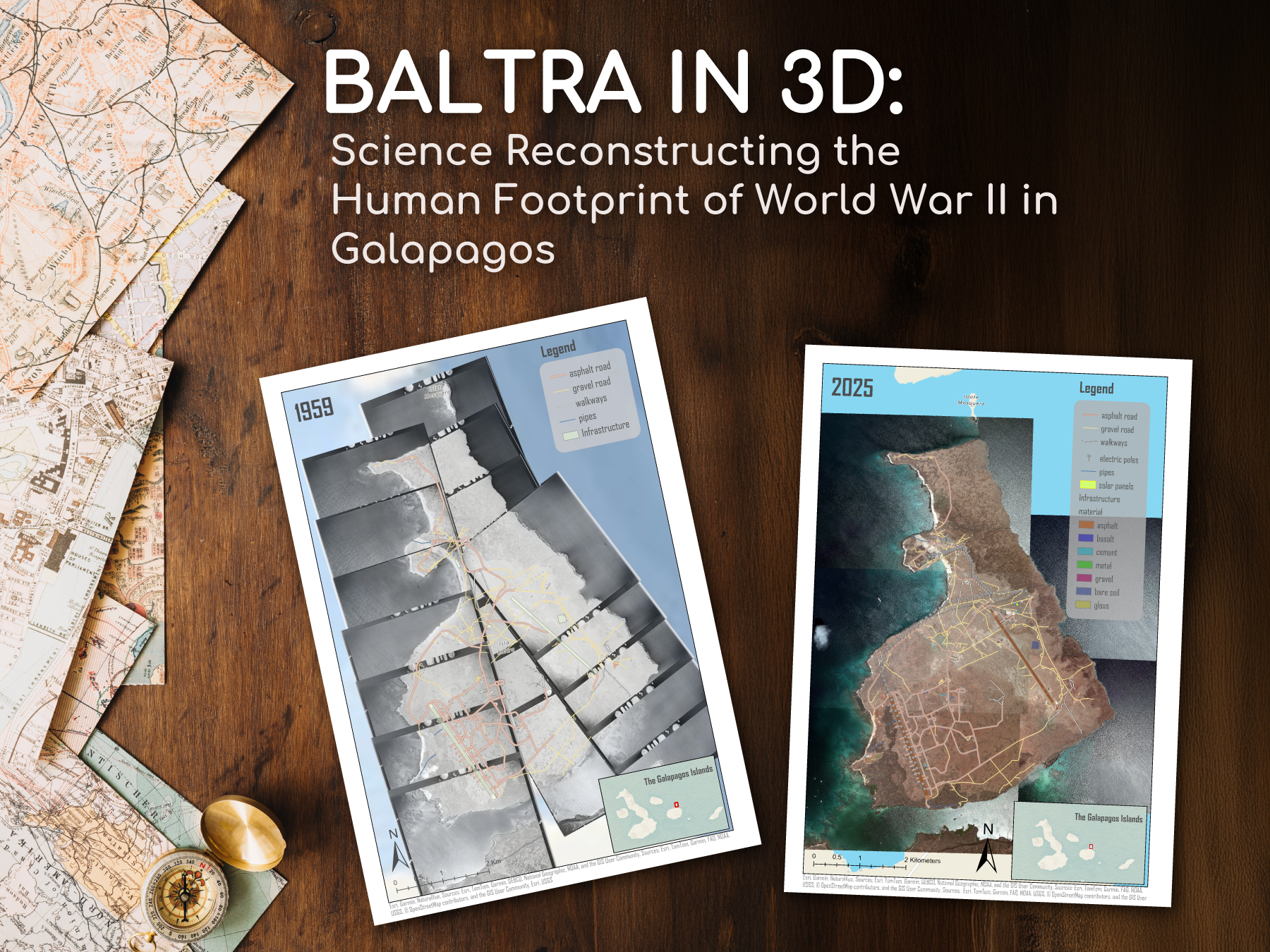
Researchers from the Galapagos Science Center (GSC) are developing a 3D digital model of Baltra’s Beta Base, a U.S. military installation that operated in the Galápagos between 1941 and 1946. The project aims to assess human impact on South Seymour Island (Baltra), evaluate the conservation status of the site’s remains, and propose strategies to protect this historical heritage—while also considering the possibility of a future, carefully managed opening of the site for tourism.
Led by Fernando Astudillo and Leo Zurita-Arthos, the study combines remote sensing, satellite imagery, drone-based photography, and the review of historical documents, along with a preliminary surface archaeological survey.
During a field expedition in October 2025, the team conducted drone flights to produce high-resolution orthophotos and photomosaics. Orthophotos are aerial images corrected to accurately represent the terrain without distortion, enabling precise measurements, while photomosaics are seamless images created from multiple aerial photographs that provide a detailed view of the area. These products made it possible to identify the original locations of key facilities such as the hospital, restrooms, a theater, and officers’ quarters.
As a preliminary outcome, the team produced a LOD 1.0–level 3D map of the base, documenting more than 600 structures, including barracks, administrative buildings, and two historic runways.
In 2026, the research will expand to include AI-assisted archaeological analyses and the search for historical photographic archives to gain deeper insights into the activities carried out at Baltra Base, particularly around 1944.
Explore the base in 3D.
Scientific Expedition Analyzes the Impact of Oceanic Processes on Galápagos Marine Biodiversity
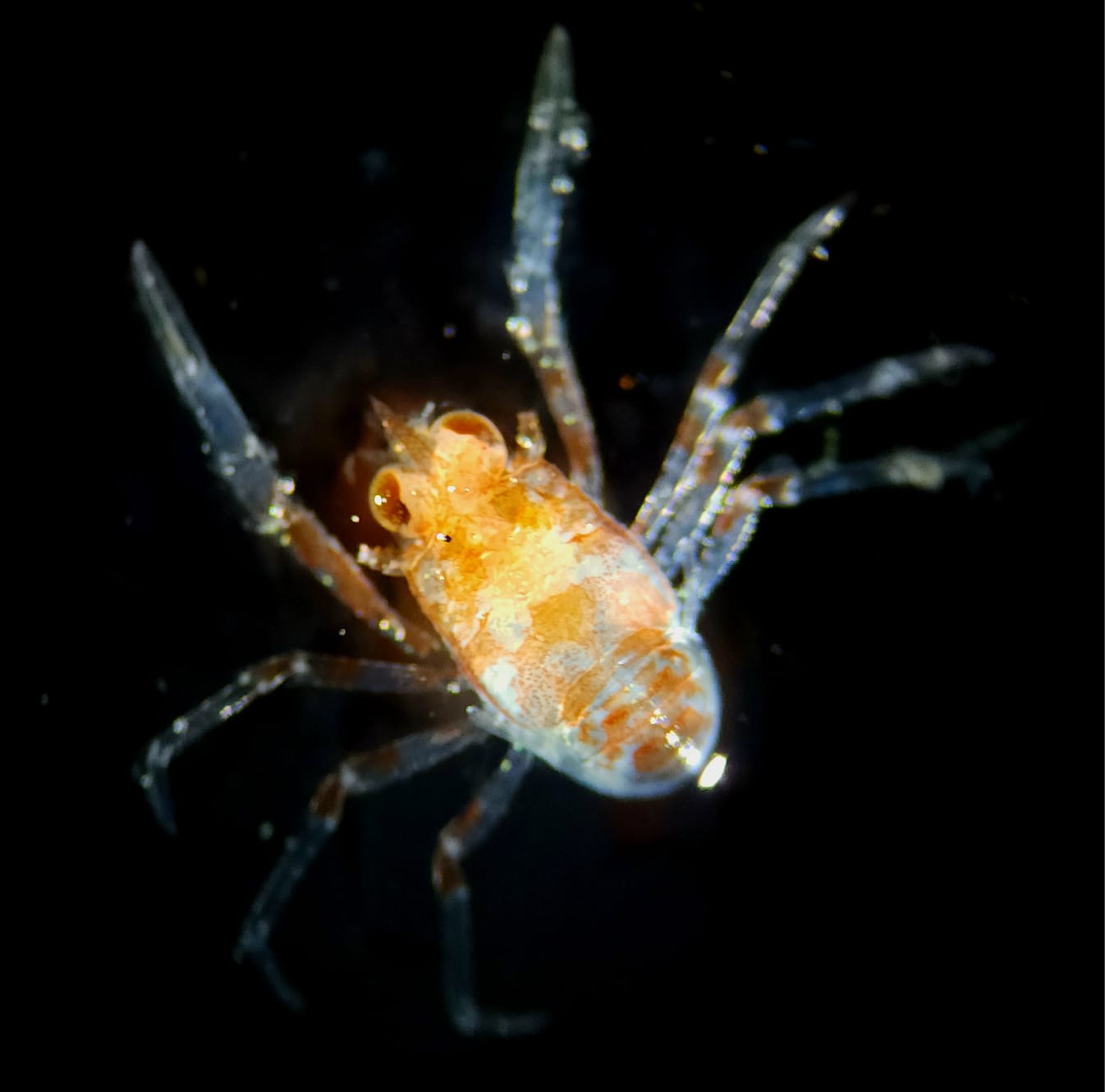
Photography by Diego Figueroa
Between July 30 and August 21, 2025, an international scientific expedition navigated the Galápagos Marine Reserve (GMR) aboard the research vessel R/V Marcus Langseth. Led by the Galapagos Science Center (GSC), the mission brought together specialists from multiple countries to investigate how oceanic processes influence the archipelago’s marine biodiversity.
The main objective was to analyze how factors such as ocean currents, upwelling, climate events—including El Niño—and nutrient availability affect primary productivity and microbial biodiversity, the foundation of the entire marine food web.
The team, led by Adrian Marchetti and Harvey Seim, researchers from the University of North Carolina at Chapel Hill, combined physical, chemical, and biological measurements using advanced technology. Their interdisciplinary approach included in situ sampling, continuous monitoring of oceanographic variables, and the analysis of historical environmental data to better understand how ocean fluctuations shape the structure and dynamics of Galápagos marine ecosystems.
As a preliminary outcome, the expedition will generate essential insights into the mechanisms that sustain biodiversity within the GMR and help refine ecosystem models under climate change scenarios. These findings will be key to strengthening conservation strategies and improving the sustainable management of this marine protected area, contributing to the preservation of its extraordinary ecological richness amid growing global environmental pressures.
Learn more about this expedition here.
Galápagos Strengthens Sea Lion Protection with an Updated Management Plan on San Cristóbal Island
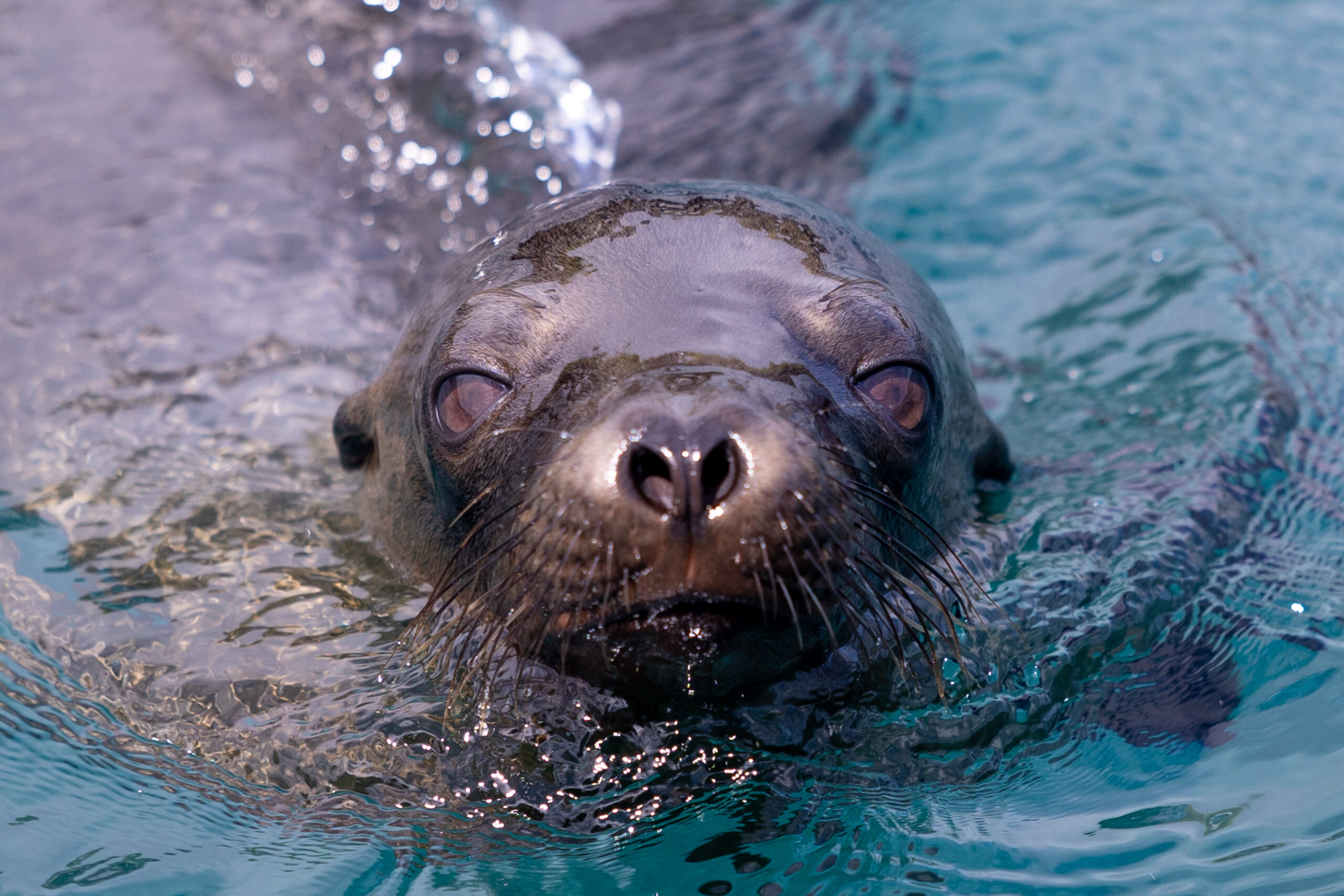
Photography by Andrew Russell
The Galápagos National Park Directorate, with the support of USFQ Galápagos, has presented the 2025–2030 Management Plan for the Conservation and Sustainable Use of the Galápagos Sea Lion on San Cristóbal Island. This document is the result of a rigorous, science-based and participatory process led by Dr. Diego Páez Rosas, professor at USFQ Galápagos and researcher at the Galapagos Science Center, which brought together public institutions, academic partners, productive sectors, and local communities to work collectively on the protection of this iconic species.
The plan establishes guidelines and actions aimed at ensuring the conservation of the Galápagos sea lion, reducing the impacts of human activities, and promoting harmonious coexistence between local residents and the archipelago’s wildlife. It also outlines strategies for monitoring, environmental education, and sustainable management to address current and future threats.
This interinstitutional effort, financially supported by the Galápagos Rescuing Foundation, stands as a comprehensive management tool that integrates science, cooperation, and citizen participation. Its implementation seeks to strengthen species conservation while contributing to the social and ecological well-being of San Cristóbal and the Galápagos Archipelago as a whole.
Download the management plan here.
Human Galapagos: Boundaries, Territories, and Places. A New Release from the Galapagos Science Center!
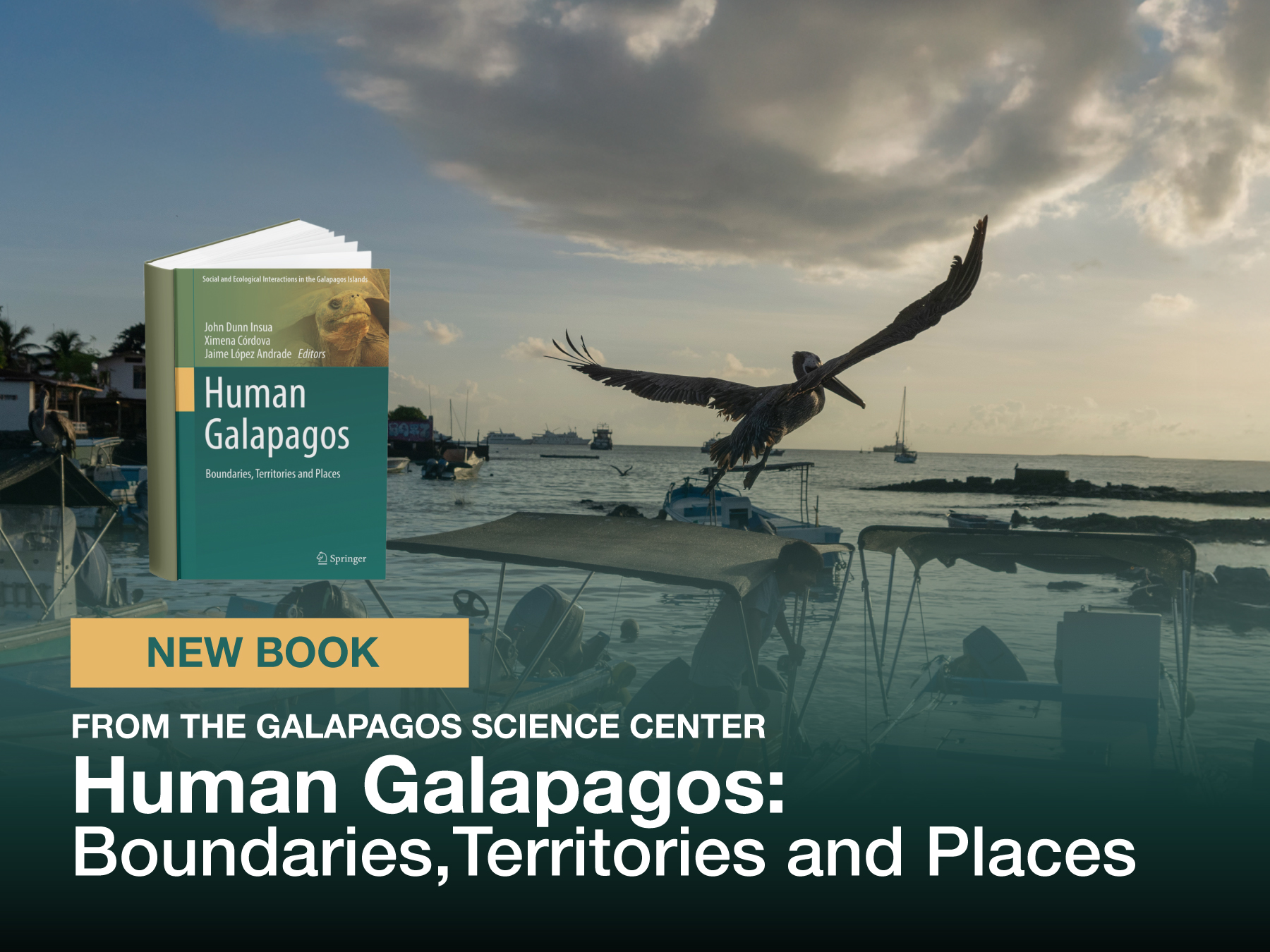
Human Galapagos: Boundaries, Territories and Places is a book that brings together science, design, and sustainability to address the human and ecological challenges of the Galápagos. Across nine chapters, it presents reflections and proposals on sustainable urbanism, biodiversity, renewable energy, water management, and environmental design—guided by a central question: how can human life coexist in balance with the fragile nature of the archipelago?
The volume emerged from the exchange of ideas among international experts during the 6th APRU SCL Summit 2023, an event that fostered interdisciplinary dialogue on new ways of inhabiting and planning within one of the world’s most sensitive ecosystems. The book puts forward innovative solutions and development models aimed at harmonizing human needs with long-term conservation.
More than an academic publication, Human Galapagos represents a milestone for APRU SCL, as it is the first book generated from one of its annual conferences.
The book is also part of the Social and Ecological Interactions in the Galápagos Islands series, widely recognized for its pioneering research on sustainability, ecology, and social transformation in the islands. Its inclusion in this series reinforces its value as a key reference for researchers, policymakers, and professionals committed to shaping a sustainable future for the Galápagos.
Purchase the book on Springer here.
Explore the 11 compelling titles in the Social and Ecological Interactions in the Galápagos Islands series here.
The Fifth Edition of ConCiencia Is Here!
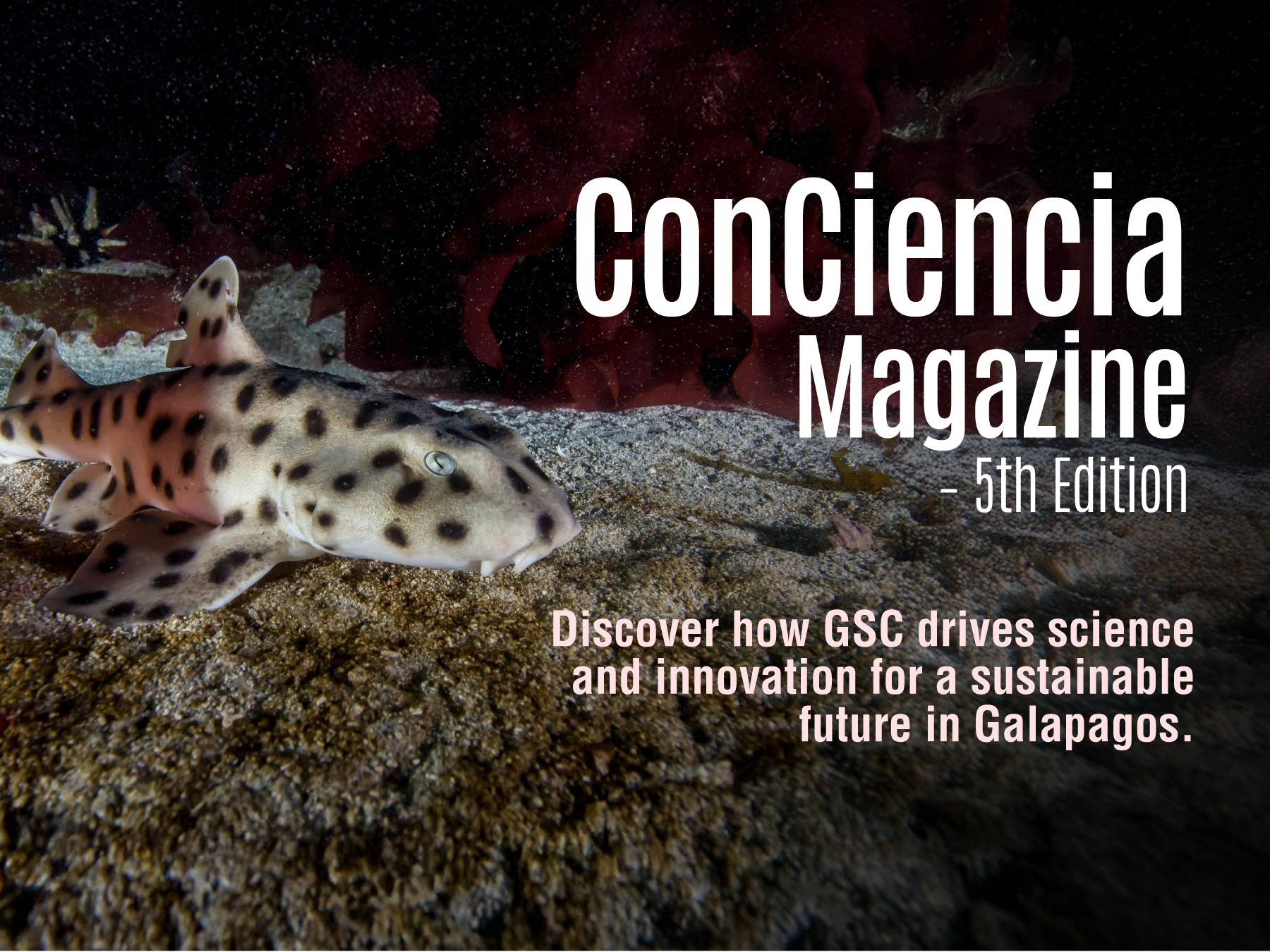
In this edition, you will discover the latest advances of the Galapagos Science Center (GSC). One of the central themes is the Integrated Wildlife Health Model, grounded in the One Health approach, which connects human, animal, and environmental health to address challenges such as climate change and the complex interactions between people and nature.
You will also explore inspiring projects—from community-based conservation of the Galápagos petrel and studies of plant microbiomes in endemic and invasive species, to technological innovations such as 3D modeling, digital archaeology, and virtual reality applied to historic sites like the Wall of Tears on Isabela Island.
Marine research takes center stage with studies on manta rays, cetaceans, groupers, and the iconic catshark, as well as collaborative work linking Galápagos and North Carolina to deepen understanding of ocean health and climate resilience.
Supported by strategic partners, this edition also highlights initiatives that strengthen local communities, including Barcode+, REACCT, Kenan scholarships, and programs focused on well-being and environmental identity.
Each story conveys a powerful message: science has the potential to transform realities and build a sustainable future for the Galápagos and the world.
We invite you to read the magazine here.
Virtual Classroom: Exploration, Reading, and Conservation
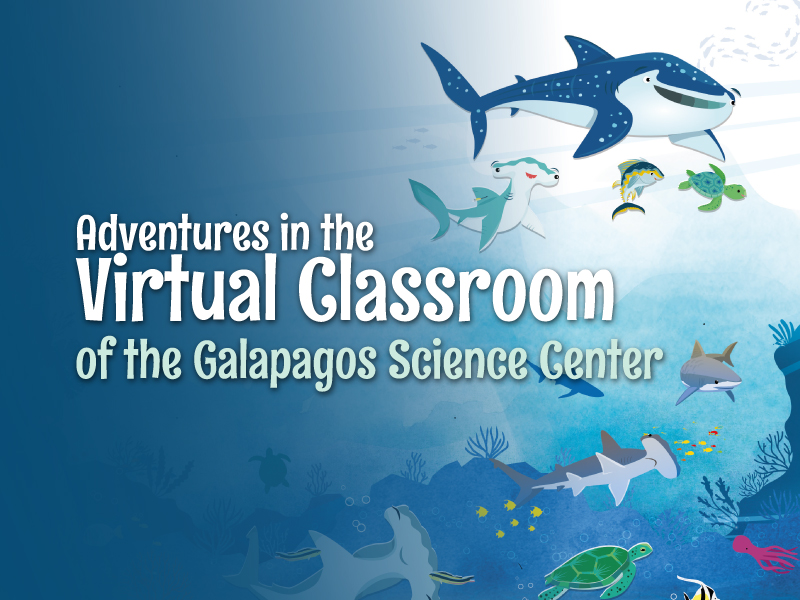
Discover the story of Marti, the hammerhead shark, and join her on an incredible journey from the Galápagos to Isla del Coco! Through this educational tale, learn more about marine biodiversity, the importance of migrations, and the efforts that scientists are making to protect these species.
Access this resource and all educational materials in the Galapagos Science Center Virtual Classroom. where you’ll find interactive tools to explore and learn about the unique ecosystems of the Galápagos Islands.
Access our Virtual Classroom.
Explore Galápagos Scientific Knowledge from a Single Platform
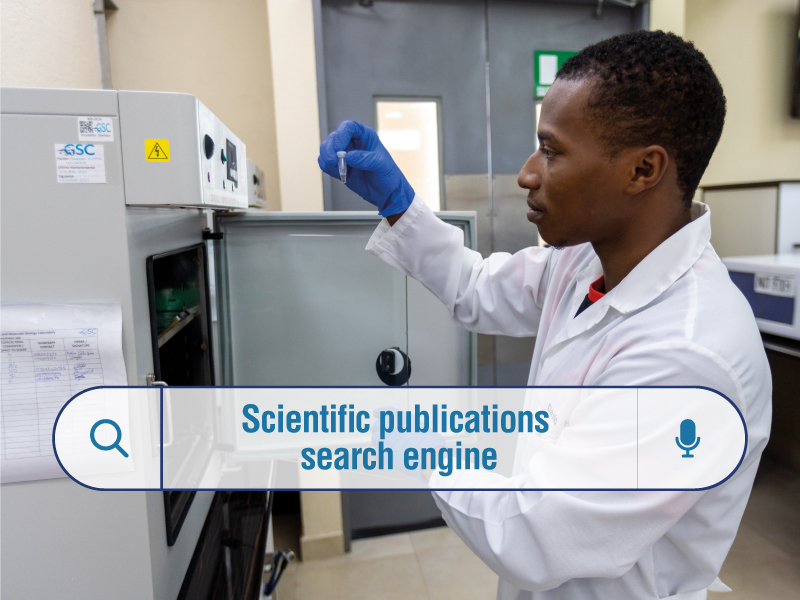
The Galapagos Science Center (GSC) offers the academic community, institutional partners, and the general public a specialized search platform for scientific articles that brings together years of research conducted in one of the world’s most valuable ecosystems. This tool provides fast and easy access to studies on biodiversity, environmental change, human health, oceans, and sustainability, offering a comprehensive view of the socio-environmental dynamics of the Galápagos Islands.
The search engine compiles peer-reviewed publications that are essential for understanding the ecological and social processes shaping the archipelago. Its content delivers critical scientific evidence to support conservation efforts, responsible natural resource management, and informed decision-making by researchers, institutions, and environmental managers.
This platform enhances the dissemination of knowledge generated by the GSC and its collaborators, strengthening the connection between science, society, and public policy. Each article contributes to a deeper understanding of the challenges facing the Galápagos and helps design solutions grounded in rigorous research.
We invite you to explore this resource and discover how the work of the GSC continues to advance scientific excellence in support of sustainability and the protection of one of the world’s most important natural laboratories.
Access the search platform here.
Happy Holidays!
We extend our heartfelt thanks to the GSC partners, whose support has been essential to achieving this year’s milestones. In 2026, we will continue to advance academic initiatives aligned with our three core pillars: interdisciplinary scientific research, science-based education, and community development.
We wish you a joyful holiday season and look forward to continuing to build new projects together in the year ahead.