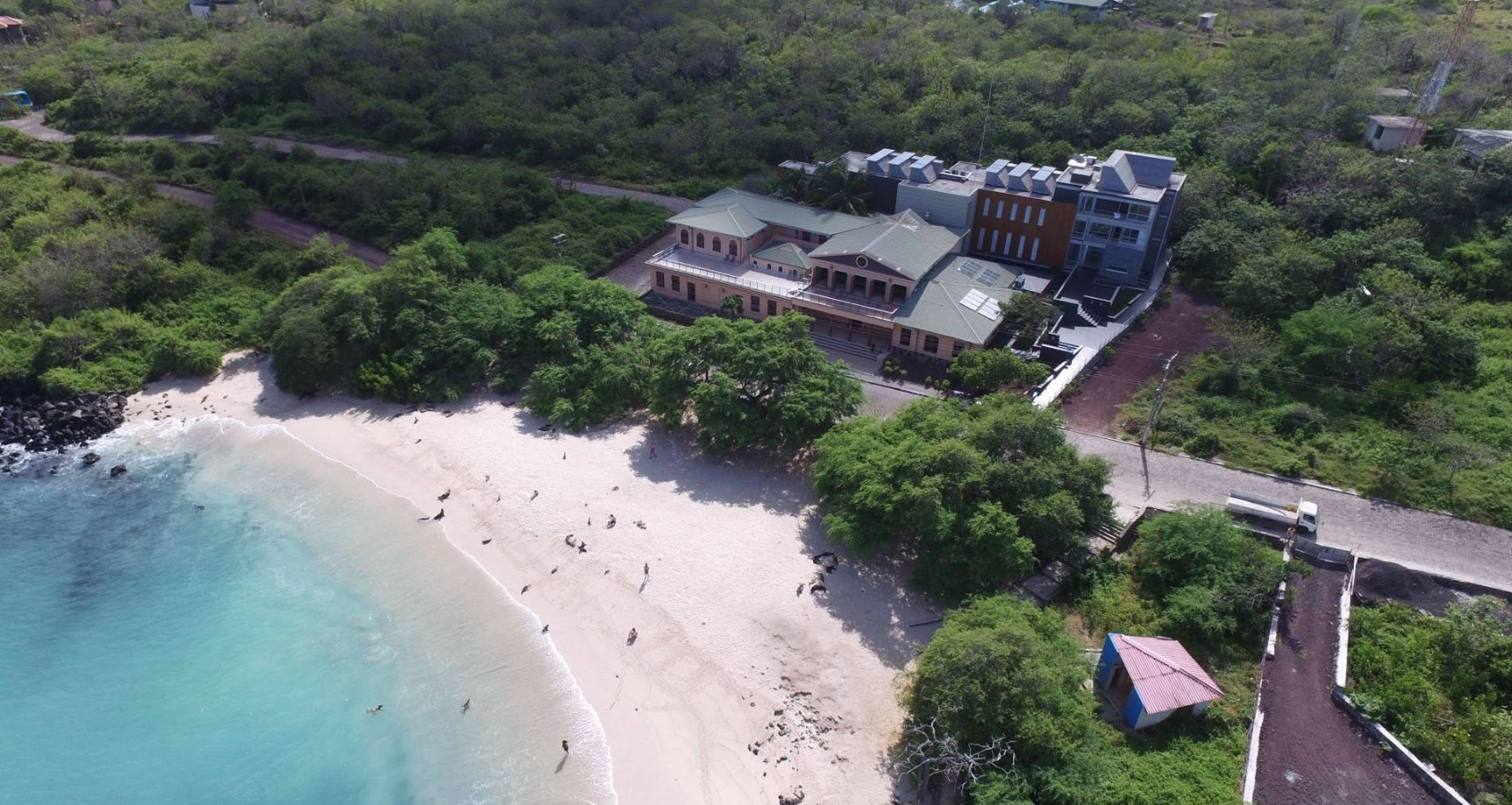
New collaborations and citizen science to better understand cetaceans in the Galapagos
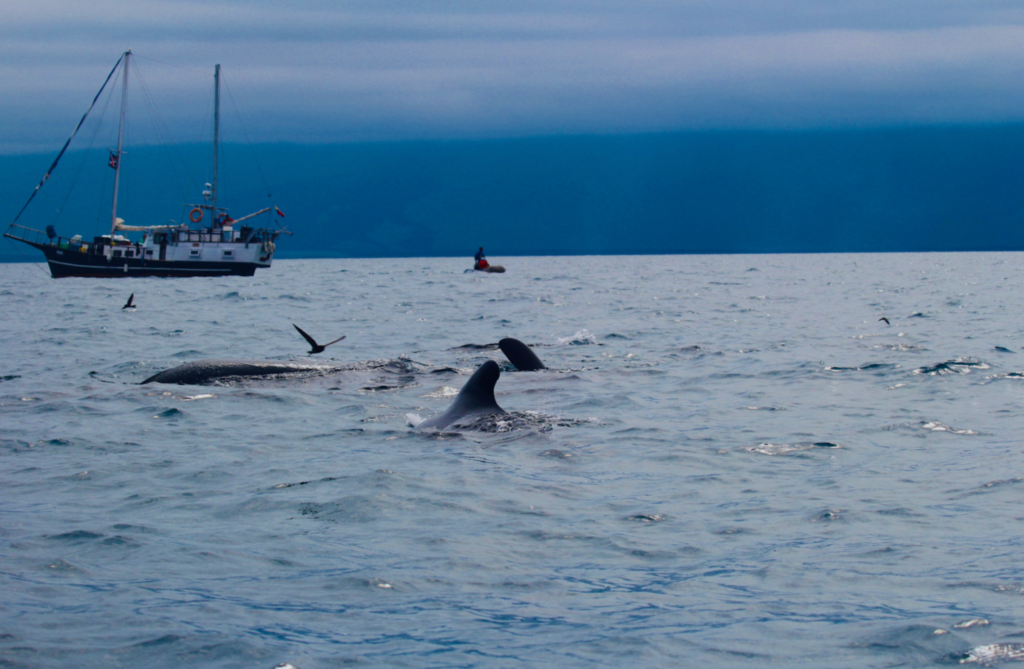
In the fall of 2021, Dani Alarcón, a researcher from the Galapagos Science Center, and Hector Guzman, senior scientist from the Smithsonian Tropical Research Institute, first set out to tag blue whales off the coast of the Galapagos Islands.
Ecuador contributes to the NASA SHADOZ network with 36 probes per year through the USFQ Atmospheric Measurement Station
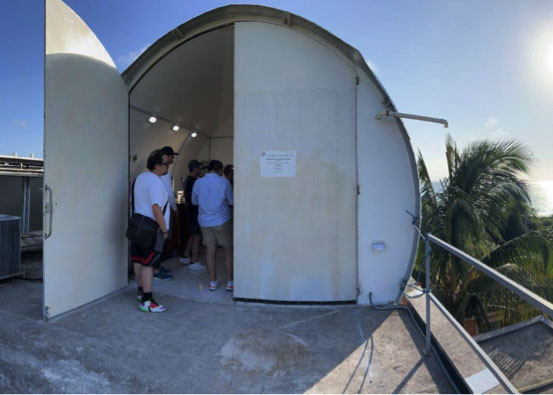
The Universidad San Francisco de Quito (USFQ) has the Atmospheric Research Institute (IIA), which conducts surveys of the ozone layer from its Atmospheric Measurement Station (EMA).
Research Expedition in the Galápagos Marine Reserve Focuses on Overlooked Species and Habitats
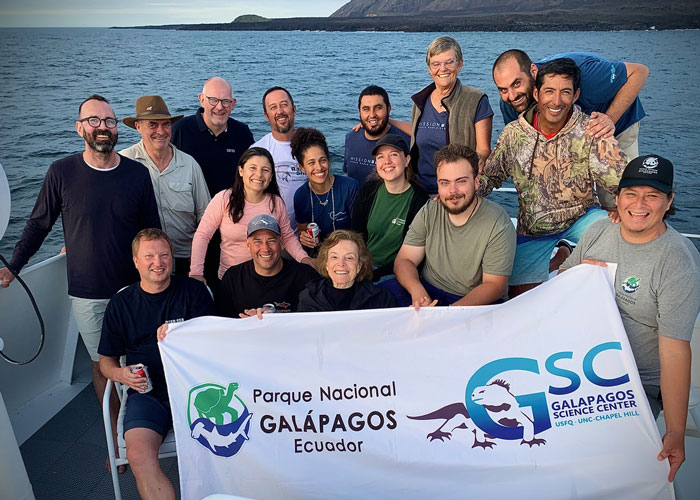
A multi-institutional team of scientists led by legendary oceanographer and National Geographic Explorer, Dr. Sylvia Earle (Mission Blue) carried out a two-week expedition in the Galapagos Marine Reserve.
The Galapagos Science Center hosts the World Summit on Island Sustainability to ensure healthy island ecosystems for future generations
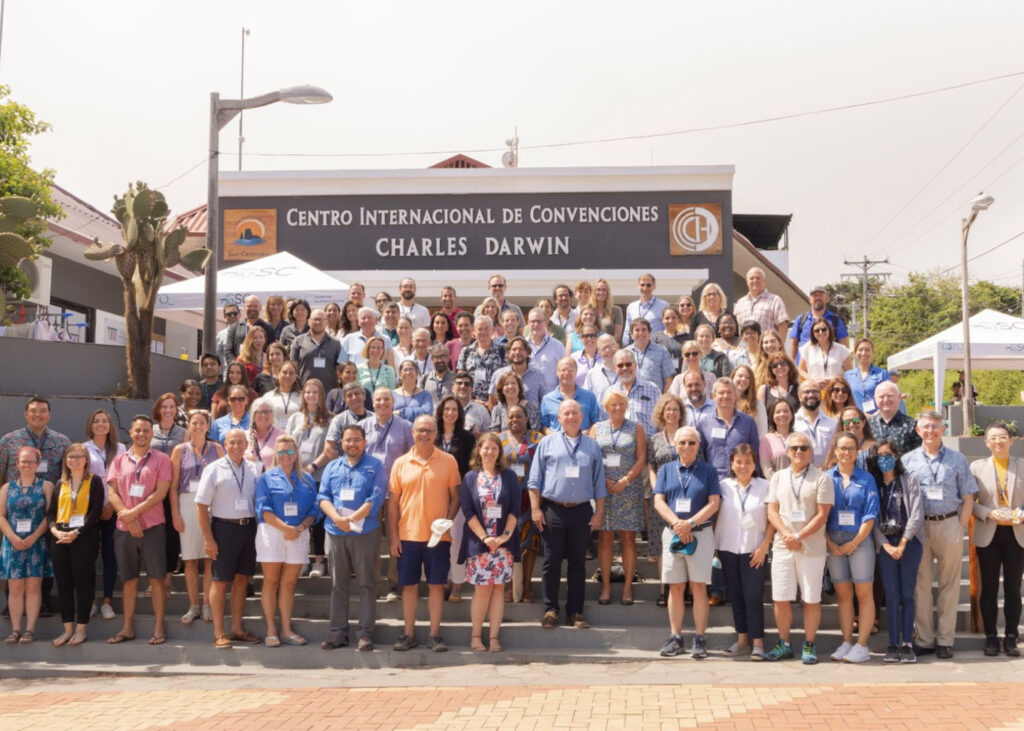
The World Summit on Island Sustainability was held to celebrate the 10th anniversary of the Galapagos Science Center (GSC).
Workforce dynamics in the Galápagos Islands: How agricultural empowerment can aid conservation
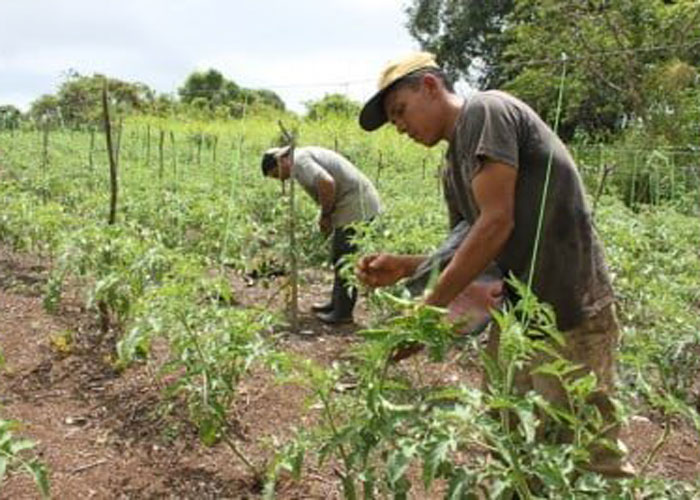
The Galapagos Islands are unique beyond their natural components. Human populations on the islands are the most important authority in the conservation and management of this fragile place. Only 3% of the entire archipelago has been designated for settlements and agriculture.
GSC and GNPD to collaborate on new wildlife on veterinary program in the Galapagos
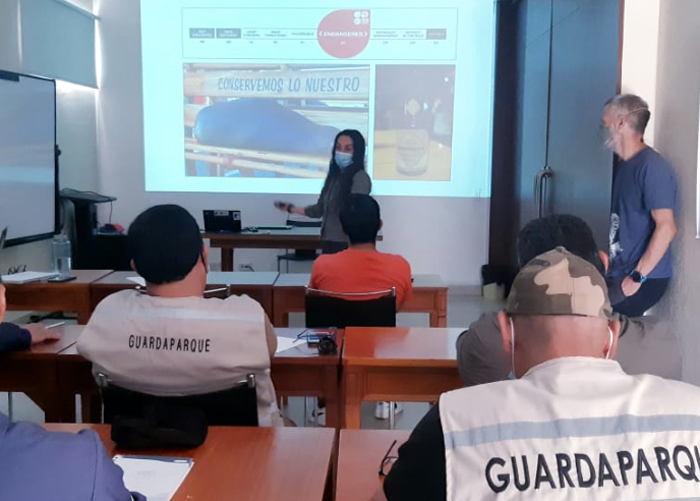
The Galapagos Science Center and the Galapagos National Park will be collaborating to create an operative and sustainable program of wildlife veterinary and management. The GSC and the TUERI Veterinary Hospital of Universidad San Francisco de Quito (USFQ) recently collaborated on a workshop.
Did you know that birds change their genetic structure to adapt to different habitats due to changes in the environment?
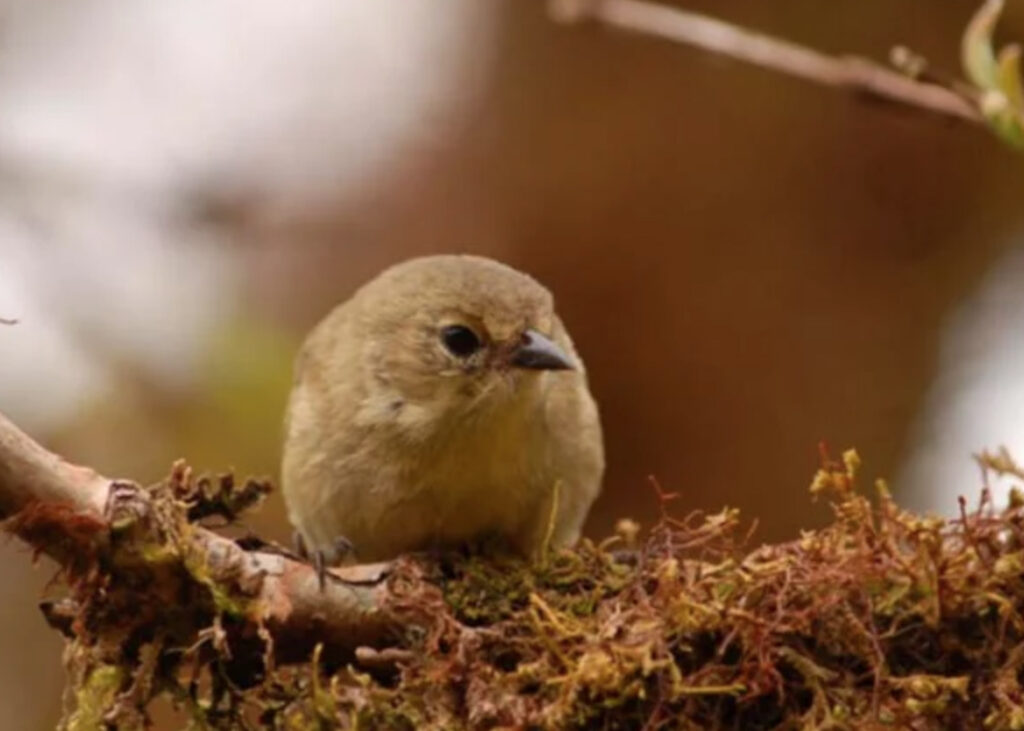
Jaime Chaves, a researcher at the Galapagos Science Center, recently conducted a study that confirmed that the genetic makeup of finches changes when they move from one habitat to another.
Workshops in Galapagos: New international tools for the study of exotic species in the islands
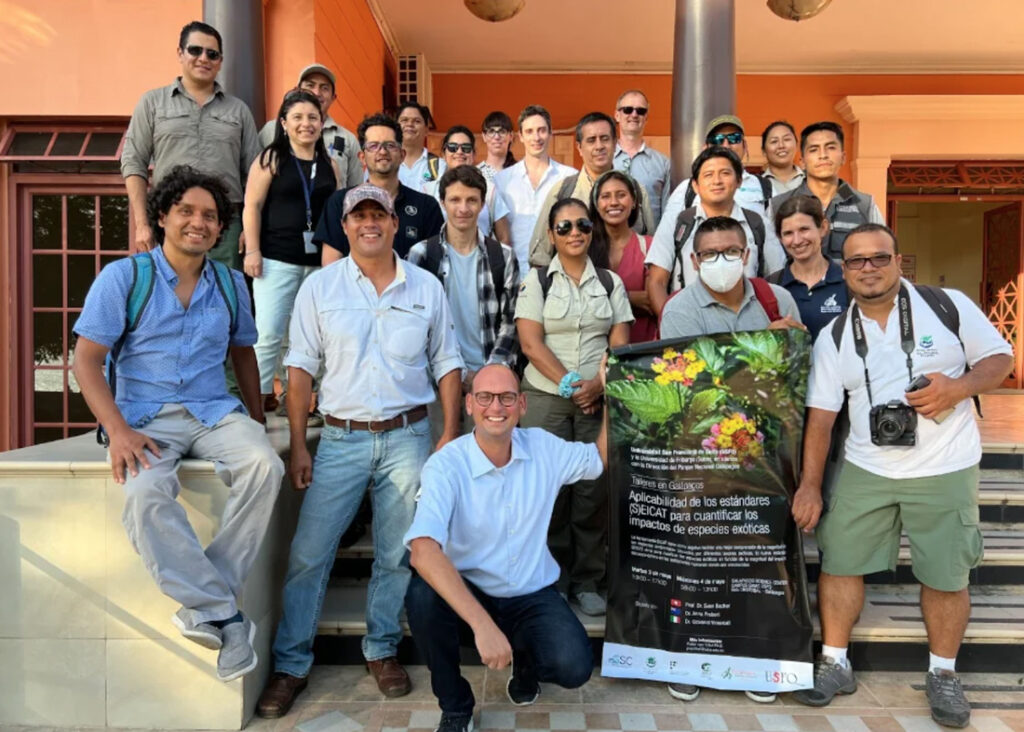
The workshop for the application of the (S)EICAT (Environmental Impact Classification for Alien Taxa / Socio-economic Impact Classification for Alien Taxa) standards was held to quantify the impacts of exotic species at USFQ Galapagos. 23 participants were invloved.
GSC Experiential Education Program
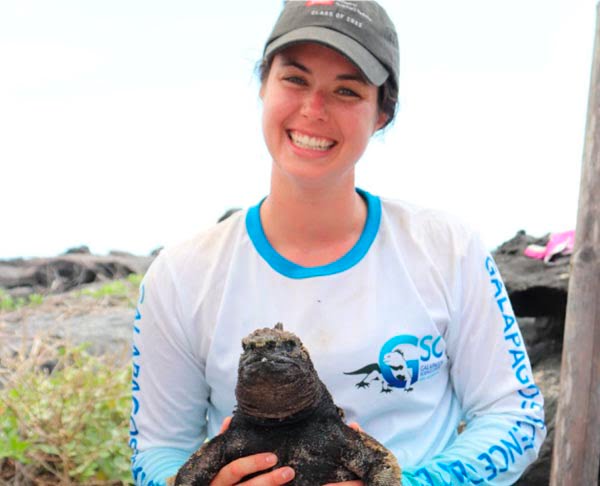
Are you interested in knowing how science is done in Galapagos?
The Galapagos Science Center (GSC) has expanded its operations to host interdisciplinary research projects. Each program offers an opportunity to gain practical and theoretical experience in a variety of research areas. Our team evaluate each program so that both students and researchers can make the most of their time on the Islands.
Scientists Use ultra-light aircraft to tag and track whale sharks of the southern Galapagos Islands for the first time
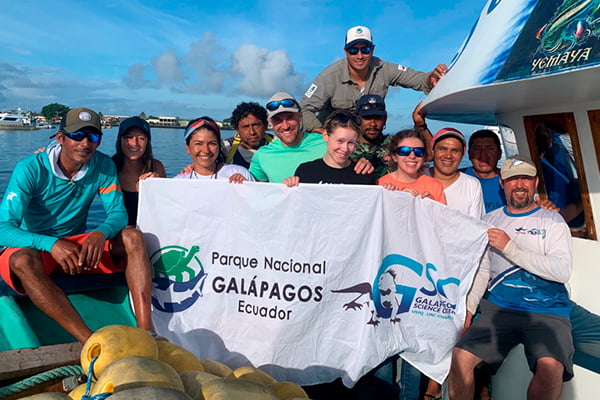
The expedition was supported by the Galapagos Conservation Trust, Rufford Foundation, PADI Foundation and the Royal Society. The expedition is the first step in a wider project with Universidad San Francisco de Quito and partners to monitor and track marine megafauna.