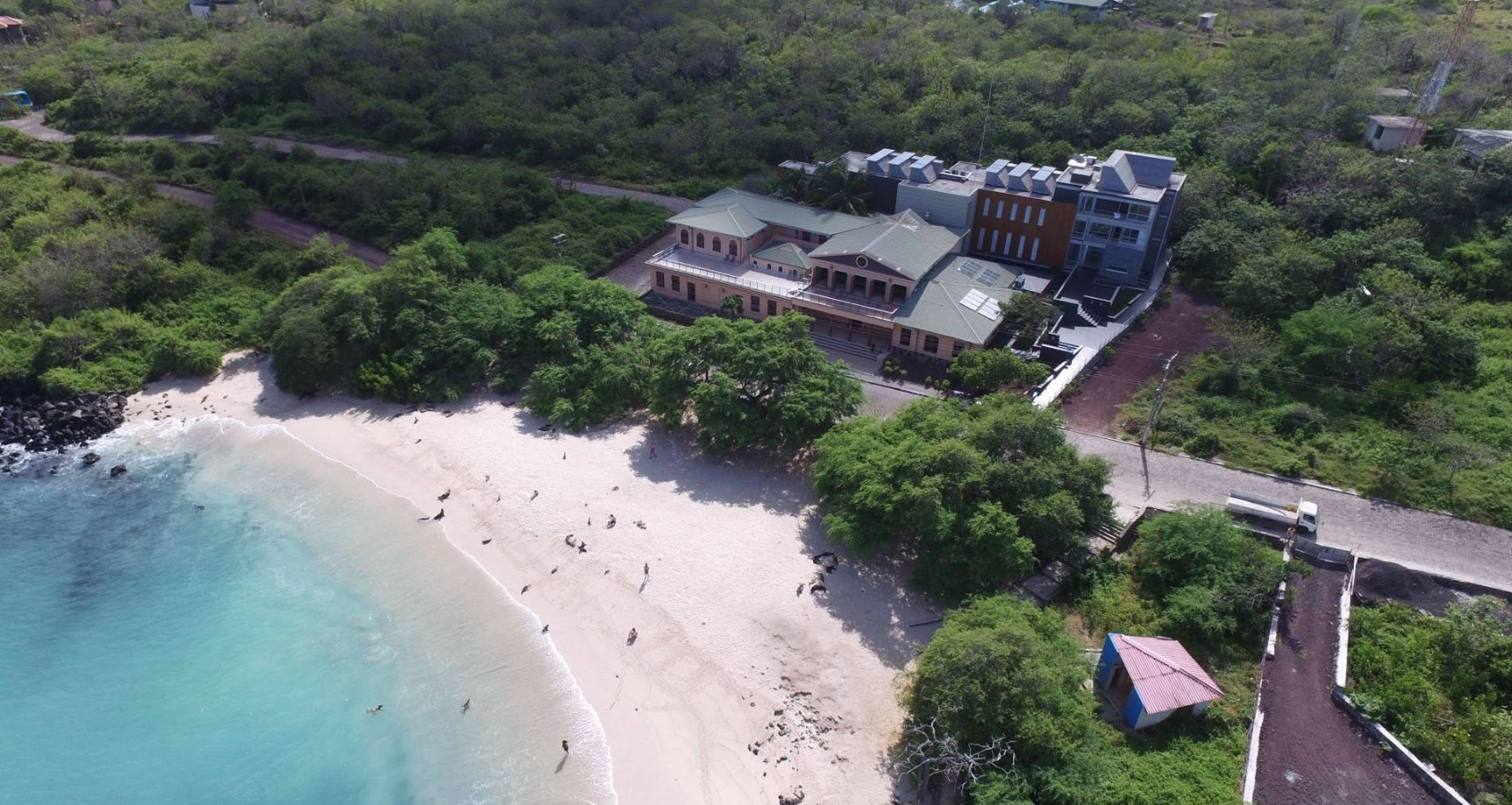
Researchers continue vital work at Galapagos Science Center
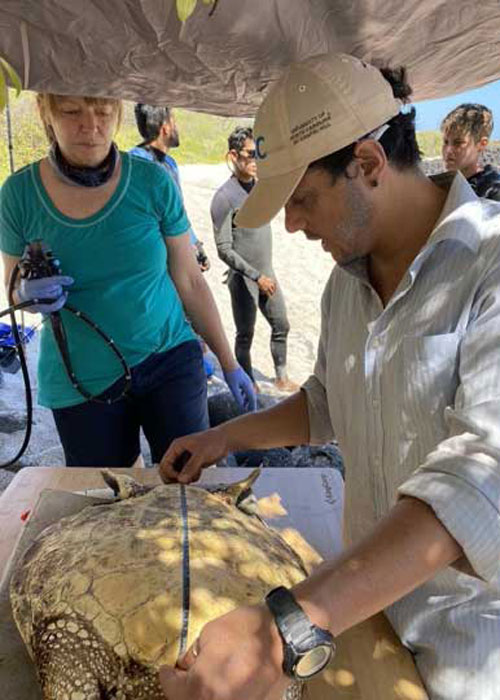
Lewbart has conducted research at the Galapagos Science Center since its inception almost 10 years ago and has made 21 trips to the Galapagos over the years. Many of these were as part of an international team of researchers that helped to establish baseline health parameters for various wild species in the archipelago.
Learn more about the incredible journey of a tiger shark from the Galapagos Islands to Cocos Island
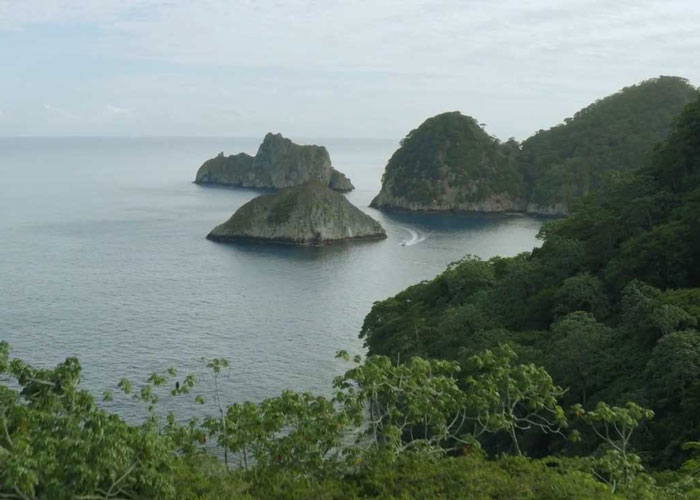
Alex Hearn, professor at Universidad San Francisco de Quito and researcher at the Galapagos Science Center, has been doing science for several years in the Galapagos Islands and in Cocos Island- Costa Rica.
Tiger Shark Makes Historic Journey From the Galapagos Marine Reserve to Cocos Island National Park
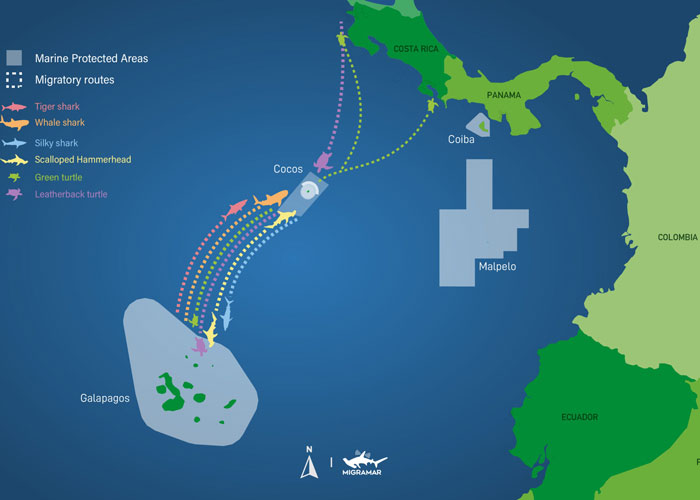
Tiger Shark Makes Historic Journey From the Galapagos Marine Reserve to Cocos Island National Park
Discovery highlights need to create a marine “superhighway” connecting the two UNESCO World Heritage Sites
Vaccination process progresses successfully in Galapagos with the support of USFQ and GSC
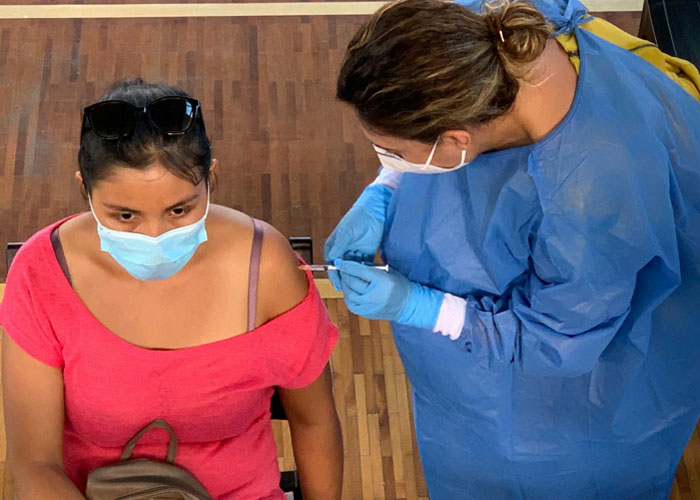
The mass vaccination campaign began in the province of Galapagos at the end of April 2021. The Ministry of Public Health (MSP) and the Governing Council of the Galapagos special regime (CGREG) led this process and received the invaluable collaboration of Universidad San Francisco de Quito.
Reactivating the Galapagos community through science

This last year has shown the importance and power of community. Through funds raised during GiveUNC 2020, UNC Center for Galapagos Studies partnered with Universidad San Francisco de Quito (USFQ) as well as the Galapagos Science Center (GSC) to create REACCT (Re-Activating the Economy through Science, Community and Work).
Female Power in Science
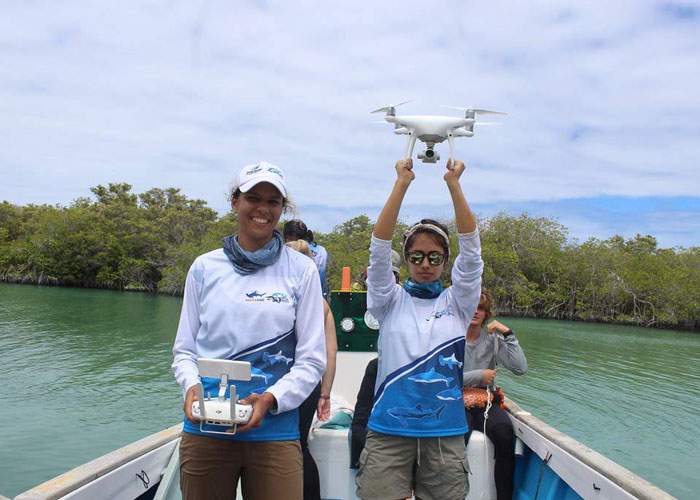
The gender gap in the field of science, technology, engineering and mathematics (STEM) is no secret to anyone. Historically, the presence of women in these areas has been limited and despite the fact that there are great efforts to promote spaces for women’s participation, many of them still have to face difficulties and obstacles that are just due to their gender.The Galapagos Science Center seeks to recognize the invaluable work that women carry out.
Scalloped hammerhead shark (Sphyrna lewini) travels more than 1,200 km from Golfo Dulce, Costa Rica’s South Pacific, to the iconic Darwin Arch in the Galapagos Islands, Ecuador.
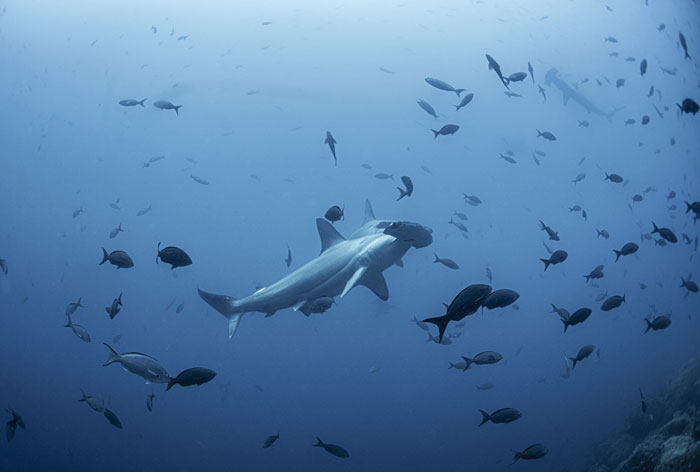
The shark named “Banco” was tagged with an internal acoustic transmitter on the night of August 21.
Analysis of the iconic plant radiation of the Galapagos Endemic Genus Scalesia
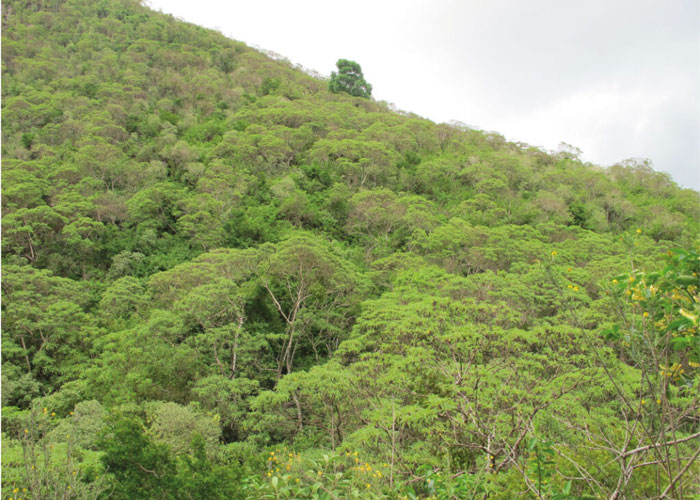
Island radiations can provide key insights for understanding rapid speciation (formation of new, distinct species), including evolutionary patterns and the processes behind them.
Scientists analyze the health of the Galapagos shallow-tailed gull
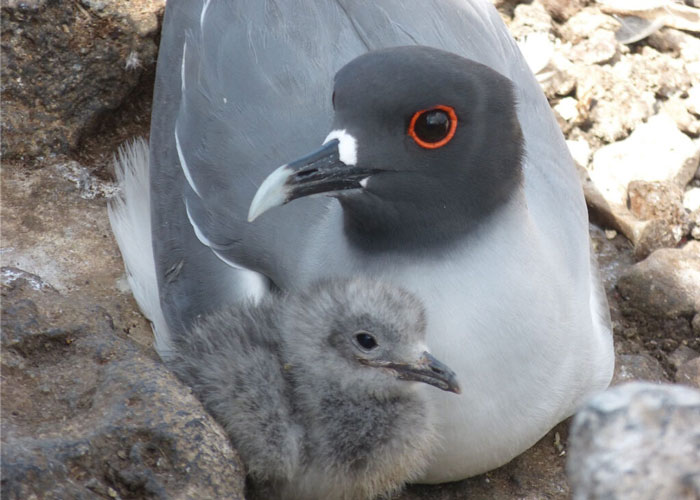
“Baseline hematology, biochemistry, blood gas values and health status of the Galápagos shallow-tailed gull (Creagrus furcatus)”, a research based on the study of a seabird, endemic to the Galapagos archipelago. Historically, health, blood chemistry, and hematology parameters have not been published for this species.
The Galapagos Science Center performs health evaluations on 36 turtles as support to The Galapagos National Park prior to their release
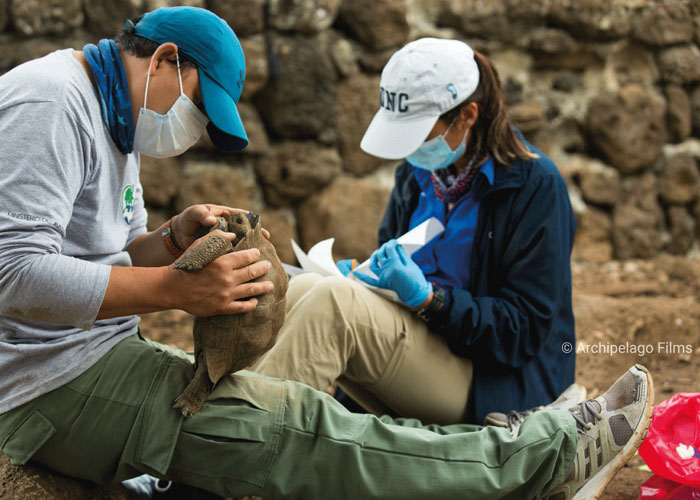
The objective of this activity was to evaluate the health status of the specimens so that the Galapagos National Park Direction could carry out the reintroduction to their natural habitat, ensuring their survival.