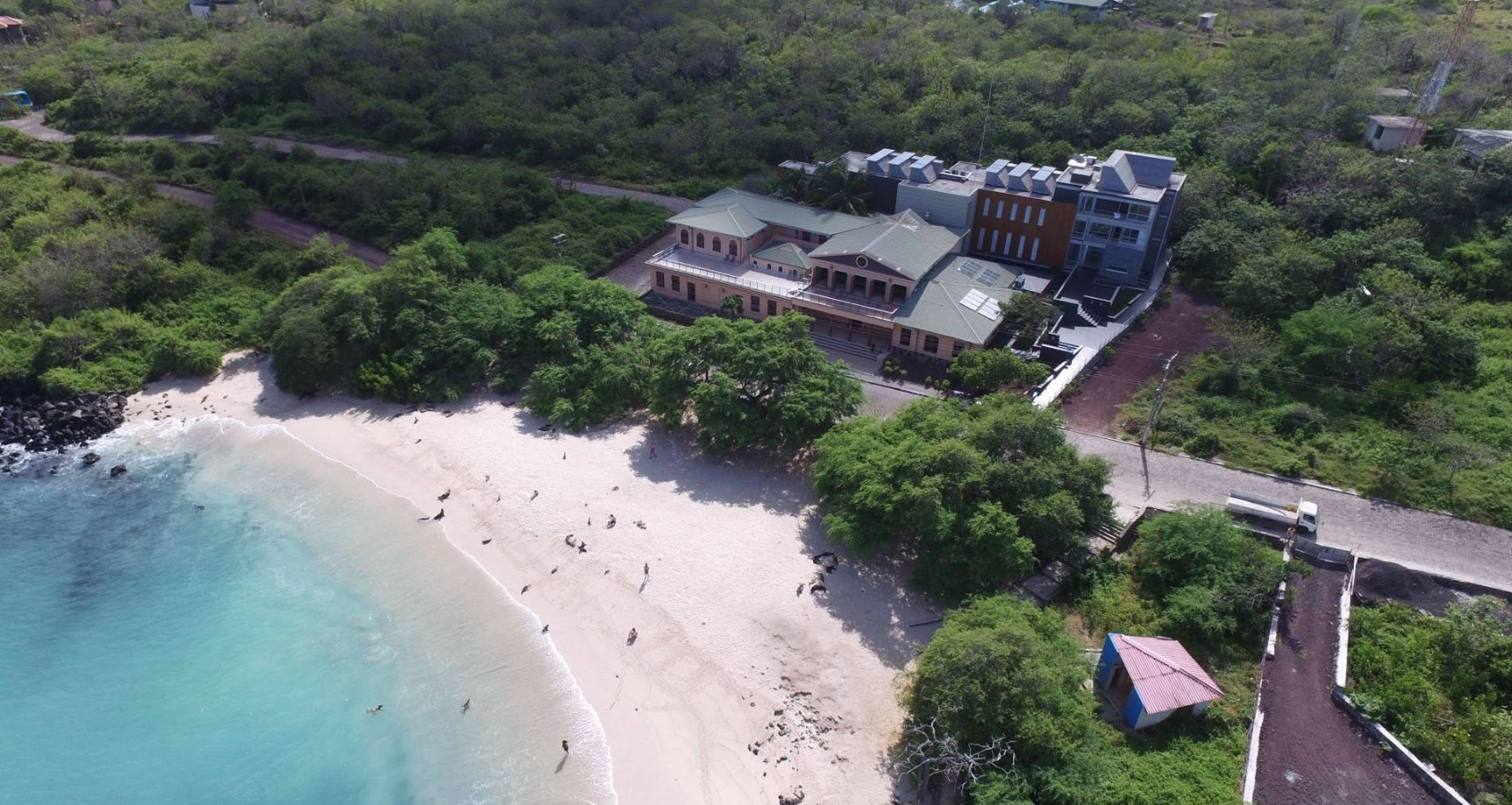
New Gecko Species in Galapagos
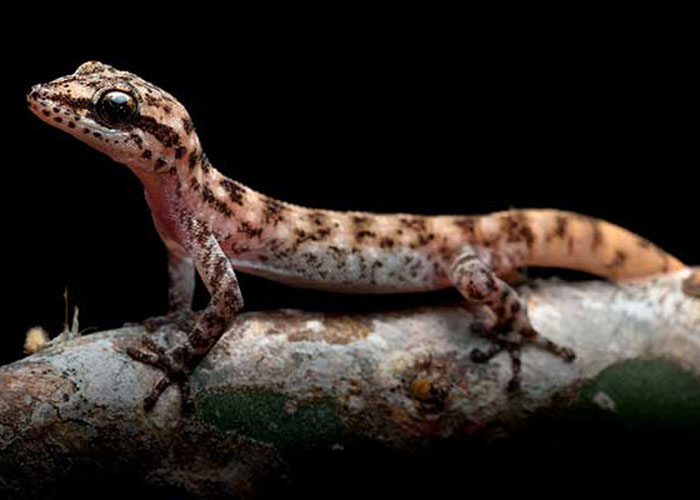
Meet three new endemic Galapagos gecko species!
Thanks to research by Tropical Herping and Galapagos Science Center under Galapagos National Park Directorate permit PC-54-18, Galápagos has two new gecko species and a third elevated from sub-species to species status!
Previously, scientists thought the third new gecko species was a subspecies.
First Ever Maps of AgroEcosystems in Galapagos by UNC and USFQ Researchers
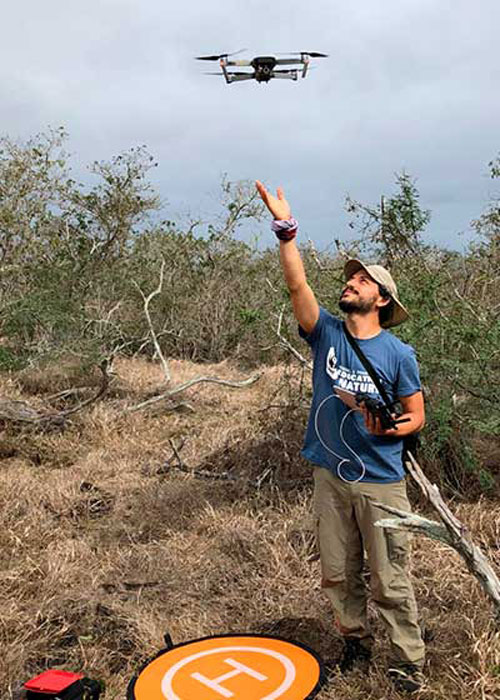
What percentage of land cover is dominated by invasive plants in the highlands of the four inhabited Galapagos Islands? It´s 28.5% according to new maps generated by an international research team based between the UNC at Chapel Hill, USFQ in Quito and GSC.
GSC plays an integral role in the Galapagos Inter-Institutional Commission for Responsible Plastics Use
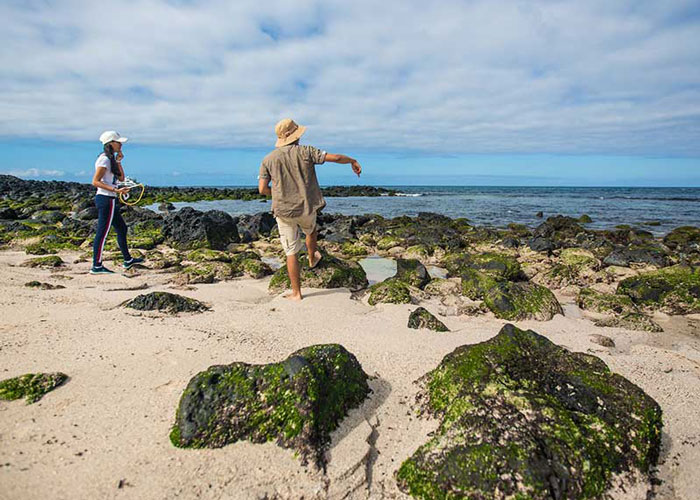
Beginning in 2012, the plenary of the Galapagos Governing Council (CGREG), the highest government instance in Galapagos, voted to implement the recommendations from a study conducted by a consultant from the Galapagos National Park Directorate (GNPD) on the use of disposable plastics in Galapagos.
Healthy Families Study
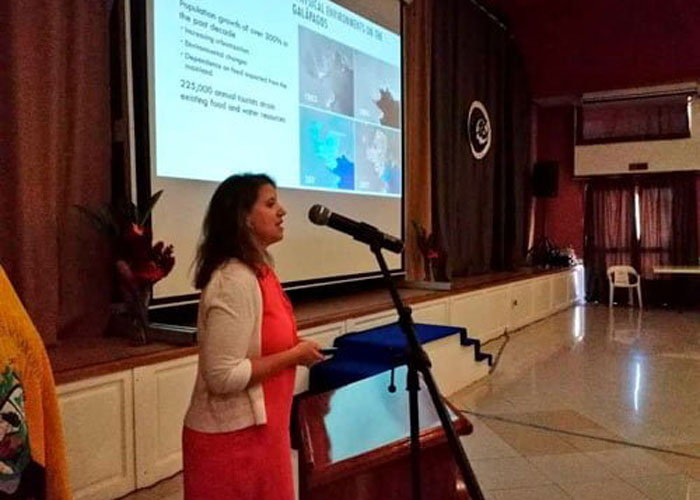
Over the past two years, we have been conducting the Healthy Families Study in San Cristobal in collaboration with USFQ and funded by the National Institutes of health. In this project, we examine how the water and food environments of the Galapagos impact human health.
Grass Genomes X Environments: A hypothesis/discovery-based approach connecting genome with the phenome of plant habit and behavior in natural settings
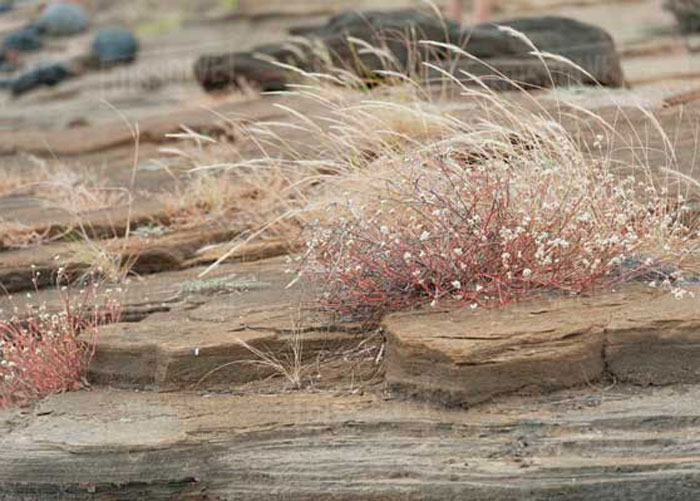
We characterize the genomes of a phenotypically diverse, yet monophyletic, set of grasses from Ecuador.
“Steve Walsh NASA Grant on Galapagos Islands”
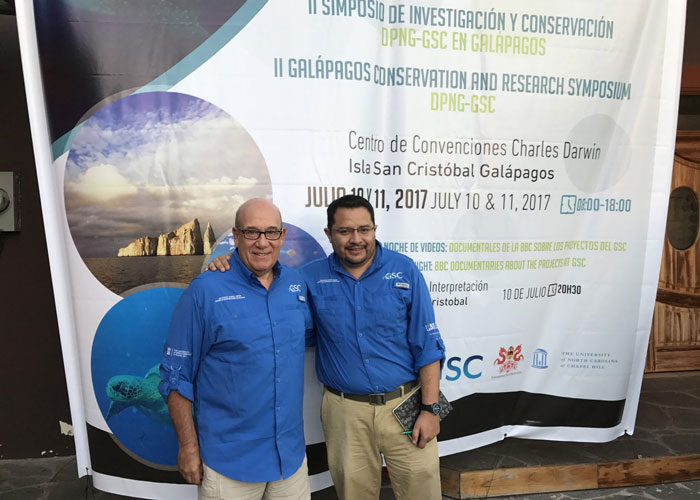
NASA Grant on Global Islands
• Stephen J. Walsh, Richard E. Bilsborrow, Laura Brewington, Yang Shao, Hernando Mattei, Francisco Laso, Phil Page, Brian Frizzelle (2017-2020), Synthesis of Drivers, Patterns, and Trajectories of LCLUC in Island Ecosystems, National Aeronautics and Space Administration (NASA).
UNC Galapagos Research Retreats 2018-2019
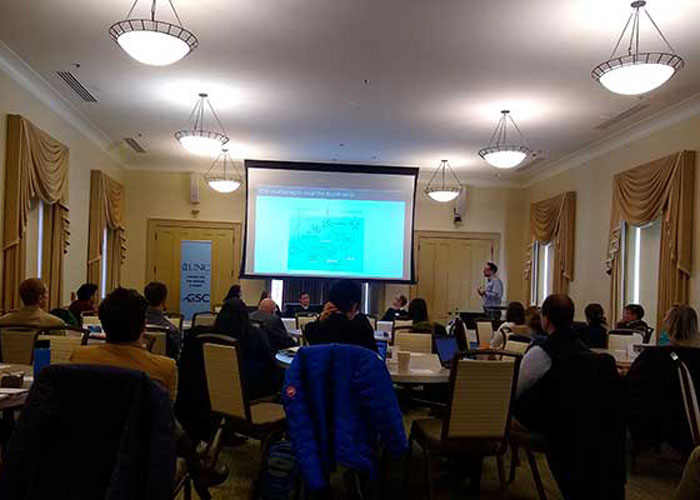
The first Galapagos Research Retreat was held at the Carolina Inn during fall 2018. Carlos Mena, Co-Director of the Galapagos Science Center, accompanied the UNC Galapagos Leadership Team to further engage and recruit UNC scientists to the Galapagos Initiative.
Scientific publication analyzing the presence of Bluetongue virus and epizootic hemorhagic disease in cattle on Galapagos
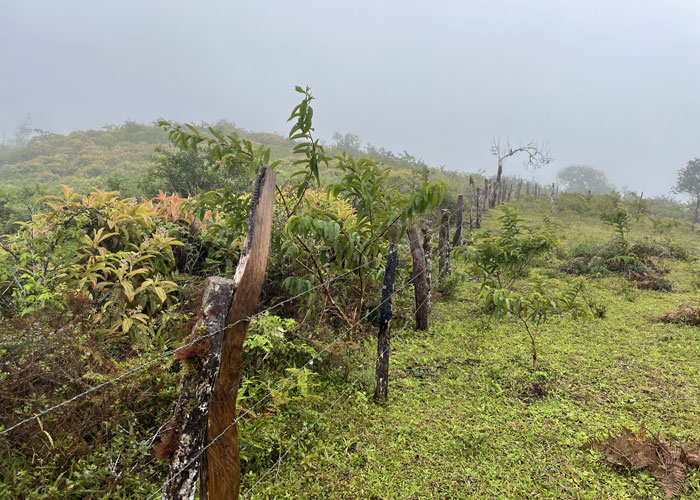
Researchers from the USFQ, led by Rommel Vinueza, profesor from the School of Veterinarian Medicine surveyed 410 heads of cattle to analyze the presence of two common diseases.
Scientific publicaton on the San Cristobal lava lizard (Microlophus bivittatus)
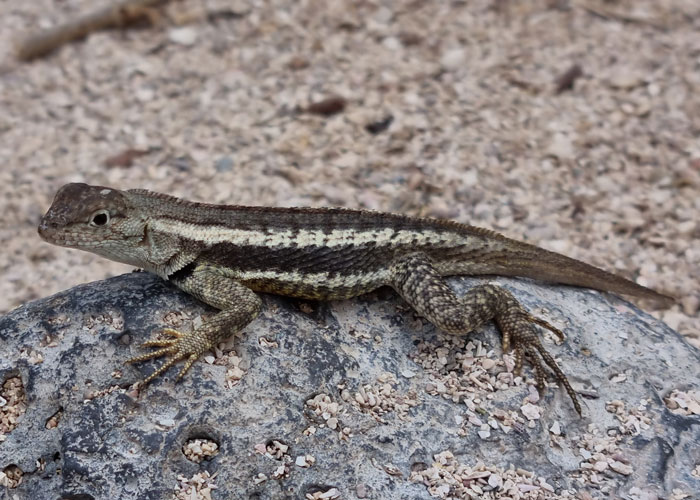
Haematology and biochemistry of the San Cristóbal Lava Lizard (Microlophus bivittatus) The San Cristóbal lava lizard, is one of nine species of lava lizards endemic to the Galápagos Islands of Ecuador. No information presently exists about baseline health parameters for any of these species.
Urban Land Cover Change in Ecologically Fragile Environments: The Case of the Galapagos Islands
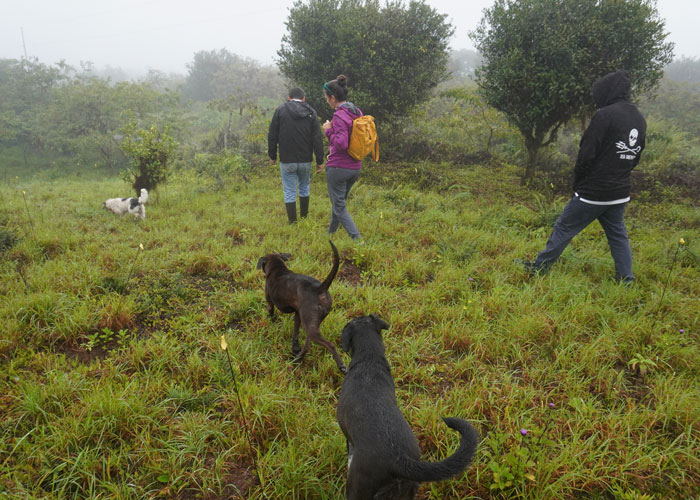
Fátima L. Benítez, Carlos F. Mena, Leo Zurita-Arthos
The Galapagos Islands are a unique sanctuary for wildlife and have gone through a fluctuating process of urbanization in the three main inhabited islands.