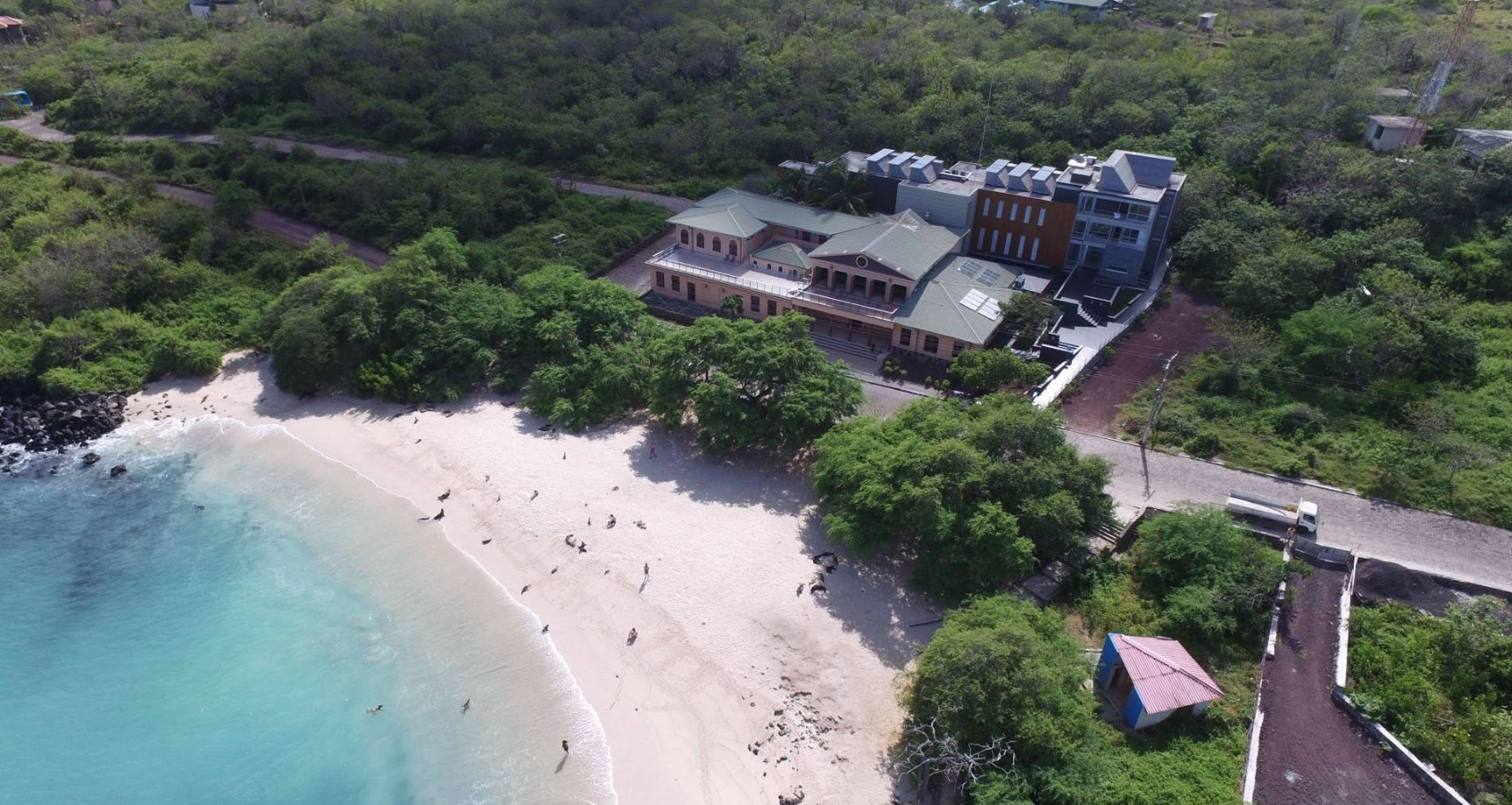
Concentrations of lead in pinniped bones confirm Galapagos as a relatively unpolluted environment
Lead (Pb) is a trace element that is naturally present in arid regions but it is also released to the marine environment by anthropogenic industrial emissions. Here, we assessed Pb concentrations in bone samples of four pinniped species.
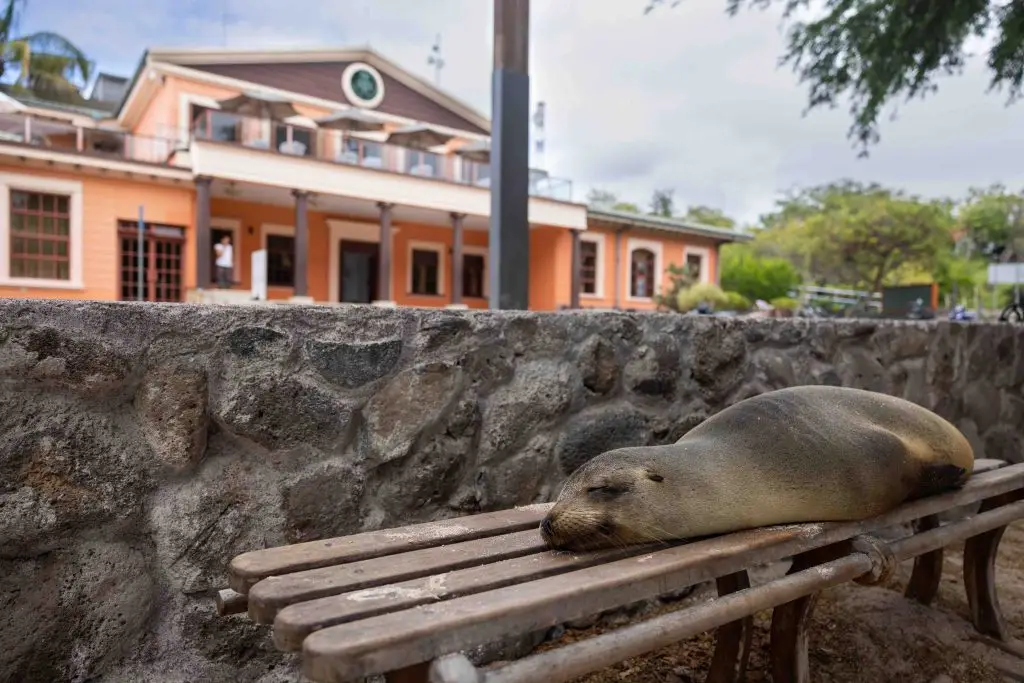
Seroconversion in Galapagos Sea Lions (Zalophus wollebaeki) Confirms the Presence of Canine Distemper Virus in Rookeries of San Cristobal Island
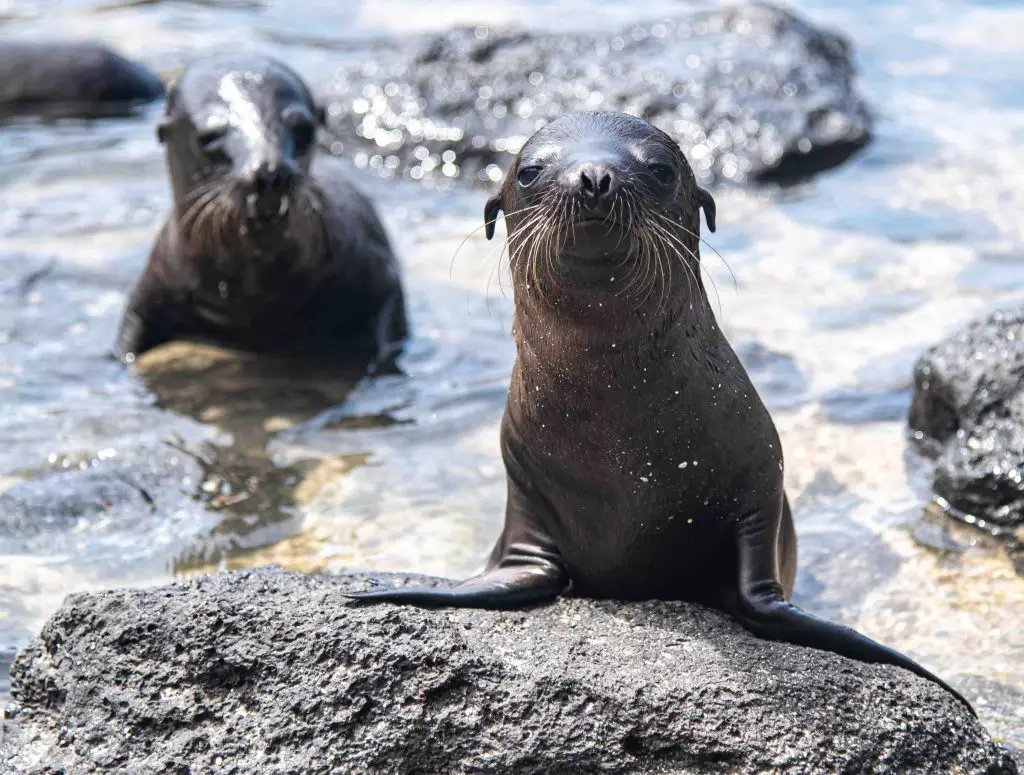
JThe emblematic Galapagos sea lion (GSL—Zalophus wollebaeki) has faced an important population decline over the last four decades.
Assessment of nursery areas for the scalloped hammerhead shark (Sphyrna lewini) across the Eastern Tropical Pacific using a stable isotopes approach
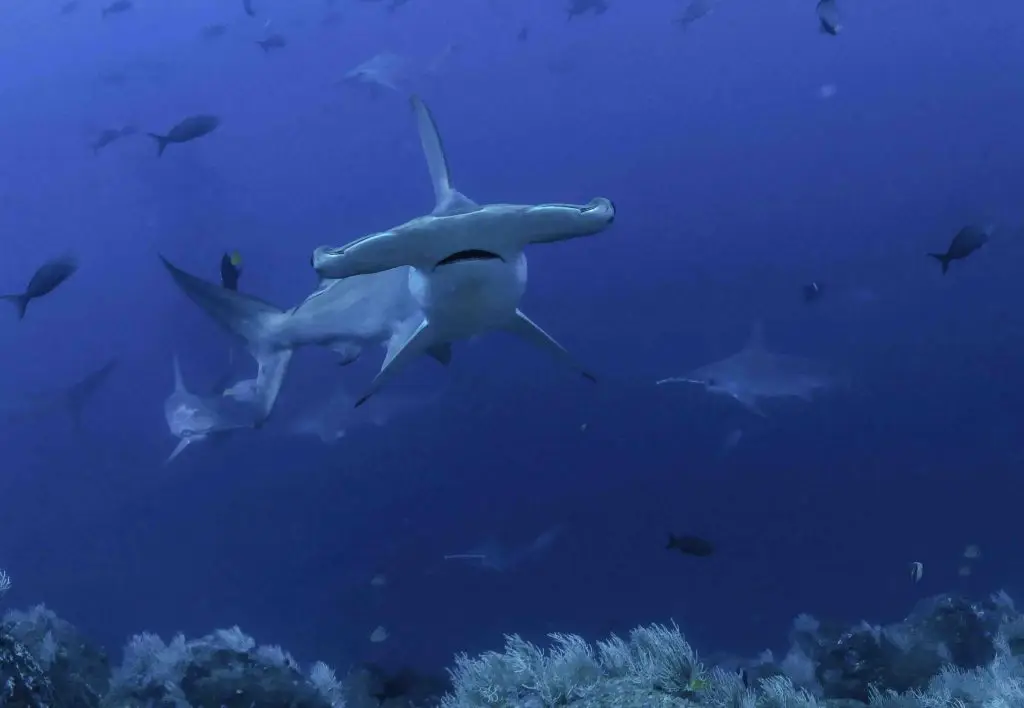
The scalloped hammerhead shark is one of the most iconic marine species across the Eastern Tropical Pacific (ETP), yet little is still known about its reproductive biology.
Galapagos Pinnipeds, Challenges to Their Survival
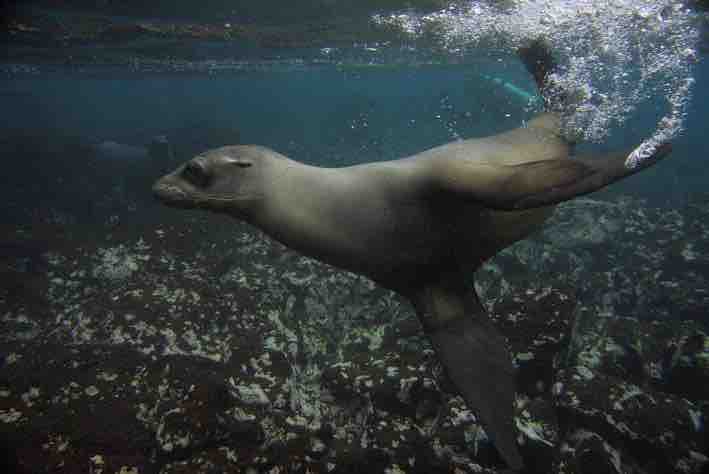
Pinnipeds endemic to the Galapagos archipelago are in endangered conservation status. The Galapagos sea lion, Zalophus wollebaeki, and Galapagos fur seal, Arctocephalus galapagoensis, have adapted to an ecosystem with high environmental variability and unpredictable marine productivity to survive.
When pink is a question: Comparative gross and microscopic skin structure analyses reveal the histological basis of skin colour in Galápagos pink land iguanas (Conolophus marthae)
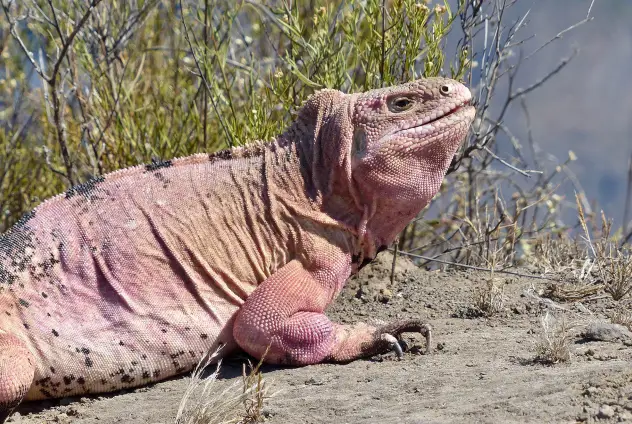
One of the rarest and most unusual iguanas on the planet is the Galápagos pink land iguana (Conolophus marthae).
Endoscopy and rectal enema for fecal collection in wild sea turtles (Chelonia mydas, Eretmochelys imbricata) in a field setting
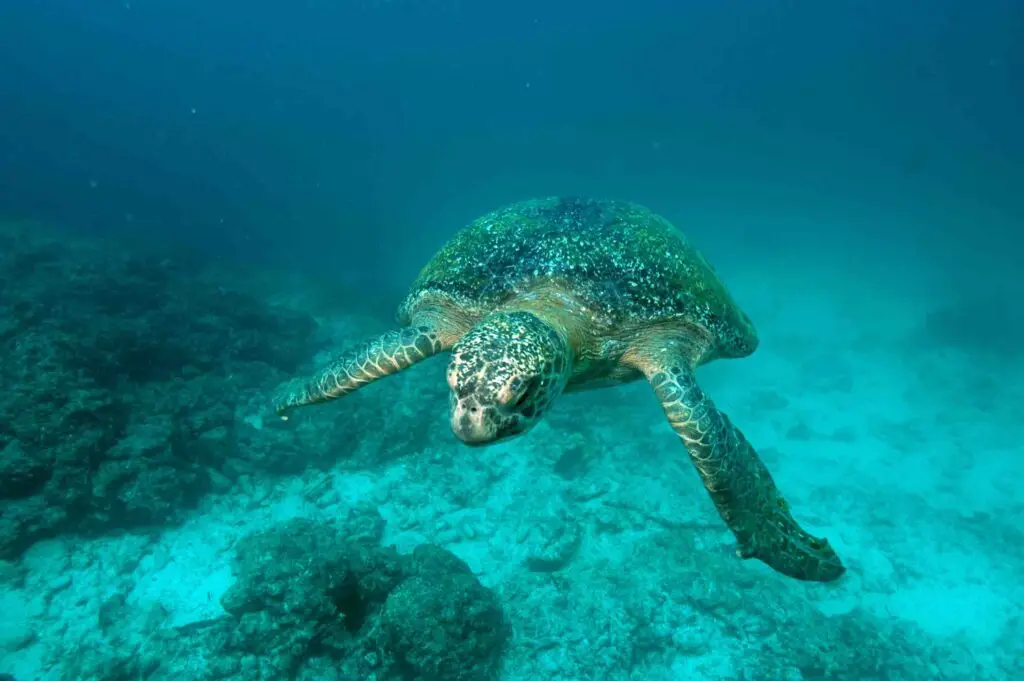
Forty-seven free-ranging sea turtles (46- Chelonia mydas, 1- Eretmochelys imbricata) were examined via novel use of an endoscopy combined with a rectal enema.
Time-calibrated phylogeny and full mitogenome sequence of the Galapagos sea lion (Zalophus wollebaeki) from scat DNA
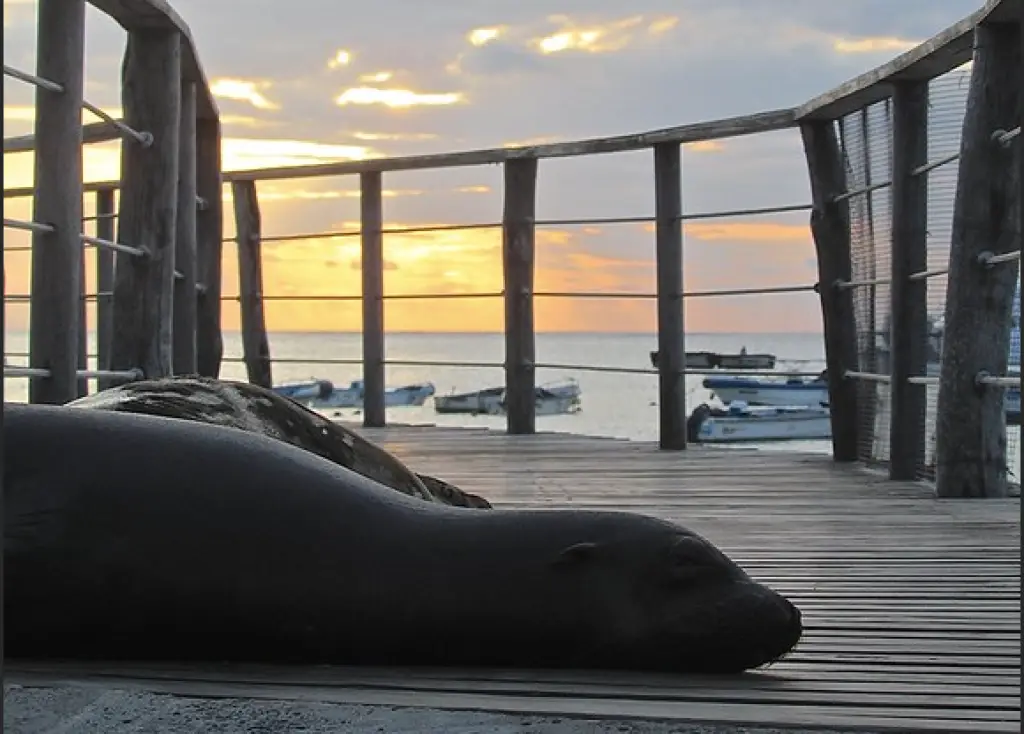
The Galapagos sea lion, Zalophus wollebaeki, is an endemic and endangered otariid, which is considered as a sentinel species of ecosystem dynamics in the Galapagos archipelago.
La Niña-related coral death triggers biodiversity loss of associated communities in the Galápagos
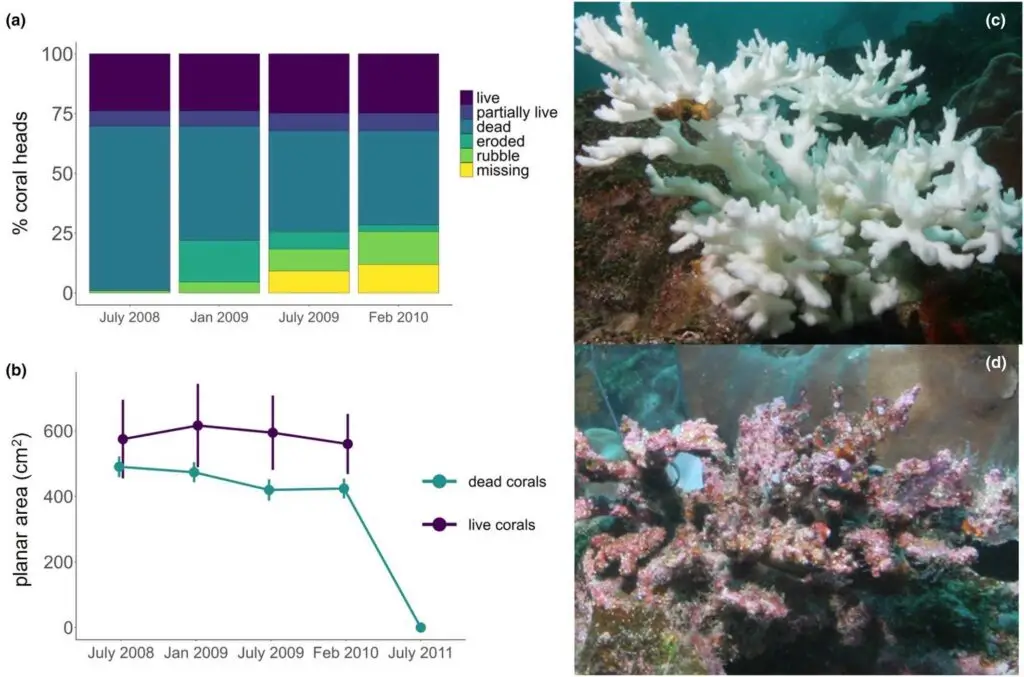
During a cold La Niña period (August 2007–January 2008) in the central Galápagos archipelago, 70% of Pocillopora branching corals were severely bleached across three long-term monitoring sites.
Hematology and Biochemistry of the Española Lava Lizard (Microlophus delanonis)
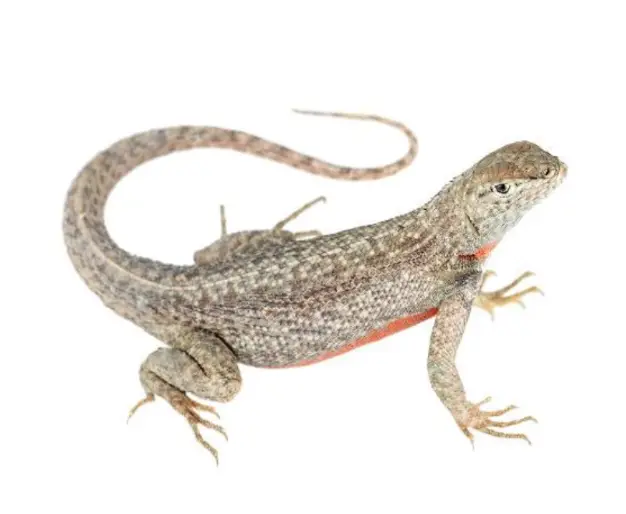
This paper presents novel baseline health parameters on the Española lava lizard (Microlophus delanonis). Morphologic parameters measured included body weight, snout-vent length, and temperature.
Detection and quantification of microplastic pollution in the endangered Galapagos sea lion
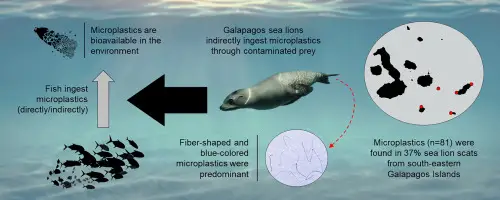
Marine debris pollution poses a significant global threat to biodiversity, with plastics being the primary debris type found in oceans due to their low-cost production and high demand worldwide.