
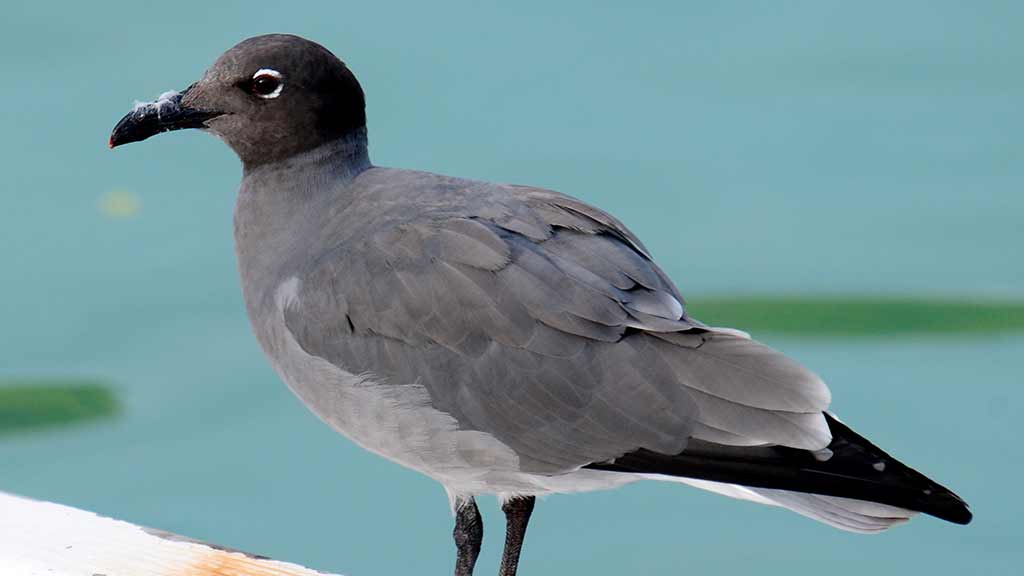
Ensamblaje de novo de alta calidad del genoma de la gaviota de lava endémica de Galápagos utilizando tecnologías Oxford Nanopore

La gaviota de lava (Leucophaeus fuliginosus) es una especie endémica de Galápagos y considerada la gaviota más rara del mundo, con una población estimada entre 300 y 600 individuos. Su distribución limitada y su exposición a amenazas como la contaminación y especies introducidas hacen que su conservación sea prioritaria. Sin embargo, hasta ahora no se contaba con información genética completa que permitiera comprender mejor su estado poblacional y sus desafíos a largo plazo. Esta investigación tuvo como objetivo obtener por primera vez el genoma completo de la especie, generando una herramienta clave para fortalecer estudios evolutivos y estrategias de conservación basadas en evidencia científica.
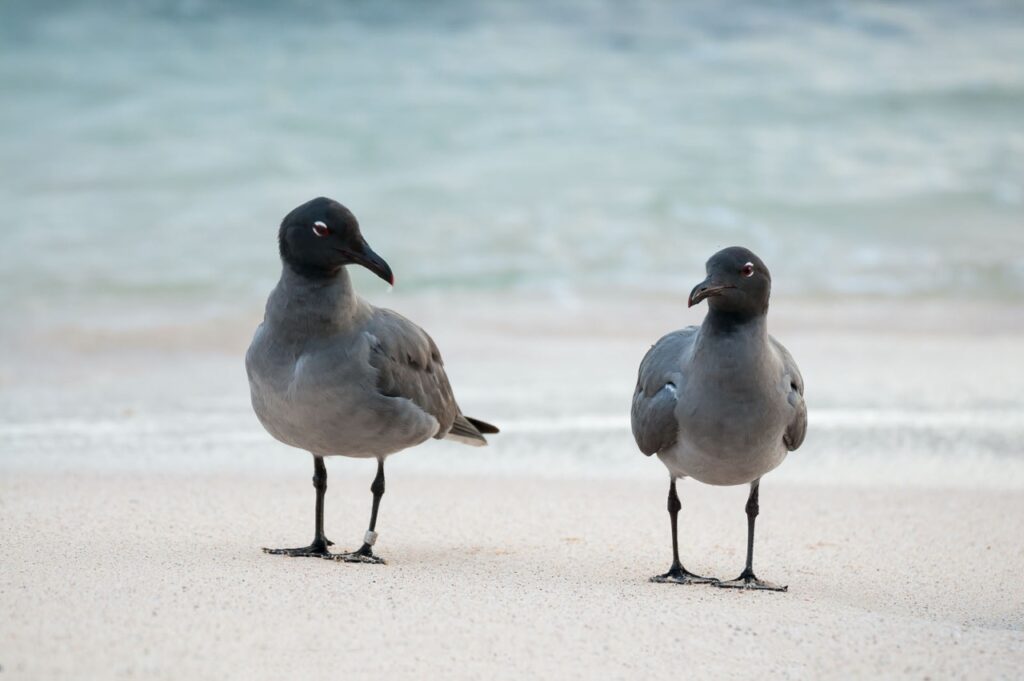
Se recolectó una muestra de sangre de una hembra adulta en Galápagos y se realizó la secuenciación utilizando tecnología portátil de Oxford Nanopore, en el archipiélago. Esta metodología permitió analizar largas secuencias de ADN y reconstruir el genoma a nivel de cromosomas, incluyendo los cromosomas sexuales. 

El equipo realizó procesos de ensamblaje, validación y comparación con otras especies de gaviotas disponibles en bases de datos internacionales. El resultado fue un genoma de alta calidad y gran nivel de completitud, comparable e incluso superior al de otras especies relacionadas.
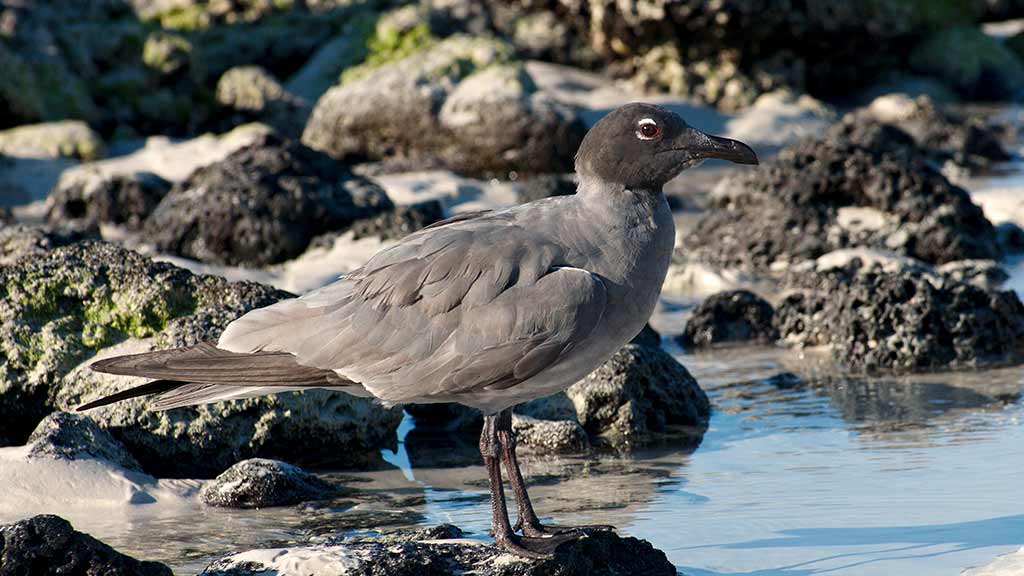
Este estudio representa un avance significativo para la ciencia y la conservación en Galápagos. Contar con el primer genoma de referencia de la gaviota de lava permitirá evaluar su diversidad genética, comprender mejor su historia evolutiva y apoyar decisiones de manejo informadas. Además, demuestra que es posible desarrollar investigación genética de alto nivel directamente en territorios insulares, fortaleciendo la capacidad científica local y abriendo nuevas oportunidades para proteger las especies del archipiélago.

Lee el articulo completo aquí: https://academic.oup.com/g3journal/advance-article/doi/10.1093/g3journal/jkaf259/8384450
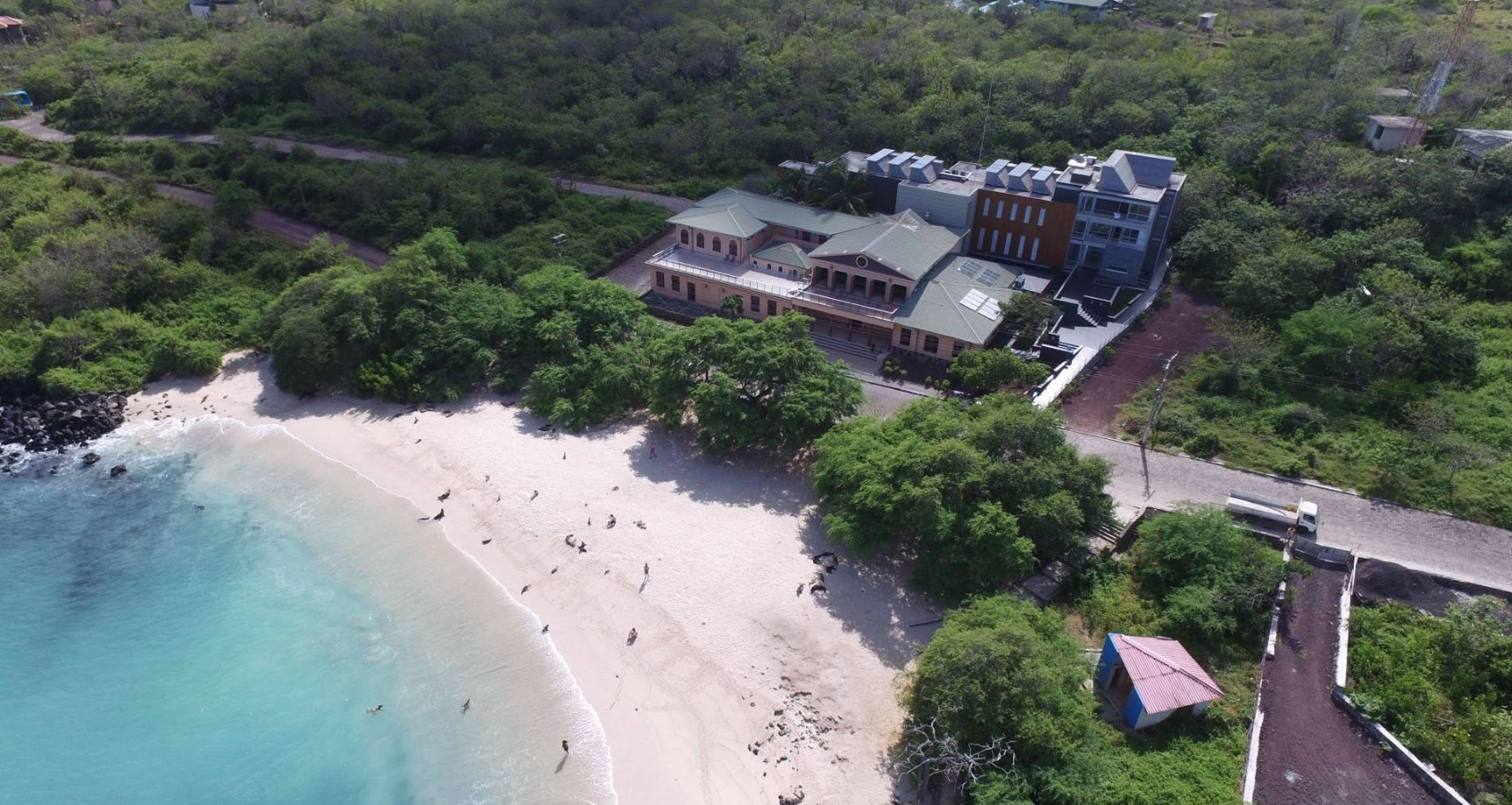
In 2022, the Galapagos Science Center (GSC) and the broader UNC & USFQ Galapagos Initiative will celebrate its 10th Anniversary. We are proud to announce the World Summit on Island Sustainability scheduled to be held on June 26–30, 2022 at the Galapagos Science Center and the Community Convention Center on San Cristobal Island.

The content of the World Summit will be distributed globally through social media and results documented through papers published in a book written as part of the Galapagos Book Series by Springer Nature and edited by Steve Walsh (UNC) & Carlos Mena (USFQ) as well as Jill Stewart (UNC) and Juan Pablo Muñoz (GSC/USC). The book will be inclusive and accessible by the broader island community including scientists, managers, residents, tourists, and government and non-government organizations.

While the most obvious goal of organizing the World Summit on Island Sustainability is to celebrate the 10th Anniversary of the GSC and the UNC-USFQ Galapagos Initiative, other goals will be addressed through special opportunities created as part of our operational planning of the World Summit.

For instance, we seek to elevate and highlight the Galapagos in the island conservation discourse, seeking to interact with other island networks in more obvious and conspicuous ways to benefit the Galapagos Islands, the UNC-USFQ Galapagos Initiative, and the world. We will seize the opportunity to further develop the I2N2 – International Islands Network-of-Networks. Further, we wish to highlight and emphasize multiple visions of a sustainable future for the Galapagos Islands and we cannot do this alone. Therefore, engaging the Ecuadorian Ministry of Environment, the Ministry of Tourism, the Government Council of Galapagos, the Galapagos National Park, and local Galapagos authorities, including government and non-government organizations and local citizen groups, is imperative.

The Galapagos Science Center on San Cristobal Island, Galapagos

Borrowing from Hawaii’s and Guam’s Green Growth Program and the Global Island Partnership, we wish to examine existing global programs that emphasize island sustainability and their incorporation into life, policies, and circumstances in the Galapagos Islands. We will also seek to enhance our connections with the institutional members of our International Galapagos Science Consortium and expand the Consortium through the recruitment of other member institutions. We will also work to benefit islands and their local communities by working with citizen groups as well as important NGOs who seek to improve the natural conditions in the Galapagos and diminish the impact of the human dimension on the future of Galapagos’ ecosystems.

Lastly, we will use the World Summit to benefit UNC & USFQ and our constituencies through a strong and vibrant communication plan about the World Summit, creating corporate relationships as sponsors, identifying funding goals through donors, and benefiting our study abroad program for student engagement in the Galapagos Islands. We plan to develop and issue a Galapagos Sustainability Communique after the World Summit that includes the vision and insights of all its participants for a sustainable Galapagos with applicability to global island settings.

We are eager to hear your perspective and have you join us at the World Summit on Island Sustainability!