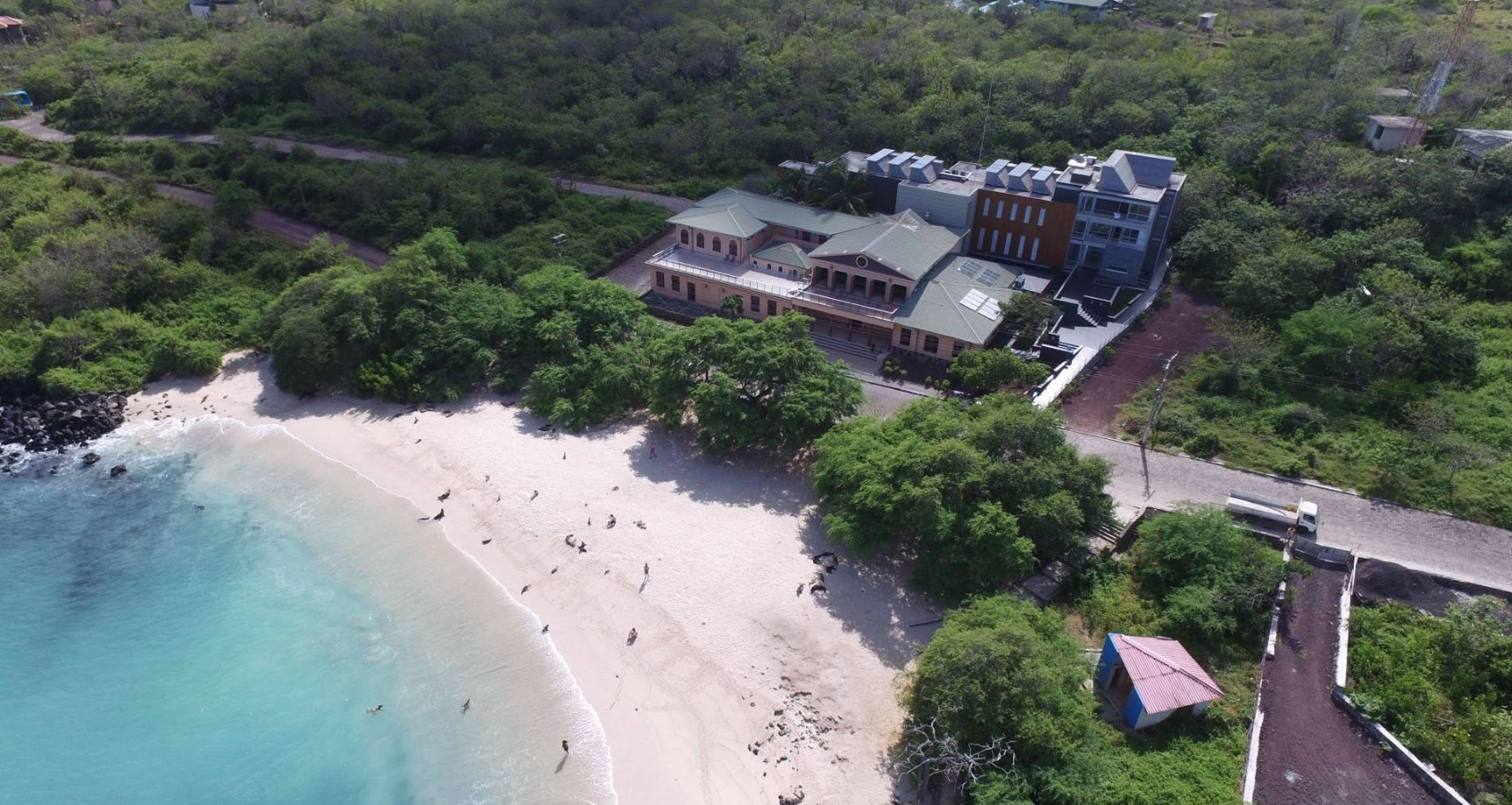
Las iguanas marinas presentan tasas metabólicas más bajas durante El Niño
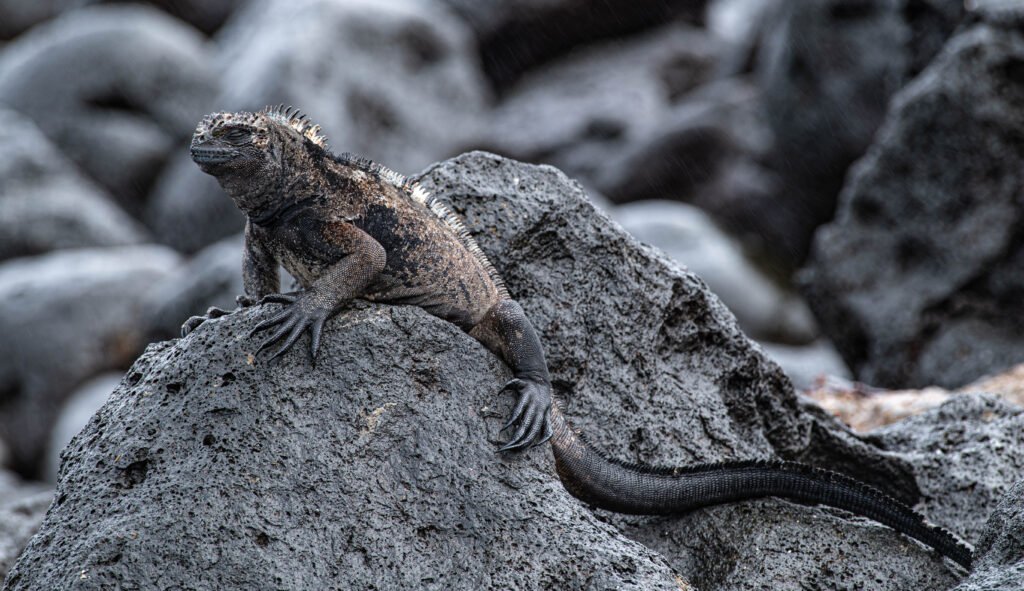
Las iguanas marinas de Galápagos (Amblyrhynchus cristatus) son la única lagartija del mundo que se alimenta en el mar, dependiendo casi exclusivamente de algas. Durante el evento climático de El Niño, el aumento de la temperatura del océano reduce la disponibilidad de este alimento, generando escasez. Esta investigación analiza cómo estos cambios climáticos afectan su fisiología y condición corporal.
Ensamblaje de novo de alta calidad del genoma de la gaviota de lava endémica de Galápagos utilizando tecnologías Oxford Nanopore
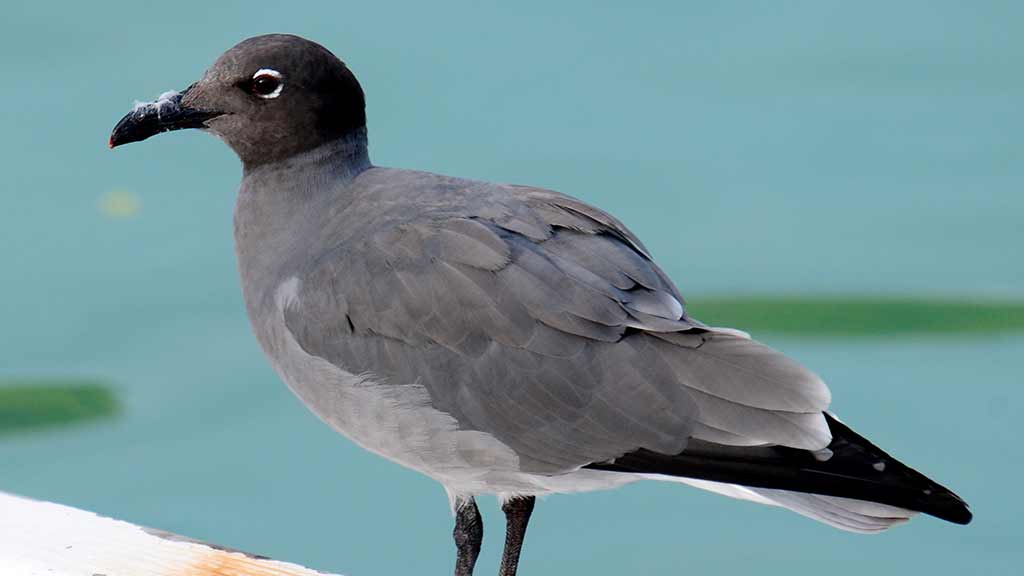
La gaviota de lava (Leucophaeus fuliginosus), especie endémica de Galápagos, es la gaviota más rara del mundo, con una población estimada de 300 a 600 individuos, lo que la convierte en una prioridad de conservación.
Equilibrar la recuperación pospandemia y la resiliencia en Galápagos: cómo las creencias sobre la fragilidad del ecosistema influyen en las actitudes de los residentes hacia el turismo y en el conocimiento y cumplimiento de las normas de conservación
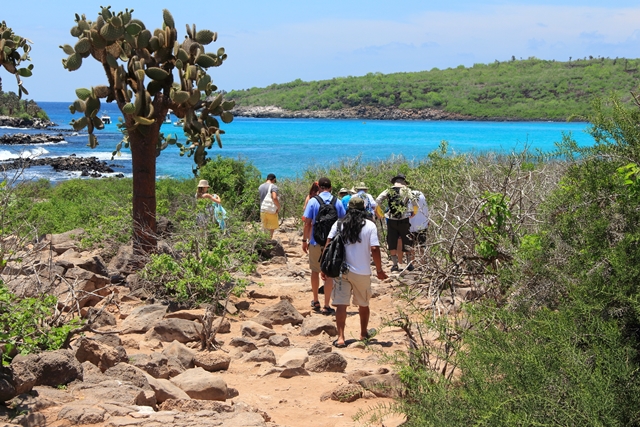
Esta investigación analiza los desafíos que enfrenta el archipiélago de Galápagos en el contexto de la recuperación del turismo posterior a la pandemia de COVID-19, y la necesidad de equilibrar el desarrollo económico con la conservación de un ecosistema altamente frágil.
REACCT+ impulsa el desarrollo sostenible de negocios locales en Galápagos
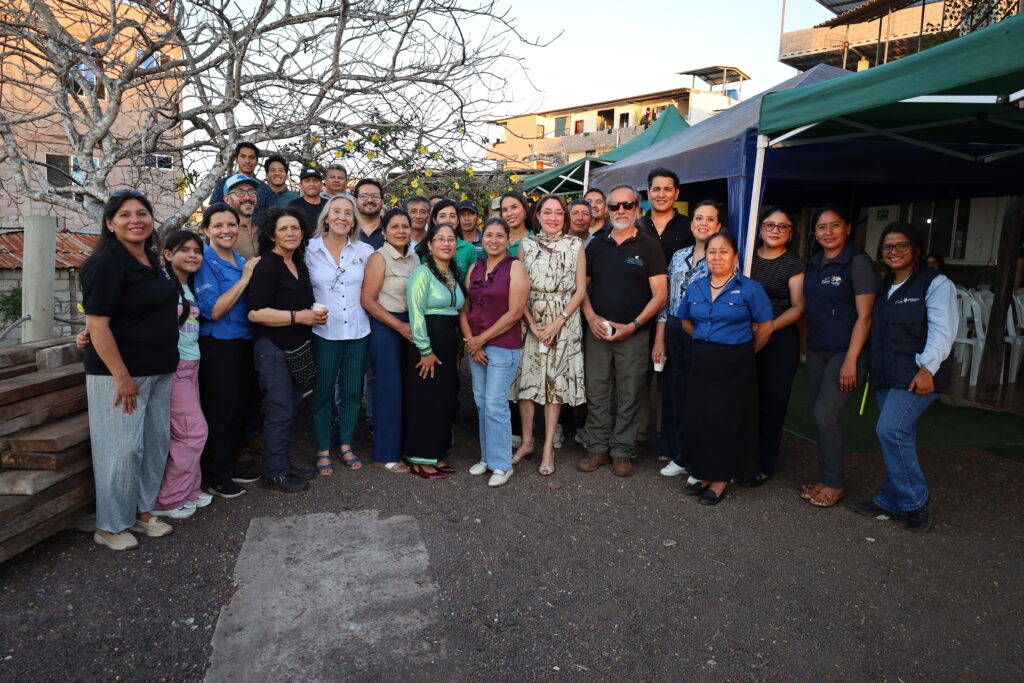
A través del apoyo financiero de universidades y del sector privado, el proyecto REACCT+ fortalece a seis emprendimientos locales en la isla San Cristóbal.
Newsletter de Navidad y Reporte de Impacto Anual 2025
En esta temporada especial, queremos desearte una Feliz Navidad y un próspero Año Nuevo. Te animamos a explorar las noticias, datos y logros que reflejan el esfuerzo conjunto por fortalecer la conservación y promover un desarrollo sostenible en el archipiélago de Galápagos, Patrimonio Natural de la Humanidad.
Los patrones genómicos y biogeográficos de los geckos endémicos de las Islas Galápagos revelan la estructura poblacional y la delimitación de especies en islas habitadas
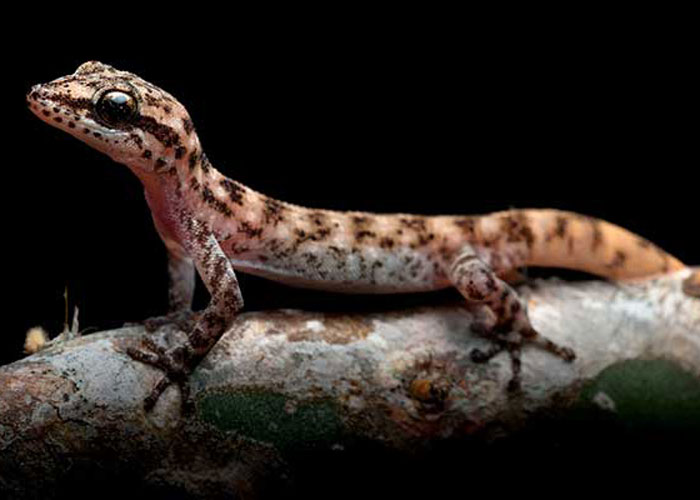
Las islas oceánicas, como Galápagos, son escenarios privilegiados para estudiar cómo se originan y diferencian las especies. En este contexto, los gecos endémicos del género Phyllodactylus cumplen un rol ecológico importante y, al mismo tiempo, son poco conocidos desde el punto de vista genético.
Animales y Cambio de Cobertura/ Uso del Suelo:Una Evaluación mediante Teledetección en las Islas Galápagos
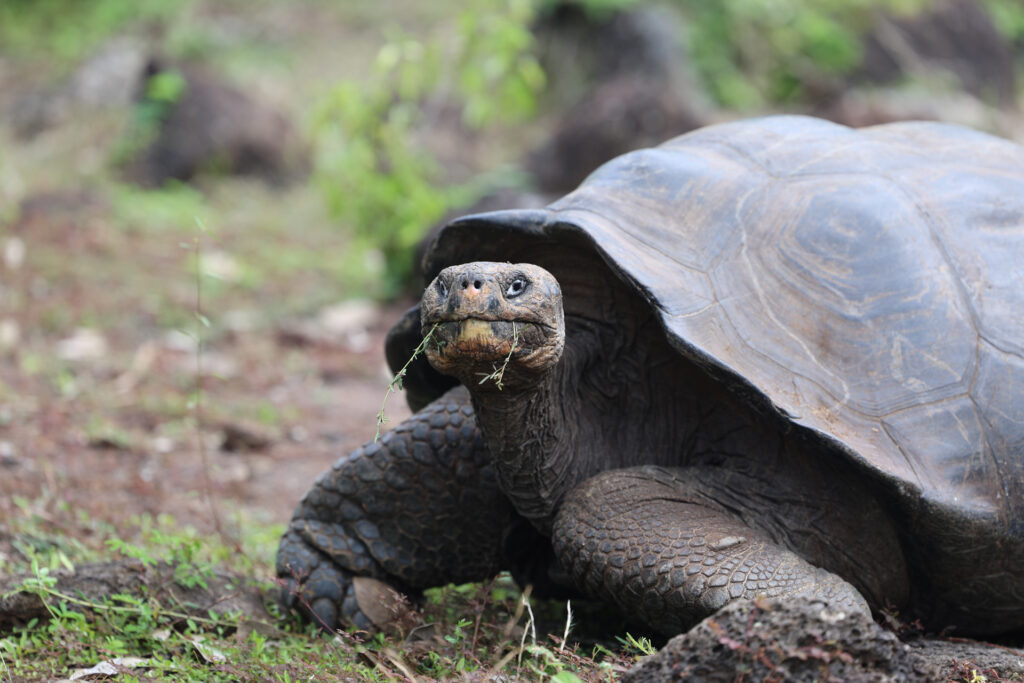
Los ecosistemas de Galápagos están en constante transformación debido a la interacción entre procesos naturales, animales y actividades humanas. Esta investigación analiza cómo distintas especies, tanto nativas como introducidas, influyen en el paisaje de las islas a través de sus movimientos, hábitos de alimentación y comportamiento, y cómo estos cambios se pueden observar con herramientas digitales de monitoreo ambiental.
Científicos estudian el impacto de los procesos oceánicos en la biodiversidad marina de Galápagos
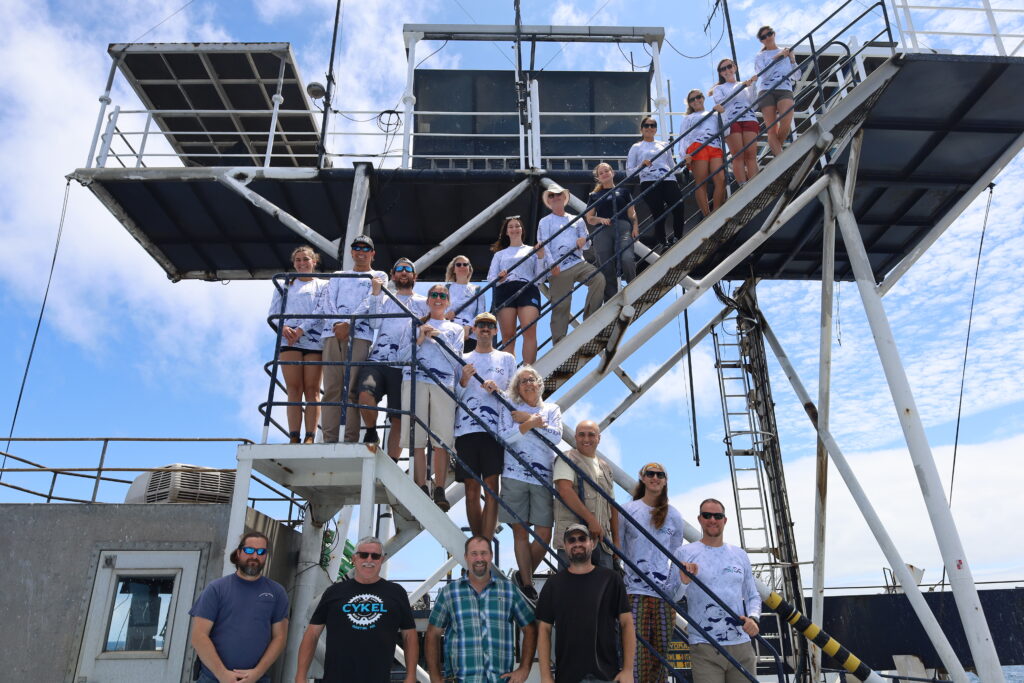
Del 30 de julio al 21 de agosto se desarrolló una expedición científica a bordo del buque de investigación R/V Marcus Langseth en la Reserva Marina de Galápagos (RMG), liderada por los investigadores Adrian Marchetti y Harvey Seim de la University of North Carolina at Chapel Hill (UNC-CH) y el GSC.
Primer reporte de Anaplasma phagocytophilum en Galápagos: alta prevalencia en perros y evidencia circunstancial del papel de Rhipicephalus linnaei como vector
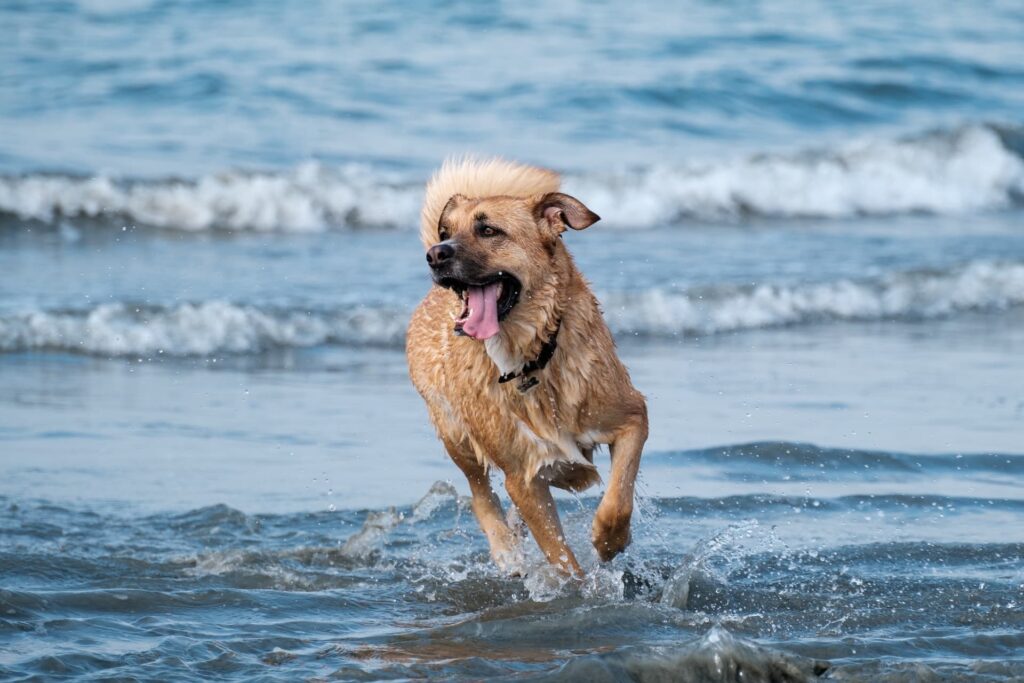
Las islas Galápagos albergan una biodiversidad única, pero también enfrentan amenazas relacionadas con enfermedades emergentes. Entre ellas, las transmitidas por garrapatas representan un riesgo tanto para la fauna local como para los animales domésticos. Dentro de este contexto, las bacterias del género Anaplasma son de especial interés por su capacidad de afectar la salud de los perros y su posible impacto en la fauna silvestre.
Análisis de las estrategias tróficas de dos especies pelágicas en Galápagos

Un nuevo estudio realizado en la Reserva Marina de Galápagos analizó la dieta de dos especies pelágicas: el pez espada (Xiphias gladius) y el dorado (Coryphaena hippurus). El objetivo fue entender cómo estas poblaciones, que habitan el mismo ecosistema, logran coexistir sin competir directamente por alimento.