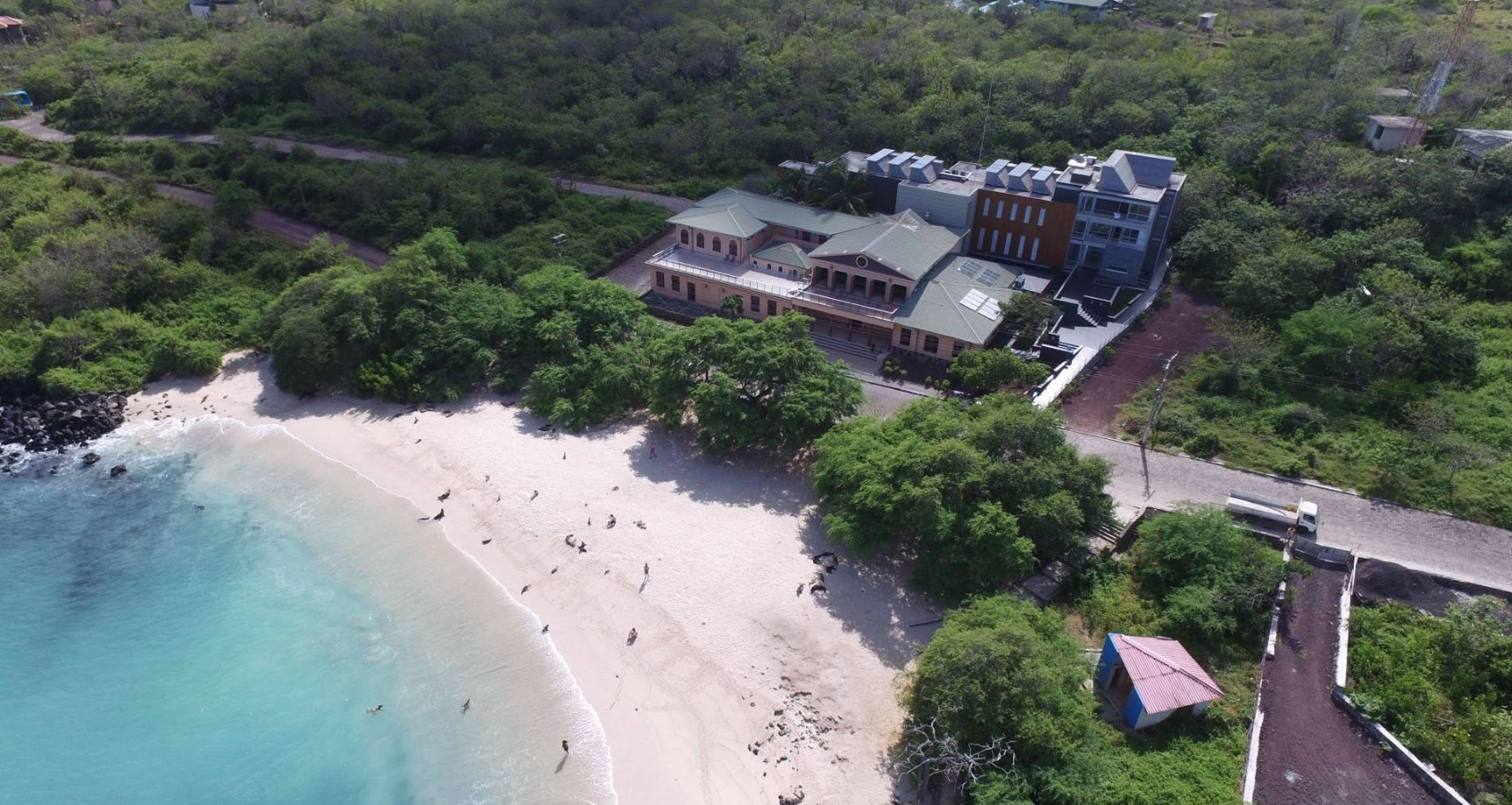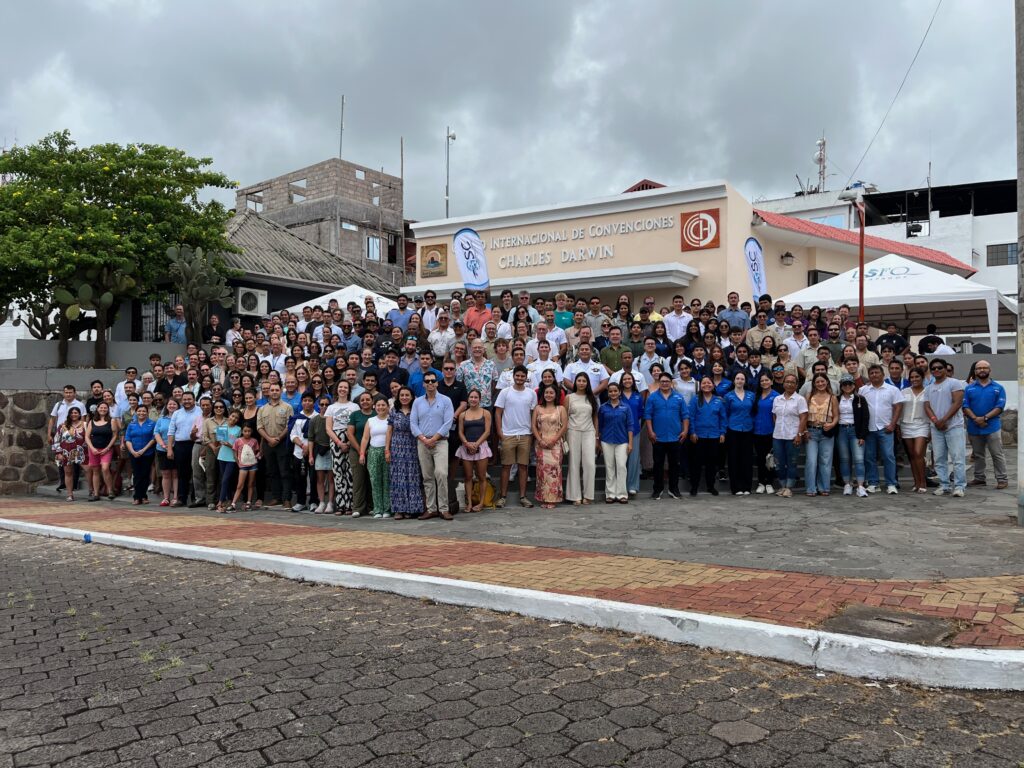
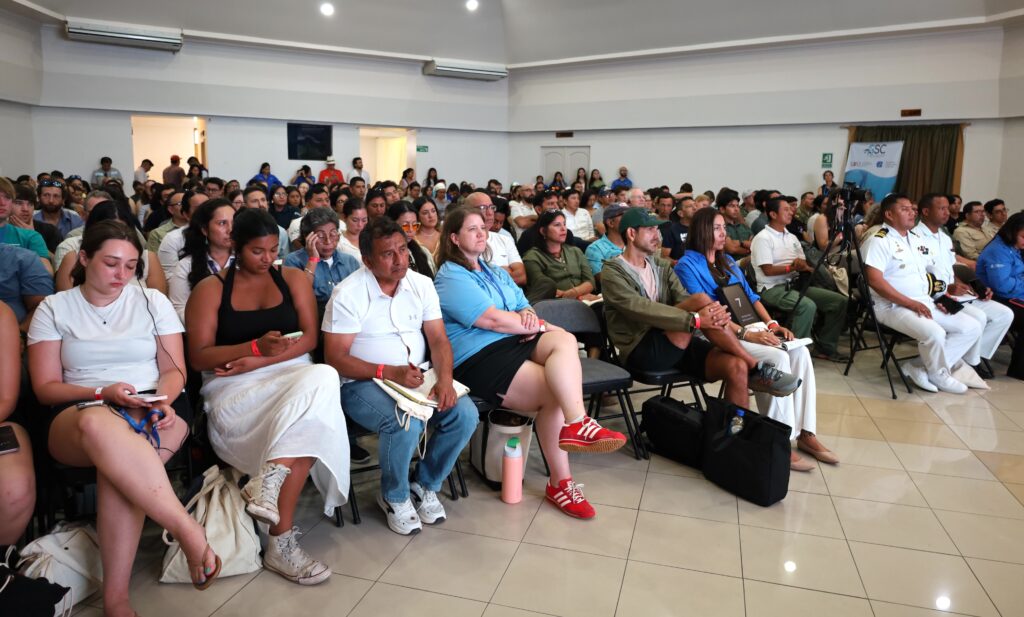
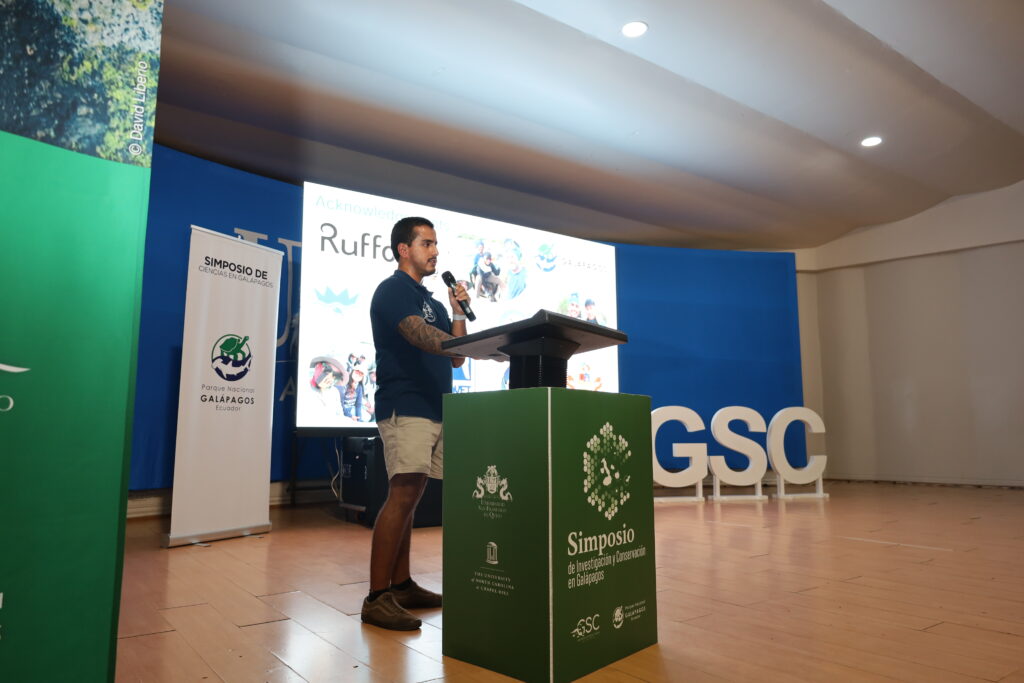
San Cristóbal, Galápagos. Researchers, government authorities, students, and community members gathered for the VIII Galápagos Research and Conservation Symposium, held on July 6–7 at the Charles Darwin Convention Center. Organized by the Galapagos Science Center (GSC), the Universidad San Francisco de Quito (USFQ), the University of North Carolina at Chapel Hill (UNC), and the Galápagos National Park Directorate (GNPD), the event showcased the latest scientific advances in biodiversity, oceans, health, conservation, and sustainable development across the archipelago.
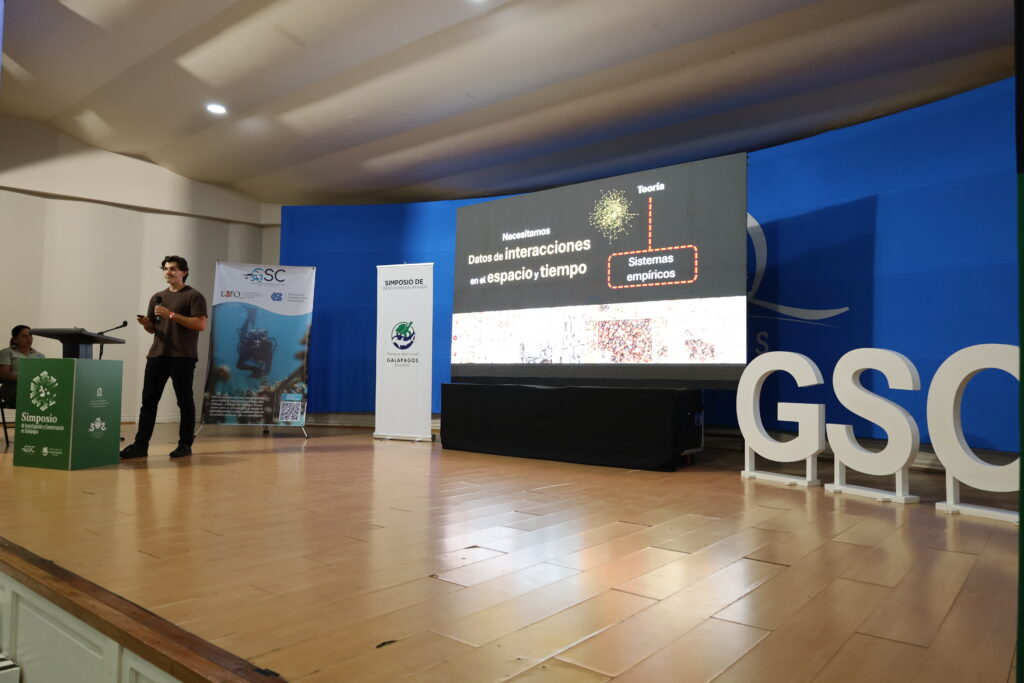
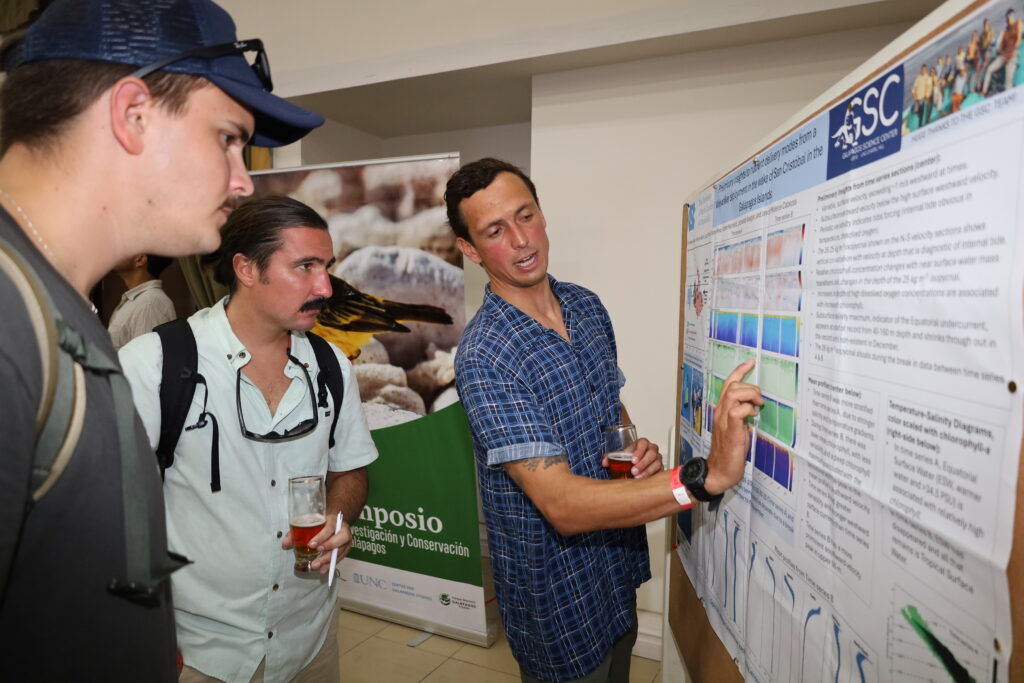
Featuring more than 40 scientific presentations, a poster session, and the participation of over 470 attendees, the symposium highlighted research on emerging contaminants in San Cristóbal’s marine environment, the first reference genomes of the endemic Galápagos pinnipeds, studies on sharks, rays, sea turtles, and dolphins, as well as projects that connect science with community well-being, including a sustainable fisheries-based child nutrition program.
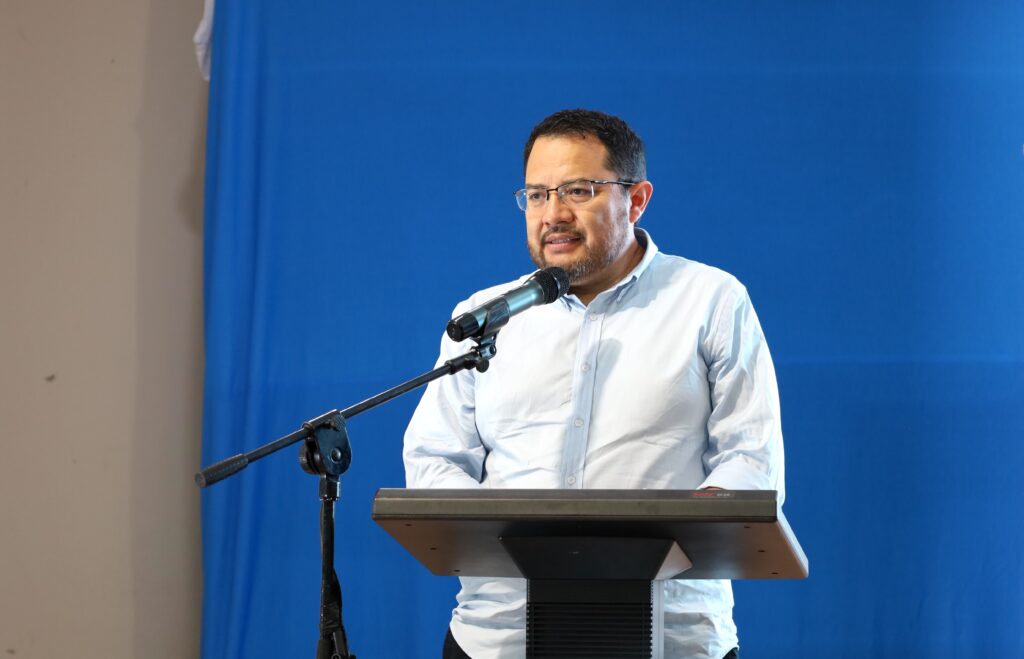
“What makes us most proud is our relationship with the community and knowing that we are helping transform people’s lives. When the Galapagos Science Center was founded, the vision was to build science capable of connecting people, health, and the environment in one place by bringing together researchers from different disciplines to generate knowledge from multiple perspectives,” said Carlos Mena, co-director of the Galapagos Science Center.
This year’s symposium also celebrated the 15th anniversary of the Galapagos Science Center, a partnership between USFQ and UNC that, since 2011, has advanced interdisciplinary research to better understand the archipelago’s ecological processes while developing solutions to its environmental and social challenges. During the commemorative ceremony, participants highlighted several of the Center’s most significant contributions, including research that provided the scientific evidence supporting the creation of the Hermandad Marine Reserve, strengthening the protection of essential marine corridors for highly migratory species such as sharks and sea turtles.
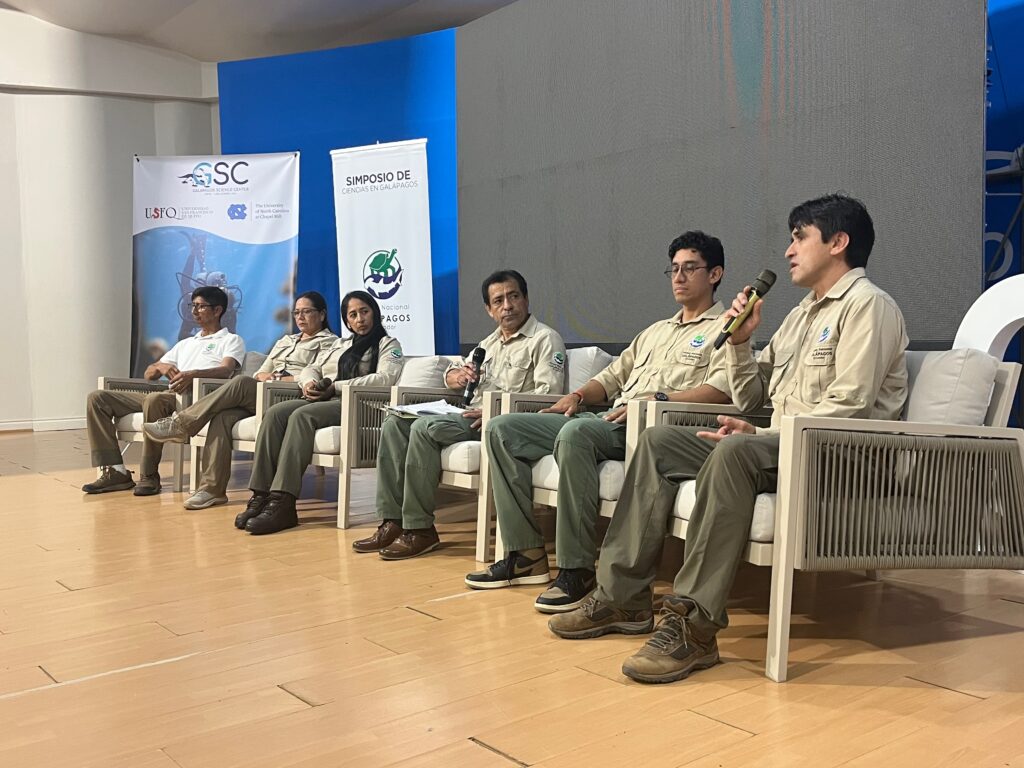
The program also featured the panel discussion “Experiences: Being a Park Ranger,” held in tribute to the 67th anniversary of the Galápagos National Park Directorate. The event brought together park rangers from different generations to share the experiences, challenges, and lessons that have shaped their work in protecting the islands’ natural heritage.
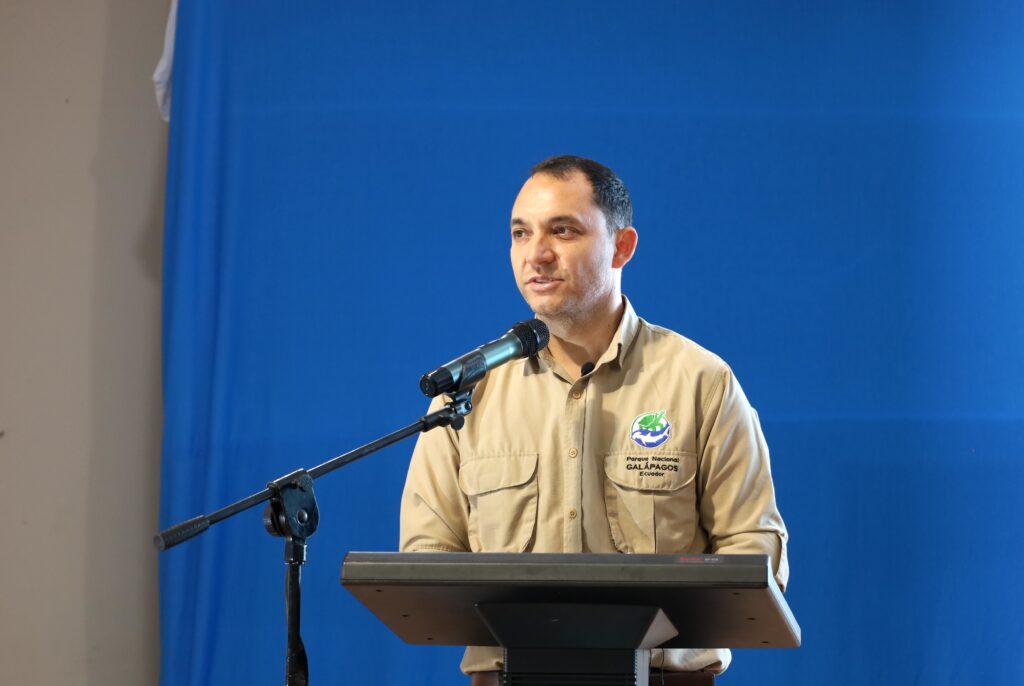
“As we commemorate the 67th anniversary of Ecuador’s first protected area, this event is especially meaningful because scientific research has always been a fundamental pillar of conservation and protected area management in Galápagos. Every study and monitoring effort provides evidence that strengthens decision-making in the face of challenges such as climate change, invasive species, pollution, and visitor management. The Galápagos Research and Conservation Symposium highlights the importance of collaboration among academia, government institutions, local communities, and international partners to generate knowledge and translate it into concrete actions that help protect this unique natural heritage,” said Rodrigo Robalino, director of Environmental Management at the Galápagos National Park Directorate.
Fifteen Years of Science Transforming Knowledge into Solutions for Galápagos
The celebration of the Galapagos Science Center’s 15th anniversary provided an opportunity to reflect on the evolution of an institution that has turned research into a powerful tool for understanding, conserving, and improving quality of life in Galápagos. Since its creation, the GSC has built its work around four key pillars: research, community engagement, experiential education, and global partnerships, integrating scientific knowledge with the needs of the territory.
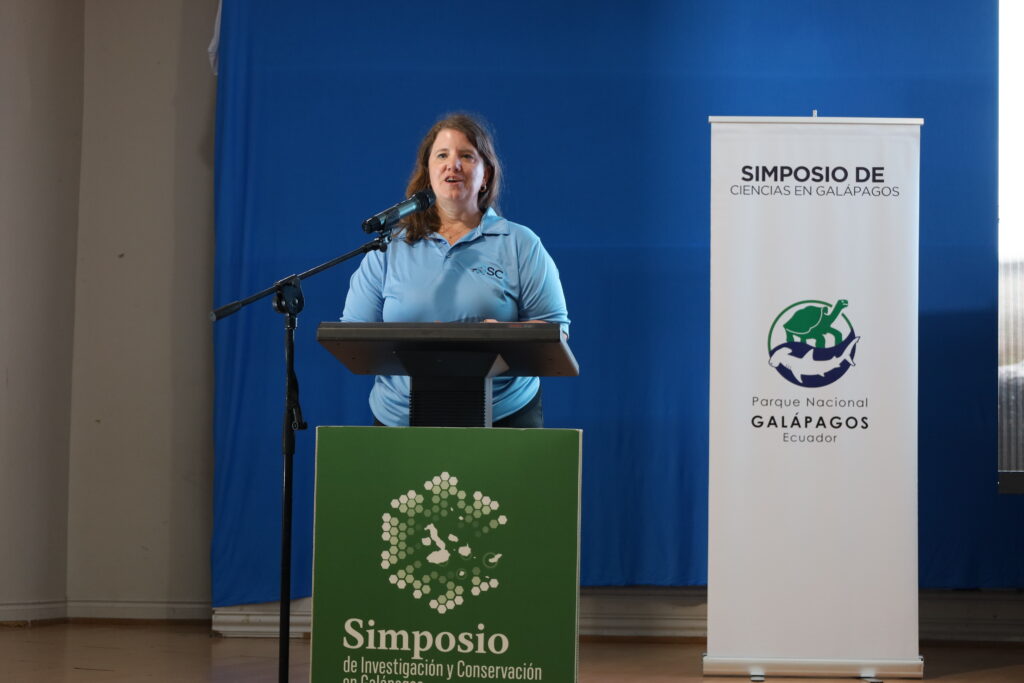
“What has made the Galapagos Science Center such a unique collaboration over the past 15 years is the breadth of the research we conduct. Having our facilities here in Galápagos and bringing together scientists from disciplines ranging from physical oceanography to social sciences and public health allows us to carry out truly interdisciplinary research. Research is the foundation of what we do, but we know it only has value when it creates real impact. That is why we work hand in hand with the community to ensure our research addresses local needs and contributes to both people’s well-being and the conservation of Galápagos,” emphasized Amanda Thompson, co-director of the Galapagos Science Center.
One of the GSC’s most significant milestones has been the establishment of the Wreck Bay Long-Term Ecological Research Program (LTER-WB), Ecuador’s first long-term ecological research site and the third active site in South America. Through continuous monitoring of biodiversity and ecological and socio-environmental processes, the program generates critical information to better understand the impacts of climate change and strengthen the management of island ecosystems. This work is complemented by research on sharks, sea turtles, marine iguanas, Galápagos sea lions, invasive species, marine biodiversity, and sustainable fisheries, providing scientific evidence that supports conservation and informed decision-making.
The GSC’s impact is also reflected in its commitment to educating future generations and strengthening its relationship with the local community. Environmental education initiatives such as Connecting with Nature have brought science closer to thousands of children and young people in San Cristóbal. Each year, the Center also welcomes Ecuadorian and international students and researchers who participate in academic courses, internships, and scientific research projects in Galápagos.
The Center’s research also drives solutions to some of the archipelago’s most pressing social challenges. Projects such as the Sustainable Fisheries-Based Child Nutrition Program, specialized pediatric medical brigades, and a study led by anthropologist and GSC Co-Director Amanda Thompson on the relationship between water quality, nutrition, and the health of families in San Cristóbal demonstrate how science can be translated into tangible benefits for local communities through participatory processes and evidence-based research.
All of these initiatives are guided by the One Health approach, which recognizes the close interdependence between the health of people, animals, and ecosystems. Under this framework, the GSC develops interdisciplinary research and community projects that integrate biodiversity conservation with public health, food security, and community well-being, promoting sustainable solutions for one of the world’s most valuable ecosystems.
Science That Strengthens Governance Across the Archipelago
The scientific evidence generated by the Galapagos Science Center has gone beyond academia to become an important resource for the management and governance of the archipelago.
Research conducted by the Center has served as the foundation for developing field protocols, technical manuals, and management guidelines that strengthen scientific research while supporting the work of institutions and professionals dedicated to conservation.
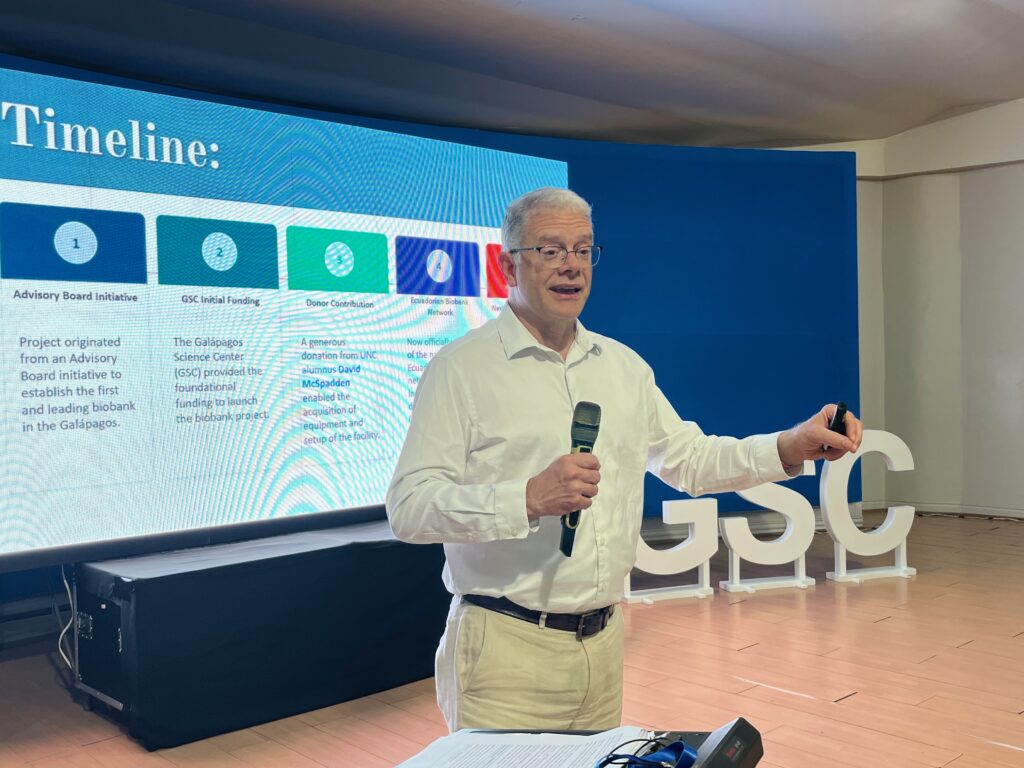
“I believe the Galapagos Science Center’s greatest contribution has been bringing together scientists from diverse disciplines in one place, creating an environment where knowledge exchange, shared infrastructure, and technical expertise make it possible to carry out research that would be far too complex for any one researcher to accomplish alone. That collaborative model has led to important advances in understanding how contaminants in water and on land interact, and how those interactions affect both ecosystems and our own species,” said Corbin Jones, professor of biology at the University of North Carolina at Chapel Hill.
Among these contributions is the Galápagos Sea Lion Conservation and Management Plan 2025–2030, the result of a scientific and participatory process led by Dr. Diego Páez Rosas, USFQ Galápagos professor and GSC researcher. Developed in collaboration with public institutions, academic partners, the productive sector, and local communities, the plan establishes guidelines to promote the conservation of the species while strengthening coexistence between wildlife and the local population.
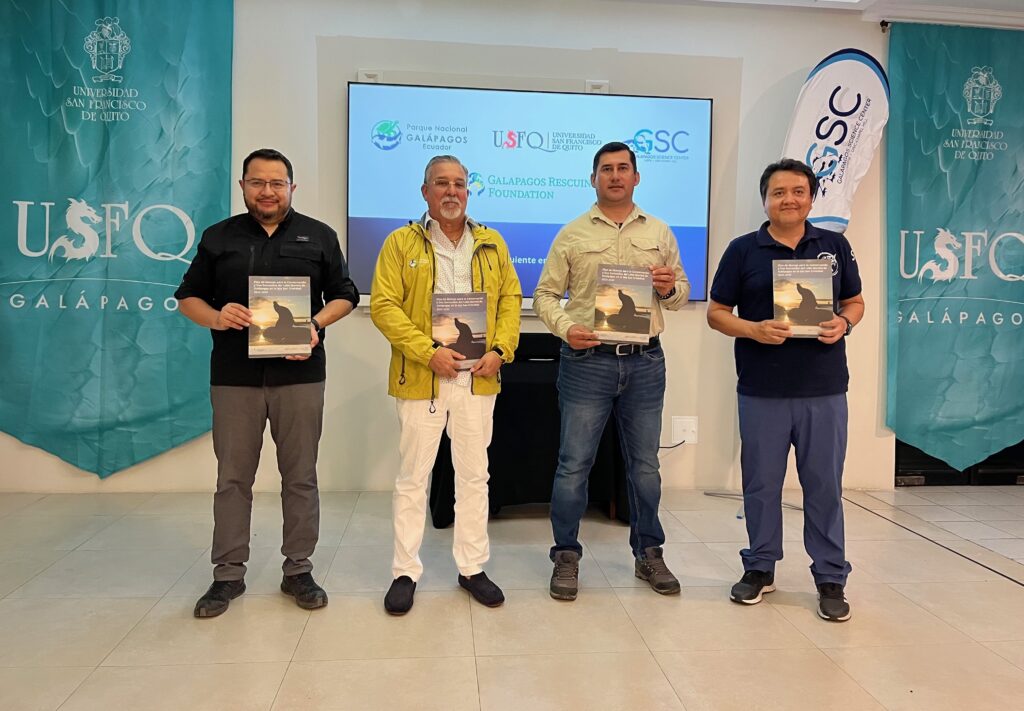
“Conducting research is only the first step; the real challenge is ensuring that knowledge reaches decision-makers and contributes to conservation. To achieve this, it is essential to involve the community and understand conservation as part of local development. With that purpose, we work alongside students from Universidad San Francisco de Quito to generate information that helps guide the future of Galápagos,” said Diego Páez Rosas, GSC researcher and USFQ professor.
Likewise, the GSC’s research on marine ecology, connectivity, and the movements of highly migratory species provided the scientific evidence that supported the creation of the Hermandad Marine Reserve, strengthening the protection of strategic marine corridors for sharks, sea turtles, and other species throughout the Eastern Tropical Pacific.
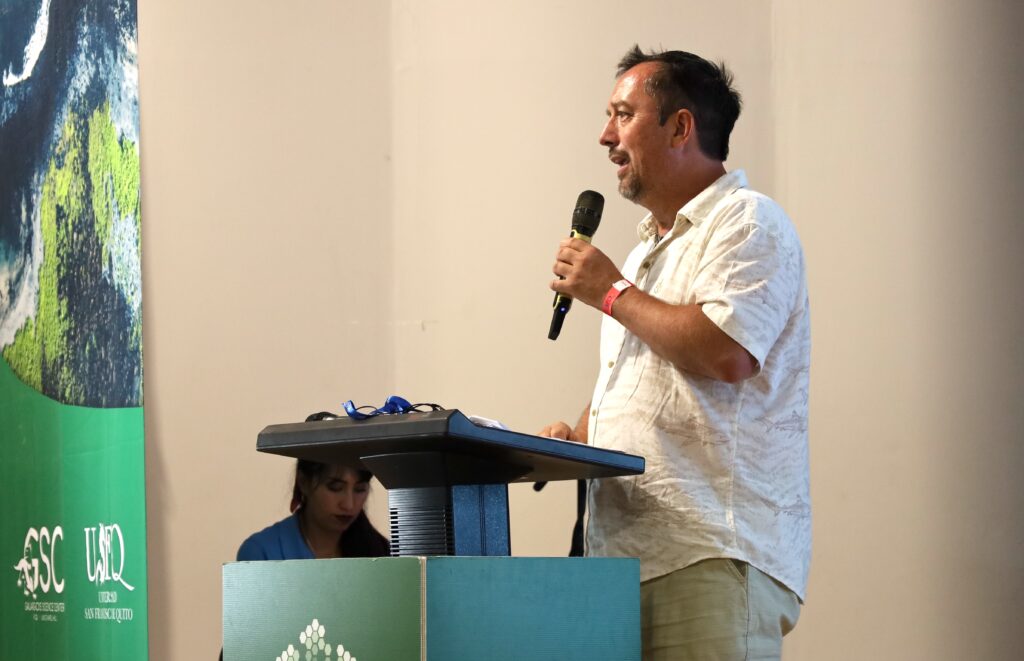
“We all rely on evidence to make decisions in our daily lives, and public policy is no different. That is why it is essential that the science we produce informs decisions about the health of our ecosystems. The creation of the Hermandad Marine Reserve is a clear example. It represents a paradigm shift—from viewing Galápagos as an isolated territory to recognizing its vital role in conserving the Eastern Tropical Pacific and maintaining its ecological connectivity. Those are exactly the kinds of decisions that science should help support,” said Alex Hearn, GSC researcher and USFQ professor.
Fifteen years after its founding, the Galapagos Science Center has established itself as a leading institution in applied research across the Eastern Tropical Pacific. Its contributions demonstrate that science not only expands our understanding of Galápagos but also strengthens public policy, informs decision-making, and generates practical solutions that support the conservation of the archipelago and the well-being of its communities.