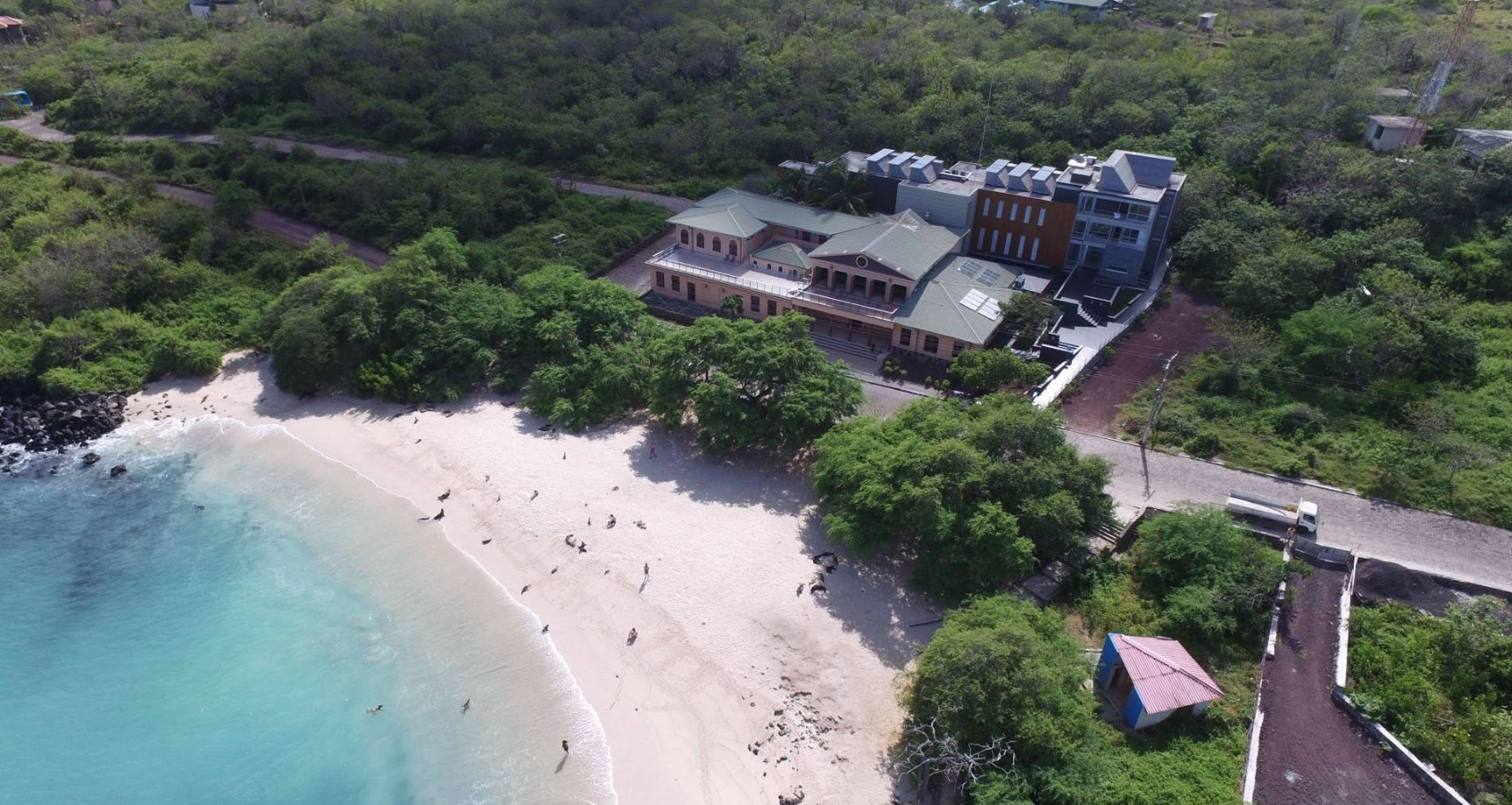
Research Expedition to Paramount: the forgotten seamount
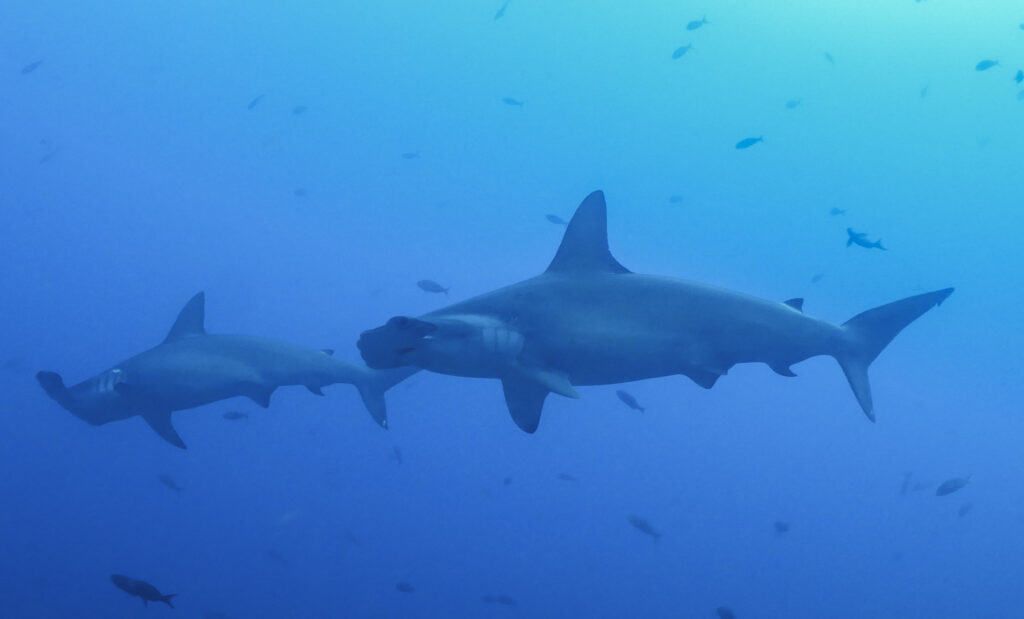
In January 2025, a team of scientists from Universidad San Francisco de Quito (USFQ), the Galápagos Science Center (GSC) and the Galápagos National Park Directorate (GNPD) carried out a two-week expedition to Paramount: a shallow-water seamount rising from a depth of over 1500 m to only 180 m below the surface, located 100 nautical miles northeast of the Galápagos Marine Reserve. The objective of the expedition was to characterize the fish community around the seamount and explore its connections with Galápagos. The work was supported by the organizations Mission Blue, Galápagos Conservation Trust, MigraMar and Bezos Earth Fund.
Whole-genome analysis reveals the diversification of Galapagos rail (Aves: Rallidae) and confirms the success of goat eradication programs
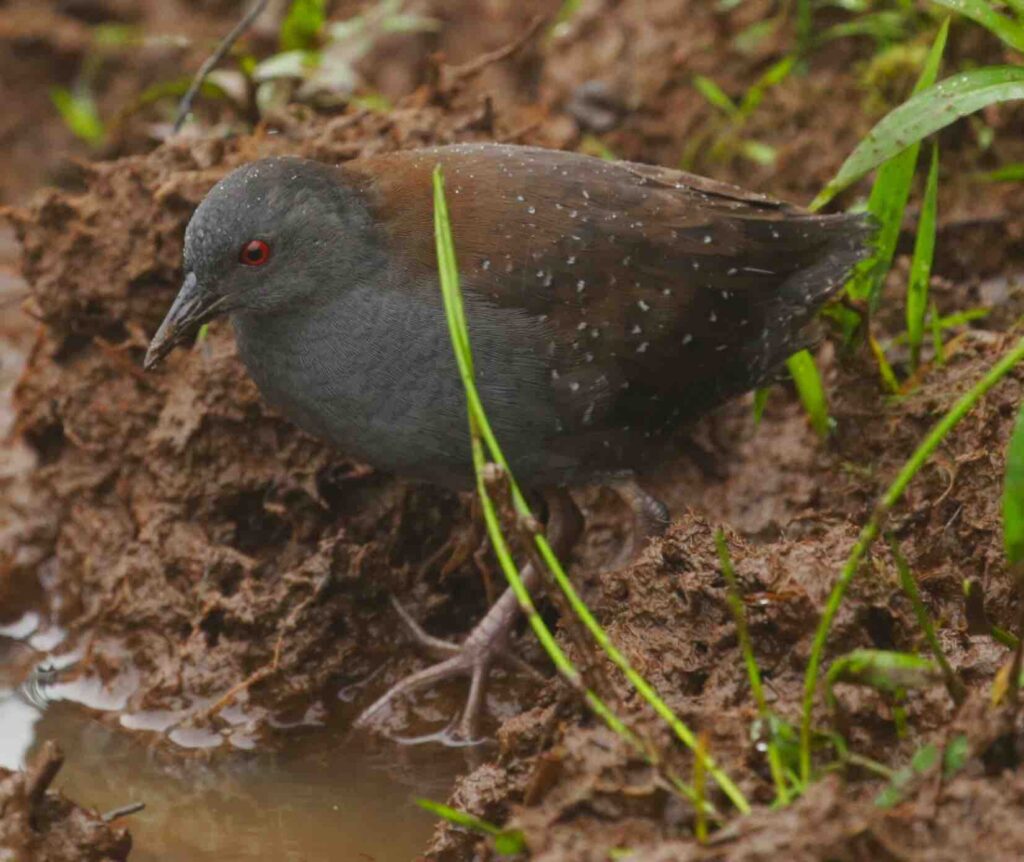
Despite their short evolutionary history, rails have colonized seven different islands spanning the entire width of the archipelago.
Novel herpesvirus in the critically endangered Galapagos pink land iguana
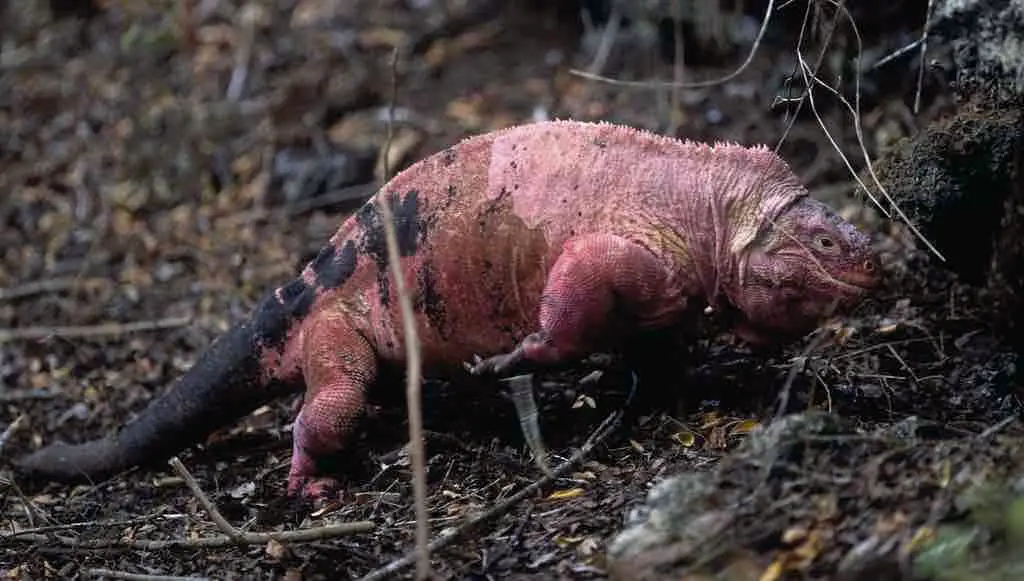
Virus surveillance in wildlife is important to understanding ecosystem health, taxonomy, and evolution. Nevertheless, viruses in reptiles, and specifically in squamates, continue to be understudied. We conducted a health assessment on the critically endangered pink land iguana.
Seroconversion in Galapagos Sea Lions (Zalophus wollebaeki) Confirms the Presence of Canine Distemper Virus in Rookeries of San Cristobal Island
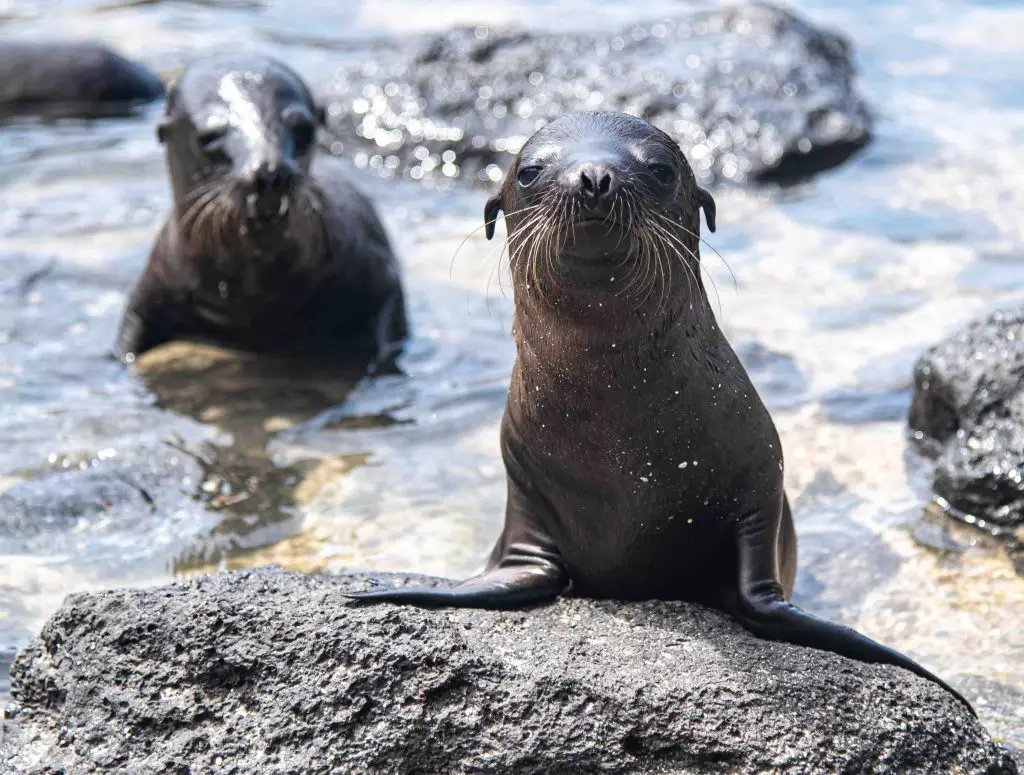
JThe emblematic Galapagos sea lion (GSL—Zalophus wollebaeki) has faced an important population decline over the last four decades.
The new generation with the community are committed to the challenges of conservation
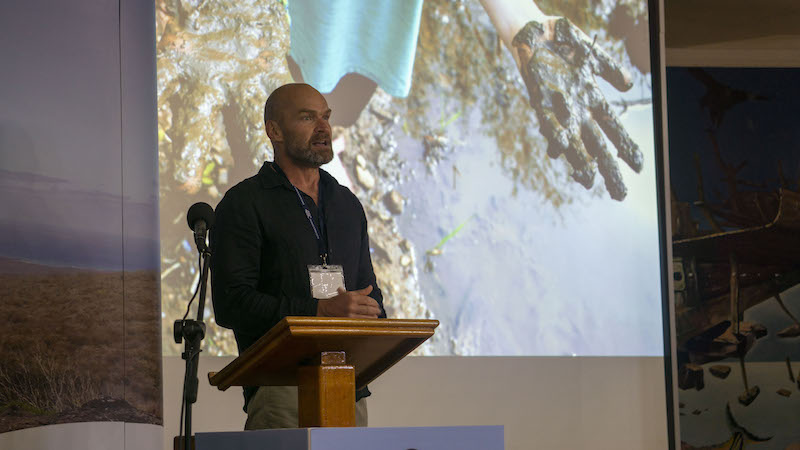
Monty Halls
What contributions museums can make to conversation about island conservation
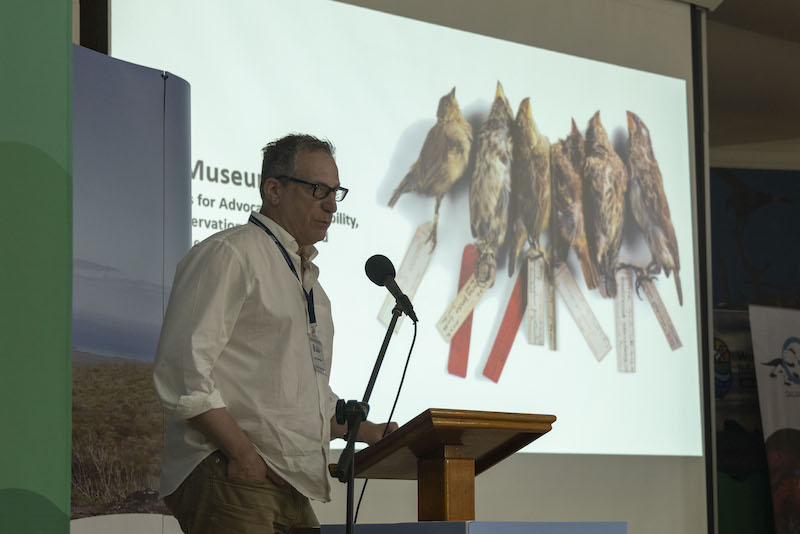
Eric Dorman
From 2014 to 2022 Wildlife Health and Conservation in the Galapagos
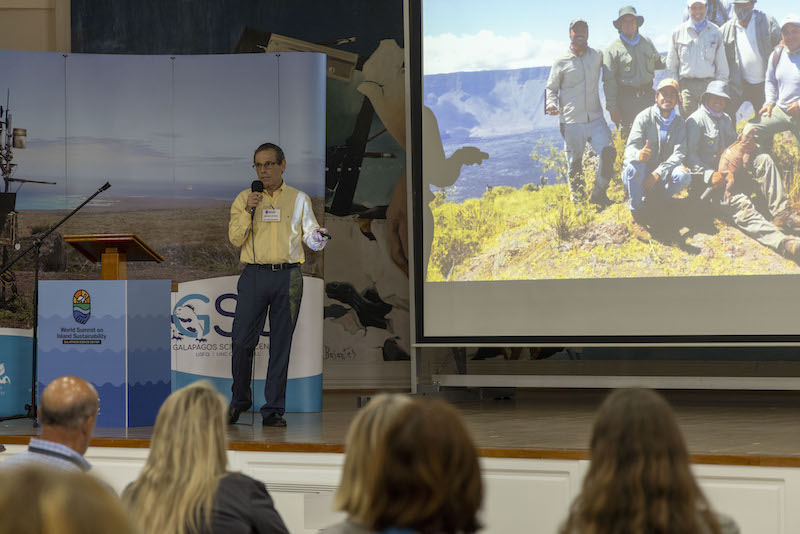
Gregory Lewbart
Exploring the genetic diversity and population structure of Mobula birostris in two key aggregation zones in the Eastern Tropical Pacific
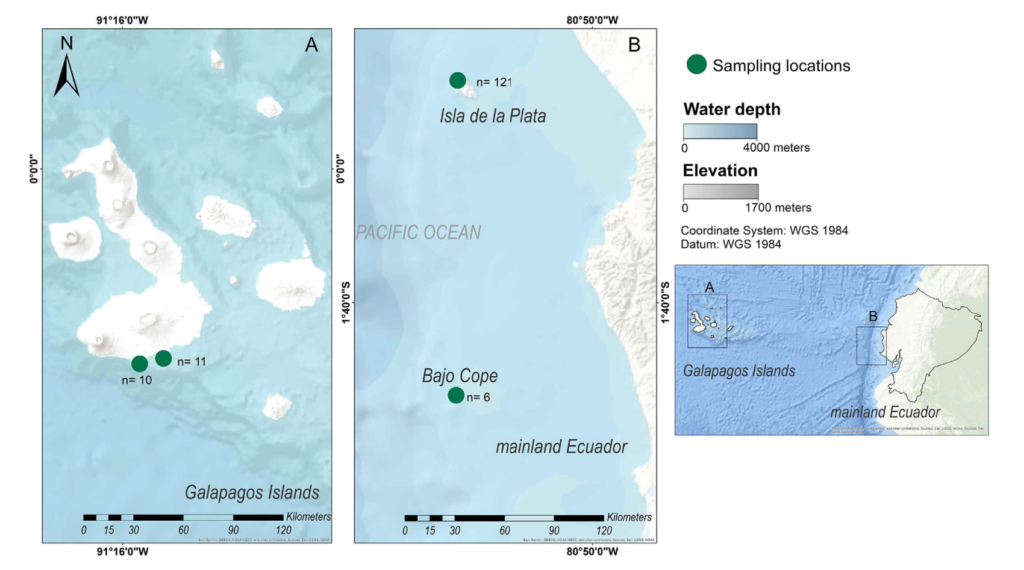
The giant manta ray Mobula birostris is the largest ray species in the world. Little is known about its genetic composition.