Digital Reconstruction of the U.S. Base in Baltra, Galápagos Islands: A Forgotten Chapter of WWII in South America
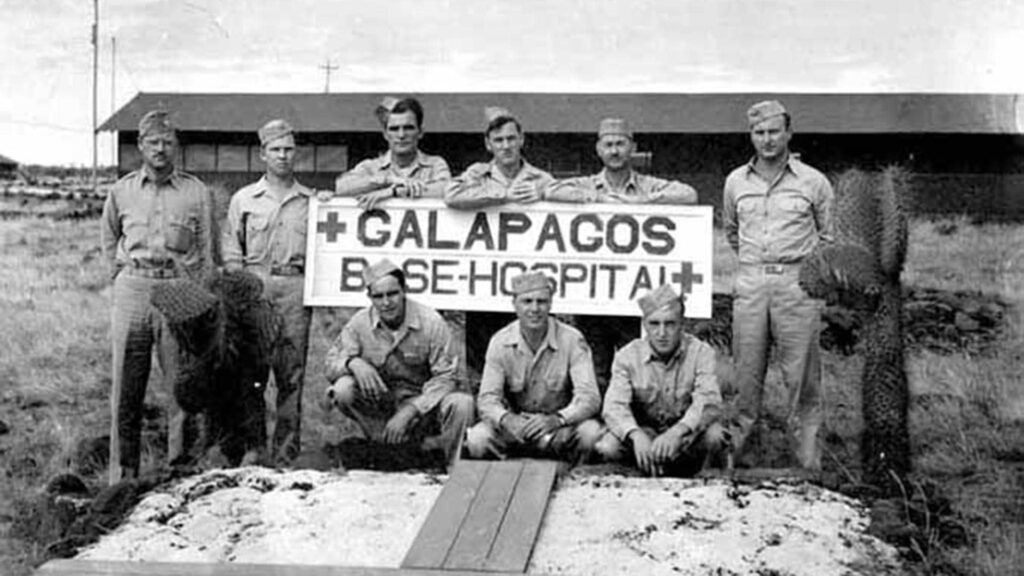
During World War II, Baltra Island hosted a U.S. military base that significantly transformed its landscape and ecosystems. This research reconstructed that infrastructure in 3D using historical photographs, satellite imagery, and drone surveys, identifying more than 600 structures.
Reproductive timing and intensity in a Galápagos intertidal mollusc are modulated by thermal phases
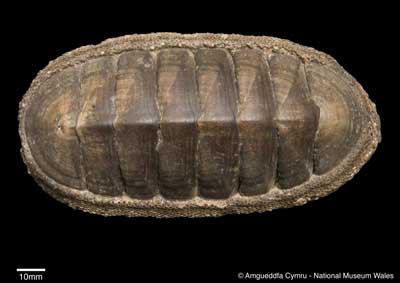
This study analyzes how variations in sea temperature influence the reproduction of the canchalagua (Radsia goodallii), an endemic mollusk of the Galápagos Islands with ecological and socio-economic importance for local artisanal fisheries. Understanding its reproductive patterns is essential for developing management and conservation strategies that ensure the sustainability of the species.
Assessment of feeding patterns of the mottled scorpionfish (Pontinus clemensi) in the Galápagos Marine Reserve
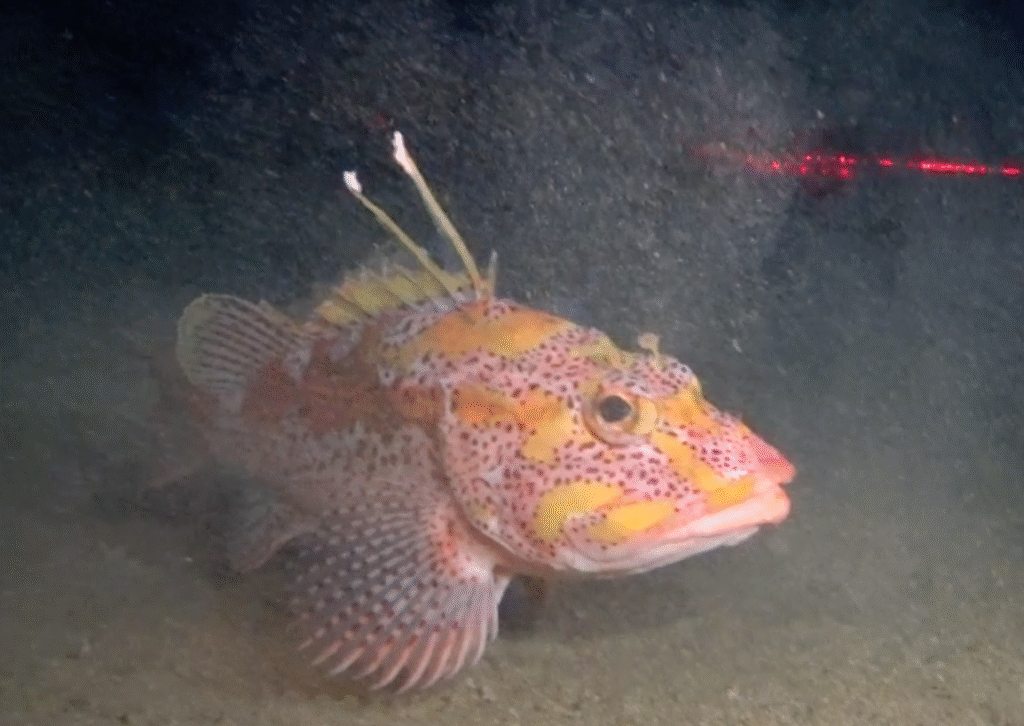
The Spotted Scorpionfish (Pontinus clemensi) is a species of high economic, ecological, and cultural value in the Galápagos Islands. In recent years, it has gained relevance in the artisanal fisheries of the Galápagos Marine Reserve (GMR) due to the overexploitation of traditional species such as bacalao (Mycteroperca olfax) and camotillo (Paralabrax albomaculatus). As a result, its presence in local markets and its consumption within the community have increased.
USFQ, Metropolitan Touring, and Finch Bay Hotel sign an agreement to protect whale sharks in the Galápagos
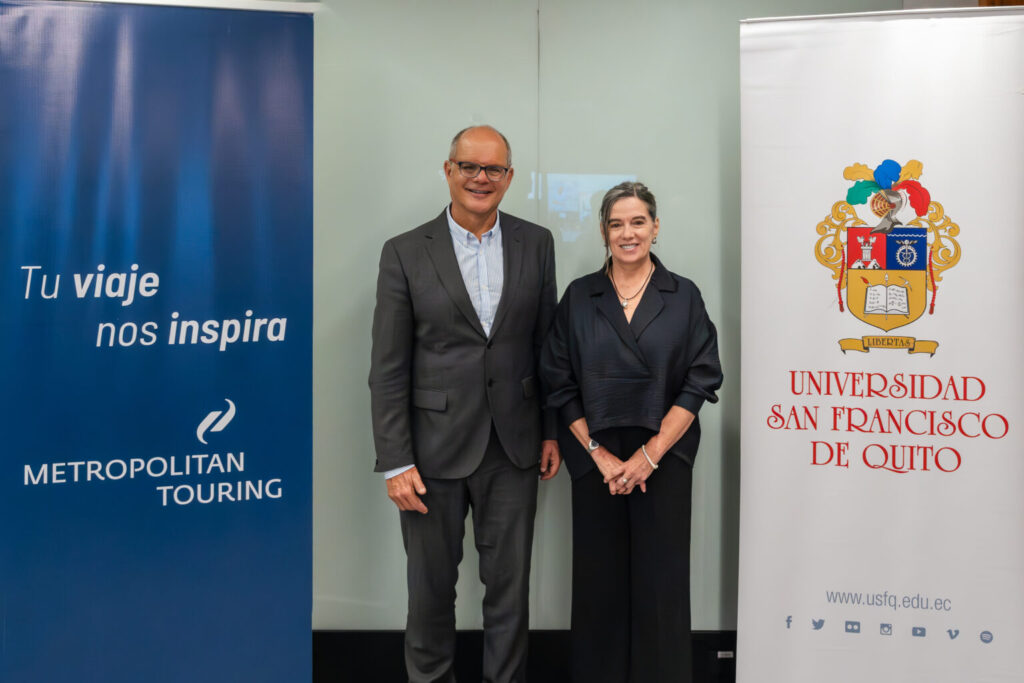
Universidad San Francisco de Quito (USFQ) and Metropolitan Touring have signed a collaboration agreement for the conservation of the whale shark, the world’s largest fish. This partnership reaffirms the commitment of both institutions to sustainability and the protection of the biodiversity of the Galápagos Islands. The initiative is being carried out in coordination with the Galápagos National Park Directorate (GNPD), the authority responsible for protecting the archipelago’s unique ecosystems.
Nutrient enrichment can increase the thermal performance of Galápagos seaweeds
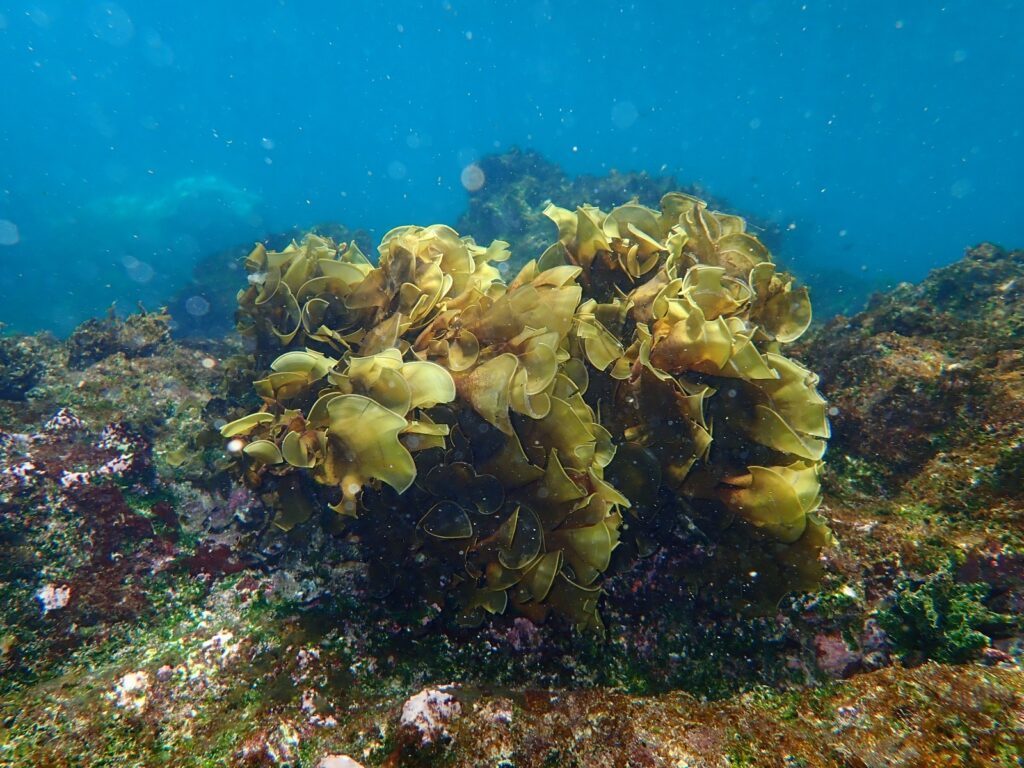
This study, published in Marine Ecology Progress Series, examines how nutrient availability can help marine macroalgae in the Galápagos Islands better adapt to higher temperatures—a challenge they face due to climate change. Macroalgae are essential aquatic plants for marine ecosystems as they provide food and shelter for many species. However, their ability to survive and thrive largely depends on environmental conditions, such as the amount of nutrients in the water.
Ladybird Beetle Diversity in Natural and Human-Modified Habitats in the San Cristóbal Island, Galápagos, Ecuador
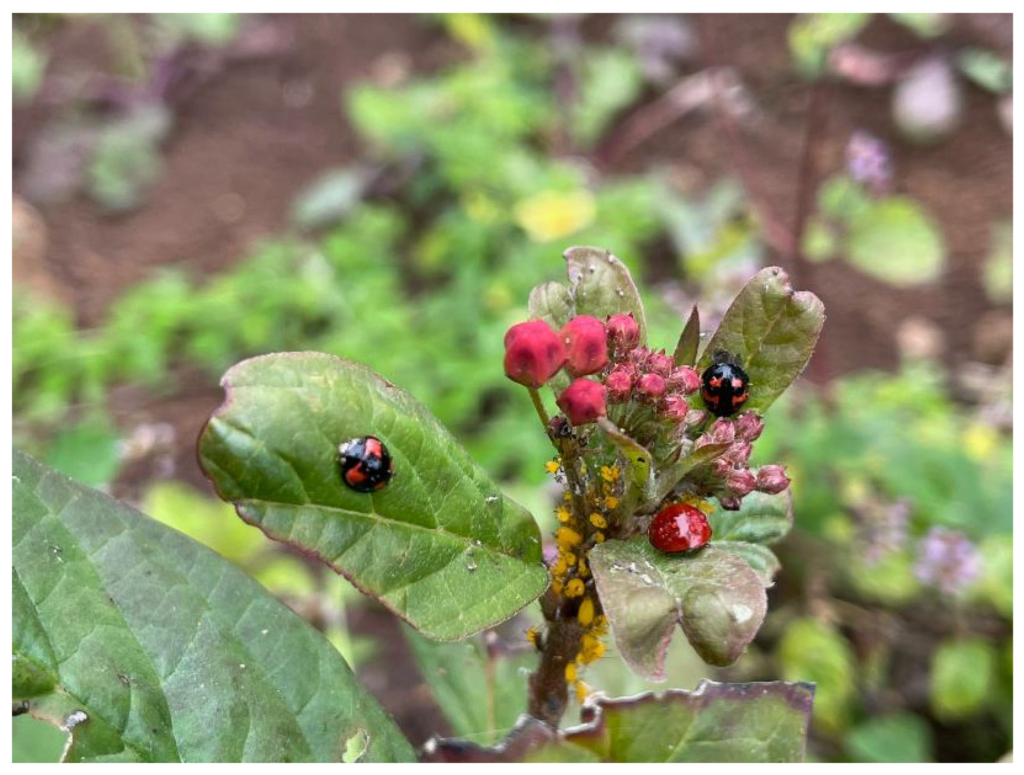
This study investigates the diversity of ladybird beetles (Coccinellidae) on San Cristóbal Island in the Galápagos Archipelago. Researchers recorded 19 species, including four previously documented (two endemic and two native) and nine potentially native species reported for the first time. Endemic species, such as Psyllobora bisigma and Scymnobius scalesius, were rare and confined to native forests, while native species like Cycloneda sanguinea showed adaptability to various habitats, including urban and agricultural areas.
Assessing the chemical landscape of the Galápagos Marine Reserve
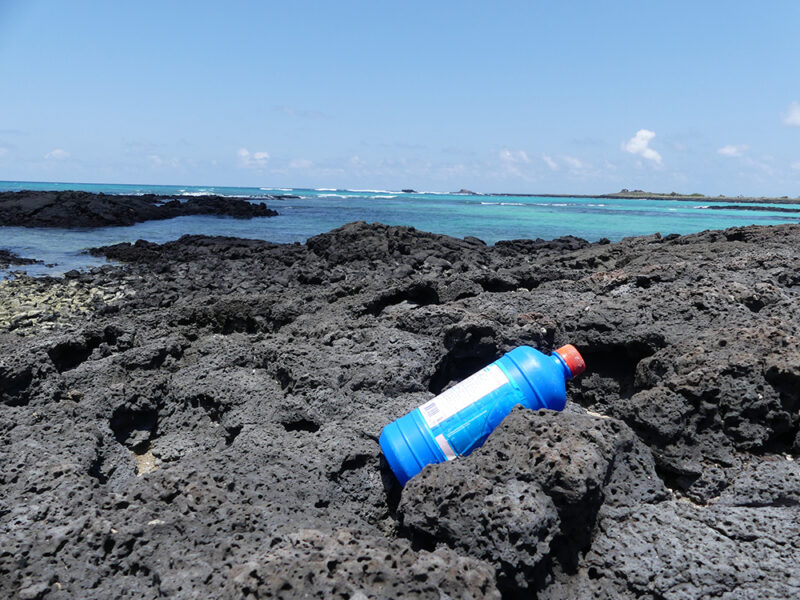
The Galápagos Marine Reserve (GMR), famous for its incredible biodiversity, faces growing threats from chemical pollution like plastics, oils, pesticides, and heavy metals. The unique location of the Galápagos, where major ocean currents meet under intense sunlight, allows pollutants to flow in and spread.
UNC Center for Galapagos Studies receives support from Royal Caribbean Group to enhance local programs and student experiences
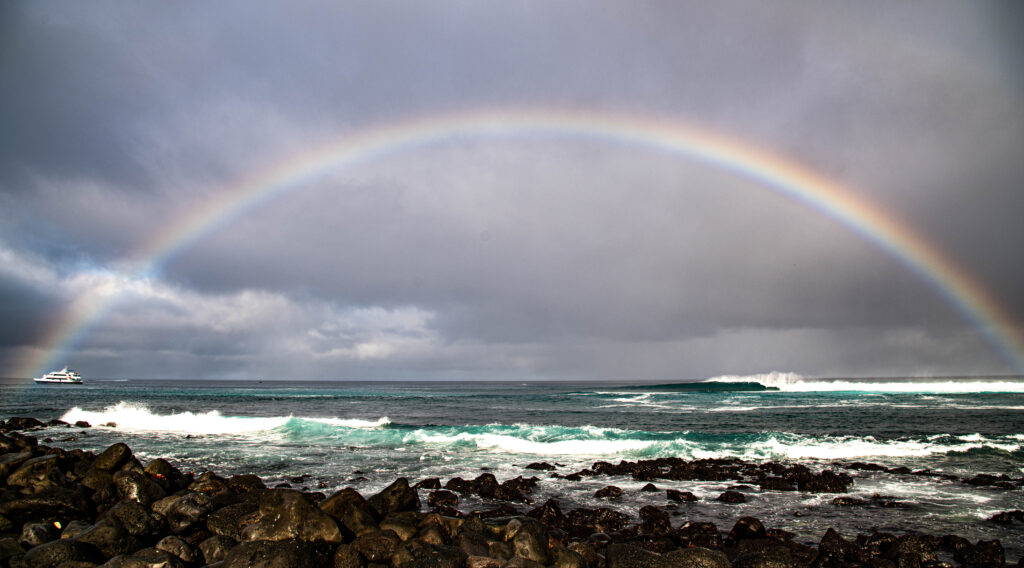
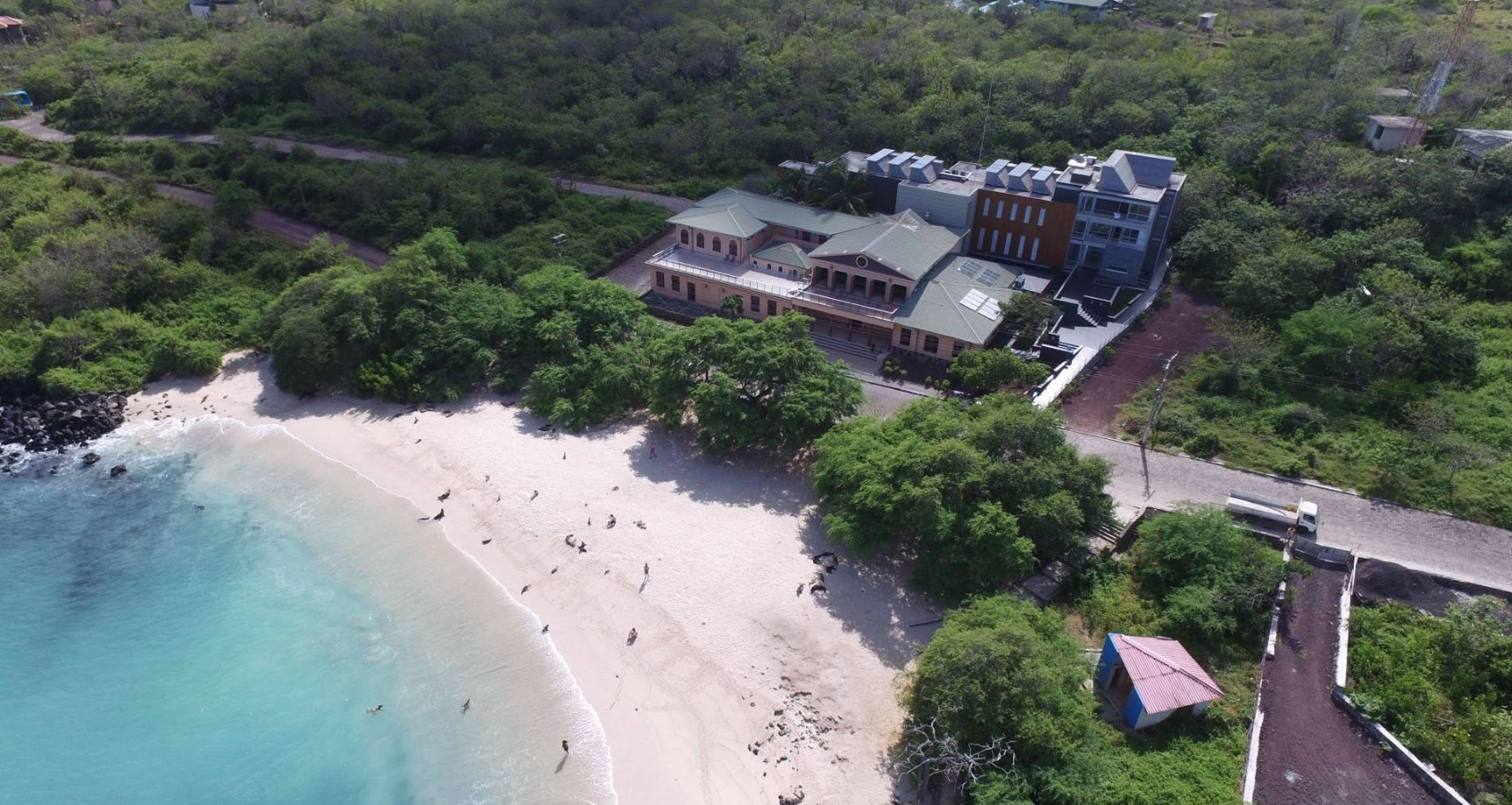
The UNC Center for Galapagos Studies has received a $600,000 contribution from Royal Caribbean Group to support research and learning initiatives, enabling the expansion of research projects, community outreach programs and student engagement. The UNC Center for Galapagos Studies partners with the Universidad San Francisco de Quito (USFQ) to operate the Galapagos Science Center, located on San Cristobal Island. It is the only university science facility of its kind in the archipelago.
First Records of Hawksbill Sea Turtle (Eretmochelys imbricata) Connectivity Between the Galápagos Islands and Continental Ecuador
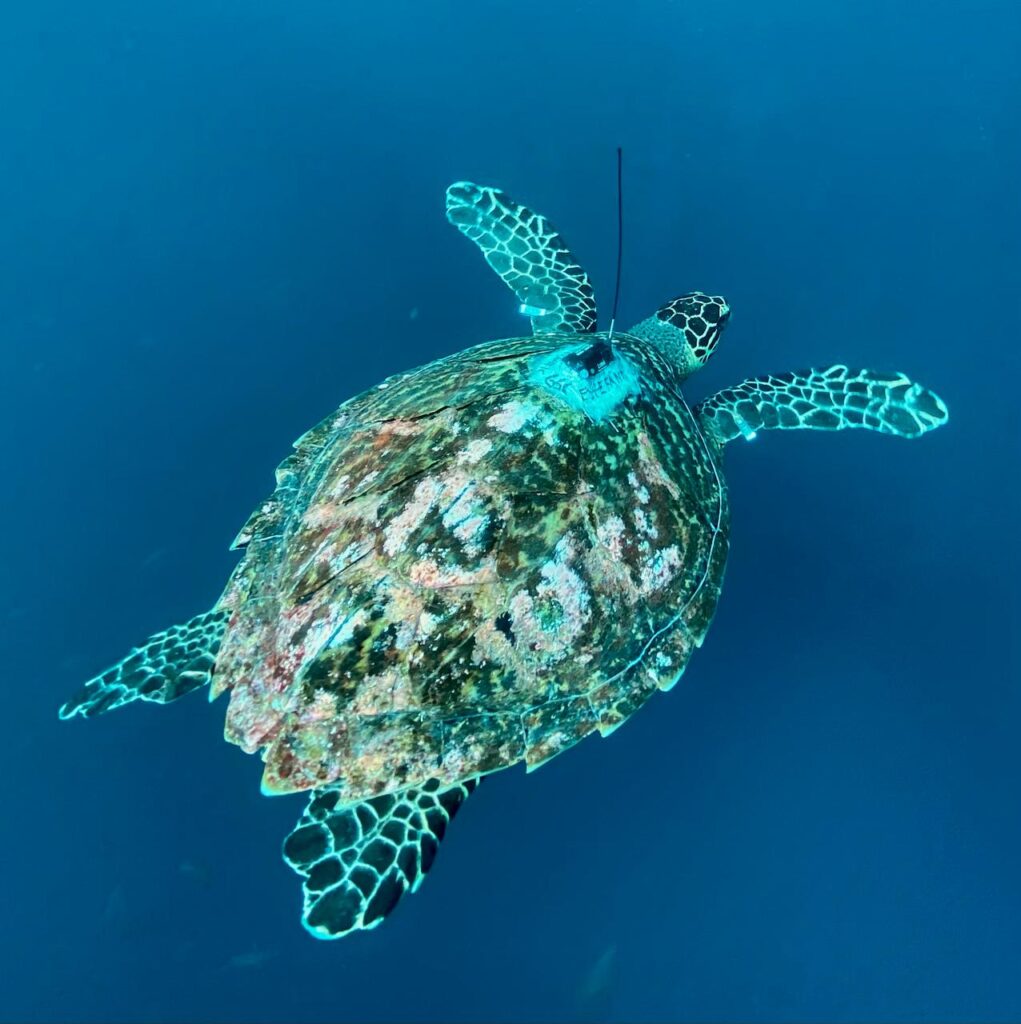
This study presents the first records of connectivity between hawksbill sea turtles (Eretmochelys imbricata) in the Galápagos Islands and mainland Ecuador.
“Loberto and Zally: The Galápagos Sea Lions” — A Literary Project for Education and Conservation in Galápagos
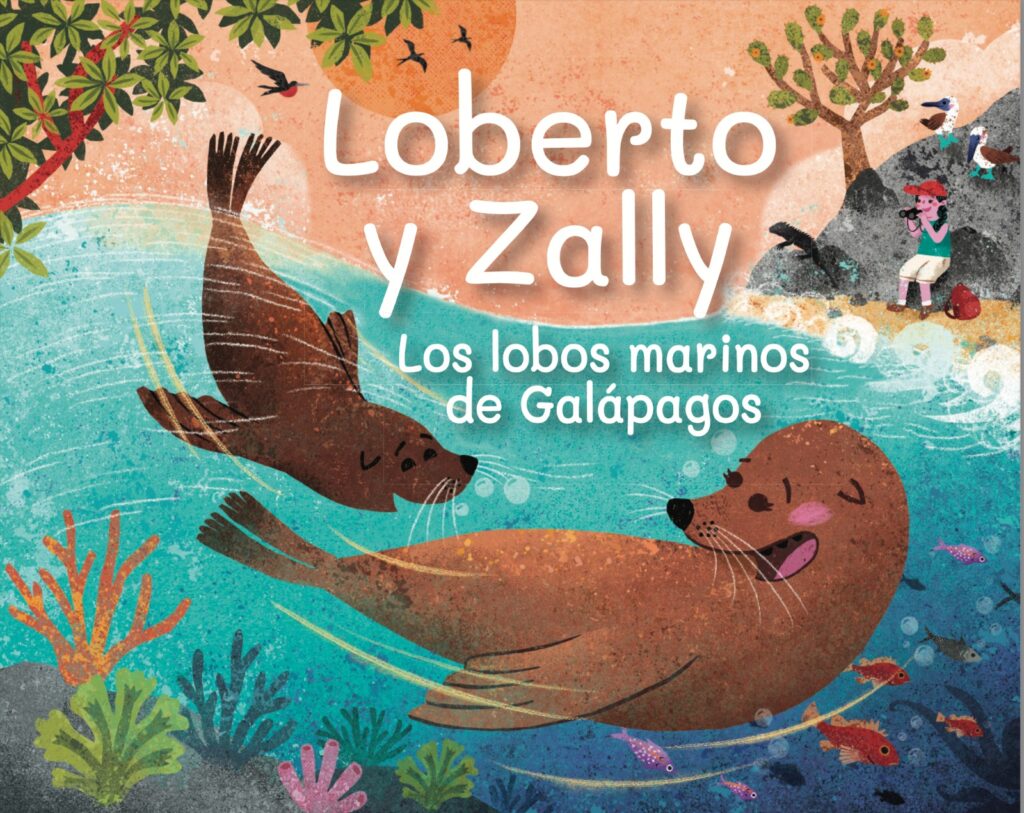
The launch of the book “Loberto and Zally: The Galápagos Sea Lions” took place on San Cristóbal Island, Galápagos, during a Family Science event organized by the GSC on August 17 of this year. The printed story will reach 200 elementary and middle school students from all educational institutions on the island.