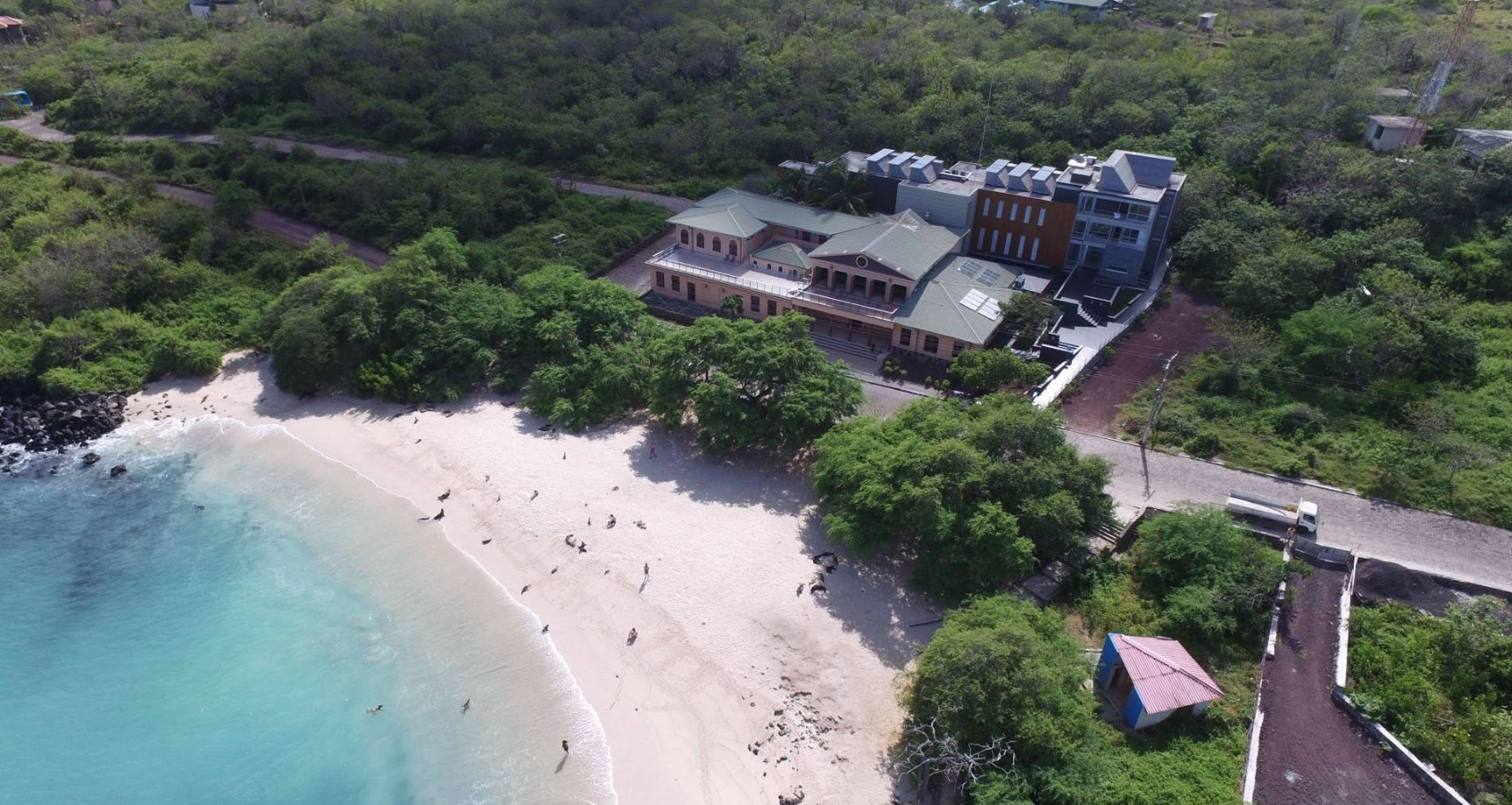
A pilot study to estimate the population size of endangered Galápagos marine iguanas using drones
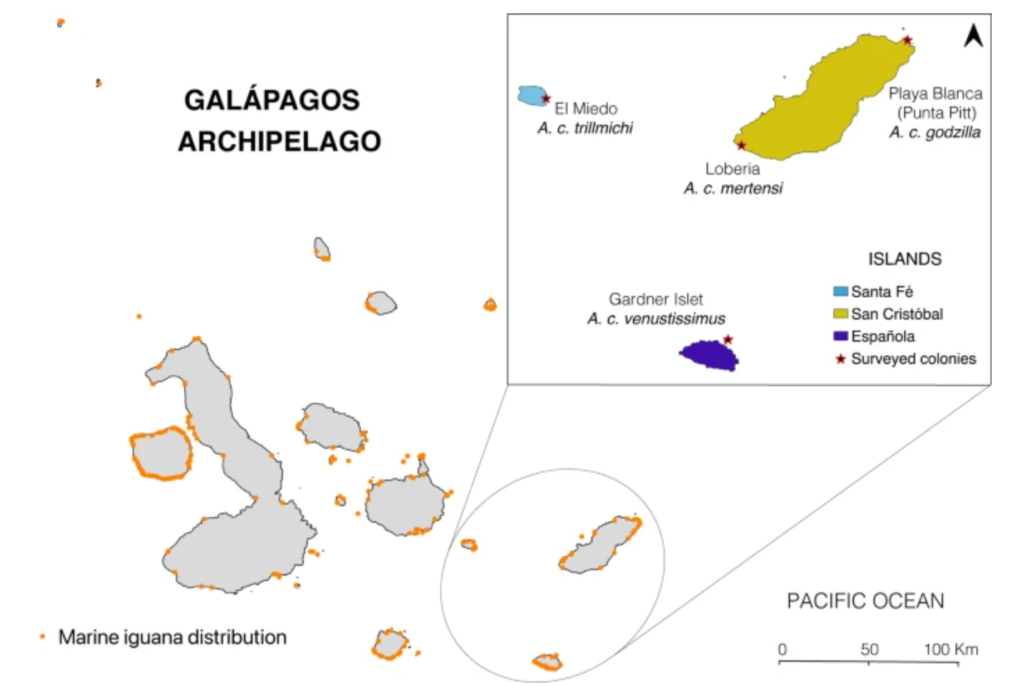
Large-scale species monitoring remains a significant conservation challenge. Given the ongoing biodiversity crisis, the need for reliable and efficient methods has never been greater.
The Connecting With Nature Program has successfully integrated the Galapagos community into environmental conservation for the fourth consecutive year
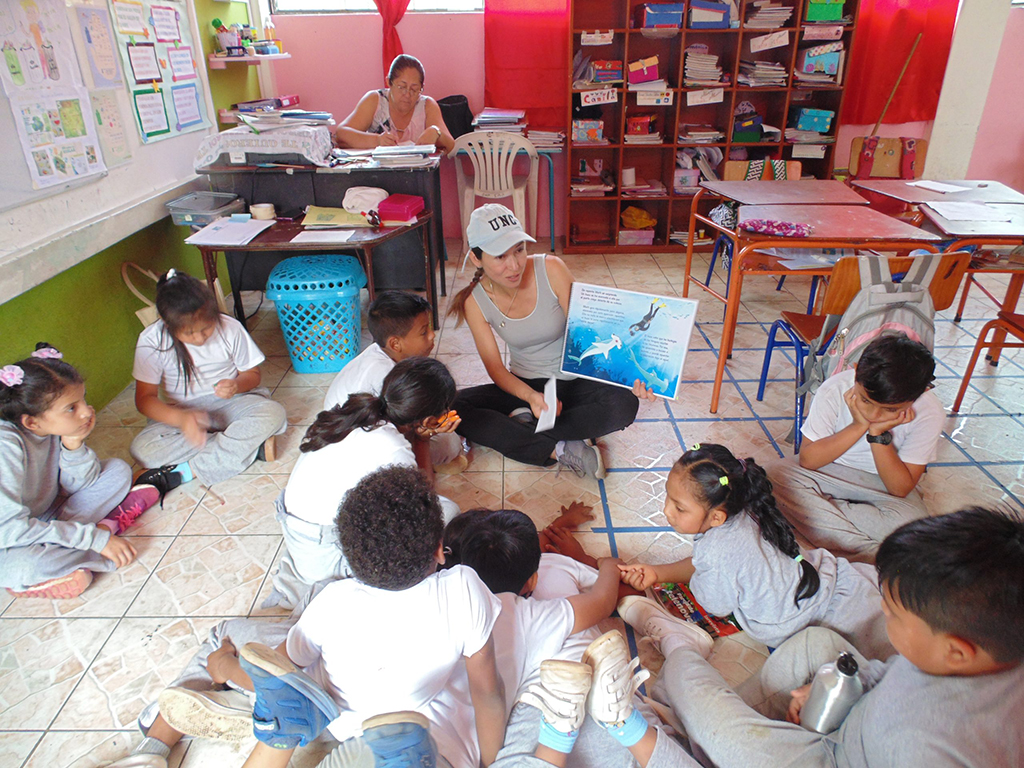
Through its community programs, the GSC contributes to the development and the generation of environmental awareness in the community.
Galapagos and the plastic problem
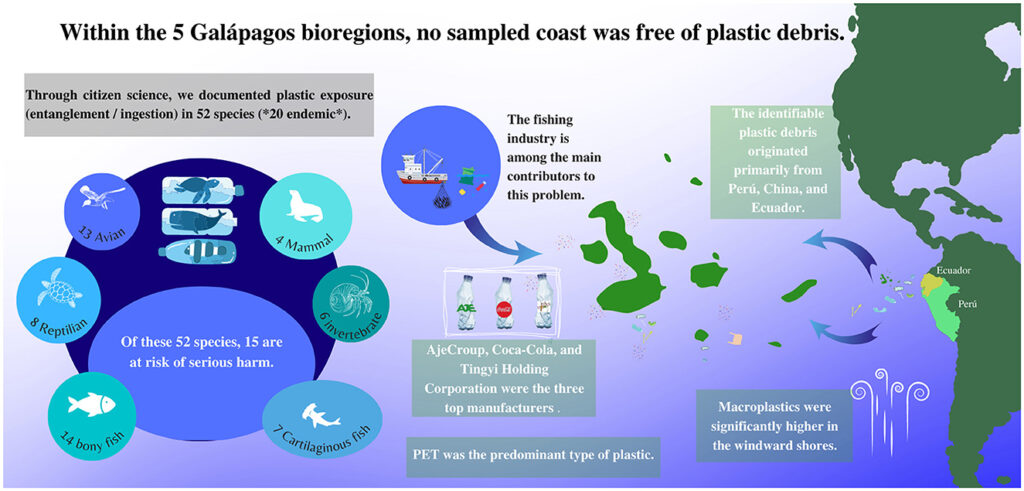
Plastic pollution (PP) is an ongoing, pervasive global problem that represents a risk to the Galápagos archipelago, despite it being one of the world’s most pristine and well-protected regions. By working closely with citizen scientists, we aimed to quantify and map the magnitude and biological effects of PP.
Spatial Patterns of Upwelling at the Galápagos Influence Fish Assemblages & Environmental Records in the Otoliths of Fishes
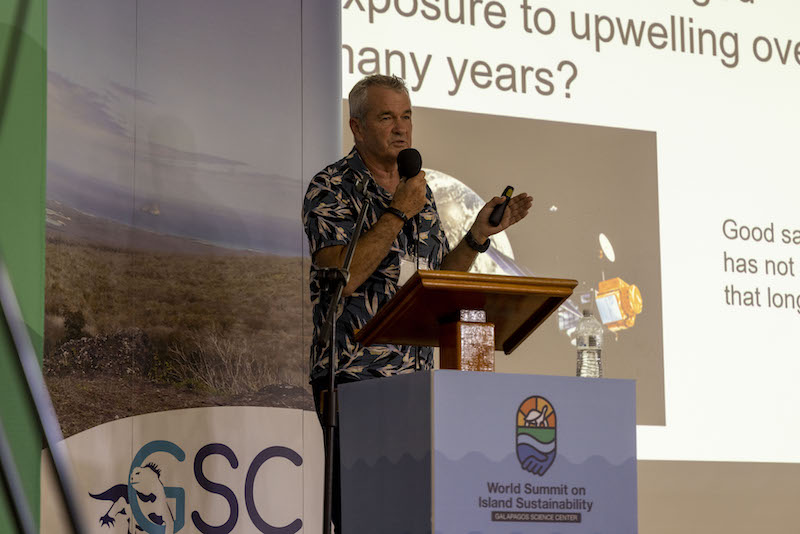
Michael J Kingsford
Harnessing Wind in Our Sails to Sustainable 2030
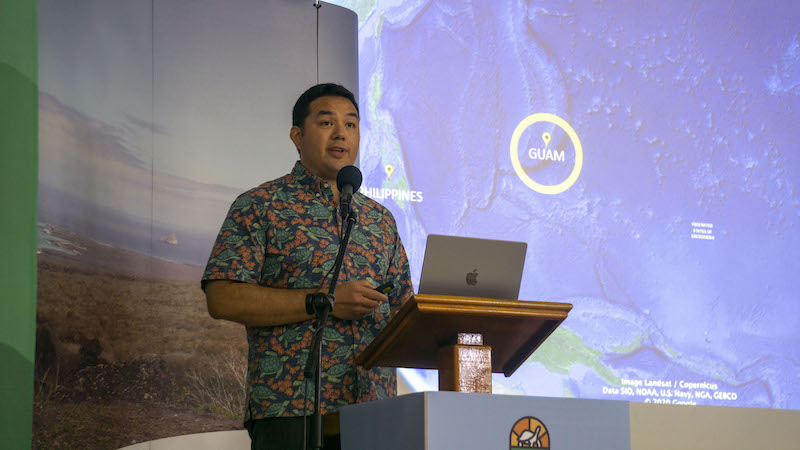
Austin Shelton
Our Transforming Coastal Marine Ecosystems: The Urgent Need for an Effective and Science-Based Conservation Network along the Southeastern Pacific
Sergio Navarrete
Globalization & the Challenging Political Economy of Governing (and Researching) Islands in Contemporary Times
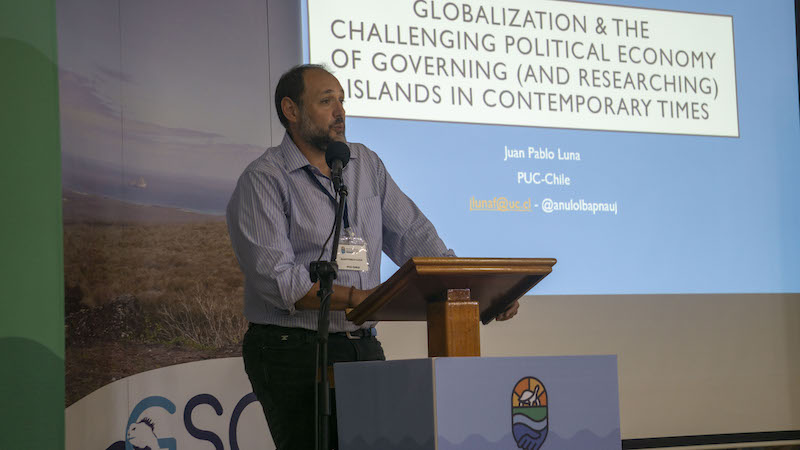
Juan Pablo Luna
The new generation with the community are committed to the challenges of conservation
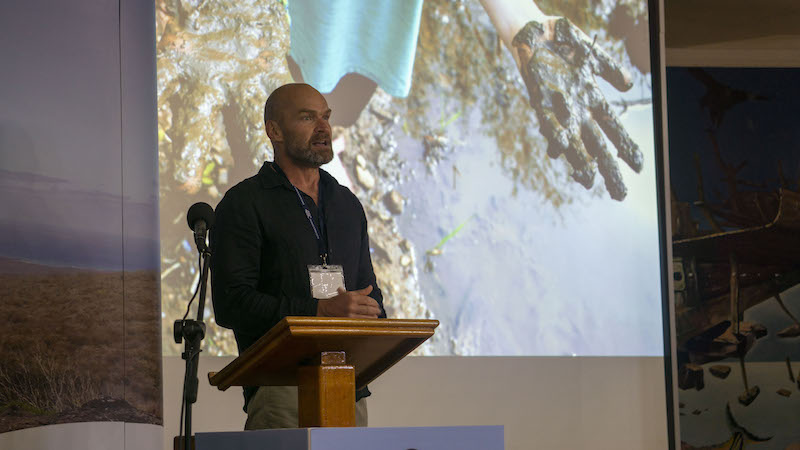
Monty Halls
The Caribbean ecosystems are in very weakened and vulnerable state
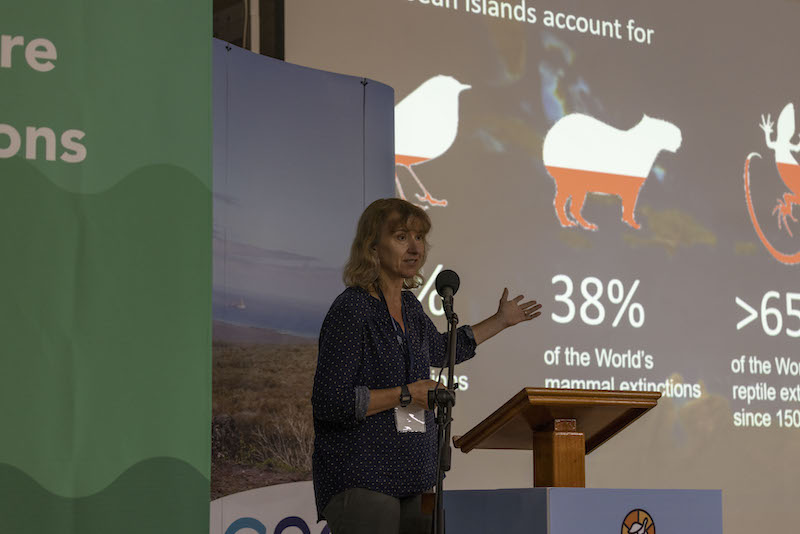
Jenny Daltry
On-the-Ground Solutions to Help People & Wildlife in a Changing Climate
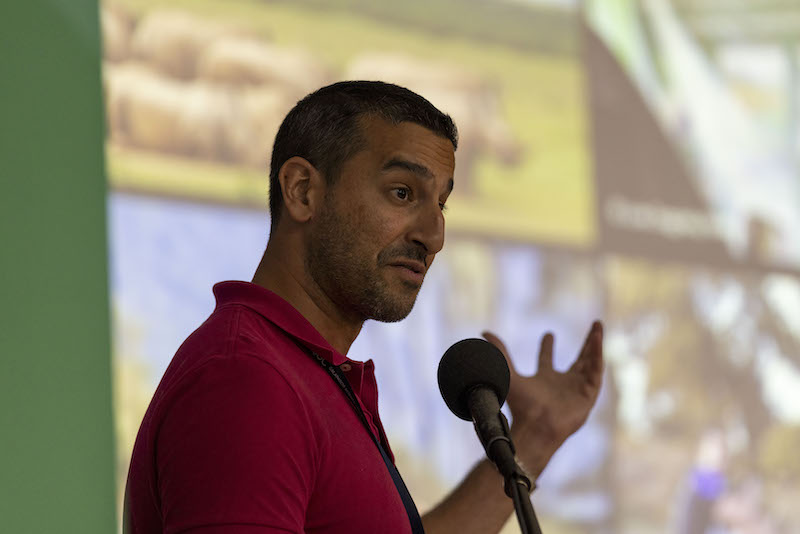
Nikhil Advani