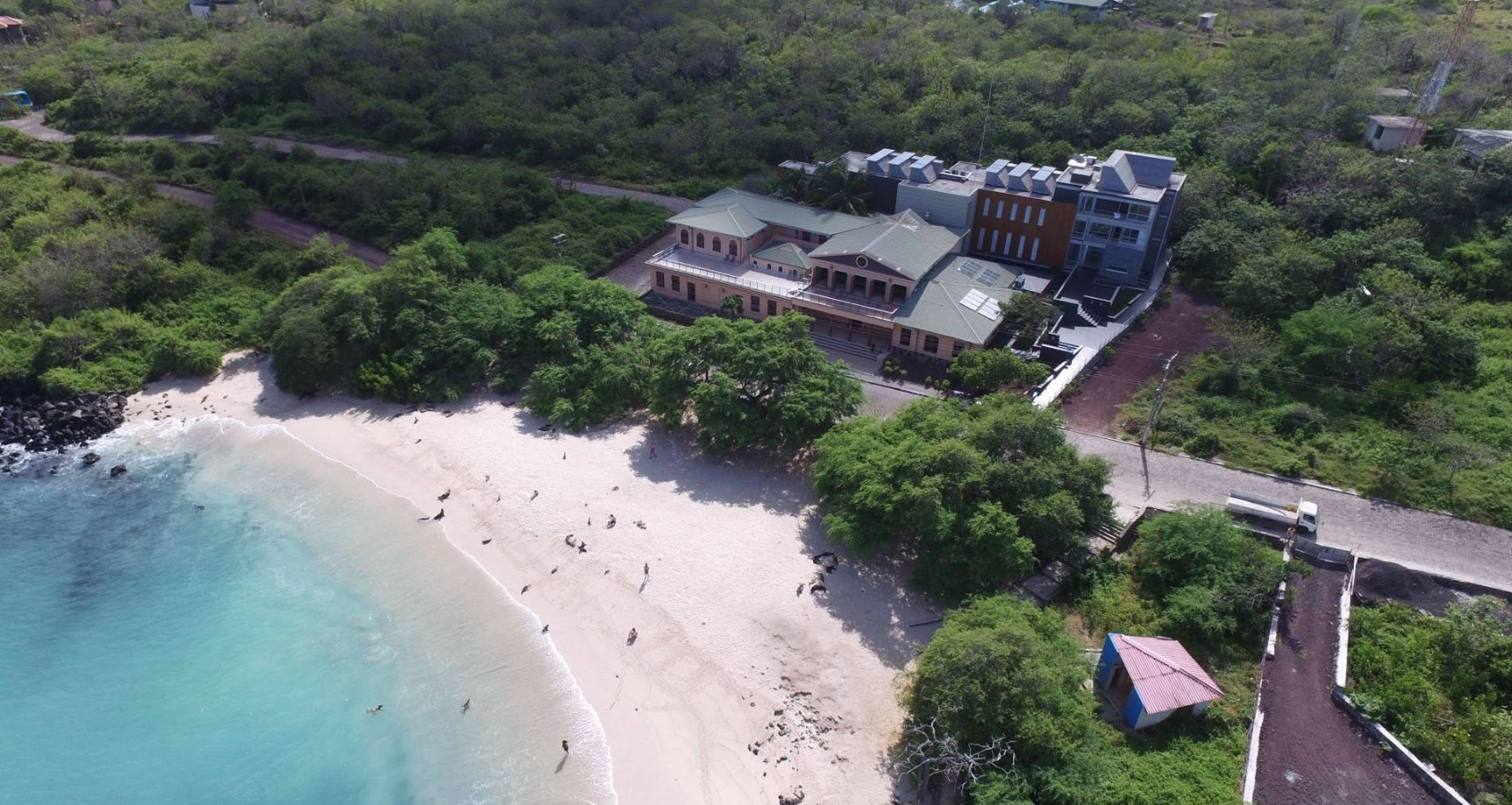
Local Seafood to Drive a New Child Nutrition Model in the Galápagos
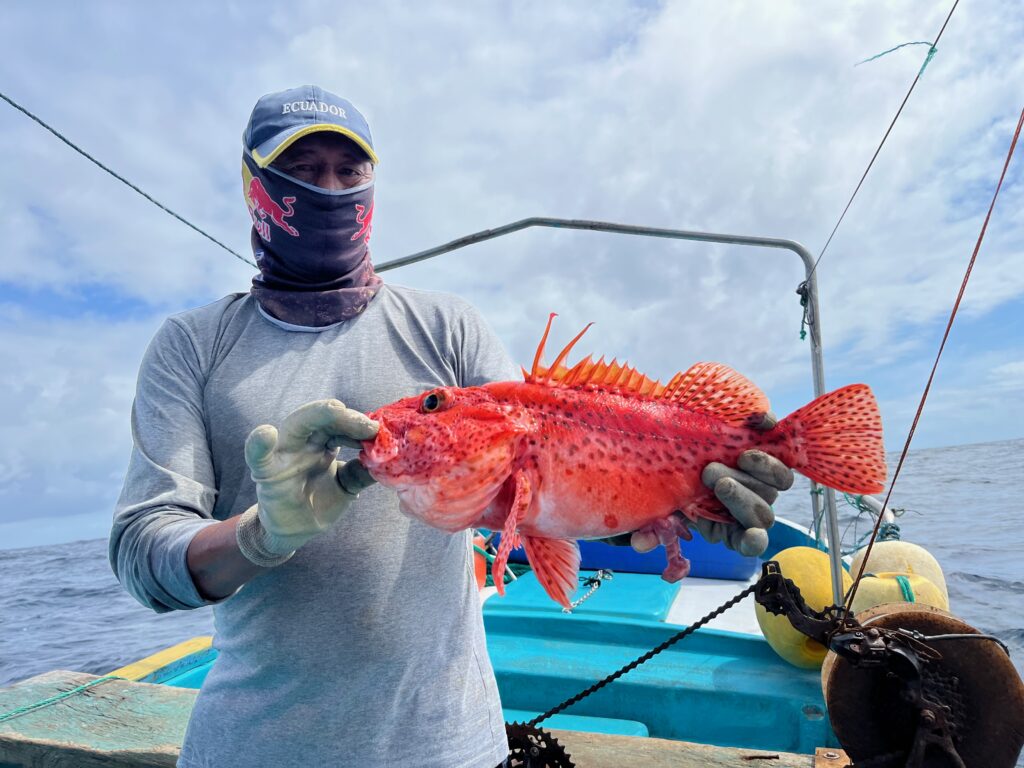
Learn about the new project led by the University of San Francisco de Quito (USFQ) and the Galapagos Science Center, an initiative that aims to improve the nutrition of nearly 500 students through locally sourced seafood and agricultural products, while advancing scientific research and promoting healthier, more sustainable food systems. Read the full press release to learn more about this initiative.
Whale shark reveals the route: an adult female migrates from western Galápagos to El Salvador
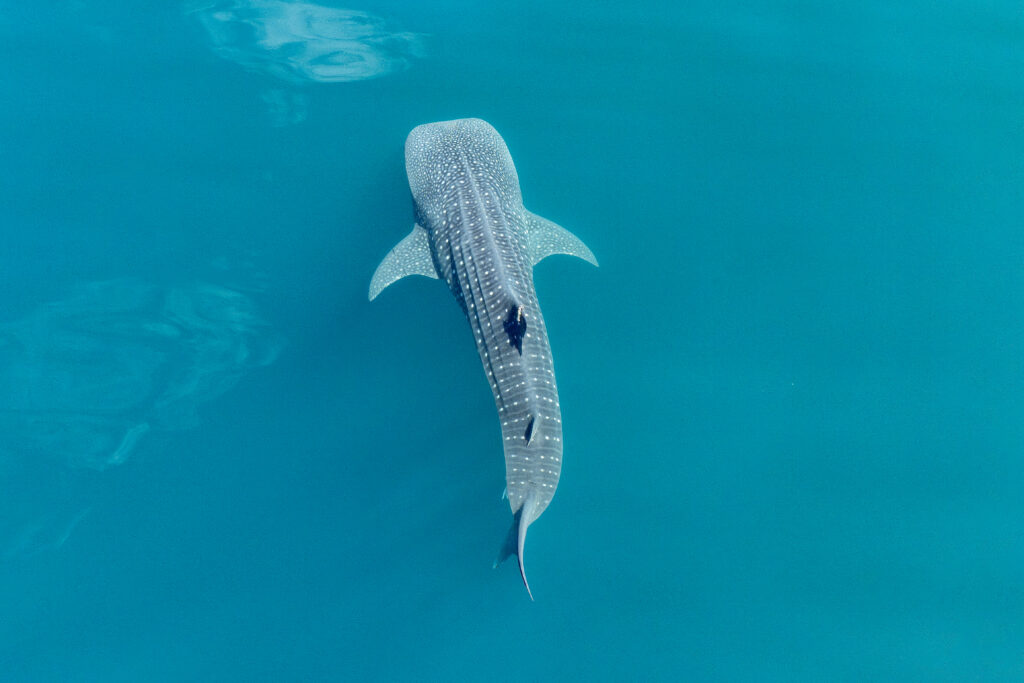
In March 2026, a scientific expedition in the Galápagos Marine Reserve sought to better understand the migratory route of the whale shark, an endangered species, and determine whether individuals observed in different areas of the archipelago are connected to one another.
Industrial fishing compliance with a new marine corridor near the Galapagos Islands
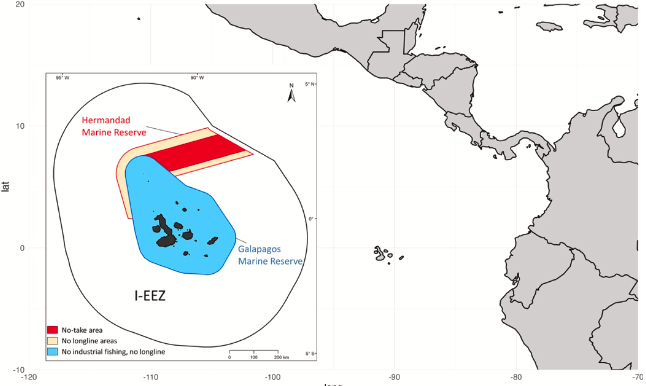
Industrial fishing in waters near the Galápagos has long been a challenge for marine conservation. In a context where fishing pressure and species protection coexist in tension, a recent study examined what happens when new marine protected areas are implemented.
USFQ Drives Development in Galápagos Through Education, Health and Community Impact
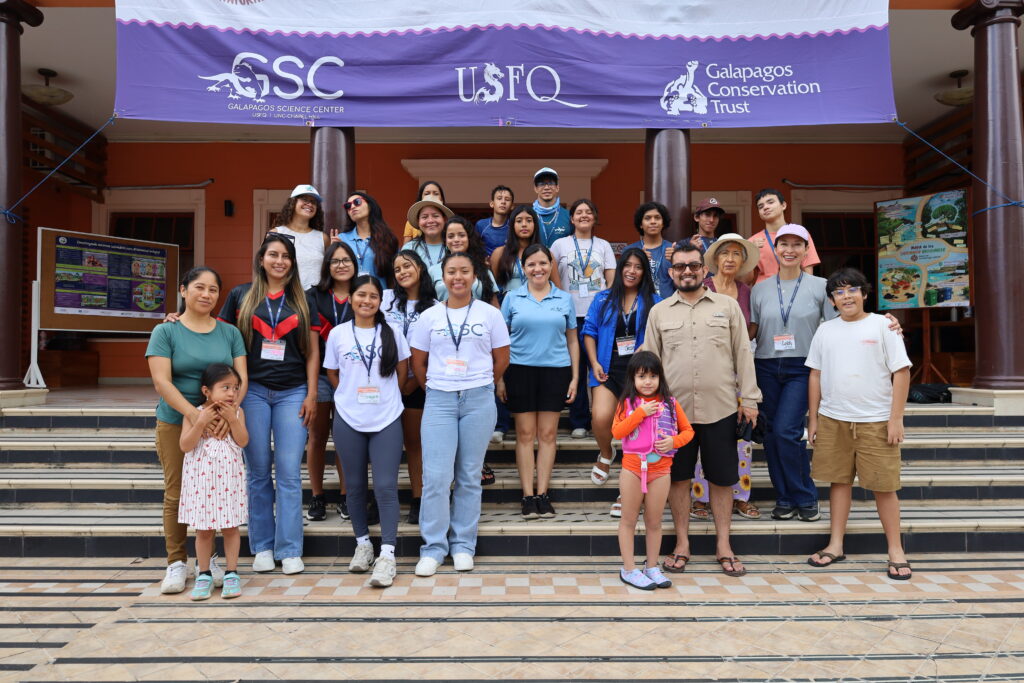
One of USFQ’s main contributions in Galápagos lies in its commitment to holistic education through transformative experiences. In this context, the Host Family Program stands out as an international cultural immersion initiative that allows foreign students to integrate into the daily life of the local community.
High-Quality De Novo Genome Assembly for the Galápagos Endemic Lava Gull Using Oxford Nanopore Technologies
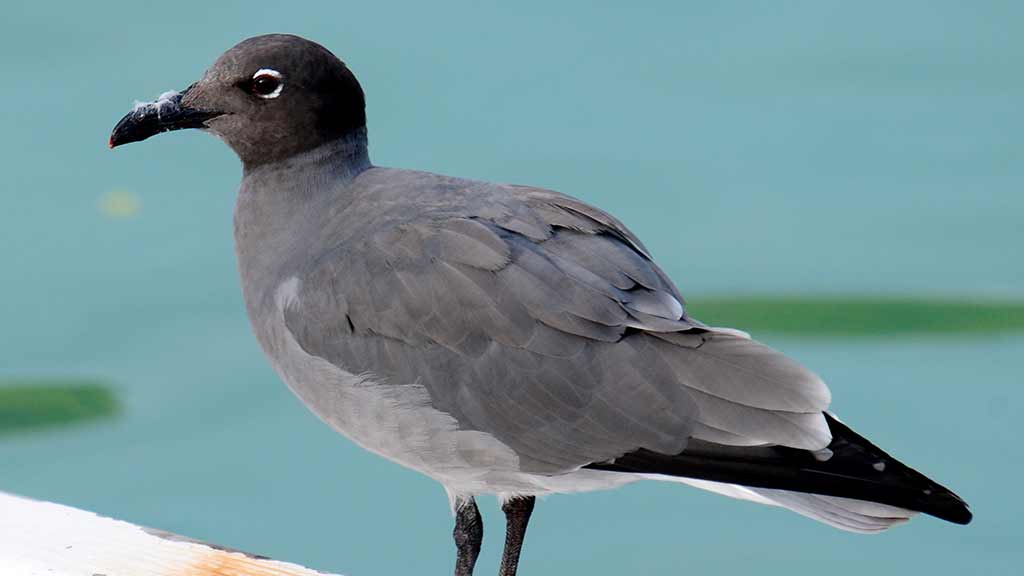
The lava gull (Leucophaeus fuliginosus), an endemic species of the Galápagos Islands, is the rarest gull in the world, with an estimated population of 300 to 600 individuals, making it a conservation priority.
Balancing post-pandemic recovery and resilience in the Galápagos: how beliefs in ecosystem fragility impact residents’ attitudes toward tourism and conservation knowledge and compliance
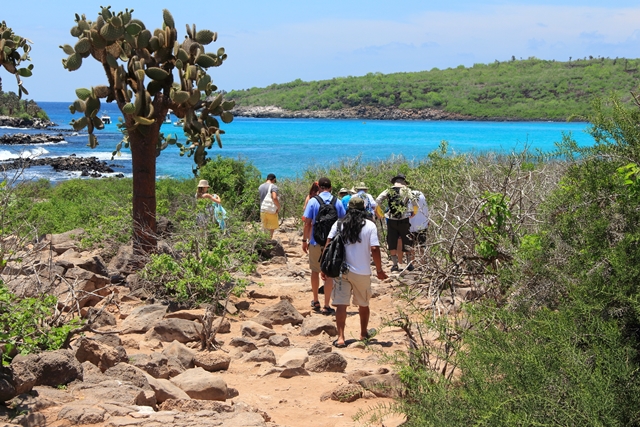
This research examines the challenges faced by the Galápagos Archipelago in the context of post–COVID-19 tourism recovery, as well as the need to balance economic development with the conservation of a highly fragile ecosystem.
REACCT+ Drives Local Business Development in the Galápagos
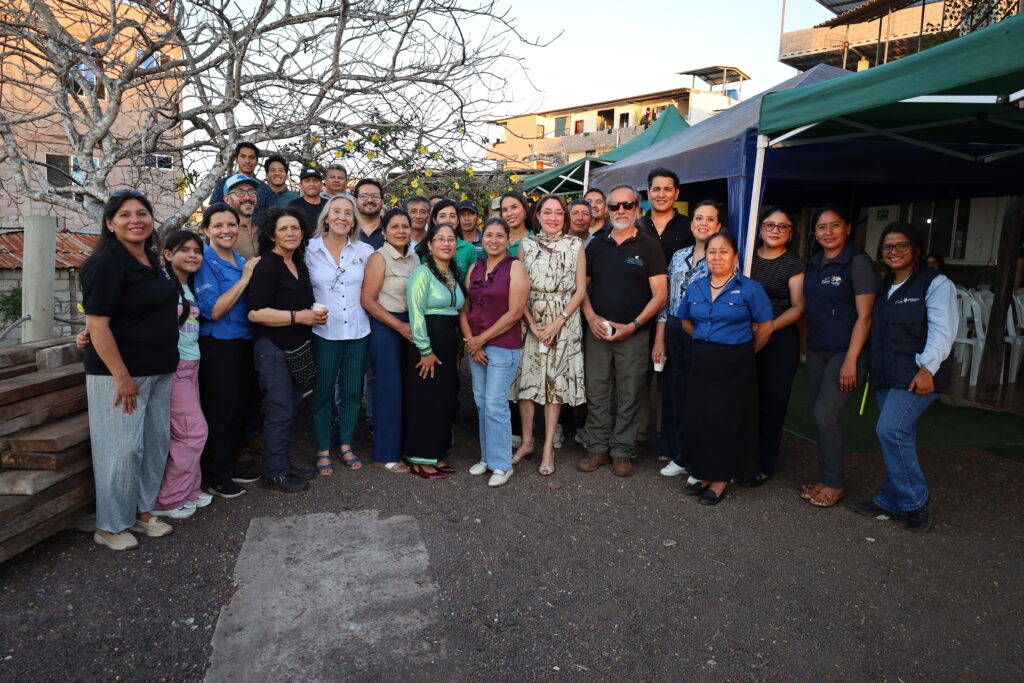
Through financial support of universities and the private sector, the REACCT+ project is strengthening six local businesses on San Cristóbal Island.
2025 Christmas Newsletter and Annual Impact Report
During this special season, we would like to wish you a Merry Christmas and a prosperous New Year. We invite you to explore the news, insights, and achievements that reflect our collective efforts to strengthen conservation and promote sustainable development in the Galápagos Archipelago, a Natural World Heritage Site.
Genomic and biogeographic patterns of endemic geckos in the Galapagos Islands reveal population structure and species delimitation on inhabited islands
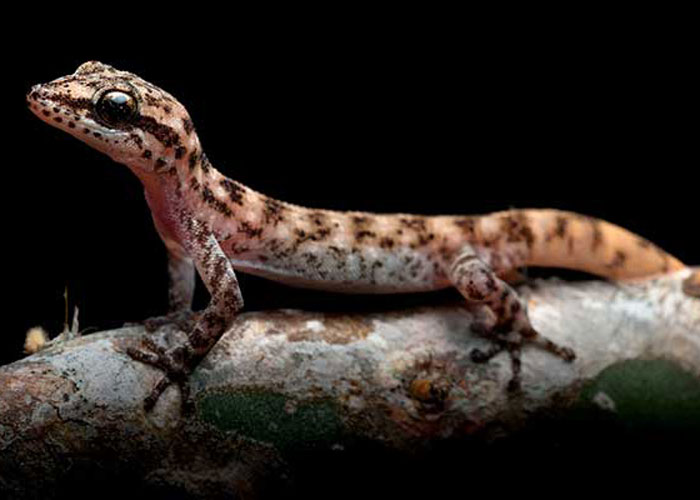
Oceanic islands such as Galápagos are privileged settings for studying how species originate and diverge. In this context, the endemic geckos of the genus Phyllodactylus play an important ecological role and, at the same time, remain poorly known from a genetic perspective.
Animals and Land Cover/Land Use Change: A Remote Sensing – Galápagos Islands Assessment
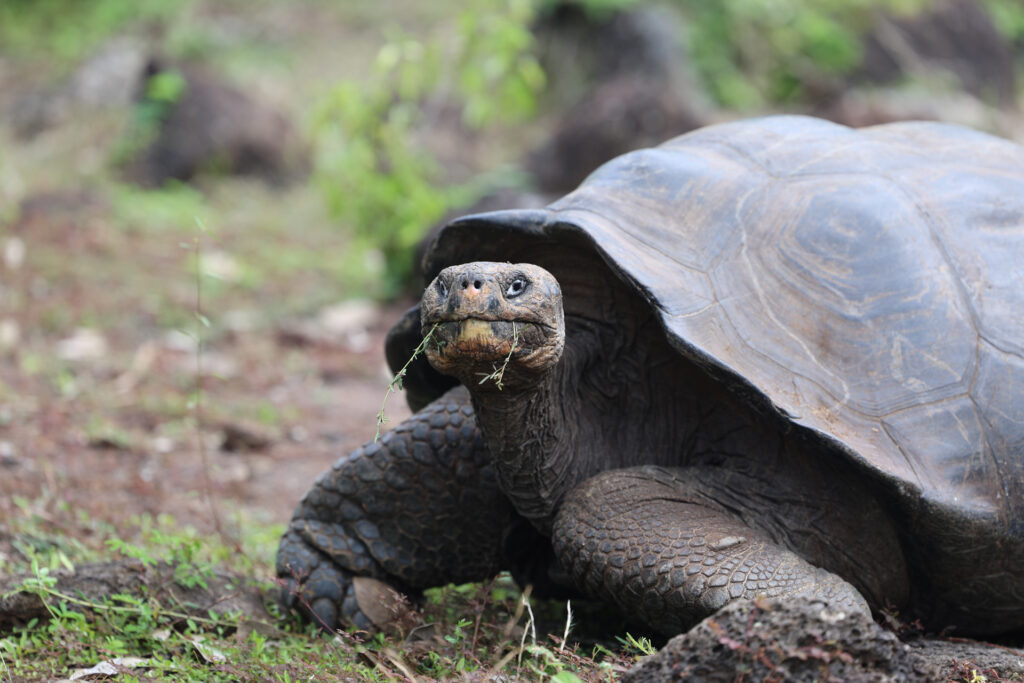
The ecosystems of Galápagos are in constant transformation due to the interaction between natural processes, animals, and human activities. This research analyzes how different species, both native and introduced, influence the islands’ landscape through their movements, feeding habits, and behavior, and how these changes can be observed using digital environmental monitoring tools.