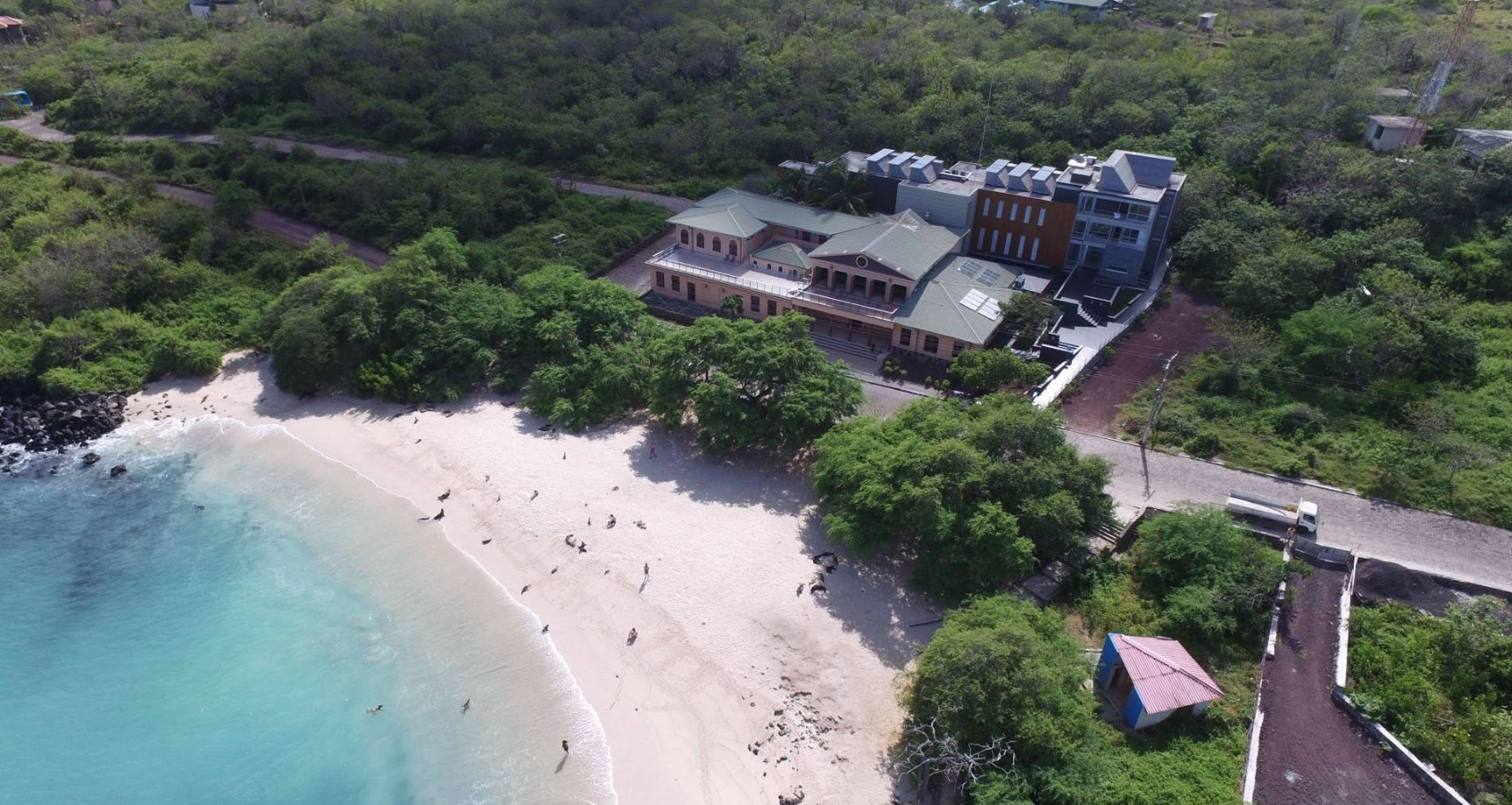
Declines and recovery in endangered Galapagos pinnipeds during the El Niño Event
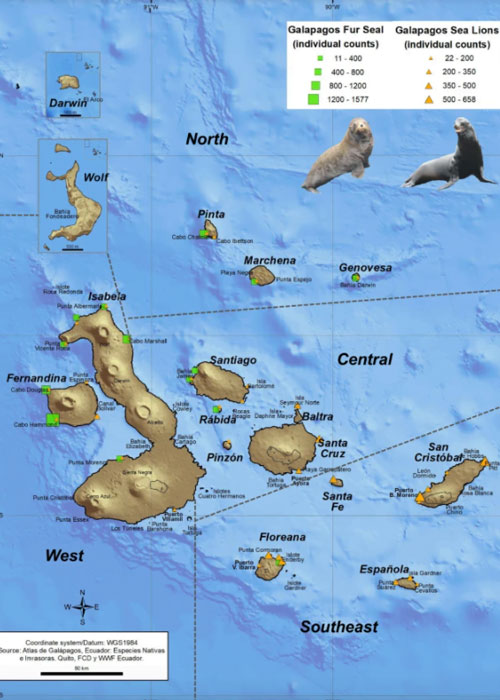
Our researchers Diego Páez- Rosas and Majorie Riofrío with Adrian Marchetti and Harvey Seim researchers from UNC-Chapel Hill, and Eduardo Espinosa and Jorge Torres from the Galapagos National Park Directorate, presented their work called “Declines and recovery in endangered Galapagos pinnipeds during the El Niño Event”
Vaccination process progresses successfully in Galapagos with the support of USFQ and GSC
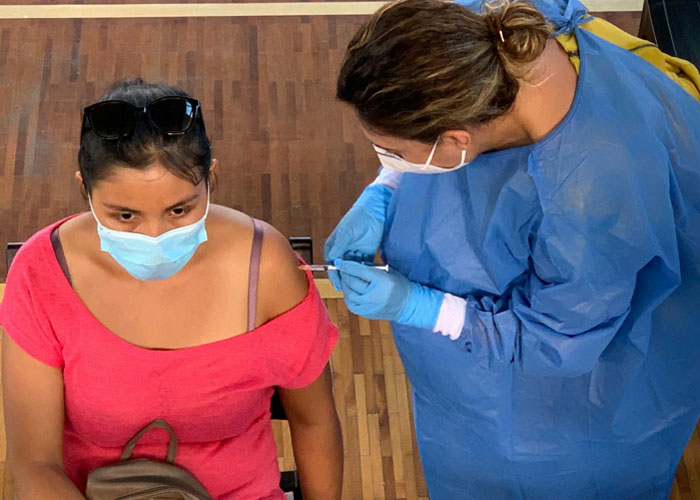
The mass vaccination campaign began in the province of Galapagos at the end of April 2021. The Ministry of Public Health (MSP) and the Governing Council of the Galapagos special regime (CGREG) led this process and received the invaluable collaboration of Universidad San Francisco de Quito.
Microbiological studies detect Mycoplasma in Galapagos sea lions
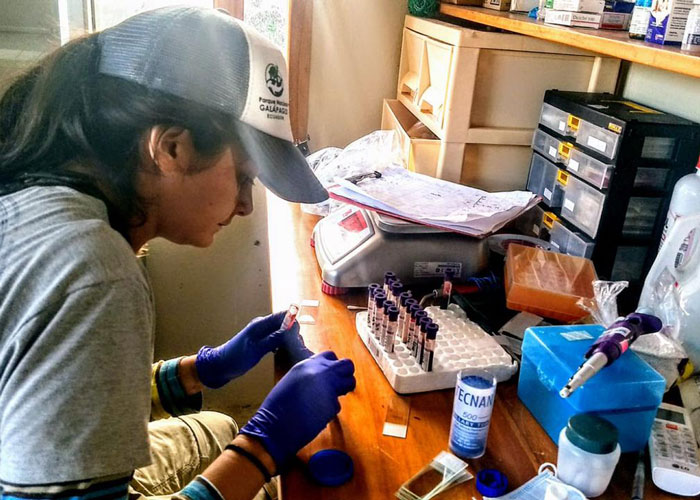
A few days ago Galapagos Science Center (GSC) researchers Soledad Sarzosa and Diego Páez-Rosas, together with several renowned researchers, published their work called “Appearance of mycoplasmas in Galapagos sea lions (Zalophus wollebaeki) and its association with other respiratory pathogens.”
Reactivating the Galapagos community through science
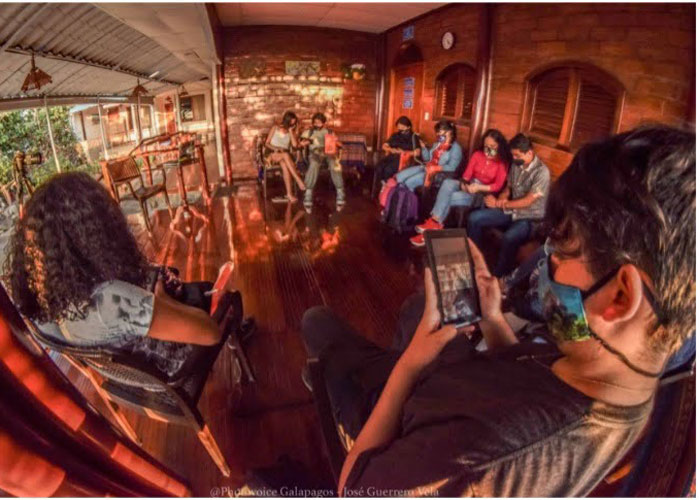
This last year has shown the importance and power of community. Through funds raised during GiveUNC 2020, UNC Center for Galapagos Studies partnered with Universidad San Francisco de Quito (USFQ) as well as the Galapagos Science Center (GSC) to create REACCT (Re-Activating the Economy through Science, Community and Work).
Female Power in Science
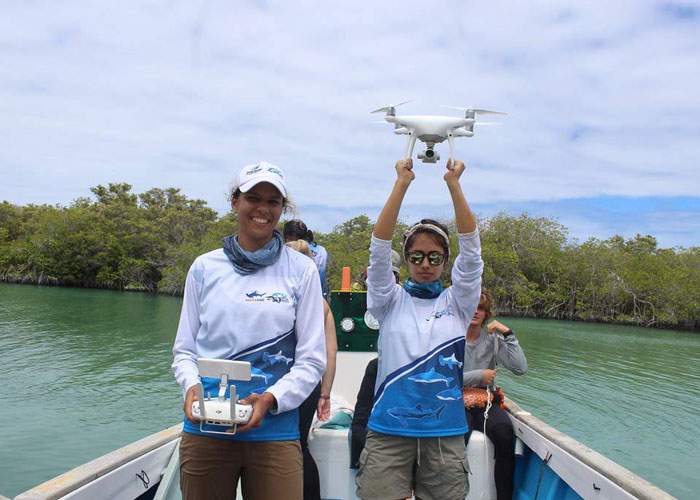
The gender gap in the field of science, technology, engineering and mathematics (STEM) is no secret to anyone. Historically, the presence of women in these areas has been limited and despite the fact that there are great efforts to promote spaces for women’s participation, many of them still have to face difficulties and obstacles that are just due to their gender.The Galapagos Science Center seeks to recognize the invaluable work that women carry out.
Exploring prenatal stress and its influence on maternal placental physiology and infant development in Galapagos
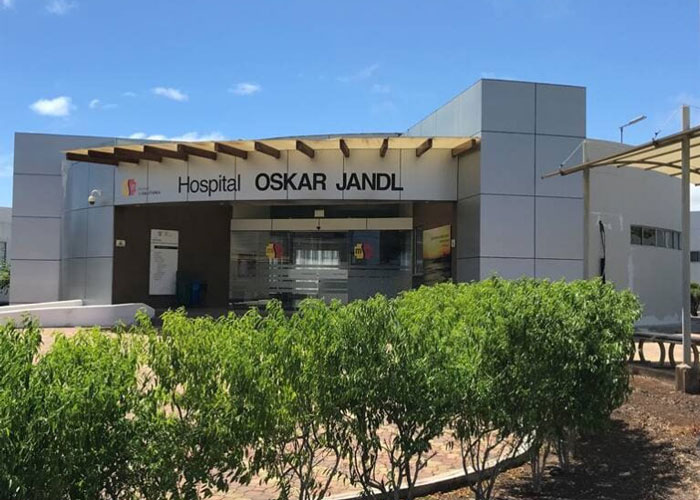
This paper looked at 24 mothers and infants in Galapagos and highlights how prenatal stress influences maternal placental physiology and infant development. To our knowledge, this is one of the first studies of this kind.
Darwin and Wolf, The home of the Vampire Finches
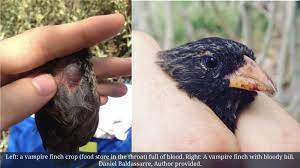
Jaime Chaves, professor at the Universidad San Francisco de Quito and a researcher at the Galapagos Science Center (GSC), has been studying finches in the Galapagos Islands for several years. A few days ago, along with Kiyoko Gotanda and Daniel Baldassarre, he published the article titled, “Vampire finches: how Galapagos birds evolved to drink blood” in the digital magazine, The Conversation.
Darwin y Wolf, el hogar de los Pinzones Vampiro
Jaime Chaves, profesor de la Universidad San Francisco de Quito e investigador del GSC, lleva varios años estudiando pinzones en las islas Galápagos y hace pocos días, él en compañía de Kiyoko Gotanda y Daniel Baldassarre, publicaron el artículo titulado, “Pinzones vampiros: como los pajaritos de Galápagos evolucionaron para beber sangre” en la revista digital, The Conversation.
Scalloped hammerhead shark (Sphyrna lewini) travels more than 1,200 km from Golfo Dulce, Costa Rica’s South Pacific, to the iconic Darwin Arch in the Galapagos Islands, Ecuador.
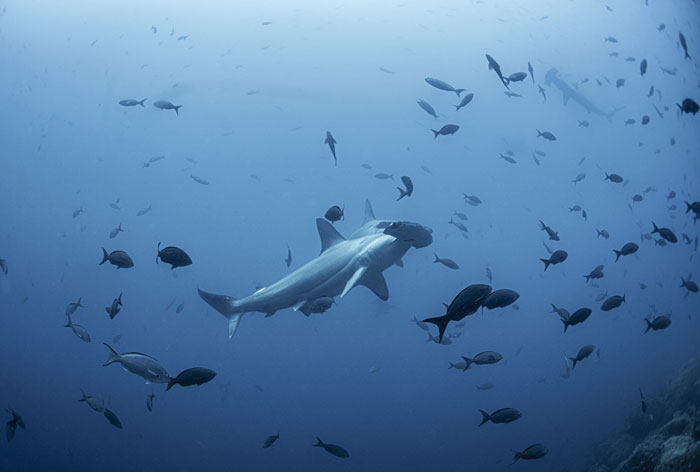
The shark named “Banco” was tagged with an internal acoustic transmitter on the night of August 21.
Analysis of the iconic plant radiation of the Galapagos Endemic Genus Scalesia
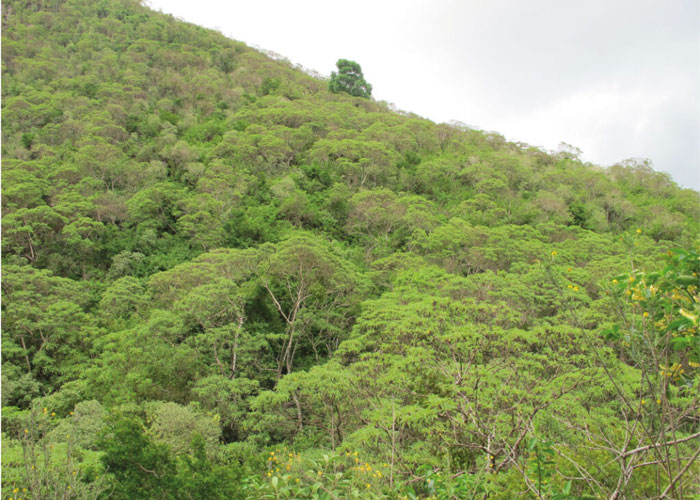
Island radiations can provide key insights for understanding rapid speciation (formation of new, distinct species), including evolutionary patterns and the processes behind them.