Assessment of feeding patterns of the mottled scorpionfish (Pontinus clemensi) in the Galápagos Marine Reserve
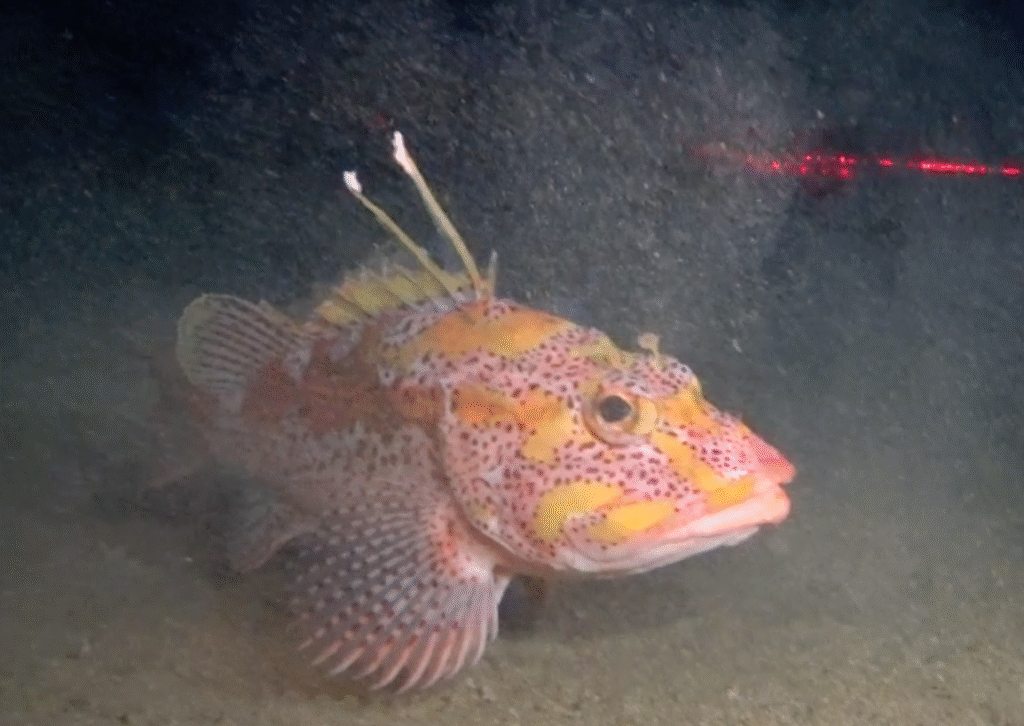
The Spotted Scorpionfish (Pontinus clemensi) is a species of high economic, ecological, and cultural value in the Galápagos Islands. In recent years, it has gained relevance in the artisanal fisheries of the Galápagos Marine Reserve (GMR) due to the overexploitation of traditional species such as bacalao (Mycteroperca olfax) and camotillo (Paralabrax albomaculatus). As a result, its presence in local markets and its consumption within the community have increased.
Exploring stress and morphology in two songbird species across urban, agricultural, and natural habitats on San Cristóbal Island, Galápagos
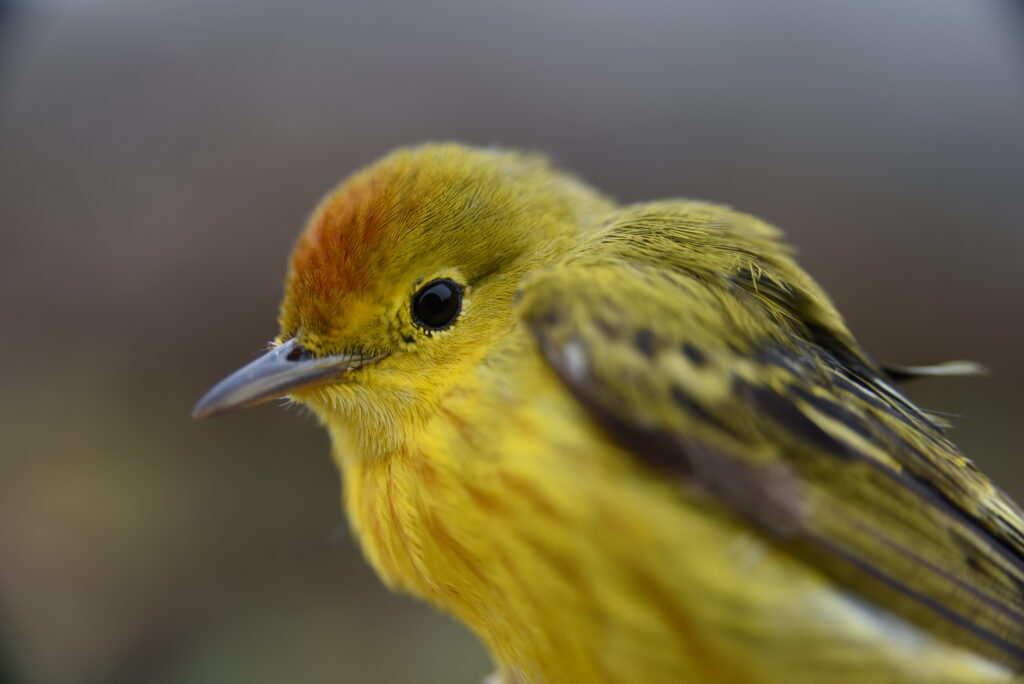
This study analyzed how land use changes affect two bird species in the Galápagos: the small ground finch (Geospiza fuliginosa) and the yellow warbler (Setophaga petechia aureola). The goal was to understand whether habitat alterations, caused by urbanization and agriculture on human-populated islands, affect their size, weight, and levels of the hormone corticosterone, which is linked to stress.
Connecting the Community with Nature: A Galápagos conservation program celebrates the successful completion of its sixth phase
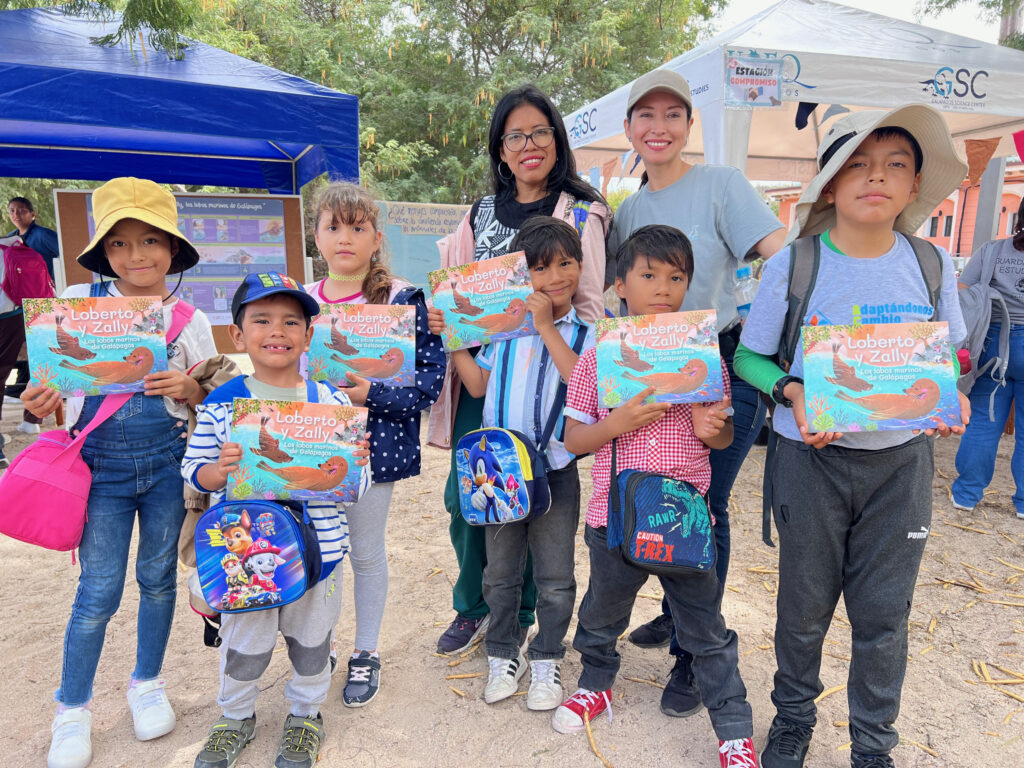
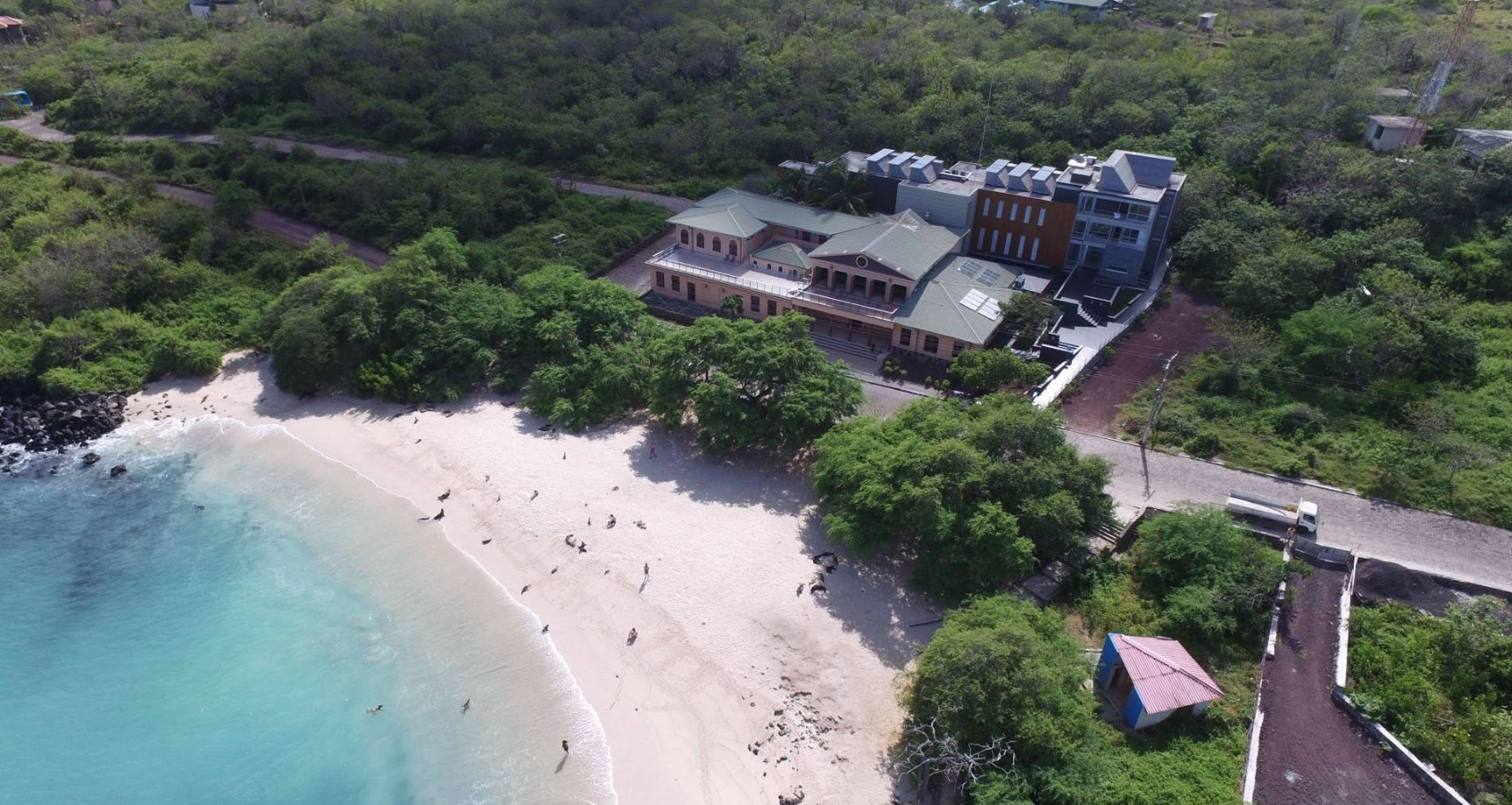
With the goal of raising environmental awareness and promoting the conservation of the archipelago’s natural resources, the Galapagos Science Center (GSC) and the Galapagos Conservation Trust have been running the “Connecting with Nature Program” (CWNP) since 2019. This initiative has reached over 9,100 community members on San Cristóbal Island, through recreational and educational activities tailored to children, youth, and adults.
Changes in marine iguana (Amblyrhynchus cristatus) heart rates suggest reduced metabolism during El Niño events
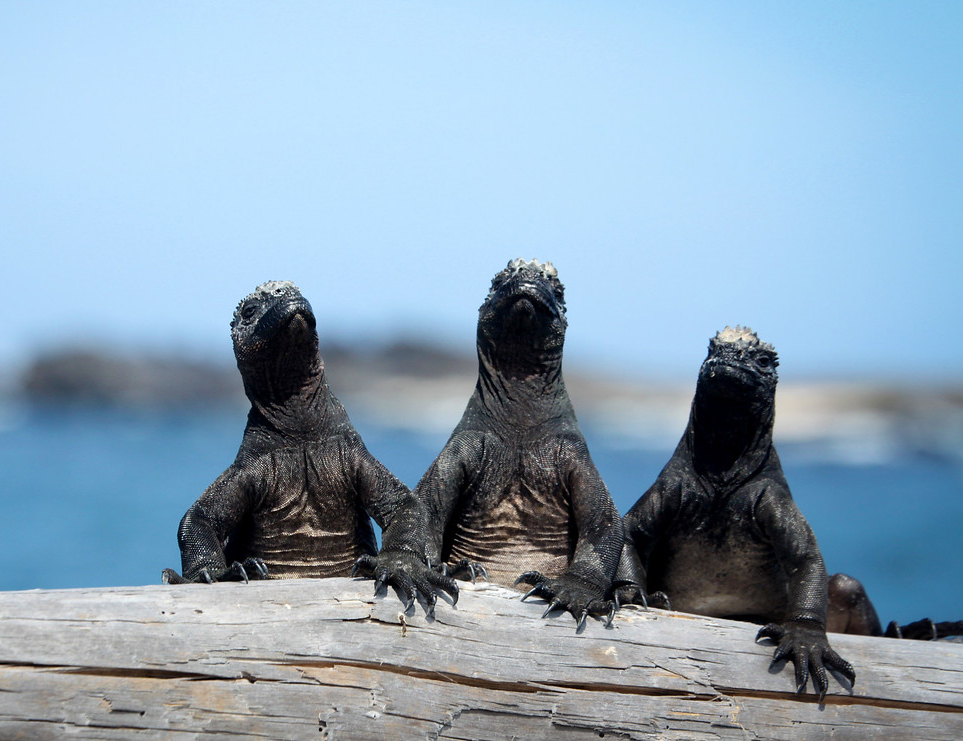
The marine iguanas of Galápagos (Amblyrhynchus cristatus) have the ability to lower their heart rate to conserve energy—an adaptation developed to cope with El Niño events. During these periods, warmer ocean temperatures reduce algae, their main food source, threatening the survival of the world’s only marine lizard.
Scientific expedition studies several megafauna species in Galápagos
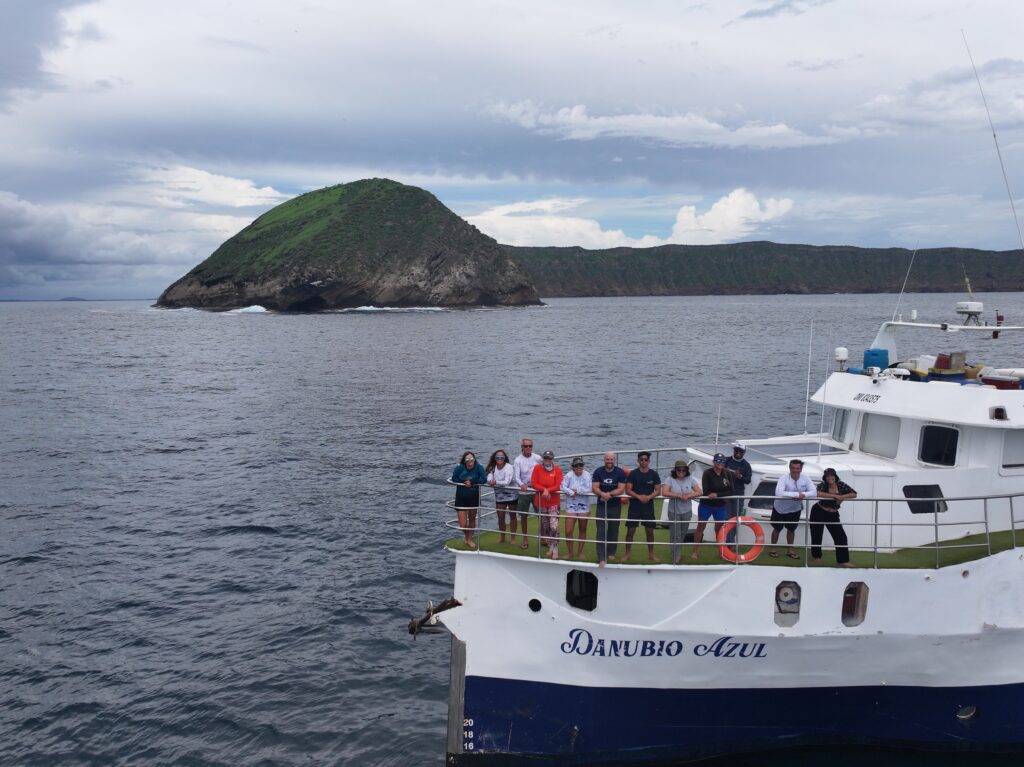
The Galápagos National Park Directorate (GNPD), in collaboration with Universidad San Francisco de Quito (USFQ), the Galapagos Science Center (GSC), and Proyecto Mantas Ecuador (PME), conducted a scientific expedition in the southern and eastern regions of Isabela Island. Supported by Brookfield Zoo Chicago’s Sarasota Dolphin Research Program, Mote Marine Laboratory, Georgia Aquarium, and the Ocean Tracking Network, the expedition provided valuable data for at least four research projects.
Killer Whale (Orcinus orca) Opportunistic Predation Events on Whale Sharks (Rhincodon typus) in the Eastern Tropical Pacific
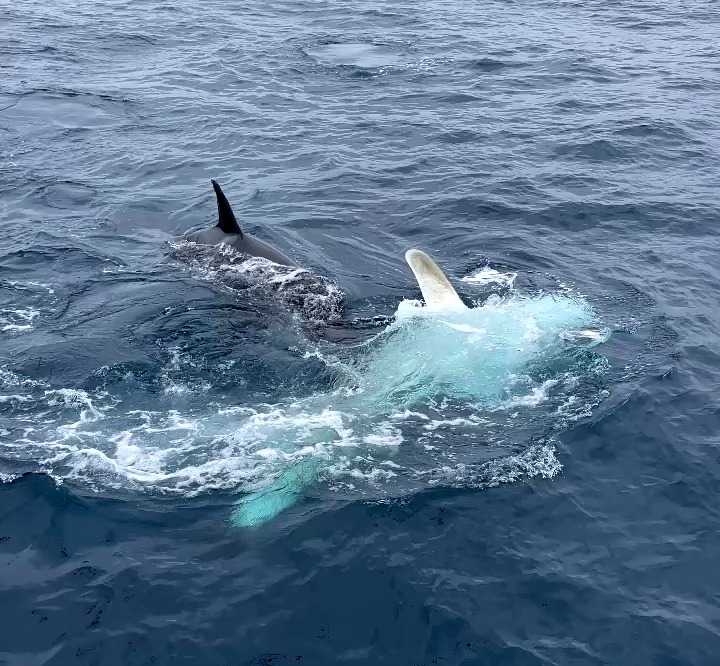
Killer whales (Orcinus orca) are known as one of the ocean’s most versatile predators, yet their behavior in tropical waters remains a mystery. This study documents, for the first time, orca attacks on whale sharks (Rhincodon typus) in Ecuador and Panama, providing valuable insights into their hunting strategies in the Eastern Tropical Pacific (ETP). Understanding these events is key to expanding knowledge about this predator’s dynamics in the region.
A Decade of ISLAVET: Science in action for the conservation of Galápagos
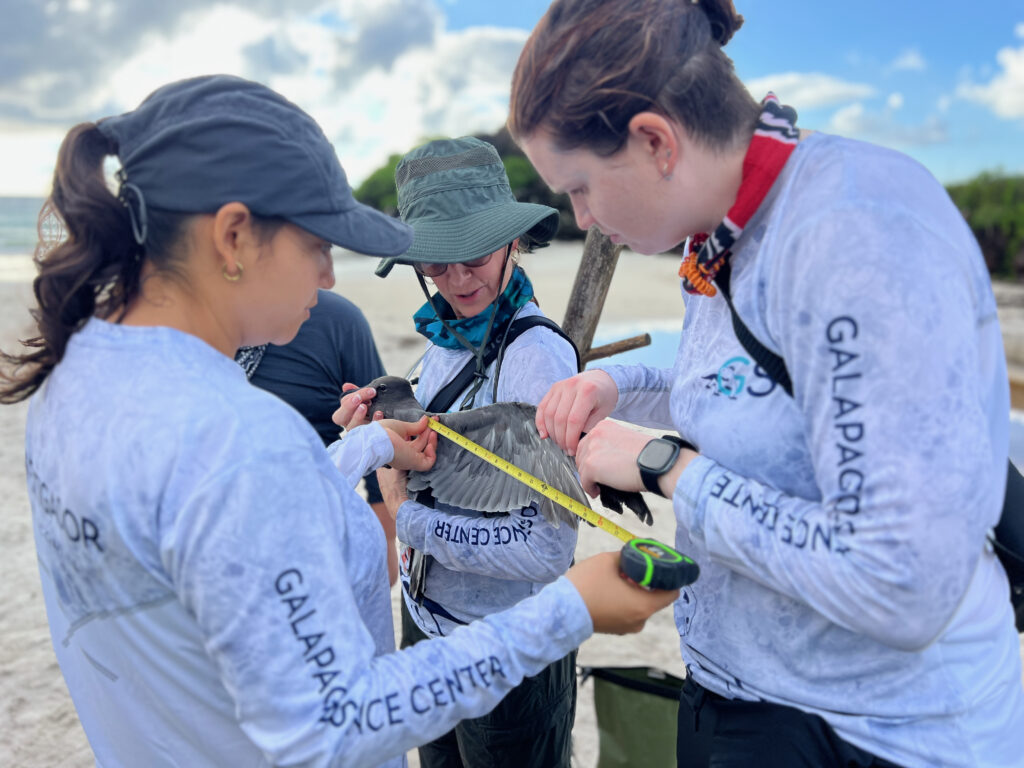
The ISLAVET program successfully concluded its tenth edition, solidifying its role as a key initiative for science and conservation in the archipelago. This year, a team of 33 participants, including 23 veterinary students and 10 veterinarians from the United States, Australia, the United Kingdom, Singapore, and the USFQ School of Veterinary Medicine, took part in field research under the leadership of Juan Pablo Muñoz, Diana Deresienski, Gregory Lewbart, and Daniela Alarcón from the Galapagos Science Center (GSC).
Genomes of Galápagos Mockingbirds Reveal the Impact of Island Size and Past Demography on Inbreeding and Genetic Load in Contemporary Populations
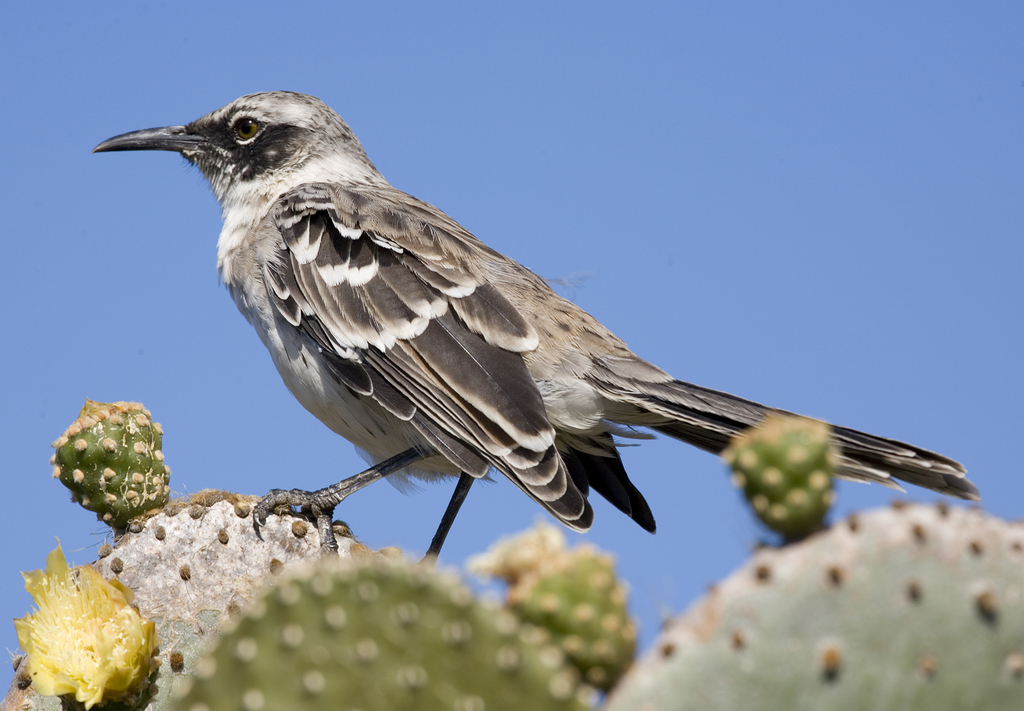
The species inhabiting oceanic islands have been fundamental in the study of evolution. Due to their isolation, these populations tend to have smaller sizes and lower genetic diversity compared to their mainland relatives. This can lead to negative effects such as the accumulation of harmful mutations and inbreeding (mating between genetically related individuals), which threatens their survival. The Galápagos mockingbirds (Mimus spp.) represent an ideal case to analyze the relationship between the size of the island they inhabit and genetic variations in their populations.
Research Expedition to Paramount: the forgotten seamount
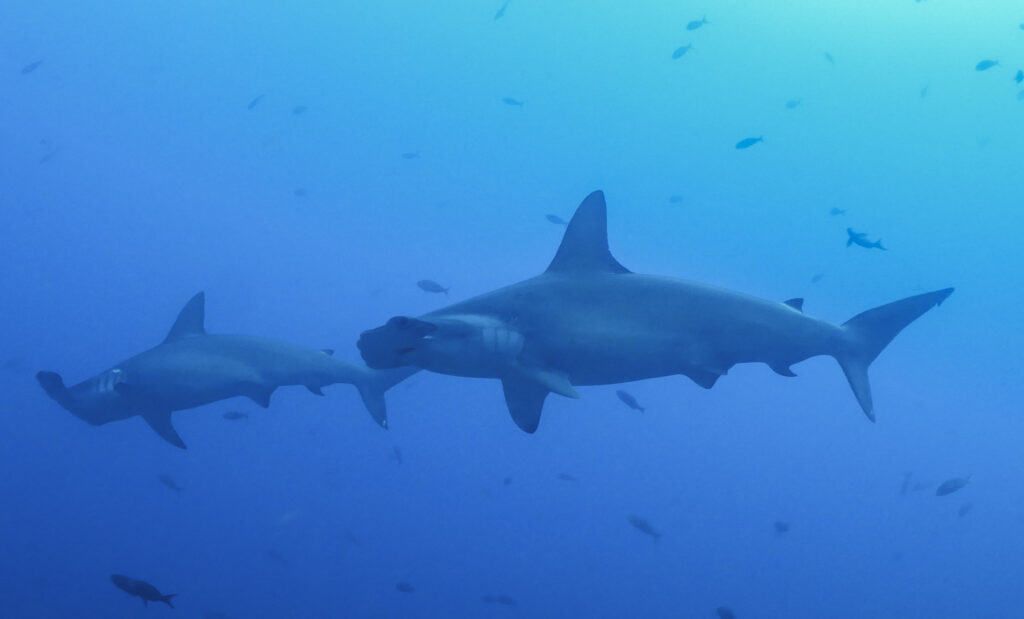
In January 2025, a team of scientists from Universidad San Francisco de Quito (USFQ), the Galápagos Science Center (GSC) and the Galápagos National Park Directorate (GNPD) carried out a two-week expedition to Paramount: a shallow-water seamount rising from a depth of over 1500 m to only 180 m below the surface, located 100 nautical miles northeast of the Galápagos Marine Reserve. The objective of the expedition was to characterize the fish community around the seamount and explore its connections with Galápagos. The work was supported by the organizations Mission Blue, Galápagos Conservation Trust, MigraMar and Bezos Earth Fund.
Canine vector-borne parasites in the Galapágos

Endemic species of the Galápagos Islands are vulnerable to newly introduced pathogens, often transmitted through invasive hosts. One example is invasive parasitic arthropods, whose evolutionary success is linked to their association with domestic animals present in the archipelago. This interaction poses a significant risk, as these parasites can switch hosts and facilitate pathogen transmission between domestic and wild species.