Did you know that birds change their genetic structure to adapt to different habitats due to changes in the environment?
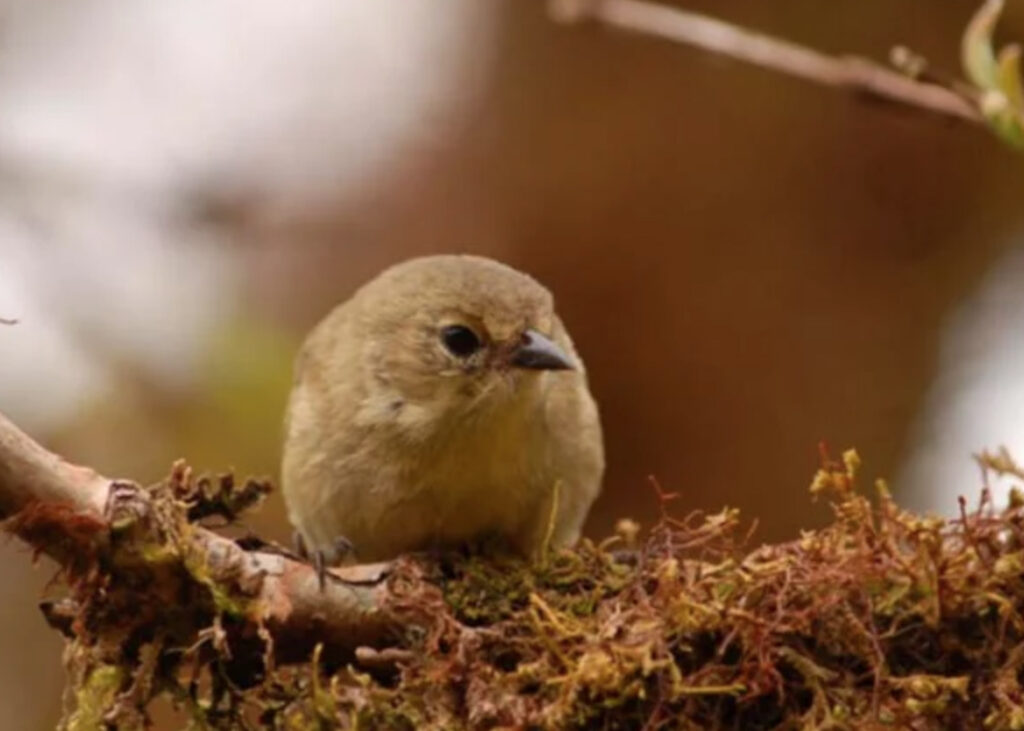
Jaime Chaves, a researcher at the Galapagos Science Center, recently conducted a study that confirmed that the genetic makeup of finches changes when they move from one habitat to another.
Workshops in Galapagos: New international tools for the study of exotic species in the islands
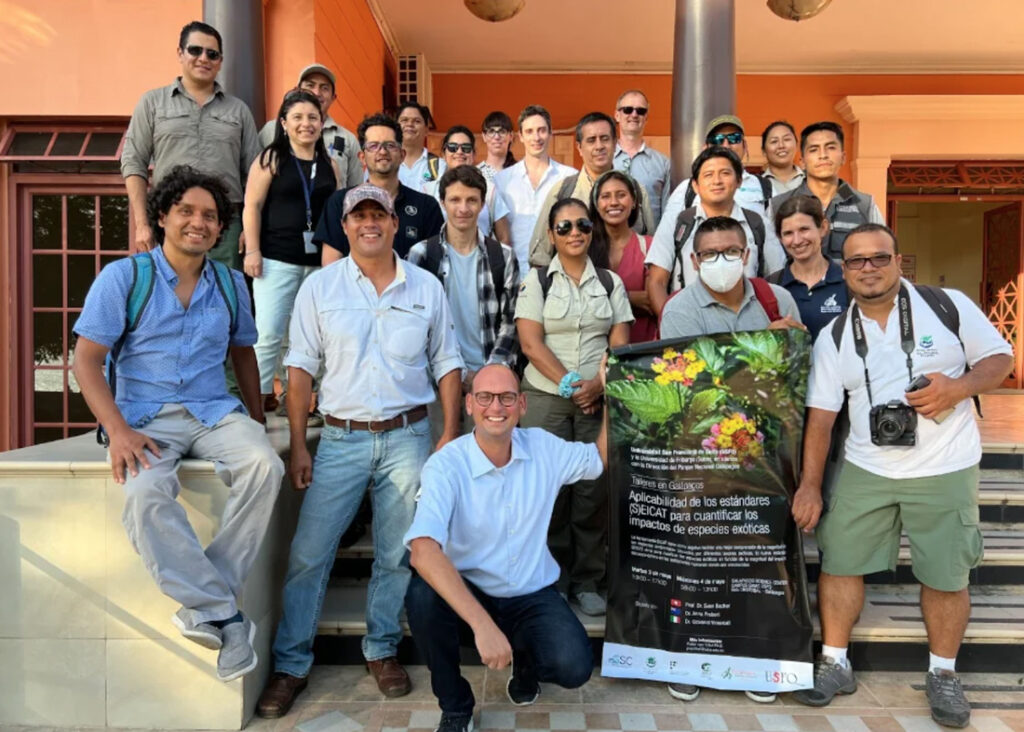
The workshop for the application of the (S)EICAT (Environmental Impact Classification for Alien Taxa / Socio-economic Impact Classification for Alien Taxa) standards was held to quantify the impacts of exotic species at USFQ Galapagos. 23 participants were invloved.
Shipping poses significant threat to the endangered whale shark
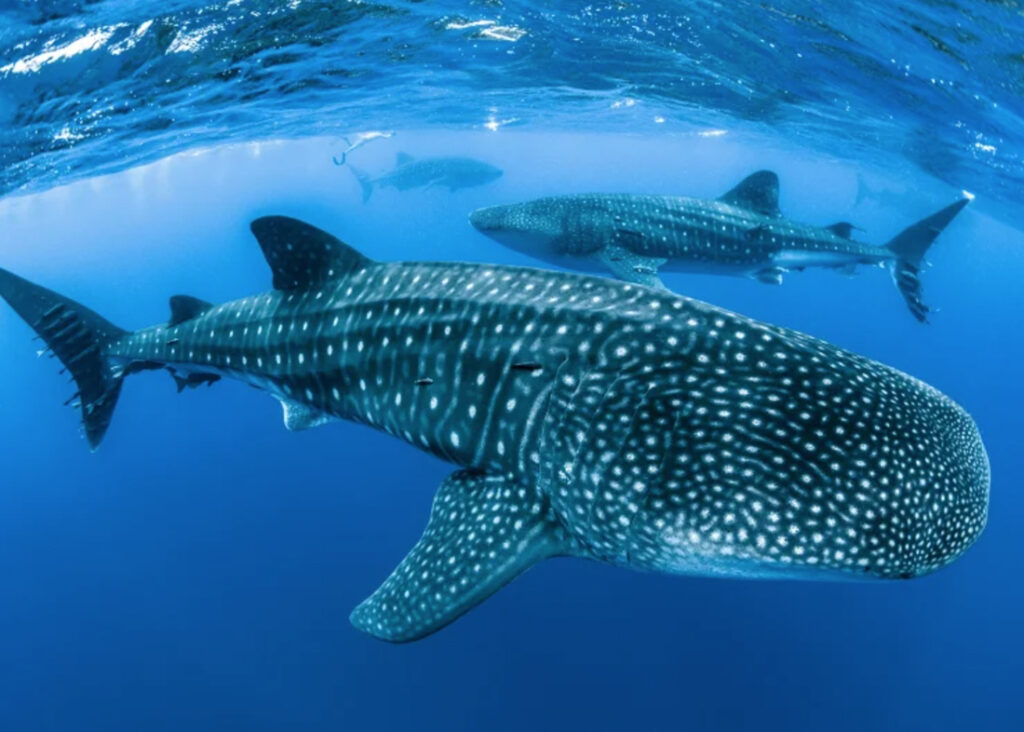
Marine biologists from the Marine Biological Association (MBA) and the University of Southampton have led ground-breaking research which indicates that lethal collisions of whale sharks with large ships are vastly underestimated, and could be the reason why populations are falling.
GSC Experiential Education Program
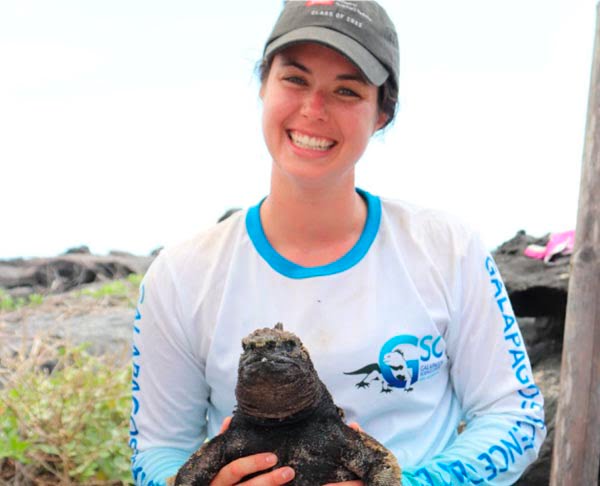
Are you interested in knowing how science is done in Galapagos?
The Galapagos Science Center (GSC) has expanded its operations to host interdisciplinary research projects. Each program offers an opportunity to gain practical and theoretical experience in a variety of research areas. Our team evaluate each program so that both students and researchers can make the most of their time on the Islands.
Scientists Use ultra-light aircraft to tag and track whale sharks of the southern Galapagos Islands for the first time
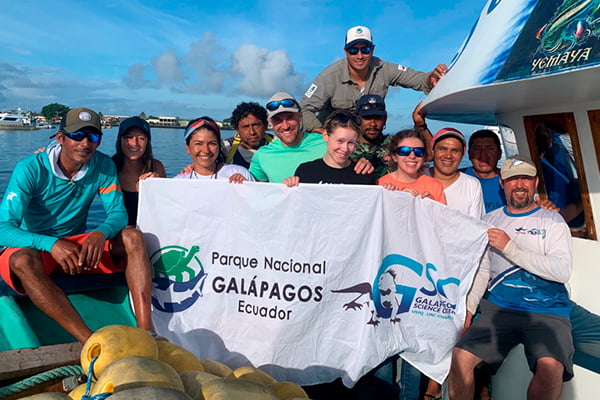
The expedition was supported by the Galapagos Conservation Trust, Rufford Foundation, PADI Foundation and the Royal Society. The expedition is the first step in a wider project with Universidad San Francisco de Quito and partners to monitor and track marine megafauna.
Jointly led UNC and USFQ research team receives $1m grant from National Science Foundation to conduct research in Galapagos and help determine how temperature influences marine ecosystems
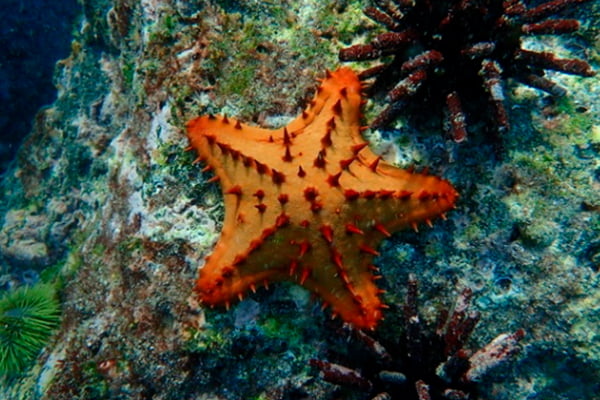
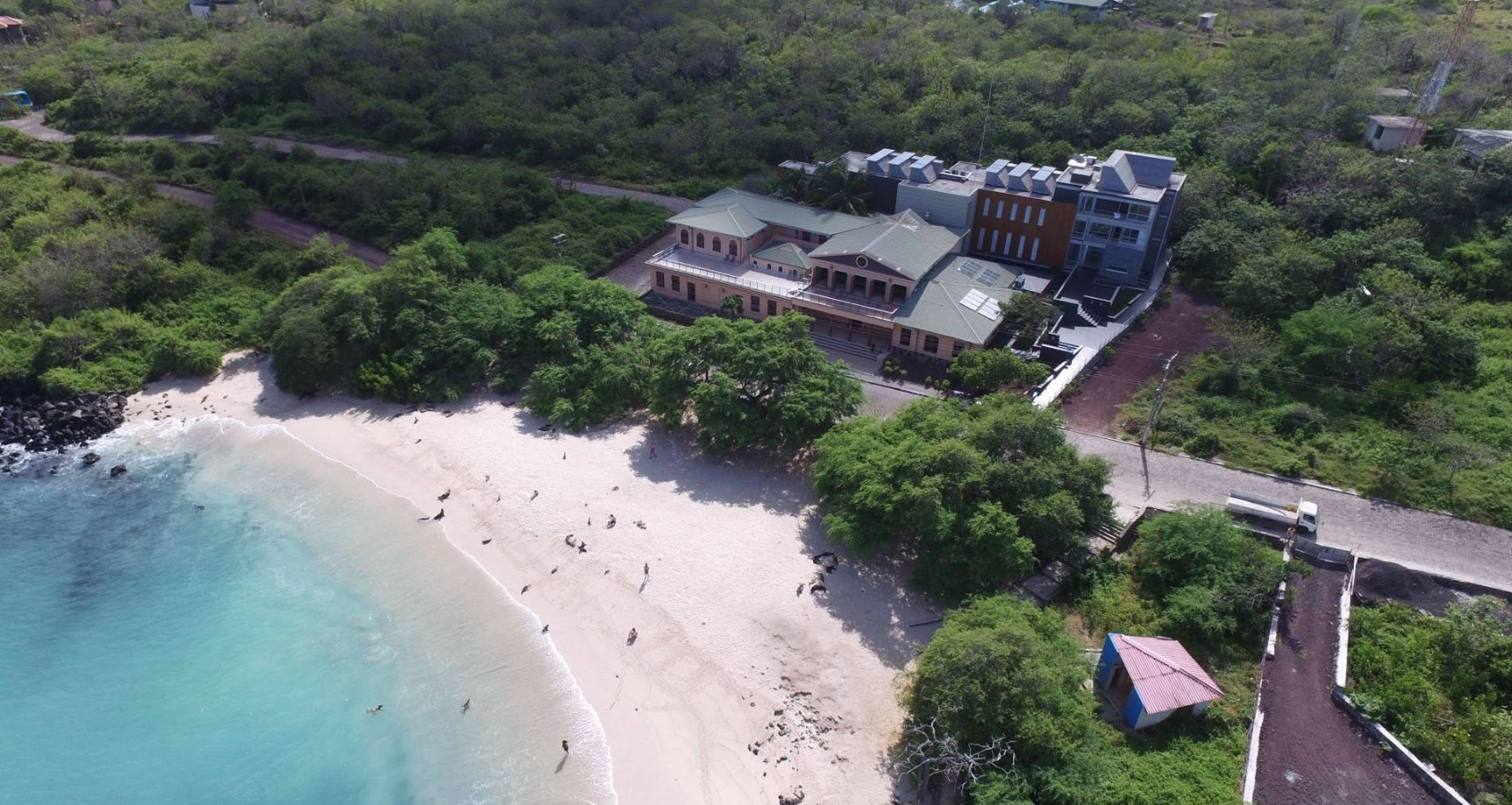
The project will take place at the Galapagos Science Center on San Cristobal, Galapagos.
A team of student journalists from UNC Hussman School of Journalism will develop stories about the community of Puerto Baquerizo Moreno in the Galapagos
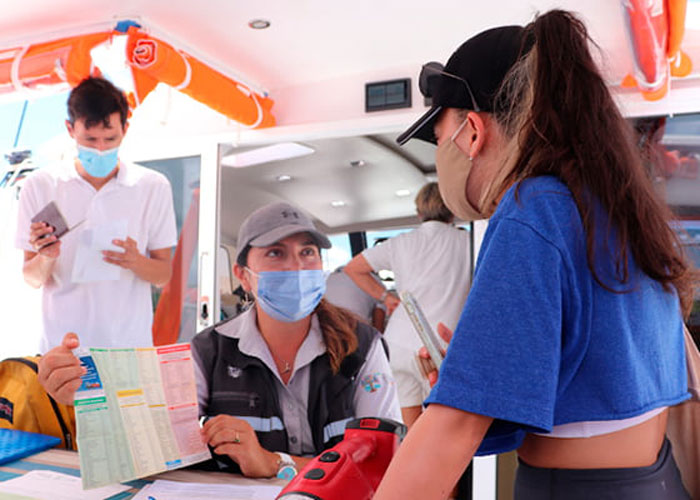
Journalist and professor Patrick Davison led a group of students to visit San Cristobal Island, Galapagos as part of the UNC Global Storytelling program.
The GSC biobank will form one of seven bio centers that will guard the genetic resources of the existing biodiversity in Ecuador
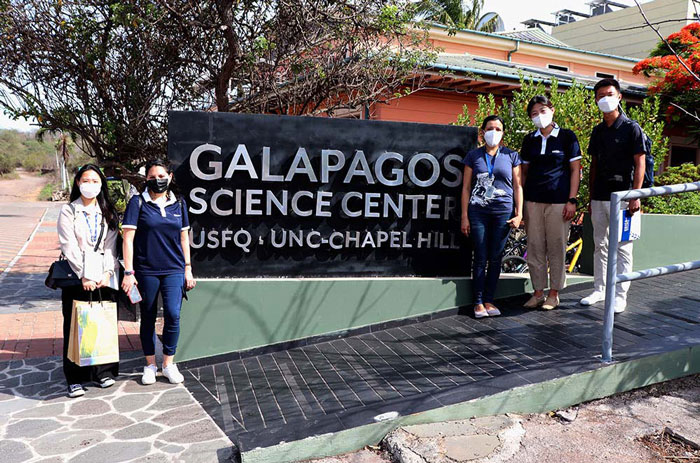
On January 26th, the Galapagos Science Center (GSC) welcomed representatives of the Korea International Cooperation Agency (KOICA) including Hyeyoung Lee, Moondo Kim, and Daniela Chávez.
GSC Researcher Alex Hearn contributes to the creation of the Hermandad Marine Reserve in Galapagos
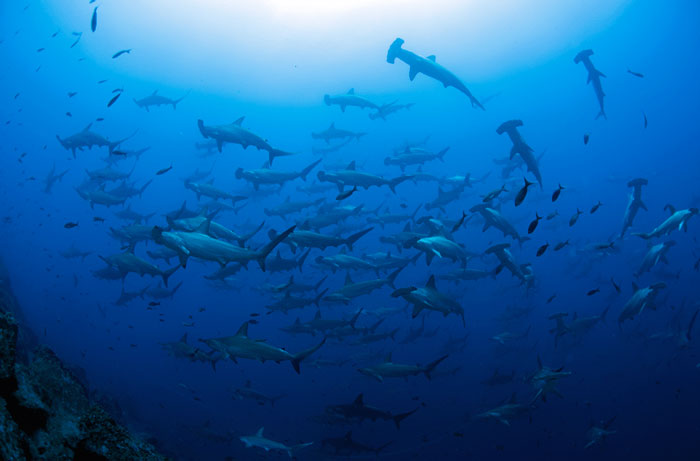
Dr. Alex Hearn, professor of Biology at Universidad San Francisco de Quito (USFQ) and scientist at the Galapagos Science Center (GSC), has studied the migratory patterns of threatened species located in the Eastern Pacific Ocean.
Alex Hearn y sus aportes en la creación de la reserva marina Hermandad en Galápagos
El 14 de enero del presente año, el presidente de Ecuador Guillermo Lasso, firmó el Decreto Ejecutivo No. 319 que oficializó la suscripción de los 60.000 km2 que se suman a la actual Reserva Marina de Galápagos (RMG), reconocida como santuario de vida marina por la gran biodiversidad que alberga.