“Loberto and Zally: The Galápagos Sea Lions” — A Literary Project for Education and Conservation in Galápagos
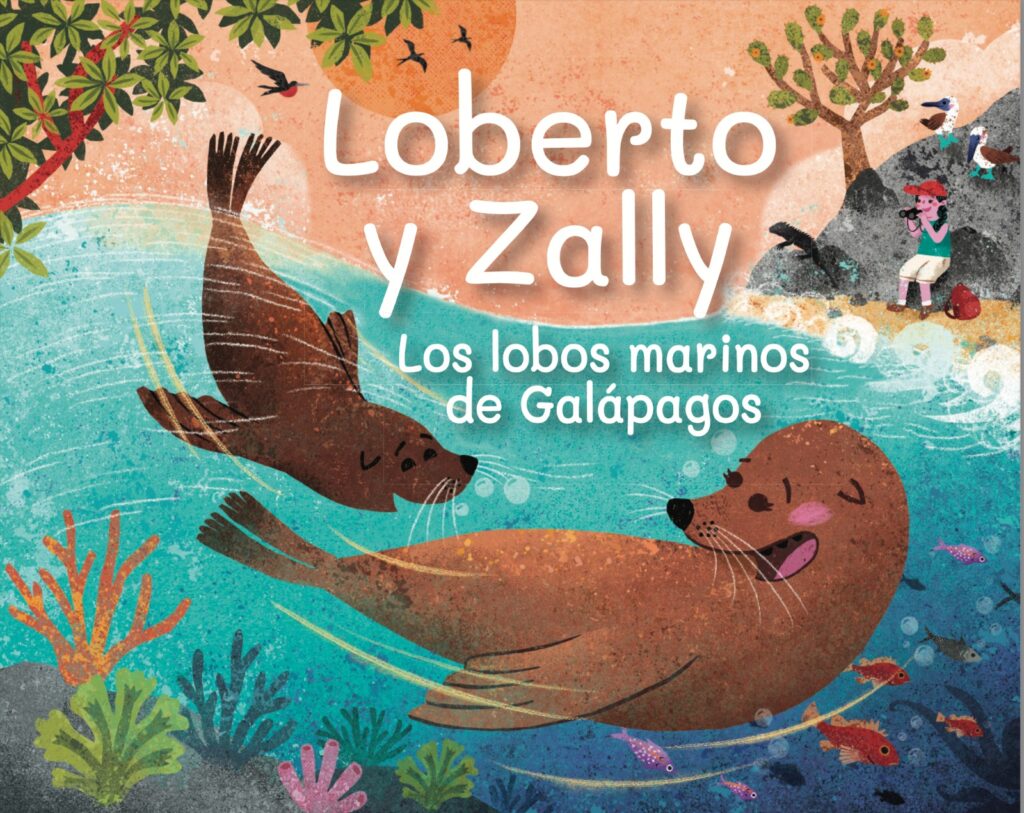
The launch of the book “Loberto and Zally: The Galápagos Sea Lions” took place on San Cristóbal Island, Galápagos, during a Family Science event organized by the GSC on August 17 of this year. The printed story will reach 200 elementary and middle school students from all educational institutions on the island.
Darwin’s expedition revisited to reveal the evolution of plant–microbe interactions on Galapagos
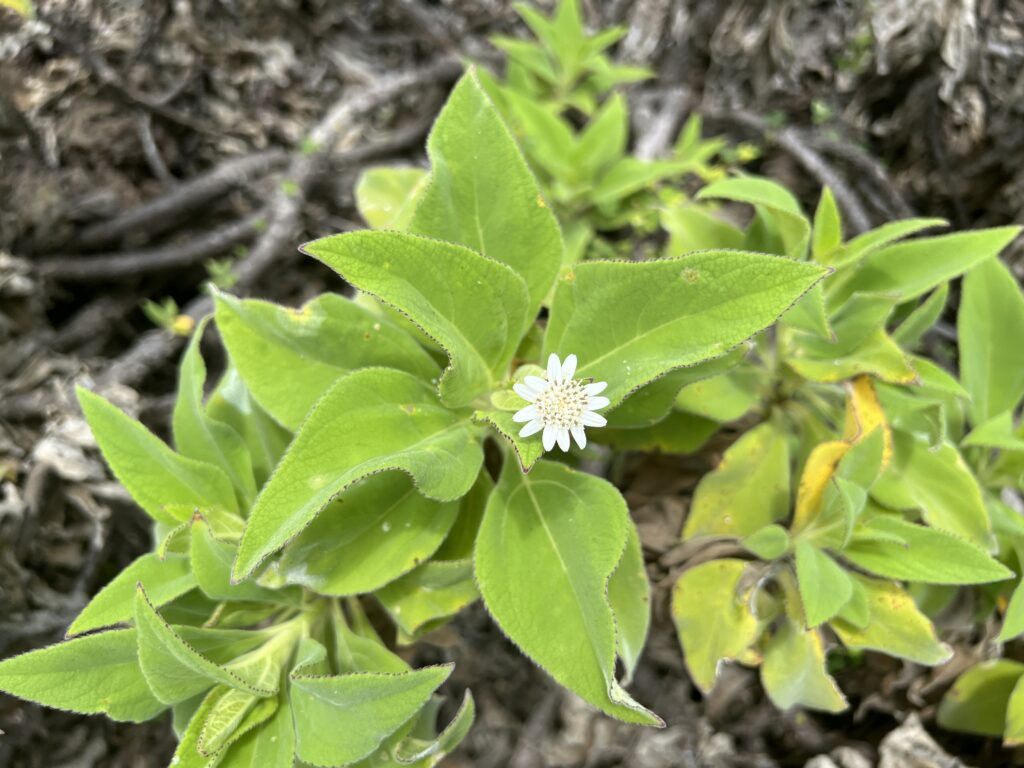
The future of Scalesia is under threat due to invasive species introduced by human activities. The Scalesia Microbiome Project (SMP), established under the Galapagos Barcode initiative, aims to characterize the microbiome associated with Scalesia species to inform restoration efforts.
Darwin returns to the Galápagos
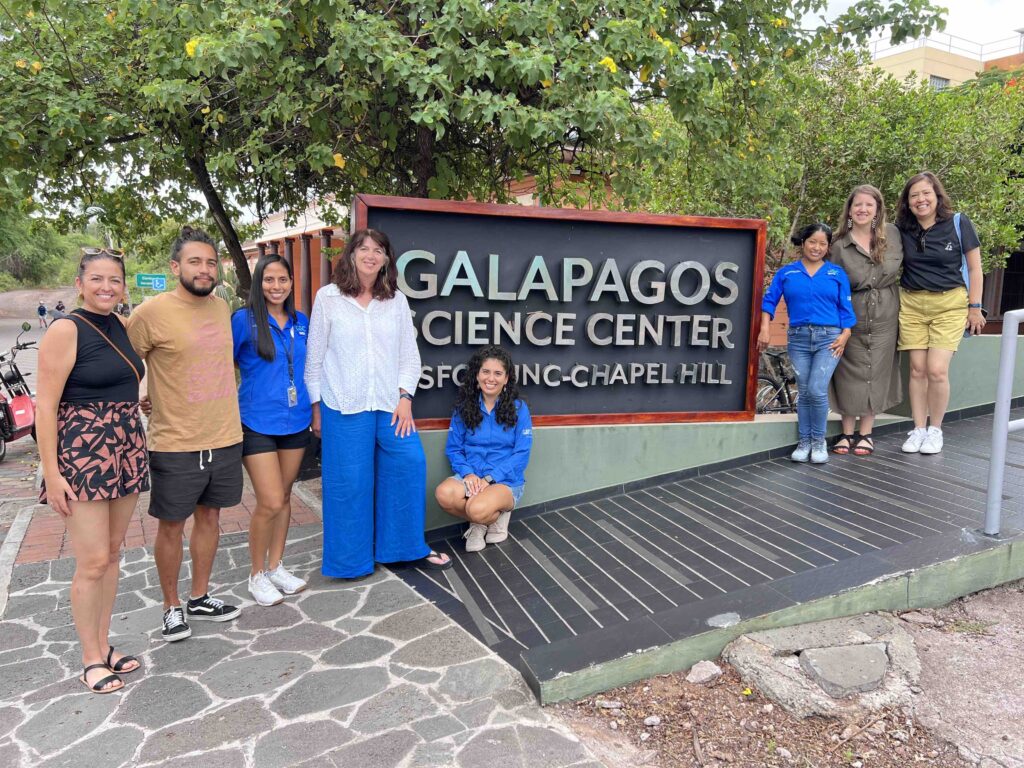
A round-the-world endeavor to sustain the legacy of Charles Darwin brings his great-great-granddaughter to the archipelago to visit with Galapagos Science Center researchers. One of the goals of the DARWIN200 project is to connect young, global conservationists to inspiring research projects where they can study a threatened habitat or an animal or plant that Charles Darwin studied during his famous voyage.
Scientific research cruise: “Assessment of the health and population status of Galápagos´emblematic fauna in the face of climate change conditions in the archipelago”
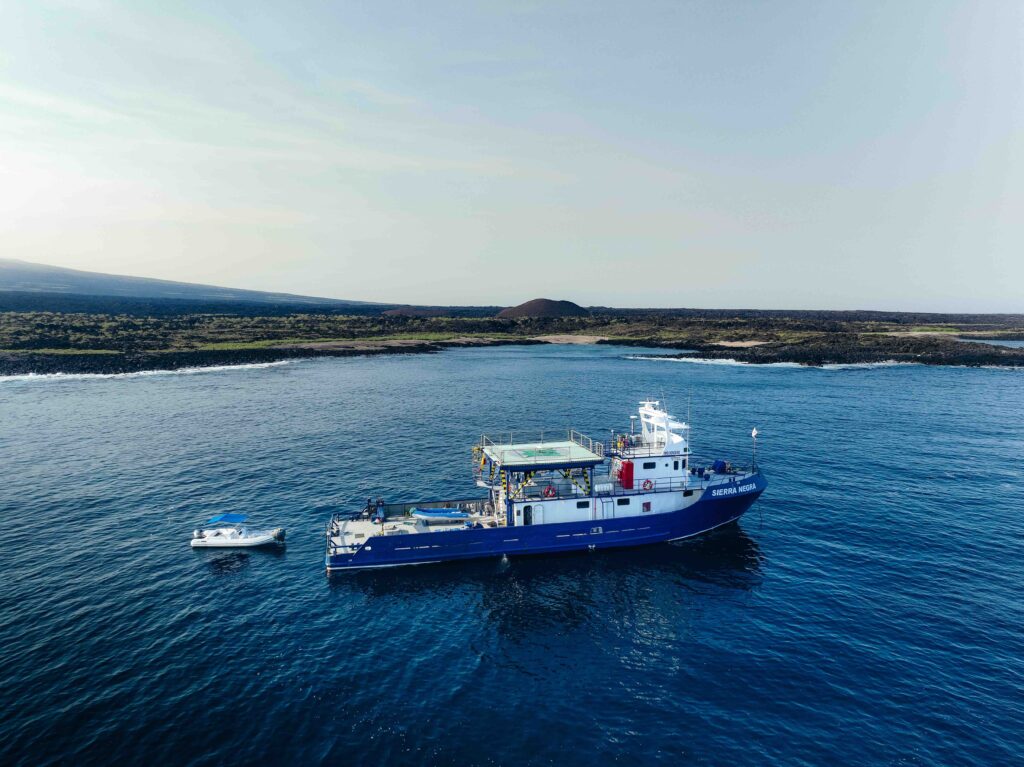
During March and April 2024, monitoring and scientific research activities.
Fishing effort dynamics around the Galápagos Marine Reserves as depicted by AIS data
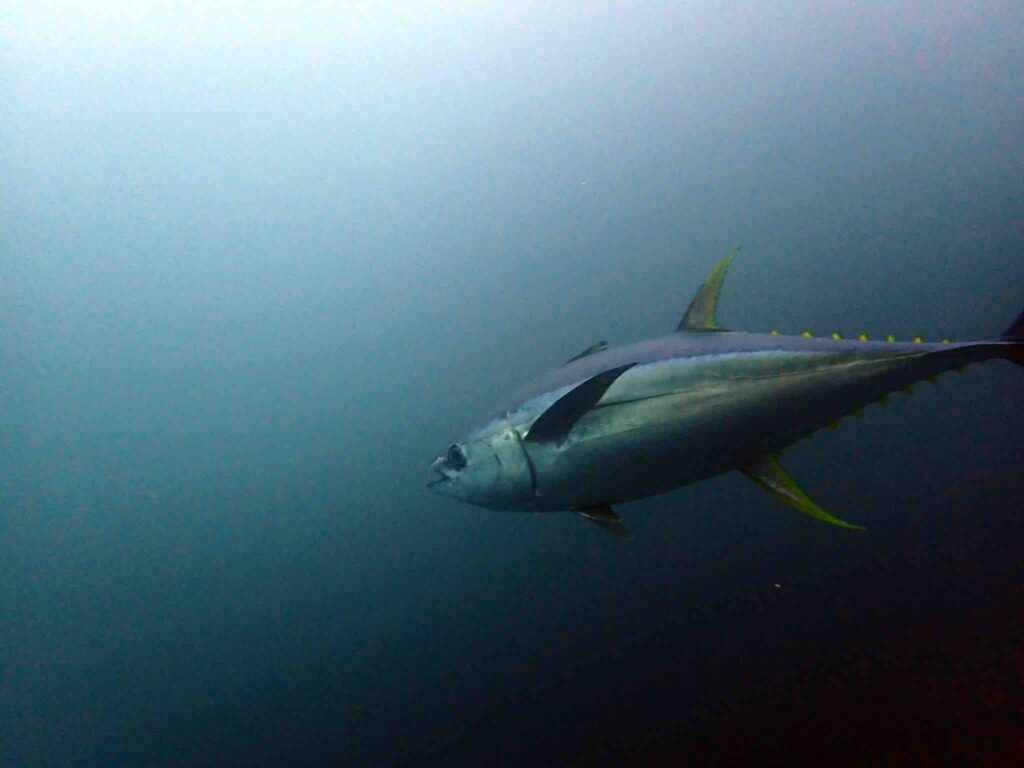
This study was conducted as part of the Shark Research in Galapagos Project (led by CP), and which received an initial support from Iris and Michael Smith. The funders had no role in study design, data collection and analysis, decision to publish, or preparation of the manuscript.
Galapagos Data Hub Launch: Technological breakthrough for environmental conservation in Galápagos
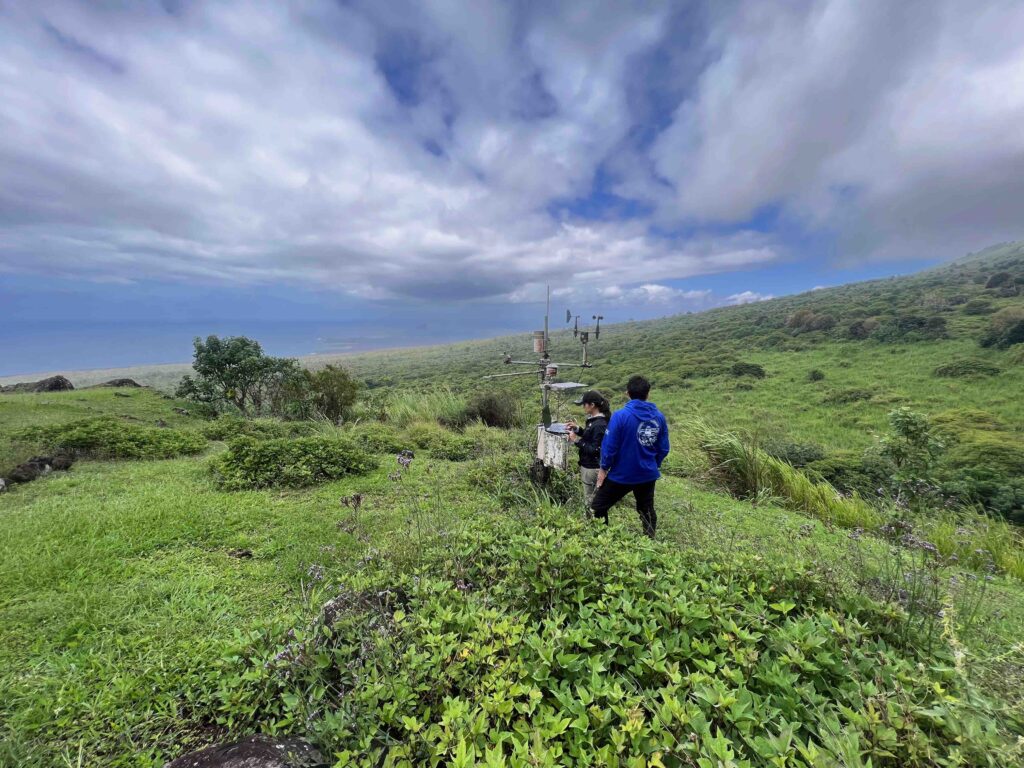
Want to be part of the revolution in environmental conservation? Then the Galápagos Data Hub is your new digital destination! Discover a unique tool that gathers, analyzes, and shares crucial geospatial information for the sustainable management.
Feeding strategies of the ocean white fish (Caulolatilus princeps) and white spotted sand bass (Paralabrax albomaculatus) inside the Galapagos Marine Reserve
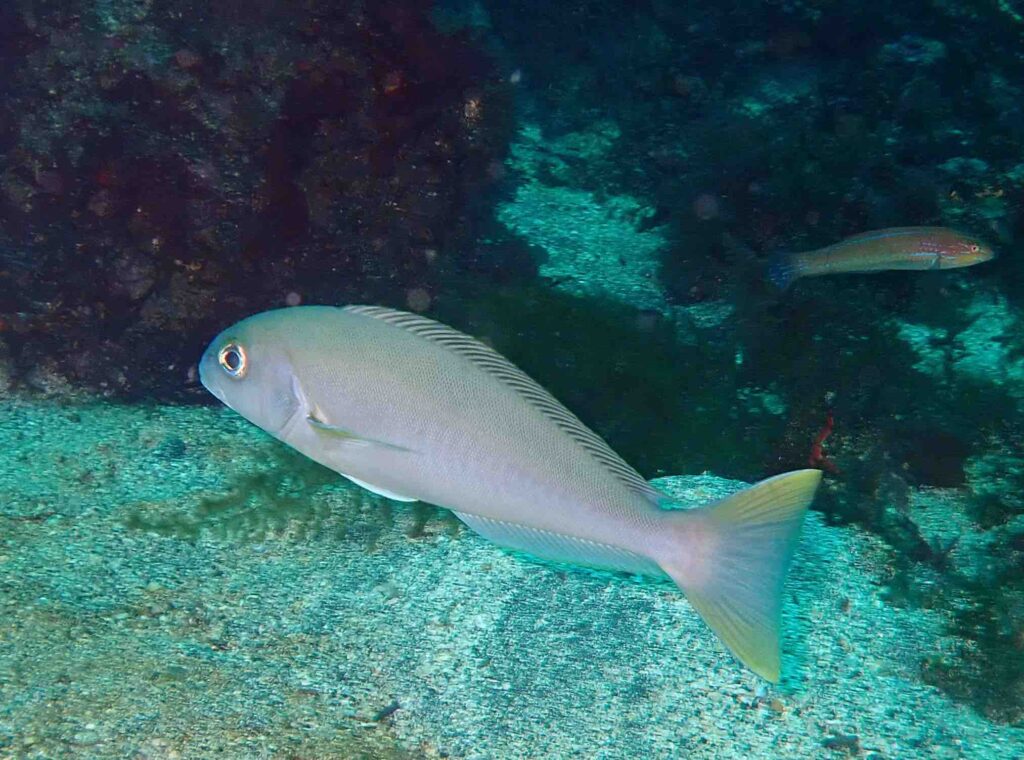
This work highlights the value of trophic studies to generate useful information for ecosystem-based fisheries management.
Genetic identification of three CITES-listed sharks using a paper-based Lab-on-a-Chip (LOC)
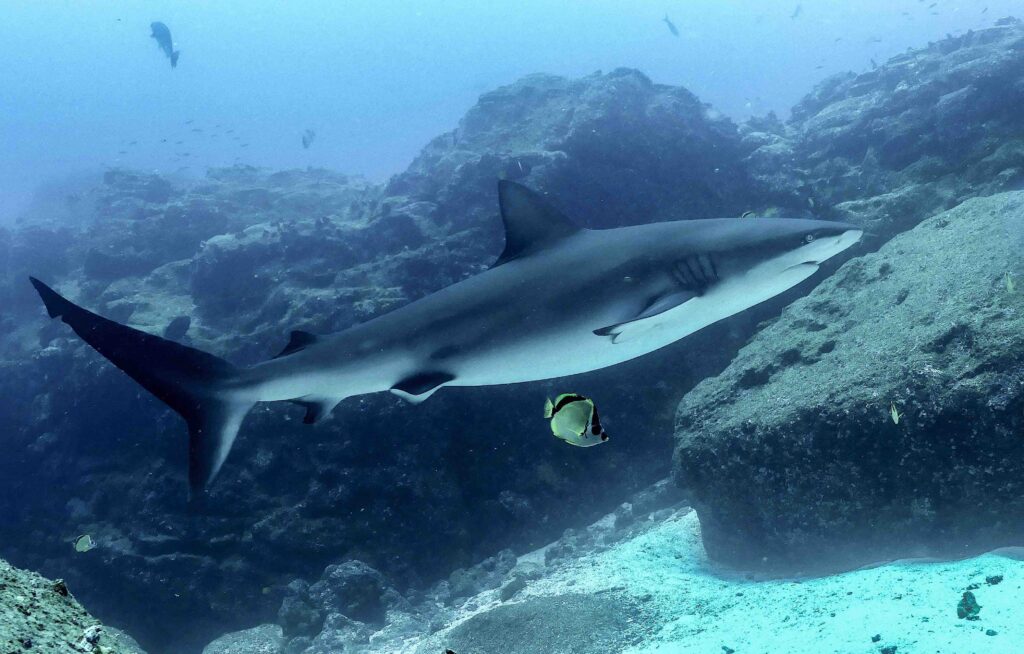
Threatened shark species are caught in large numbers by artisanal and commercial fisheries and traded globally. Monitoring both which shark species are caught and sold in fisheries, and the export of CITES-restricted products, are essential in reducing illegal fishing.
New nursery for vulnerable hammerhead shark discovered in Galápagos

Scientists on a Greenpeace expedition in the Galápagos Marine Reserve believe they have found what could be the first known smooth hammerhead shark nursery in the region after observing several young pups. The team was also able to track a subadult smooth hammerhead.
Taxonomic assessment of blade-forming Ulva species (Ulvales, Chlorophyta) in the Galápagos Archipelago, Ecuador using DNA sequencing
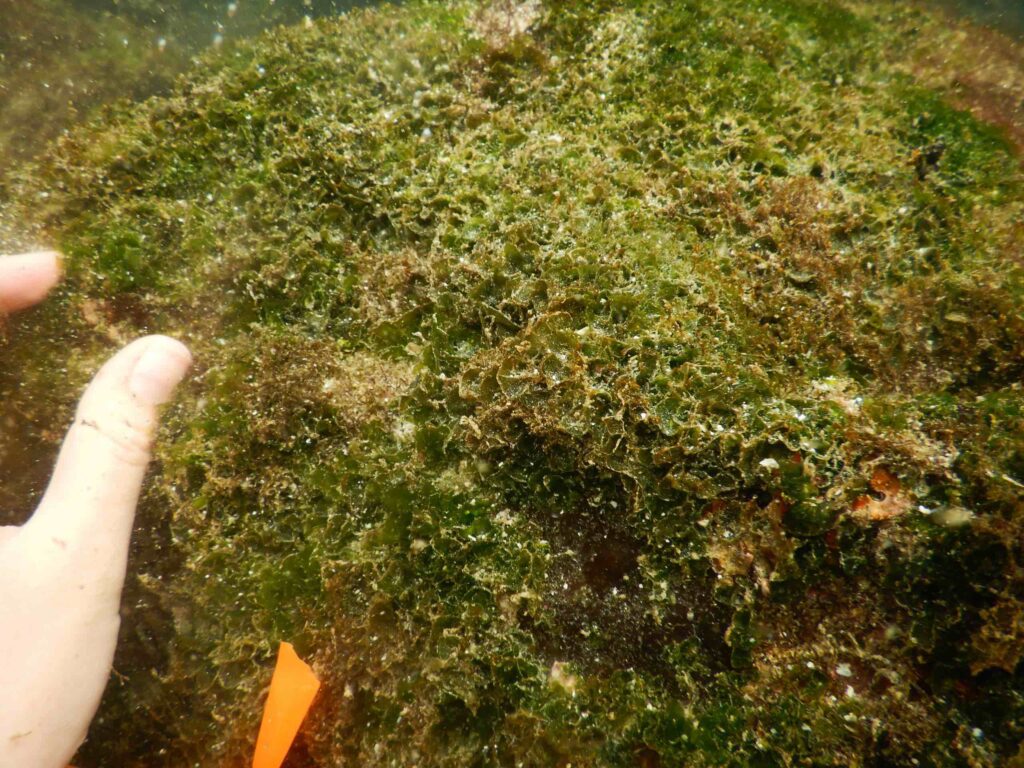
DNA sequences were obtained from 32 blade-forming Ulva specimens collected in 2018 and 2019 from four islands in the Galápagos Archipelago.