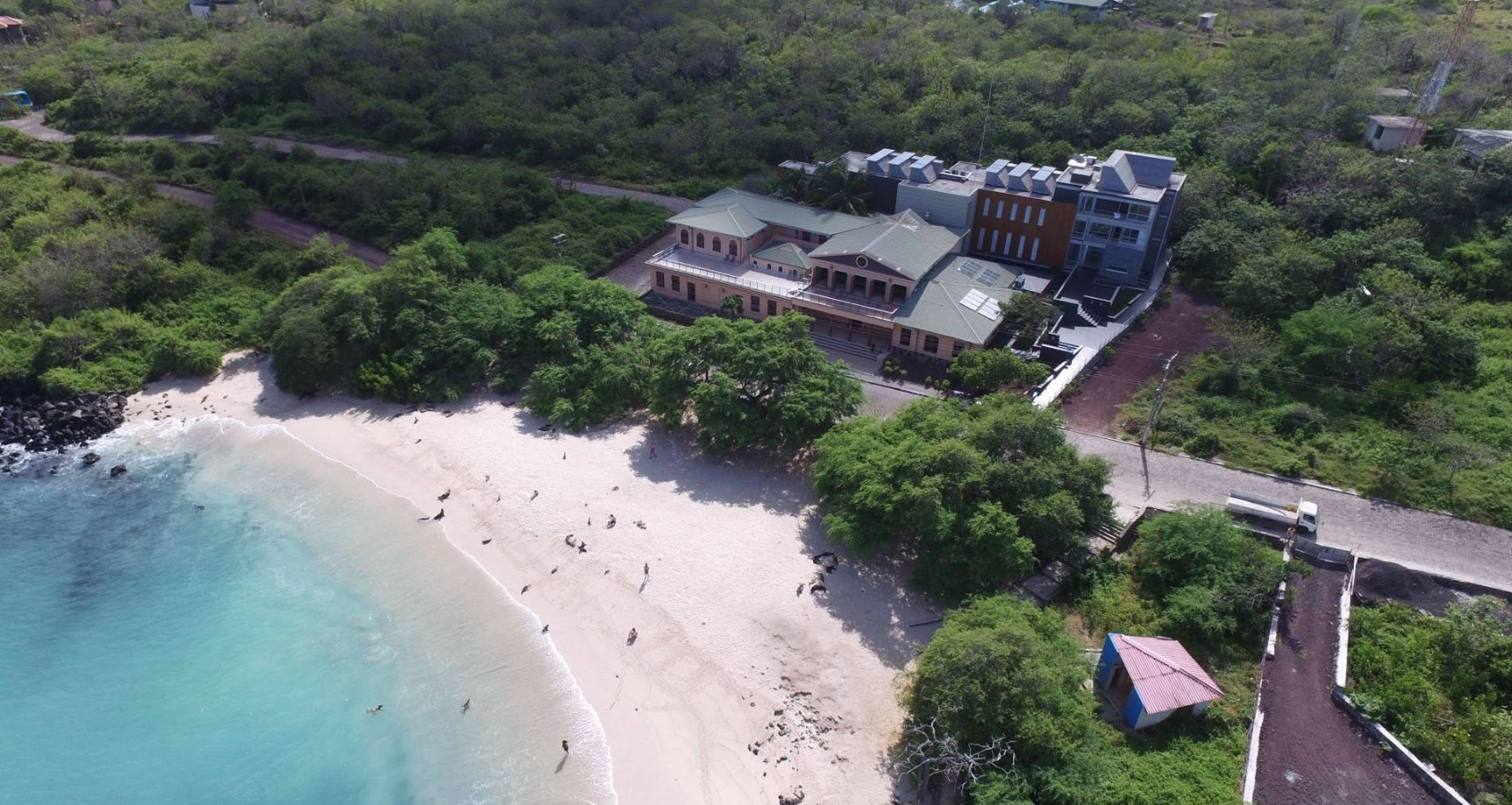
A Decade of ISLAVET: Science in action for the conservation of Galápagos
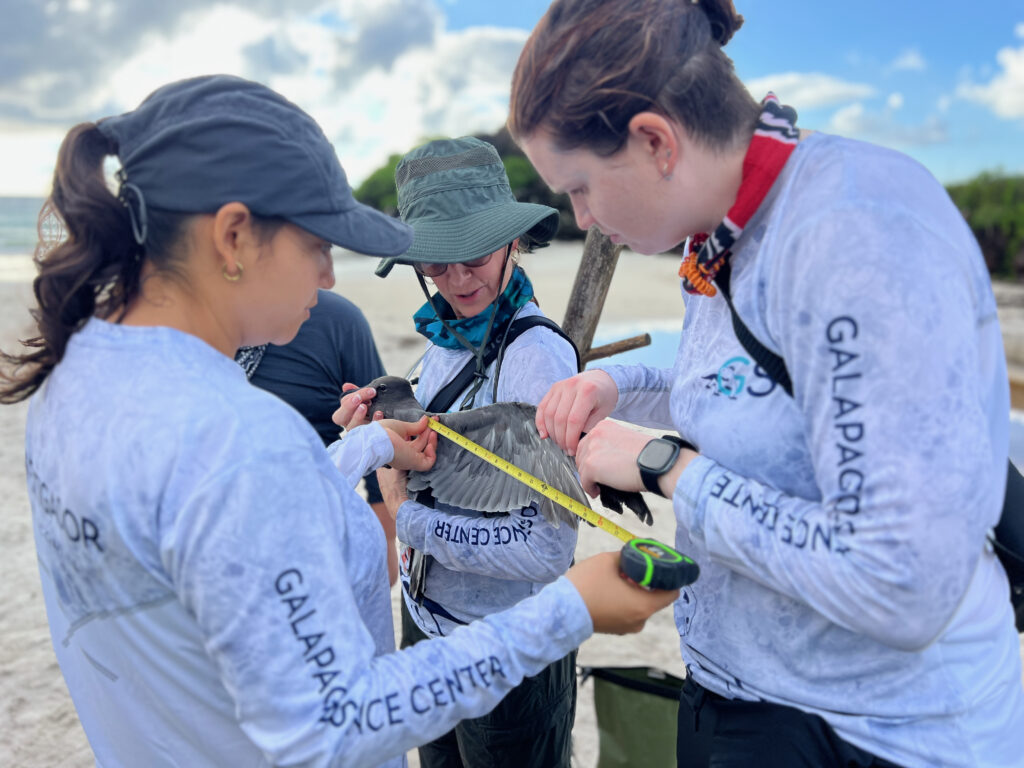
The ISLAVET program successfully concluded its tenth edition, solidifying its role as a key initiative for science and conservation in the archipelago. This year, a team of 33 participants, including 23 veterinary students and 10 veterinarians from the United States, Australia, the United Kingdom, Singapore, and the USFQ School of Veterinary Medicine, took part in field research under the leadership of Juan Pablo Muñoz, Diana Deresienski, Gregory Lewbart, and Daniela Alarcón from the Galapagos Science Center (GSC).
Genomes of Galápagos Mockingbirds Reveal the Impact of Island Size and Past Demography on Inbreeding and Genetic Load in Contemporary Populations
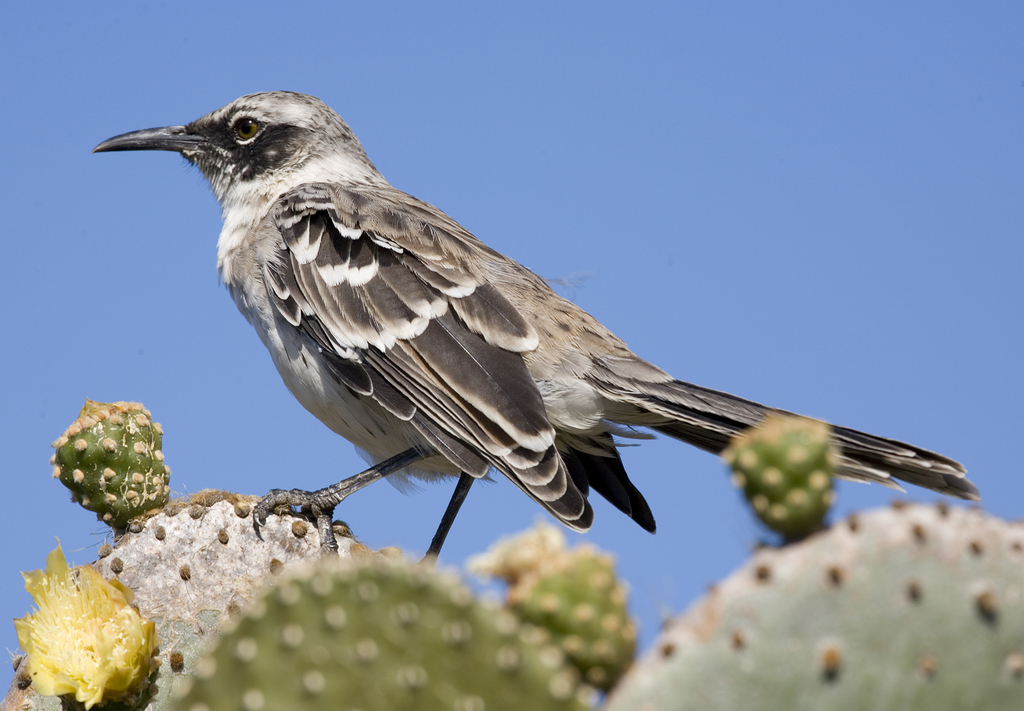
The species inhabiting oceanic islands have been fundamental in the study of evolution. Due to their isolation, these populations tend to have smaller sizes and lower genetic diversity compared to their mainland relatives. This can lead to negative effects such as the accumulation of harmful mutations and inbreeding (mating between genetically related individuals), which threatens their survival. The Galápagos mockingbirds (Mimus spp.) represent an ideal case to analyze the relationship between the size of the island they inhabit and genetic variations in their populations.
USFQ and INSPI sign an agreement to strengthen scientific research and academic training
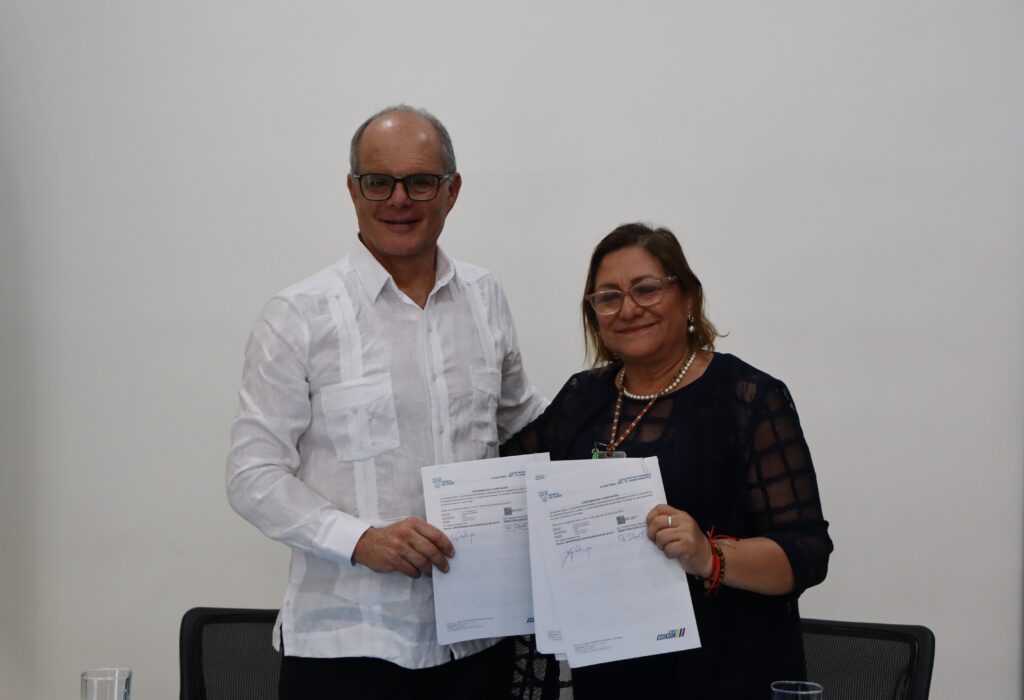
Universidad San Francisco de Quito (USFQ) and the National Institute of Public Health Research (INSPI) ‘Dr. Leopoldo Izquieta Pérez,’ an institution under the Ministry of Public Health (MSP), have signed an inter-institutional cooperation agreement to strengthen scientific research and academic training in public health and wildlife conservation in Ecuador.
Amanda Thompson named permanent director of the Center for Galapagos Studies

The human biologist has been interim director of the center since 2023 and is also co-director of the Galapagos Science Center.
Research Expedition to Paramount: the forgotten seamount
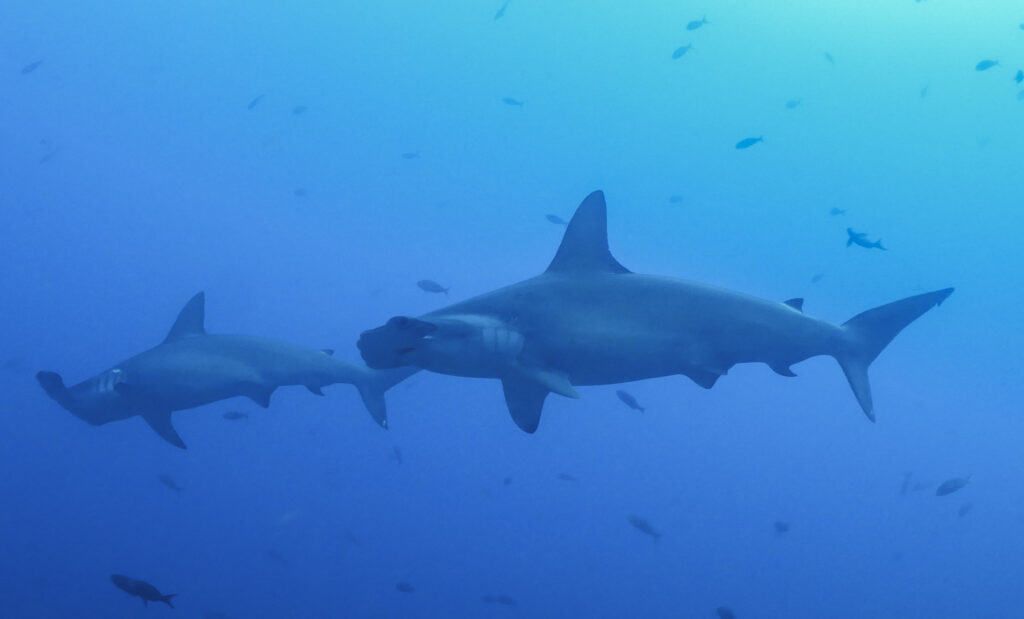
In January 2025, a team of scientists from Universidad San Francisco de Quito (USFQ), the Galápagos Science Center (GSC) and the Galápagos National Park Directorate (GNPD) carried out a two-week expedition to Paramount: a shallow-water seamount rising from a depth of over 1500 m to only 180 m below the surface, located 100 nautical miles northeast of the Galápagos Marine Reserve. The objective of the expedition was to characterize the fish community around the seamount and explore its connections with Galápagos. The work was supported by the organizations Mission Blue, Galápagos Conservation Trust, MigraMar and Bezos Earth Fund.
Health status and morphometrics of Galápagos magnificent frigatebirds (Fregata magnificens magnificens) determined by hematology, biochemistry, blood gas, and physical examination
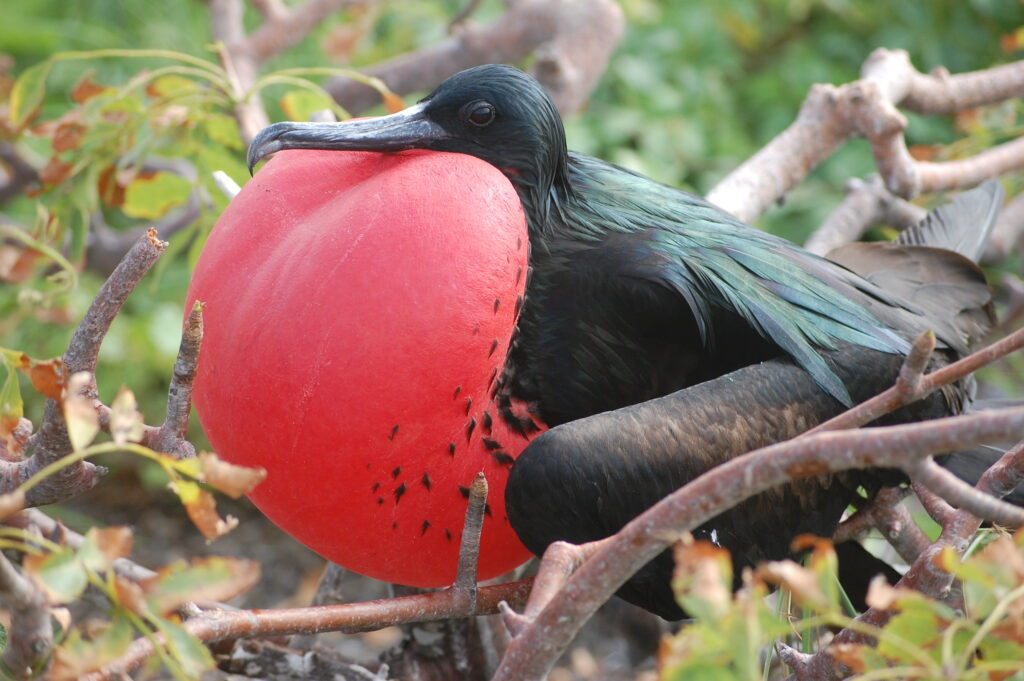
The magnificent frigatebird (Fregata magnificens; MFB) is a seabird found in the Atlantic and Pacific Oceans. In the Galápagos Islands, the endemic subspecies Fregata magnificens magnificens inhabits the archipelago. This study presents, for the first time, the hematological and blood biochemical values of this population in the region.