Despite being home to one of the world’s most important marine reserves, child malnutrition remains one of the leading public health challenges in the Galápagos Islands. Nearly 80% of the food consumed across the archipelago is imported from mainland Ecuador, and according to Ecuador’s National Survey on Child Malnutrition (ENDI 2022–2023), 9.6% of children suffer from chronic malnutrition, while 6.9% are overweight or obese. This reality underscores the urgent need to strengthen food systems based on fresh, nutritious, and locally sourced products.
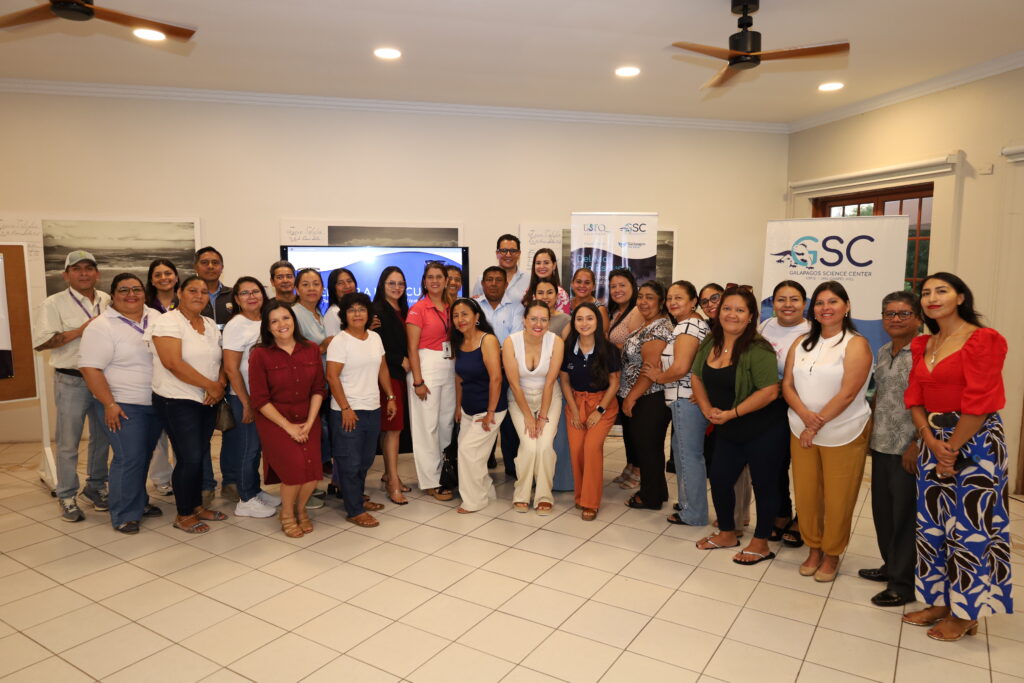
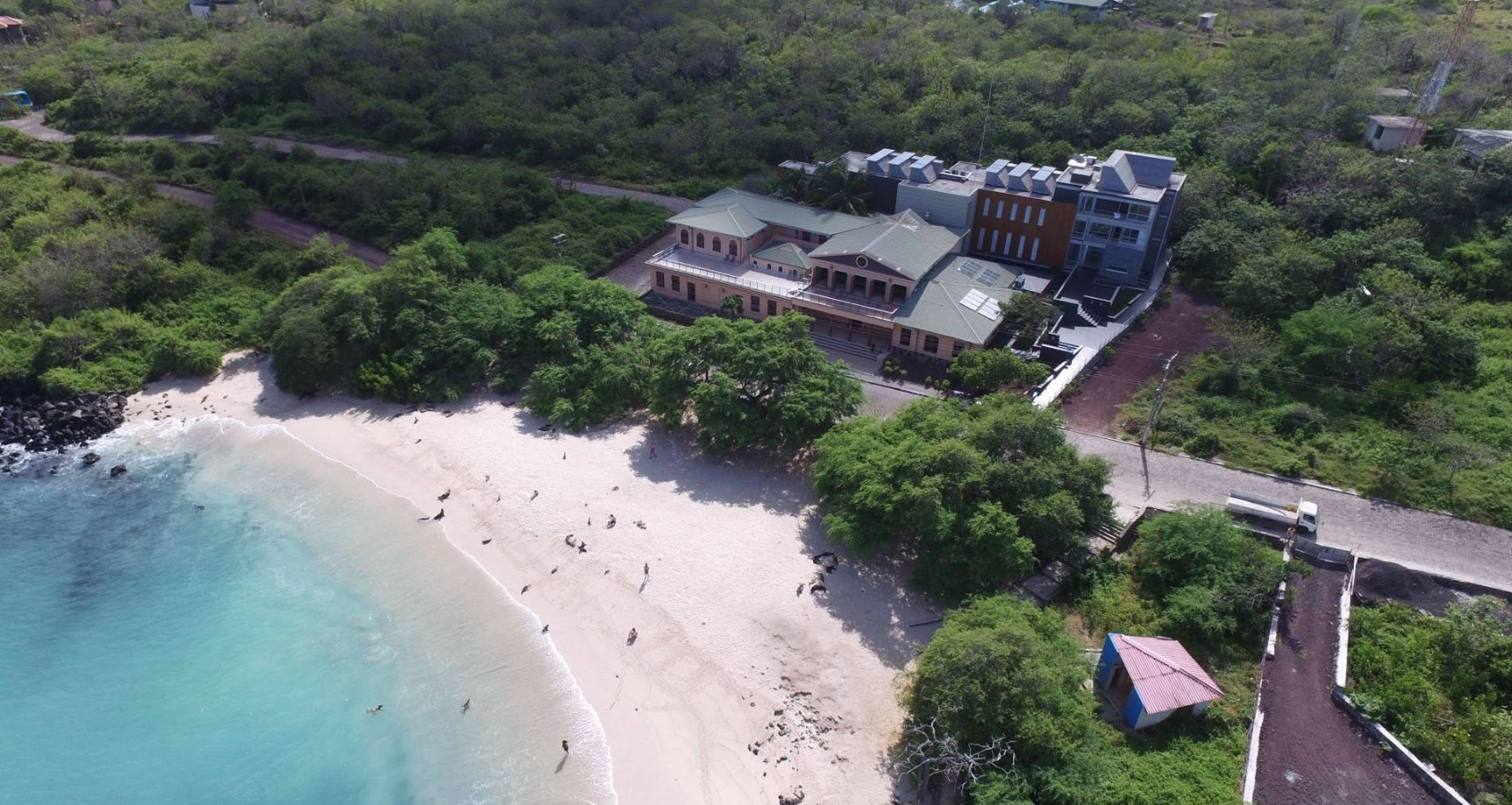
To help address this challenge through sustainable solutions, the Universidad San Francisco de Quito (USFQ) and the Galapagos Science Center officially launched in June 2026 the project “Sustainable Fisheries-Based Child Nutrition System: A Scalable Model for San Cristóbal, Galápagos.” Funded by the Galápagos Life Fund (GLF), the initiative aims to improve child nutrition by incorporating locally sourced seafood into school meals while strengthening the artisanal fishing sector and promoting a culture of health and well-being throughout the community.
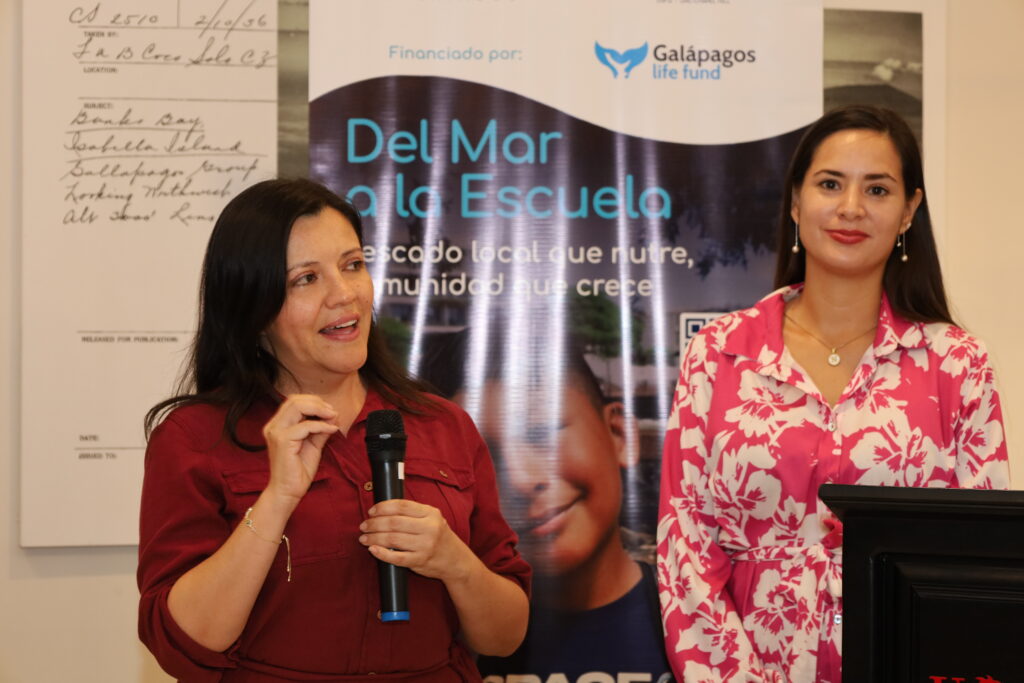
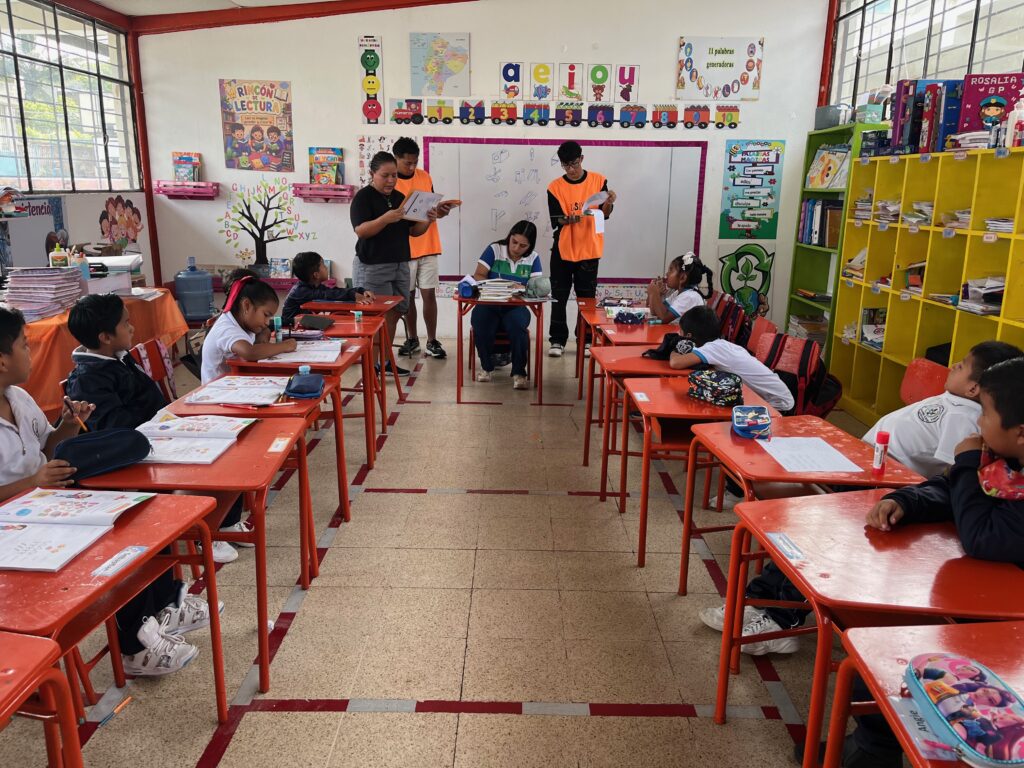
The project will be implemented on San Cristóbal Island and is expected to benefit approximately 500 students at Alejandro Alvear School. As part of the intervention, children will receive nutritious snacks prepared with fish sourced from the Galápagos Marine Reserve (GMR) and locally grown agricultural products. The menus will be developed by specialists in nutrition, gastronomy, and public health to meet students’ nutritional needs while ensuring acceptance among families.
The initiative also includes a robust scientific component. Through anthropometric assessments, dietary surveys, and other specialized analyses, researchers will conduct a comprehensive evaluation of students’ eating habits, lifestyles, and nutritional status. The information gathered will provide a clearer understanding of the nutritional health of the island’s children and serve as the basis for designing interventions tailored to the local context. The effectiveness of these interventions will subsequently be evaluated by measuring changes in participants’ health and dietary habits.
Based on these findings, USFQ faculty and students from the Nutrition and Food Engineering programs, together with local chefs, will develop approximately 15 recipes using locally sourced ingredients to create a healthy school breakfast proposal.
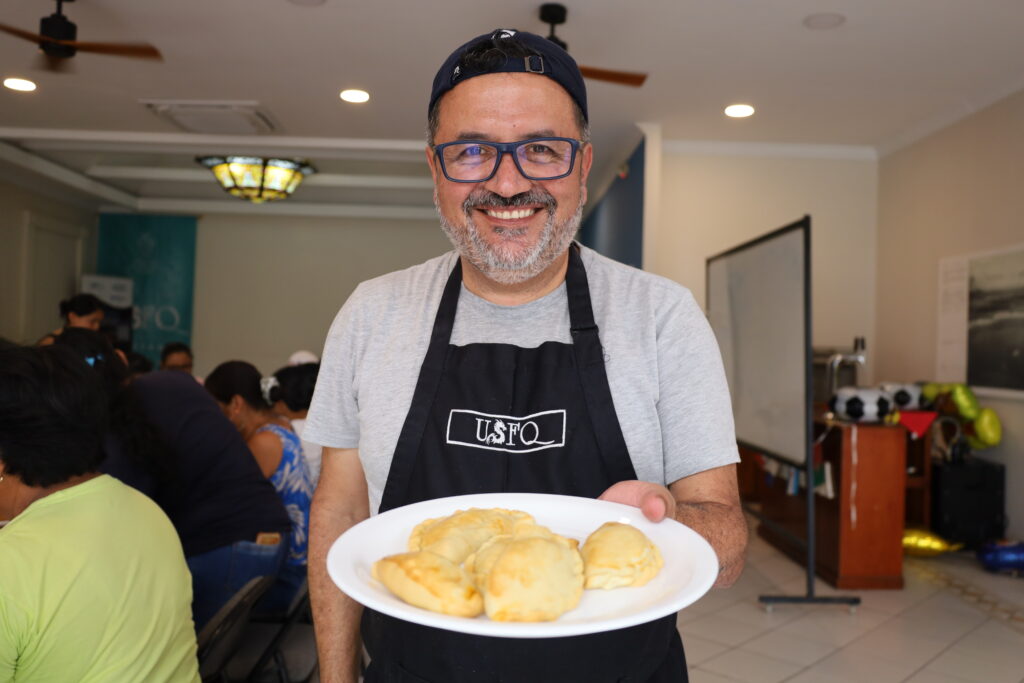
“The Galápagos Islands are located approximately 600 miles from mainland Ecuador, which limits access to fresh food. Although local production exists, it is not sufficient to meet the population’s demand. As a result, much of the food consumed consists of ultra-processed products. Unhealthy eating habits are a challenge throughout Ecuador, but in the islands this problem is compounded by their geographic isolation. In addition, sedentary lifestyles are another contributing factor to the development of metabolic syndrome. Through this study and project, we hope to reach younger generations, encourage healthier eating habits, and contribute to the overall well-being of the community,” said Jaime Ocampo, Director of SIME and professor at the USFQ College of Business.
The initiative is particularly significant in light of a 2024 study conducted at the same school by the USFQ Medical Systems (SIME) medical brigades, which found that 61% of the students evaluated were overweight or obese. These findings reinforce the need for preventive action beginning in early childhood and for long-term improvements in dietary habits across the community.
“We are implementing this intervention because previous research conducted by USFQ through SIME, medical brigades, and nutrition studies has identified factors associated with metabolic syndrome among children and adults in the Galápagos. This condition increases the risk of developing cardiovascular disease and other chronic health problems later in life. Our goal is to intervene early by promoting healthy eating habits and lifestyles that help prevent these diseases and improve the quality of life of future generations,” said Luz Obando, public health physician and professor at USFQ.
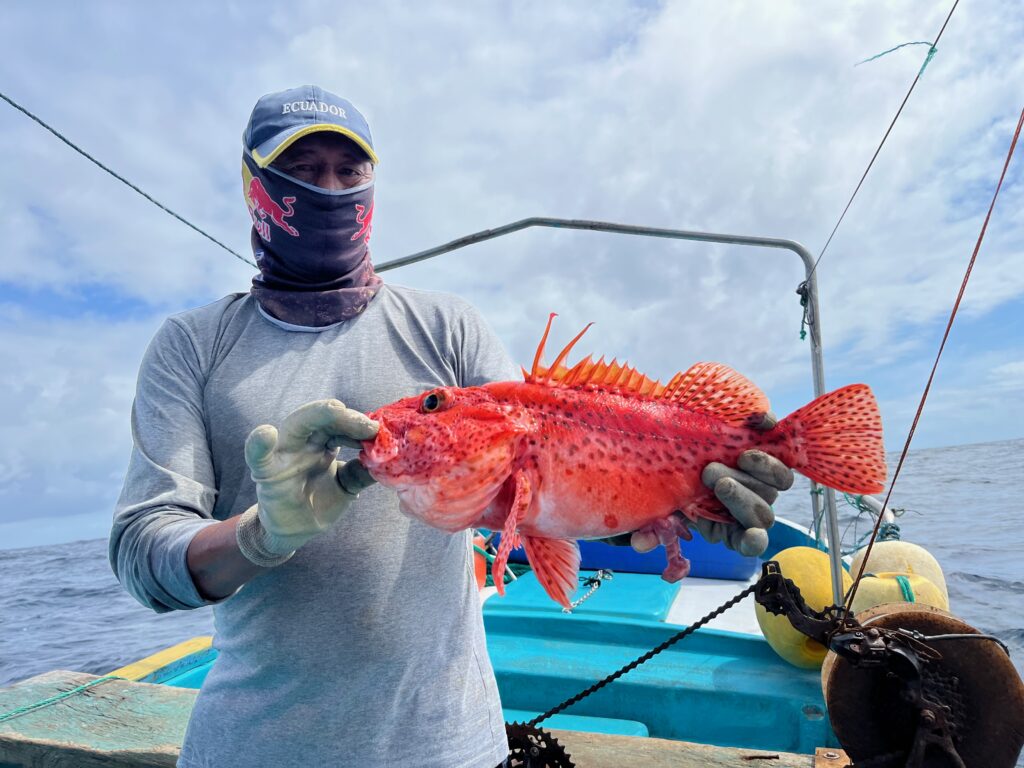
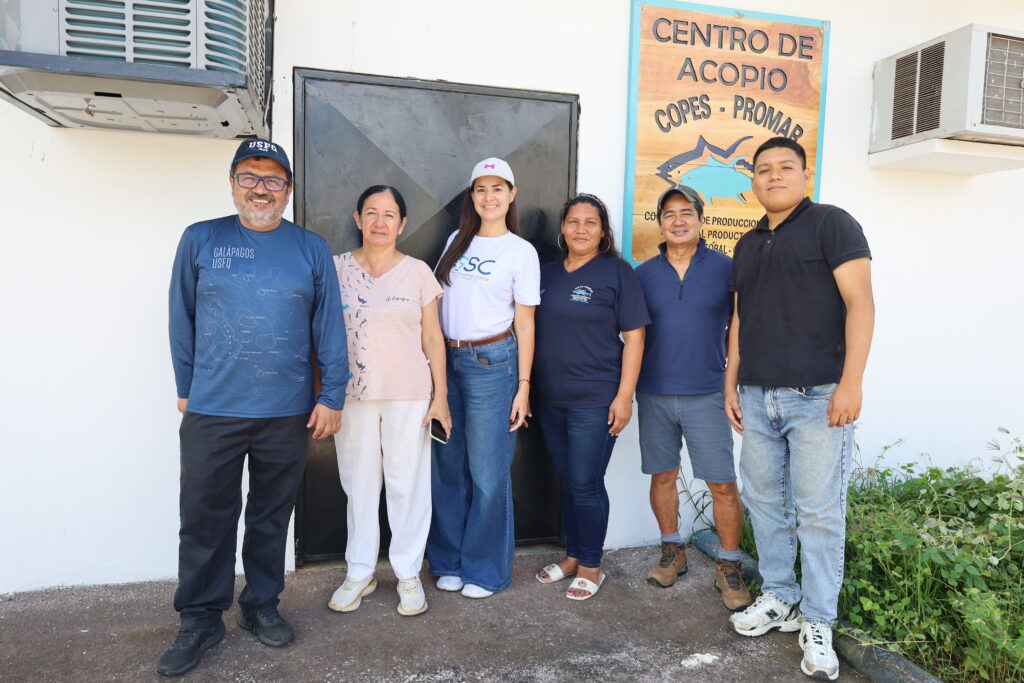
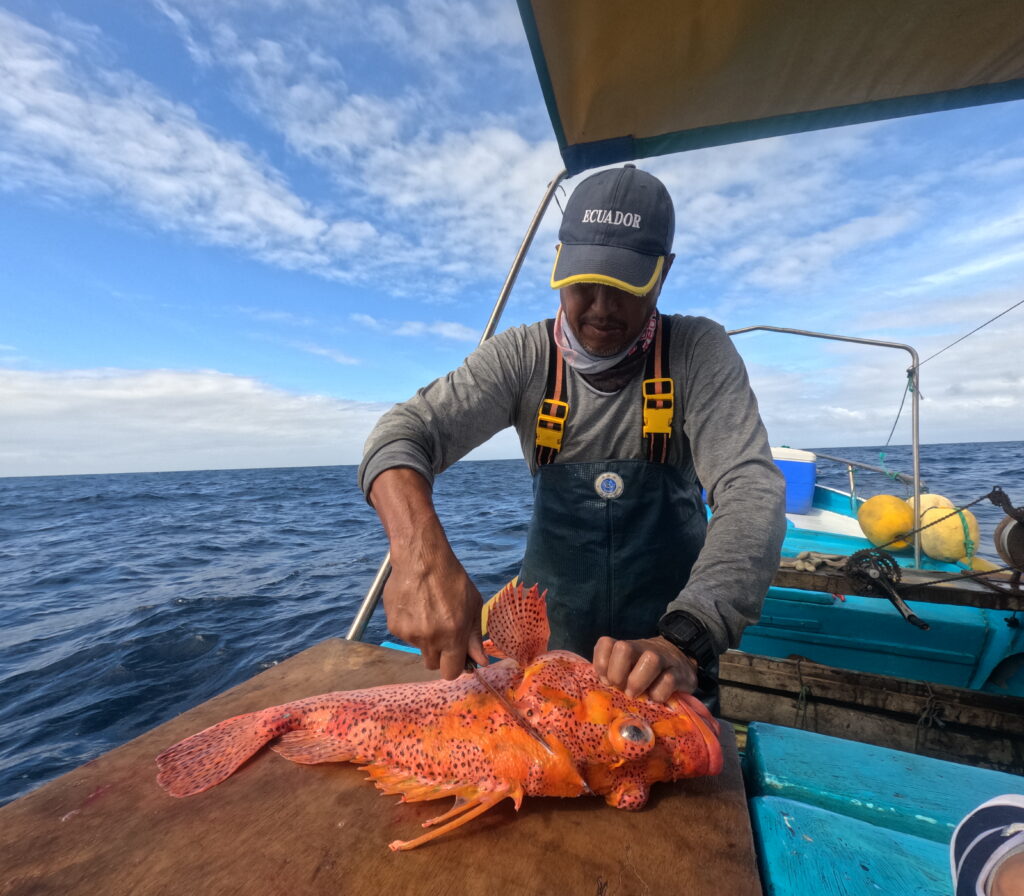
Beyond providing nutritious school snacks, the project introduces an integrated model that connects three strategic pillars for the sustainable development of the Galápagos: child health, responsible artisanal fisheries, and community education. One of its key components is strengthening sustainable artisanal fisheries through collaboration with the Copespromar Artisanal Fisheries Cooperative, establishing commercialization agreements that ensure fair prices, high standards of quality and food safety, and a reliable supply of fish harvested through responsible fishing practices that comply with Galápagos Marine Reserve regulations.
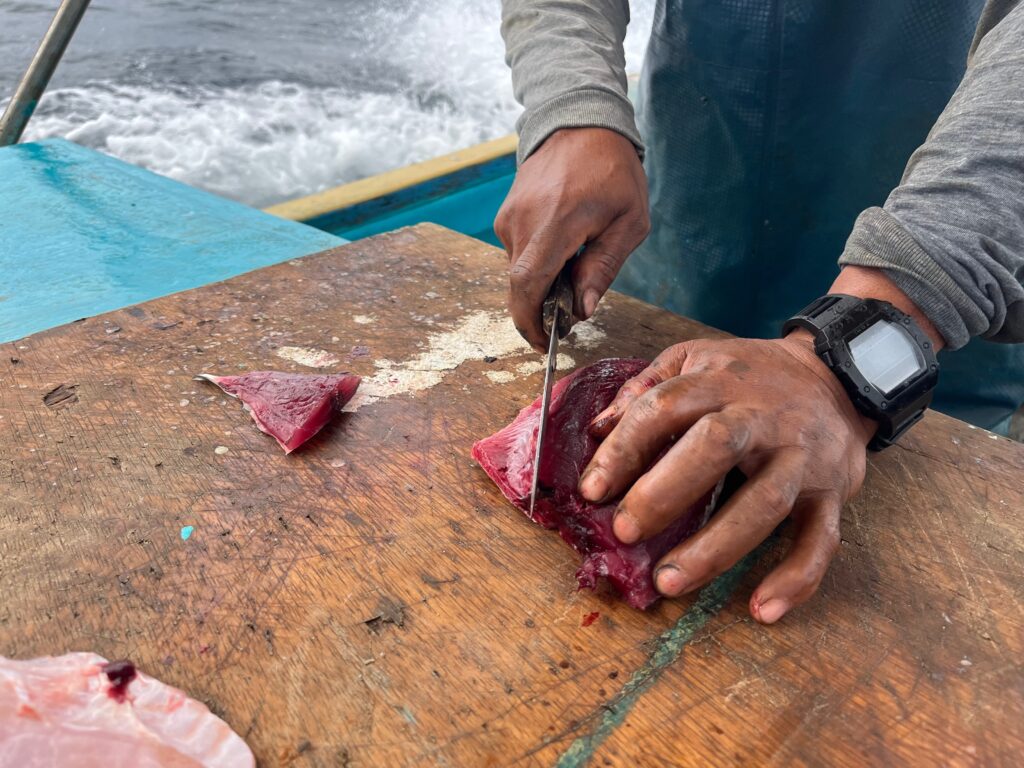
“Providing children with a high-quality product that meets all food safety standards is one of our cooperative’s main goals. I am also especially proud that the school selected for this pilot project is the same one I attended from kindergarten onward. I have always maintained a close relationship with this school, supporting its activities and participating in its events, so seeing this initiative begin here is particularly meaningful to me,” said Juan Carlos Torres, President of the Copespromar Cooperative.
The project also engages local farmers, who will supply fresh fruits and vegetables for the school snacks, strengthening local food systems, promoting the consumption of fresh produce, and supporting the island’s economy.
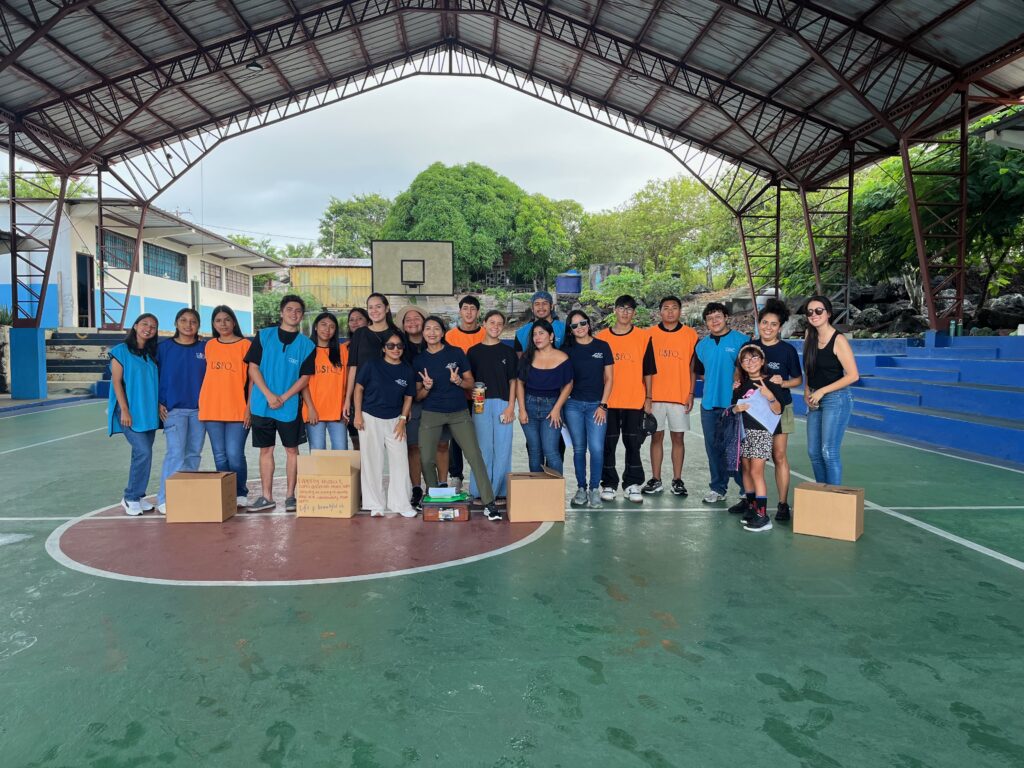
Its educational component includes the implementation of Community Health Schools, known as “Growing Together as a Family” (Encuentros Crecer en Familia). These learning spaces are designed for students, families, teachers, fishers, and community members. Through workshops and hands-on activities, participants will gain practical knowledge on nutrition, food safety, family health, sustainable fisheries, and healthy food preparation, helping build skills that contribute to the well-being of the entire community.
“We have very high expectations for this project, particularly because it brings together multiple sectors of the community. We are confident that it will achieve its intended outcomes and, in the future, be expanded to additional schools. The greatest beneficiaries will be children, who will gain access to nutritious, high-quality food that supports not only their health but also their academic performance and overall development,” said Luis Fernando Solórzano, Provincial Director of Education for the Galápagos.
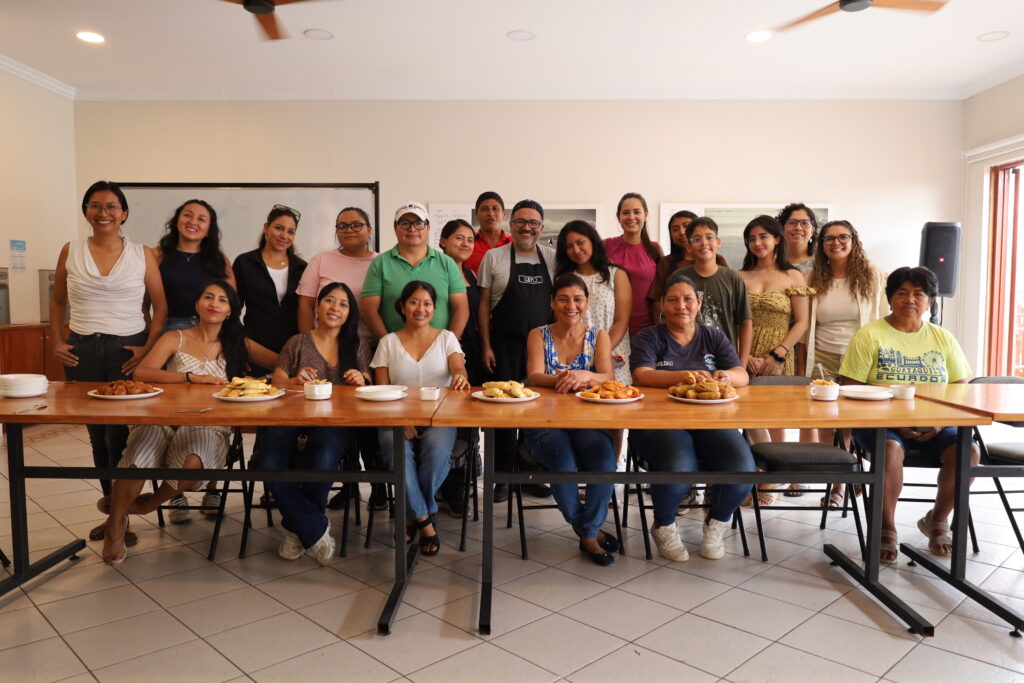
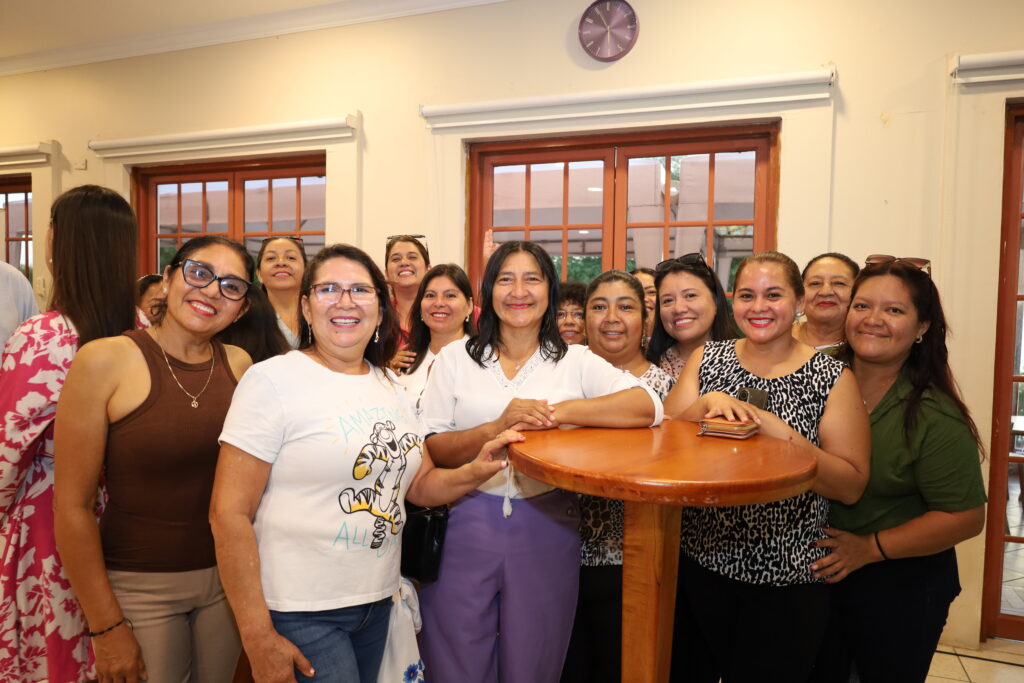
The initiative also incorporates a strong social inclusion and community participation approach by involving women connected to the artisanal fishing sector in food preparation and distribution, as well as in training and leadership activities, strengthening their role throughout the project’s value chain.
In the long term, the project aims to become a model for other communities across the archipelago, demonstrating how science, education, sustainable fisheries, and community participation can work together to advance marine conservation, strengthen food security, and improve the well-being of future generations in the Galápagos.